Across India’s spiritual traditions, the role and stature of women have often been obscured by colonial-era misreadings that framed the subcontinent as irrational and regressive. A more careful historical and philosophical view reveals the opposite: women have long shaped Hindu spiritual traditions and the wider dharmic tapestry shared with Buddhism, Jainism, and Sikhism. Their lives illuminate pathways of devotion, inquiry, and liberation that remain deeply relevant.
This overview presents three remarkable figuresHemalekha, Akka Mahadevi, and Anandamayi Mawhose journeys exemplify inner transformation, ethical courage, and service. Read cohesively, their lives offer a lens on Bhakti Tradition, meditative insight, and dharmic values such as ahimsa, self-discipline, and inclusivity. Readers may recognize personal echoes in their stories: the search for lasting contentment beyond sensory cycles, the resolve to live by truth despite social pressures, and the sustaining joy of devotion.
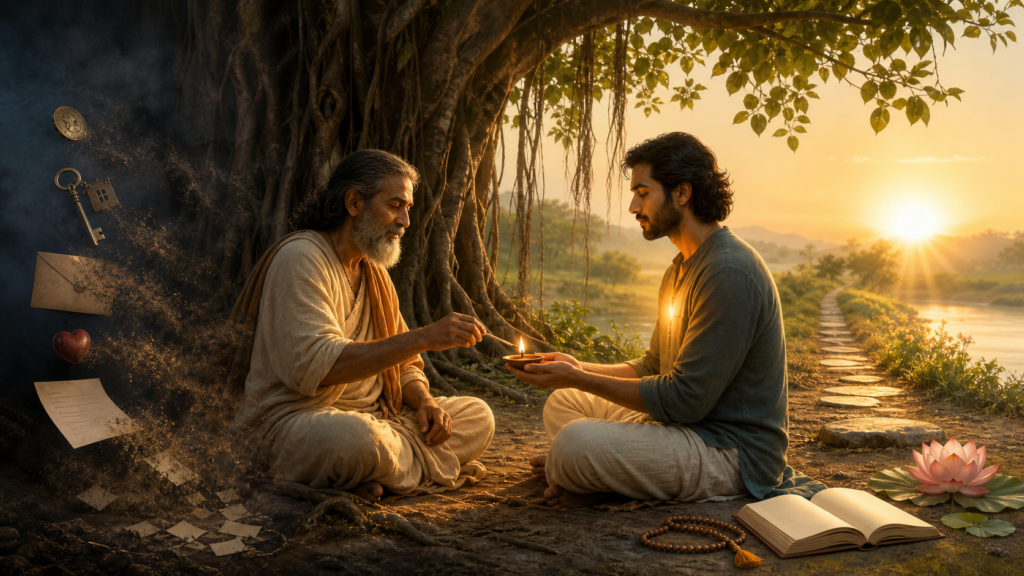
Hemalekha is remembered through a narrative set in the ancient kingdom of Dasarna. When Prince Hemachuda, son of King Muktachuda, was separated from his retinue during a violent storm, he sought refuge in an ashram and encountered Hemalekha, the foster-daughter of Sage Vyaghrapada. Their union, blessed by her father, began in mutual affection. Yet, over time, Hemalekha turned inward, cultivating detachment that unsettled the prince. With clarity and compassion, she articulated a foundational principle of Hindu philosophy: pleasures that rise and fall with the senses inevitably produce dissatisfaction, whereas lasting happiness lies in realizing one’s eternal essence.
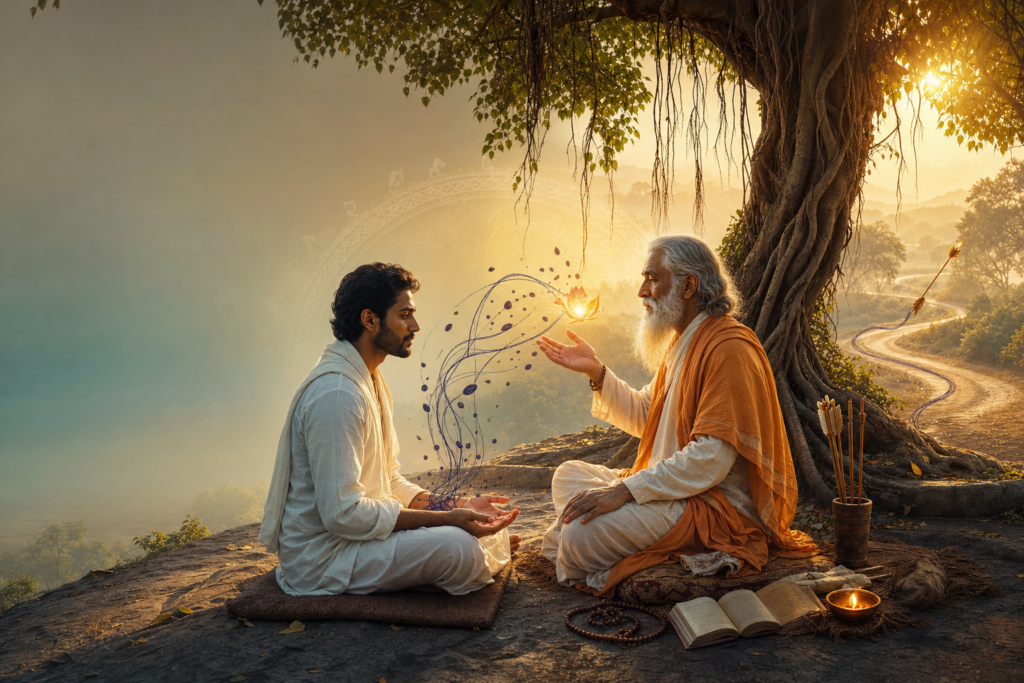
Moved but conflicted, Hemachuda asked for guidance. Hemalekha encouraged a disciplined self-inquiry: examine wealth, status, body, and mind; observe their change and contingency; discern the witness that persists. As Hemachuda systematically reflected, he recognized that none of these shifting attributes defined his true identity. What remained was the steady luminosity of consciousness, a spiritual nature inseparable from the Divine that permeates all existence. The realization softened his ego, widened his compassion, and informed his rule when he later succeeded to the throne. Side by side, Hemalekha served the people of Dasarna by transmitting the same insight in accessible, practical waysan enduring model of spiritual leadership in public life.
Readers may find Hemalekha’s method relatable: it mirrors a common human experience in which fleeting gratification yields restlessness. Her step-by-step inquiry points to a durable alternativesattvic clarity, ethical responsibility, and inner steadinessintegrated with social duty rather than opposed to it.
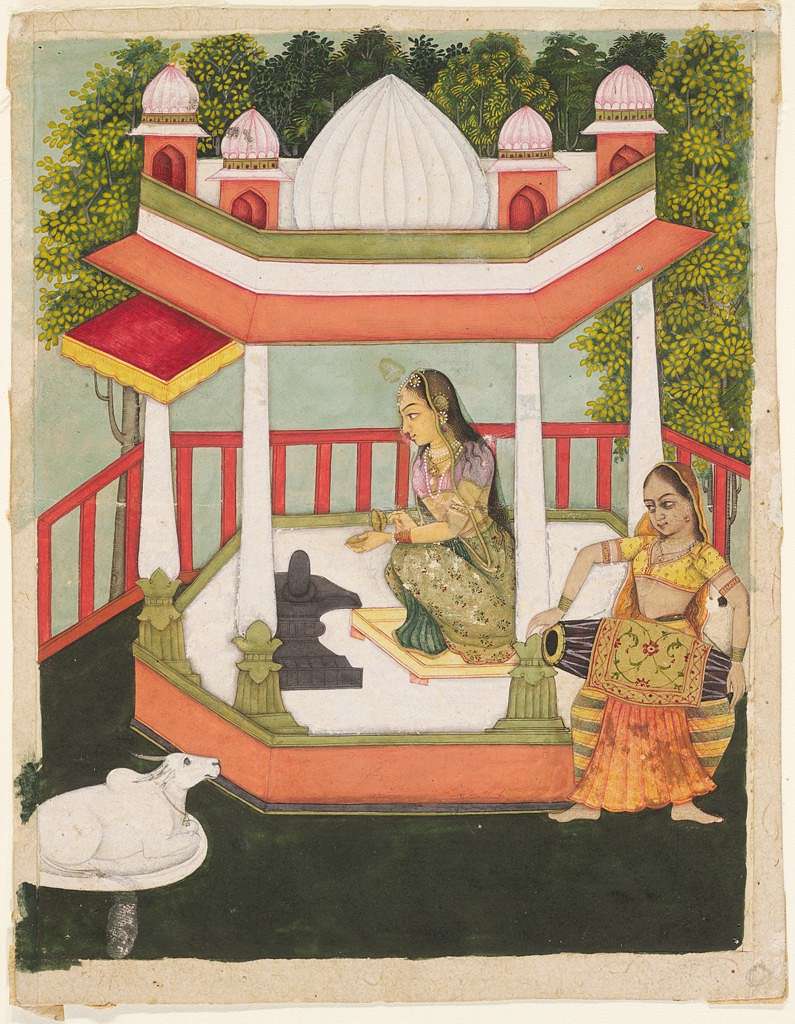
Art historical depictions of female ascetics from the early modern period evoke the same contemplative atmosphere described in Hemalekha’s narrative: serene figures in saffron robes, the riverbank and tree as quiet witnesses, and an air of undisturbed concentrationvisual cues to a life anchored in practice.
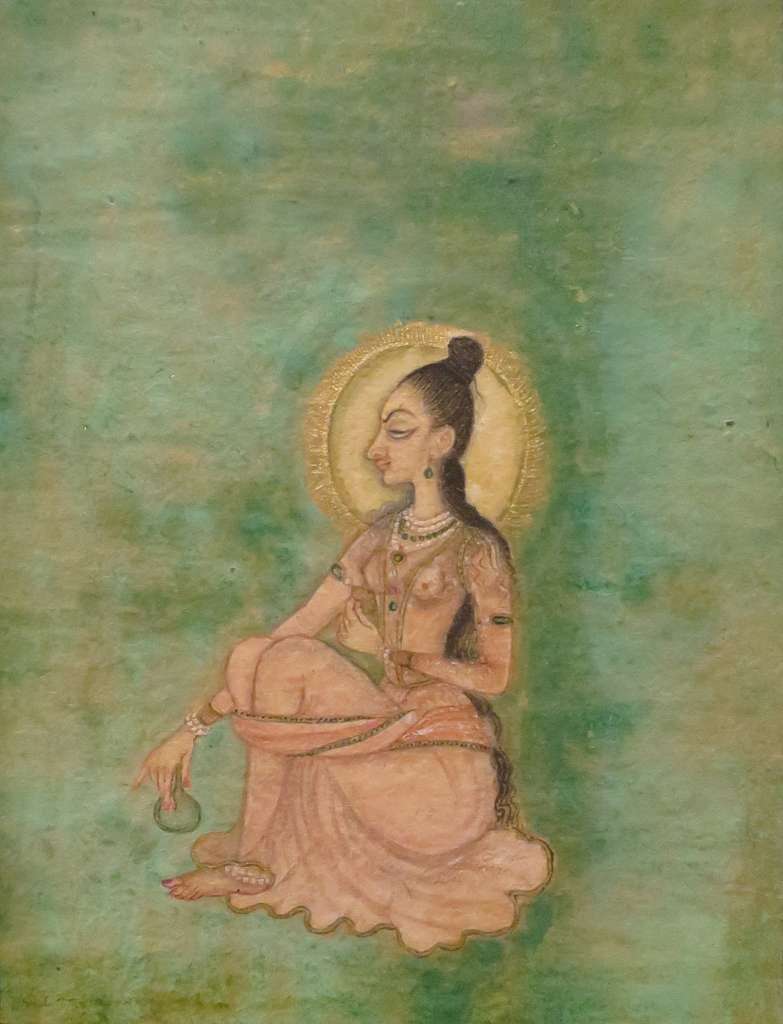
Akka Mahadevi, born around 1130 CE in the Shimoga region of Karnataka, embodied the fervor of Bhakti Tradition. From childhood she was drawn to Shiva, whom she addressed as Chenna Mallikarjuna“Beautiful Lord, White as Jasmine.” Her devotion transcended ritual habit; it was a total orientation of heart and mind. Social pressures mounted as she came of age, culminating in a marriage arrangement with Kaushika, a regional ruler. She consented only on clear conditions: uninterrupted devotion, and free association with scholars and saints, irrespective of gender.
Differences soon proved irreconcilable. Where courtly life prized possessions and appearances, Mahadevi was anchored in transcendence. When pressed to abandon her path, she renounced royal privilege altogether. In an act of radical surrender, she chose to walk the earth unclothedan ethical-spiritual vow signaling freedom from worldly claims over body and mind, and exclusive dedication to Shiva.
Mahadevi later reached Kalyana, where Basavanna and Allama Prabhutowering figures of spiritual inquiryinitially received her with caution, then recognized her depth. Accepted as a disciple by Allama Prabhu, she refined her practice among seekers who, moved by her insight, addressed her as “elder sister.” Eventually, she journeyed to the hills of Srisailam and lived in the forest of Kadali, begging for food, resting in temple ruins, and composing ecstatic poetry. Her vachanas bear the intimate textures of longing and union; they remain vital expressions of devotion and nonconformist courage within Hindu history.
Framed within the unity of dharmic traditions, Akka Mahadevi’s life resonates with themes cherished across Hinduism, Buddhism, Jainism, and Sikhism: renunciation of ego, ethical living, universal compassion, and fearless pursuit of truth. Rather than opposing any community, her stance was inwardly reformative and spiritually expansive.
Contemporary paintings of yoginis and female ascetics from the 18th century capture this same luminosity: a seated figure in radiant trance, translucent garments and fine ornaments hinting at the paradox that true brilliance arises not from adornment but from the still mind.
Anandamayi Ma was born in 1896 in Kheora (present-day Bangladesh) and named Nirmala“spotless,” “pure.” Despite poverty and personal loss, her presence was marked by serene equanimity. Married at 13 and joining her husband at 18, she embraced a life of celibacy with his understanding and support, focusing wholly on spiritual practice. Episodes of profound absorption became increasingly visible, especially during kirtan (devotional singing), drawing seekers who experienced her as a palpable source of joy and peace. Many honored her as Anandamayi Ma“The Joy-Permeated Mother.”
Over the decades, Anandamayi Ma traveled widely across India, establishing ashrams, shrines, and communities. Her teaching was notable for simplicity, clarity, compassion, and inclusivity. She met people where they stoodscholars and laypersons, householders and monasticsand welcomed sincere seekers across communities, including Hindus, Muslims, Buddhists, Sikhs, Christians, and Jews. Illiteracy posed no barrier; her authority rested in lived realization and unwavering compassion. By the time of her passing in 1982, thousands of disciples were united by her example of inner joy, self-discipline, and universal respect.
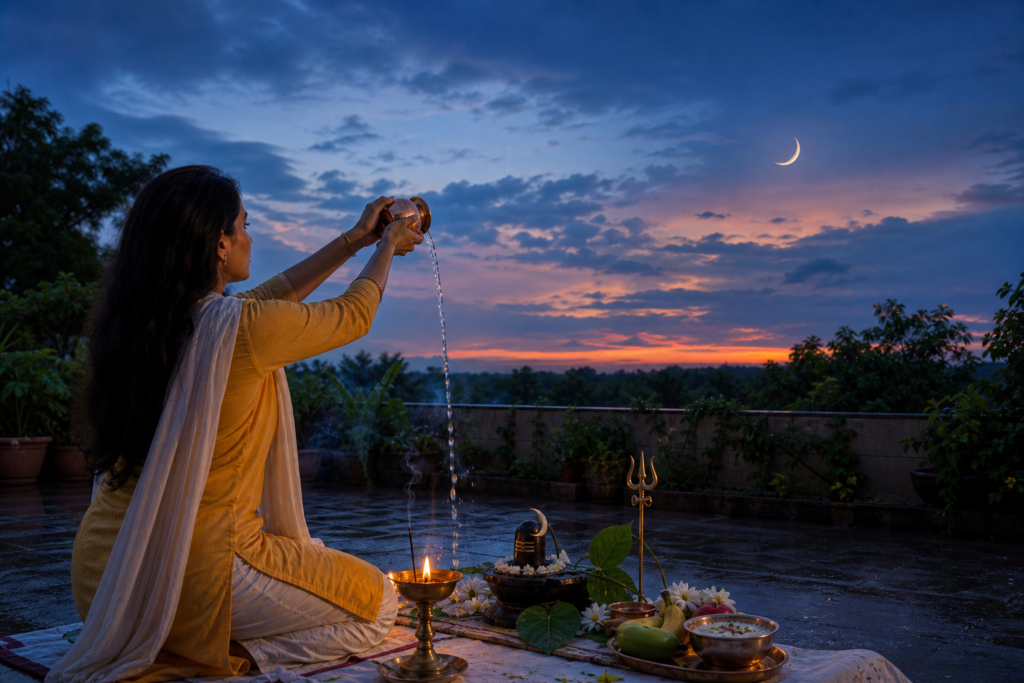
These three livesHemalekha’s philosophical inquiry, Akka Mahadevi’s radical devotion, and Anandamayi Ma’s expansive compassionreveal a continuum of Hindu spiritual traditions that also harmonize with the broader dharmic ethos: unity in spiritual diversity, reverence for many paths, and the transformative power of practice. Their legacies encourage readers to cultivate discernment, deepen devotion, and extend kindnessprinciples that build social harmony and interfaith understanding across the dharmic family.
A final reflection draws the threads together: India’s women saints demonstrate that profound realization is not bound by status, formal learning, or convention. Their lives invite a balanced synthesis of inner freedom and outer responsibilityan enduring guide for contemporary seekers across Hinduism, Buddhism, Jainism, and Sikhism.
Inspired by this post on Hindu America.