-
June 6, 2026 Panchang: From Sashti to Saptami—Essential Shubh Muhurat, Nakshatra & Rashi

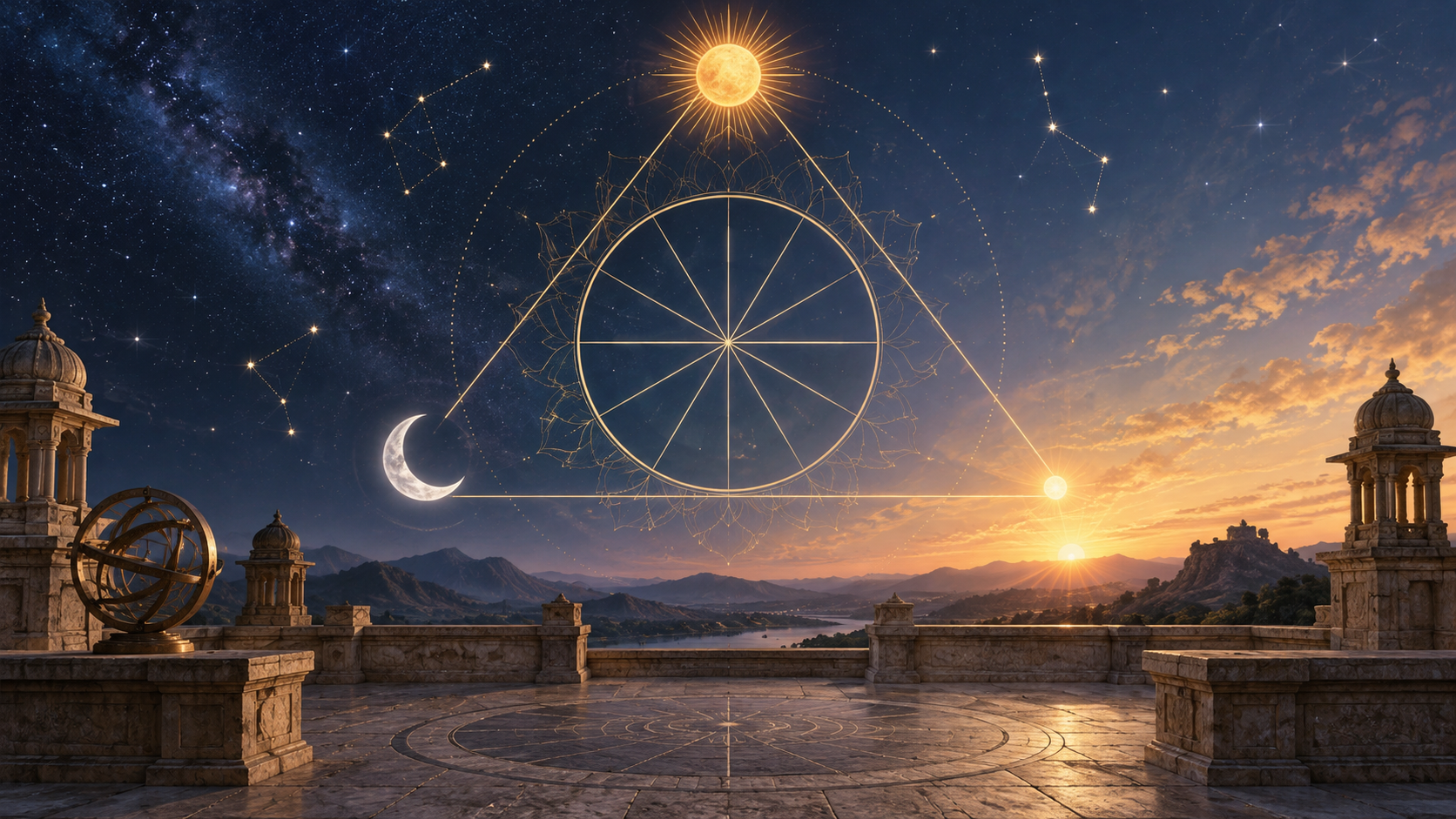
Saturday, June 6, 2026 aligns with Krishna Paksha Sashti until 10:06 PM (IST), followed by Krishna Paksha Saptami. This Panchang-based guide explains how Tithi, Nakshatra, Rashi, Yoga, and Karana jointly inform Shubh Muhurat selection. It clarifies why timings vary by location and sunrise, and how to adjust for time zones. Practical tips highlight Sashti observances…
-
Mahiravana and Ahiravana Unmasked: Untangling Folk Ramayanas, Patala Sorcery, and Panchamukhi Hanuman

Are Mahiravana and Ahiravana one demon or two? This long-form, academically grounded exploration surveys medieval vernacular Ramayanas, regional theatre (from Ramlila to Yakshagana), and Southeast Asian tellings to clarify how the Patala episode evolved beyond the Valmiki Ramayana. It explains why most traditions treat the names as interchangeable while some stage lineages present them as…
-
June 5, 2026 Panchang: Exact Tithi Timings, Auspicious Muhurtas, Nakshatra and Rashi Insights

June 5, 2026 aligns with Krishna Paksha Panchami until 9:29 PM, after which Sashti begins, a change that guides how vratas and muhurta choices are made. The article explains how tithi is computed astronomically and why times vary by location, underscoring the sunrise rule used for many observances. It outlines daily tools such as Abhijit…
-
Vermilion Box (Sindoor Dabi): Goddess Lakshmi’s Grace, Prosperity Rituals, and Living Heritage

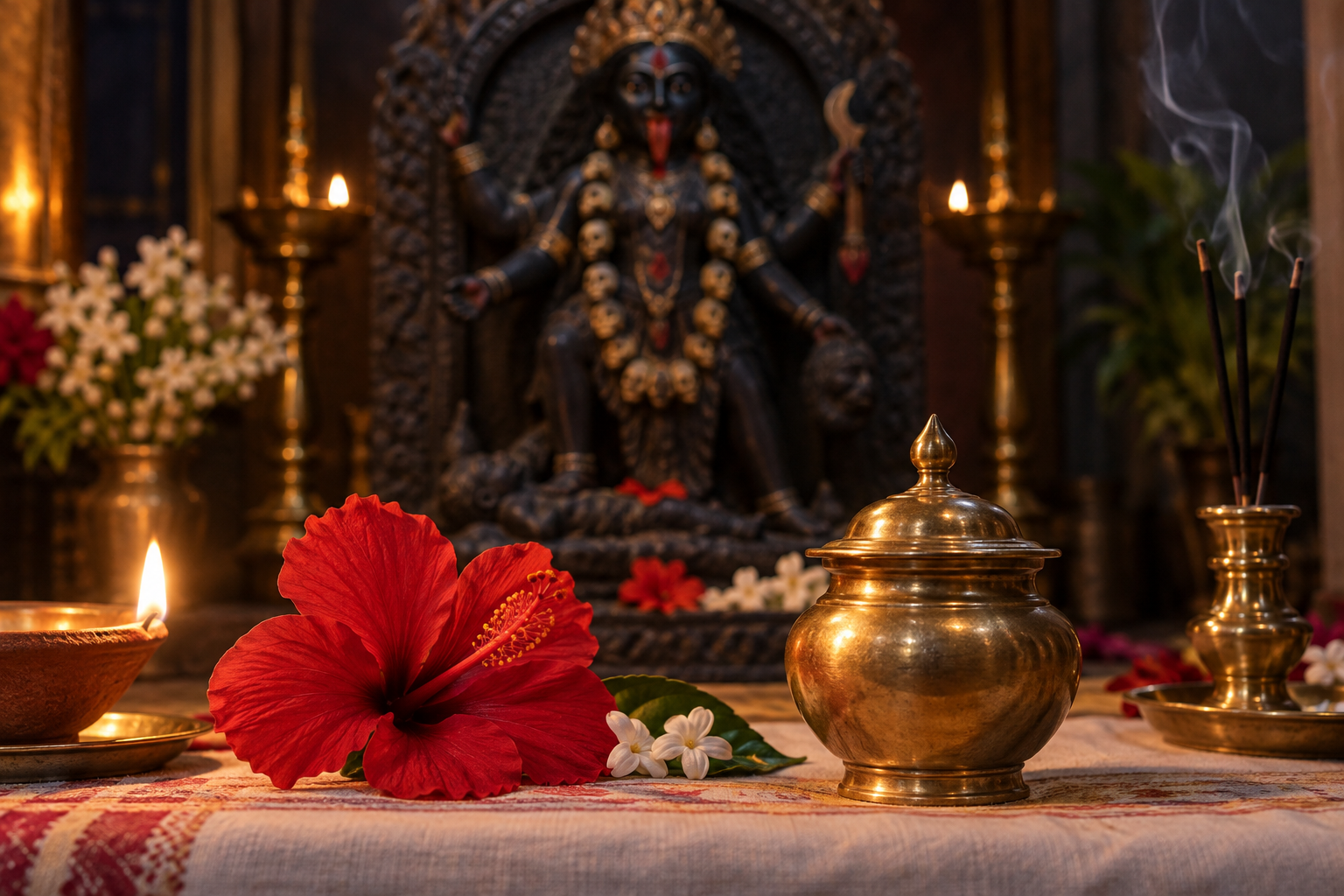
The Vermilion Box (Sindoor Dabi) is a living symbol of Goddess Lakshmi’s grace in Hindu homes, especially in Bengal and eastern India. This long-form exploration traces its ritual role in Panchopachara and Shodashopachara, its association with the sacred feminine, and its regional craft vocabularies. Readers learn how red—through kumkum or sindoor—visualizes ethical prosperity, and how…
-
June 4, 2026 Panchang (IST): Clear Tithi Timings, Auspicious Windows, Nakshatra & Rashi Guidance

Thursday, 4 June 2026 (IST) features Krishna Paksha Chaturthi until 20:25 IST, after which Krishna Paksha Panchami begins. This guide explains how tithi boundaries are calculated, why they can fall at any time, and how to use them for planning. It outlines proven methods for deriving Abhijit Muhurat, Brahma Muhurta, Rahu Kalam, Yamaganda, Gulika Kala,…
-
London’s 2026 Rathayatra: An Immersive Walking Tour of Devotion, Culture, and Unity

London’s 57th Rathayatra on 24 May 2026 transformed Park Lane, Piccadilly, and Trafalgar Square into a vibrant corridor of devotion and community from 2:00 pm to 5:00 pm. This immersive, one-take, 1 hour 13 minute walking tour documents how kirtan, hand-pulled chariots, and public darshan reconfigured central London’s iconic spaces. Rooted in the Jagannath tradition…
-
June 3, 2026 Panchang: Krishna Paksha Tritiya→Chaturthi, Auspicious Times, Nakshatra, Rashi

On Wednesday, June 3, 2026, the Panchang shows Krishna Paksha Tritiya until 6:53 PM, after which Krishna Paksha Chaturthi prevails through the night. The guide explains how tithi works astronomically, why regional Panchangs sometimes differ, and how to use weekday qualities and protective windows like Rahu Kalam, Yamaganda, and Gulika. It clarifies the practical impact…
-
Did Goddess Lakshmi Slay Demons? Scriptural Evidence on Kolhasura and Mahishasura

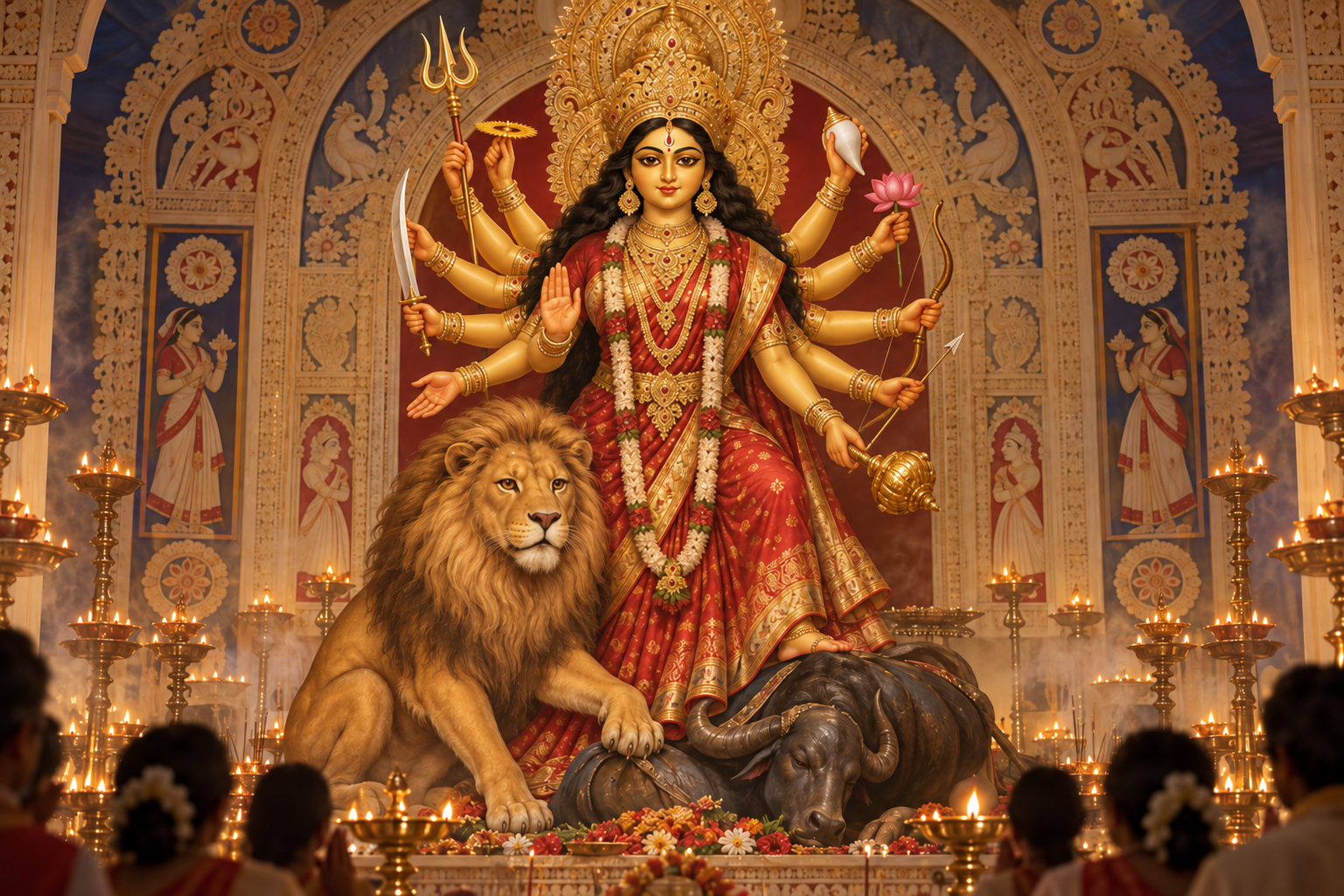
Did Goddess Lakshmi slay demons? Scriptural and regional traditions answer yes in her fierce Mahalakshmi form. The Skanda Purana’s Karavira Mahatmya narrates Mahalakshmi (Ambabai) defeating Kolhasura at Kolhapur, while the Devi Mahatmya’s Mahishasuramardini cycle—often assimilated devotionally to Mahalakshmi—captures the goddess’s triumph over Mahishasura. This article clarifies how Śrī-Lakshmi’s benevolent identity and Mahalakshmi’s protective power coexist…
-
Aghori Tradition Demystified: Fearless Aghora, Sacred Practice, Ethics, and Dharmic Unity

Aghora in Sanskrit means “not terrible,” pointing to a serene, compassionate face of Śiva that transforms fear into clarity. The Aghori path draws from Vedic and Śaiva sources and trains practitioners to confront impermanence through disciplined, ethically guided sādhanā, often associated with cremation-ground contemplation. Its symbols—vibhūti, kapāla, and Bhairava iconography—are pedagogies of non-duality, not spectacles…
-
June 2, 2026 Panchang: Krishna Paksha Dwitiya to Tritiya Timings, Shubh Muhurat, Nakshatra–Rashi

On Tuesday, June 2, 2026, the Hindu calendar (Panchang) lists Krishna Paksha Dwitiya until 5:03 PM, after which Krishna Paksha Tritiya begins. This post explains what a tithi is, why end times vary by location, and how to plan observances around the Dwitiya–Tritiya transition. It outlines practical Shubh Muhurat guidelines, including Abhijit Muhurat near solar…
-
June 1, 2026 Panchang: Pratipada to Dwitiya, Shubh Muhurats, Nakshatra and Rashi Guide

June 1, 2026 falls on Krishna Paksha Pratipada until about 3:04 PM (IST), then shifts to Krishna Paksha Dwitiya, shaping the day’s rhythm for worship, work, and planning. This guide explains the technical basis of the Panchang—tithi, nakshatra, rashi, yoga, karana—and how to apply them for shubh muhurats with attention to Abhijit Muhurat and avoidance…
-
May 31, 2026 Panchang: Precise Purnima Tithi, Auspicious Timings, Nakshatra & Rashi Guide

May 31, 2026 features Purnima tithi until 1:02 PM IST, followed by Krishna Paksha Pratipada until 3:04 PM on June 1. The guide explains how to align worship, vrata, and day planning with these precise Panchang timings. It outlines a reliable method for locating Sunday Rahu Kalam, Yamaganda, and Gulika Kalam by dividing daylight into…
-
Ekadashi June 2026: Parama (Kamala) & Nirjala Dates in Jyeshtha, Meaning and Fasting Guide

Ekadashi in June 2026 falls on 11 June (Parama, also referenced as Kamala) and 25 June (Nirjala) during Jyeshtha Month. This academically grounded guide explains how Ekadasi Vrata is determined by tithi at local sunrise, why certain panchangs list an Adhik Jyeshta Maas in 2026, and how that informs the Parama/Kamala designation. It outlines the…
-
Krushi Purnima 2026 Guide: Monsoon’s Dawn, Sacred Purnima Rituals, and Smart Kharif Sowing

Krushi Purnima 2026 falls on 29 June, aligning with Jyeshtha (Jyeshta) Purnima, and marks an auspicious, pan-Indian moment to welcome the monsoon and begin Kharif-season preparations. This academically grounded guide explains how the Purnima tithi is calculated, why regional panchangs may differ slightly, and how Adhik Maas nuances can shape observance. It explores the festival’s…
-
Jyeshta Purnima (29 June 2026): Date, Puja Timings Guide, Dev Snan & Vat Purnima Insights

Jyeshta Purnima falls on 29 June 2026 (IST) and is observed during the active Purnima tithi, with most households fasting from sunrise and concluding the vrata after local moonrise. Because tithis are defined by Sun–Moon geometry, the start–end times vary by location, making a city-specific Panchang essential for accurate planning. The day aligns with Dev…
-
Vrishabha Pooja on Jyeshtha Purnima 2026: Sacred Bull Worship, Rituals, and Farming Blessings

Vrishabha Pooja on Jyeshtha Purnima (29 June 2026) is a pan-Indian agrarian thanksgiving, celebrated as Eruvaka Pournami in Andhra Pradesh and Telangana, that honors the vrishabh (ox/bull) central to ploughing and sowing. The full moon observance follows the local Purnima tithi as per the regional panchang, aligning ritual time with lunar cycles. Rooted in Shaiva…
-
Jyeshta Maas 2026 (Jeth Mahino) in Gujarati Panchang: Precise Dates, Festivals, and Significance

Jyeshta Maas 2026 (Jeth Mahino) in the Gujarati Panchang begins on 15 June 2026 and ends around 14 July 2026, with dates assigned by the tithi at local sunrise. Many Panchangs indicate an Adhik Jyeshta (Adhik Jeth) preceding this span, roughly mid-May to 14 June 2026, inserted because no solar sankranti occurs within that lunar…
-
Chandra Darshan 16 June 2026: Powerful First-Moon Sighting, Rituals, and Calendar Map

Chandra Darshan on 16 June 2026 marks the first visible crescent after Amavasya and inaugurates Shukla Paksha. The observance falls in Nija Jyeshta (Jyeshta Masam) for North India, Andhra Pradesh, Telangana, and Karnataka due to the Adhik Jyeshta sequence earlier in 2026. In the solar calendars, it aligns with Aani (Tamil), Mithunam (Malayalam), and Ashar…
-
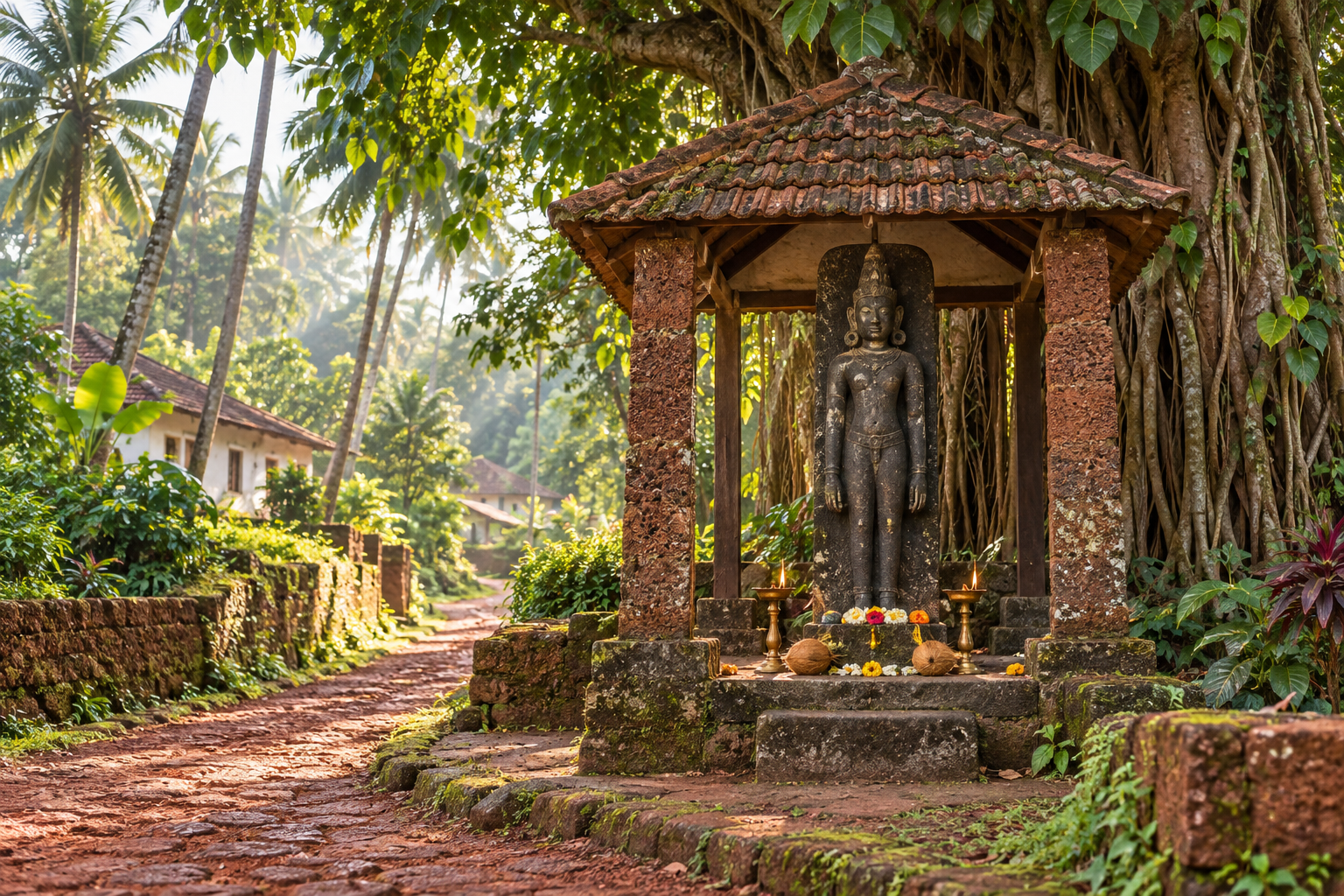
Panjurli Daiva of Tulunadu: Sacred Boar, Agrarian Covenant, and the Living Bhuta Kola

Tulunadu’s Panjurli Daiva, the sacred boar guardian of coastal Karnataka and northern Kerala, embodies a living covenant between forest and farmland. This in-depth overview situates Panjurli within Bhuta Kola/Nema traditions, tracing historical continuities, ritual roles, costume language, and oracular justice. Readers gain an integrated view of how daivasthanas function as both sacred spaces and civic…
-
May 29, 2026 Panchang: Shukla Trayodashi→Chaturdashi, Auspicious Muhurtas & Rahu Kalam

May 29, 2026 begins with Shukla Paksha Trayodashi and transitions to Shukla Paksha Chaturdashi at about 9:38 AM (IST) in most Indian Panchangs. The summary explains what a Tithi is, why change times vary regionally, and how to plan the day using stable, high-value Muhurtas such as Brahma Muhurta, Abhijit, and Vijay Muhurta. It also…