-
Genetic Clues Reveal Bharat’s Deep Role in Human Origins Beyond Colonial Myths

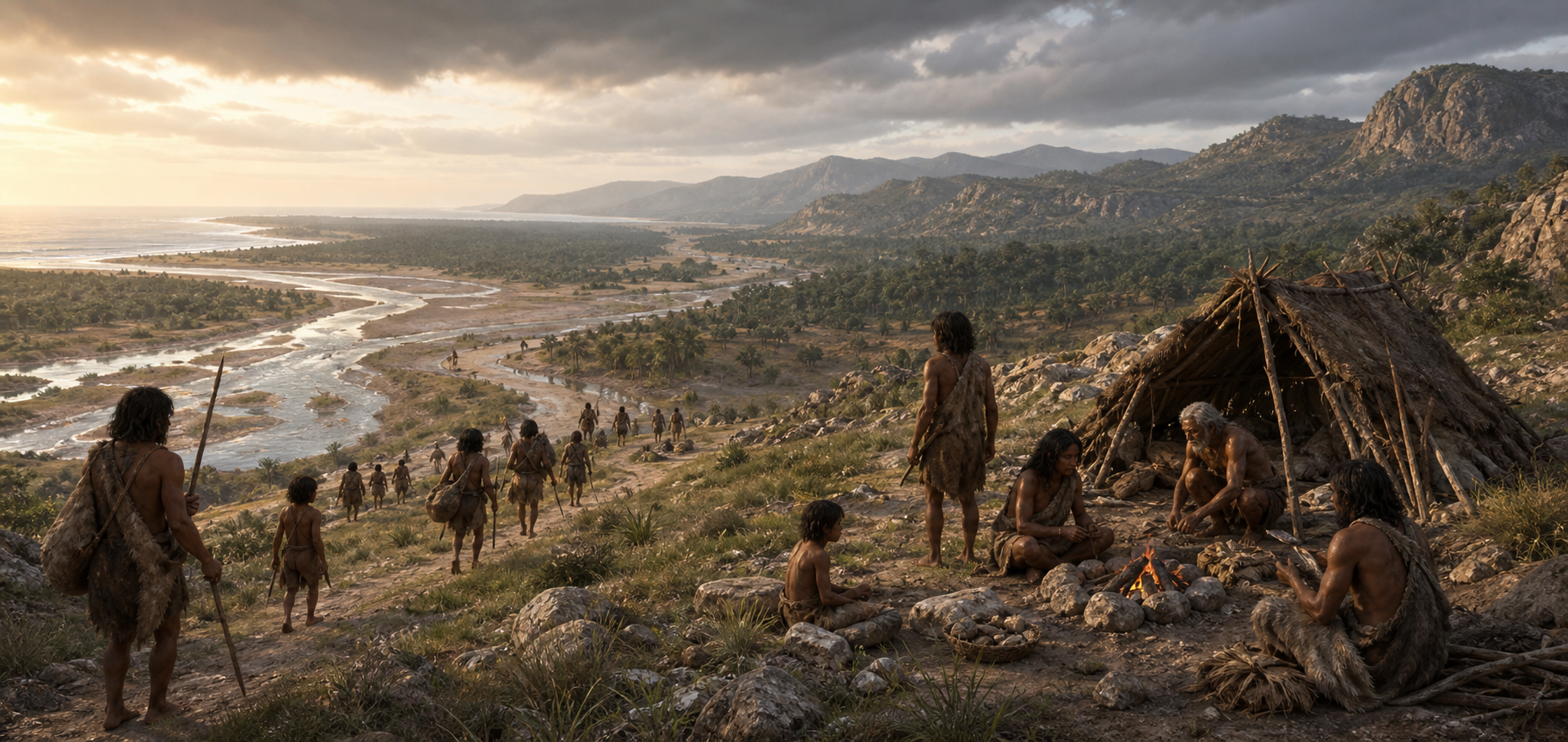
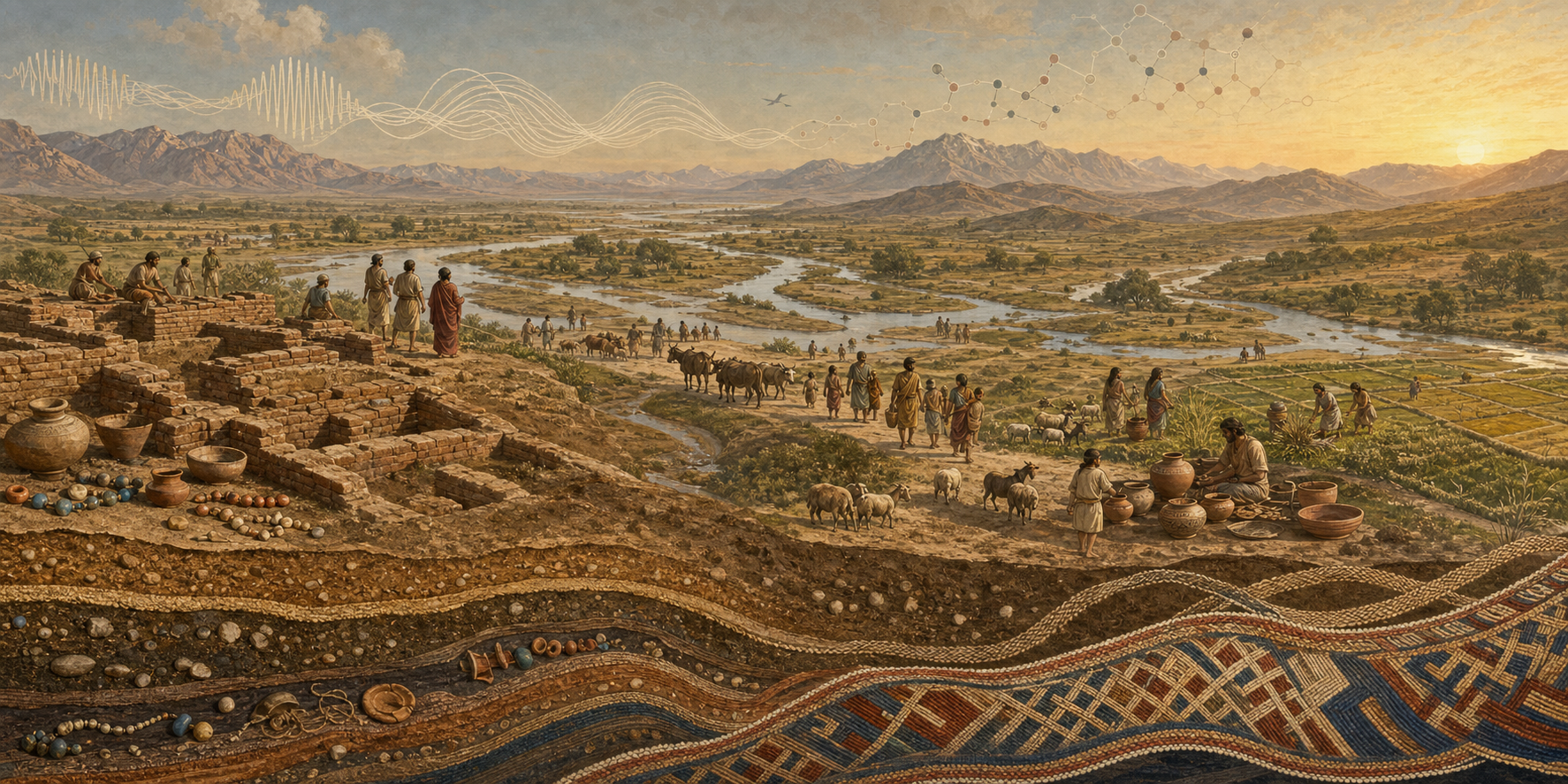
Recent genetic and archaeological research has reopened major questions about Bharat’s role in early human history. The evidence points to deep antiquity, complex population continuity, and the Indian subcontinent’s importance in early non-African dispersals. Colonial racial theories about “Aryans” are increasingly inadequate because they confused language, culture, ancestry, and power. Modern ancient-DNA studies show a…
-
Unraveling the Indo-European Homeland: Evidence, Myths, and South Asia’s Living Heritage

The search for the Indo-European homeland remains unsettled, but today it is informed by a stronger synthesis of comparative linguistics, archaeology, and ancient DNA. This article surveys the three leading proposalsAnatolian-Neolithic, South Caucasus, and Pontic-Caspian steppeand distills J. P. Mallory’s critiques, including the problem of massive language shifts without clear archaeological correlates. It explains how…
-
Unraveling Proto‑Indo‑European: A Rigorous, Inclusive Journey through Sanskrit’s Ancestral Web

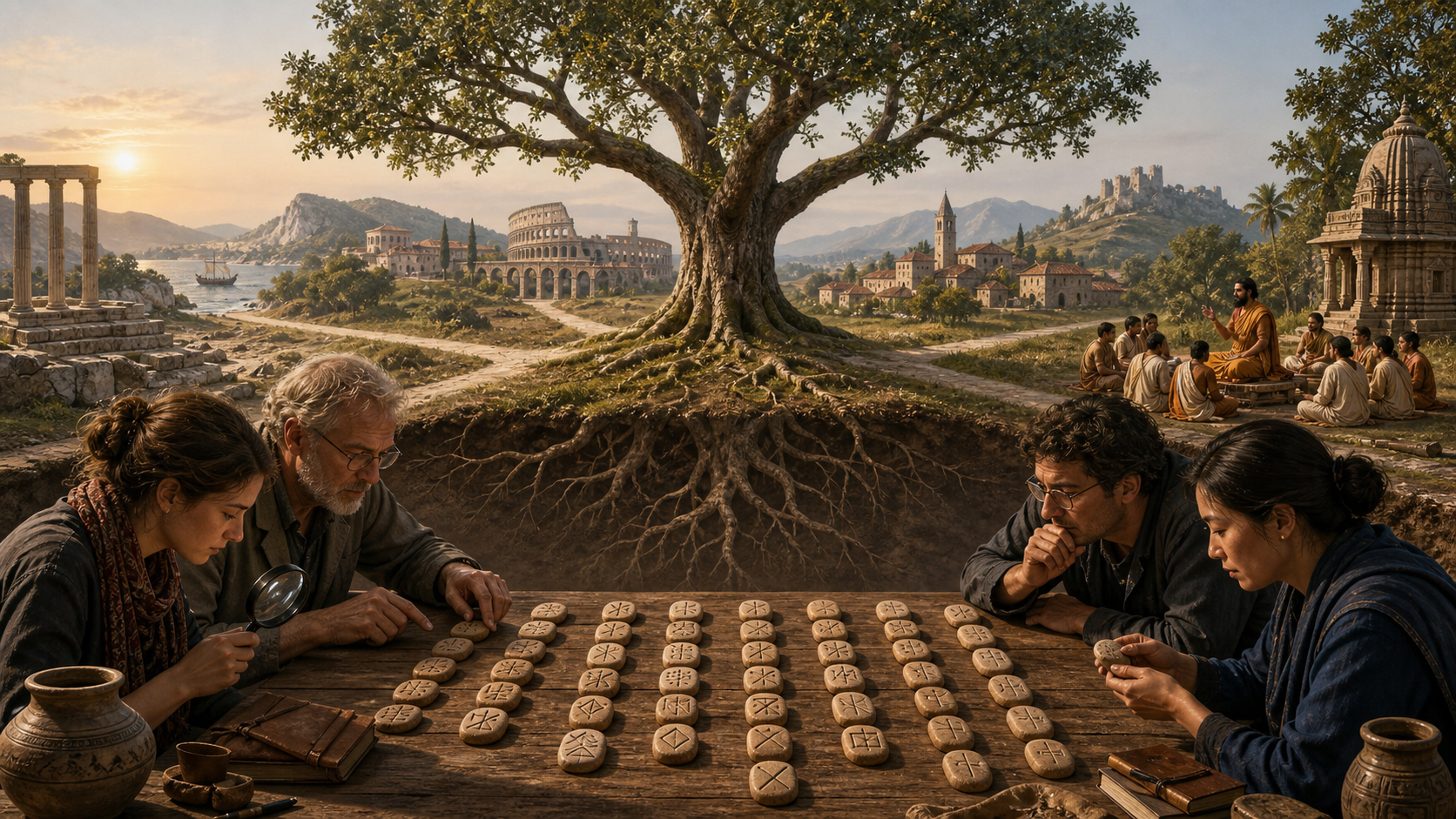
This article explains why scholars reconstruct a Proto‑Indo‑European (PIE) ancestor to Sanskrit, Greek, and Latin, and how the comparative method, sound laws, and morphology support that model. It clarifies that Indo‑European is a large language familycounted at roughly 439 varieties in some 2009 classificationswithin which Sanskrit, Greek, and Latin are sister languages. Readers learn how…
-
Unraveling Lemuria and Kumari Kandam: An Evidence-Based Look at Tamil Myth and History

This analysis examines the Lemuria/Kumari Kandam narrative with an evidence-based, interdisciplinary lenscombining textual criticism, archaeology, linguistics, and geosciences. It explains how classical Tamil works like Kalittogai and Silappadikkaram encode powerful flood motifs while clarifying why such poetry does not, by itself, prove a vanished Holocene continent. It outlines the scientific history of “Lemuria,” the role…
-
How the ‘Aryan Race’ Myth Persists: Colonial Pseudoscience, White Supremacy, and Dharmic Unity

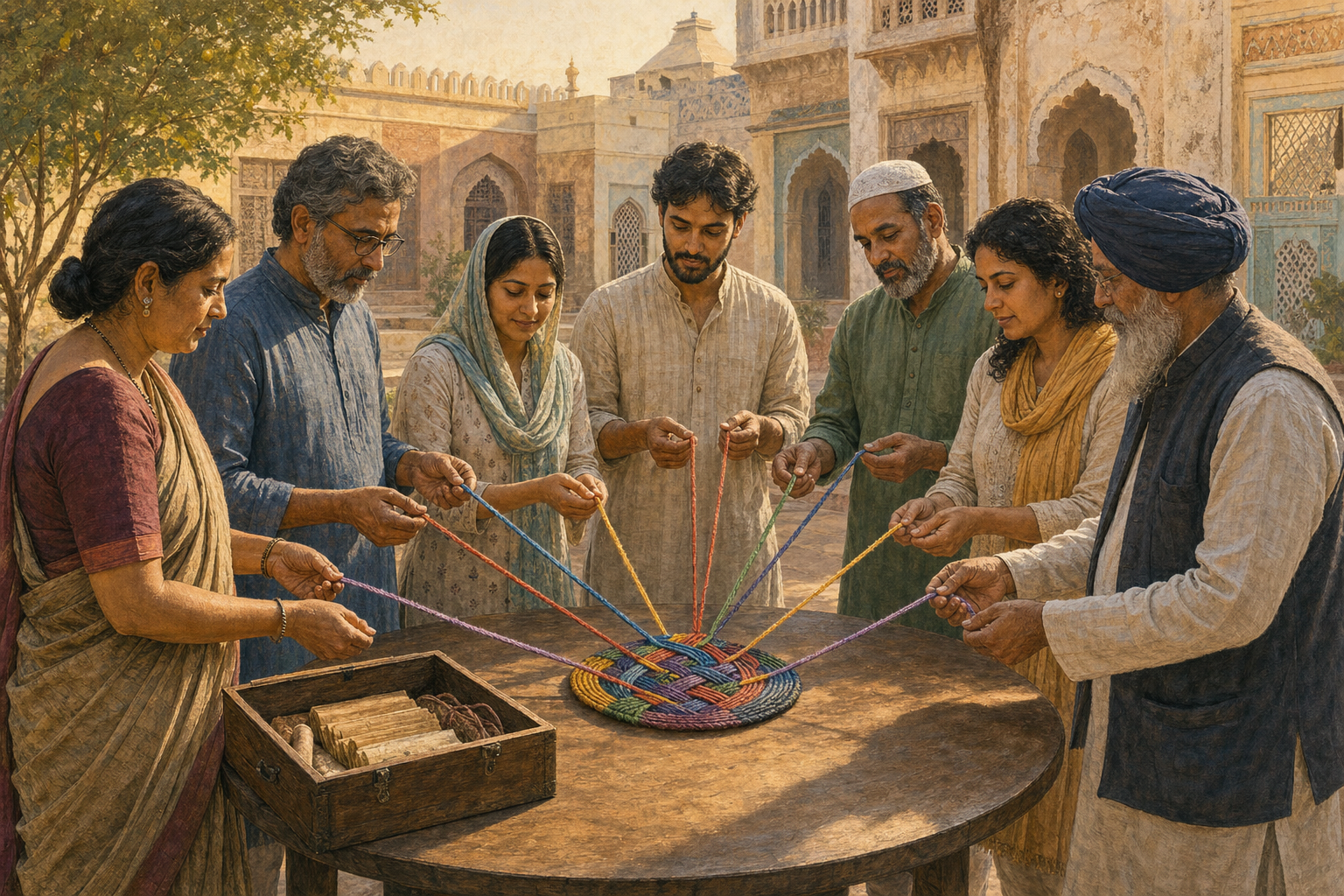
A recent media segment revived a racialized reading of the ‘Aryan’ idea, prompting a careful review of what Sanskrit ārya actually means and how colonial-era narratives distorted it. This analysis explains how the British period and certain missionary discourses mapped language onto race, fueling the ‘Aryan–Dravidian’ binary. It traces how eugenics and white supremacist groups…
-
Essential Breakthrough: Rethinking Vedic Origins, Saraswati, and Aryan Migration

This analysis revisits the Vedic people through archaeology, linguistics, and Vedic textual geography to clarify how Saraswati, Aryan Migration, and Out of India debates intersect. It highlights dense Harappan settlements along the Ghaggar–Hakra (Saraswati) paleochannel and explains why Vedic references to a mighty river matter for chronology. It reviews leading Indo-European homeland models and the…
-
Aryan Invasion Theory (AIT), Indo-Aryan Migration Theory (IAMT) and the Indigenous Aryan Theory (IAT): What we know so far

The origins of the Indo-European languages, which include many of the world’s major language families, have been the subject of much debate and speculation among scholars for over a century. Three theories have emerged to explain the origins of the Indo-European languages in the context of India: the Aryan Invasion Theory, the Indo-Aryan Migration Theory,…
-
Hope for Out of India theory

-
Why the Indo-Aryan debate?