-
Krushi Purnima 2026 Guide: Monsoon’s Dawn, Sacred Purnima Rituals, and Smart Kharif Sowing

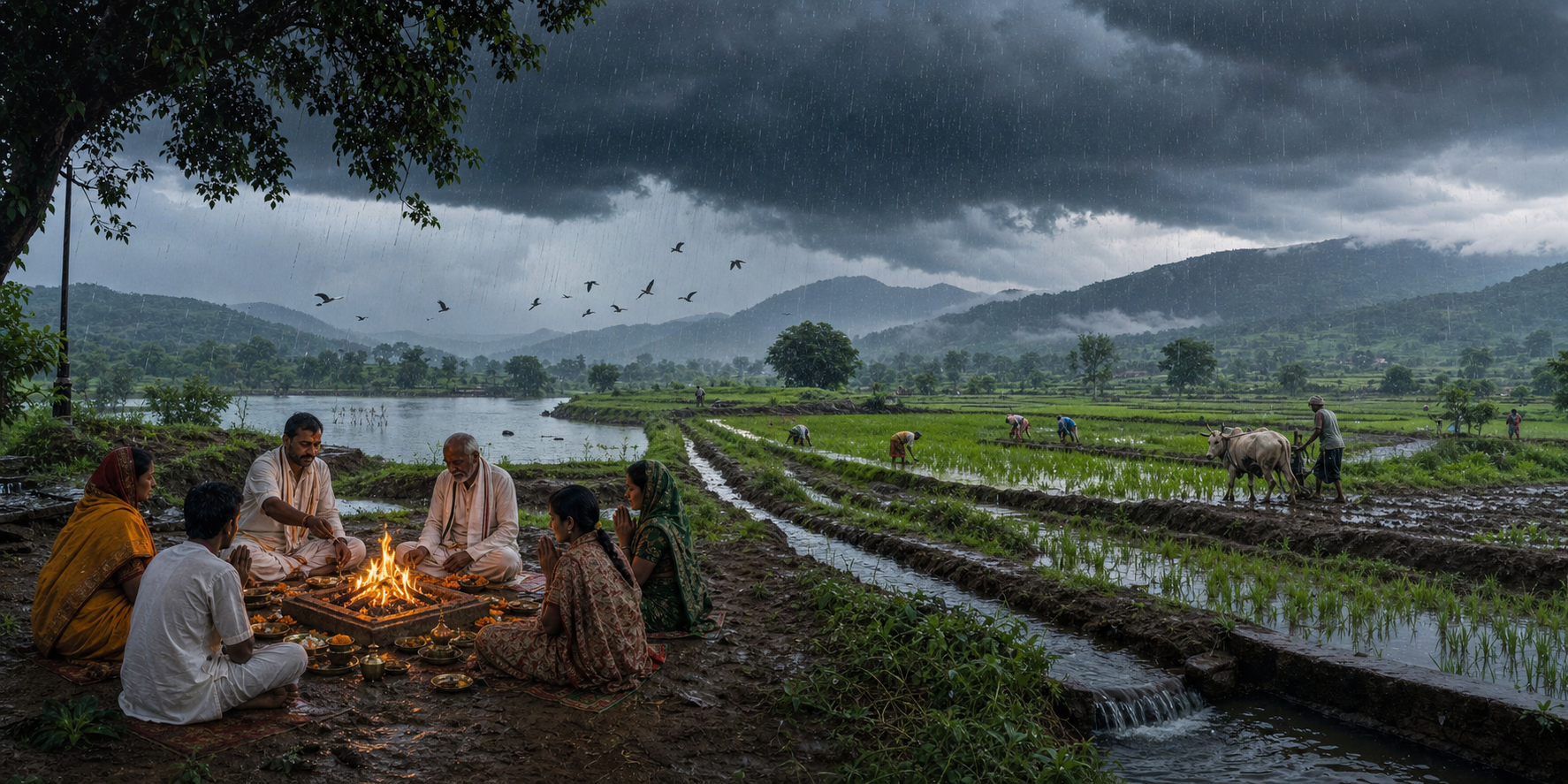
Krushi Purnima 2026 falls on 29 June, aligning with Jyeshtha (Jyeshta) Purnima, and marks an auspicious, pan-Indian moment to welcome the monsoon and begin Kharif-season preparations. This academically grounded guide explains how the Purnima tithi is calculated, why regional panchangs may differ slightly, and how Adhik Maas nuances can shape observance. It explores the festival’s…
-
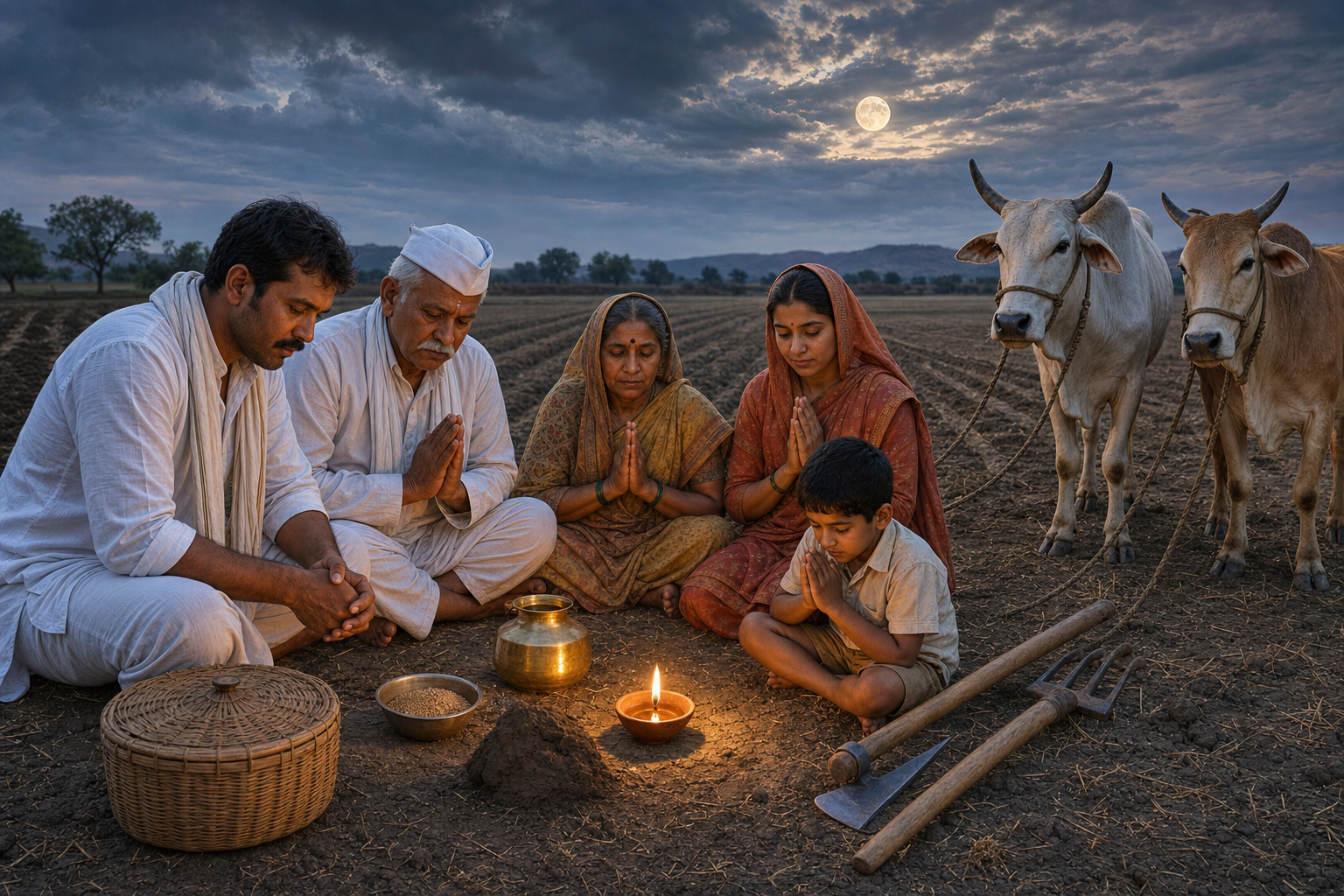
Vrishabha Pooja on Jyeshtha Purnima 2026: Sacred Bull Worship, Rituals, and Farming Blessings

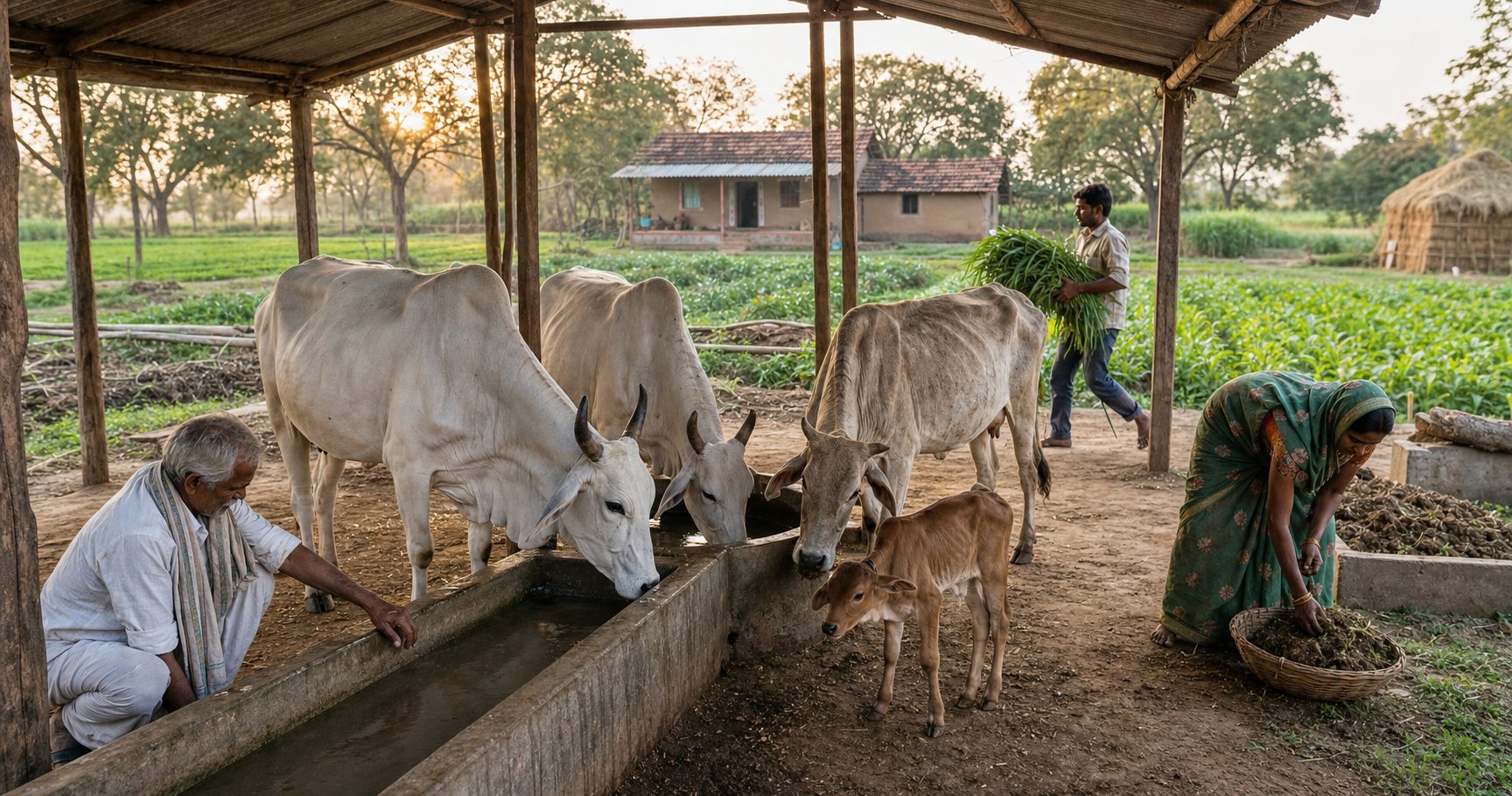
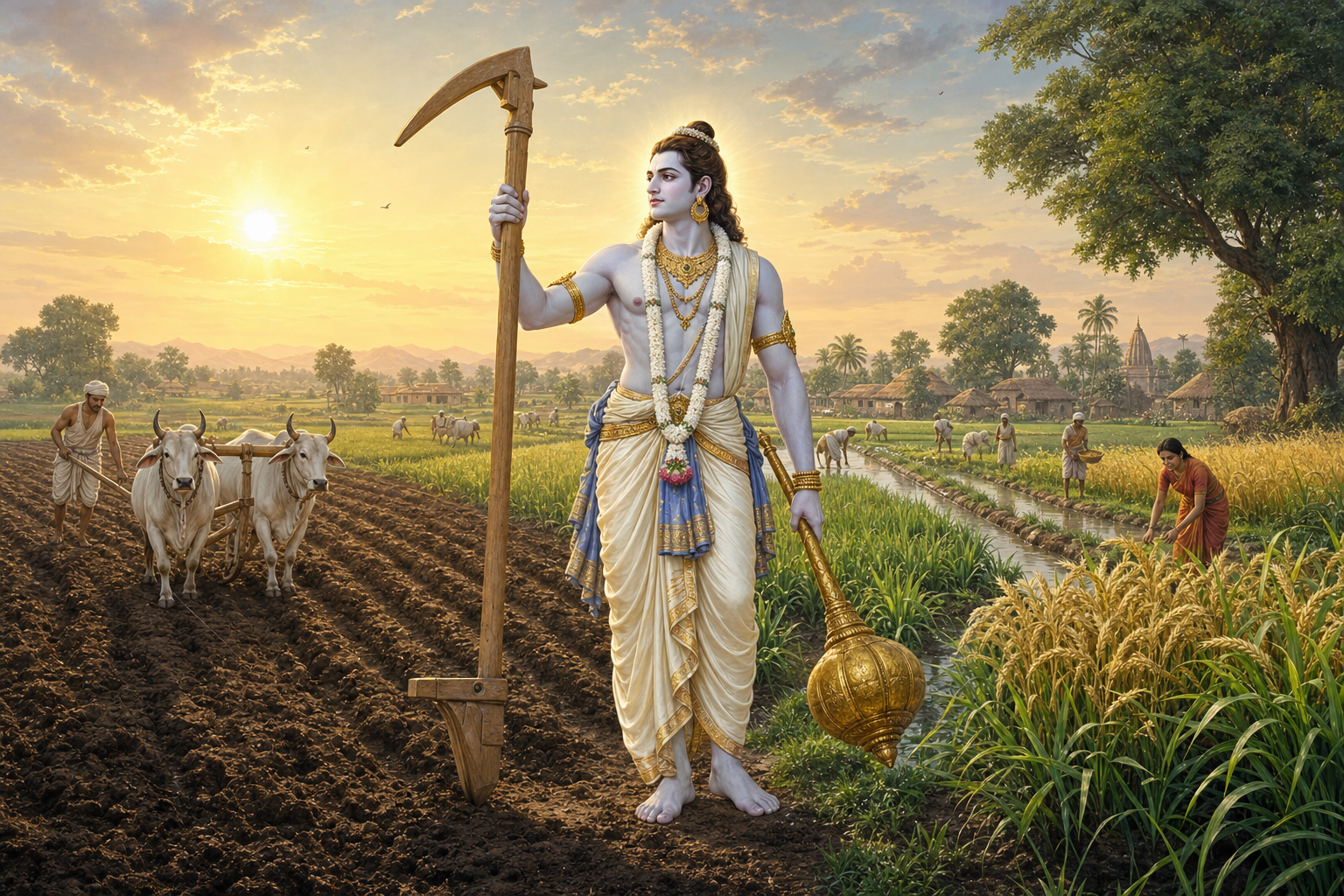
Vrishabha Pooja on Jyeshtha Purnima (29 June 2026) is a pan-Indian agrarian thanksgiving, celebrated as Eruvaka Pournami in Andhra Pradesh and Telangana, that honors the vrishabh (ox/bull) central to ploughing and sowing. The full moon observance follows the local Purnima tithi as per the regional panchang, aligning ritual time with lunar cycles. Rooted in Shaiva…
-
Eruvaka Purnima 2026: Sacred Monsoon Festival Empowering Farmers in Andhra & Telangana

Eruvaka Purnima 2026 (Eruvaka Punnami) falls on 29 June 2026, Jyeshta Purnima, across Andhra Pradesh and Telangana. This farmers’ festival sanctifies fields, cattle, and tools at the cusp of the monsoon, aligning ritual observance with practical agricultural planning. Readers will find the date context, panchang guidance, and a clear sequence for bhoomi puja, go puja,…
-
CSA Honour for Dr. Sahota: Inspiring, Transformative Leadership in Sustainable Agronomy

Dr. Sahota has been recognised with a CSA honour for outstanding leadership in agronomy. This feature explains why CSA recognition matters and unpacks the science it typically celebrates: soil health, 4R nutrient stewardship, precision agriculture, climate-resilient cropping, and integrated pest management. It shows how systems agronomy links productivity, profitability, and planetary boundaries while protecting water…
-
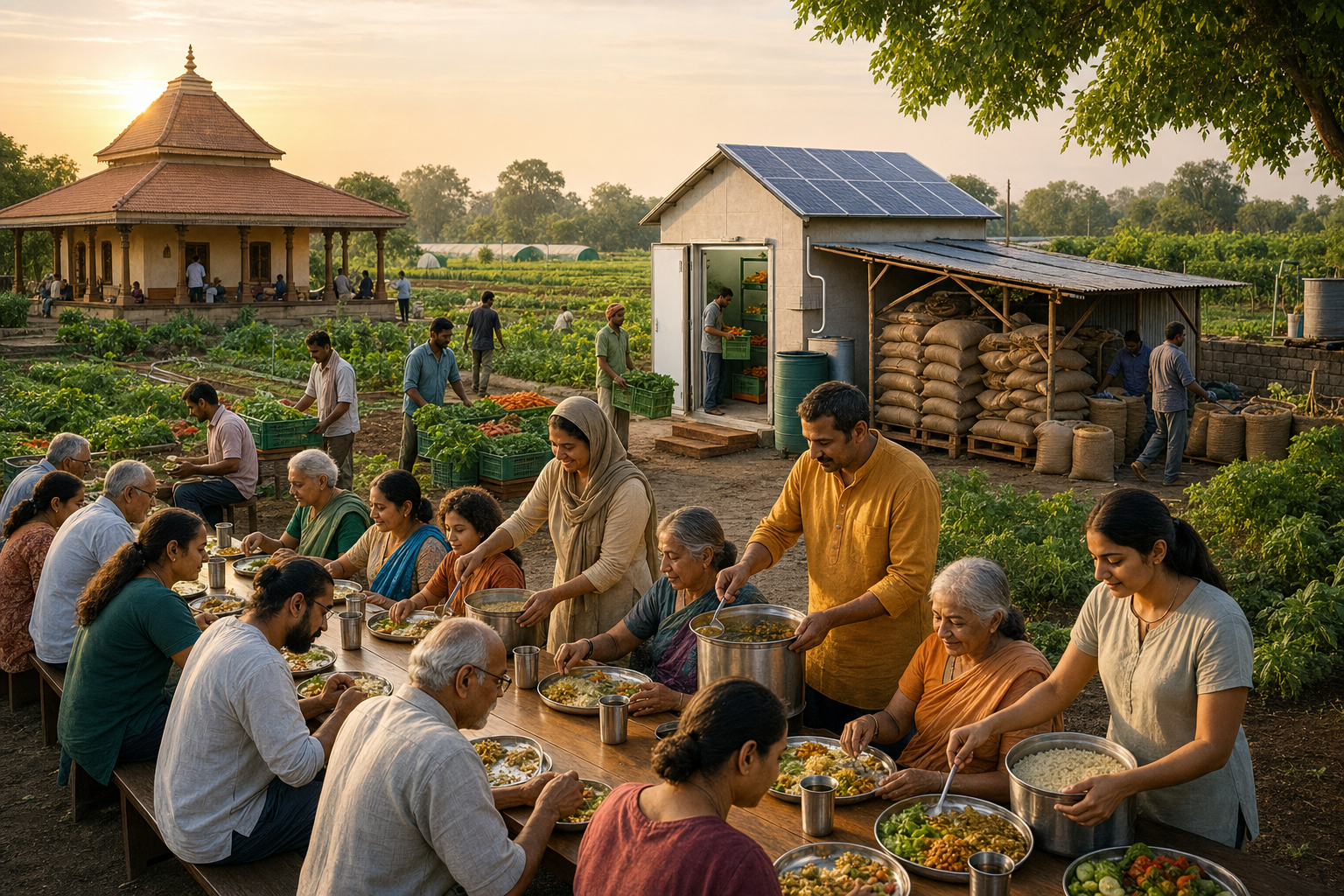
Cultivating Abundance: A Dharmic, Sustainable Blueprint to End Food Shortages Worldwide

Food shortages stem less from absolute scarcity than from poor land use, waste, and weak market design. A dharmic ethic—uniting Dharma, Ahimsa, seva, and karuṇā—aligns naturally with modern agronomy to promote Sustainable agriculture and robust Food Security. The blueprint emphasizes proper utilization of suitable, currently idle land; regenerative soil and water stewardship; climate-resilient diversification with…
-
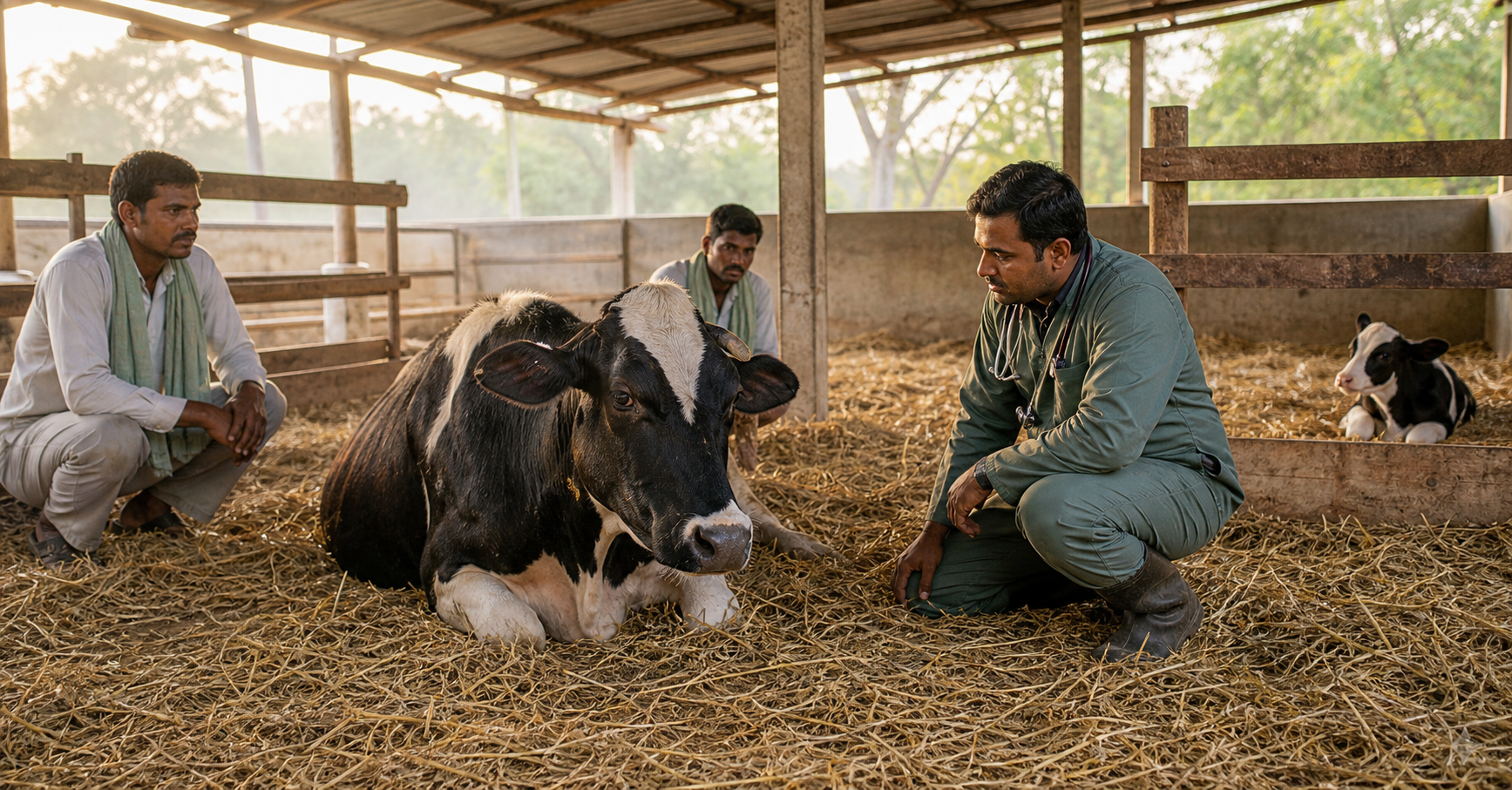
Malati the Cow: A Dramatic New Vrindaban Rescue and Evidence-Based Guide to Milk Fever

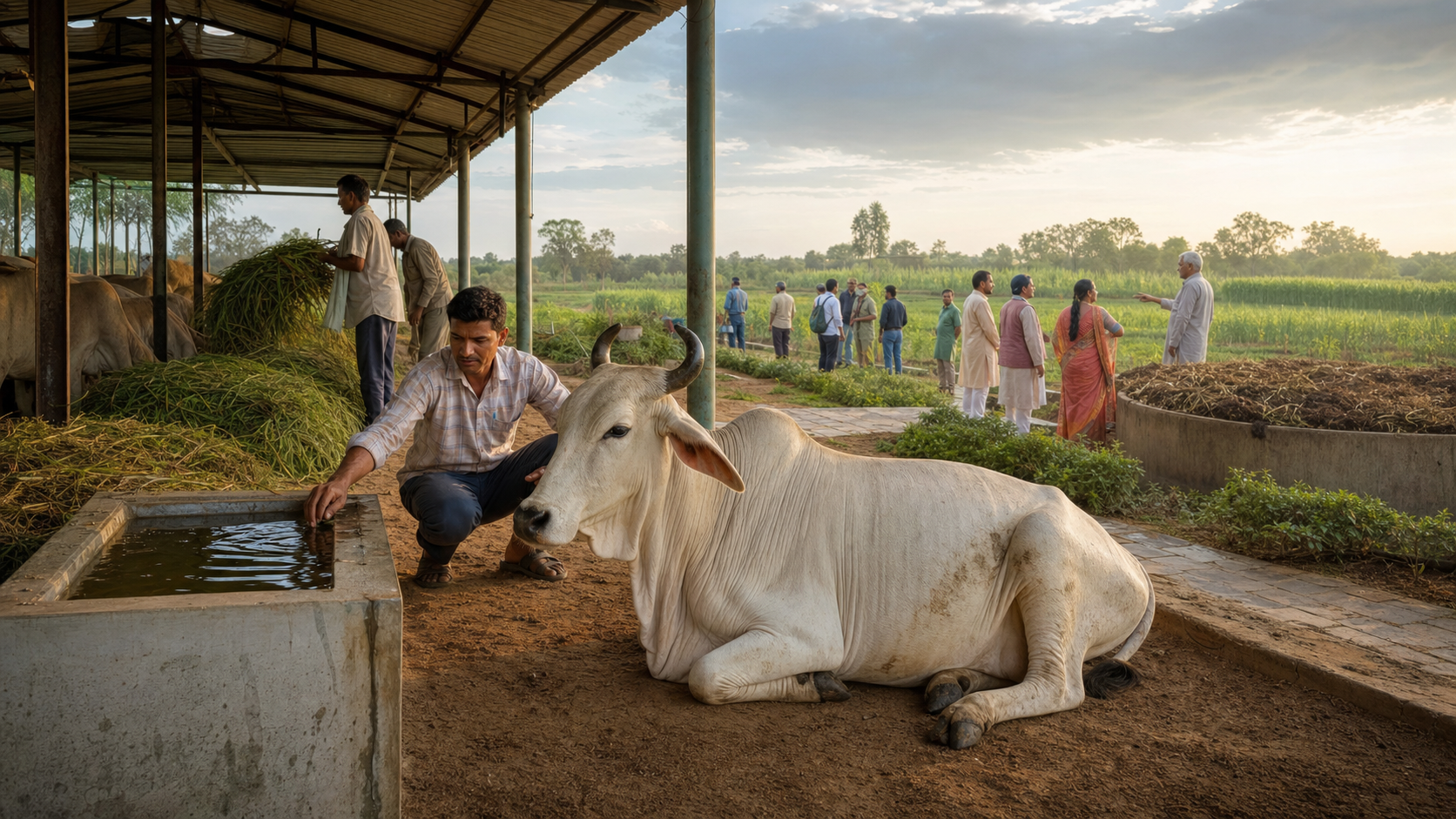
A postpartum emergency at New Vrindaban became a textbook case in recognizing and treating milk fever (periparturient hypocalcemia) while showcasing the power of community-based, dharmic care. The narrative follows Malati from calving to life-threatening recumbency with bloat, through improvised oral calcium, expert IV therapy, and careful use of hip lifters to restore sternal recumbency and…
-
Ashadhi Beej 2026 Date: Ashadha Shukla Dwitiya, Monsoon Traditions, and Dharmic Unity

Ashadhi Beej 2026 falls on July 16 (India), aligning with Ashadha Shukla Dwitiya or Ashadhi Sud Beej in the Hindu calendar. Rooted in agrarian life, the observance helps farming communities anticipate the monsoon through time-tested environmental heuristics paired today with meteorological insights. The tithi mechanics (Moon–Sun elongation) explain precisely why it is the second lunar…
-
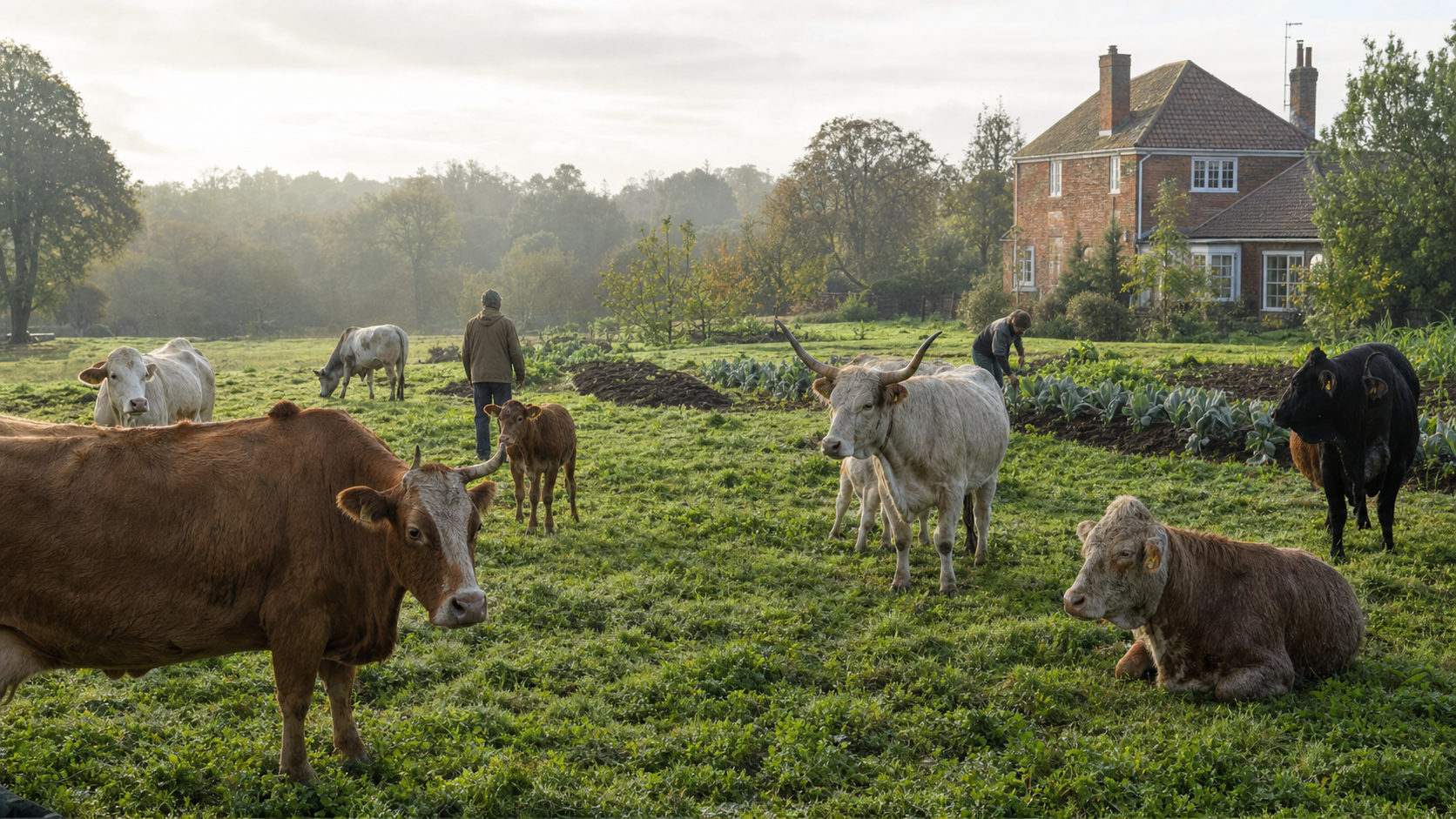
Channel 5 Captures Ahimsa Farming at New Gokul: Hand-Milking, Oxen Power, Spring Renewal

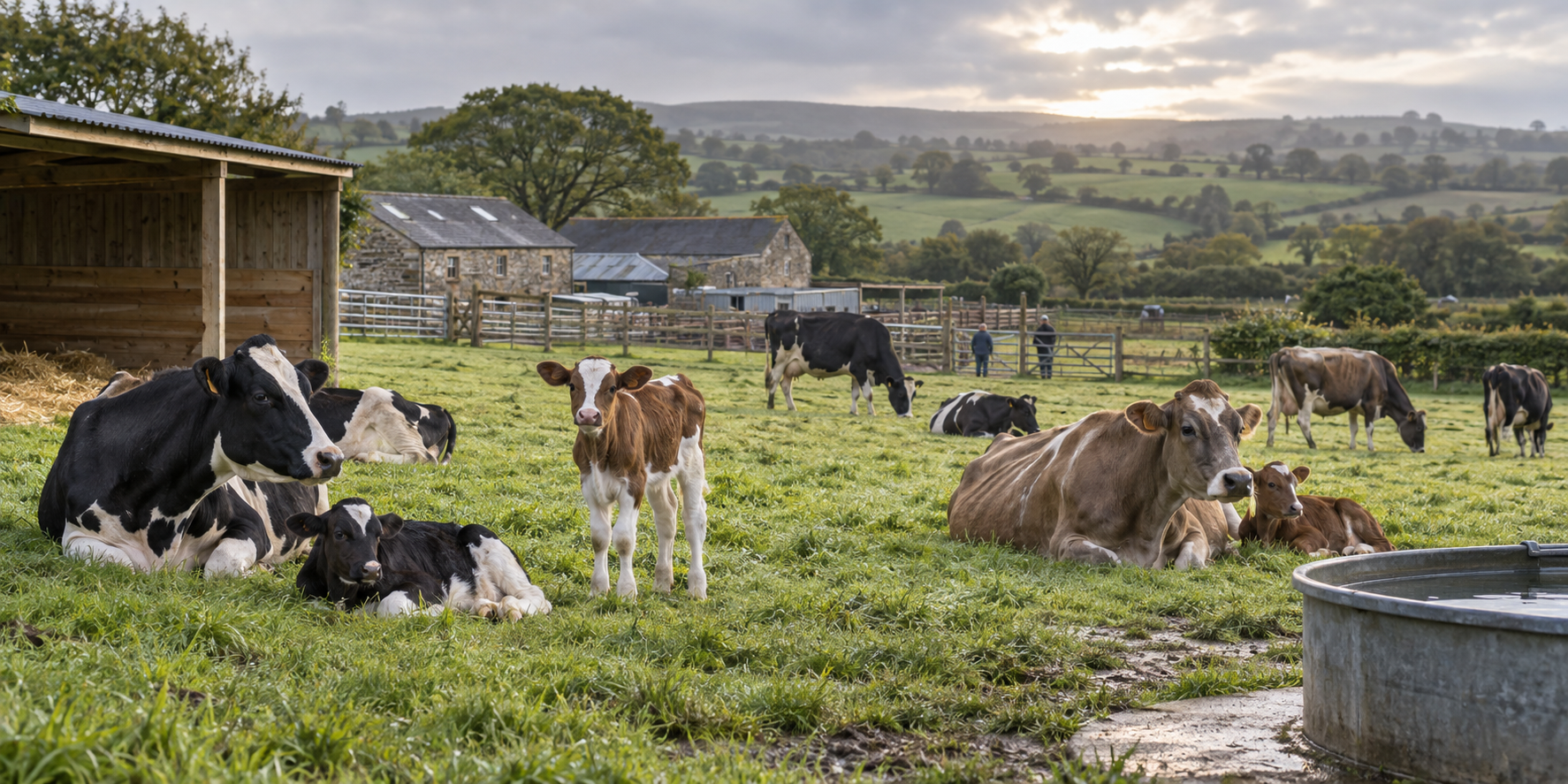
Channel 5’s Springtime on the Farm visited Bhaktivedanta Manor’s New Gokul Farm to capture hand-milking, oxen-led fieldwork, and the Holland Farm horticultural project in Hertfordshire. The feature presents a dharmic, ahimsa-based model of cow protection consistent with UK animal welfare standards and regenerative agriculture. Readers gain technical insight into hand-milking protocols, herd health, pasture-based nutrition,…
-
Uniting Farms and Temples: ISKCON’s 3rd National Goshalas & Farms Conference—Day 1, Ahmedabad 2026

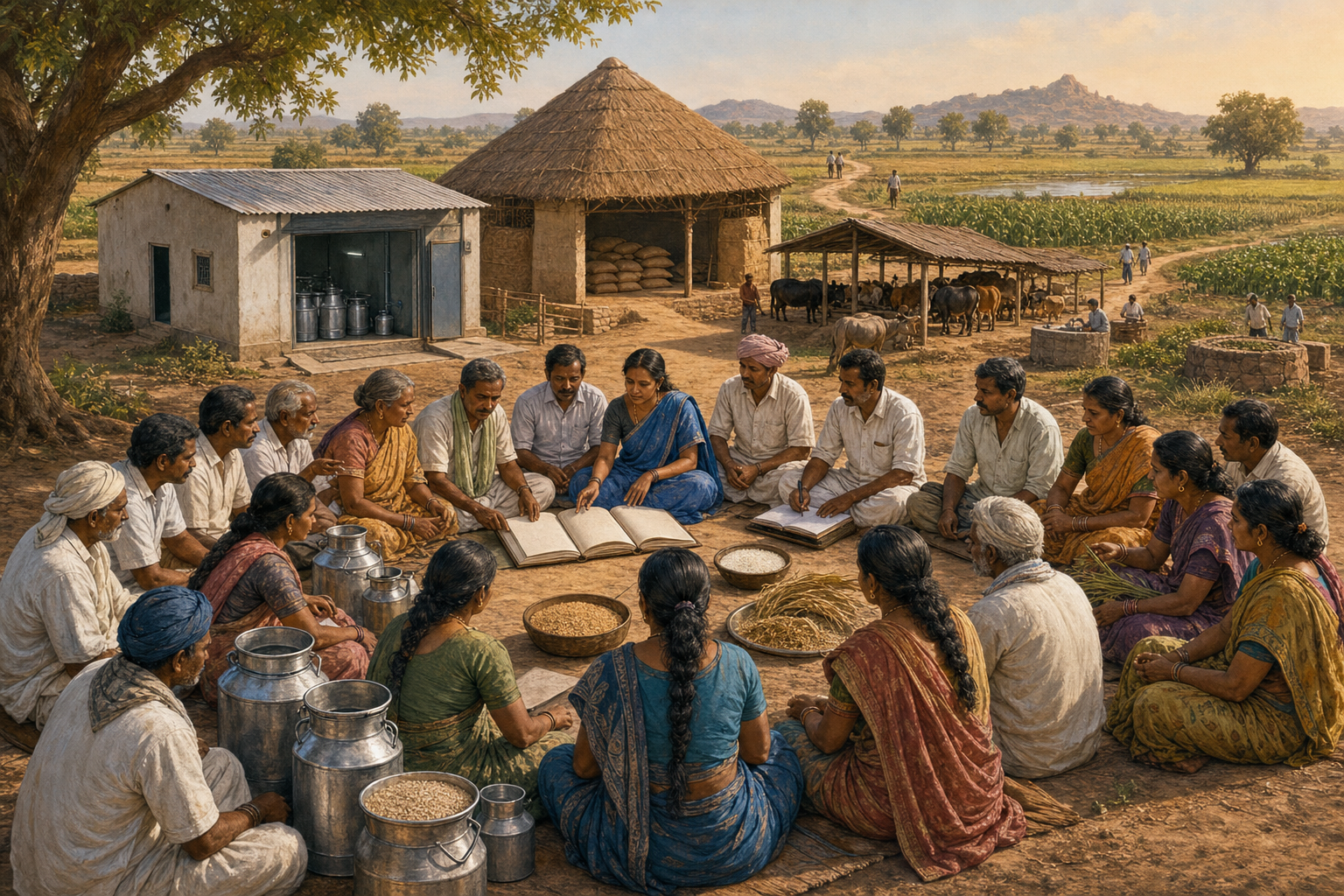
Day 1 of the 3rd National Conference (ISKCON GBC Ministry of Cow Protection & Agriculture), held on February 22, 2026 at Gopal Krishna Gaushala in Ahmedabad, set a practical blueprint for unifying farms and temples through “Krishi Go-Raksha Vanijyam.” The sessions translated dharmic ethics and Vedic Traditions into actionable plans for Sustainable agriculture, integrating cow-centered…
-
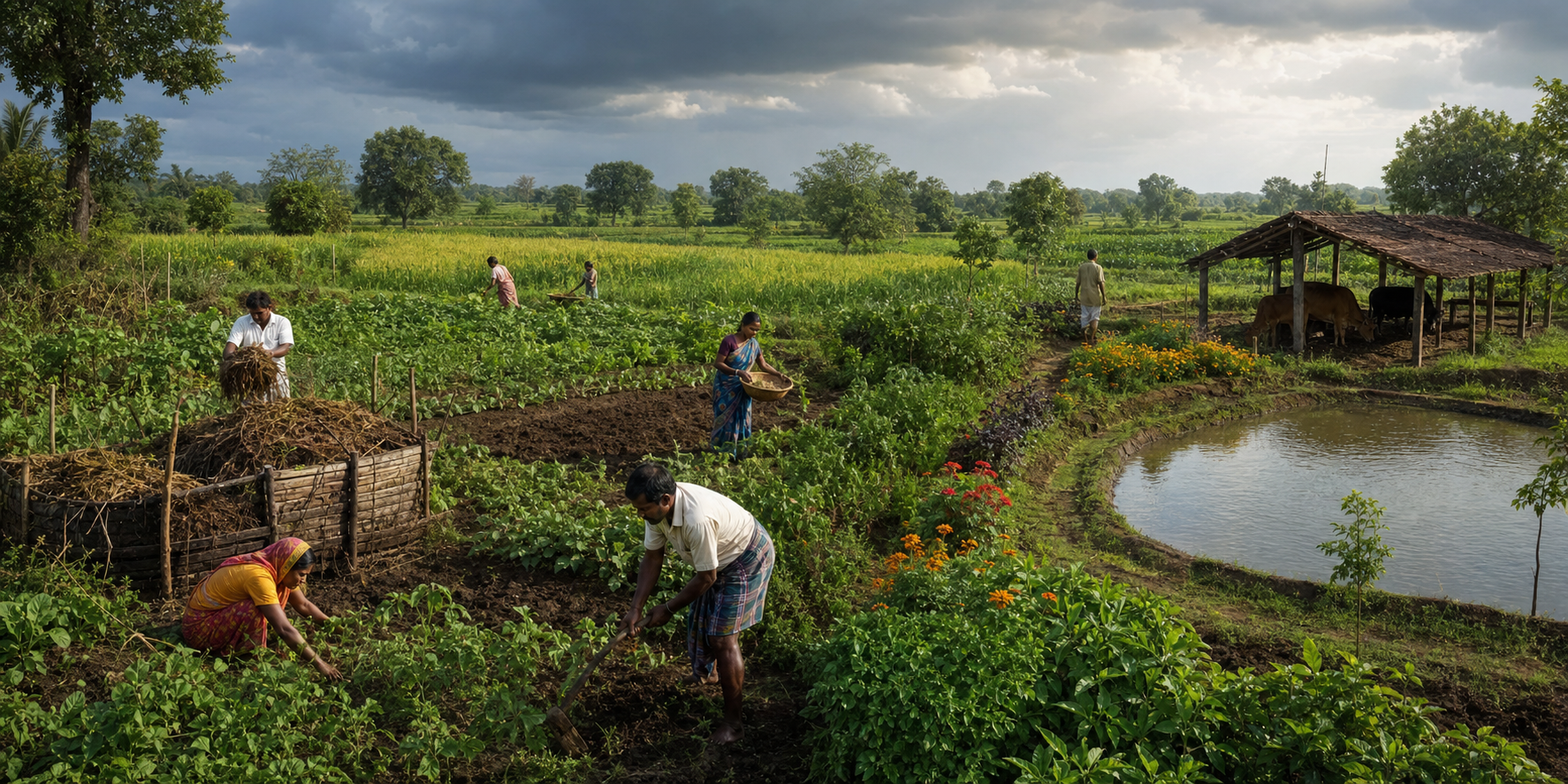
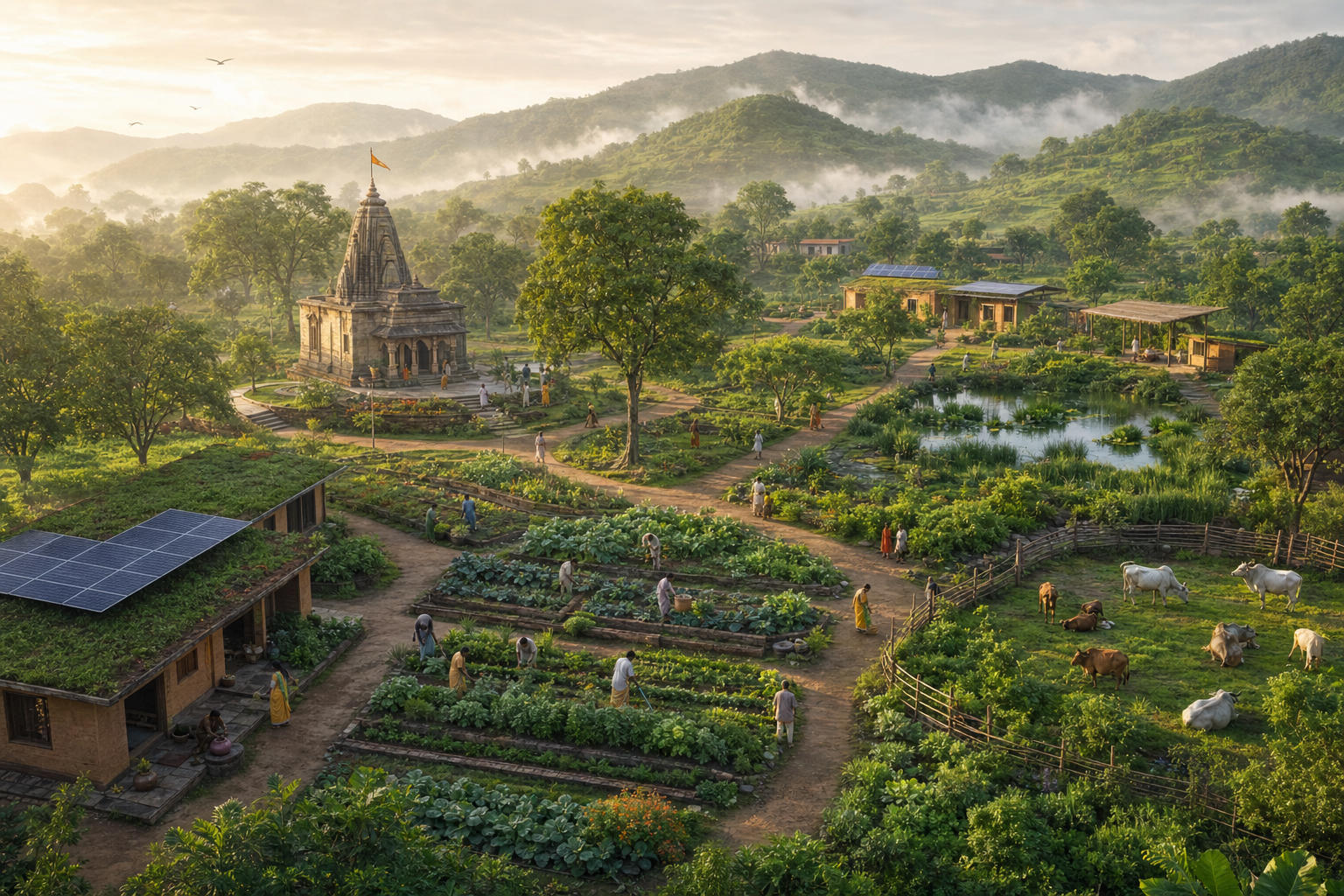
Why Dharmic Farm Communities Matter Now: Simple Living, Resilience, and Ahimsa

This reflection argues that dharmic farm communities embody a timely solution to ecological and social crises. Building on Srila Prabhupada’s foresight, “simple living, high thinking” offers a practical framework for resilience, ethical prosperity, and spiritual harmony. Shared values across Hinduism, Buddhism, Jainism, and Sikhism—ahimsa, seva, mindfulness, and community—naturally support sustainable agriculture and village life. Such…
-
Surajya Abhiyan Decries Remote Oversight as Pests Batter Sindhudurg’s Mango Crop

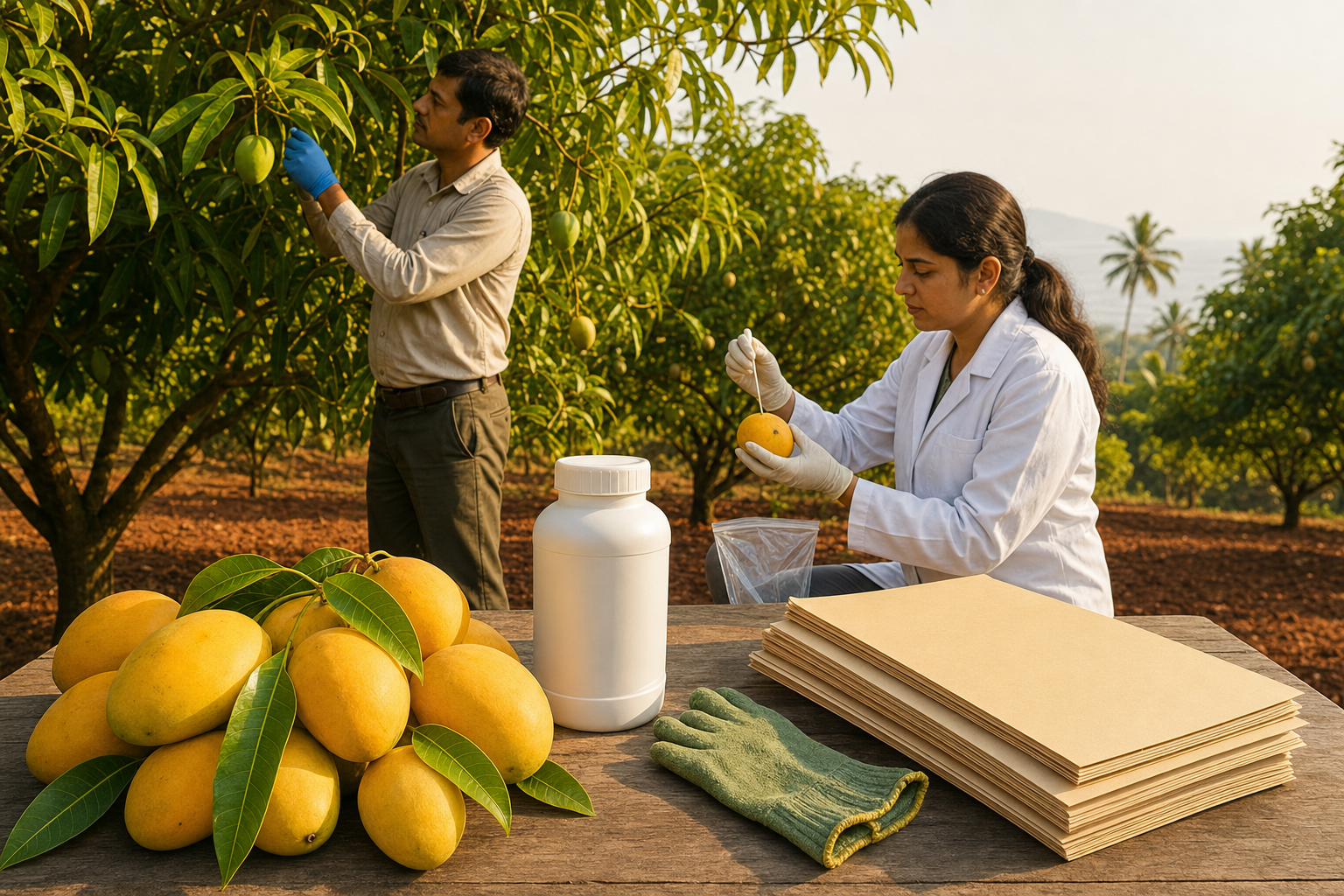
Pest outbreaks are threatening Sindhudurg’s mango crop, prompting Surajya Abhiyan to question the value of remote, Mumbai-based oversight versus on-ground support. This analysis explains why proximity is crucial for timely diagnostics, targeted IPM, and effective advisories. It outlines practical steps—field surveys, localized guidance, and reliable helplines—to reduce losses and strengthen trust. Readers gain clarity on…
-
Punjab’s River Water Crisis: Unraveling Decades of Injustice and a Path to Renewal

Punjab’s river water crisis reflects decades of policy, ecological, and interstate misalignments that depleted aquifers, strained canals, and heightened public health concerns. This post traces the historical arc from colonial canals to Green Revolution incentives and modern hydropolitics, including the SYL dispute. It highlights community experiences—farm wells deepening, tail-end canal shortfalls, and water quality anxieties—while…
-
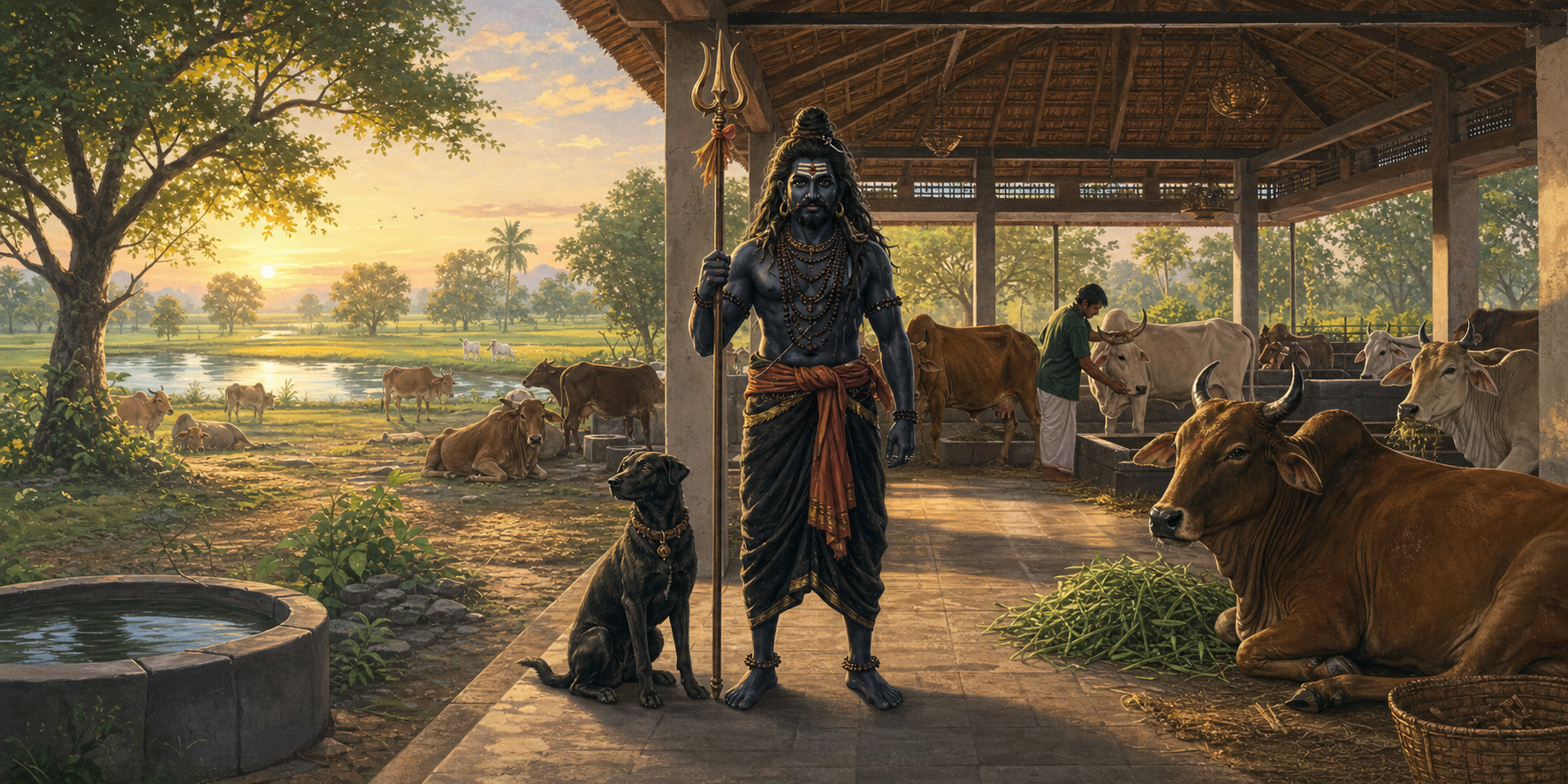
Cowdung and Gomutra: Sacred Ecology for Cleaner Homes, Healthier Soil, and Unity in Dharma

Cow dung (Gomaya/Gomayam) and Gomutra (Gomutram) unite sacred heritage with sustainable living across dharmic traditions. As compost and biogas inputs, they enhance soil health, support clean energy, and reduce chemical dependency. Traditional household uses symbolize ritual purity while encouraging eco-friendly practices when handled hygienically. In Ayurveda, Gomutra appears in regulated formulations, underscoring the need for…
-
Kartik in Bengal: Sacred Seasons of a War-God Reborn as Harvest and Fertility Guardian

Kartik—known as Kartikeya, Skanda, Murugan, and Subrahmanya—assumes a distinct agrarian identity in Bengal as a guardian of fertility, family well-being, and seasonal prosperity. Set against the autumnal month of Kartik, his worship aligns with the ripening of aman paddy and the rituals of Kartika Purnima, creating a deep bond between devotion and agricultural timekeeping. Iconography…
-
US–India Food Trade and PL‑480’s Ghosts: Proven Lessons to Master Today’s Negotiations

Why do agricultural tariffs, GMO rules, and food security loom so large in US–India trade talks? This analysis revisits the PL‑480 era to explain how food aid became a lever of geopolitics and why that memory still shapes India’s approach to international trade. It outlines the historical constraints of the 1950s–60s, the pressure during the…
-
Discover Why U.S.–India Agriculture Talks Stall: Proven Insights on Food Security and Fair Trade

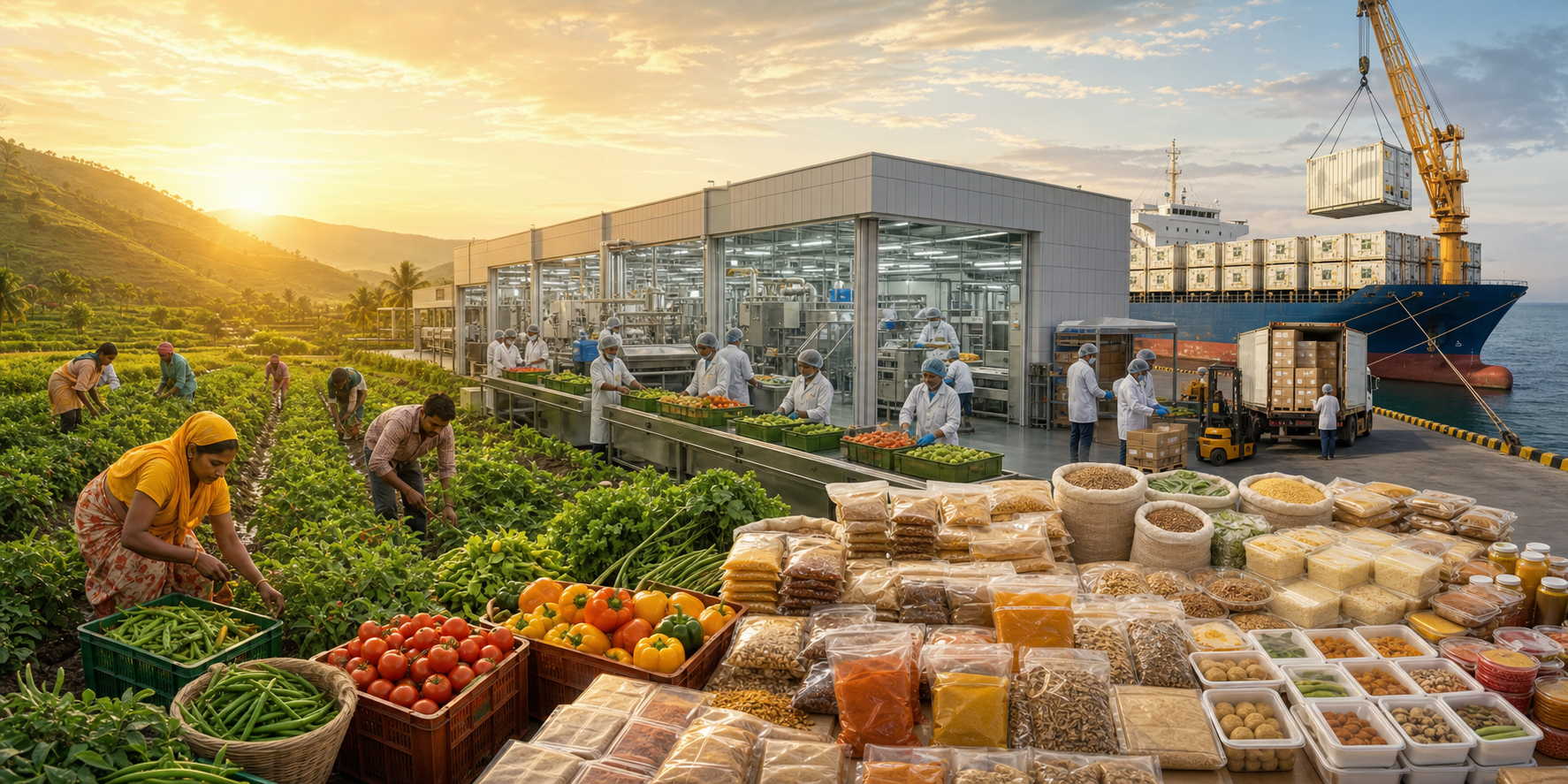
Agriculture remains the fulcrum of U.S.–India trade friction because it touches food security, farmer livelihoods, and public health. India’s cautious stance reflects hard-learned lessons from PL 480 and a commitment to food sovereignty. With millions dependent on farming, calibrated protection supports income growth, cold-chain development, and resilient agro-processing. Concerns about standards, GMO labeling, and SPS…
-
Essential Breakthrough for Farmers: A Complete Risk-Sharing Blueprint to Transform Agriculture

In most industries, risk and capital are aligned, but agriculture is structurally different: farmers bear disproportionate production, climate, and price risk while other actors remain insulated. A balanced model requires financial, intellectual, and human capital to follow risk—through enforceable contracts, transparent markets, and robust post-harvest systems. Field evidence shows that smallholders face price crashes, storage…
-
Proven Blueprint to Transform Agriculture: Why Farmers Bear All Risk and How to Fix It

I map risk and capital across industries, and agriculture stands out as dangerously misaligned: farmers bear the highest risk with the least capital. While global policy has obsessed over yield and productivity, we’ve neglected risk-sharing and market access. In India, collusion among creditors, input suppliers, and buyers further concentrates risk on the farmer—reforms like Modi’s…
-
Why the US is Obsessed with Breaking into India’s Agriculture

-
Discover Why U.S.-India Agriculture Trade Talks Stall