-
Defending Punjabi: Safeguarding Punjab’s Civilizational Soul Through Language, Script, and Policy

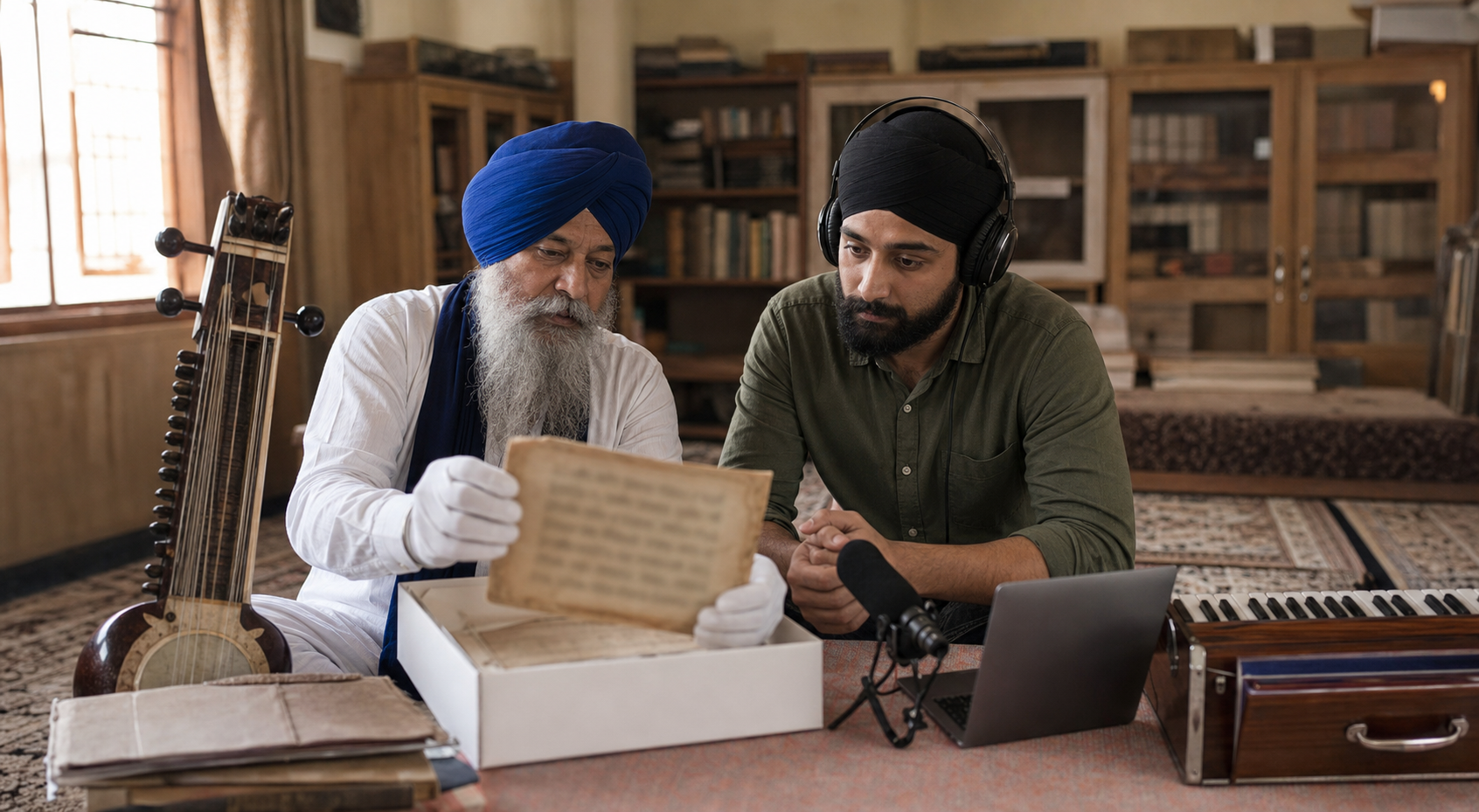
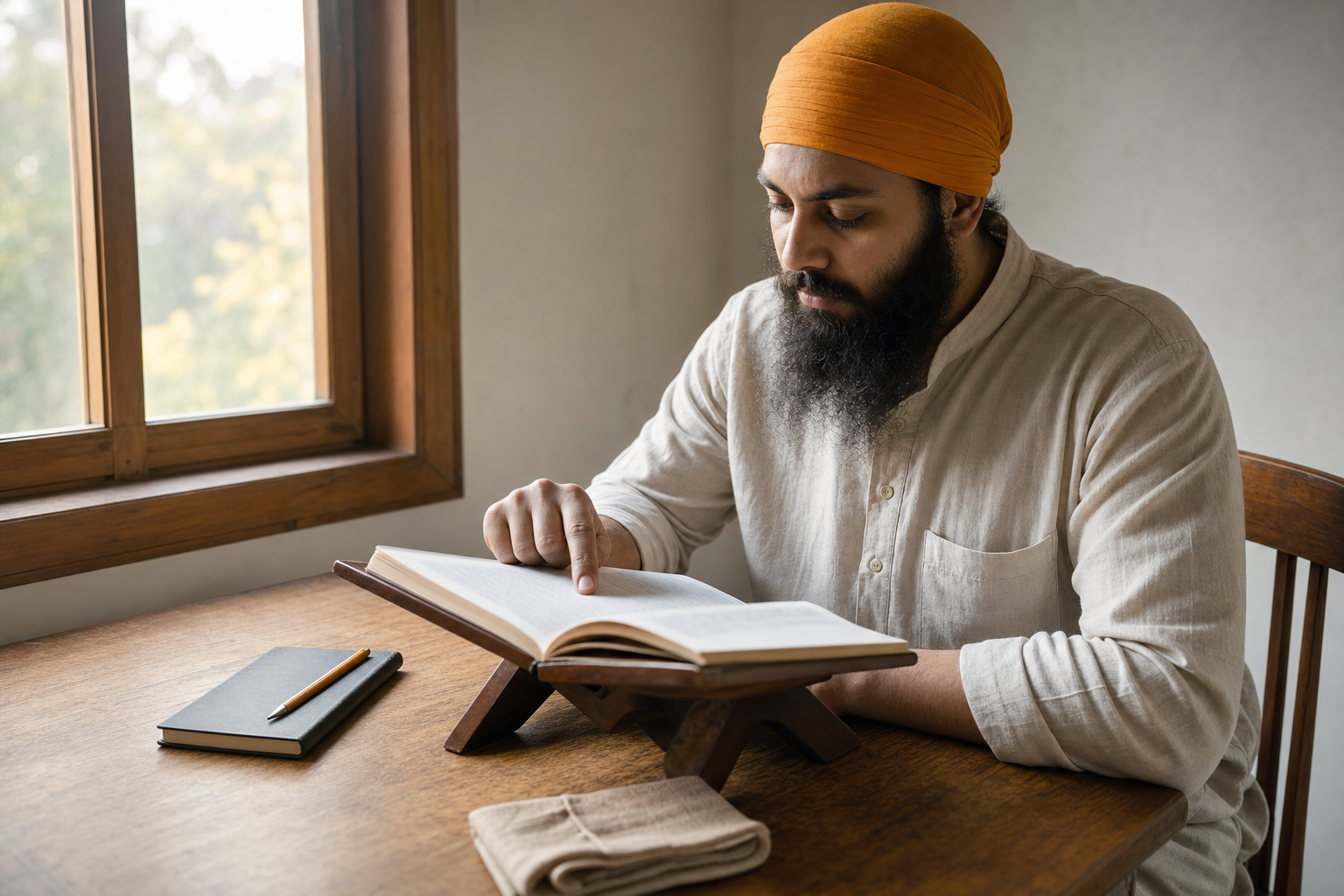
Defending Punjabi is inseparable from safeguarding Punjab’s civilizational identity: a plural, dharmic heritage shared across Hindu, Buddhist, Jain, and Sikh traditions. This long-form analysis outlines historical trajectories, the complementary roles of Gurmukhi and Shahmukhi, and the constitutional scaffolding that enables Punjabi to thrive in schools, administration, and scholarship. It translates research on mother-tongue education into…
-
Sanskrit vs Prakrit in Ancient India: A Sacred Dialogue Shaping Faith, Culture, and Power

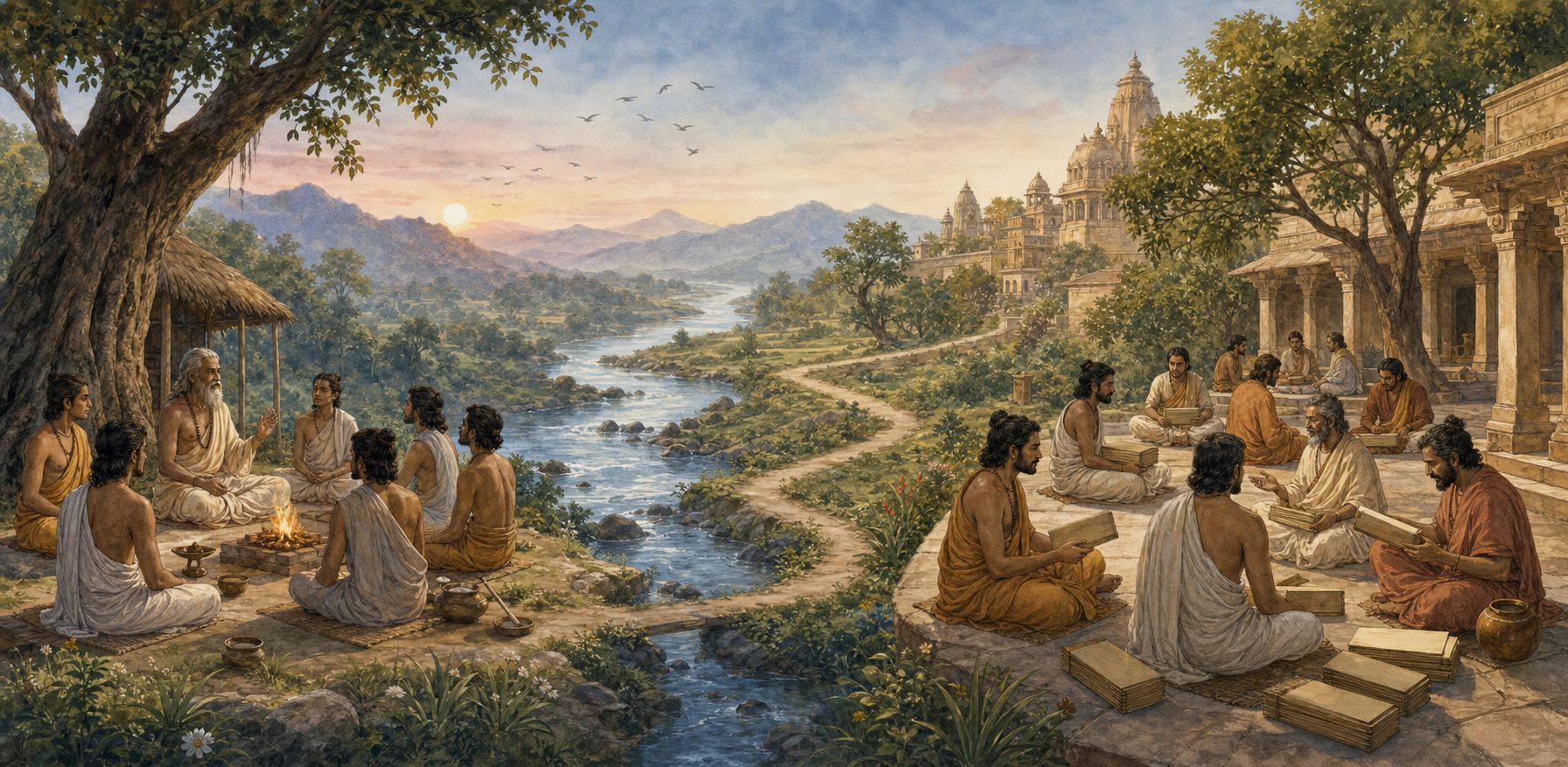
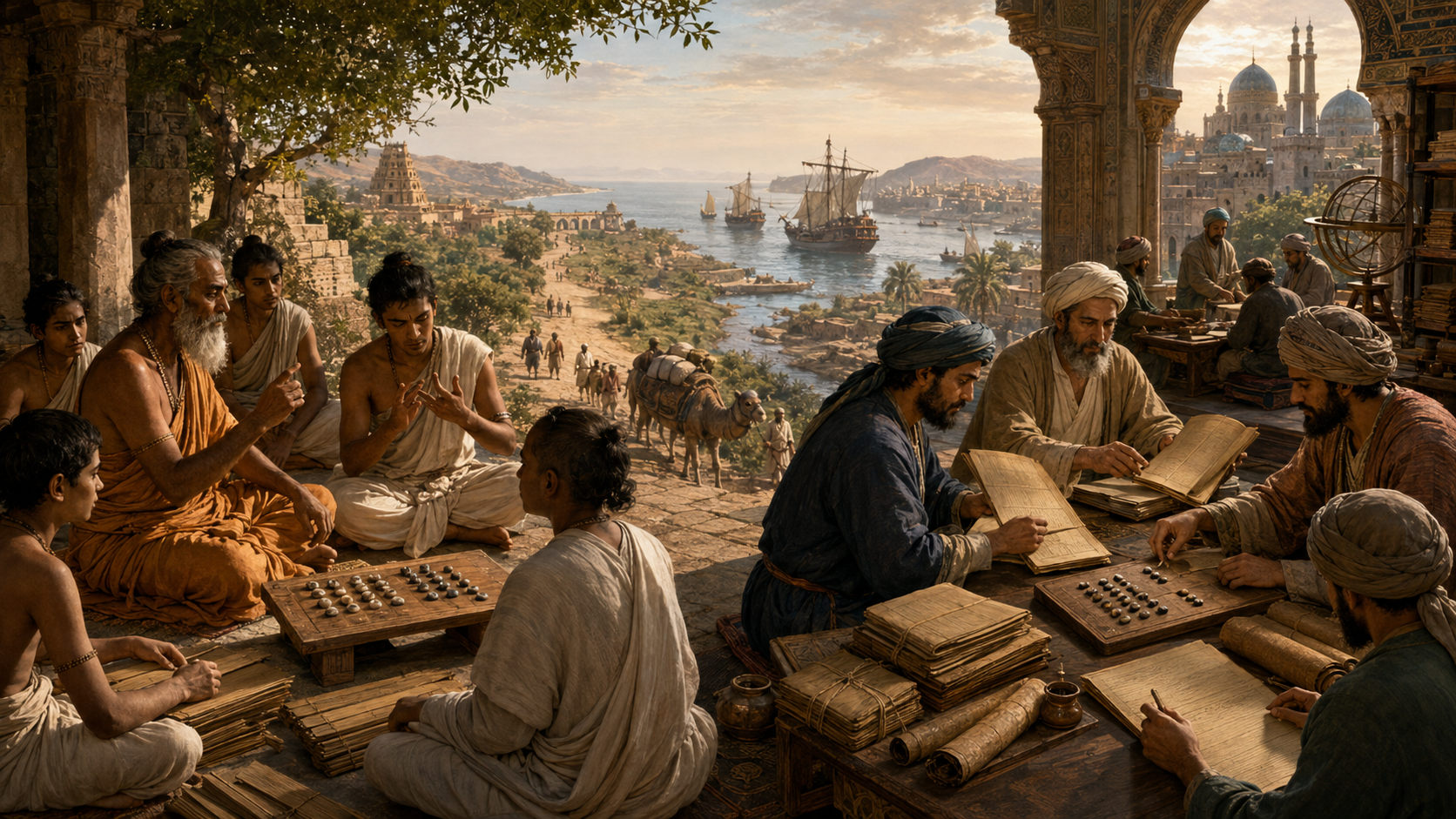
Sanskrit and Prakrit formed a sacred dialogue in Ancient India, shaping ritual, philosophy, drama, and everyday communication across Hinduism, Buddhism, Jainism, and later Sikhism. Rather than rigid opposites, they functioned as complementary registers within a diglossic ecology that prized both precision and accessibility. The article maps their historical development from Old to Middle to New…
-
Kuchela (Sudama) Anugraha: Krishna’s Impartial Grace, Patience, and the Power of Bhakti

This post explores the Kuchela (Sudama) and Krishna narrative to illustrate divine impartiality, the transformative power of bhakti, and the wisdom of patient waiting. It situates the story in the Dwapara Yuga while emphasizing that humility and sincere intention matter more than material wealth. The account shows how Krishna, revered as Kuchela Anugraha Moorthy (Sudama…