-
At the Taj Mahal, Eid al-Adha Namaz Protest Sparks High-Stakes Debate on Heritage, Faith, and Law

Reports of a protest over Eid al-Adha namaz at the Taj Mahal have revived a sensitive debate at the intersection of heritage, faith, and law. This analysis explains how constitutional protections, ASI’s living-monument policy, and district public-order protocols shape what is permissible inside a UNESCO World Heritage site. It reviews the historical and art-historical consensus…
-
Krodha Bhairava Unveiled: Iconography of the Fourth Circle of the Sixty-Four Bhairavas

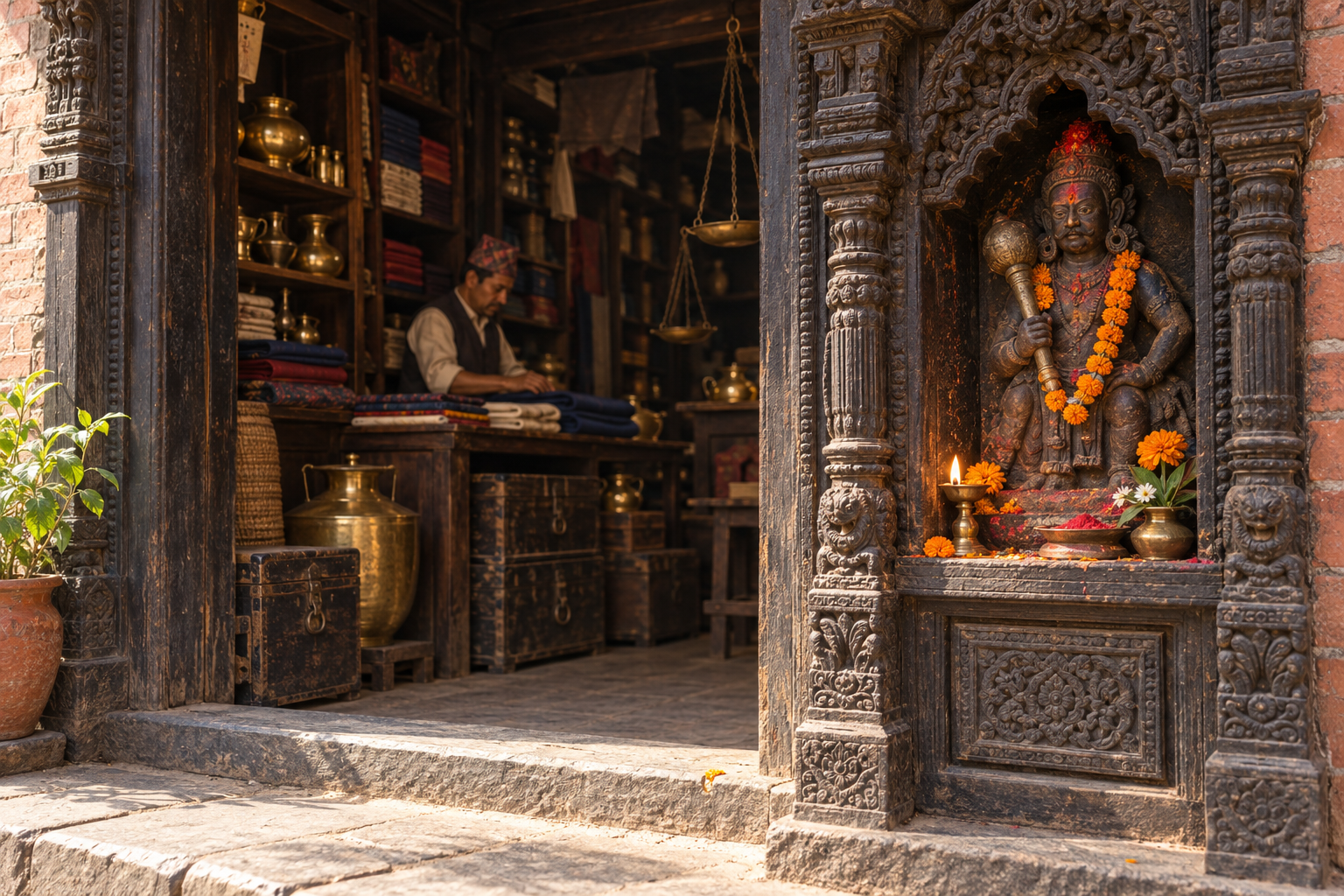
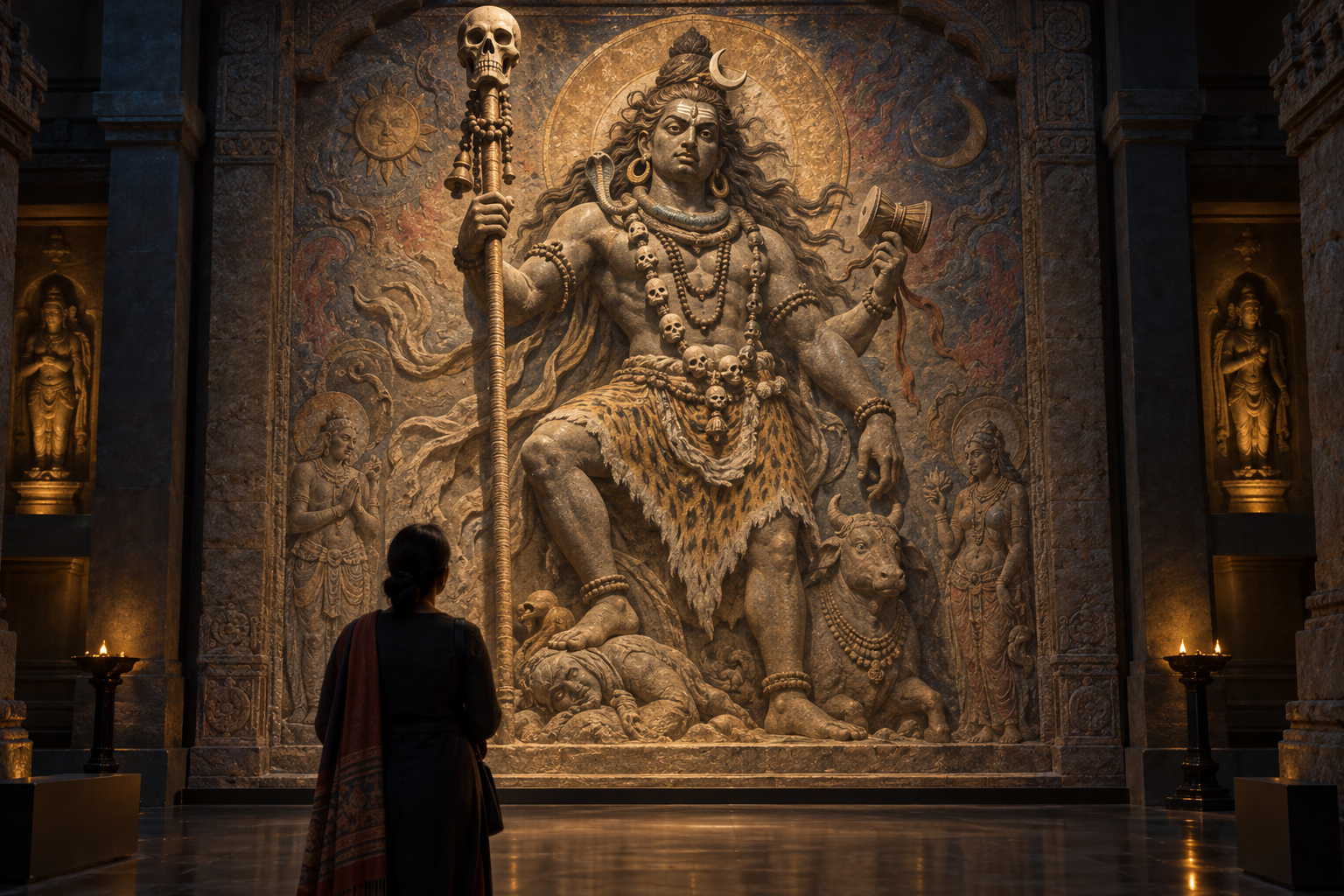
Krodha Bhairava, a fierce and protective manifestation of Shiva, presides over the fourth circle of the Sixty-Four Bhairavas, uniting wrathful compassion with precise Hindu sculptural grammar. Drawing on Agamas, Shilpa Shastras, and Puranic echoes, this in-depth overview explains his stance, weapons, ornaments, vāhana, and cremation-ground motifs. Readers learn how to visually “read” the icon—starting from…
-
Decoding Akarna Mudra in Hindu Sculptures: Archer’s Focus, Sacred Readiness, and Power

Akarṇa Mudrā—literally “toward the ear”—captures the archer’s draw in Hindu iconography as a precise fusion of readiness, ethical restraint, and focused intent. Sculptors encode this moment through a consistent grammar of stance, hand configuration, and gaze, translating Dhanurveda mechanics and Nāṭya Śāstra principles into stone and bronze. Deity-specific bows like Pināka, Śārṅga, and Kodaṇḍa anchor…
-
Nilathingal Thundam Perumal at Ekambaranathar, Kanchipuram: Moonlit Healing at a 108 Divya Desam

Kanchipuram’s Nilathingal Thundam Perumal is a rare 108 Divya Desam enshrined within the great Shaiva Ekambaranathar Temple, embodying a living harmony between Vaishnava and Shaiva traditions. Local legend—captured in the name “moon-fragment sanctuary”—celebrates Shiva cooling and healing Vishnu with the moon’s radiance, making the site a poetic locus of grace and reconciliation. Architecturally, the compact…
-
Reva Khanda in Skanda and Vayu Puranas: Narmada’s Timeless Power, Sacred Myths, and Pilgrimage

The Reva Khanda, preserved in the Skanda Purana and Narmada-focused sections aligned with the Vayu Purana, is a comprehensive tirtha-mahatmya of the River Narmada (Reva). It integrates mythic origins, sacred geography, and rigorous codes of pilgrimage, mapping an ethical and devotional journey from Amarkantak to the sea. Readers gain a clear view of how the…
-
‘Savarkar Sadan’ under threat: HJS seeks urgent Maharashtra action and National Monument status

Hindu Janajagruti Samiti (HJS) and allied groups in Ratnagiri have sought urgent Government of Maharashtra intervention to secure ‘Savarkar Sadan’ from a reported builder-led demolition threat. The demand anchors itself in constitutional duties (Articles 49 and 51A[f]) and established heritage law, including the AMASR Act (1958, amended 2010) and state-level protections. A sequenced plan—immediate stop-work…
-
Snan Darpan at Puri: The Sacred Mirror Bath Preserving Jagannath and Revealing Living Dharma

At Puri’s Jagannath Temple, Snan Darpan—“bathing by the sacred mirror”—unites Agamic ritual theory with careful conservation of the daru-brahma murtis. A consecrated mirror receives the ablutionary mantras and offerings, transmitting the bath to Mahaprabhu Jagannath by reflection rather than direct immersion. This practice preserves delicate wooden images while remaining fully orthodox within temple paddhatis. The…
-
London’s Festival of Chariots 2026: 57 Years of Devotion, Culture, and Community Spirit

The 2026 London Rathayatra gathered more than 10,000 participants along Park Lane to accompany three 40-foot chariots in a joyful display of devotion and cultural heritage. Marking 57 years on London’s streets since 1969, the Festival of Chariots demonstrated how an ancient Indian tradition thrives in a modern, multicultural city. The procession honoured Lord Jagannath,…
-
Safeguarding Vishalgad’s Sanctity: Heritage-First Legal Review of Rehan Malik’s Urs

Hindu Ekta Andolan’s appeal regarding the Urs of Rehan Malik at Vishalgad Fort raises a conservation and public-safety question rather than a dispute of faith. This analysis explains Vishalgad’s historical significance, outlines how heritage and environmental laws apply, and details the conservation science behind crowd-induced stress on fragile masonry. It clarifies the meaning and practices…
-
Unveiling Goddess Kaveri in Hindu Sculpture: Iconography, Ritual Power, and Sacred Geography

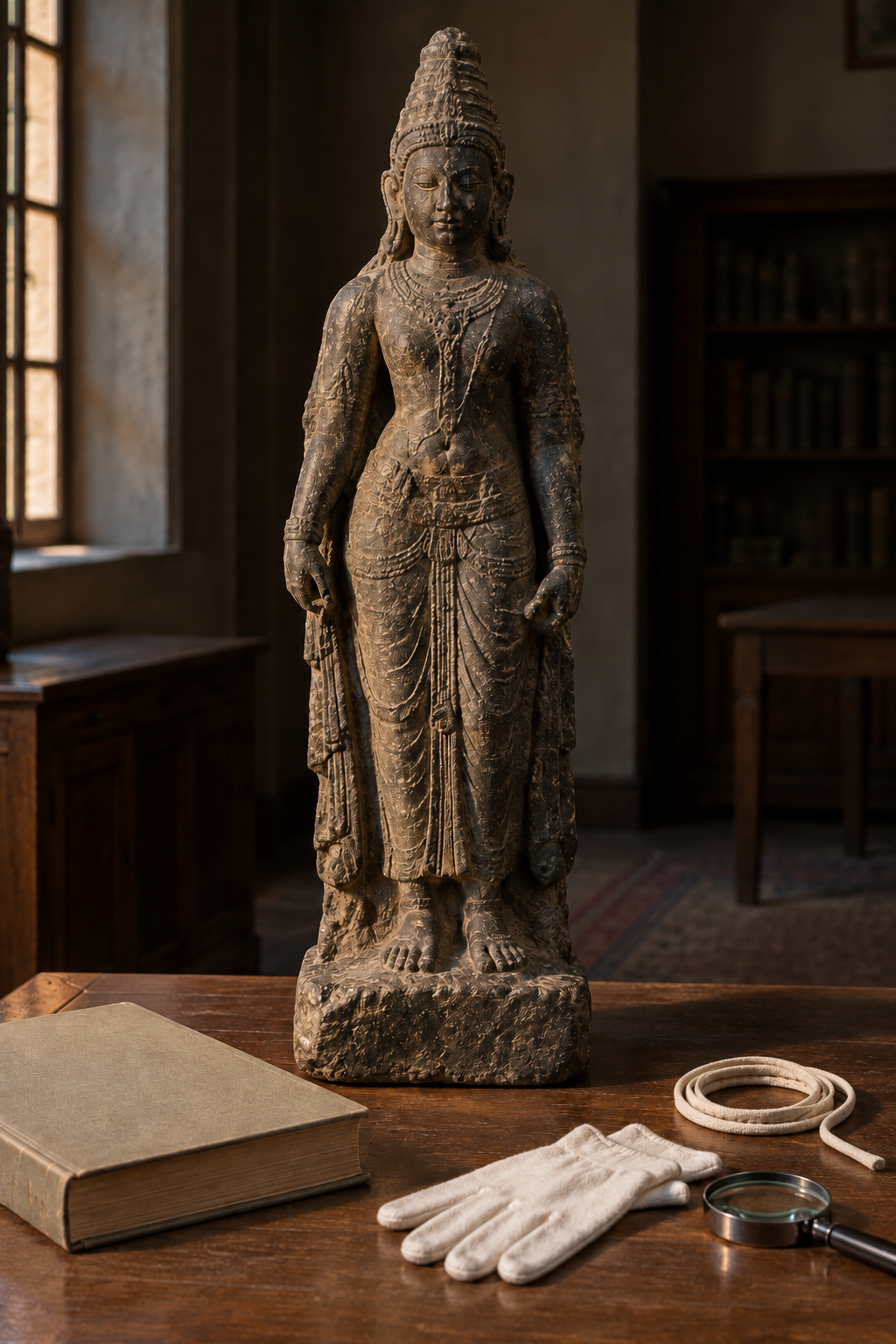
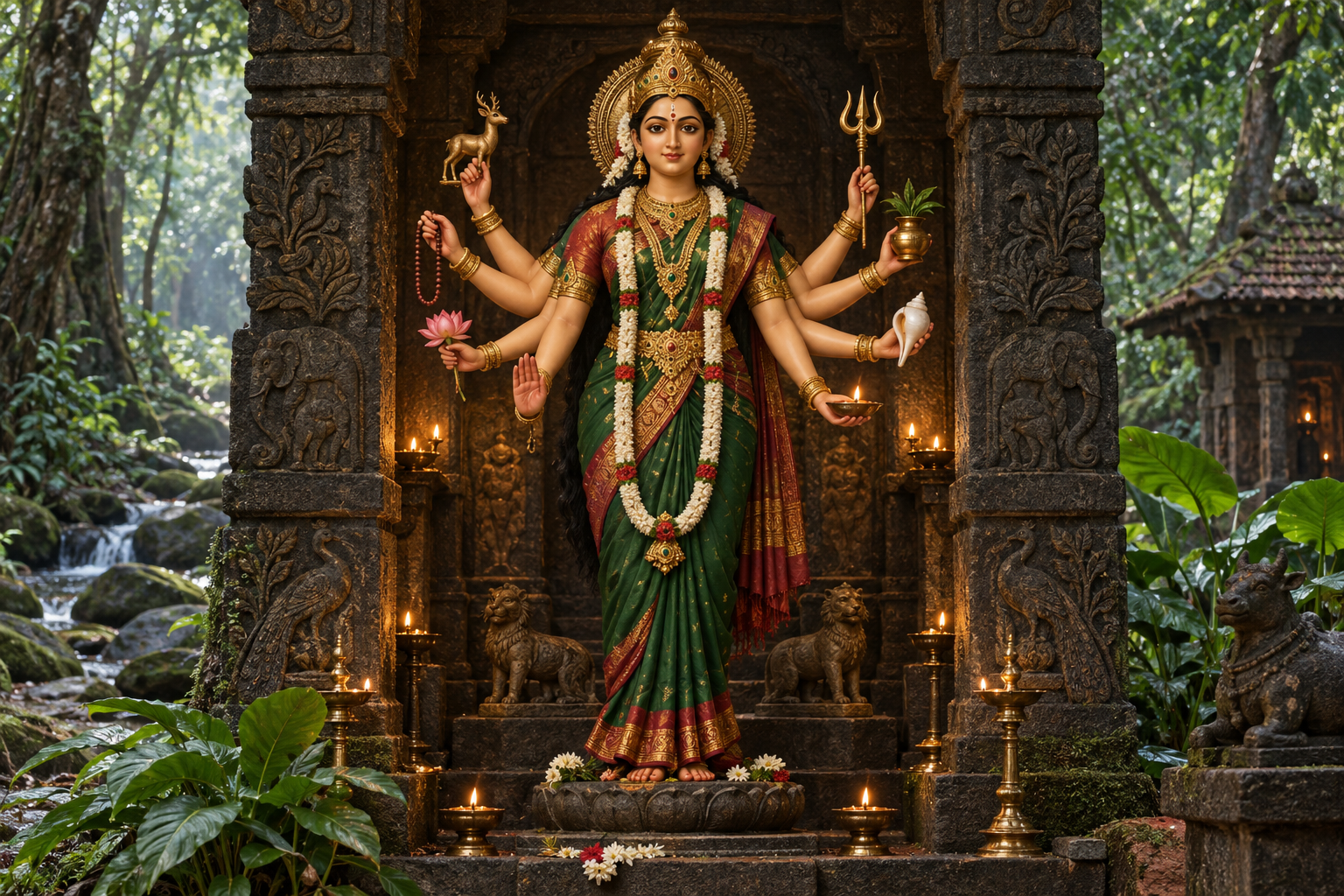
Goddess Kaveri, revered as a living river and divine mother, is rendered in Hindu sculpture through a precise visual grammar that blends Shilpa Shastra canons with the lived rhythms of sacred geography. This essay explains how to recognize her iconography, from kumbha and lotus attributes to makara-toranas and gentle mudras, and shows where she commonly…
-
Samiti and Sabha Unveiled: Vedic Roots of Democracy in Ancient Hindu Civilization

Ancient India’s Vedic tradition preserved two hallmark assemblies—Samiti and Sabha—that balanced public participation with expert counsel. The Rigveda and Atharvaveda reference these bodies, which anchored governance to dharma and prioritized consensus, accountability, and communal welfare. Over time, their logic resonated through gana-sangha republics cited in Buddhist sources and through administrative codifications visible in medieval South…
-
Vishalgad Dispute Rekindled: Safeguarding Maratha Heritage while Respecting Urus Traditions

The Vishalgad Urus Dispute in Kolhapur has resurfaced, raising a familiar challenge: how to protect a fragile Maratha-era fort while respecting a long-standing Sufi tradition. This analysis sets out a constitutional, conservation, and community-based roadmap that avoids identity-driven bans and anchors decisions in law, safety, and heritage science. It explains how Article 25–26 protections can…
-
Padma in Hindu Sculptures: The Lotus as Cosmic Throne, Purity Symbol, and Living Geometry

This in-depth guide decodes how the lotus (padma) functions in Hindu sculptures as attribute, throne, halo, and yogic sign, translating sacred meaning into readable form. Readers learn to distinguish bud, half-bloom, and full bloom, recognize color symbolism, and spot double-lotus pedestals with confidence in temples and museums. Clear references to Shilpa Shastra canons show how…
-
Adhi Kandhanatha Swamy of Erakaram: Murugan’s Abhaya Grace, History, Architecture, Rituals

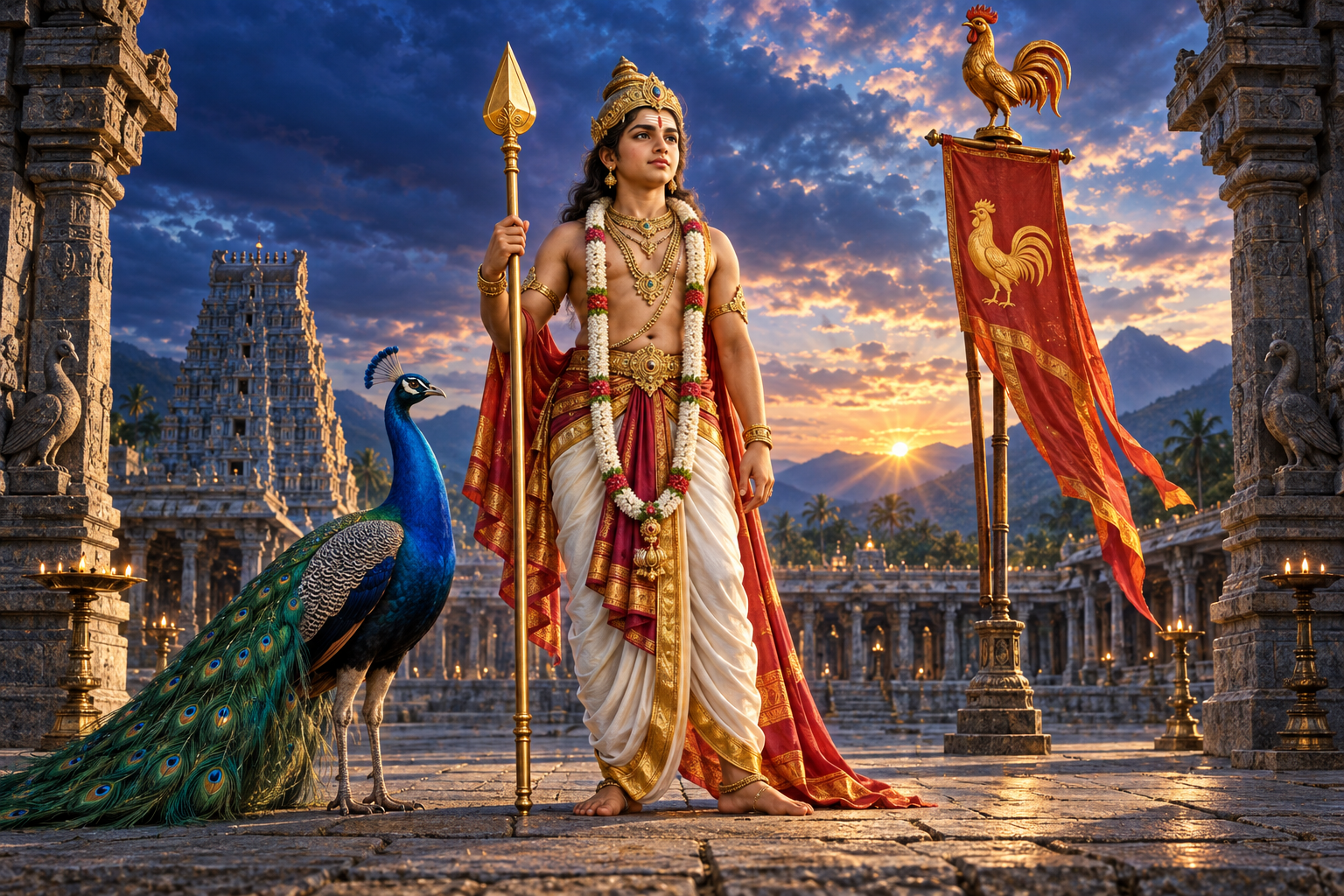
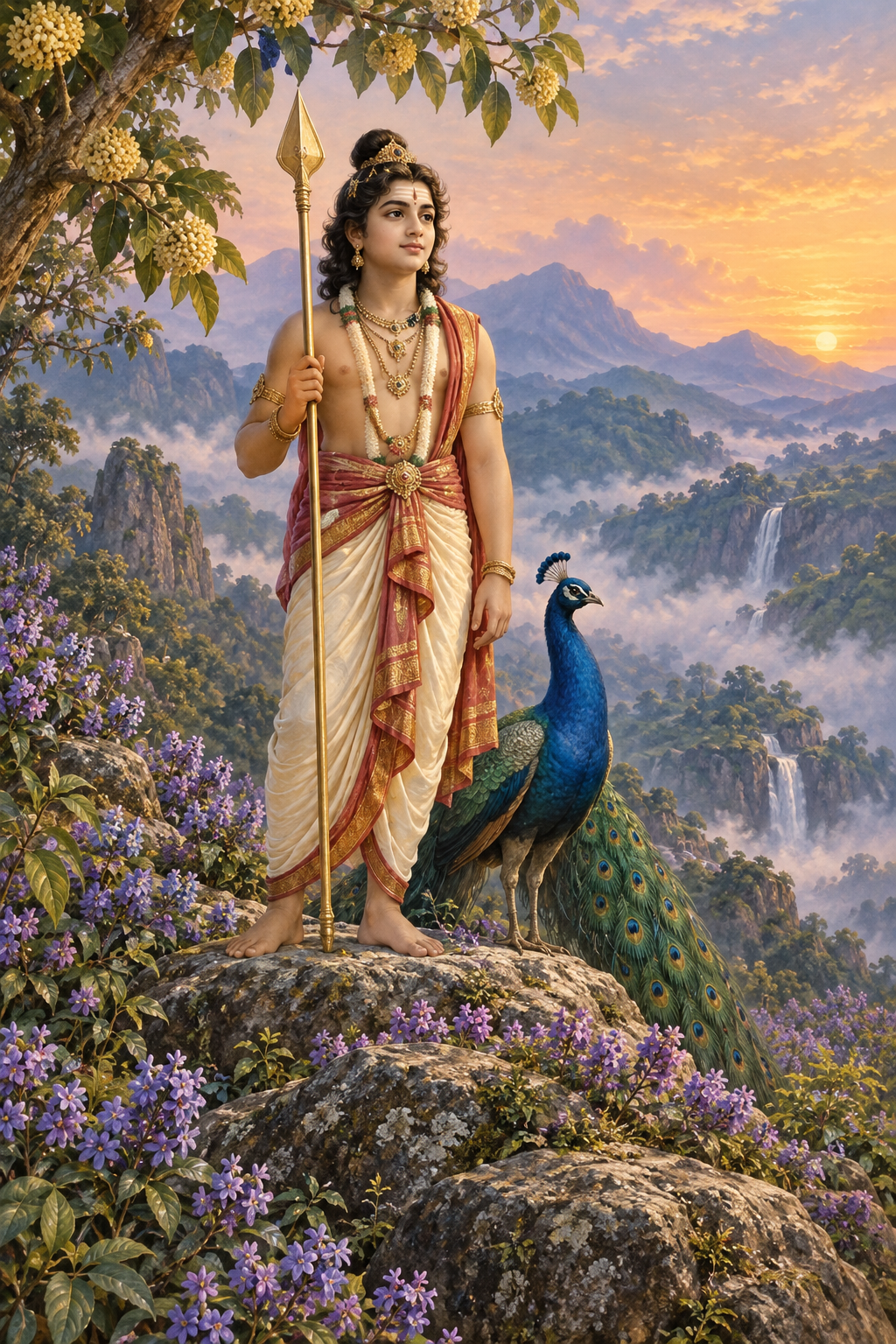
Adhi Kandhanatha Swamy Temple, Erakaram, presents a distinct Murugan shrine aligned behind a Shiva temple, highlighting Tamil Saiva-Agamic Temple Architecture and the Somaskanda ideal. The standing murti with abhaya hastam communicates protection and spiritual assurance, drawing devotees seeking courage, clarity, and peace. The shrine’s association with Arunagirinathar’s Thirupukazh embeds a rich musical-liturgical tradition that educates…
-
The Eleven Forms of Goddess Kali: Fierce Compassion, Iconography, and Living Devotion

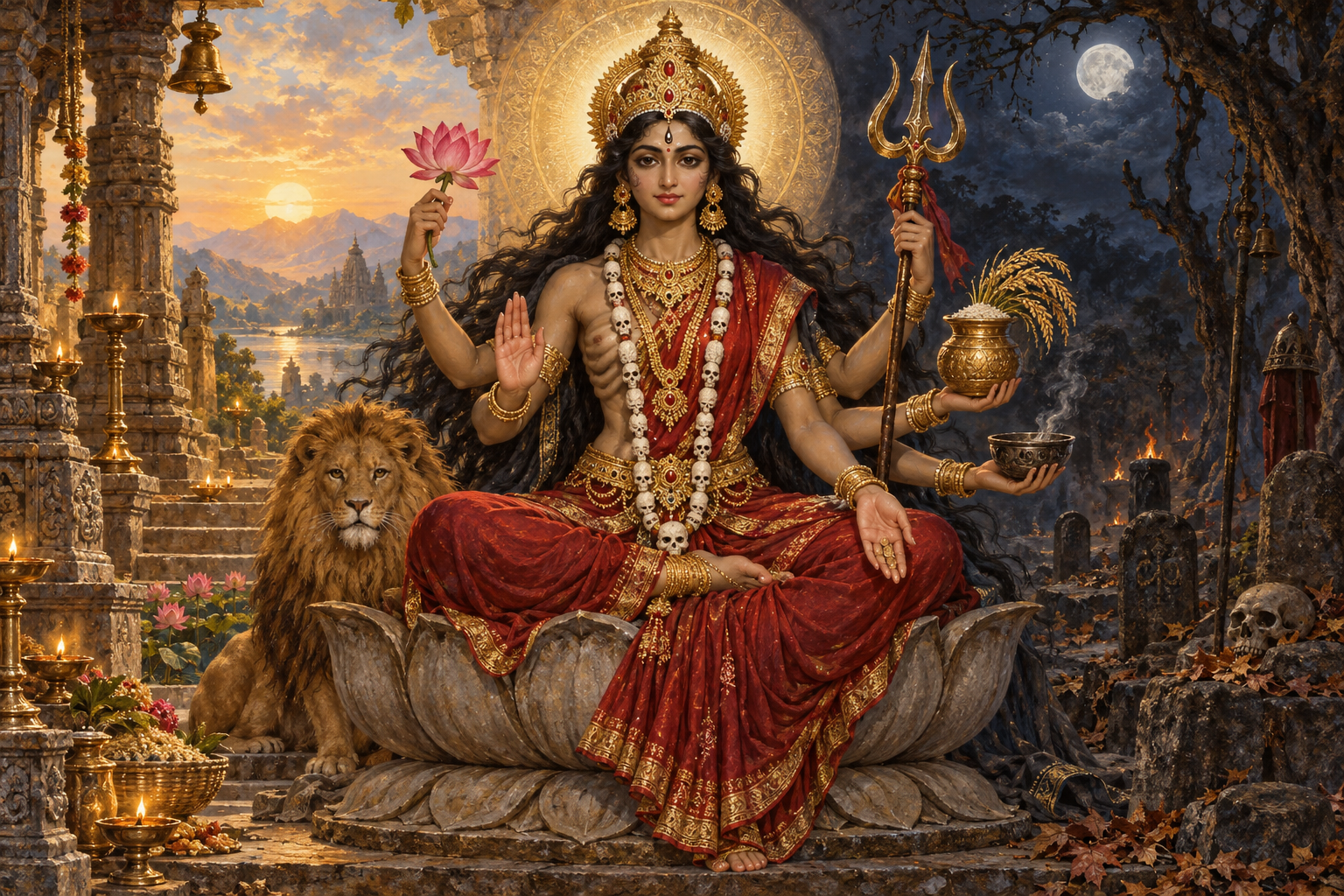
This article explores the eleven forms (Ekadasha) of Goddess Kali as preserved in Bengali and eastern Indian Shakta traditions. It situates each form—Adya, Dakshina, Shyama, Bhadra, Smasana, Raksha, Siddha, Guhya, Hansa, Bhima, and Chamunda—within clear iconography, ritual practice, and philosophical meaning. Readers learn how the Goddess embodies both gentle reassurance and fierce compassion, guiding household…
-
Srila Prabhupada Festival, Los Angeles: 35 Years of Simple Living, High Thinking

The Srila Prabhupada Festival in Los Angeles marks thirty-five years of gratitude at New Dwarka Temple, uniting the community around the guiding principle “Simple Living, High Thinking.” Anchored in the Bhagavad Gita and Gaudiya Vaishnava teachings, the event integrates devotional arts, kirtan, textual study, and service as a coherent pathway for inner growth and social…
-
Hanuman’s Tail-Dome and the Underworld Duel: Mahiravana’s Deception and a Dharmic Rescue

This analytical retelling explores the Mahiravana (Ahiravana) episode from later Ramayana traditions, where Hanuman’s innovative “tail-dome” defense is outwitted by a master of illusion and redeemed by a precise, dharmic rescue in Patala. It situates the story within regional Ramayana literatures, clarifies iconography around Panchamukhi Hanuman, and explains the technical constraint of extinguishing five life-lamps…
-
Balancing Heritage: Shivrajeshwar Temple Grant Rises to ₹1 Lakh, Aurangzeb Tomb Funding Higher

Maharashtra has raised the Shri Shivrajeshwar Temple grant at Sindhudurg Fort from ₹3,000 to ₹1 lakh after 55 years, yet reports suggest the amount still trails allocations connected to Aurangzeb’s tomb. The development spotlights how heritage budgets are set across temples, forts, and tombs under varied administrative regimes. This analysis explains the differences between structural…