-
Beyond the Fleeting: Sanatan Dharma’s Timeless Path to Inner Freedom and Untold Riches

Modern life amplifies distraction, yet Sanatan Dharma teaches how to see beyond the fleeting and rediscover what truly endures. By cultivating viveka and vairāgya, seekers learn to distinguish the permanent from the impermanent. The Bhagavad Gītā and Upanishads frame this insight with clarity, while Yoga practices translate it into daily stability. The puruṣārthas align ethical…
-
Rama’s Timeless Counsel: Restraint Over Impulse in Lakshmana’s First Meeting with Hanuman

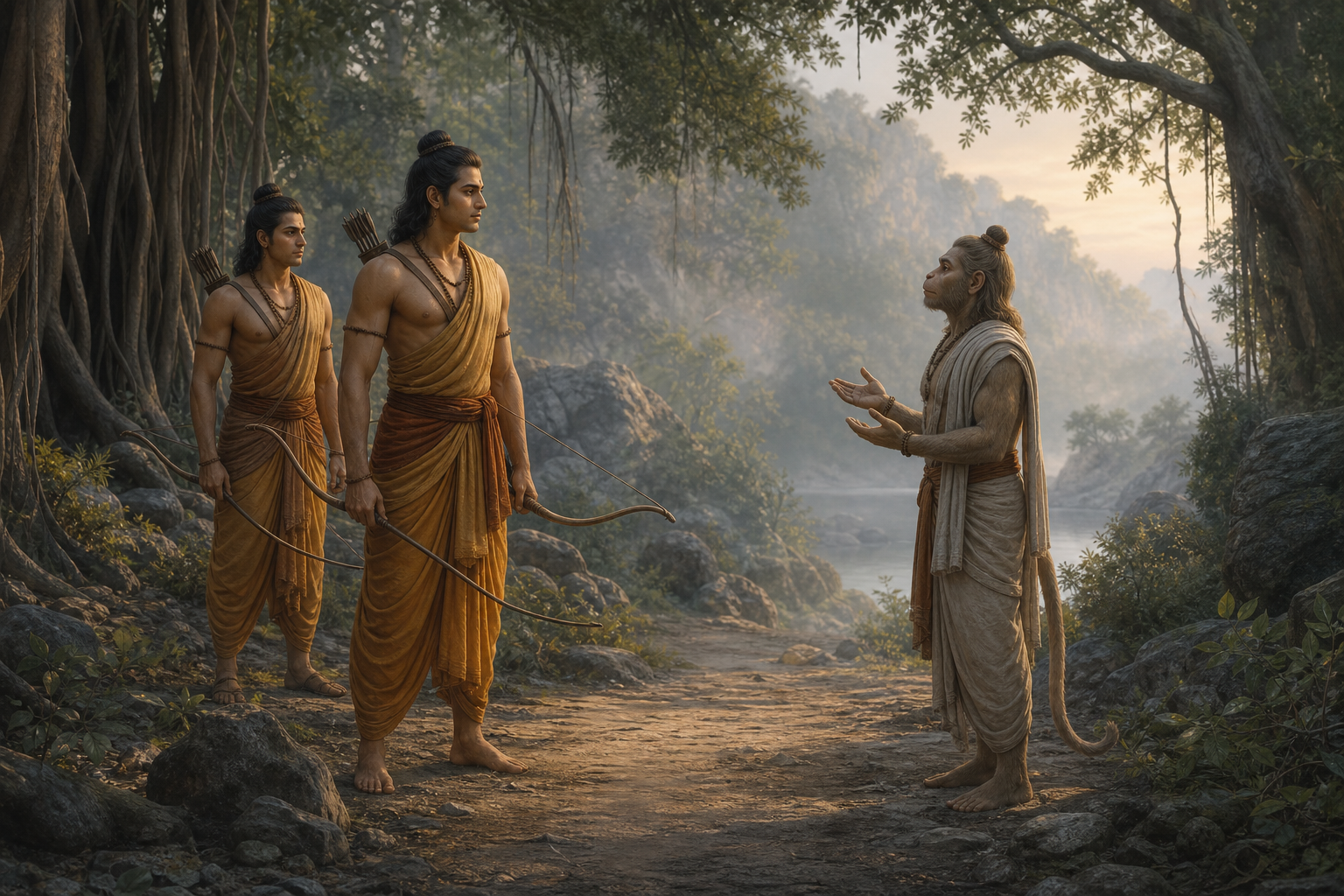
This article examines a pivotal Ramayana episode in which Rama counsels Lakshmana to practice restraint when first meeting Hanuman in disguise. It analyzes how careful listening and discernment transform potential suspicion into trust, modeling dharma in action. The discussion connects this ethos to shared values across Hinduism, Buddhism, Jainism, and Sikhism, highlighting unity within the…
-
Bangladesh on Edge: Third Hindu Killed in Two Weeks Raises Alarming Questions

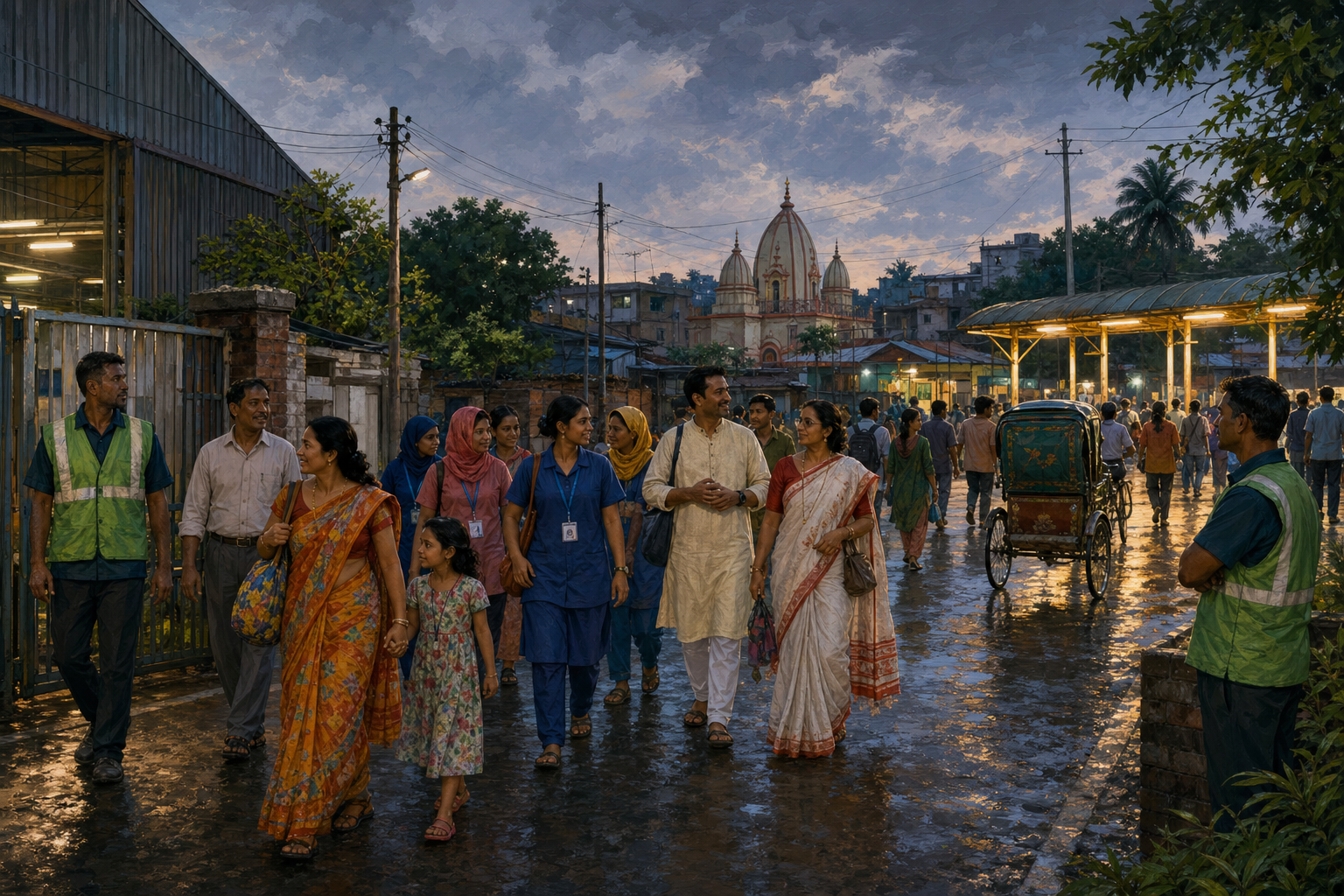
Within two weeks, three Hindu men have reportedly been killed in separate incidents in Bangladesh, intensifying concerns about public safety and minority protections. The latest case involves Bajendra Biswas, a 40-year-old Hindu Ansar member, shot inside a Mymensingh garment factory in what police describe as an apparent accidental discharge. Authorities have arrested a colleague, and…
-
Witnessing the Sky of Consciousness: Sri Shyamdas Babaji’s Transformative Sadhana and Unitive Wisdom

Set in Sri Jagannath Kshetra and later Varanasi, this reflective account presents Sri Shyamdas Babaji’s rare synthesis of jnana, bhakti, and yoga. Readers encounter his lucid teaching on drashta bhava (witness-consciousness) and the chidakasha (sky of consciousness), framed by living connections to Trailinga Swami, Prabhu Jagadbandhu, Sri Sri Maa Anandamayi, and the Gaudiya tradition. The…
-
January 8, 2026 Panchang: Krishna Paksha Panchami to Sashti, Timings and Auspicious Tips

On Thursday, January 8, 2026, the Panchang notes Krishna Paksha Panchami until 10:09 AM, after which Krishna Paksha Sashti begins. This clear tithi transition helps plan the day with accuracy. Many find the morning suited to quiet reflection and the afternoon to steady, task-focused work. Checking a trusted regional Panchang ensures precise Shubh Muhurat, Nakshatra,…
-
Mymensingh Tragedy: Hindu Worker Shot Dead, Urgent Call for Minority Safety in Bangladesh

A reported shooting in Mymensingh, Bangladesh, has left Hindu resident Brijendra Biswas dead, heightening concerns over minority safety. The incident highlights ongoing risks faced by Bangladesh Hindus and the need for impartial investigations and due process. It situates the tragedy within a broader pattern that erodes trust and communal harmony. Community recollections show that shared…
-
Healing Through Oneness: How a Single Divine Relationship Unites Dharmic Paths

A single, intimate relationship with the Divine—or with ultimate truth—can organize inner life and reduce fragmentation across emotions, decisions, and relationships. Drawing on Ishta in Hinduism and Anekantavada in Jainism, the approach balances one-pointed focus with humility toward many-sided truth. Comparable practices in Buddhism and Sikhism (meditation, simran, and seva) confirm the same benefits: calmer…
-
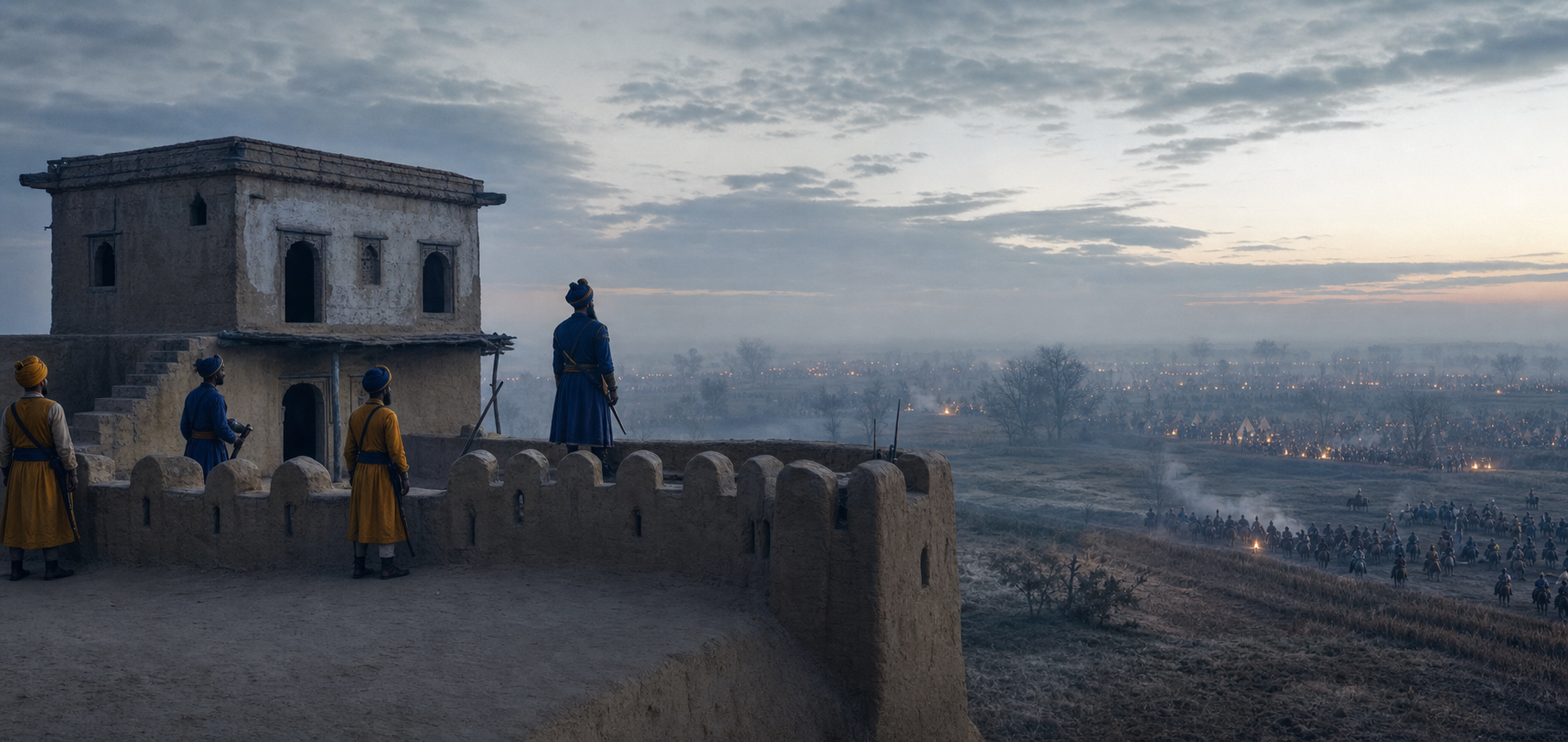
Khalsa Mero Roop Hai Khaas: A Powerful Call to Courage, Love, and Truth in Dharmic Unity
This reflection interprets the line “Khalsa mero roop hai khaas” as a call to live courage, love, and truth in daily life. It situates the phrase in Sikh history and shows how its ethical core resonates with dharmic traditions across Hinduism, Buddhism, Jainism, and Sikhism. Readers gain practical guidance for family, civic, and professional settings,…
-
Stop Harsh Self‑Judgment: Reframe Your Year with Reflective Journaling, Mindfulness, and Grace

This piece presents a calm, evidence-based method to reduce harsh self-judgment at year’s end by replacing a critical lens with an empowering one. Reflective positive journaling is introduced as a practical tool to highlight strength, nourishment, and meaningful moments otherwise missed. Clear prompts guide attention toward subtle growth, appropriate pride, fulfillment, peace, energizing activities, and…
-
Beyond Religion: How Sanatana Dharma Champions Spiritual Freedom and Unity in Diversity

Sanatana Dharma is presented as a living wisdom tradition rather than a narrow, exclusive religion. Its core emphasizes dharma, experiential understanding, and plural pathways such as Karma Yoga, Bhakti, Jnana, and meditation. The principle of Ishta validates diverse forms of worship and aligns with Buddhist upaya, Jain Anekantavada, and Sikh Nam-simran, strengthening interfaith harmony. Rather…
-
Prophecy and Peril: Hanuman’s Divine Birth That Defied Vali’s Deadly Plot
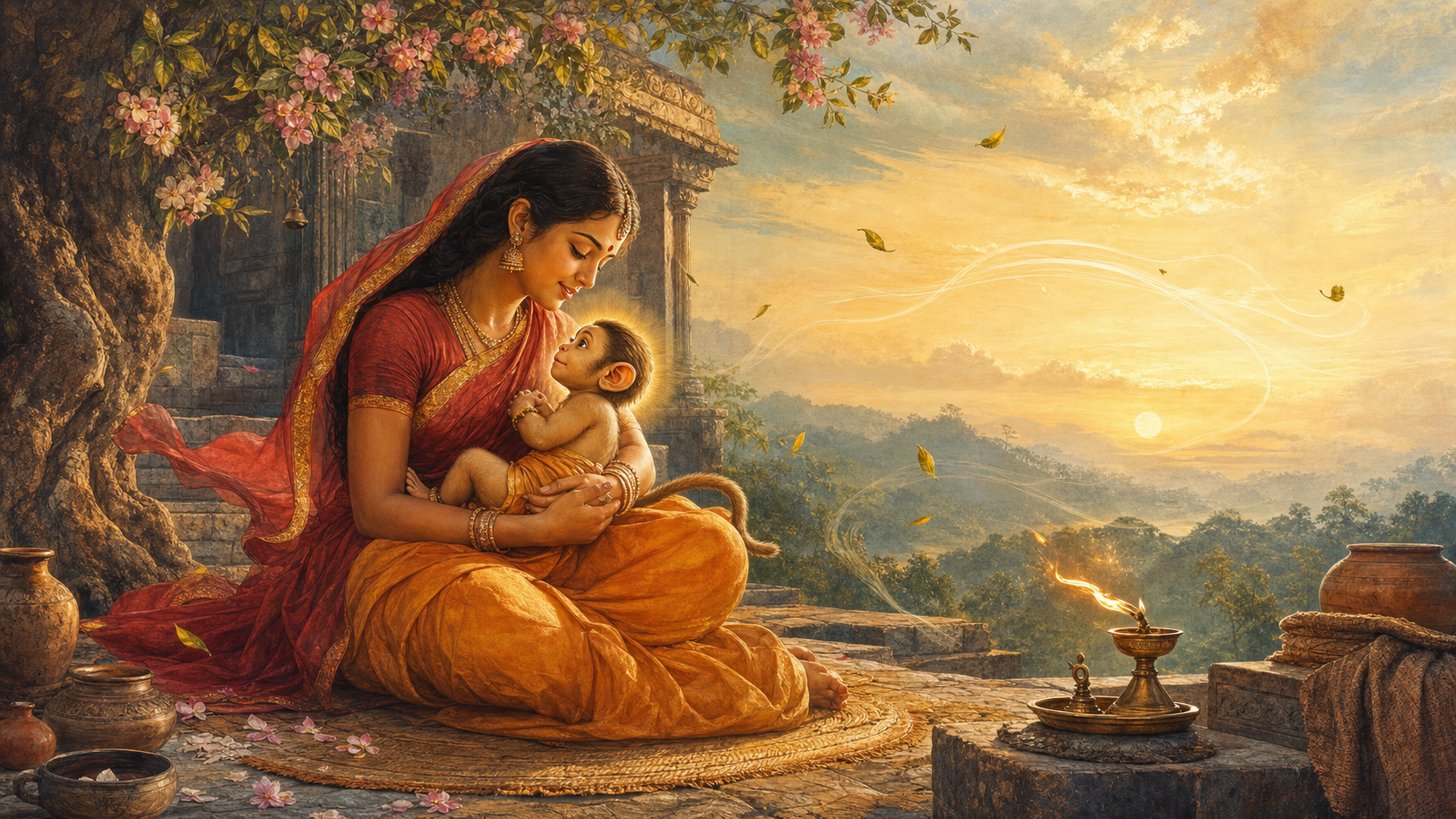
A lesser-known episode from the Kamba Ramayana recounts how Vali, fearing a prophecy, sought to destroy Hanuman before birth, only for Vayu to shield Anjana and the unborn child in a stunning affirmation of dharma. This retelling clarifies how regional variants complement the Valmiki Ramayana, enriching the epic’s living tradition. Readers gain insight into why…
-
New Year Resolve for Spiritual Excellence and Dharmic Unity: Striving for Pure Devotion

This New Year resolution sets a clear intention: aim for the highest spiritual goal through disciplined practice and humility. It recognizes Srila Prabhupada’s rigorous benchmark of becoming a pure devotee and treats it as a compass rather than a claim. The approach emphasizes daily sadhana, ethical conduct, and compassion as practical tools for spiritual growth.…
-
Unbreakable Resolutions: Dhruva’s Determination and Sattvic Discipline for the New Year

New Year commitments flourish when intention becomes unbreakable resolve. Drawing on Srila Prabhupada’s reference to Dhruva Maharaja, this reflection clarifies the difference between desire and commitment through the lens of the gunas: tamas stalls at dreams, while sattva sustains disciplined action. It offers a practical, dharma-aligned framework for resolutions—clear purpose, small daily practices like japa…
-
Breaking the Resolution Cycle: Samsara, Sankalpa, and Srimad Bhagavatam’s Timeless Clarity

New Year’s resolutions often falter because they are treated as short-term projects rather than long-term practices. Framed through samsara, they reveal recurring habit cycles that call for wiser design, not harsher effort. Srimad Bhagavatam offers a clear corrective: anchor intention (sankalpa) in dharma, sustain it with steady practice (abhyasa), and temper it with detachment (vairagya).…
-
Chilling Symbolism of Asipatra: The Sword-Leaf Forest and Dharma’s Call to Compassion

The Asipatra or sword-leaf forest is a powerful Purāṇic symbol that dramatizes the consequences of harmful actions and the neglect of dharma. Rather than a literal geography of the afterlife, it functions as a moral pedagogy illustrating ethical cause and effect. Readers gain a clear understanding of how the image aligns with ahimsa, satya, and…
-
Narayana Saras: Timeless Sacred Lake of Soul-Purifying Waters in the Shiva Purana and Dharmic Lore
Narayana Saras (Narayanasaras) is celebrated in the Shiva Purana as a sacred lake whose waters symbolize inner purification and renewal. Associated with the confluence of the Sindhu and the ocean, it embodies the puranic ideal of a threshold where the finite meets the infinite. The lake’s symbolism invites calm reflection, ethical clarity, and devotion through…
-
Kundika Upanishad: Powerful Lessons on Sannyasa, Inner Freedom, and Dharmic Unity

The Kundika Upanishad, a Sannyasa Upanishad linked with the Sama Veda, presents renunciation as the culmination of a dharmic life aimed at moksha. Across 34 verses, it unites ethical restraint, contemplative practice, and radical simplicity into a coherent path for inner freedom. Its symbolism—centered on the kundika (water pot)—speaks to purity, service, and sustainability. The…
-
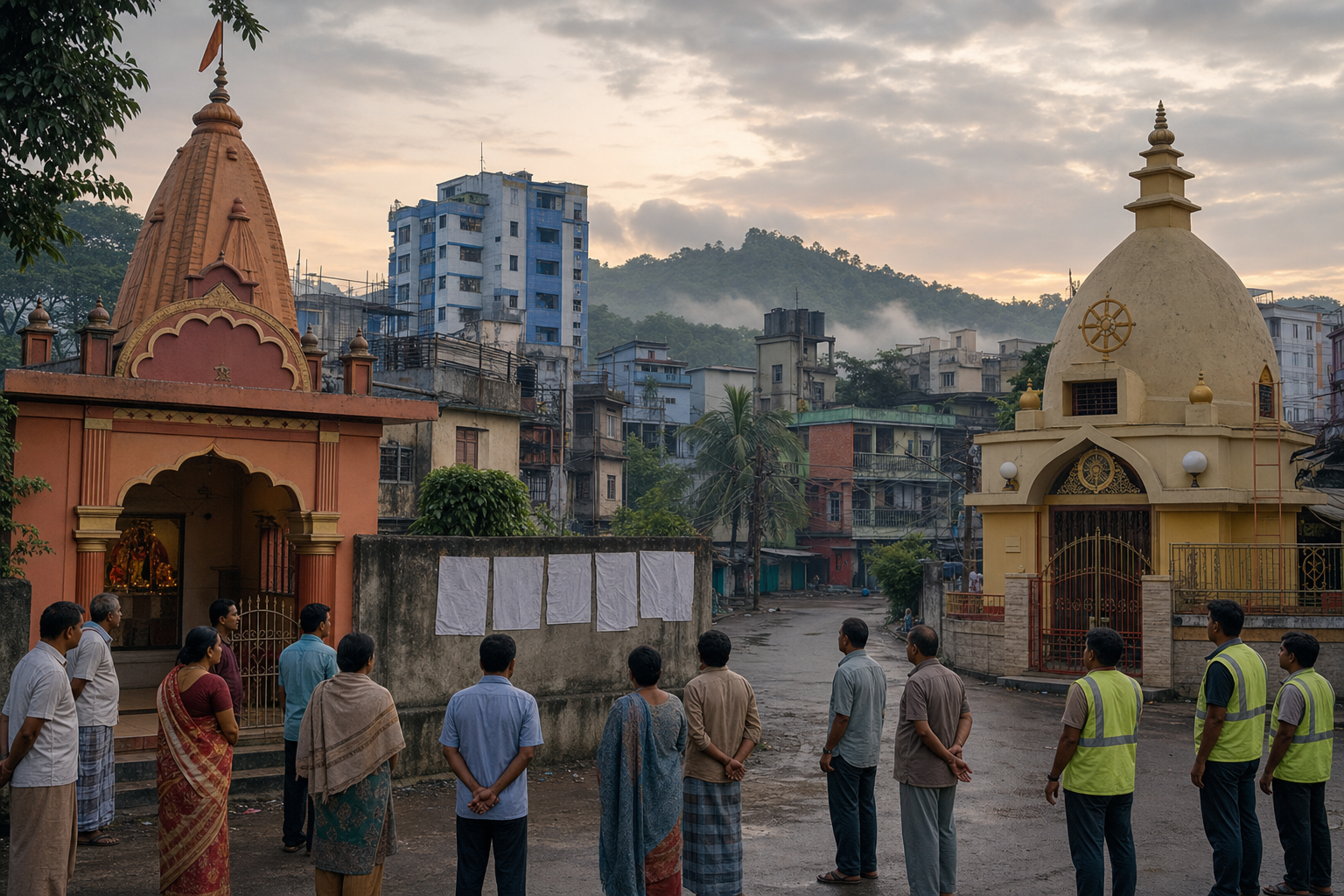
Chattogram Hate Posters Raise Genocide Fears, Urgent Steps Sought to Protect Minorities

Reports from Chattogram indicate that posters threatening a massacre of two lakh Hindus and Buddhists have intensified fears of genocidal violence ahead of Bangladesh’s February elections. The incident highlights risks to religious minorities and the integrity of the electoral environment. Community voices stress swift investigation, removal of threatening materials, and visible, nonpartisan law enforcement. Interfaith…
-
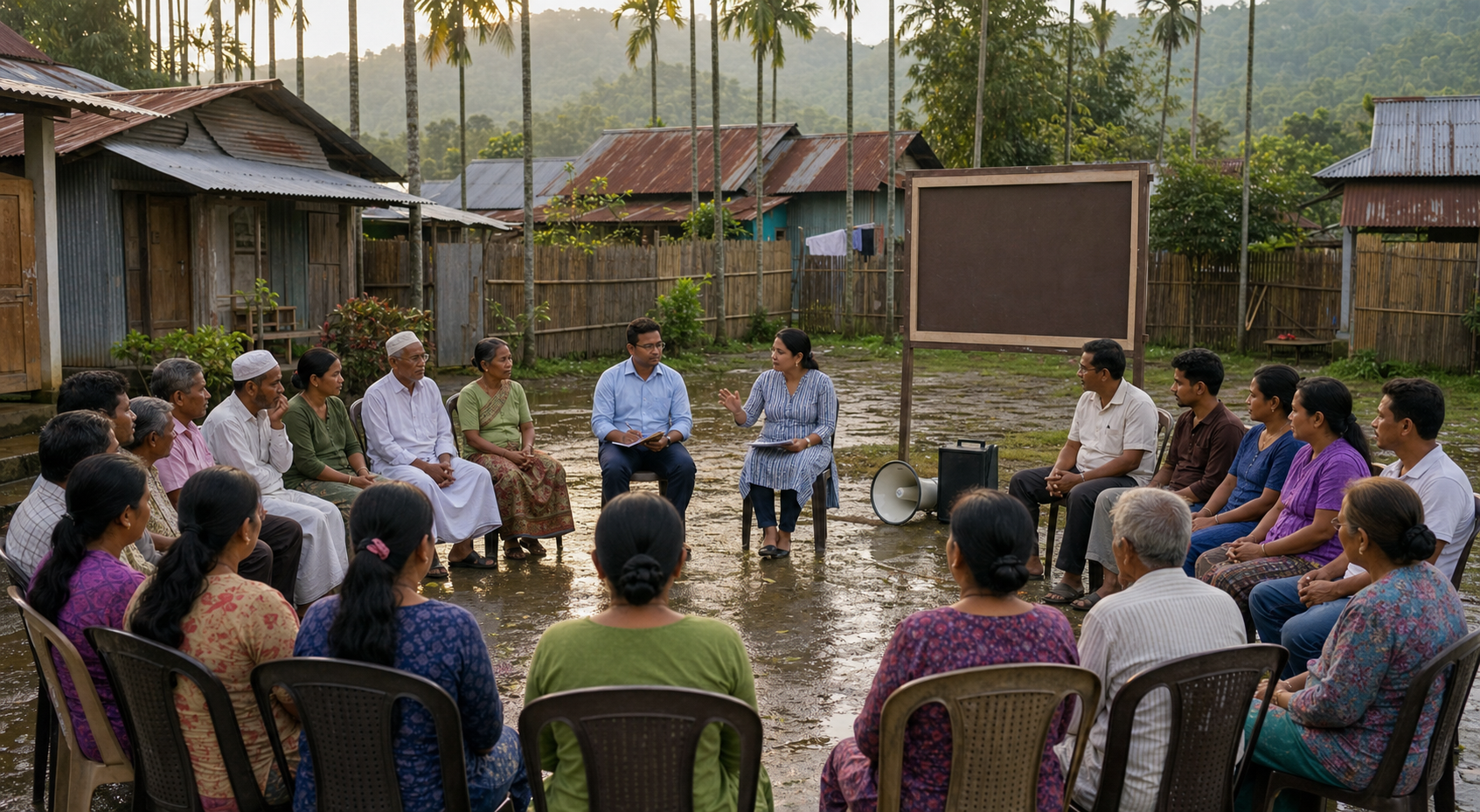
Tripura Panisagar Tensions: Peace, Law, and Dialogue After Alleged Waz Announcement Clash

Reports from Panisagar, Tripura describe tensions in the Pekuchhara area after an alleged clash over public announcements for a waz mehfil. With official details still emerging, a careful, factual approach is essential to avoid speculation and preserve communal harmony. The analysis highlights India’s legal framework that safeguards religious freedom while requiring compliance with sound and…
-
Mindful Relationships and Sacred Detachment: Dharmic Wisdom for Freedom in Fleeting Bonds

This essay explores how mindful relationships and sacred detachment create freedom without diminishing love. Drawing on the Bhagavad Gita, Buddhist insight on impermanence, Jain aparigraha, and Sikh seva, it presents a unified dharmic framework for connection without possession. Readers gain practical methods—receive, revere, release—grounded in mindfulness, gratitude, and compassionate boundaries. The approach enhances emotional resilience,…