-
Reclaiming India’s Dharmic Sense of History: Evidence, Empathy, and Method

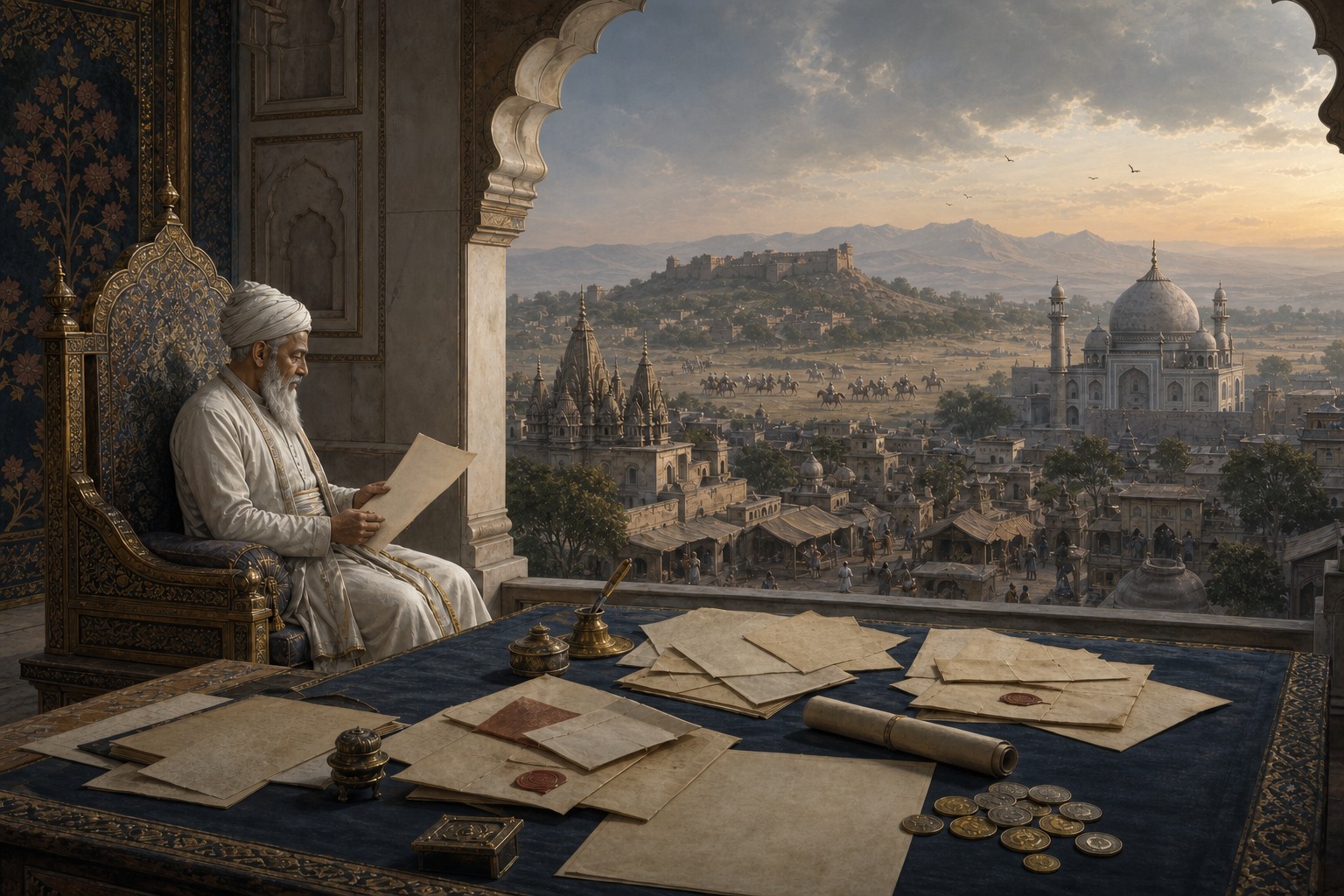
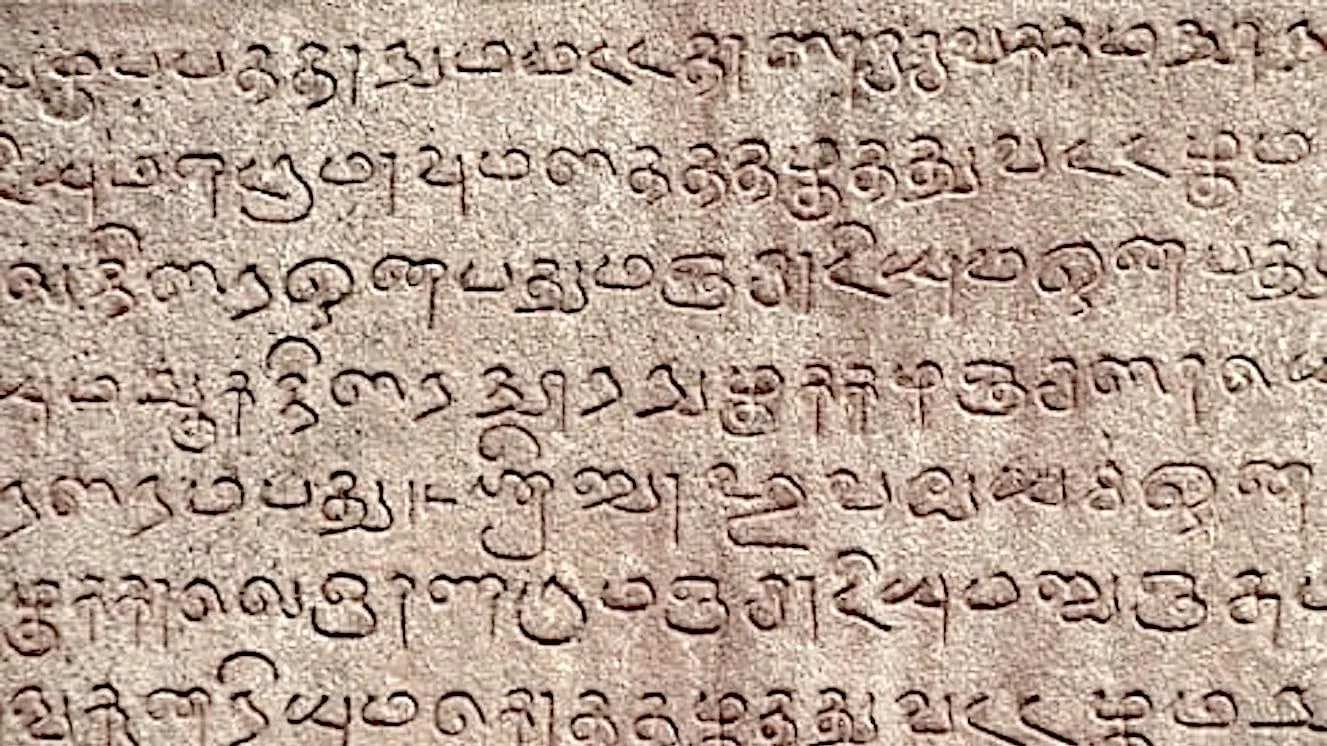
This essay offers a rigorous, empathetic roadmap to reclaim India’s Dharmic sense of history. It dismantles the colonial trope that Hindus lacked historical consciousness by surveying Itihasa, Puranas, caritras, inscriptions, and temple records across Ancient India and Medieval India. It explains why certain indigenous archives thinned during the medieval era and shows how to read…
-
Rani Chennamma Punyatithi 2026: Honor a Trailblazing Queen and Safeguard Her Legacy

Rani Chennamma Punyatithi 2026 (Kittur Chennamma Smrutidin) will be observed on 21 February, honoring one of the earliest leaders of the Indian freedom struggle. The remembrance highlights her 1824 resistance to the British East India Company and her enduring legacy in Hindu History. Readers gain the exact date, historical context, and the site’s location at…
-
Maharana Pratap Smrutidin 2026 (Jan 29): Date, Significance, and Inspiring Ways to Honor His Legacy

Maharana Pratap Smrutidin 2026 is observed on January 29, aligning with Magh Shukla Ekadashi in the Hindi calendar. The day honors Maharana Pratap—Pratap Singh I—whose life exemplified courage, principled governance, and unwavering commitment to dharma. Families and communities often mark the occasion with readings, lamp-lighting, and intergenerational storytelling. The observance fosters unity across Hindu, Buddhist,…
-
After Two Decades, OUP Apologises for Unverified Shivaji Maharaj Content, Promises Corrections

Oxford University Press has apologised for unverified content about Chhatrapati Shivaji Maharaj in a two-decade-old publication and committed to correcting future editions. This acknowledgment reinforces historical accuracy and signals a constructive path forward in responsible publishing. For students, educators, and the wider public, it restores confidence in evidence-based narratives of Indian history and Hindu History.…
-
Kurukesha, Disciple of Ramanujacharya: A Revered Beacon of Sri Vaishnava Wisdom

Kurukesha is honored in Sri Vaishnava tradition as a devotee-disciple of Ramanujacharya who exemplified humility, disciplined practice, and compassionate service. While historical details are limited, devotional memory preserves his role in transmitting Visishtadvaita Vedanta and strengthening the Bhakti Tradition through study, worship, and community service. This portrait highlights practical lessons for today: inclusive institutions, shared…
-
Sanghamitra’s Sacred Mission: How Ashoka’s Daughter Forged India–Sri Lanka Buddhist Ties

Sanghamitra, the daughter of Emperor Ashoka, exemplifies the dharmic spirit of Ancient India through her pivotal role in bringing Buddhism to Sri Lanka. Alongside her brother Mahinda, she embodied a culture of learning and compassion that connected Hindu and Buddhist traditions within a shared ethical framework. Historical traditions credit her with establishing the Bhikkhuni order…
-
Essential Female Hindu Saints: Discover Hemalekha, Akka Mahadevi, and Anandamayi Ma

This academically grounded profile explores three essential female Hindu saints—Hemalekha, Akka Mahadevi, and Anandamayi Ma—whose lives illuminate self-inquiry, radical devotion, and compassionate service. Readers discover how Hemalekha’s guidance transformed a prince through disciplined reflection on identity and impermanence. Akka Mahadevi’s fearless renunciation exemplifies Bhakti courage and ethical freedom aligned with dharmic values. Anandamayi Ma’s inclusive…
-
Seven Years of The Dharma Dispatch: Essential Reflections and Breakthroughs in Dharmic Heritage

This seventh-anniversary reflection of The Dharma Dispatch coincides with Navaratri, emphasizing gratitude, quiet scholarship, and dharmic unity across Hinduism, Buddhism, Jainism, and Sikhism. It highlights research milestones, including a twelve-part study on Ghar-Wapsi, a biographical analysis of Murshid Quli Khan, and acclaimed work on D.V. Gundappa’s renunciate poetry. Essays on ancient India’s Greek connections, the…
-
Discover the Taj Mahal’s Hidden Past: A Complete, Evidence-Based Reexamination for Unity

A new film on the Taj Mahal invites an evidence-based reexamination of contested narratives without foreclosing mainstream scholarship. Presented within an academic framework, it highlights how archaeology, epigraphy, and architectural analysis can clarify complex claims such as “Tejo Mahalaya” or earlier temple hypotheses. The discussion foregrounds rigorous methods—provenance, peer review, and open archives—over rhetoric or…
-
Discover Changadeva: The 11th‑Century Astrologer-Mathematician Shaping India’s Legacy

I share how discovering Changadeva (also known as Chandradeva) opened my eyes to the seamless blend of mathematics and astronomy in medieval India. I highlight his reputation as an 11th-century astrologer-mathematician and note his familial link to Bhaskaracharya (Bhaskara II) as part of a rich scholarly lineage. Readers will find a personal reflection on the…
-
An Extraordinary Portrait of Dharmic Village Administration in Ukkal

This blog post takes readers on a historical journey to Koolamandal and Ukkal, two lesser-known but culturally rich villages in South India. Koolamandal was once a vibrant center of Sanatana society, home to the magnificent Gangaikondacholeesvarar Temple built by Rajendra Chola I. Ukkal, on the other hand, is known for its extraordinary village administration system,…