-
Economic Shockwaves, Ethical Restraint: India’s Trade Levers to Protect Hindus in Bangladesh

This analysis explores how India can apply calibrated economic pressure—via land routes, sea facilitation, and airspace permissions—to deter violence against Hindus in Bangladesh while preserving regional stability. It outlines practical levers, from targeted suspensions with humanitarian carve-outs to compliance-focused reviews of electricity, fuel, and logistics. It explains risks and second-order effects on Indian exporters, border…
-
Discover India’s Complete Trade Breakthrough Amid Trump-Era Uncertainty and Supply Shifts

Trump-era uncertainty has opened a rare, time-bound window for India to advance into global supply chains. Unlike earlier opportunities, India now brings stronger infrastructure, a stabilized banking sector, and a mature digital ecosystem to the table. A historical lens—from GATT and the License Raj to the Vajpayee-era highways and post-2019 banking reforms—explains why this moment…
-
Discover the Proven Monsoon Secrets Behind Dhows to Khor Fakkan: Kerala’s Gulf Breakthrough

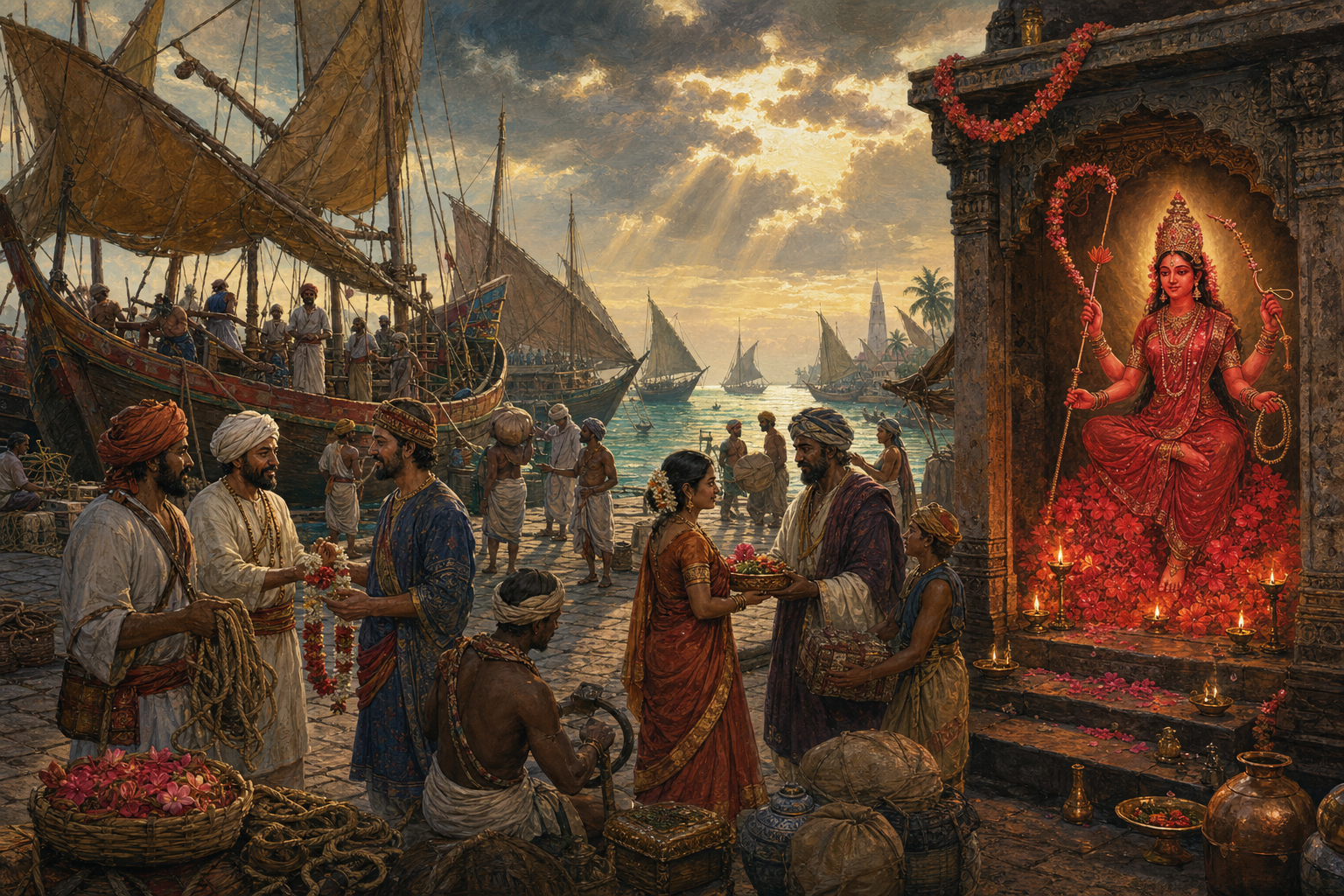
A dhow’s run from Kerala to Khor Fakkan reveals how predictable monsoon winds, lateen sails, and Indian Ocean navigation unified trade and migration long before steam. This piece situates the Malayalam film Pathemari within the broader history of Kerala–Gulf journeys and the spice trade. Readers discover the role of Basra, Jiddah, Muscat, and Aqaba in…
-
Calico’s Secret Journey: Discover How Indian Cotton Shaped Empires and Caribbean Piracy

This article traces calico’s remarkable journey from Kozhikode’s looms to Nassau’s docks, revealing how Indian cotton powered ancient trade, fired European consumer demand, and reshaped empires. Readers discover the chemical ingenuity behind India’s colorfast dyes and the vibrant networks—Hindu artisans, and Muslim and Jewish merchants—that moved textiles across seas. The narrative clarifies how East India…
-
US–India Food Trade and PL‑480’s Ghosts: Proven Lessons to Master Today’s Negotiations

Why do agricultural tariffs, GMO rules, and food security loom so large in US–India trade talks? This analysis revisits the PL‑480 era to explain how food aid became a lever of geopolitics and why that memory still shapes India’s approach to international trade. It outlines the historical constraints of the 1950s–60s, the pressure during the…
-
Discover Why U.S.–India Agriculture Talks Stall: Proven Insights on Food Security and Fair Trade

Agriculture remains the fulcrum of U.S.–India trade friction because it touches food security, farmer livelihoods, and public health. India’s cautious stance reflects hard-learned lessons from PL 480 and a commitment to food sovereignty. With millions dependent on farming, calibrated protection supports income growth, cold-chain development, and resilient agro-processing. Concerns about standards, GMO labeling, and SPS…
-
Why the US is Obsessed with Breaking into India’s Agriculture

-
Discover Why U.S.-India Agriculture Trade Talks Stall