-
Meri Janambhumi (Pakistan) Dian Yatravan: Mapping Sacred Punjab and Shared Dharmic Memory

Meri Janambhumi (Pakistan) Dian Yatravan reads Pakistan’s sacred landscape as a living archive of Sikh, Hindu, Buddhist, and Jain memory. Framing “janambhumi” as homeland and “yatravan” as disciplined pilgrimage, it maps gurdwaras, mandirs, stupas, and Jain temples with ethnographic sensitivity and historical care. The narrative highlights well-known sites such as Nankana Sahib, Panja Sahib, Kartarpur,…
-
Lilasuka (Bilvamangala): The Enigmatic Poet‑Saint behind the Timeless Krishna Karnamrita

Lilasuka (Bilvamangala) stands as an enigmatic poet-saint whose Krishna Karnamrita shaped the language of devotion across centuries. This long-form exploration situates the work within Sanskrit poetics, Bhagavata Purana theology, and Gaudiya transmission, while noting manuscript variants and dating debates. Readers gain a technical view of meters, imagery, and alaṅkāra that make the text a model…
-
‘Gems of Sikhism’ Review: Timeless Teachings, Khalsa Ethos, and Dharmic Unity Today

This academically grounded review of ‘Gems of Sikhism’ distills the core teachings of Sikhism—Ik Onkar, Naam, Seva, Kirat Karni, Vand Chakna, Sarbat da bhala, and the Khalsa ethos—into a coherent, accessible framework. It explains how Sikh practices like Langar and Seva institutionalize equality and compassion, while Miri–Piri and the Sant–Sipahi ideal provide a disciplined theory…
-
Indrajit’s Final Penance: A Riveting Study of Dharma, Filial Loyalty, and Redemption in Ramayana

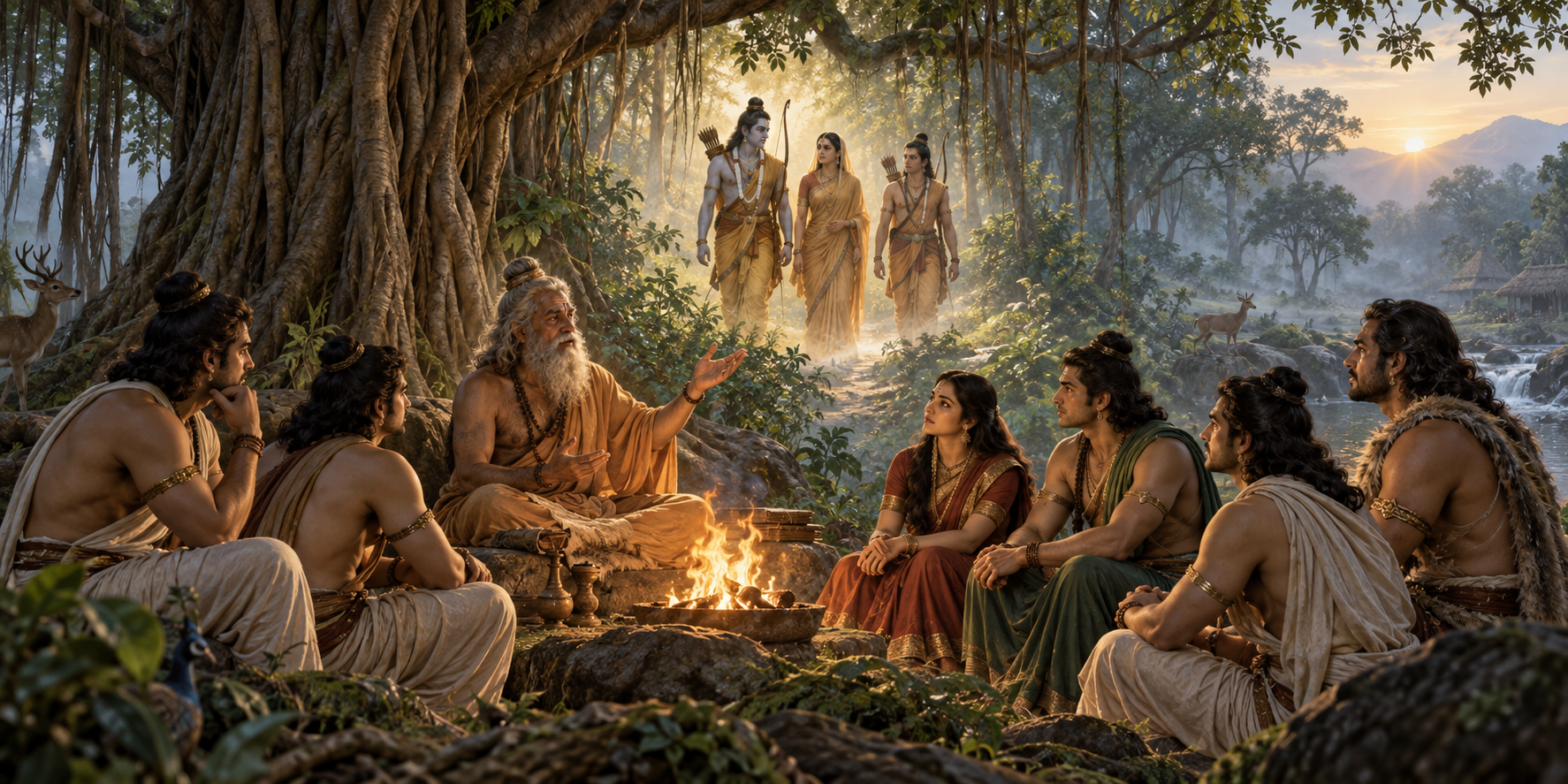
This long-form analysis explores Indrajit (Meghanada) as one of the Ramayana’s most complex figures—an invincible warrior confronting a profound dharmic dilemma between filial loyalty and moral law. Anchored in the Valmiki Ramayana and enriched by regional traditions such as the Krittivasi Ramayana, it explains how the Nikumbhila sanctuary—often associated with Kali—frames his final yuddha-yajna as…
-
Atikaya’s Tragic Valor: Reclaiming Ramayana’s Forgotten Warrior and His Quest for Belonging

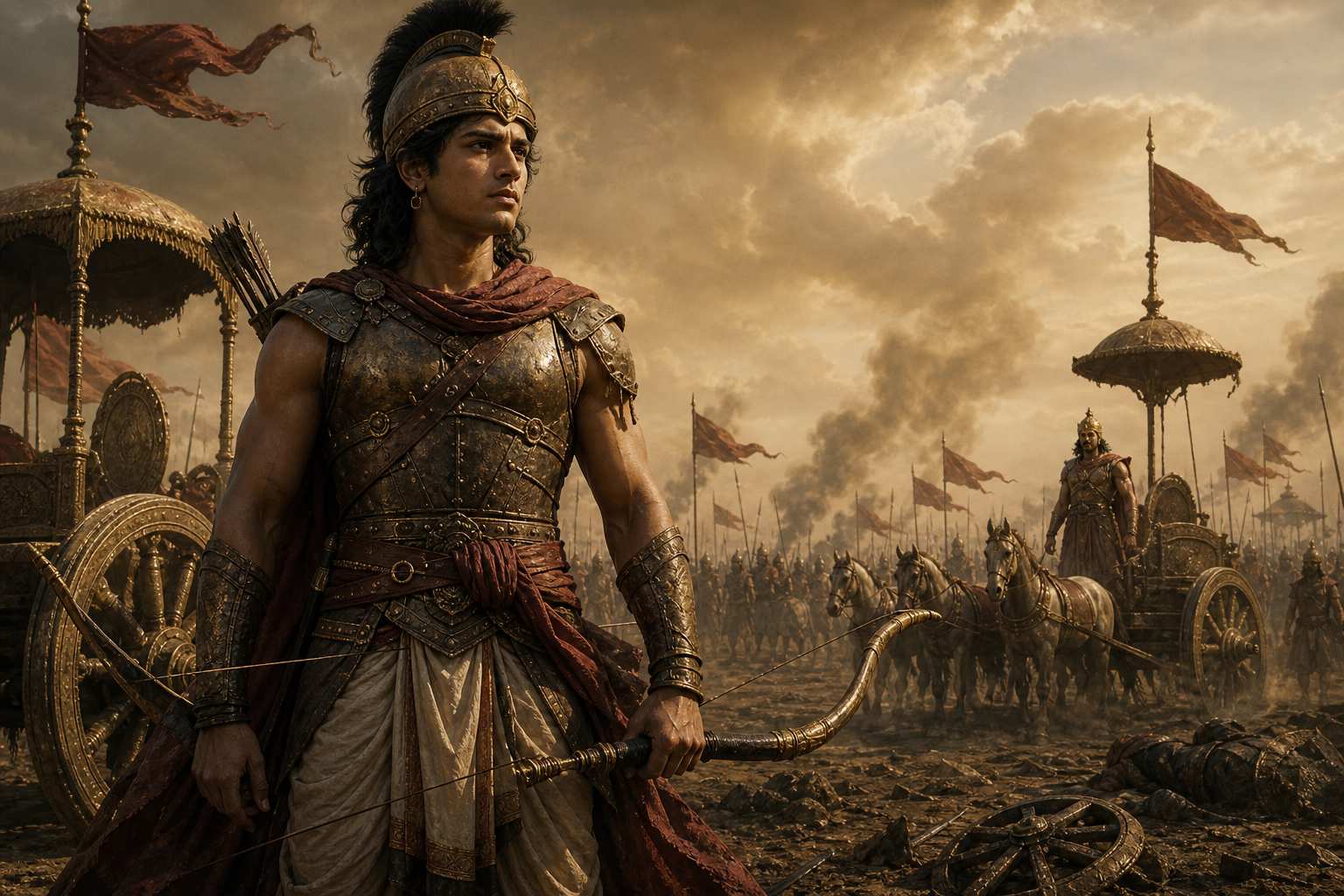
Atikaya emerges in the Ramayana as a formidable yet under-remembered warrior whose courage is matched by a poignant quest for recognition in Ravana’s court. Drawing on Yuddha Kanda and regional retellings, this analysis situates his duel with Lakshmana within the ethics of dharma-yuddha, highlighting the disciplined use of astras and the decisive counsel of Vibhishana.…
-
From Valmiki to Tulsidas: Rama’s Journey from Human Ideal to Supreme Divine—Explained

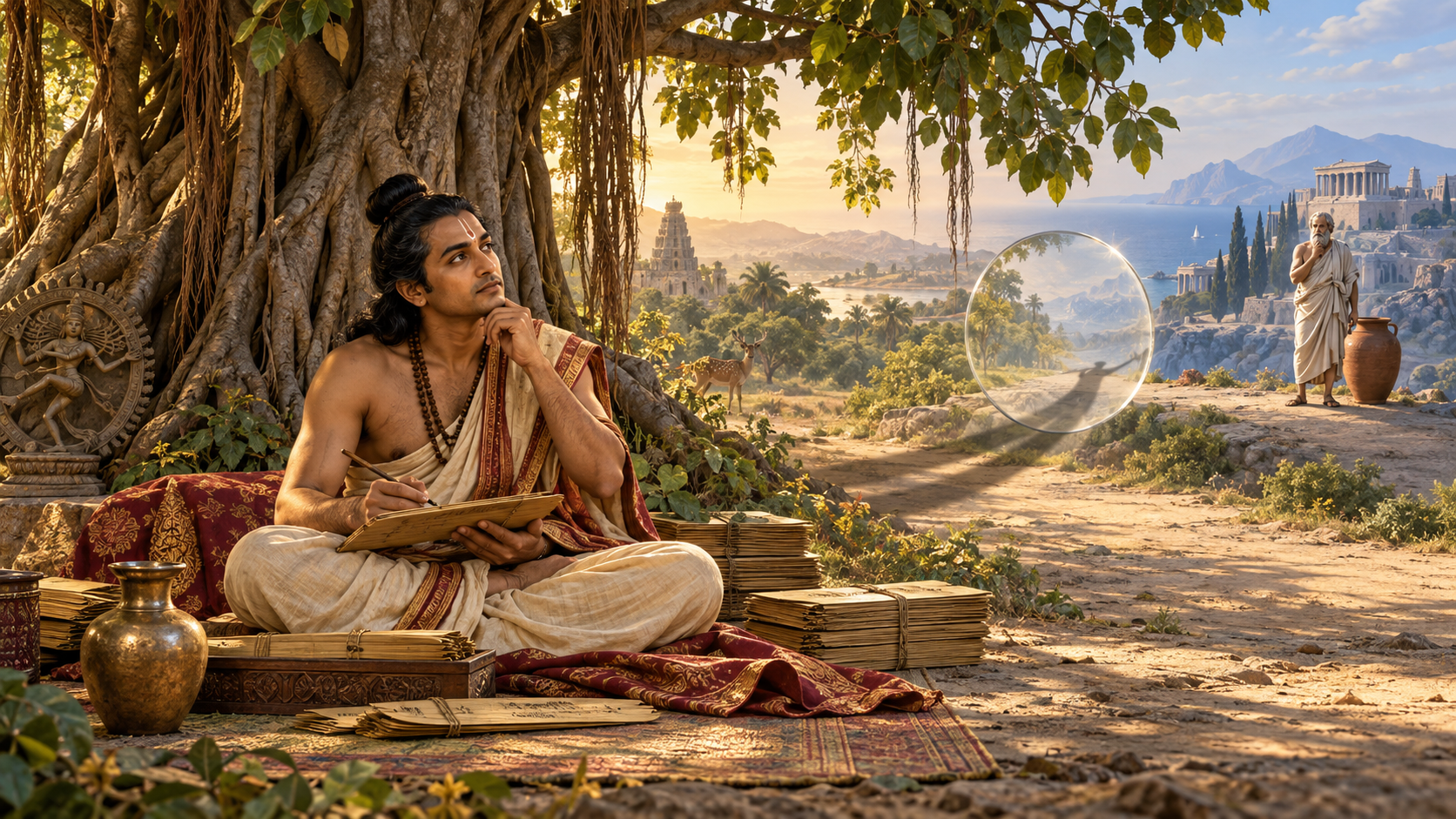
This scholarly comparison explains how Valmiki’s Sanskrit Ramayana and Tulsidas’ Awadhi Ramcharitmanas offer complementary visions of Rama—one as Maryada Purushottama, the ethical human exemplar, and the other as the Supreme Divine of the Bhakti Tradition. It situates both texts in their historical and linguistic contexts, clarifying why Sanskrit itihasa and vernacular kirtan-poetics produce different emphases.…
-
Basava Purana Unveiled: Palkuriki Somanatha’s Epic of Basaveshwara, Devotion and Equality

Basava Purana, composed in Telugu by Palkuriki Somanatha in the 13th century, is a seminal hagiographic epic on Basaveshwara (Basavanna Deva) that unites narrative, doctrine, and ethics. Sacred to the Lingayat community yet influential far beyond, it advances kayaka (work as worship), dasoha (sharing), and ishtalinga (direct devotion) as practical pathways to inner realization and…
-
Basava Purana Unveiled: Palkuriki Somanatha’s Epic of Basavanna, Ishtalinga, and Equality

Basava Purana is a 13th-century Telugu epic by Palkuriki Somanatha that celebrates Basavanna (Basaveshwara) and codifies Lingayat principles through the Ishtalinga, Kayaka (work as worship), and Dasoha (sharing and service). Set against the vibrant bhakti milieu of medieval Deccan, it blends hagiography with social ethics and community dialogue through the Anubhava Mantapa. The poem’s dvipada…
-
When Demons Wore Divine Faces: Ravana–Maricha as Rama–Lakshmana in Regional Ramayanas

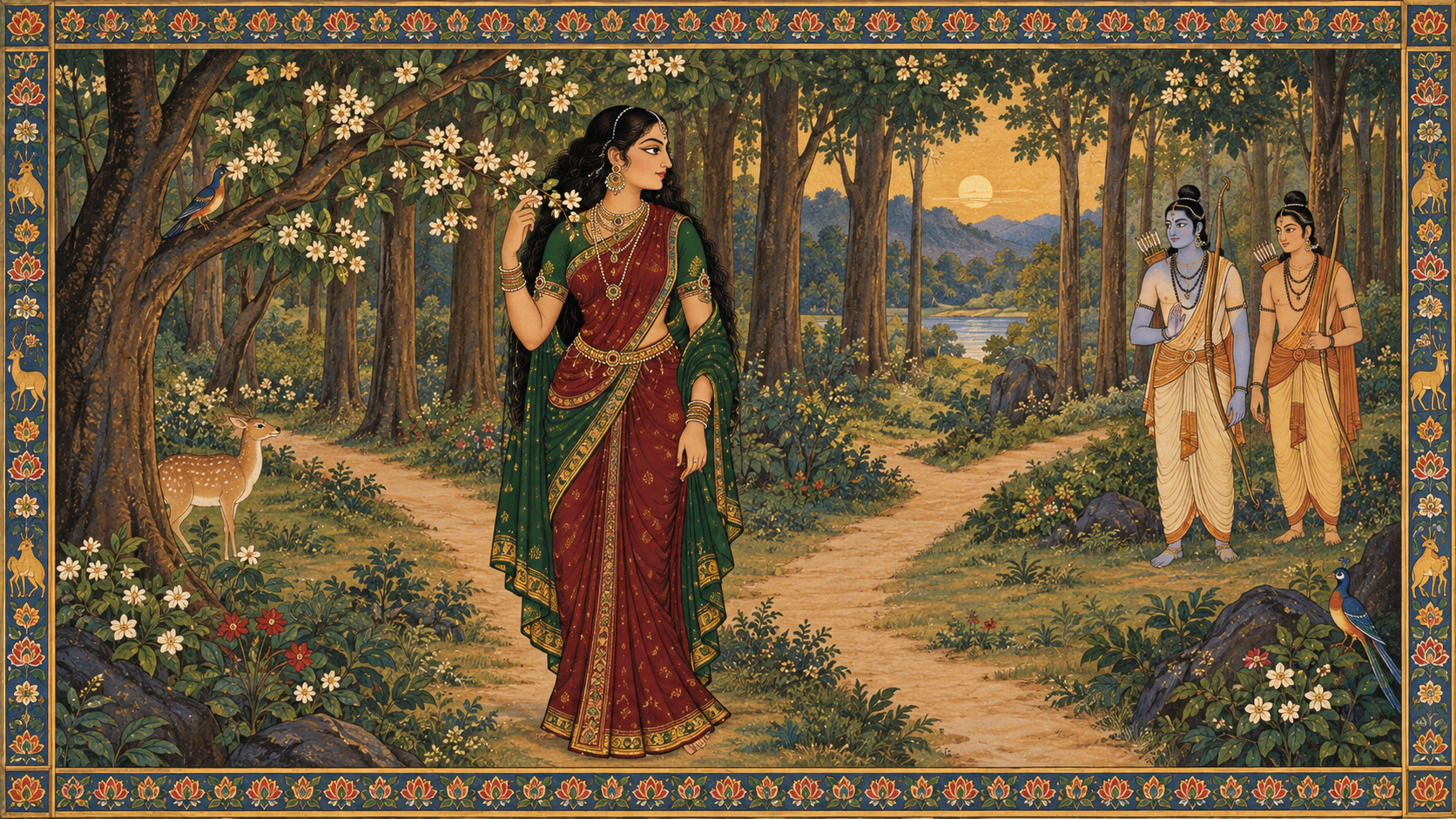
Several regional Ramayana traditions dramatize deception by allowing Ravana and Maricha to mimic or even appear as Rama and Lakshmana, sharpening the ethical and emotional stakes of Sita’s abduction. While Valmiki anchors the episode in voice-impersonation and the mendicant disguise, later vernaculars and performances escalate to phantoms and lookalikes. Bengali, Odia, Tamil, and North Indian…
-
Divine Timing vs Desperation: Kumbhakarna’s Forced Awakening and Ravana’s Catastrophic Folly

This essay examines Kumbhakarna’s forced awakening in the Ramayana as a study in divine timing and human impatience. It clarifies the nature of his cyclical sleep, traces textual variants, and situates Ravana’s choice within decision theory and dharma-yuddha ethics. The battlefield narrative is read alongside modern sleep science to show how premature activation degrades performance…
-
Ramayana in Brief: A Powerful, Immersive Summary of Lord Rama’s Epic, Dharma, and Legacy

This academically grounded Ramayana in Brief presents a lucid, kāṇḍa-by-kāṇḍa Summary of Ramayana, highlighting Lord Rama’s ethical leadership, Sita’s steadfastness, Hanuman’s service, and the triumph of dharma. It carefully situates the Valmiki Ramayana within its seven-part structure, notes key textual traditions, and clarifies how themes like maryada, rajadharma, and dharma-yuddha shape the story. Readers gain…
-
Unmasking Mental Colonialism: English Publishing vs Sanskrit and Bharatiya Bhasha Heritage

This essay examines how social media has disrupted legacy gatekeeping and why that disruption matters for English-language publishing in India. It argues that a prestige hierarchy—English over non-English—has long shaped acquisitions, prizes, and curricula, producing a deracinated sensibility often mislabeled as cosmopolitan. Drawing on Hartosh Singh Bal’s analysis of the “Literary Raj,” it highlights the…
-
Ramayana in Brief: A Powerful, Immersive Summary of Lord Rama’s Epic, Dharma, and Legacy

This academically grounded Ramayana in Brief presents a lucid, kāṇḍa-by-kāṇḍa Summary of Ramayana, highlighting Lord Rama’s ethical leadership, Sita’s steadfastness, Hanuman’s service, and the triumph of dharma. It carefully situates the Valmiki Ramayana within its seven-part structure, notes key textual traditions, and clarifies how themes like maryada, rajadharma, and dharma-yuddha shape the story. Readers gain…
-
From Crisis to Command: Sugriva’s Recklessness and Angada’s Rise in the Ramayana War

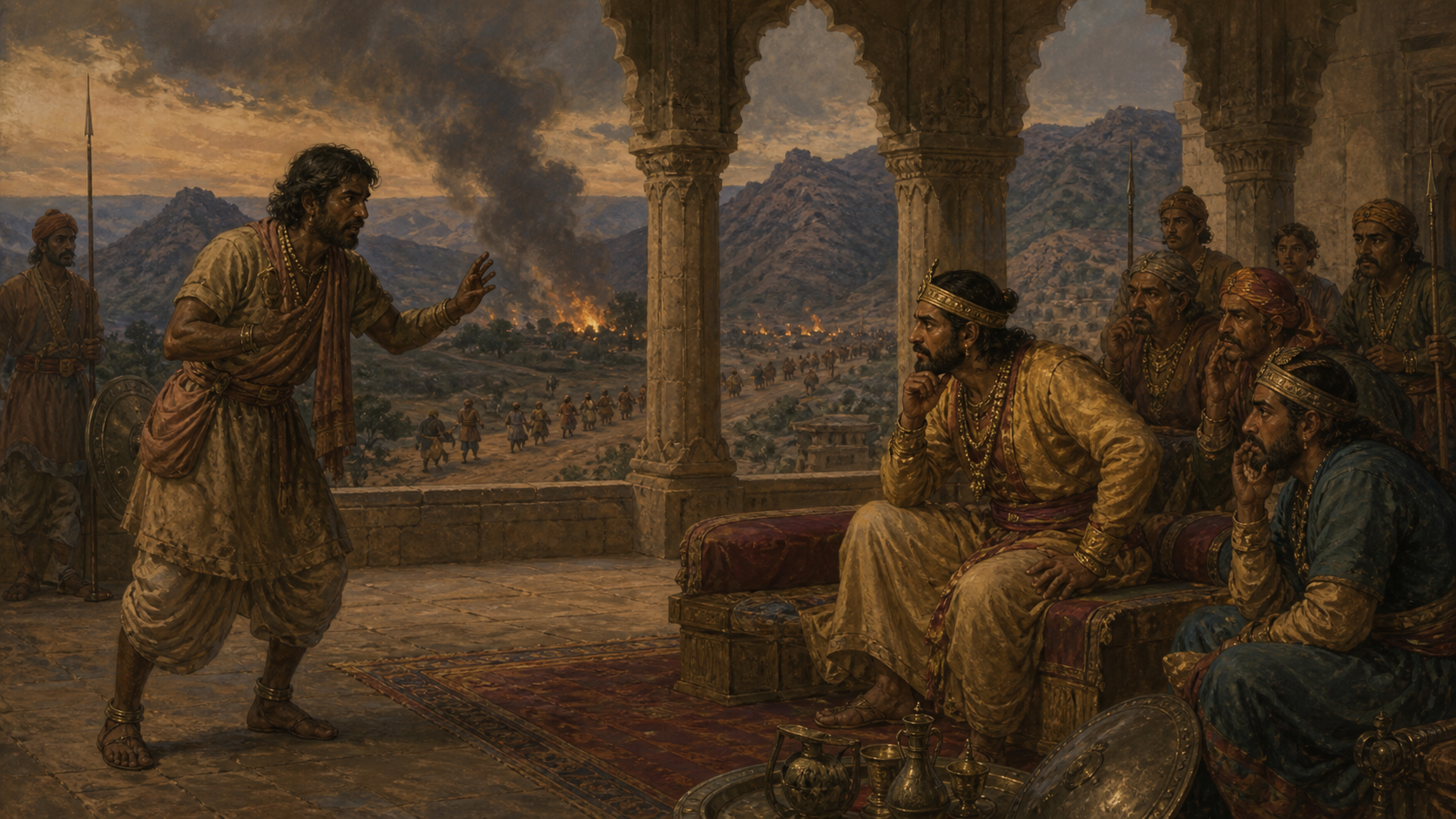
At the height of the Lanka campaign in the Ramayana, a reckless duel by Sugriva exposed a grave command risk and precipitated Angada’s rise to operational leadership. The episode illustrates how dharmic statecraft balances courage with restraint, preserving continuity of command in a just war (Dharma-Yuddha). Readers will discover how Angada’s diplomacy, battlefield composure, and…
-
Millions on VFX, But Where Is Bhakti? Why Modern Ramayana Films Miss Sri Rama’s Soul

Modern Ramayana films often invest heavily in spectacle while missing the devotional and ethical essence associated with Bhagavan Sri Rama. This analysis explains how the Ramayana’s status as itihasa, the Natyashastra’s rasa-bhava science, and the lived grammar of bhakti must inform cinematic craft. It outlines practical methods—sadhana-informed acting, Sanskritic dramaturgy, iconographic fidelity, and sound design…
-
Hanuman’s Humility in Ashoka Vatika: Assamese Ramayana’s Powerful Lesson on Dharma and Consent

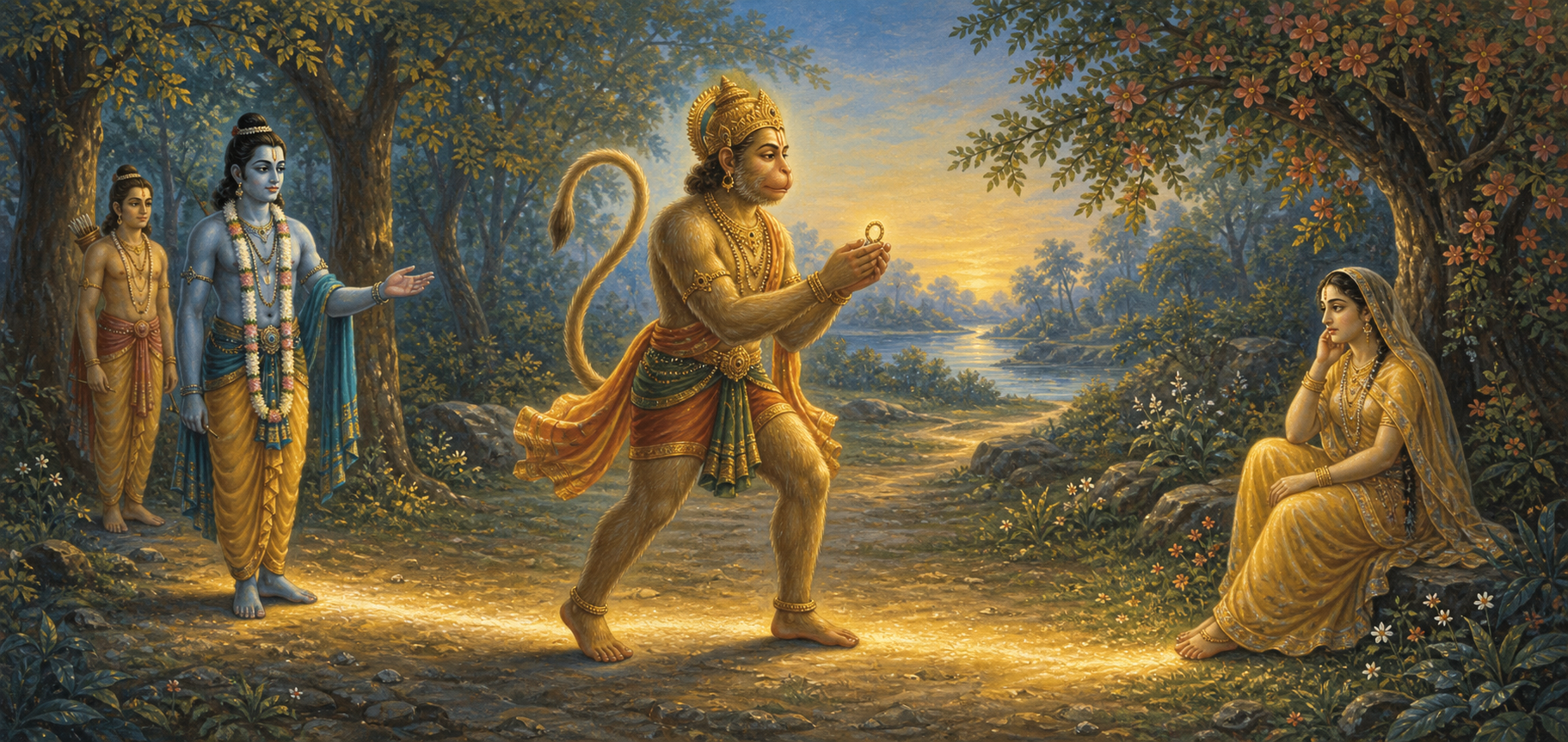
The Assamese Ramayana preserves a compelling motif of Hanuman pausing in Ashoka Vatika to seek permission before tasting its fruit, transforming a moment of reconnaissance into a study in dharma. Framed within Sundara Kanda, the episode fuses courage with humility, presenting consent as a devotional discipline rather than a legal formality. The emphasis aligns with…
-
Mudgala Purana Decoded: Timeless Ganesha Wisdom, Eight Incarnations, and Why It Matters

The Mudgala Purana, a revered upapurāṇa, offers a focused and sophisticated theology of Gaṇeśa that unites story, ritual, and ethics. Central to its legacy are the eight incarnations of Ganesha, each conquering a specific inner vice and modeling a virtue—an elegant map for practical transformation. Textual features such as dialogical framing, symbolic attributes (tusk, modaka,…
-
Chandidasa’s Sri Krishna Kirtana: A Luminous 15th-Century Bengali Masterpiece of Bhakti Rasa

Chandidasa, a seminal 15th-century Middle Bengali poet, helped crystallize the language and performance of Krishna Bhakti through Sri Krishna Kirtana. Set within medieval India’s vibrant vernacular renaissance, the poem fuses theology and rasa aesthetics, elevating Radha-Krishna love into a disciplined pathway of devotion. Its Middle Bengali diction, prosodic simplicity, and singable refrains enabled congregational kirtan…