-
Ghaziabad Teen Killed During Eid: Hard Facts, Justice Roadmap, and Paths to Harmony

A 17-year-old student, Surya Pratap Chauhan, was fatally stabbed in Ghaziabad’s Khoda area on a Thursday during Eid (Bakri Eid) celebrations, sparking grief and public anger. This long-form analysis consolidates verified details, distinguishes allegations from facts, and outlines the investigative steps typically pursued under IPC and CrPC. It emphasizes victim-centered justice, including avenues for legal…
-
SBI Harassment Allegations in Mumbai: Safeguarding Staff, Due Process, and Interfaith Harmony

Amid online claims about an alleged coercion and intimidation case involving an SBI employee in Mumbai, this analysis reframes the conversation around law, employee safety, and interfaith harmony. It explains the POSH Act 2013, outlines relevant IPC and IT Act provisions, and clarifies procedural routes through Internal Committees, police, and the cybercrime portal. It offers…
-
Reimagining Mumbai’s Slums: A Data-Driven Blueprint to Replace Informality with Dignity

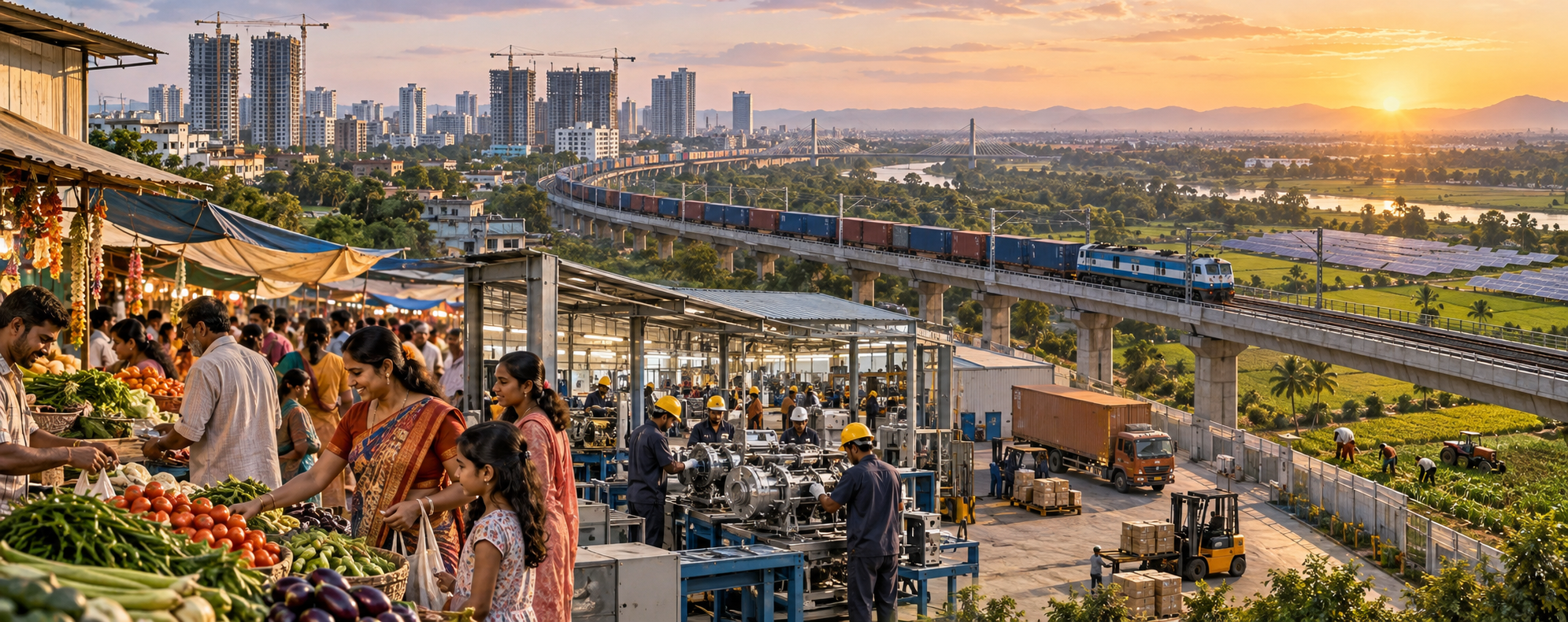
Mumbai’s clearance of slums can be a turning point—if matched by a rigorous plan that both preserves urban livelihoods and ends unsafe, illegal housing. This analysis explains why slums form, how they subsidise city life through labour and logistics, and why a law-aligned city must replace them. It proposes a practical blueprint: mixed-income housing tied…
-
Modi Meets Giampaolo Tomassetti (Jnananjana Dasa) in Rome: Kashi Art and Civilizational Bridges

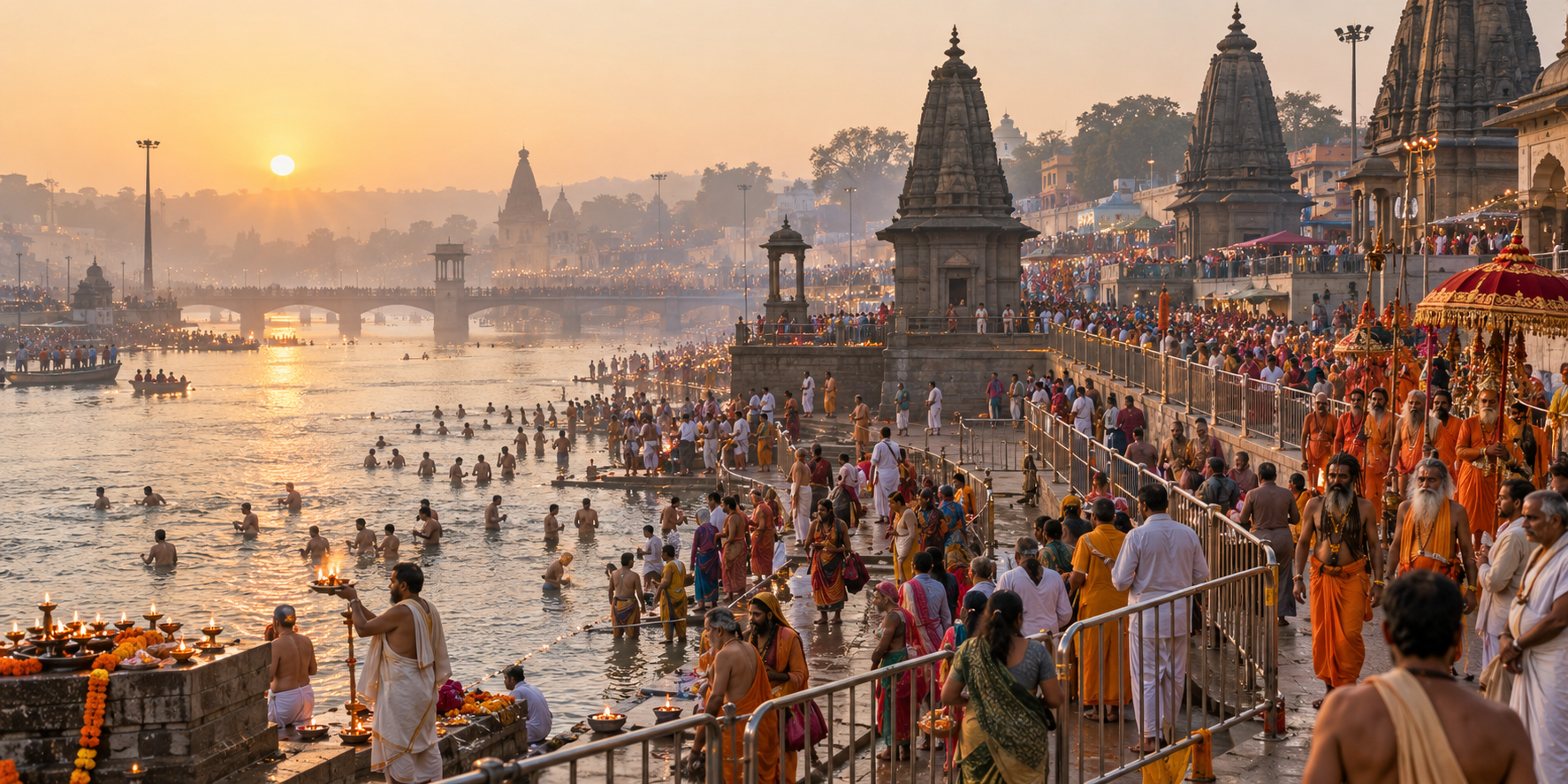
Prime Minister Narendra Modi’s Rome meeting with Italian artist Giampaolo Tomassetti (Jnananjana Dasa) spotlighted cultural diplomacy through the gifting of a Varanasi painting. The exchange linked India–Italy ties with the soft power of sacred art, situating Kashi’s iconic ghats and the Ganga river within a broader civilizational conversation. This analysis decodes the artwork’s symbolism, technique,…
-
At Manipur Sangh Camp, RSS Leader Hails Indigenous Faiths as Hindutva’s Mother, Urges Plural Unity

At a Sangh training camp in Imphal East, Manipur, RSS Assam Kshetra Seva Pramukh Rajesh Deshkar stated, “Indigenous faith is the mother of Hindutva,” framing indigenous traditions as foundational to a plural civilizational ethos. The report from the North East underscores how service (seva), constitutional protections, and intercultural dialogue can align Hindu, Buddhist, Jain, Sikh,…
-
Rethinking Diplomatic Symbolism: Why Rubio’s Kolkata Stop Should Honor India’s Civilizational Depth

This analysis examines why Marco Rubio’s Kolkata stop at the Missionaries of Charity drew criticism in India and what it reveals about diplomatic symbolism. It explains how itinerary choices function as soft-power signals that can strengthen or weaken trust in U.S.–India relations. Readers will find a concise overview of India’s civilizational continuity and dharmic plurality…
-
Sikhs of Punjab: Khalsa Nationhood, Miri-Piri Sovereignty, and the Sacred Homeland

This comprehensive essay examines the Sikhs of Punjab through three lenses: historical nationhood (qaum), religious sovereignty (miri-piri), and the homeland of the Khalsa. It traces the arc from Guru Nanak’s foundational institutions to the Khalsa discipline of 1699, through the Sikh misls and the inclusive statecraft of Maharaja Ranjit Singh, to modern constitutional arrangements and…
-
Meri Janambhumi (Pakistan) Dian Yatravan: Mapping Sacred Punjab and Shared Dharmic Memory

Meri Janambhumi (Pakistan) Dian Yatravan reads Pakistan’s sacred landscape as a living archive of Sikh, Hindu, Buddhist, and Jain memory. Framing “janambhumi” as homeland and “yatravan” as disciplined pilgrimage, it maps gurdwaras, mandirs, stupas, and Jain temples with ethnographic sensitivity and historical care. The narrative highlights well-known sites such as Nankana Sahib, Panja Sahib, Kartarpur,…
-
Calcutta HC upholds Bengal’s Bakri Eid cattle curbs, says cow sacrifice non-essential

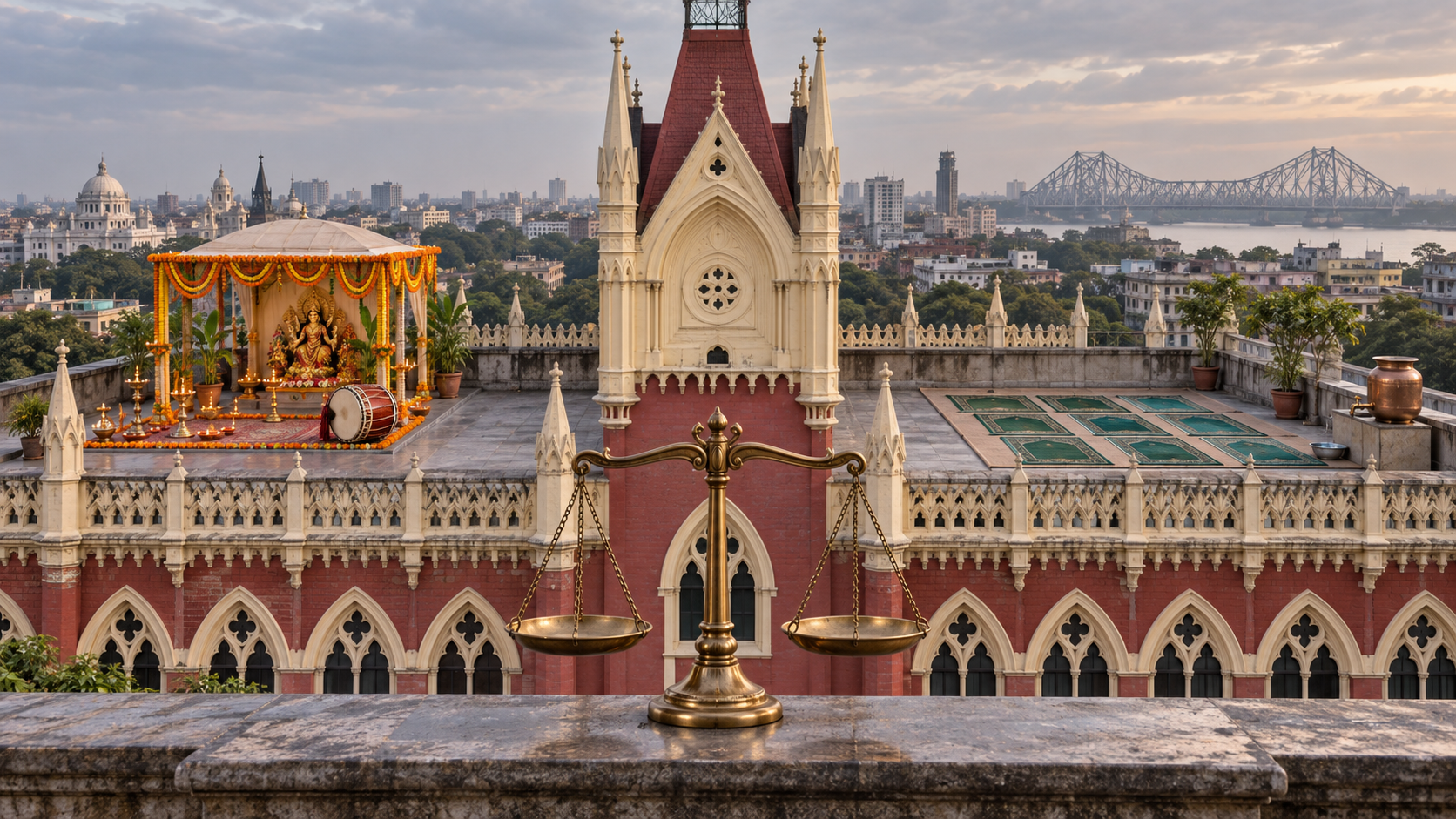
Calcutta High Court has upheld West Bengal’s pre‑Bakri Eid notification that restricts cattle slaughter and bars public slaughter, clarifying that cow sacrifice is not an essential religious requirement of Islam. The bench led by Chief Justice Sujoy Paul and Justice Partha Sarathi Sen anchored its analysis in Article 25, stressing that religious freedom is subject…
-
West Bengal Restores Pre‑2010 OBC List; 7% Quota Reset Prioritizes Lawful, Data‑Driven Equity

West Bengal has restored its pre‑2010 OBC list and reset the OBC quota to 7%, presenting the change as a law‑aligned, interim framework pending a fresh, data‑driven review. The move foregrounds constitutional compliance under Articles 15(4) and 16(4), adherence to Indra Sawhney benchmarks, and the need for quantifiable evidence of social and educational backwardness. By…
-
Mumbai land row: Hindu Vidhidnya Parishad seeks transparent action on alleged Church encroachment

Hindu Vidhidnya Parishad has sought administrative action over an alleged illegal occupation of government land by the Church of St Andrew and St Columba in Mumbai. This analysis explains why a neutral, evidence-based approach—grounded in land records, joint surveys, and fair hearings—is essential to uphold rule of law and public trust. It outlines the legal…
-
Inside BJP’s Power Shift: Hardline Hindutva, Regional Titans, and 2026 Governance

BJP’s leadership strategy now privileges regionally rooted figures aligned with a more assertive Hindutva program. This analysis explains the organizational logic behind that shift, the policy agenda it advances—UCC, anti-conversion statutes, law-and-order emphasis, and cultural heritage stewardship—and how delivery-oriented governance underpins the model. It assesses state-level prototypes in Uttar Pradesh, Assam, Gujarat, and Maharashtra while…
-
Uniting Dharmic Traditions in Rajasthan: Dr Charudatta Pingale’s ‘Hindu Rashtra Sampark Abhiyan’

Sadguru Dr. Charudatta Pingale’s meetings in Jaipur and Jodhpur under the ‘Hindu Rashtra Sampark Abhiyan’ foreground a civic model of Hindu unity rooted in dialogue, coordination, and service. The outreach emphasizes unity in diversity across Hindu, Buddhist, Jain, and Sikh traditions while honouring India’s constitutional guarantees. A six-pillar framework—Samvad, Samanvay, Seva, Sanskara, Suraksha, and Sanchar—translates…
-
Varanasi Vigilantism Allegations: Interfaith Rumors, Rule of Law, and Paths to Communal Harmony

Allegations of an assault in Varanasi over interfaith rumors highlight why vigilantism has no place in a constitutional democracy. This analysis explains the legal framework in Uttar Pradesh and India, including key Supreme Court judgments protecting adult autonomy and anti-lynching guidelines. It clarifies that the phrase “love jihad” lacks a legal definition and that only…
-
Asansol Loudspeaker Compliance Drive Turns Violent: Police Outpost Vandalized, Appeal for Calm

Asansol, West Bengal, saw brief unrest during a loudspeaker regulation drive when stone pelting and vandalism damaged a police outpost. This analysis explains the legal framework—the Noise Pollution (Regulation and Control) Rules, 2000—and the Calcutta High Court’s emphasis on uniform, permission-based use of amplified sound across religious and secular settings. Readers gain a clear timeline…
-
Satara memorandum: Hindu organisations demand zero‑tolerance, tougher sentences to protect women and children

A delegation of Hindu organisations in Satara submitted a memorandum urging zero‑tolerance and tougher sentences for crimes against women and children. The appeal aligns with India’s strengthened legal framework under POCSO and the Bharatiya Nyaya Sanhita while highlighting gaps in implementation. The analysis underscores that certainty and speed of punishment, coupled with survivor‑centric care, drive…
-
Tamil Nadu’s Hindutva–Sanatan Dharma Flashpoint: Context, Constitutional Law, and a Dharmic Unity Roadmap

A minister’s statement—“We Are Not Against Hindus, But Hindutva”—and subsequent responses by BJP leader K. Annamalai spotlight a delicate but crucial distinction between Sanatan Dharma as a living religious tradition and Hindutva as a modern sociopolitical ideology. This analysis explains why that distinction matters in Tamil Nadu’s political culture, where Dravidian rationalism and temple heritage…
-
Udhayanidhi Stalin’s anti-‘Sanatan’ remarks: outrage, constitutional limits, and a call to unity

Udhayanidhi Stalin’s renewed anti-‘Sanatan’ remarks in the Tamil Nadu Assembly have reignited a national discussion on religious freedom, constitutional limits, and the ethics of political speech. This analysis clarifies what Sanatan Dharma signifies within the broader Dharmic family, separating critique of social evils from denigration of faith. It maps the constitutional terrain—Articles 19 and 25–28,…
-
Halt Sought for Shyam Manav’s ‘Buva Tethe Baya’: A Measured Call to Protect Faith and Free Speech

A memorandum by the Hindu Rashtra Samanvay Samiti seeks cancellation of Shyam Manav’s proposed ‘Buva Tethe Baya’ lecture, citing a history of objectionable remarks about Hindu Dharma and Saints. The situation spotlights the constitutional balance between religious respect and free speech under Article 19. Courts emphasize that pre-emptive bans must rest on demonstrable risks, not…
-
Ghaziabad Shock: Woman Alleges Forced Conversion, 5 Nikahs, 3 Halalas; FIR Against 16 — Explained

A registered FIR in Ghaziabad alleges that a Hindu woman was coerced over thirteen years into forced conversion, five nikahs, and three instances described as halala. This analysis explains the law on consent, coercion, and unlawful conversion in Uttar Pradesh, and clarifies how personal laws interface with non-derogable criminal statutes. Readers gain a clear primer…