
-

Delcy Rodriguez’s India Visit: When Energy Diplomacy Meets Sathya Sai Baba’s Legacy
Read more: Delcy Rodriguez’s India Visit: When Energy Diplomacy Meets Sathya Sai Baba’s LegacyVenezuela’s Acting President Delcy Rodriguez’s India visit foregrounds energy diplomacy while revealing a sustained spiritual association with Sathya Sai Baba. The analysis traces her documented visits to Prasanthi Nilayam in Puttaparthi, Andhra Pradesh, including prayers at the Mahasamadhi, and examines how such contemplative stops can complement formal negotiations. By situating these visits within soft power…
-
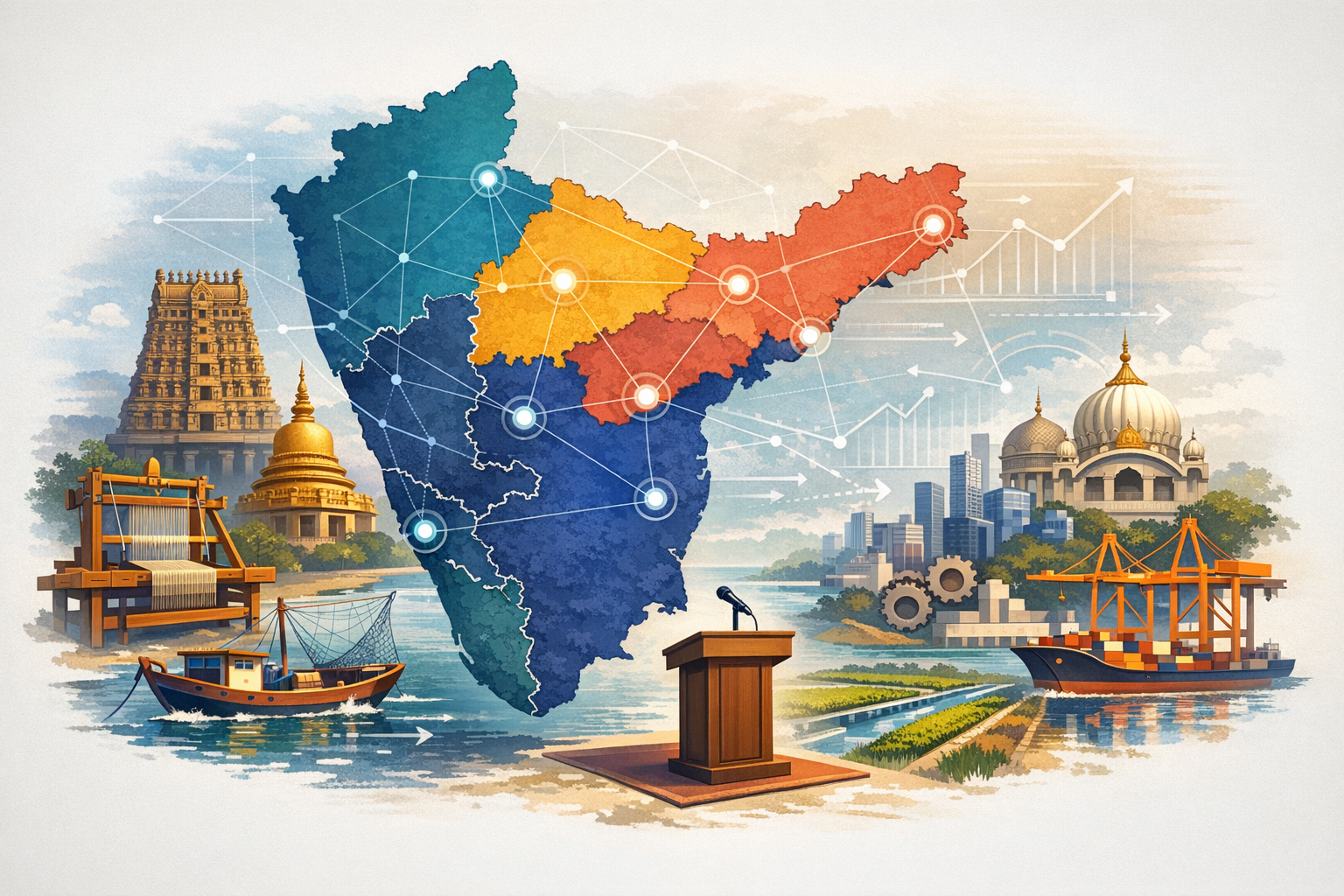
After Annamalai’s Exit, Can BJP’s Hindutva Strategy Crack the South? Risks, Data, Paths Ahead
Read more: After Annamalai’s Exit, Can BJP’s Hindutva Strategy Crack the South? Risks, Data, Paths AheadAnnamalai’s reported exit tests the BJP’s decade-long southern outreach at a sensitive moment. Durable gains in Tamil Nadu, Kerala, Telangana, Andhra Pradesh, and Karnataka hinge on respectful embedding rather than rhetorical “conquest.” The most resilient pathway blends a dharmic unity frame with programmatic delivery—temple-heritage stewardship, women’s agency, youth employability, urban service discipline, and alliance steadiness.…
-

Father’s Passing in Vedic Astrology: Bhavat Bhavam, Karakas, Dashas, and a Compassionate Method
Read more: Father’s Passing in Vedic Astrology: Bhavat Bhavam, Karakas, Dashas, and a Compassionate MethodThis article presents a rigorous, compassionate framework for studying indications related to a father’s passing in Vedic astrology using Bhavat Bhavam (house-from-house), the 9th house, the Sun as karaka, and the Dwadashamsha (D12). It details how to evaluate strength and affliction, identify derived maraka houses for the father, and synchronize Vimshottari Dasha with Saturn and…
-
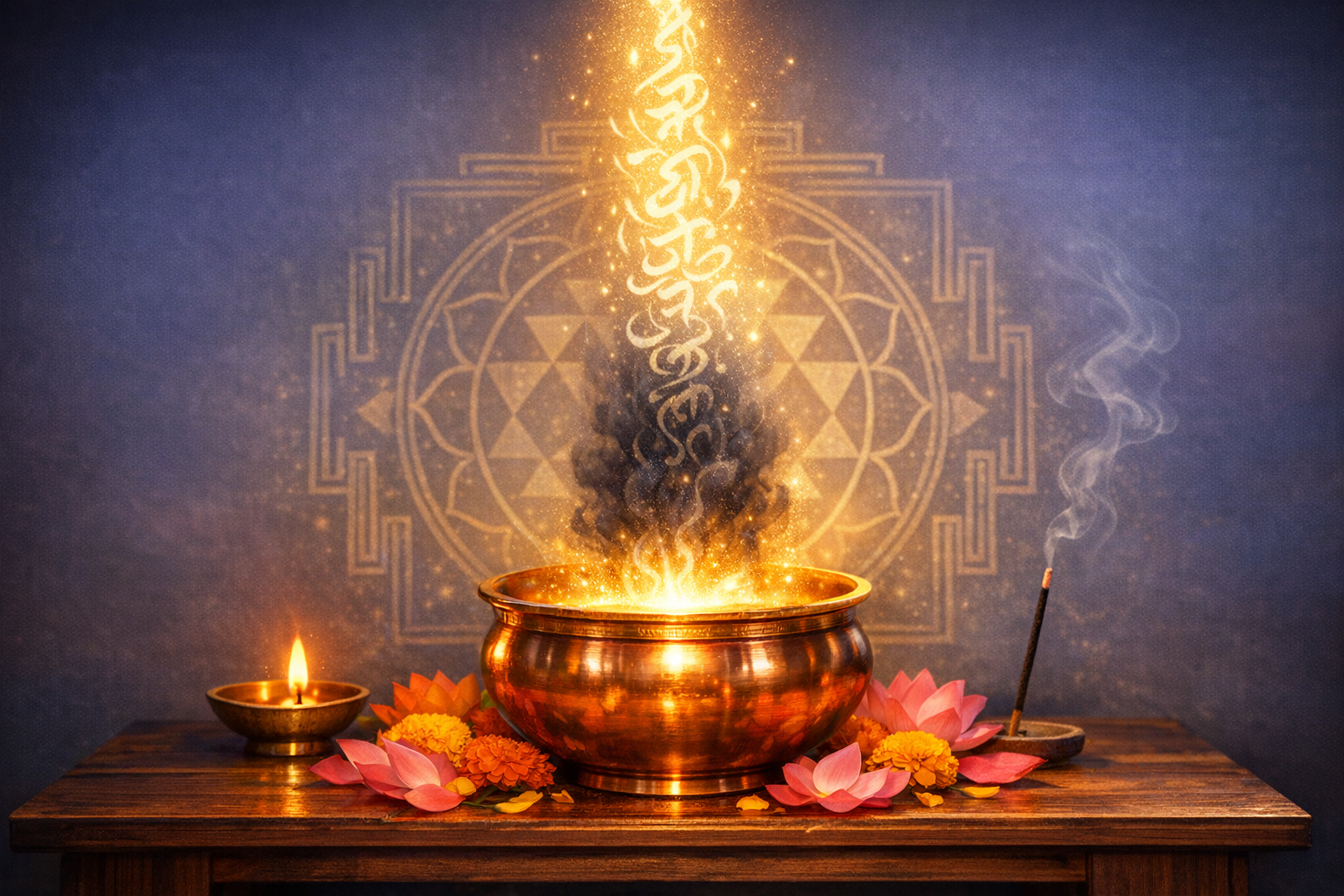
Patra Puja in Shakta Tantra: From Tamas to Amrita through Sacred Vessel Alchemy
Read more: Patra Puja in Shakta Tantra: From Tamas to Amrita through Sacred Vessel AlchemyPatra Puja in Shakta Tantra is not a license for indulgence but a precise technology of inner alchemy that transmutes tamas into amrita through mantra, visualization, and disciplined attention. The sacred vessel (patra) is ritually consecrated as Devi’s body, and the offering—alcoholic or non-alcoholic by lineage—operates as a mirror for consciousness rather than a pharmacological…
-
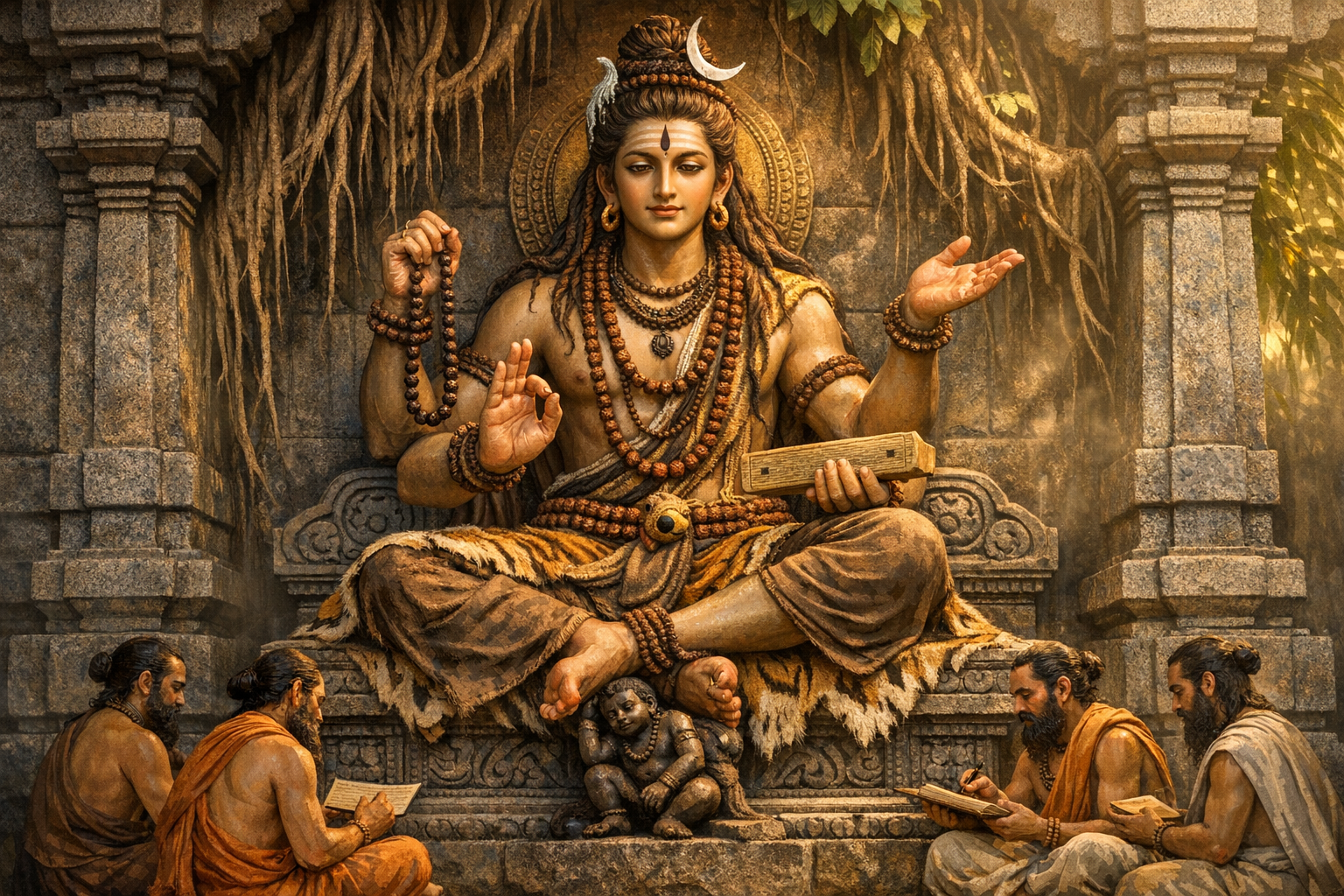
Medha Dakshinamurti Iconography: A Definitive Guide to Shiva’s Sovereign of Intellect
Read more: Medha Dakshinamurti Iconography: A Definitive Guide to Shiva’s Sovereign of IntellectMedha Dakshinamurti—Shiva as the sovereign of intellect—embodies the silent pedagogy of wisdom encoded in South Indian temple art. This comprehensive guide deciphers the icon’s attributes (jñana/chin mudra, akshamala, pustaka), posture beneath the banyan, and the symbolism of Apasmara subdued underfoot. Readers learn how to identify Medha Dakshinamurti in the south koshta, understand shilpa-shastra proportional canons,…
-

Nipani Hindu Ekta Sabha: Pramod Muthalik invokes Savarkar to galvanize Dharmic unity
Read more: Nipani Hindu Ekta Sabha: Pramod Muthalik invokes Savarkar to galvanize Dharmic unityA Hindu Ekta Sabha in Nipani (Belagavi, Karnataka) spotlighted Swatantryaveer Savarkar’s ideas as a civic blueprint for unity, as conveyed by Pramod Muthalik’s assertion that his ideology continues to inspire Hindu society. The forum broadened “Hindu Unity” to include the Dharmic family—Hindus, Buddhists, Jains, and Sikhs—anchoring cooperation in constitutional rights and Sanatana Dharma’s plural ethos.…
-
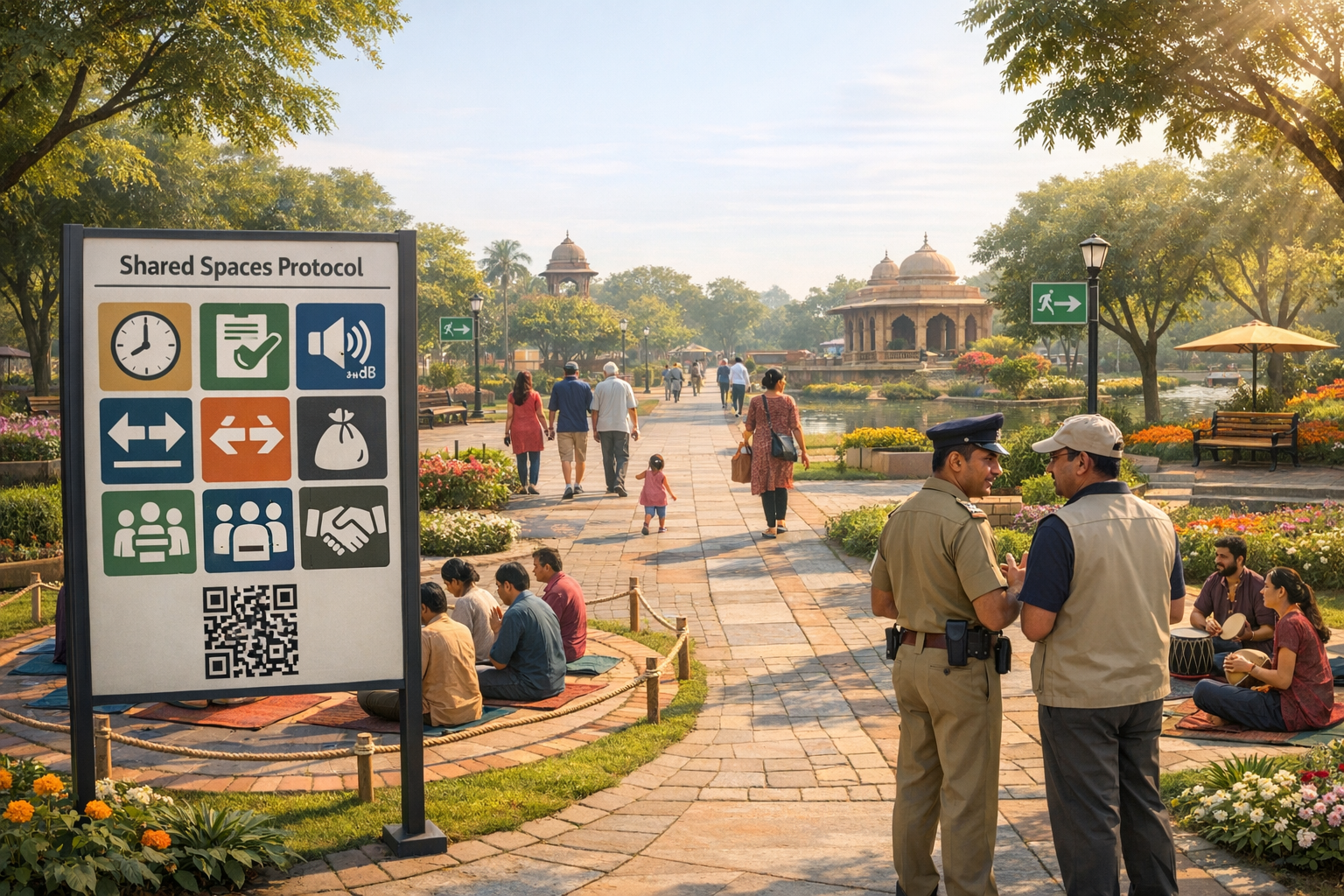
Ahilyanagar Ganga Udyan Namaz row: safeguarding religious freedom, public order, harmony
Read more: Ahilyanagar Ganga Udyan Namaz row: safeguarding religious freedom, public order, harmonyReports of collective Namaz at Ganga Udyan in Ahilyanagar sparked protests by local Hindu organisations and criticism from MLA Shri. Sangram Jagtap over administrative handling. This analysis explains how Article 25 protects religious freedom while allowing neutral, time-place-manner regulation to uphold public order and equitable access to parks. It outlines applicable frameworks—state police permissions, municipal…
-

Science‑Backed Calm for Haryana Students: HJS on Yoga, Pranayama and Sadhana for Stress Management
Read more: Science‑Backed Calm for Haryana Students: HJS on Yoga, Pranayama and Sadhana for Stress ManagementA student guidance programme in Palwal, Haryana, organised by HJS and led by Sadguru Dr. Charudatta Pingale, spotlighted routine, yoga, pranayama and sadhana as practical, science‑aligned methods to reduce stress and build self-confidence. The approach stabilises circadian rhythms, calms the autonomic nervous system and improves attention for study readiness. Simple asana sequences paired with slow,…
-

Ajmer’s Adhai Din Ka Jhonpra: Hindu Sena seeks rigorous ASI survey to clarify origins and foster harmony
Read more: Ajmer’s Adhai Din Ka Jhonpra: Hindu Sena seeks rigorous ASI survey to clarify origins and foster harmonyHindu Sena has called for a scientific ASI survey of Ajmer’s Adhai Din Ka Jhonpra to resolve long-standing questions about the monument’s origins. A rigorous, non-invasive methodology—GPR, LiDAR, ERT, archaeometric dating, and advanced epigraphic imaging—can produce verifiable, peer-reviewed evidence. Framed within AMASR protections and ICOMOS ethics, the survey can prioritize preservation, not alteration, of a…
-

From Upheaval to Equanimity: A Dharmic Elemental Method to Steady Uncertain Times
Read more: From Upheaval to Equanimity: A Dharmic Elemental Method to Steady Uncertain TimesA sudden 60-day eviction in Southern California became a real-time test of how to stay grounded when life turns unstable. This narrative distills a practical, dharmic elemental method—earth, water, fire, air, and spirit/space—to restore stability, process emotion, regain agency, clarify thinking, and reconnect with meaning. Each element maps to evidence-aligned practices: grounding routines and nature…
-
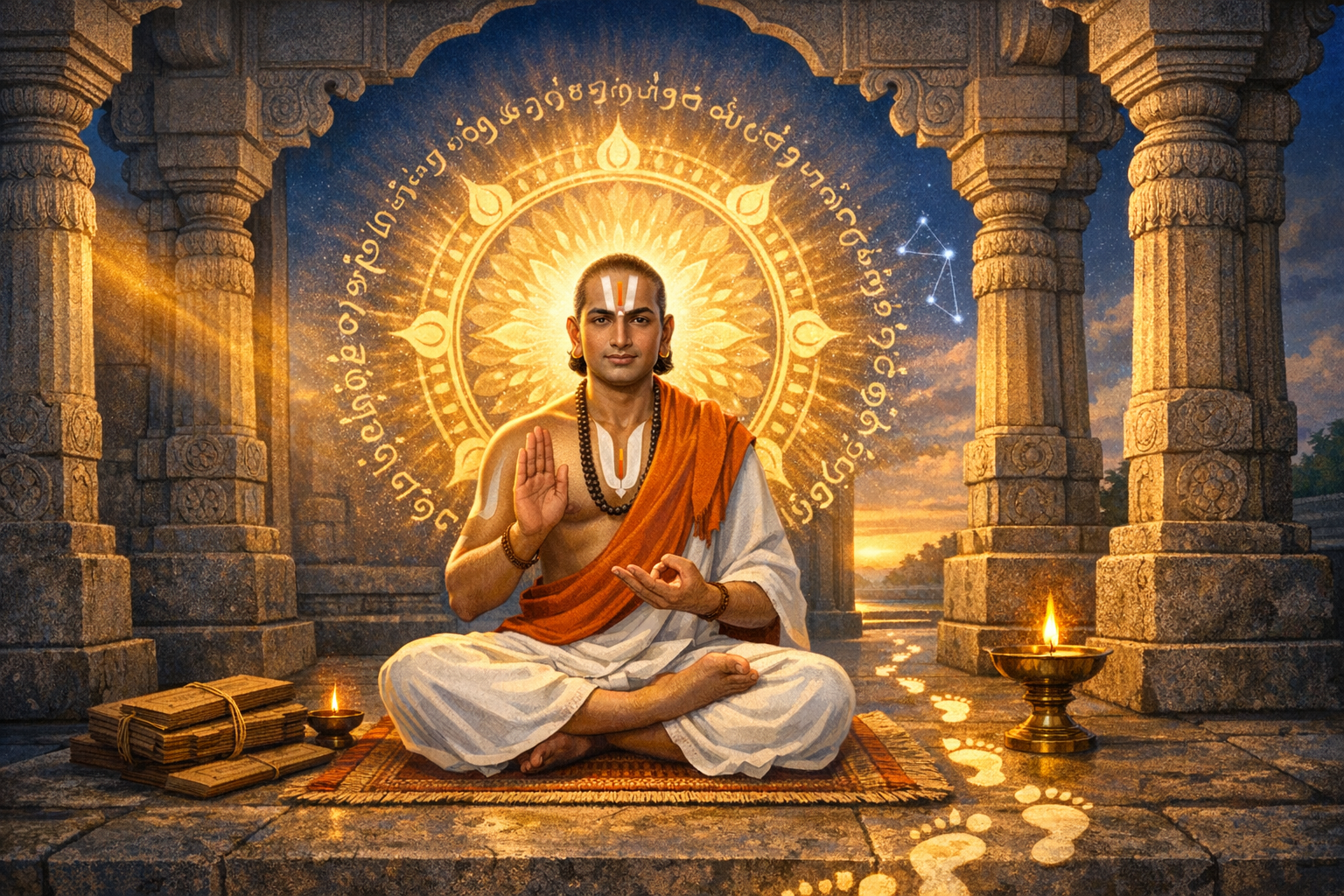
Thirumazhisai Alvar: Chakra‑Incarnate Sage of Kanchi—Life, Hymns, and Legacy
Read more: Thirumazhisai Alvar: Chakra‑Incarnate Sage of Kanchi—Life, Hymns, and LegacyThirumazhisai Alvar, the fourth of the twelve Alvars and revered as the Sudarshana Chakra-incarnate, shaped Sri Vaishnava thought through two canonical Tamil works—Naanmugan Tiruvandadi and Tiruchanda Viruttam. Born in Thirumazhisai under the Thai–Magam star, he journeyed through the rich religious milieu of Pallava-era Kanchipuram, engaging Shaiva, Buddhist, and Jain interlocutors before arriving at a luminous…
-
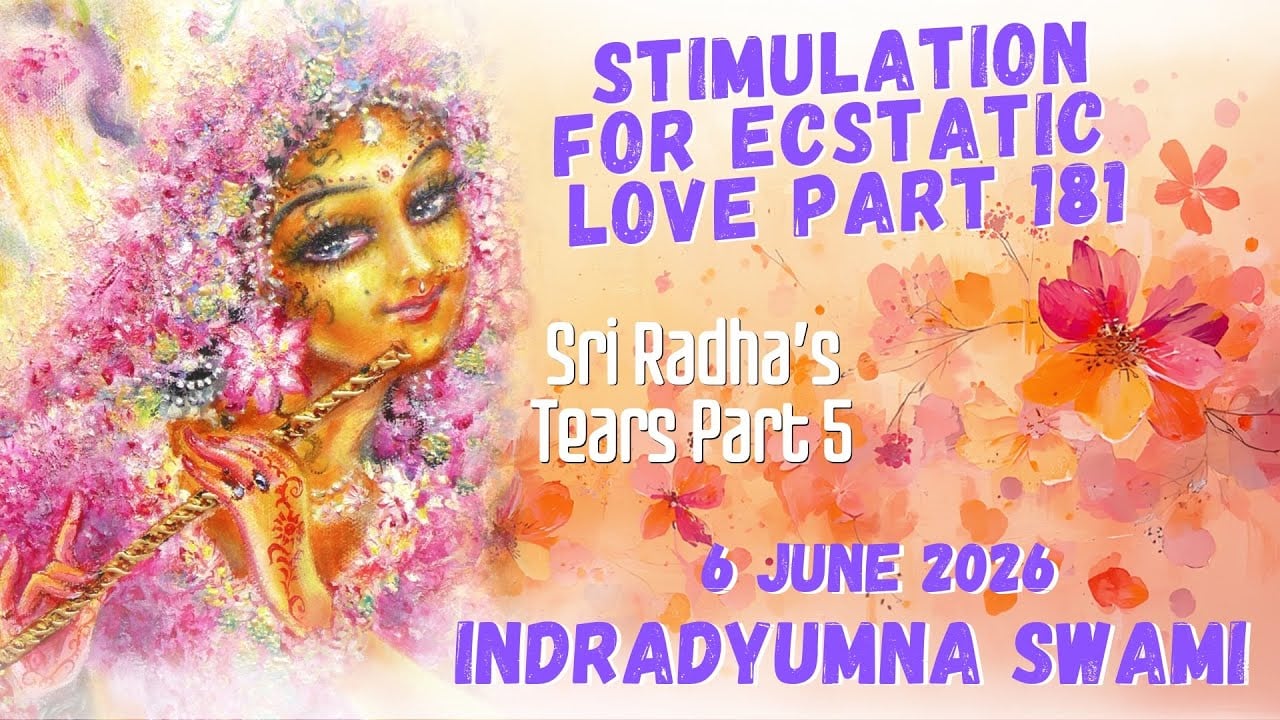
Sri Radha’s Tears and the Science of Bhakti Rasa: A Gaudiya Guide to Ecstatic Love
Read more: Sri Radha’s Tears and the Science of Bhakti Rasa: A Gaudiya Guide to Ecstatic LoveThe theme of “Sri Radha’s Tears” in the Gaudiya Vaishnava tradition is not poetic excess but a carefully mapped feature of bhakti-rasa, where tears (aśru) belong to the eight sāttvika-bhāvas recognized by Rūpa Gosvāmi. This article explains how uddīpana (devotional stimulants), anubhāva (expressions), vyabhicārī-bhāva (transitory states), and the sthāyī-bhāva (enduring love) synthesize into tasted devotion…
-
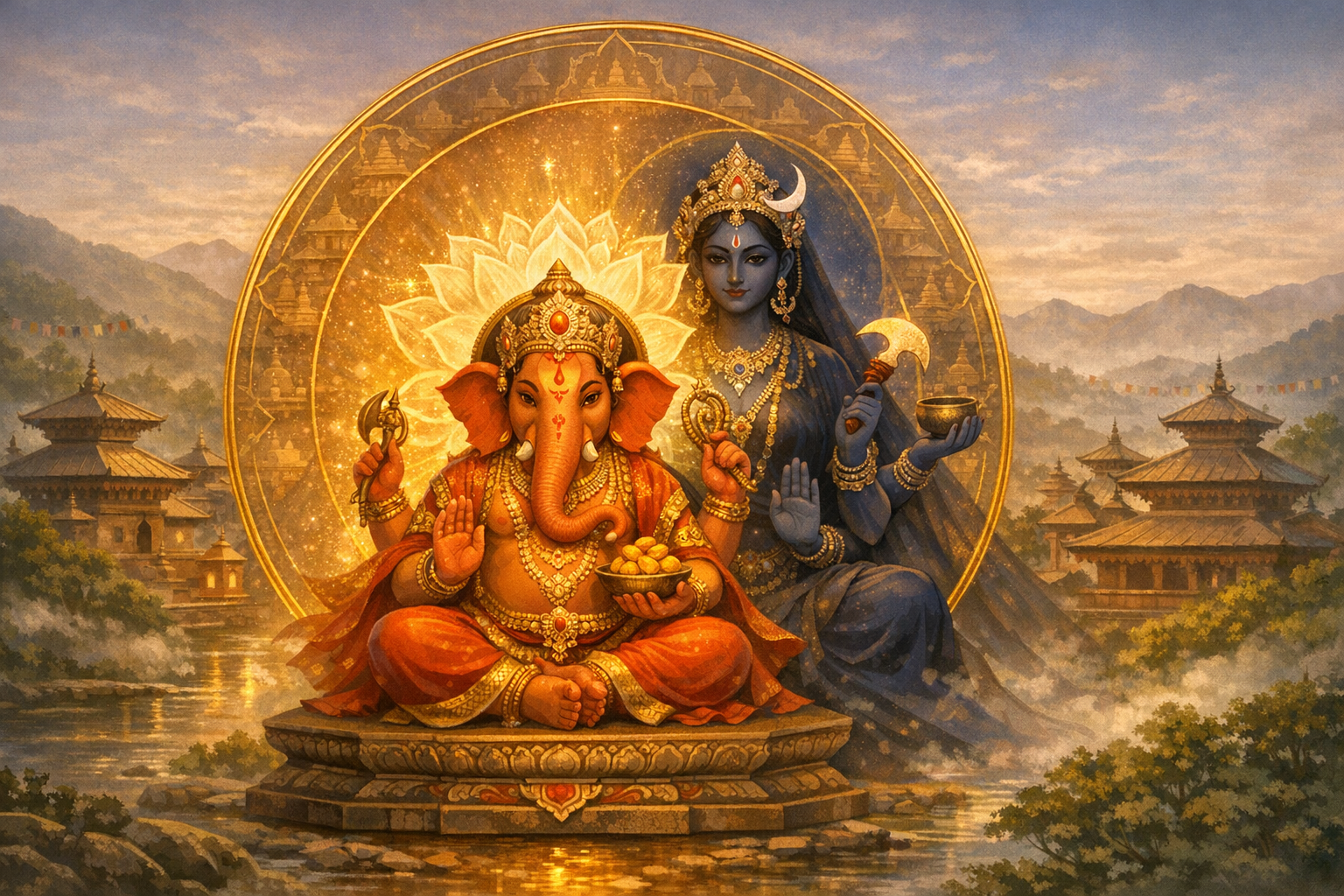
Siddhi Ganesh & Siddhikali: Unveiling Nepal Mandala’s Hidden Union of Consciousness and Power
Read more: Siddhi Ganesh & Siddhikali: Unveiling Nepal Mandala’s Hidden Union of Consciousness and PowerSiddhi Ganesh and Siddhikali in the Nepal Mandala embody a classical Tantric insight: Consciousness (cit) and Power (shakti) are inseparable. Set within Kathmandu Valley’s sacred geography—anchored by Pashupatinath and Guhyeshwari and ringed by the four Vinayakas—this pairing functions as both theology and lived pedagogy. The article maps how Siddhi (accomplishment) emerges when Ganapati’s stabilizing intelligence…
-
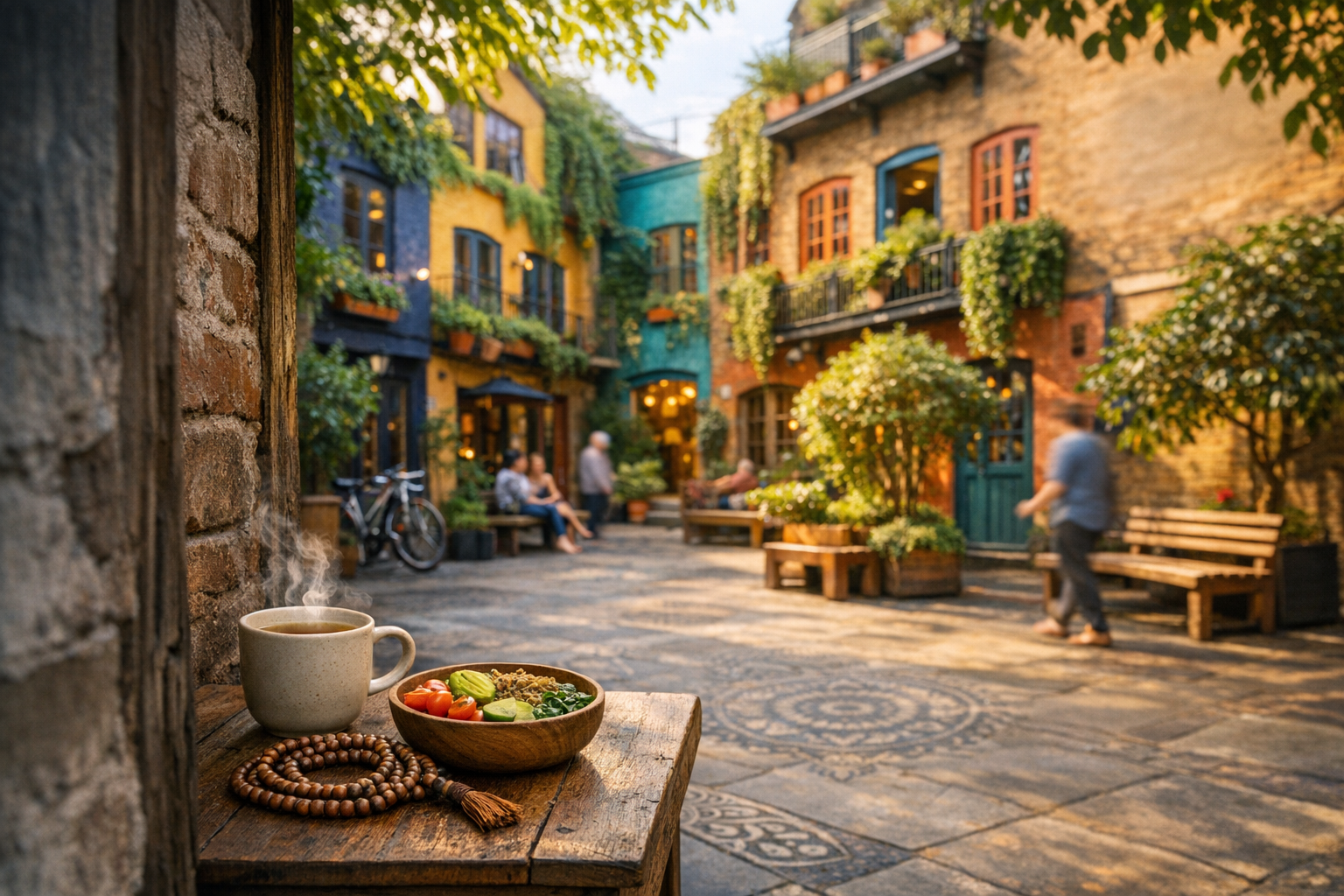
From Navadvipa to Neal’s Yard: Discover a Dharmic Sanctuary in London’s West End
Read more: From Navadvipa to Neal’s Yard: Discover a Dharmic Sanctuary in London’s West EndA short turn from Covent Garden into Neal’s Yard reveals a compact London courtyard designed by scale, color, and greenery to function as a threshold oasis. Read as a cultural metaphor, the path ‘From Navadvipa to Neal’s Yard’ links Gaudiya Vaishnavism’s living bhakti lineage with everyday West End life through the Hare Krishna Movement (ISKCON)…
-
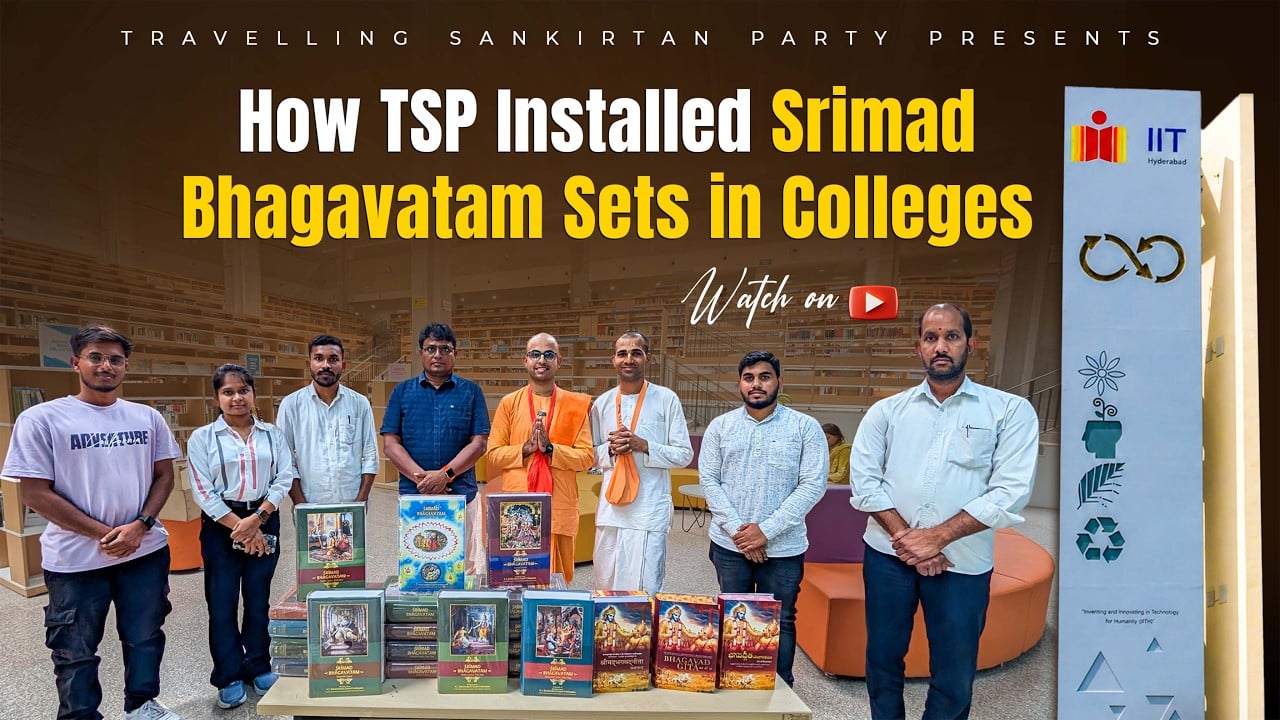
Transforming Campuses: TSP’s Scalable, Inclusive Installations of Srimad Bhagavatam Sets
Read more: Transforming Campuses: TSP’s Scalable, Inclusive Installations of Srimad Bhagavatam SetsThe Traveling Sankirtan Party (TSP) developed a policy-aligned, librarian-led model to install complete Srimad Bhagavatam sets in college libraries and campus lounges. The approach respects collection development standards, enhances discoverability through robust metadata, and situates the text within Hinduism’s broader intellectual heritage. Faculty and administrators welcomed the sets as primary sources that support ethics, philosophy,…
-
Five Supreme Forms of Vishnu: Definitive Guide to Para, Vyuha, Vibhava, Antaryami, Archa
Read more: Five Supreme Forms of Vishnu: Definitive Guide to Para, Vyuha, Vibhava, Antaryami, ArchaThis in-depth guide explains the five supreme forms of Vishnu—Para, Vyuha, Vibhava, Antaryami, and Archa—showing how one reality spans transcendence and immanence. It grounds each form in authoritative sources such as the Pancharatra Agamas, the Mahabharata’s Narayaniya, the Bhagavata Purana, and Vedanta discussions in the Brahma Sutra. Readers gain a clear, technical understanding alongside practical…
-
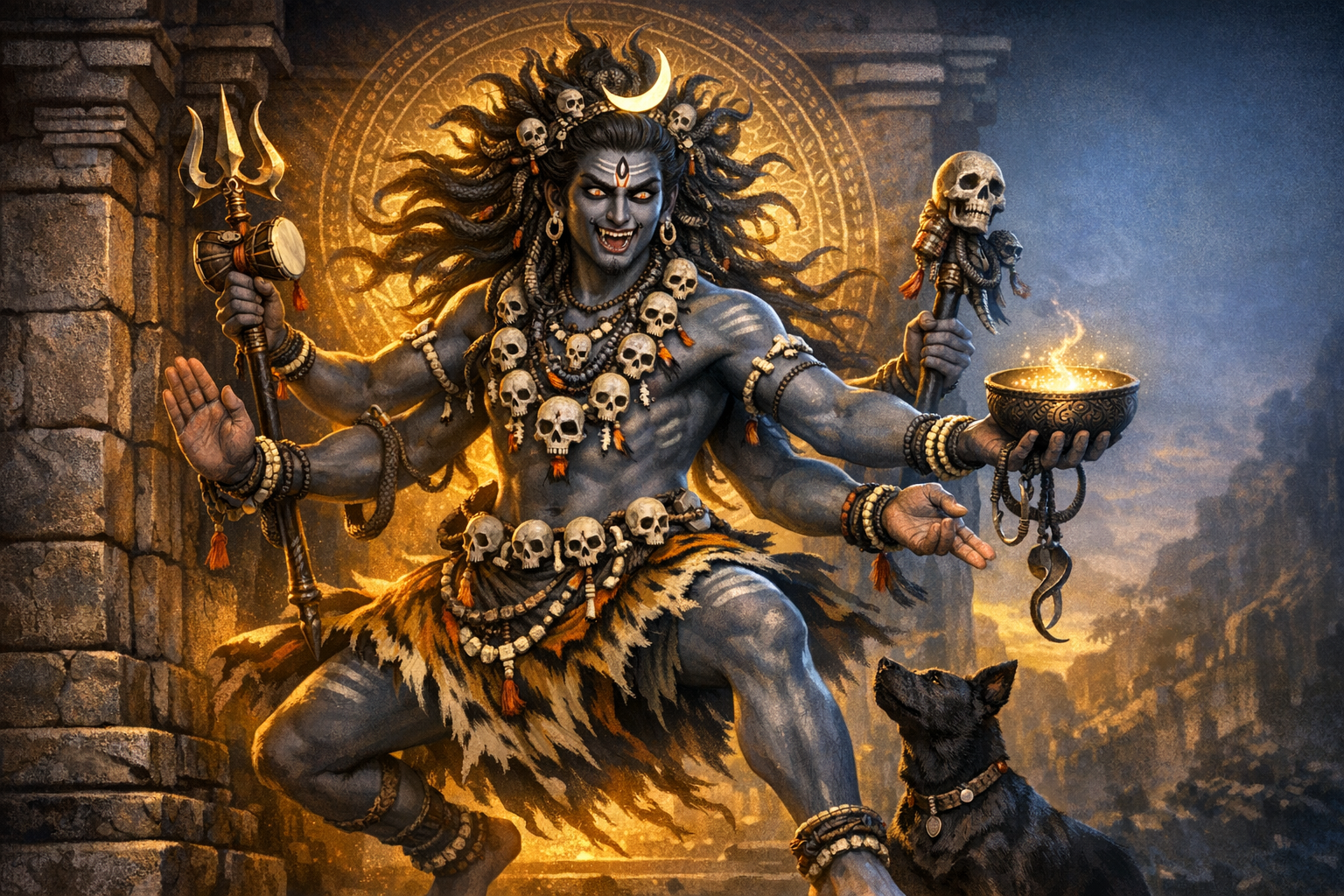
Unmatta Bhairava Iconography: Fierce Guardian of Shiva and Ecstatic Freedom
Read more: Unmatta Bhairava Iconography: Fierce Guardian of Shiva and Ecstatic FreedomUnmatta Bhairava stands out among the Sixty-Four Bhairavas as an ecstatic guardian whose iconography transforms fear into freedom. This article explains how to identify his murti by face, hair, ornaments, attributes, posture, and dog-vahana, and shows how temple placement and ritual reinforce that identity. Drawing from Purāṇic and Tantric frameworks alongside regional art histories, it…
-

Mastering Lifelong Learning: Dharmic Methods that Transform Observation into Wisdom
Read more: Mastering Lifelong Learning: Dharmic Methods that Transform Observation into WisdomRote learning produces fragile knowledge; dharmic education converts observation into durable wisdom. Drawing on Hinduism, Buddhism, Jainism, and Sikhism, this piece outlines a replicable pathway: inquiry, reasoning, contemplative assimilation, and ethical action. It maps classical pramanas to modern evidence-based methods such as retrieval practice, spaced repetition, and mindfulness. Nyaya’s tarka, Mimamsa’s hermeneutics, Vedanta’s sravana–manana–nididhyasana, Buddhist…
-

Pancha Mahapretas: Why Even Gods Are Inert Without Shakti (Tantric Hinduism Explained)
Read more: Pancha Mahapretas: Why Even Gods Are Inert Without Shakti (Tantric Hinduism Explained)The Pancha Mahapretas—“Five Great Inert Ones”—explain a central Tantric truth: without Shakti, even the highest divine functions remain quiescent. This long-form analysis clarifies how the five (Brahma, Vishnu, Rudra, Īśvara, Sadāśiva) map to the five cosmic acts and why they are called “pretas” only in the technical sense of inert supports. It decodes five-skull iconography,…
-

June 12, 2026 Panchang: Krishna Paksha Dwadashi to Trayodashi, Shubh Muhurat, Nakshatra & Rashi
Read more: June 12, 2026 Panchang: Krishna Paksha Dwadashi to Trayodashi, Shubh Muhurat, Nakshatra & RashiFriday, June 12, 2026 features a key tithi transition: Krishna Paksha Dwadashi lasts until 3:51 PM, after which Krishna Paksha Trayodashi begins. This timing supports Ekadashi Parana on Dwadashi morning and likely Pradosh Vrat in the evening if Trayodashi prevails during pradosh kala. Selecting Shubh Muhurat—especially Abhijit Muhurat around local solar noon—alongside avoiding Rahu Kaal,…
-
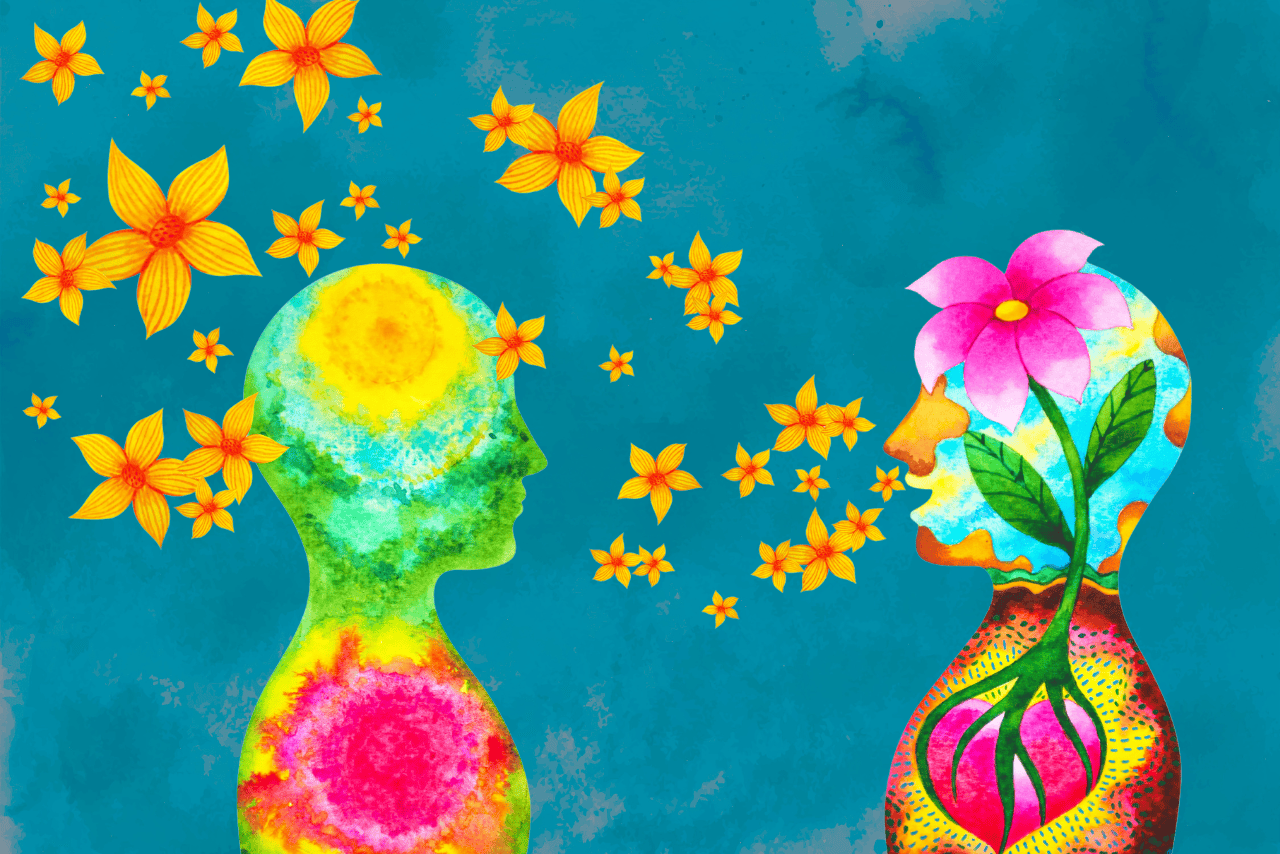
How Mindful Communication Rewired Her Life: A Dharmic, Research‑Backed Relationship Guide
Read more: How Mindful Communication Rewired Her Life: A Dharmic, Research‑Backed Relationship GuideThis article traces how mindful communication, guided by dharmic principles shared across Buddhism, Hinduism, Jainism, and Sikhism, transformed a life previously marked by passive-aggression and anxiety. It shows how grief catalyzed a disciplined search, leading to meditation, right speech, and an intentional practice of honesty, kindness, and clarity. A practical Pause-to-Right-Speech protocol is introduced—pause, ground,…
-

Vishnu’s Cow and Shiva’s Bull: A Profound Decoding of Order and Wild Energy in Sanatana Dharma
Read more: Vishnu’s Cow and Shiva’s Bull: A Profound Decoding of Order and Wild Energy in Sanatana DharmaThis in-depth exploration decodes why Hinduism venerates the cow and the bull, showing how Vishnu’s pastoral symbolism and Shiva’s bull iconography express a unified philosophy of order and wild energy in Sanatana Dharma. Drawing on Vedic, Puranic, and Agamic currents, it clarifies the ethical ecology of ahimsa, yajña, and sustainable stewardship. The analysis interprets Nandi…
-
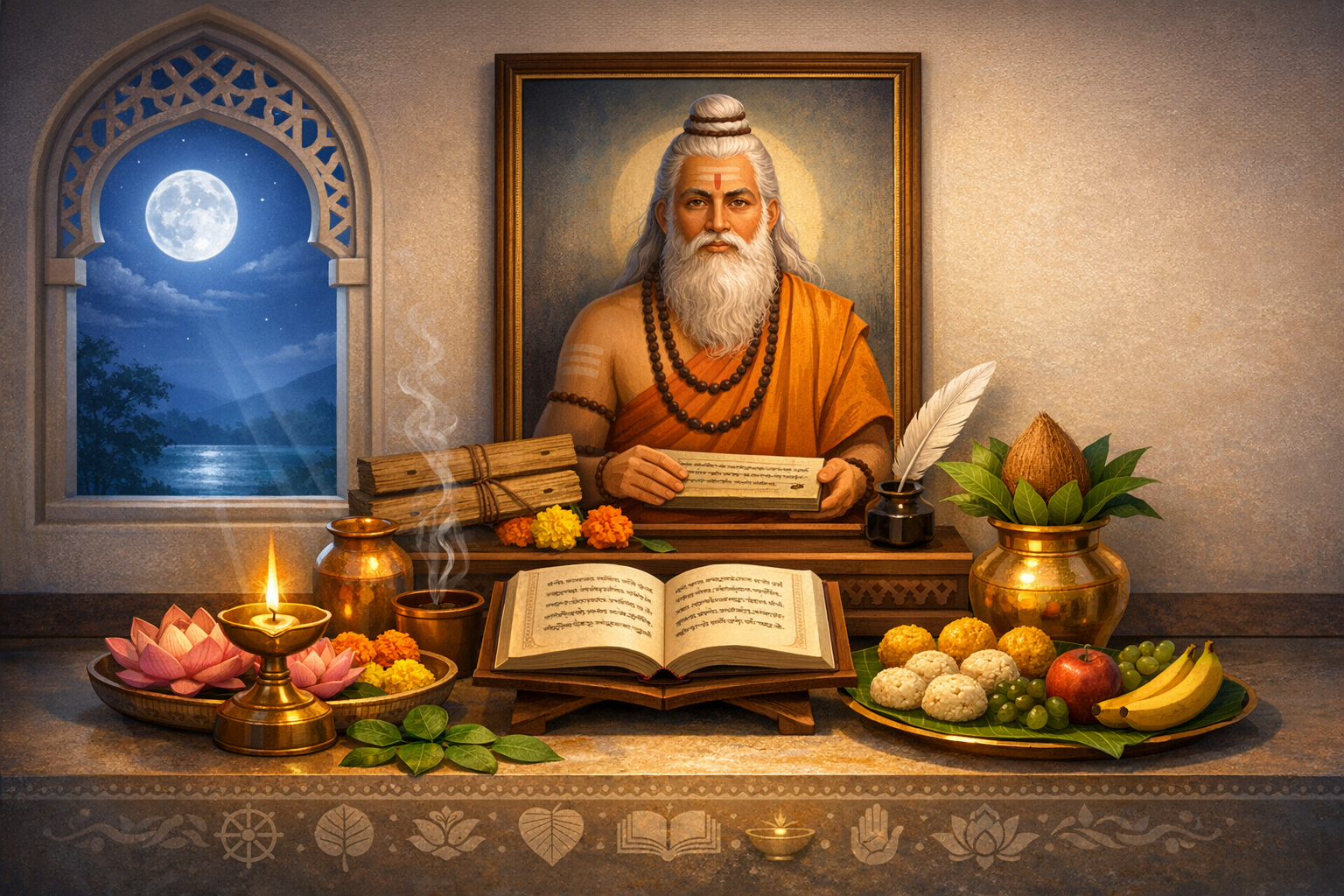
Ashadha Purnima (Guru Purnima) 2026: Date, Rituals, Vyasa Puja Guide & Dharmic Unity
Read more: Ashadha Purnima (Guru Purnima) 2026: Date, Rituals, Vyasa Puja Guide & Dharmic UnityAshadha Purnima—also known as Guru Purnima or Veda Vyasa Purnima—falls on 29 July 2026 and honors the Guru-Shishya Tradition across the dharmic family. The festival venerates Bhagavan Veda Vyasa and the transpersonal Guru principle that links knowledge with ethical living. This long-form guide explains the lunar calendar basis of the observance, regional variations, and the…
-

Unveiling the Science and Spiritual Intelligence of Namaskar: An Evidence-Based Exploration
Read more: Unveiling the Science and Spiritual Intelligence of Namaskar: An Evidence-Based ExplorationNamaskar (Namaste or Namaskaram) is both a refined salutation in Hindu dharma and a practical mind–body discipline. By joining the palms at the heart in Anjali Mudra, the gesture promotes postural integrity, calmer breathing, and prosocial connection. Slow, nasal respiration synchronized with a gentle bow increases parasympathetic activity and heart rate variability, supporting emotional regulation…
Categories
- Agriculture (20)
- Akhand Bharat (30)
- Aryan Migration -vs- Out of India (8)
- Ayurveda (21)
- Celebrations (888)
- Community (156)
- Community Events (236)
- Cross Posted (105)
- Cultural Advocacy (34)
- Cultural Commentary (63)
- Cultural Heritage (569)
- Cultural Insights (146)
- Cultural Issues (30)
- Cultural Traditions (767)
- Culture (33)
- Economics (22)
- Education (161)
- Geo-Politics (61)
- History (386)
- Indian Authors (8)
- International Trade (8)
- Labor Market (8)
- Literature (99)
- News (632)
- Opinion Pieces (144)
- Personal Reflections (164)
- Personalities (191)
- Philosophy (1,054)
- Politics (211)
- Scripts (5)
- Scriptures (999)
- Spiritual Insight (3,293)
- Spirituality (778)
- Temples (753)
- Tribute (71)
- Uncategorized (6)
- Yoga (110)
Archive