-
Ramakrishna Teertha Mukkoti 2026, Tirumala: Magha Purnima Blessings and Pilgrim Experience

Ramakrishna Teertha Mukkoti 2026 will be observed in Tirumala on 1 February 2026, aligned with Magha Purnima. The festival emphasizes the sanctity of teertha, quiet prayer, and inner renewal, supported by comprehensive arrangements across departments. Local legend reveres Sri Ramakrishna Maharshi’s association with the site, inspiring disciplined devotion and compassion. Pilgrims often report a calm,…
-
Jubilee Hills Sri Venkateswara Brahmotsavams 2026: Dates, Ritual Highlights, and Devotional Joy

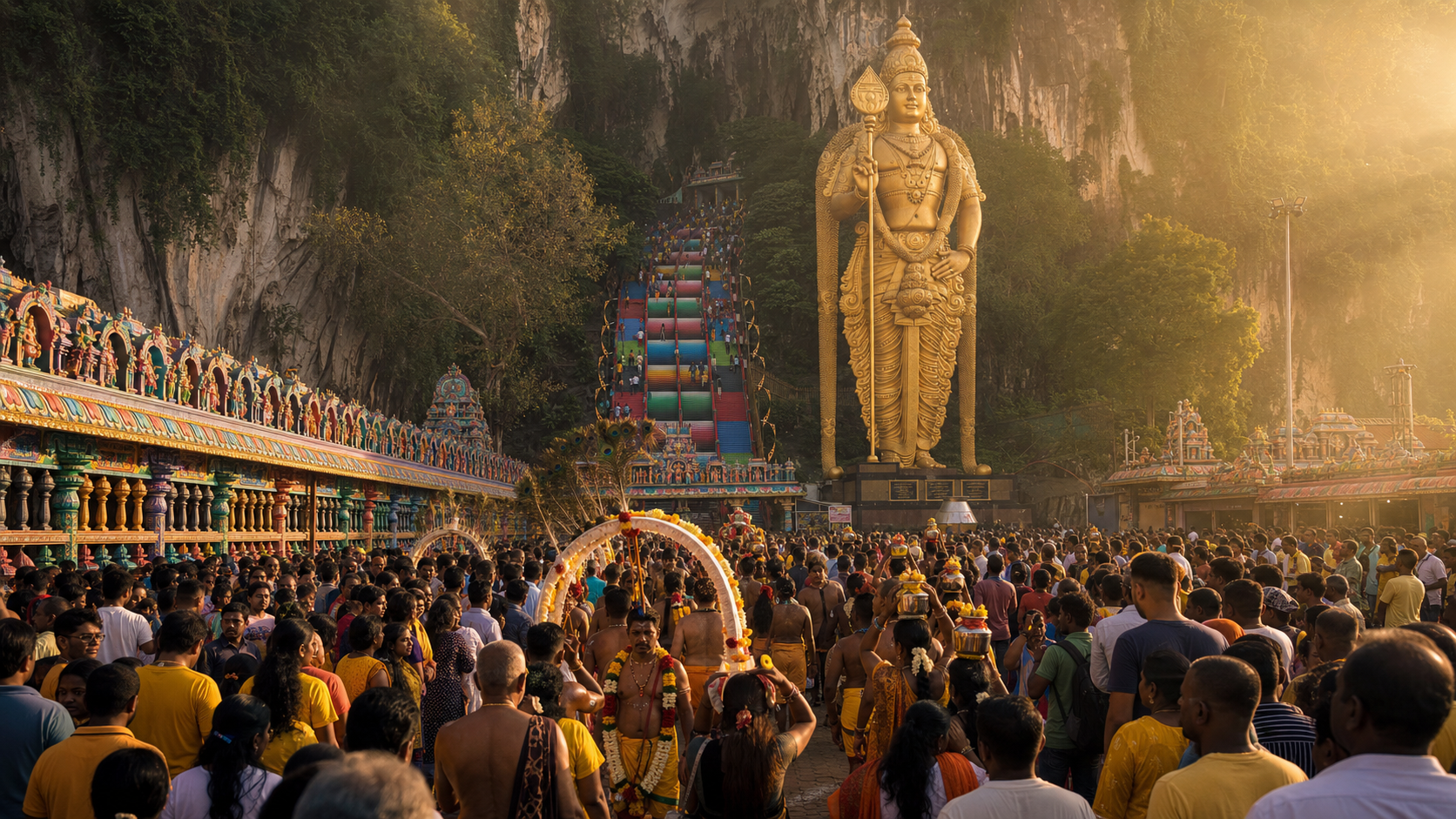
The Jubilee Hills Sri Venkateswara Swamy Temple will celebrate its Annual Brahmotsavams from February 17 to 25, 2026, preceded by Koil Alwar Thirumanjanam on February 10 and Ankurarpana on the evening of February 16. These rituals sanctify the temple and inaugurate the festival with auspicious intent. Devotees can anticipate daily alankarams, special poojas, and orderly…
-
Sacred Getaways near Penuganchiprolu: Must-Visit Krishna River Temples in Andhra Pradesh

Penuganchiprolu offers an accessible cluster of sacred temples ideal for a serene day trip or weekend itinerary in Andhra Pradesh. Highlights include the Tirupatamma Temple in Penuganchiprolu and the riverside Vedadri Lakshmi Narasimha Swamy Temple, located about 10 km from Jaggaiahpeta. Additional stops—Tirumalagiri Venkateshwara Swamy, Muktyala Mukteshwara Swamy, and Nemali Venugopala Swamy—create a balanced circuit…
-
Skandagiri Temple Pujas in February 2026: Auspicious Days, Ritual Highlights, Devotee Guide

Skandagiri Subramanya Swamy Temple in Hyderabad will mark February 2026 with pujas centered on Ekadashi, Pournami, Amavasya, and Ashtami in Thai Masam and Masi Masam. These observances typically include abhishekam, alankaram, and archana, nurturing a serene atmosphere that regular visitors find both contemplative and uplifting. The temple’s practices embody shared dharmic values—discipline, ahimsa, and seva—encouraging…
-
Magh Purnima (Maha Maghi) on 1 Feb 2026: Exact Purnima Timings, Ritual Insights, and Meaning

Magh Purnima (Maha Maghi) in 2026 falls on 1 February, marking the Full Moon of the Hindu calendar’s Magh month. The Purnima tithi runs from 5:52 AM on 1 February to 3:38 AM on 2 February (IST). Traditionally, this day emphasizes purification, charity, and contemplation through snan, daan, and mindful practice. Observances often include simple…
-
Shubh Muhurat February 2026: Verified Auspicious Days and Timings for Success, Harmony, and Clarity

This February 2026 Shubh Muhurat guide outlines auspicious days and timings for general activities, drawn from Panchang principles such as Tithi, Nakshatra, Yoga, and Karana. It clarifies scope—use for everyday beginnings, not for ceremony-specific rites like Marriage or Gruhapravesh. Readers learn to avoid Rahu Kalam, Yamaganda, and Gulika Kalam, to confirm local sunrise-sunset, and to…
-
Pastor’s Claim Sparks Interfaith Dialogue: Was ‘Jesus’ Taken from Sanatan Dharma by the British Raj?

A viral video of a pastor claiming that “Jesus belongs to Sanatana Dharma” has sparked debate on colonial history, religious identity, and cultural memory. This analysis situates the claim as rhetorical critique rather than literal history, acknowledging documented British colonial extraction while cautioning against conflating it with theological ownership. It highlights dharmic pluralism and India’s…
-
Badrinath–Kedarnath entry tightened: Temple Committee bars non-Hindu access for sanctity

The Badrinath–Kedarnath Temple Committee has clarified that non-Hindus will not be permitted to enter the Badrinath and Kedarnath shrines or other temples under its jurisdiction. Positioned within the broader principles of sacred-space governance, the decision emphasizes ritual sanctity and orderly worship rather than antagonism. The update provides clarity for pilgrims, improves predictability in temple protocols,…
-
Kranti Gatha in Kamthe Ignites Youth Patriotism and Honors Bharat’s Freedom Legacy

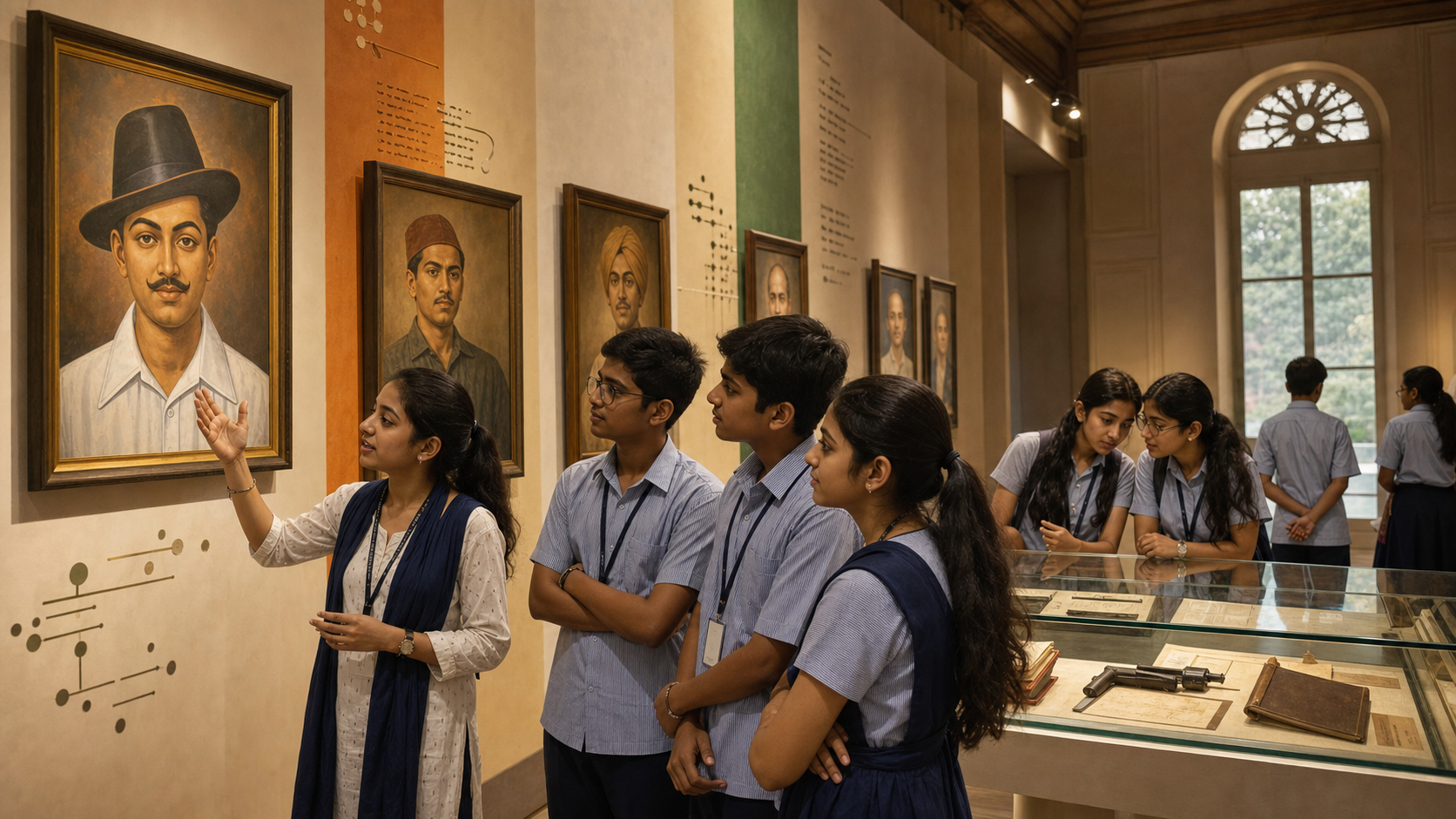
On Indian Republic Day, Hindu Janajagruti Samiti (HJS) hosted the Kranti Gatha exhibition in Kamthe to familiarise students with the sacrifices of Bharat’s revolutionaries. The exhibit used concise visuals and timelines to make the Indian freedom struggle accessible. Visitors affirmed that such initiatives meaningfully strengthen patriotism among youth. Teachers observed heightened curiosity, and students reported…
-
Cary Temple Vandalism Sparks Urgent Call for Dharmic Unity and Visible Civic Action

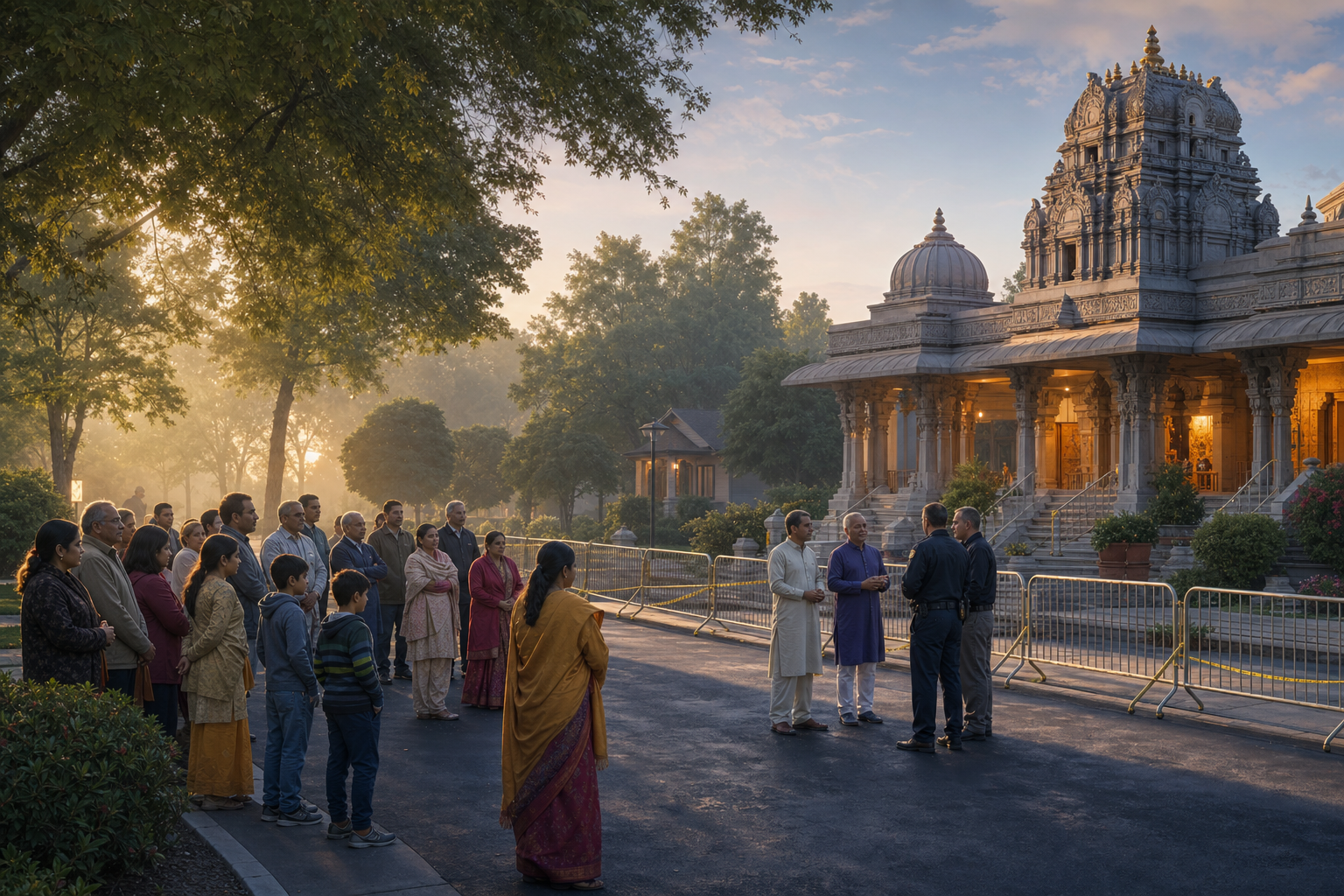
The Sri Venkateswara Temple in Cary, North Carolina, was vandalized around 3 a.m., prompting an active police investigation and widespread community condemnation. The incident reflects broader concerns about Hinduphobia and the safety of Hindu Temples across North America. Community members are calling for responses that go beyond digital statements to lawful, visible civic engagement. Practical…
-
February 7, 2026 Tithi: Precise Panchang Guide to Krishna Paksha Panchami–Sashti

Saturday, February 7, 2026 features a precise Tithi transition in the Panchang – Hindu Calendar. Krishna Paksha Panchami lasts until 2:27 AM, followed by Krishna Paksha Sashti for the rest of the day. This clarity supports accurate scheduling of vrata, puja, and study aligned with the waning moon’s contemplative energy. Regional Panchang calculations may vary…
-
Embracing Human Limits for Inner Peace: A Dharmic Guide to Ambition and Acceptance

Modern culture often imagines success as limitless, yet Dharmic wisdom clarifies that human achievements are bounded by body, time, and causality. Acceptance of these limits is not resignation but a disciplined orientation that supports inner peace and spiritual growth. Drawing on Hindu philosophy—especially the Bhagavad Gita and Karma Yoga—alongside Buddhist insights on impermanence, Jain anekantavada,…
-
Bhishma’s Five Golden Arrows: How Suspicion Altered Destiny in the Kurukshetra War

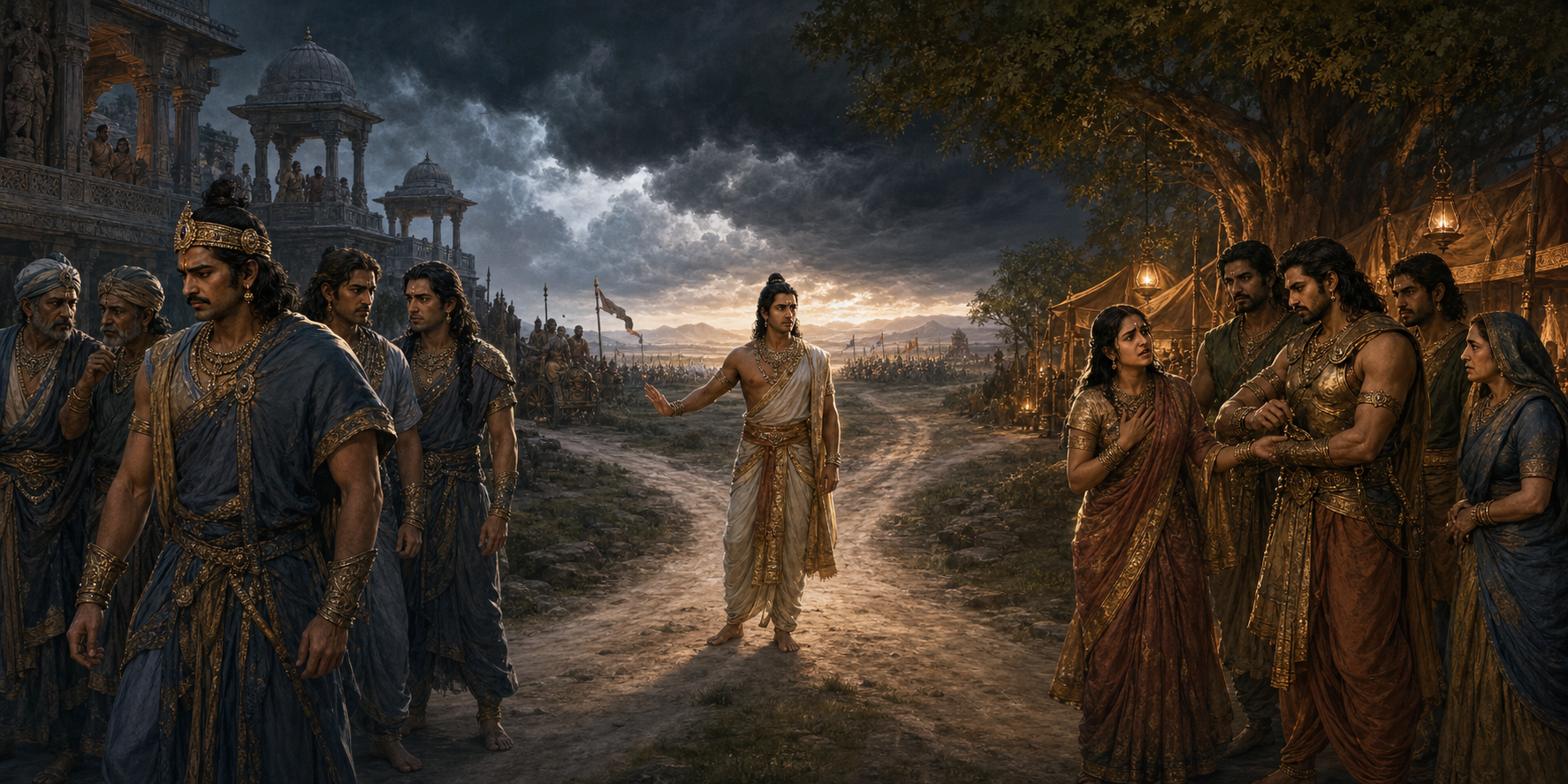
This analysis revisits the Mahabharata episode of Bhishma’s five golden arrows to illuminate how suspicion can derail strategy and reshape destiny. It explains why Duryodhana’s mistrust led him to hold the arrows, how Krishna’s foresight and Arjuna’s claim of a prior boon transformed the outcome, and why Bhishma framed the reversal through the balance of…
-
Sri Ramanujacharya as Adisesha: Divine Grace, Vishishtadvaita, and Inclusive Bhakti

Sri Ramanujacharya is revered in the Vaishnavite tradition as an incarnation of Adisesha, symbolizing stability, service, and compassionate protection. His Vishishtadvaita Vedanta harmonizes devotion and philosophical rigor, affirming a personal Vishnu and the transformative power of bhakti. Historical accounts emphasize his stewardship of temples and inclusive practices that broadened access to worship. This inclusive ethos…
-
Surpanakha’s Ties to Khara and Dushana: Family, Power, and Tragedy in the Ramayana

This analysis situates Surpanakha’s ties to Khara and Dushana within Aranya Kanda, showing how kinship and command intersect at Janasthana. It clarifies textual and regional variations (brothers versus close kinsmen) while preserving fidelity to the Valmiki Ramayana. Readers gain a clear view of how personal humiliation escalates into the Battle of Janasthana, highlighting dharma’s role…
-
Explore Śrī Ekacakrā-dhāma Online: A Guided Digital Pilgrimage to Lord Nityānanda’s Sacred Sites

Śrī Ekacakrā-dhāma, revered as the sacred land of Lord Nityānanda, is now presented through a research-informed digital initiative by the Mayapur Master Plan Office. Guided by Śrīla Prabhupāda’s instruction to seek the mercy of Nityānanda, the project offers curated, accessible overviews of holy sites within a coherent framework. It advances cultural heritage preservation while widening…
-
Glorifying Lord Nityananda: A Transformative Tribute to Bhakti, Compassion, and Dharmic Unity

A 31-01-2026 tribute to Lord Nityananda by HG Kripanidhi Prabhu and HH Bhakti Anugraha Janardana Swami Maharaj illuminated Gaudiya Vaishnavism’s core: boundless compassion expressed through bhakti, hari-nama, and kirtan. The reflection situated Nityananda’s mercy within a universal dharmic framework shared by Hinduism, Buddhism, Jainism, and Sikhism. Listeners gain practical guidance—steady nama-japa, attentive kirtan, and purposeful…