-
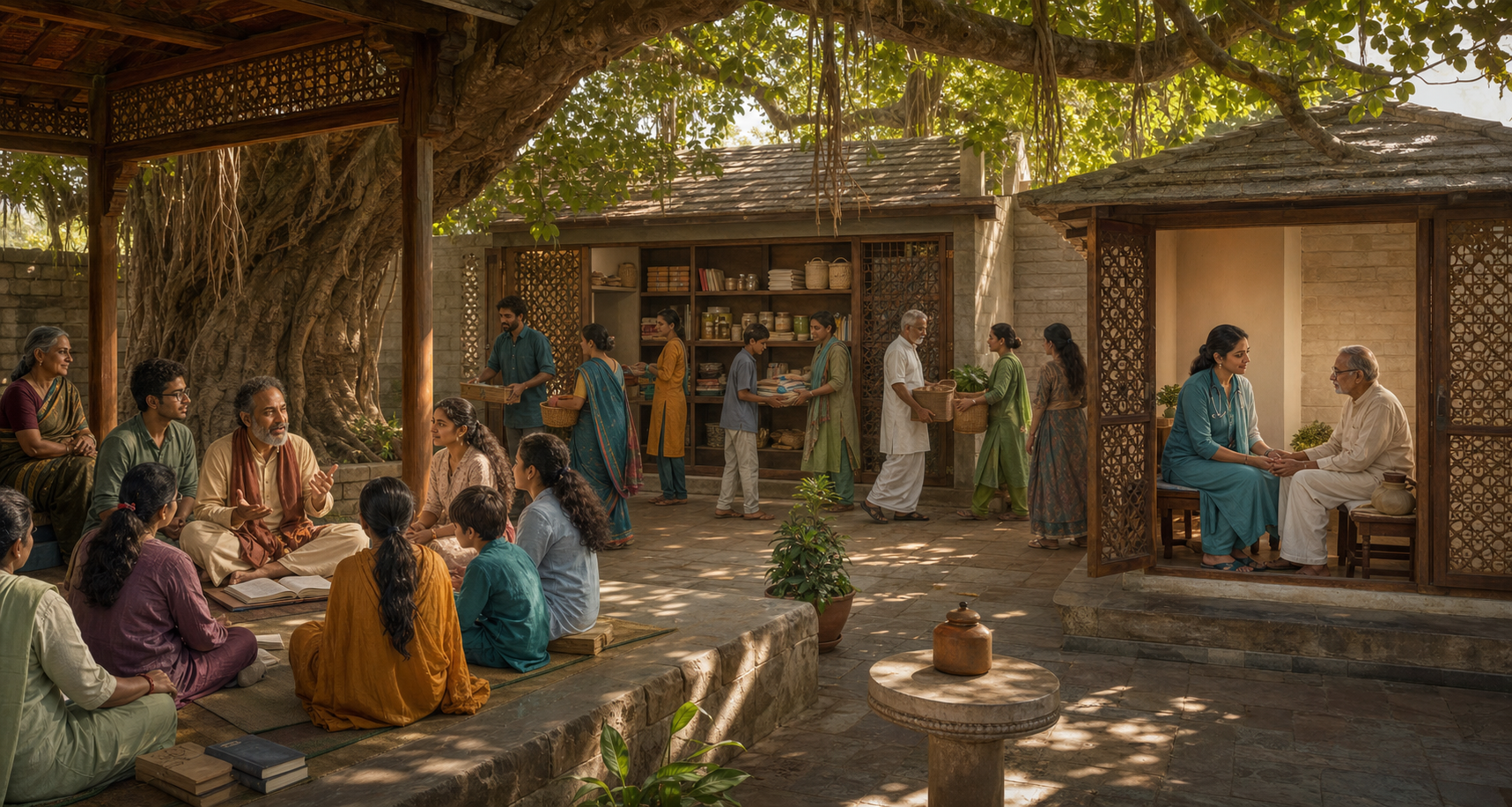
Vaidyo Narayano Harihi Explained: Sacred Medicine, Divine Healer, and Dharmic Healthcare Ethics

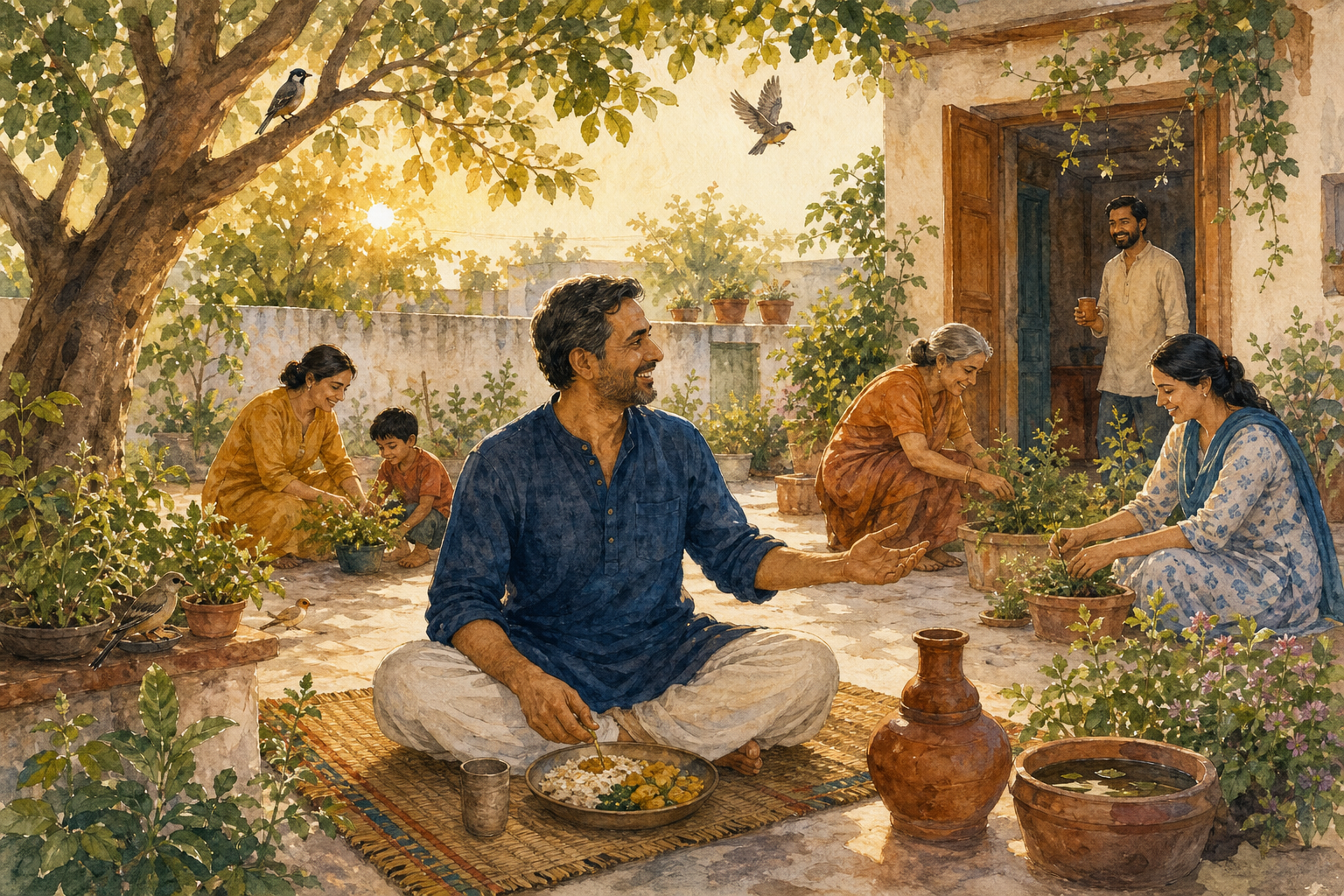
‘Aushadhi Jahnavi Toyam Vaidyo Narayano Harihi’ teaches that medicine should be received as sacred like Ganga’s waters and the physician honored as an instrument of Narayana. The phrase aligns with Ayurveda’s chikitsa chatushpada, where physician, medicine, attendant, and patient together determine outcomes. By sacralizing treatment, patients cultivate trust and clarity, which modern psychoneuroimmunology suggests can…
-
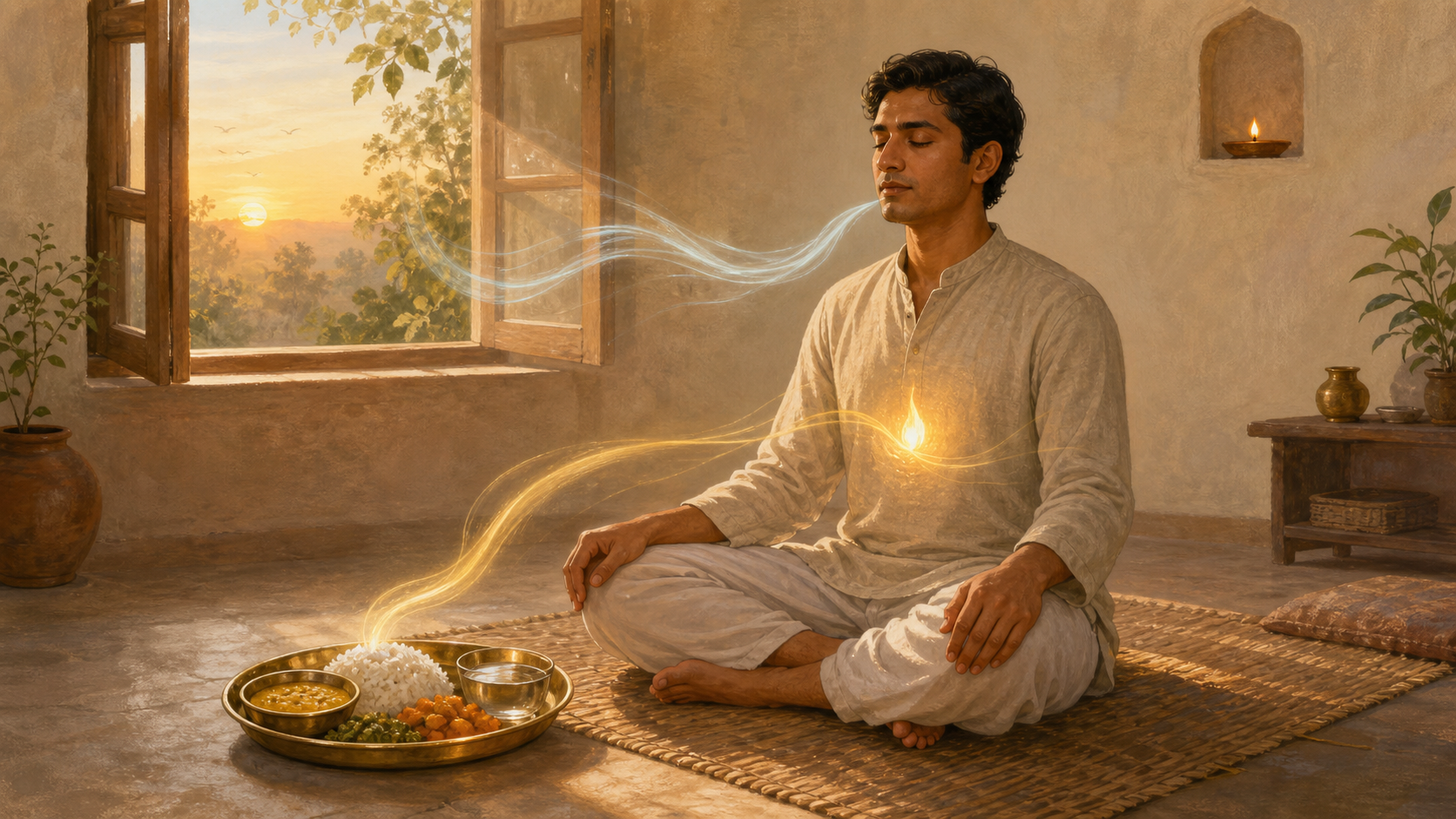
Somvati Amavasya Fasting Masterclass: What to Eat, What to Avoid, and Safe Nirjala–Phalahari Plans

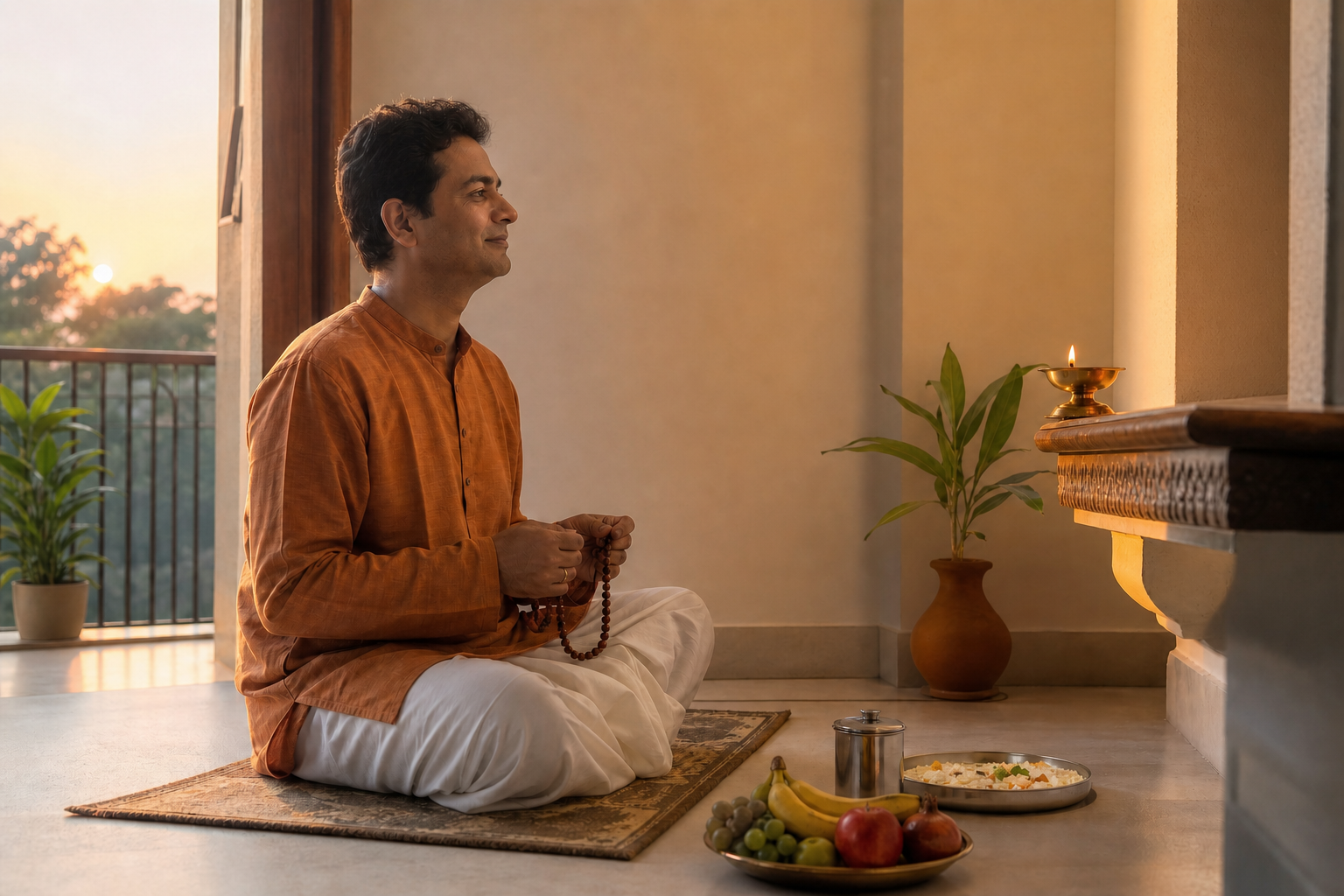
Somvati Amavasya is a powerful observance for inner quietude and ethical living, and its food code is central to the practice. This step-by-step guide clarifies what to eat and what to avoid for both Nirjala Vrat and Phalahari Vrat, grounding recommendations in sāttvika principles, customary practice, and Ayurvedic reasoning. Readers learn which vrat staples are…
-
From Numb to Whole: How Emotional Suppression Derails Hormones, Gut Health, and the Nervous System

This case study traces how lifelong emotional suppression created nervous system dysregulation, hormonal imbalance (notably PMS), and gut-brain axis disturbances—and how listening to the body reversed these trends. It explains mechanisms (polyvagal theory, HPA/HPO axes, vagus nerve, microbiome) alongside Ayurvedic concepts (vata, pitta, kapha, agni) to show why symptoms escalated with “push through” strategies. Evidence-aligned…
-
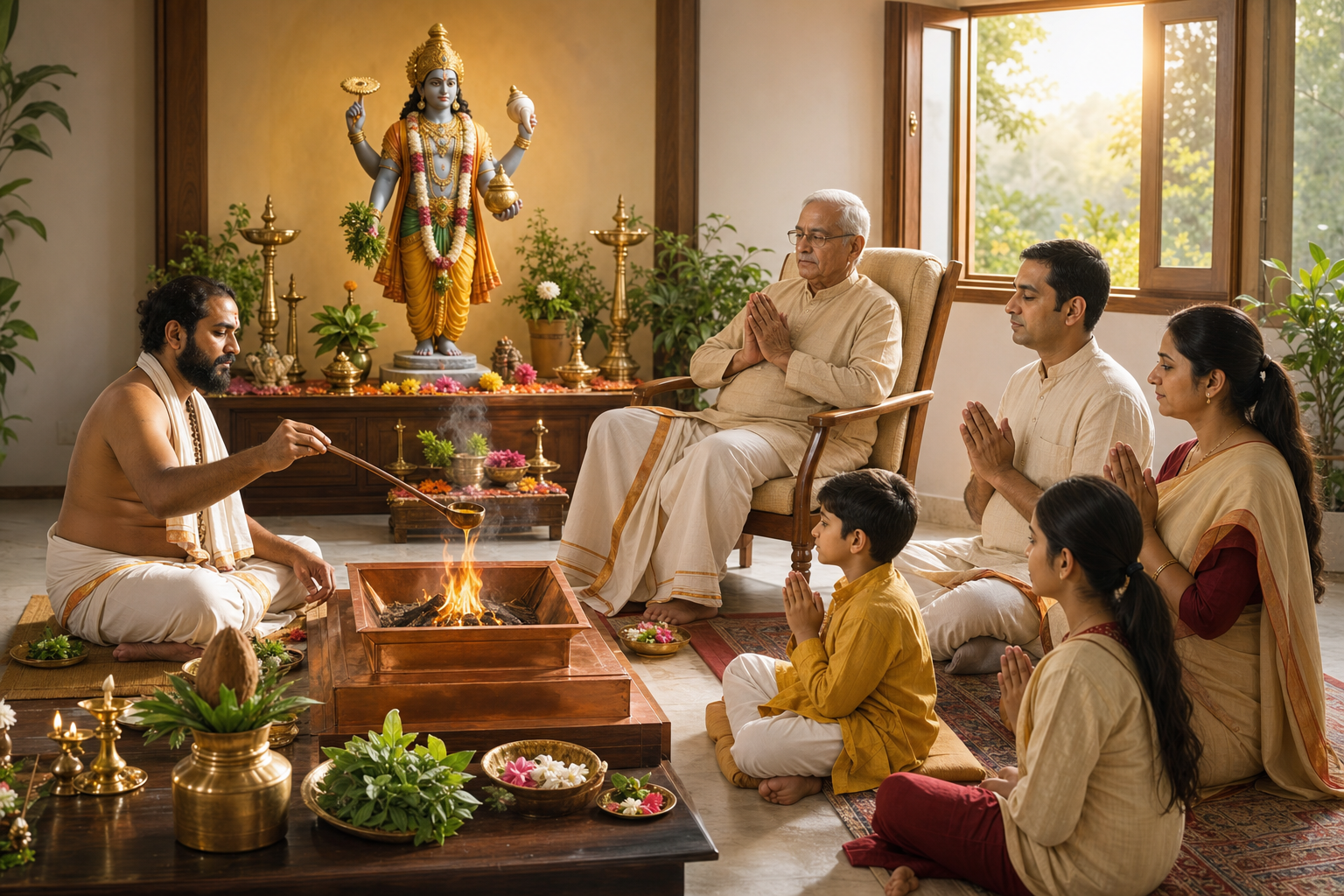
Dhanvantari Homam Explained: Benefits, Moolamantra, and Step-by-Step Vidhi for Lasting Health

Dhanvantari Homam is a Vedic yagna to invoke Lord Dhanvantari—the Divine Physician—for health, longevity, and the alleviation of disease. The rite integrates the Dhanvantari Moolamantra with disciplined vidhi and vidhana, aligning Ayurvedic symbolism and Havan Kund niyams with a clear, healing sankalpa. It is best performed on Dhanvantari Jayanti (Dhanteras), during Pushya Nakshatra, or in…
-
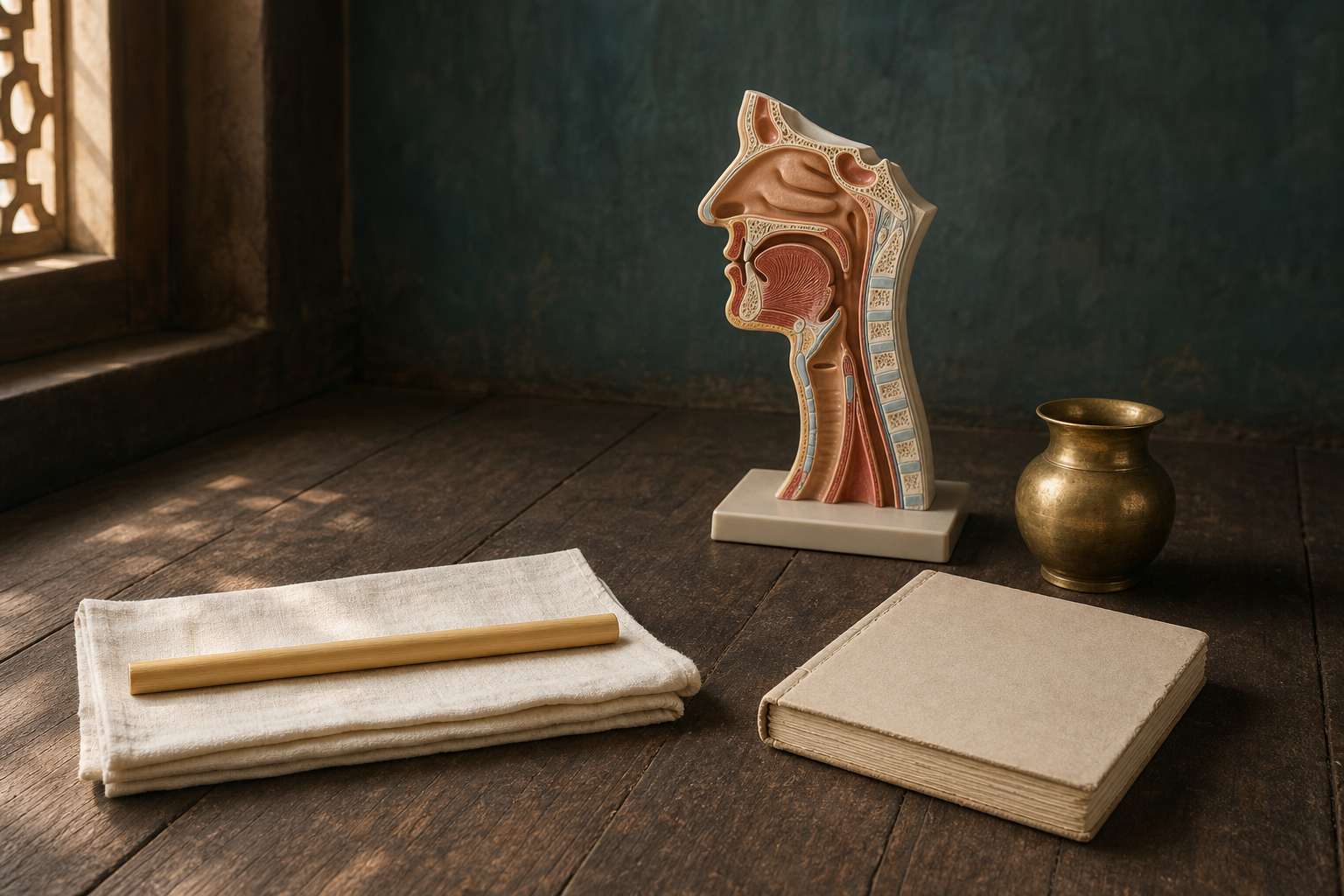
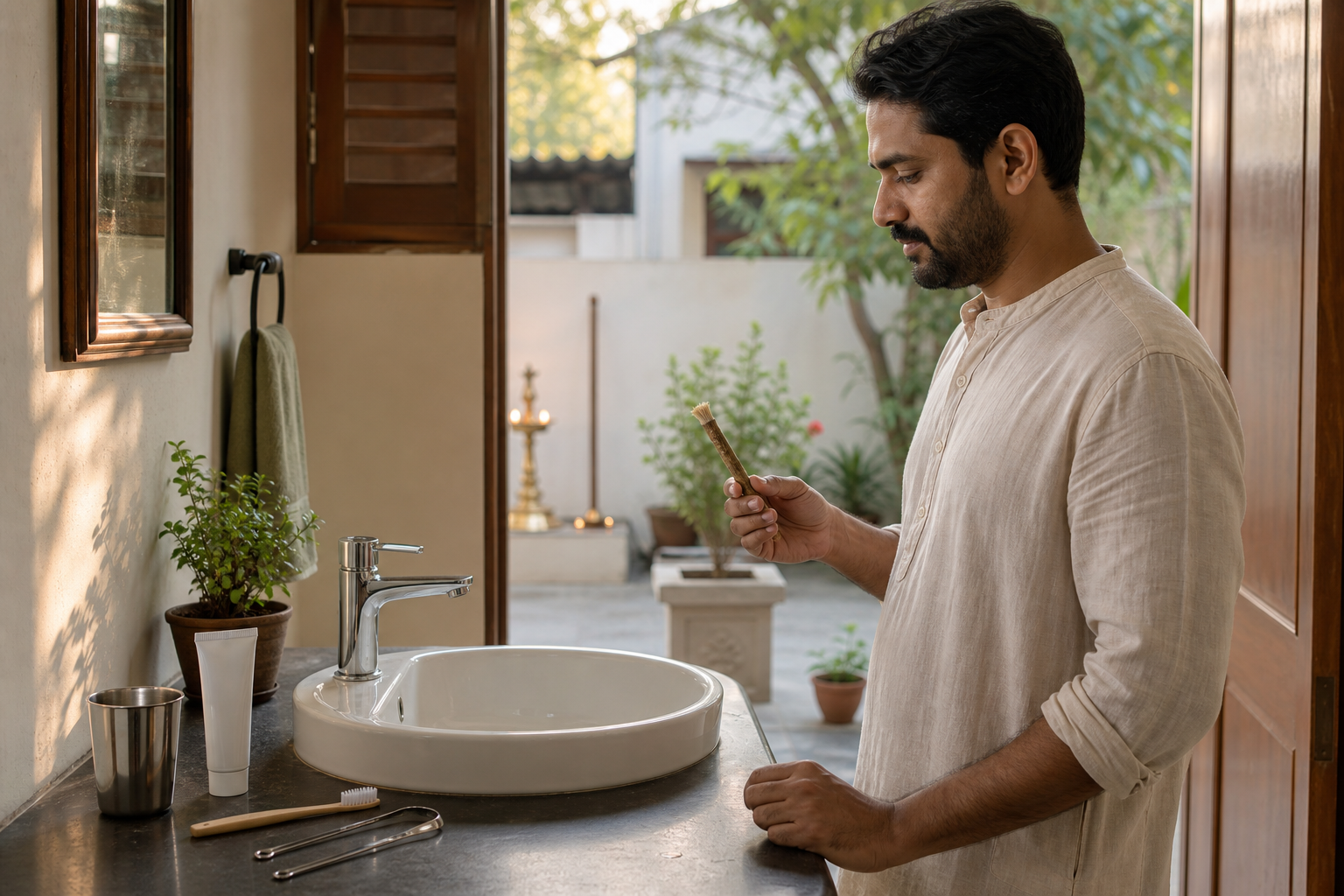
Dantadhavana in Hinduism: Ancient Oral Care for Clarity, Sacred Cleanliness, and Health

Dantadhavana—the Hindu practice of cleaning the teeth—anchors hygiene, mental clarity, and ritual readiness within a single, structured morning routine. Classical Dharmashastra, Grihya Sutras, and Ayurveda integrate tooth cleaning with adjuncts like oil swishing and tongue scraping to support breath, digestion, and composure. Traditional materials such as neem, khadira, and pilu twigs offer biodegradable, medicinal options…
-
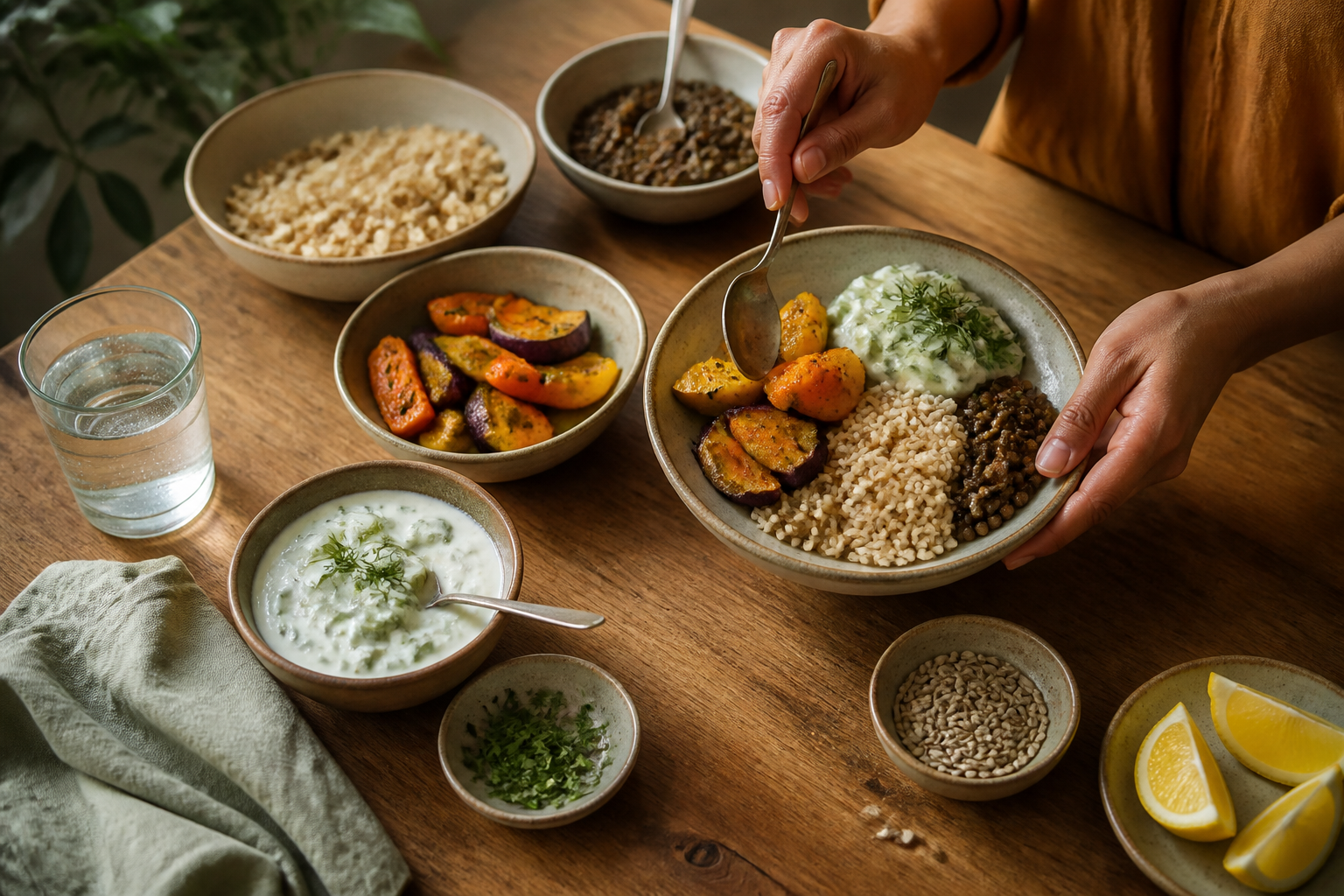
Joyful Healthy Eating: Simple Cooking Habits for Better Gut Health, Calm Focus, and Vitality

Healthy eating becomes sustainable when small, repeatable habits replace rigid rules and decision fatigue. A skills-based, no-recipe approach builds confidence to assemble simple, satisfying meals from what is on hand. Prioritizing gut health supports steadier energy, fewer cravings, clearer thinking, and often healthier skin. Dharmic traditions converge on these principles—Ayurveda’s focus on agni and sattva,…
-
ज्योतिष, रोग और उपाय: ग्रहों के प्रभाव से सामान्य बीमारियों की व्यावहारिक समझ और समाधान

This piece frames health through a traditional Jyotisha perspective while remaining practical and inclusive. It focuses on common ailments—stress, low energy, inflammation, and metabolic imbalance—rather than exhaustive disease lists. Readers gain an integrative view that complements Ayurveda, Yoga, and modern medicine for safer, balanced choices. Remedies emphasize breathwork, meditation, sattvic routines, mantra, seva, and ethical…
-
हाथ की पांच उंगलिया: Powerful finger-reflex methods for natural pain relief and balance

यह लेख हाथ की पांच उंगलिया को शरीर-मन संतुलन की परंपरागत दृष्टि से समझाता है. आयुर्वेद, योग और मर्म-ज्ञान के संदर्भ में उंगलियों से जुड़े सरल finger-reflex अभ्यास बताए गए हैं. पाठक सीखेंगे कि हल्के दबाव और धीमी, दीर्घ श्वास-प्रश्वास से हल्की असुविधा में natural pain relief का अनुभव कैसे संभव है. अंगूठा, तर्जनी, मध्यमा,…
-
Makar Sankranthi & Pongal: Powerful, Science‑Aligned Health Benefits of Tradition

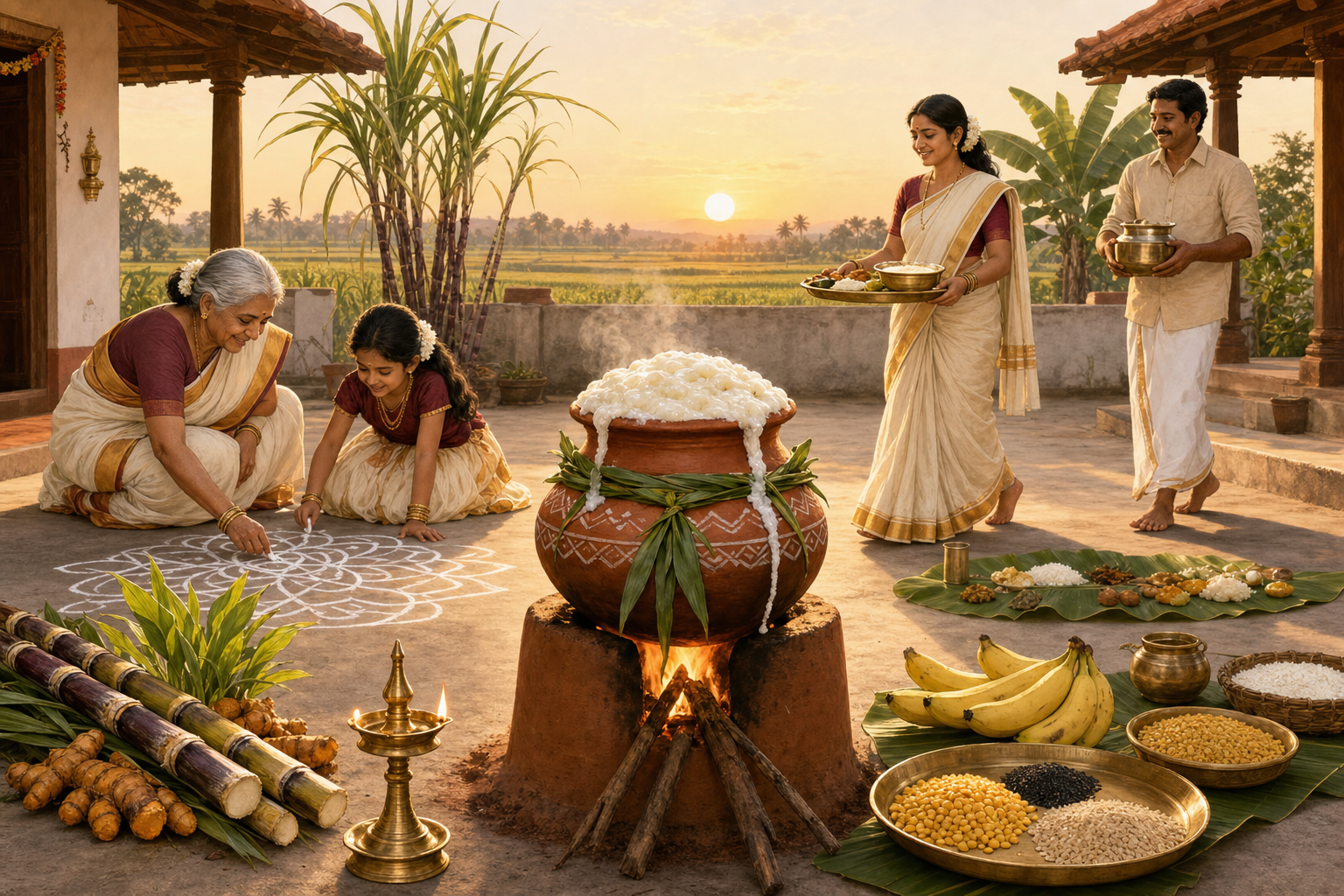
Makar Sankranthi and Pongal traditions align with holistic wellness: gentle winter sun exposure supports circadian balance and vitamin D; Bhogi Mantalu gatherings strengthen social connection and ease stress; seasonal foods like sesame and jaggery offer warmth and minerals; Pongal made with rice, moong dal, and ghee provides comfort, protein, and stable energy. Spices such as…
-
Ahara and Vihara Made Practical: Transform Health with Ayurveda’s Time-Tested Vedic Wisdom

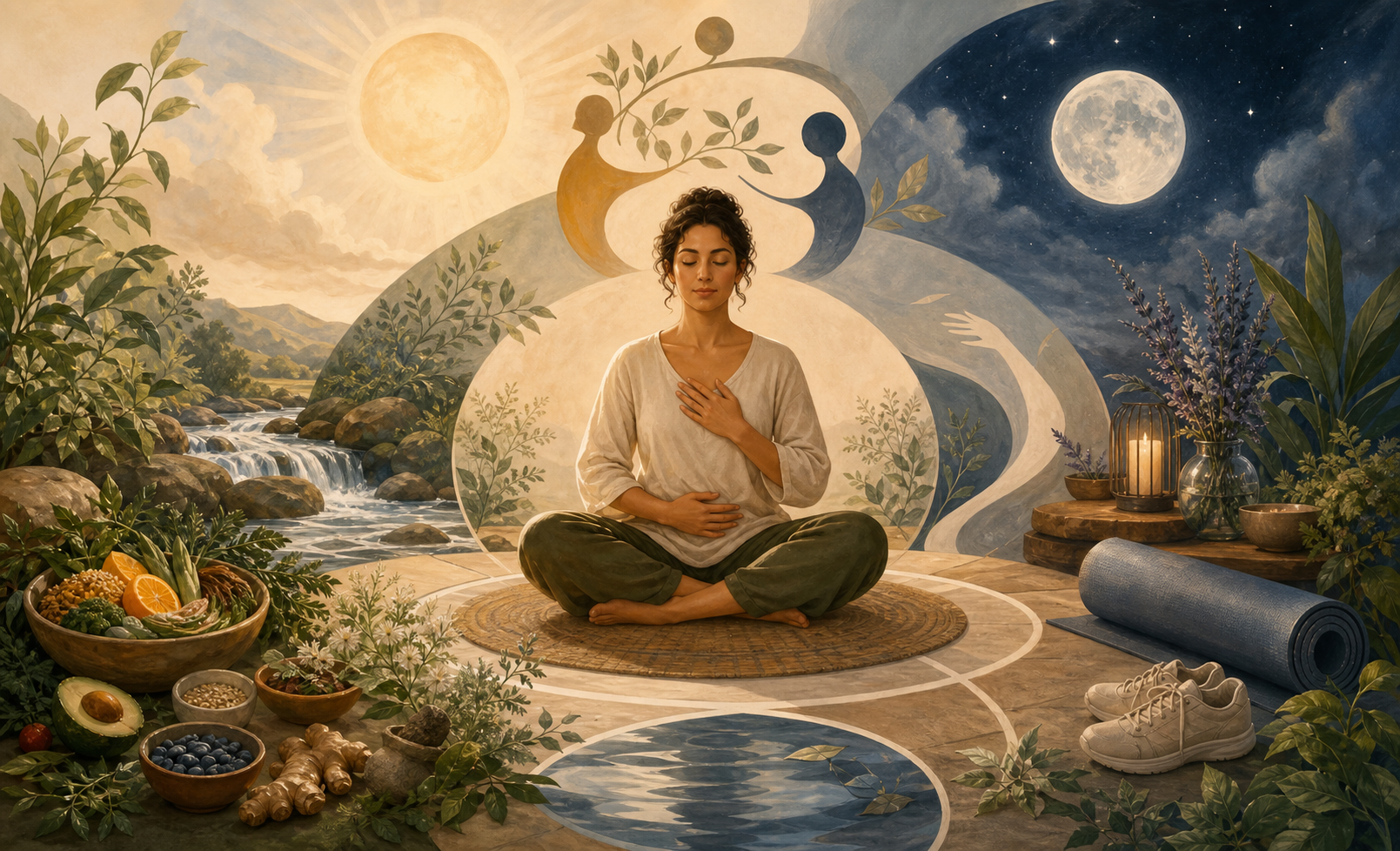
Ayurveda’s twin pillars—Ahara (nutrition) and Vihara (conduct of life)—offer a practical, science-aligned path to sustained well-being. Emphasizing fresh, seasonal foods and consistent mealtimes strengthens digestion and energy. Sleep hygiene, gentle Yoga, Pranayama, and mindful pauses cultivate emotional steadiness and mental clarity. Dinacharya and Ritucharya provide daily and seasonal structure, enhancing circadian alignment. Dharmic traditions—Buddhism, Jainism,…
-
Overcome Overwhelming Negative Thoughts with Dharmic Mind-Body Practices for Clarity

Negative thoughts often intensify when digestion is irregular or constipated; Dharmic traditions and modern insights into the gut–brain axis both highlight this body–mind connection. Simple steps—hydration, sattvic meals, regular sleep, and gentle movement—support healthy elimination and mental clarity. Breath awareness and Pranayama calm the nervous system, reducing the momentum behind negative thought spirals. Meditation practices…
-
Chamatkari Health Totke: अच्छा स्वास्थ्य के लिए सरल, Holistic Upay और परिवार की समृद्धि

Many families experience recurring illness that affects everyone’s peace of mind. Health Totke, remembered as Chamatkari Upay, offer practical, culturally rooted ways to support अच्छा स्वास्थ्य, reduce stress, and strengthen family bonds. Framed inclusively, these traditions complement Ayurveda-inspired routines and modern care by reinforcing hygiene, discipline, and gratitude. Shared Dharmic values—shaucha, karuna, ahimsa, and sewa—unify…
-
Planets and Health Decoded: Ayurvedic, Dharmic Insights for Body–Mind Balance and Healing

This article explores how planetary correspondences—grains, colors, shapes, birds, animals, and even the fingers—serve as a contemplative map for holistic health within Ayurveda and related dharmic traditions. It explains the macrocosm–microcosm idea in an academic yet accessible manner, showing how symbolic associations can guide gentle, personalized routines. Readers gain practical suggestions—mindful breathing, light exposure, simple…
-
Planets and Well-Being: Dharmic Insights on Macrocosm–Microcosm Harmony and Health

This article explores the dharmic idea that macrocosm and microcosm reflect one another, framing health as harmony between cosmic rhythms and human life. It explains how traditional mappings link planets to colors, grains, animals, body regions, and even fingers, using these correspondences as contemplative tools rather than deterministic claims. Readers learn how gentle mudras, mindful…
-
Unveiling the Sacred Bond: Why Leeches Symbolize Dhanvantari’s Timeless Ayurvedic Purification

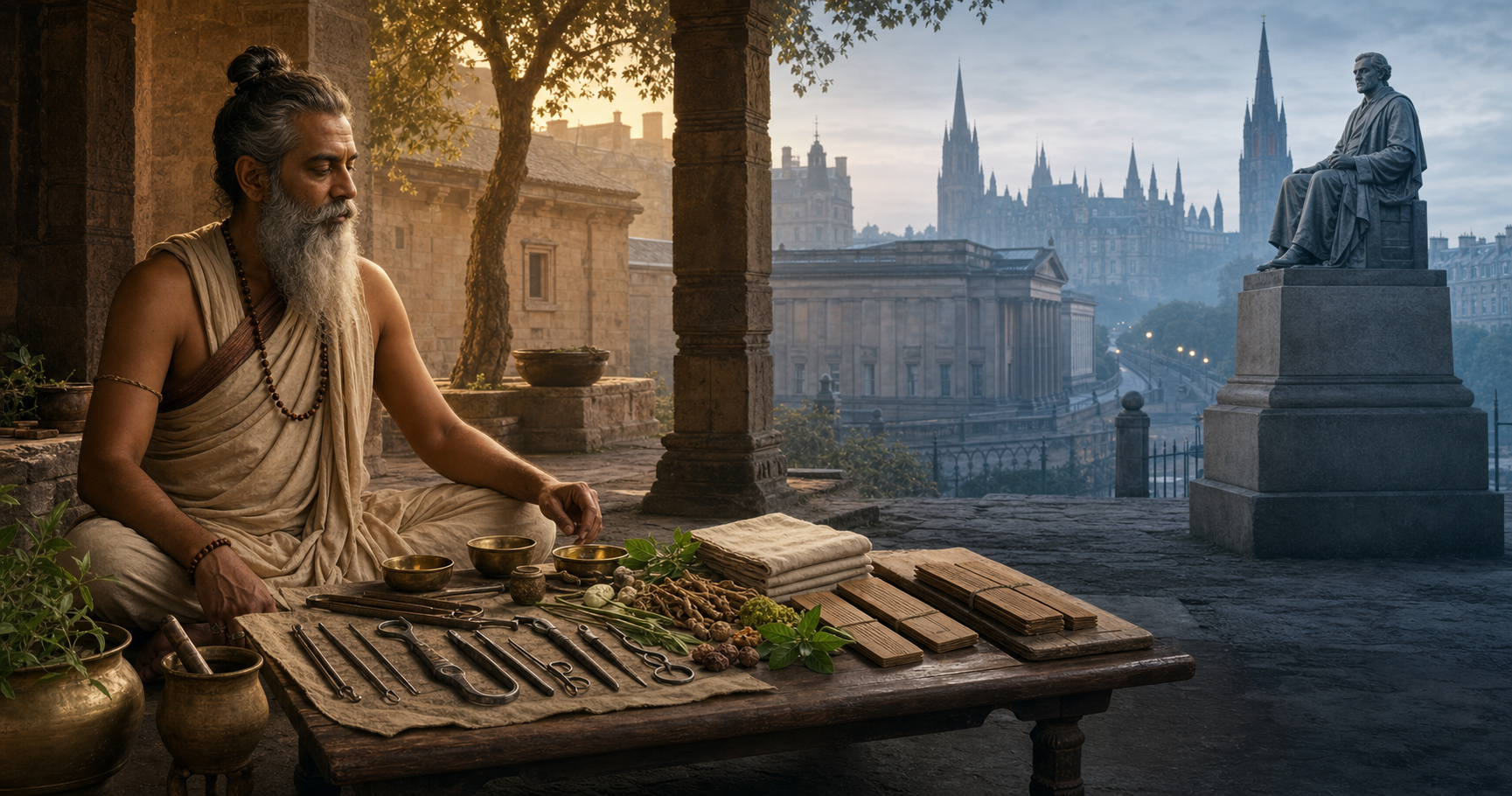
This article explores why leeches are associated with Lord Dhanvantari in Ayurveda, blending historical, clinical, and symbolic perspectives. It explains Jalaukavacharana (leech therapy) as a gentle method of Rakta Mokshana described in the Sushruta Samhita. Readers learn how leeches reduce inflammation and venous congestion while reflecting the Ayurvedic ideal of compassionate, low-harm care. The discussion…
-
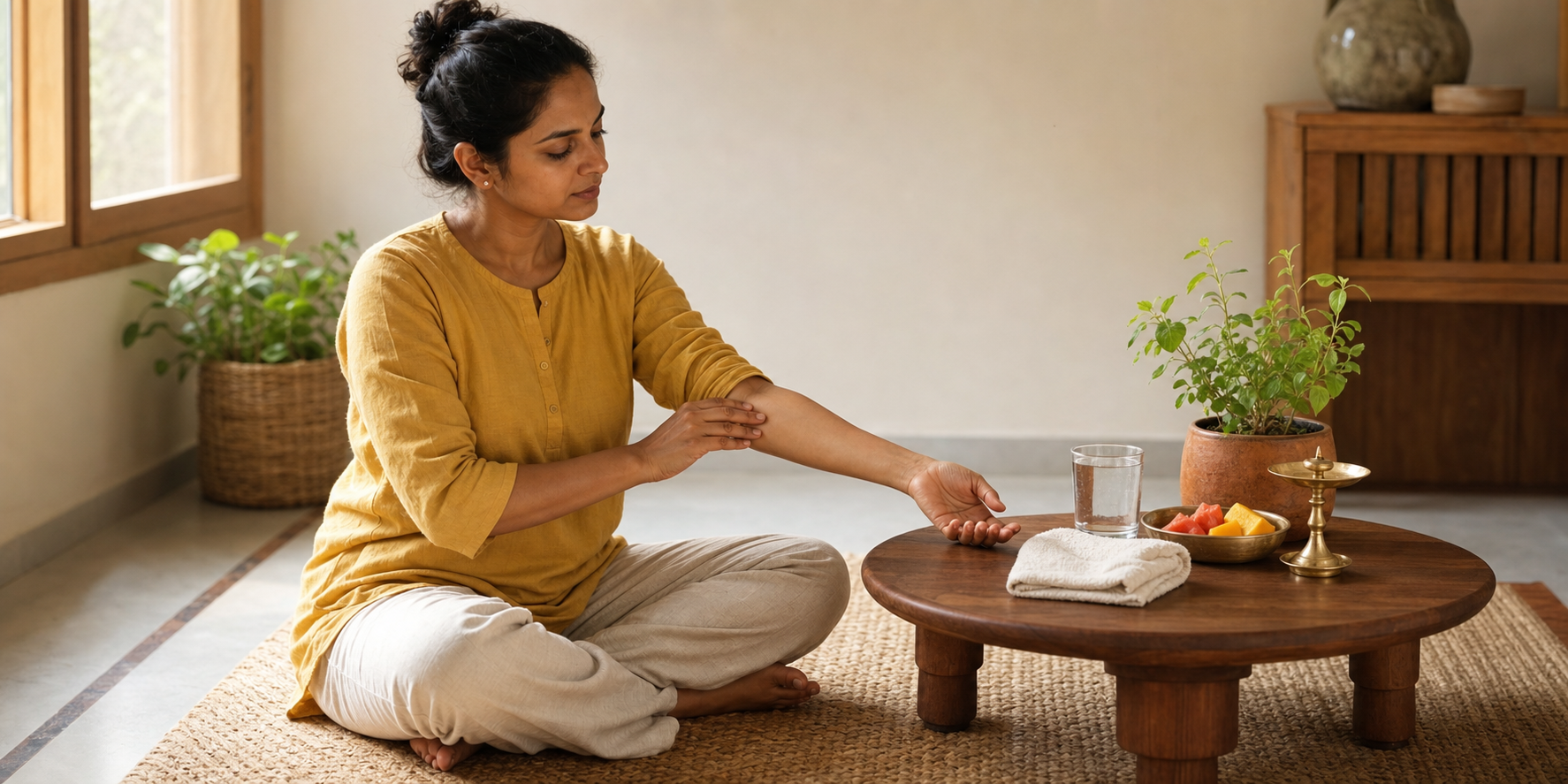
Dhara in Ayurveda: The Calming Kerala Ritual Bringing Deep Relaxation and Clarity
Dhara is a renowned Kerala Ayurveda therapy in which a warm, medicated herbal oil flows in a continuous stream over the forehead to encourage calm and clarity. Conducted for about 60–120 minutes without interruption, it exemplifies Ayurveda’s precise, holistic approach to relaxation and mind–body balance. Traditionally associated with relief in stress-related states, tension, and chronic…
-
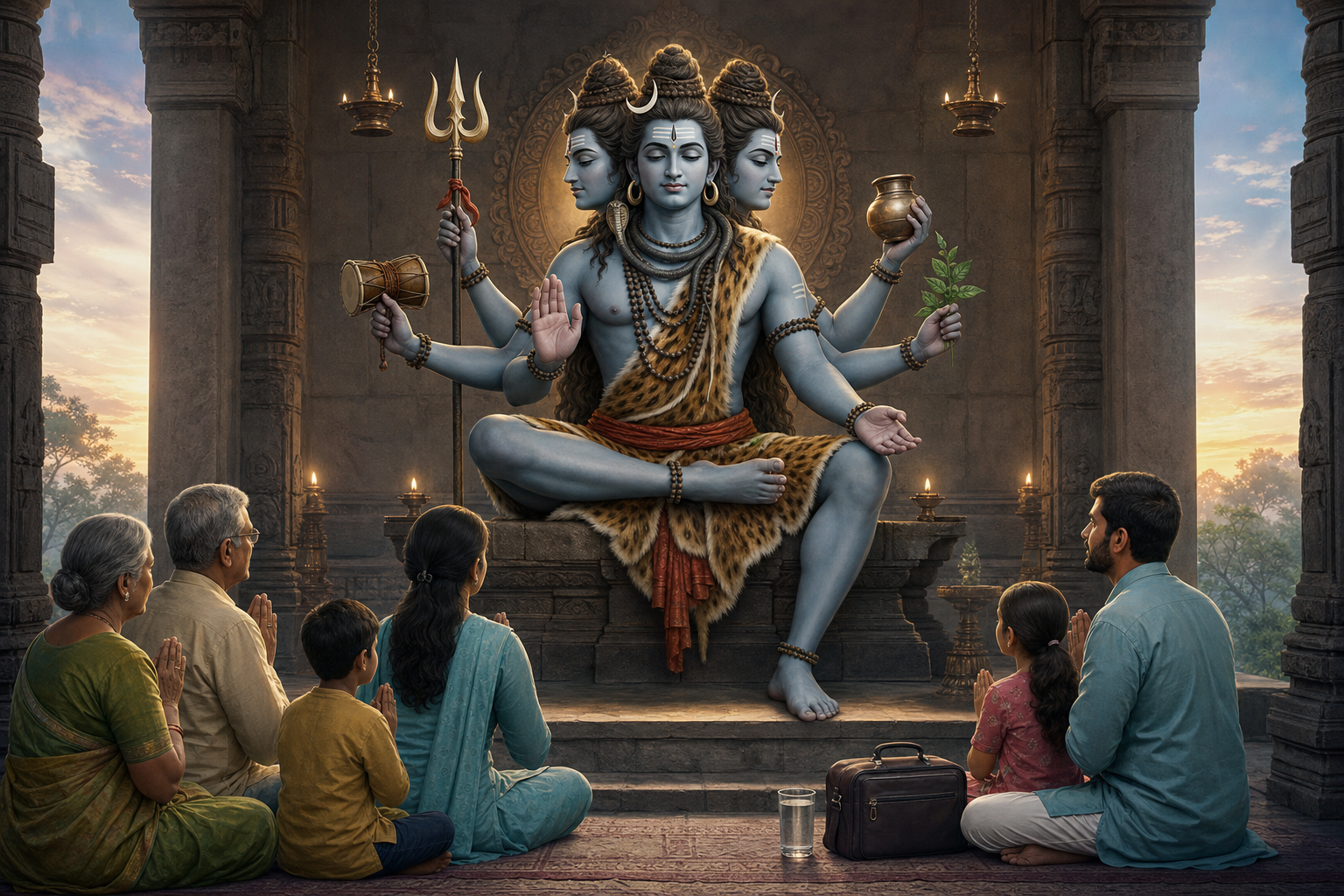
Rudra Shiva, the Great Healer: Discover the Ancient, Proven Science of Sacred Medicine

Rudra Shiva is not only a fierce deity but the great physician and healer of Vedic tradition. Associated with forests and mountains, Rudra symbolizes mastery over herbs and remedies for both body and mind. Vedic hymns and the Mahamrityunjaya invocation highlight a holistic healing vision that integrates mantra, medicine, and inner steadiness. Ayurveda complements this…
-
Dhanvantari Jayanti 2025: Complete Guide to Date, Mantra, Rituals, and Ayurveda Significance

Dhanvantari Jayanti 2025 falls on October 18, two days before Diwali, and aligns in many regions with Dhanteras. The observance honors Lord Dhanvantari, the divine source of Ayurveda, emphasizing health, balance, and compassionate service. A widely recited mantra invokes healing and fearlessness, reinforcing the ethos of prevention and well-being central to Hindu practices. Rituals include…
-
Unveiling the Ancient Ayurvedic Treasure: The Navanītakaṁ Manuscript

Step into the world of ancient Ayurvedic wisdom with ‘Unveiling the Ancient Ayurvedic Treasure: The Navanītakaṁ Manuscript.’ This fascinating journey takes us back in time to explore the rich heritage of Ayurveda, one of the world’s oldest systems of natural healing. The spotlight shines on the remarkable Navanītakaṁ manuscript, a hidden gem that remained obscured…