-
Hinduism’s Bold Vision of Soul Freedom: How Dharmic Unity Empowers Every Seeker

This article explores Hinduism’s distinctive vision of freedom as inner liberation (Moksha), rooted in the Upanishads and the Bhagavad Gita. It explains how Dharma unites responsibility with liberty, preventing freedom from descending into license. The piece highlights Religious Pluralism through the concept of Ishta, showing how diverse methods align with a shared horizon of realization.…
-
Ganesha’s New Head and the Grace of Correction: A Dharmic Meditation on Second Chances

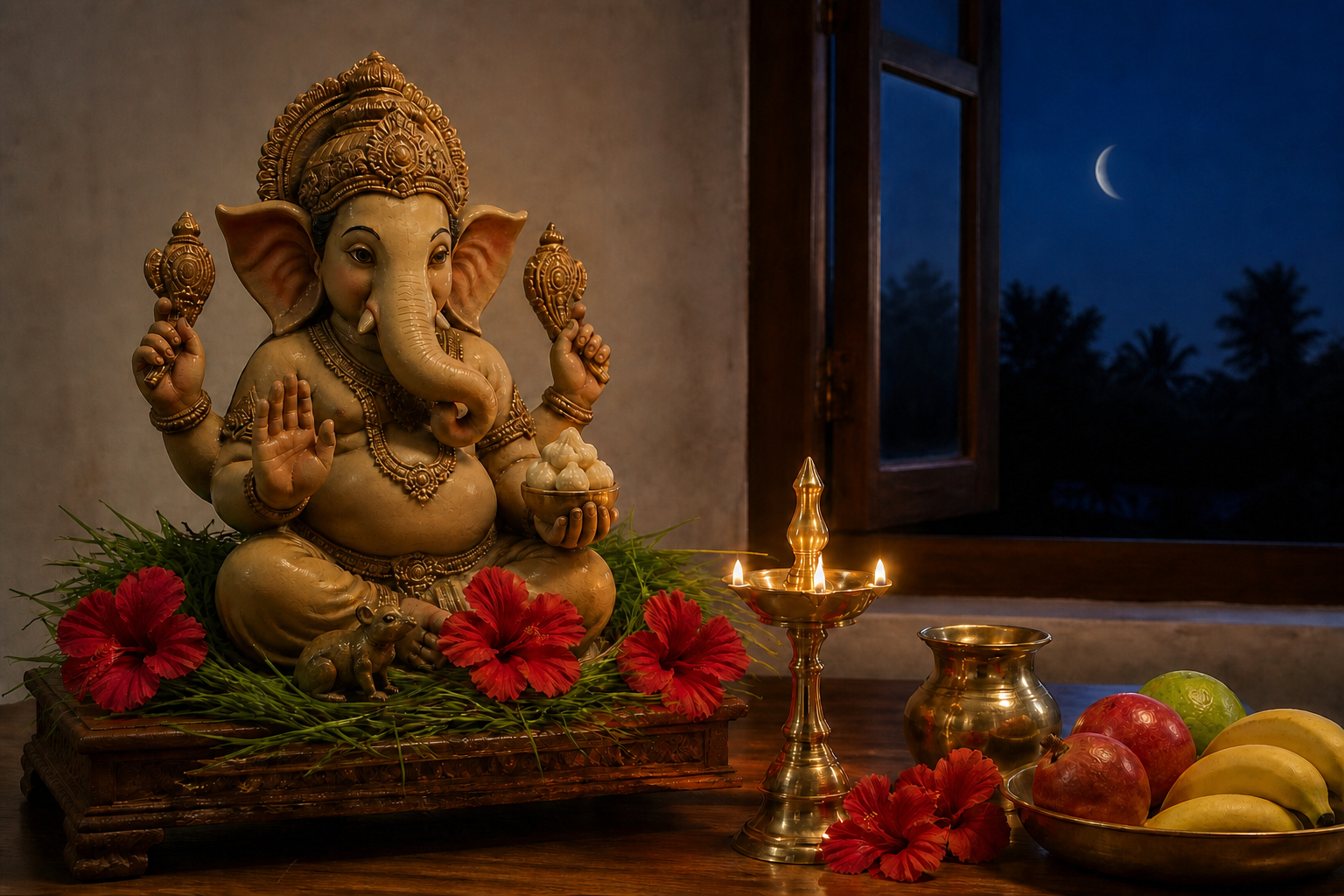
Ganesha’s birth and rebirth offers a timeless guide to human fallibility, emotional intelligence, and the ethics of second chances. The story highlights accountability—recognizing harm, accepting responsibility, and making meaningful amends. As a Hindu symbol, the elephant head teaches deep listening, measured speech, and adaptable strength. The narrative’s restorative vision resonates across Buddhism, Jainism, Sikhism, and…
-
Riksharaja’s Astonishing Origin: The Dual-Gender Parent of Vali and Sugriva in Ramayana

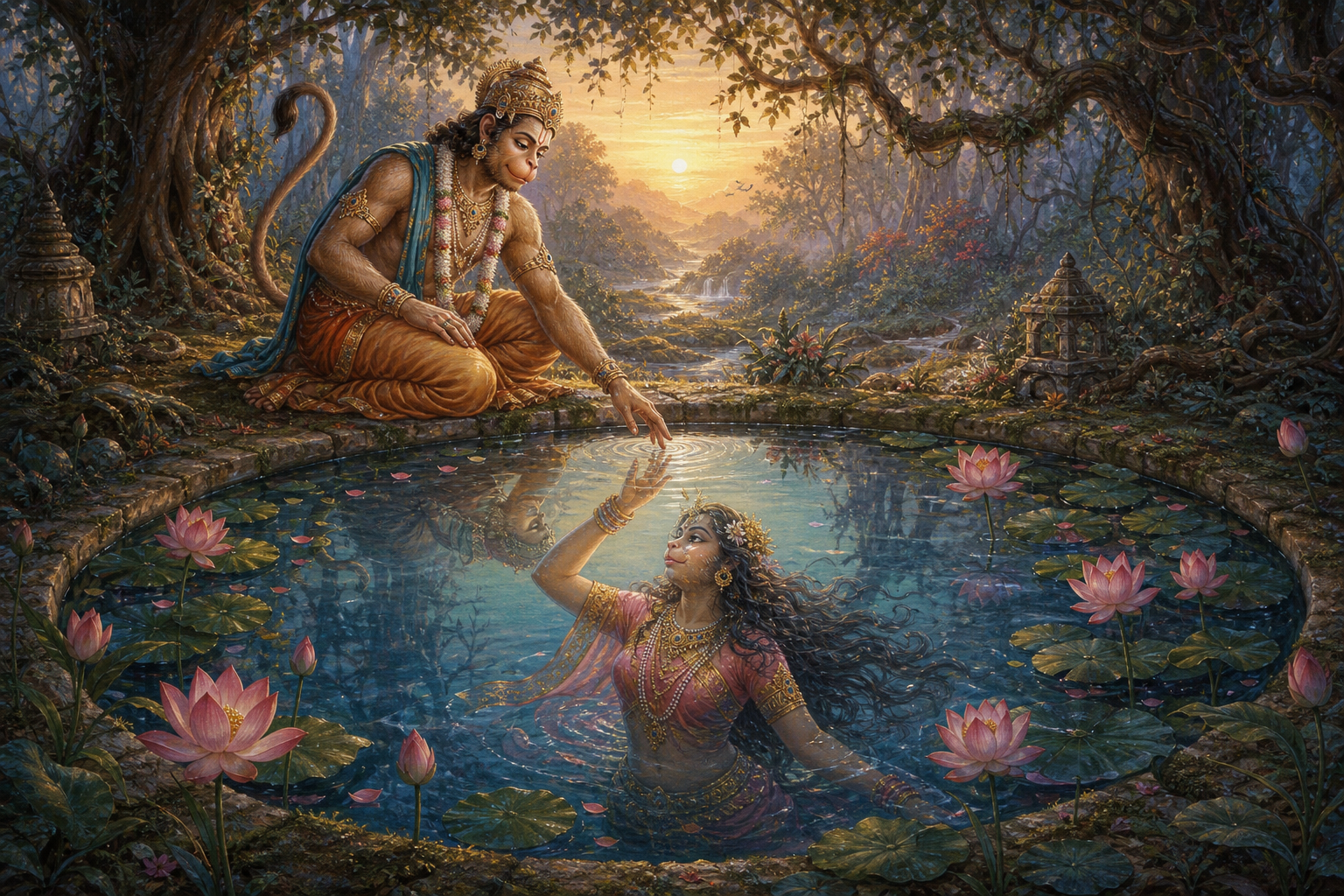
Some Ramayana traditions portray Riksharaja as the dual-gender progenitor of Vali and Sugriva, a striking motif that expands the epic’s philosophical depth. Born from Brahma’s tear and associated with Indra and Surya, Riksharaja embodies both fatherhood and motherhood in one sacred figure. This narrative resonates with dharmic symbolism such as Ardhanarishvara, where complementarity and balance…
-
Bhagavad Gita Jayanti 2025 on December 1: Significance and Heartfelt Ways to Celebrate

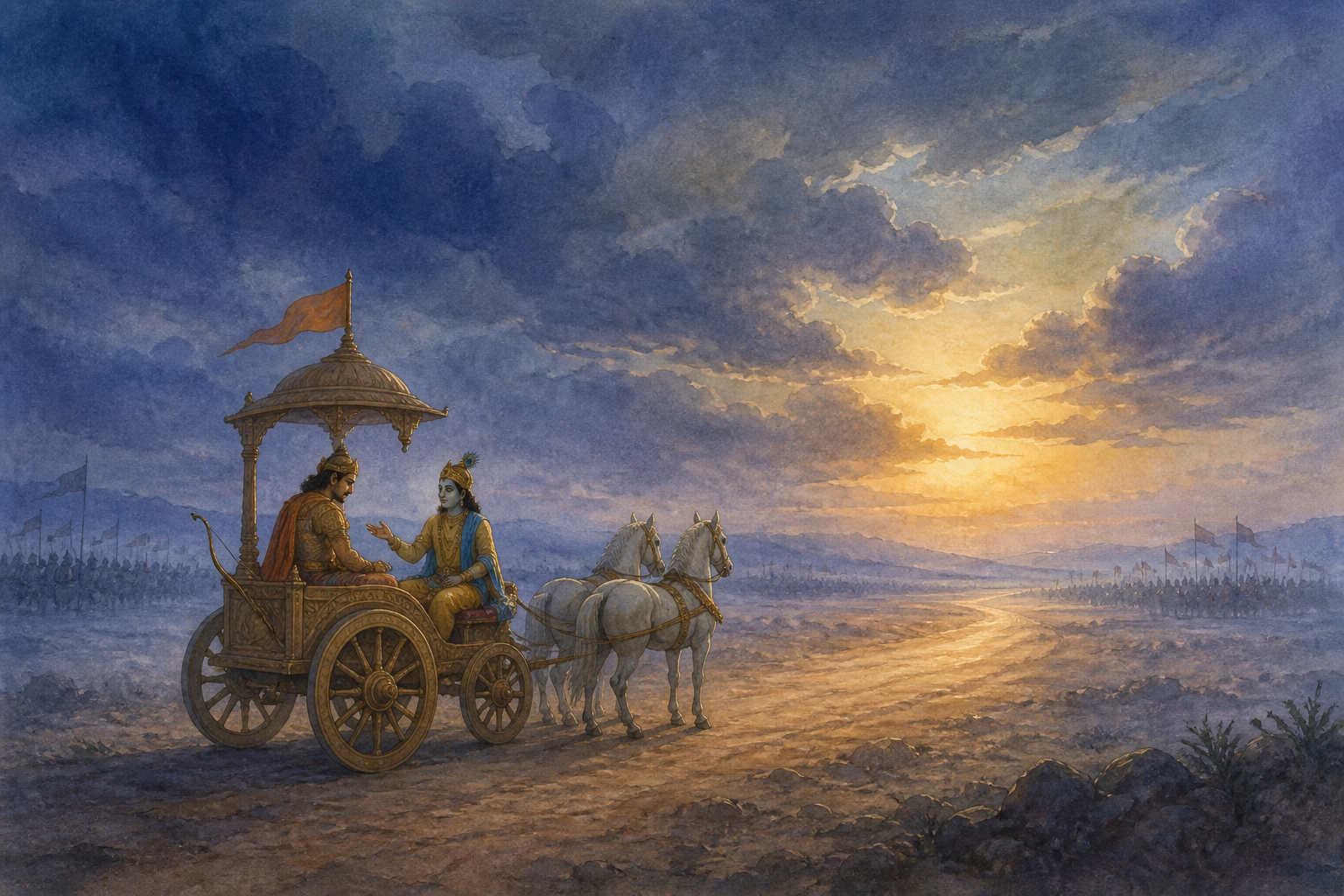
Gita Jayanti 2025 will be observed on Monday, December 1, aligning with Shukla Paksha Ekadashi in Margashirsha, also known as Mokshada Ekadashi. The day commemorates Lord Krishna’s rendering of the Bhagavad Gita to Arjuna at Kurukshetra, revered as a living holy scripture. Observances include Gita parayan, collective recitation, satsang, Ekadashi fasting, and acts of seva…
-
December 8, 2025 Panchang: Krishna Paksha Chaturthi to Panchami—Timings and Insight

December 8, 2025, falls on Krishna Paksha Chaturthi until 9:18 PM, transitioning thereafter to Krishna Paksha Panchami. This timing helps practitioners plan Sankashti Chaturthi observances earlier in the day. The focus on inward clarity, obstacle removal, and steady discipline continues seamlessly into Panchami. Nakshatra, Rashi, and Shubh Muhurat vary by location, so local Panchang references…
-
Shri Ram Idols Unearthed in Sagar Mosque Excavation: Heritage Breakthrough, Path to Harmony

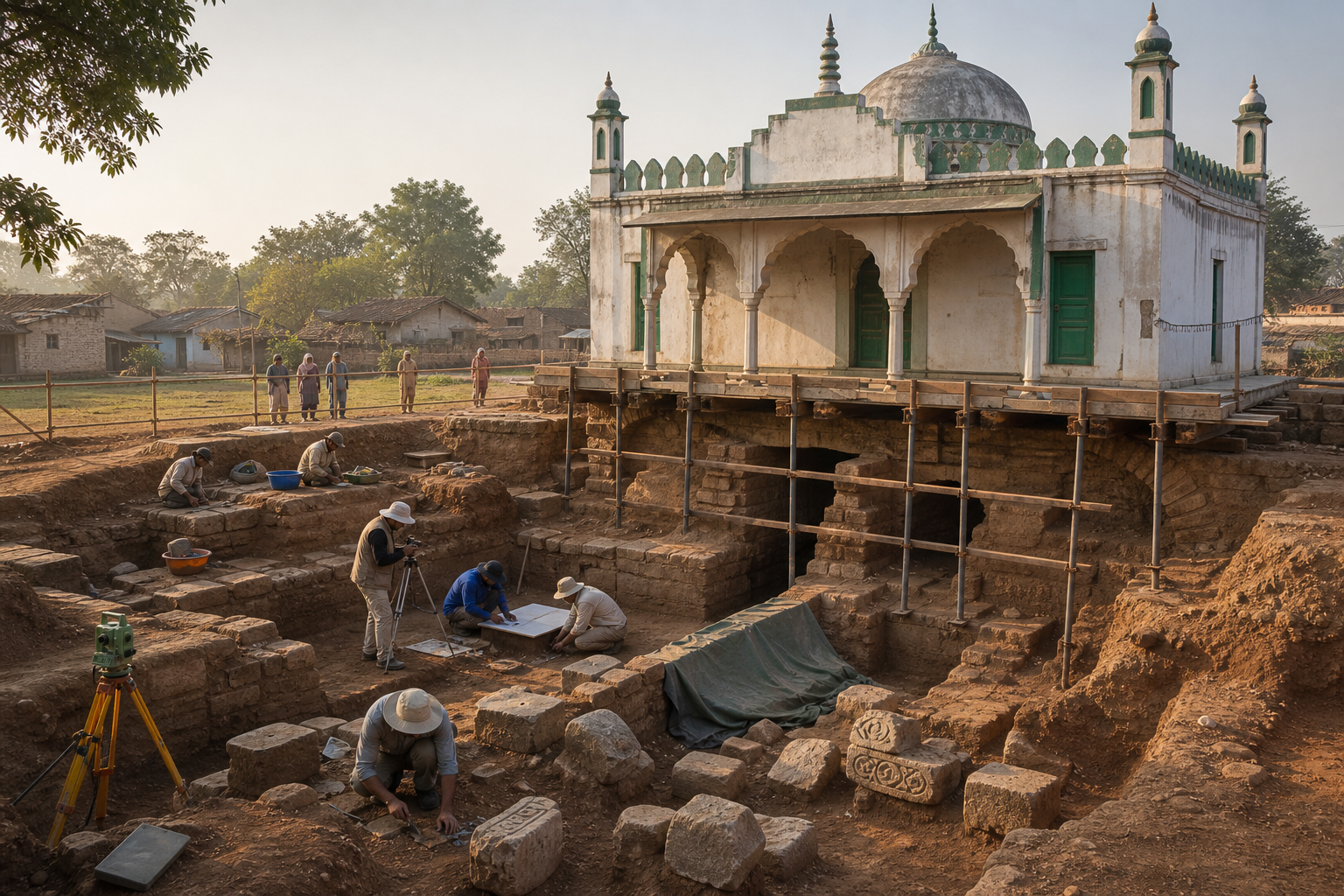
Idols of Shri Ram were reportedly discovered during a mosque excavation in Papred village, Sagar, Madhya Pradesh, prompting calls for recognition of possible earlier temple heritage. The situation highlights the importance of transparent Archaeological Excavation guided by ASI and state heritage bodies. A methodical, expert-led inquiry can establish chronology and Historical Significance while respecting ongoing…
-
Inspiring Youth Surge for Maratha Heritage: 80 Join HJS at Ratnadurg, Govindgad Forts

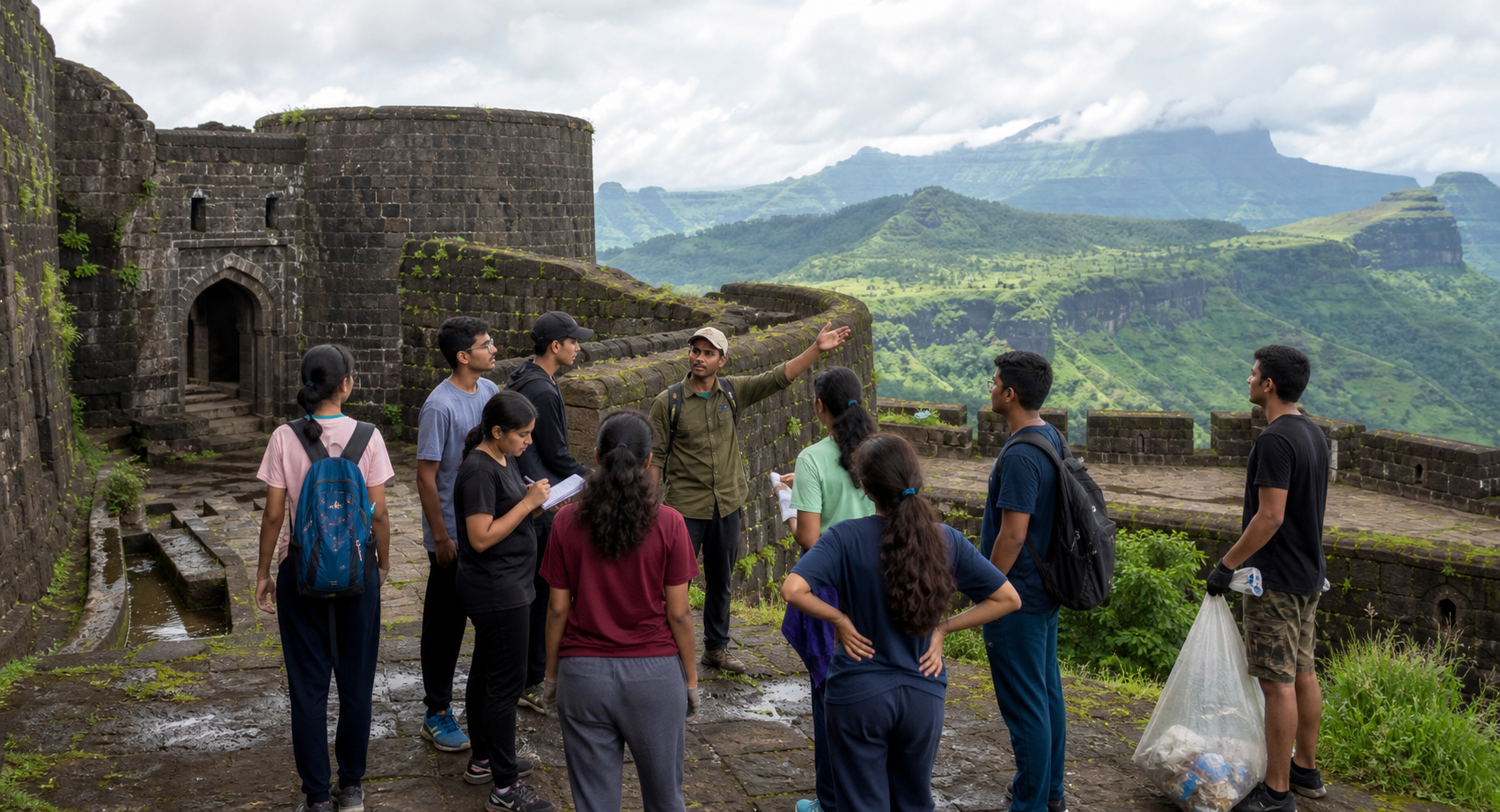
A heritage campaign by Hindu Janajagruti Samiti (HJS) at Ratnadurg and Govindgad Forts brought together 80 young participants to engage deeply with the legacy of Chhatrapati Shivaji Maharaj. Set within Maharashtra’s iconic Maratha-era landmarks, the program connected historical insight with civic responsibility and service. Youth enthusiasm demonstrated how place-based learning strengthens cultural continuity and local…
-
Decoding Śūnya, Bhakti, and Avatāra: Profound Insights from Kashi’s ‘Mad Monk’

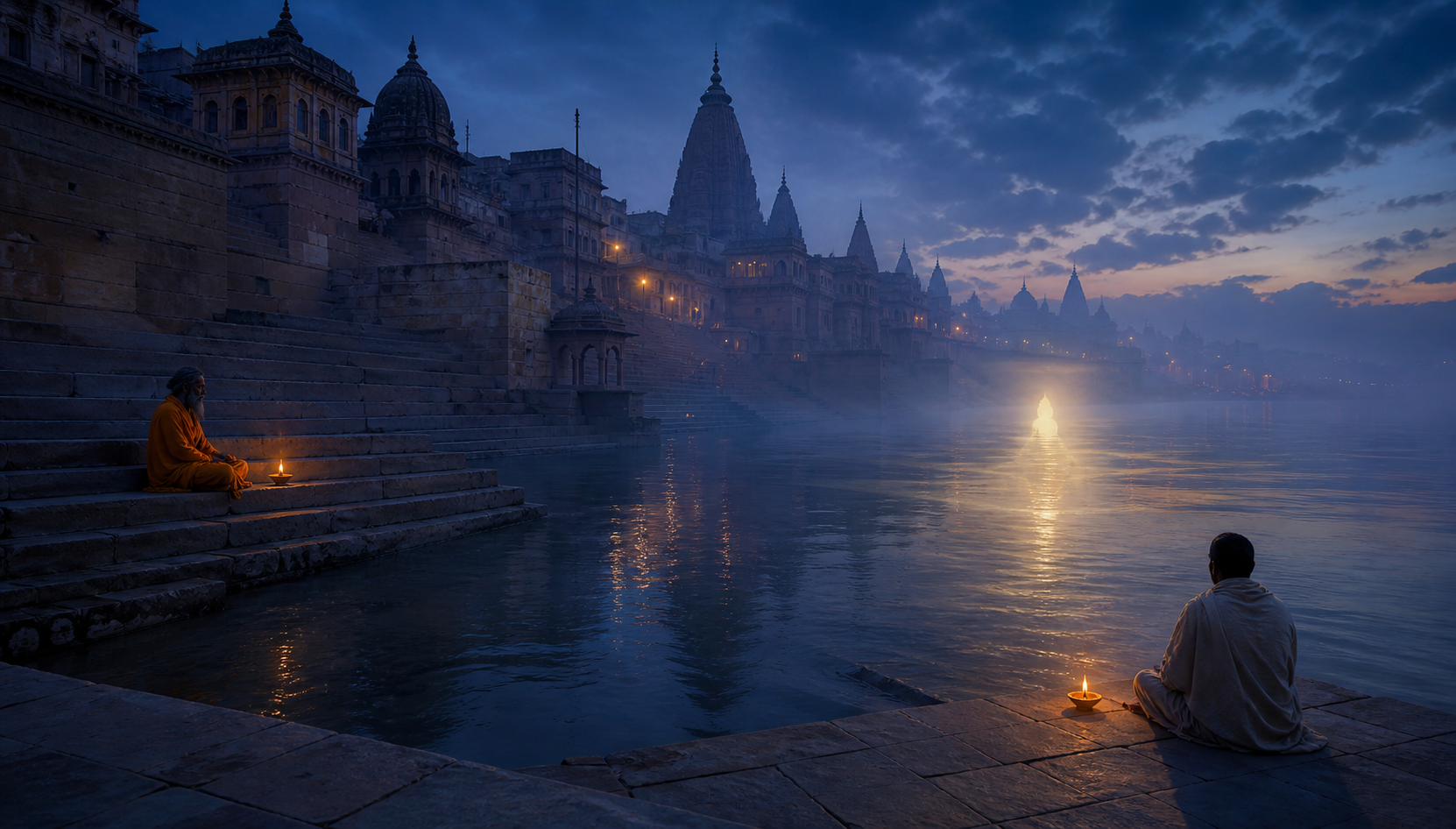
A rare Kashi dialogue with the so-called “Mad Monk” maps creation from Bhāvākāśa to bindu, rekhā, and vṛtta, framing śūnya as a luminous interval rather than mere emptiness. The Sadhu links kāma and prema to two textures of creation, explains how inner blossoming at sahasrāra, anāhata, maṇipūra, or mūlādhāra colours experience, and outlines a tenfold…
-
Beyond Death: Hinduism’s Powerful Answer on Consciousness, Atman, and Rebirth

Hinduism maintains that consciousness (atman) is eternal and survives bodily death, a view grounded in the Upanishads, the Bhagavad Gita, and Vedic philosophy. Karma and reincarnation explain moral continuity across lives, with moksha as the final goal. Lived practices—dhyana, japa, and rites such as antyesti and shraddha—offer emotional resilience during grief and affirm the journey…
-
Goddess Chamunda and Her Jackals: Unmasking Cremation-Ground Power, Fearlessness, and Grace

Goddess Chamunda’s fierce iconography—cremation grounds, skull garlands, and jackals—conveys a precise spiritual message: transformation through fearlessness. The jackals signify liminality and guardianship at life’s thresholds, while the śmaśāna setting urges a direct encounter with impermanence. Read alongside Vajrayana charnel-ground practice, Jain anitya contemplation, and Sikh ideals of nirbhau, the symbolism affirms a shared dharmic insight…
-
Bhagavad-gita in Turkish: A Landmark Translation Advancing Cultural Exchange and Unity

A new Turkish-language edition of the Bhagavad-gita expands access to a seminal Sanskrit scripture for readers in Türkiye and the Turkish-speaking diaspora. The translation supports comparative religion and philosophy, helping students and seekers engage directly with the text. It advances unity in spiritual diversity by highlighting shared ethical themes across Hinduism, Buddhism, Jainism, and Sikhism.…
-
Divine Responsibility and the Yadus: Transformative Lessons from Srimad Bhagavatam 11.1.4

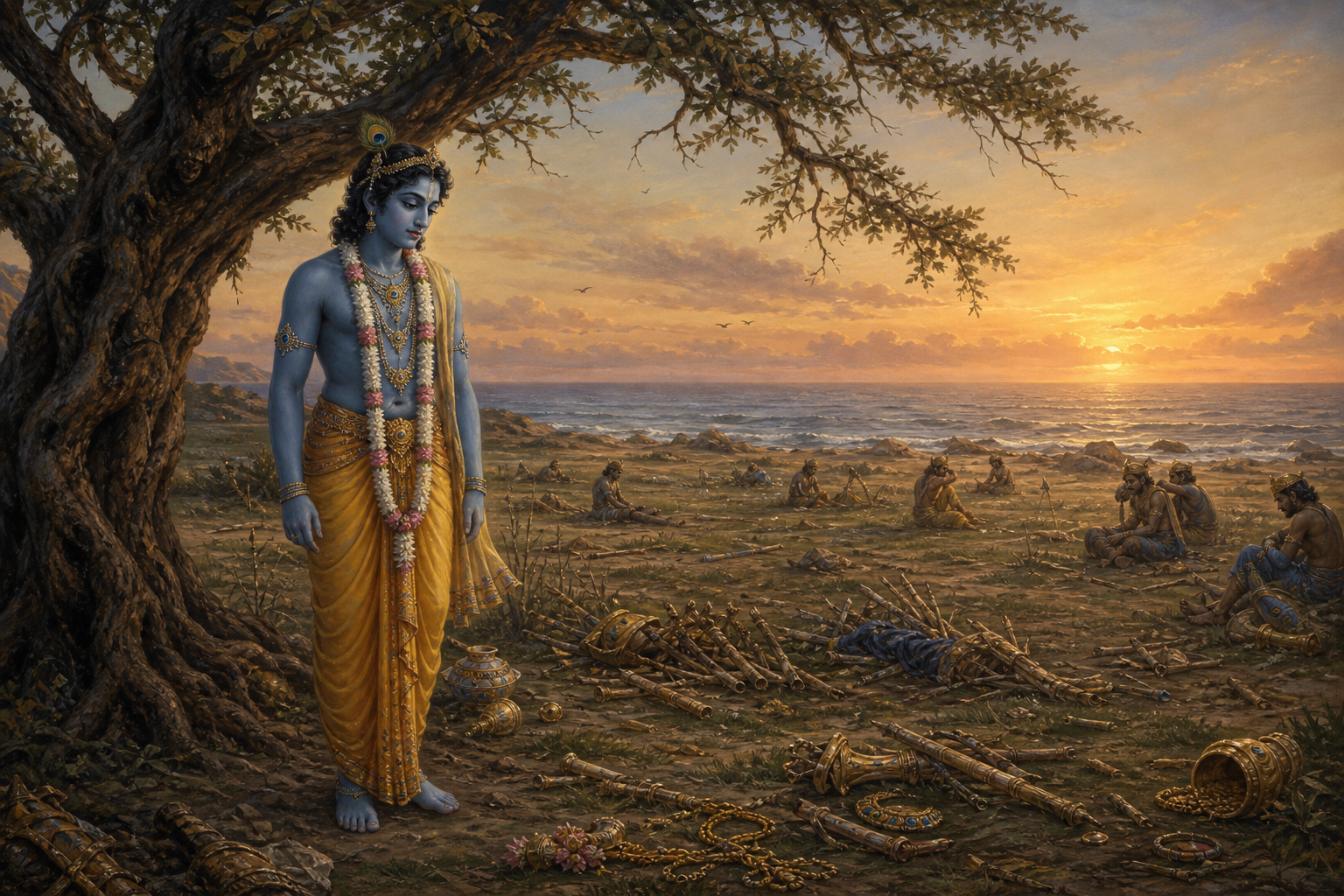
This reflection on Srimad Bhagavatam 11.1.4, presented at ISKCON Juhu by H.H Bhakti Brihad Bhagavat Swami, explains why Lord Krishna did not allow others to end the Yadu dynasty. As His own family, the Yadus could not be destroyed by any being in the universe, not even the demigods, ensuring that no external party accrued…
-
Ramanujacharya’s Bold Vision: How a “Changing” Brahman Enriches Bhakti and Reality

Can the Supreme truly relate and respond without losing perfection? Advaita emphasizes the changeless Absolute, while Viśiṣṭādvaita affirms a relational oneness in which Brahman’s essence remains immutable but the inseparable modes (cit and acit) undergo real change. This nuance, central to Ramanujacharya’s Śrī-bhāṣya, reconciles creation passages in the Upaniṣads, safeguards the reality of ethics and…
-
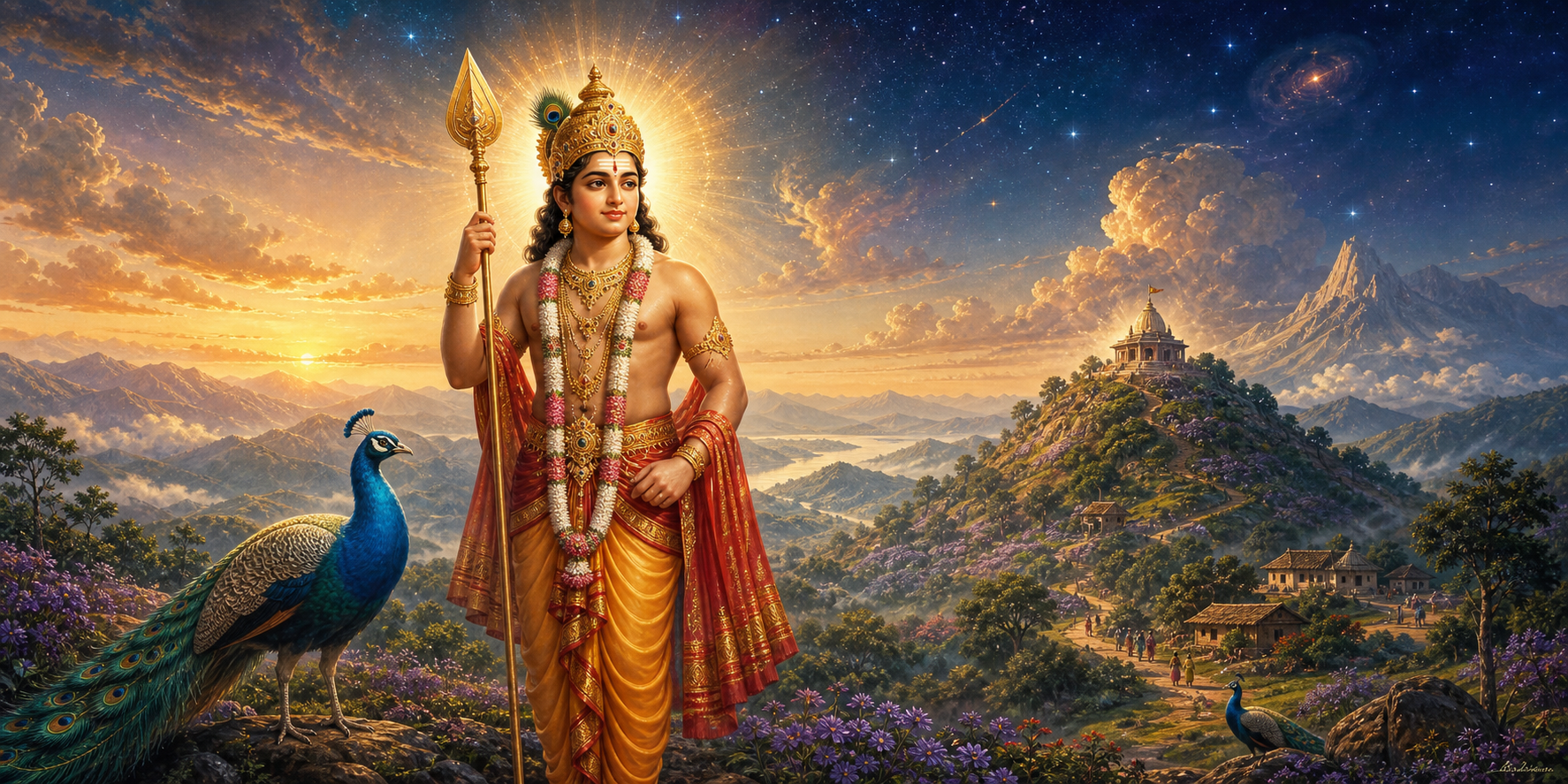
Murugan’s Many Faces: Skanda Purana vs. Tamil Sangam—Hidden Harmonies and Truths

This essay explores Murugan’s dual portrayal in the Skanda Purana and Tamil Sangam literature, revealing complementarities rather than contradictions. It shows how the cosmic commander of the devas and the intimate hill-god of the kurinji landscape express a single spiritual essence. Readers gain clear historical and textual context that links pan-Indian Puranic frameworks with local…
-
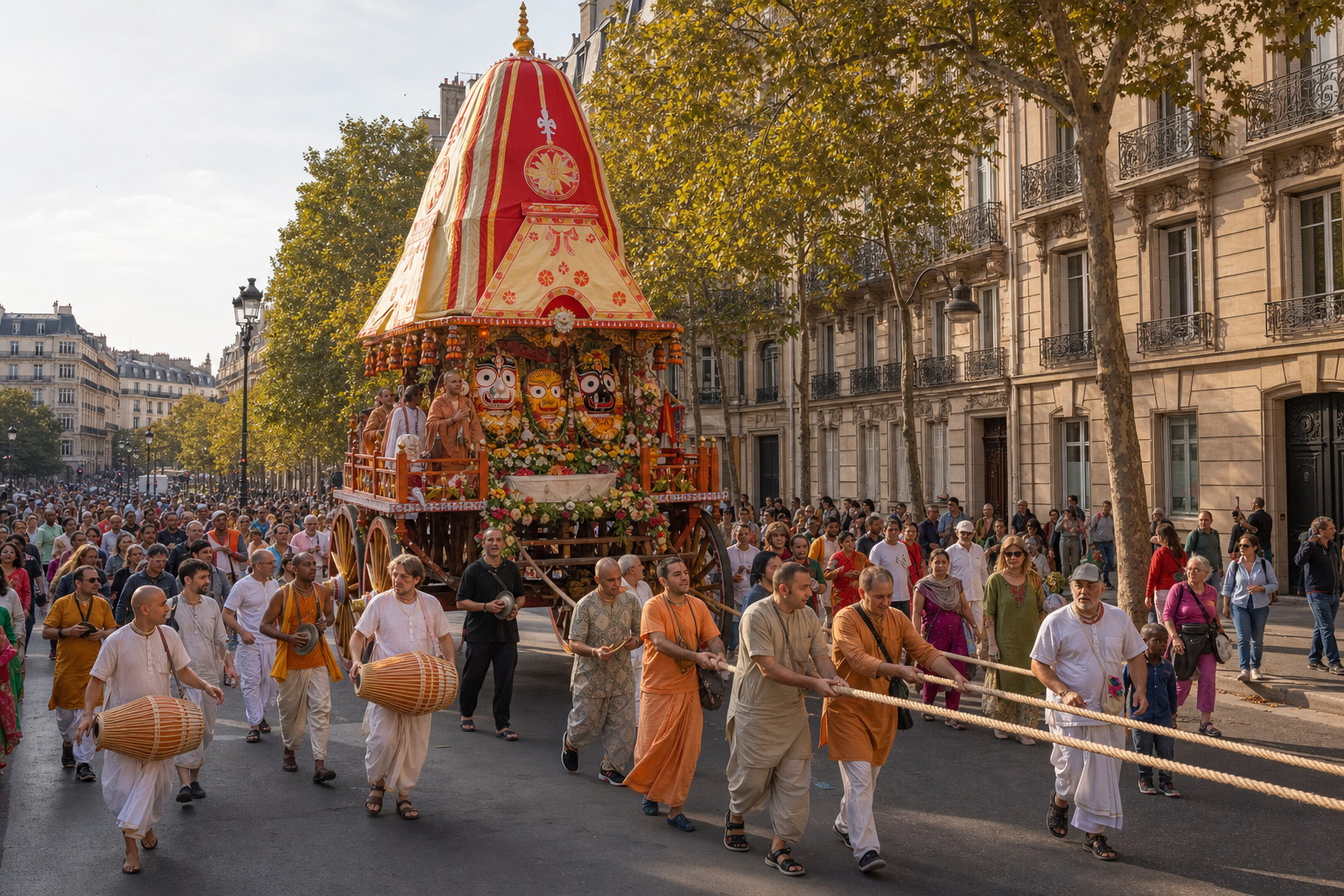
Paris Bhakti Festival: Hare Krishna Ratha Yatra, Living Devotion and Dharmic Harmony

Set against Paris’s cosmopolitan backdrop, the Paris Bhakti Festival and Hare Krishna Ratha Yatra present bhakti yoga as a living, participatory tradition. The public procession of Lord Jagannath, accompanied by kirtan and vibrant offerings, invites residents and visitors to join in a shared experience of devotion. Rooted in Srila Prabhupada’s vision, the festival demonstrates how…
-
Ethical Conduct that Inspires Trust: A Dharmic Guide to Confidence and Social Harmony

Ethical conduct, grounded in dharma, fosters trust, confidence, and social harmony across Hinduism, Buddhism, Jainism, and Sikhism. Practicing virtues like satya, ahimsa, compassion, and seva makes ethics practical and visible in everyday life. Consistent ethical action builds credibility, strengthens relationships, and enhances institutional legitimacy. Classical teachings—from the Bhagavad Gita and Upanishads to the yamas and…
-
Why God Means Many Things: Hinduism’s Profound Inclusivity and Dharmic Unity, Explained
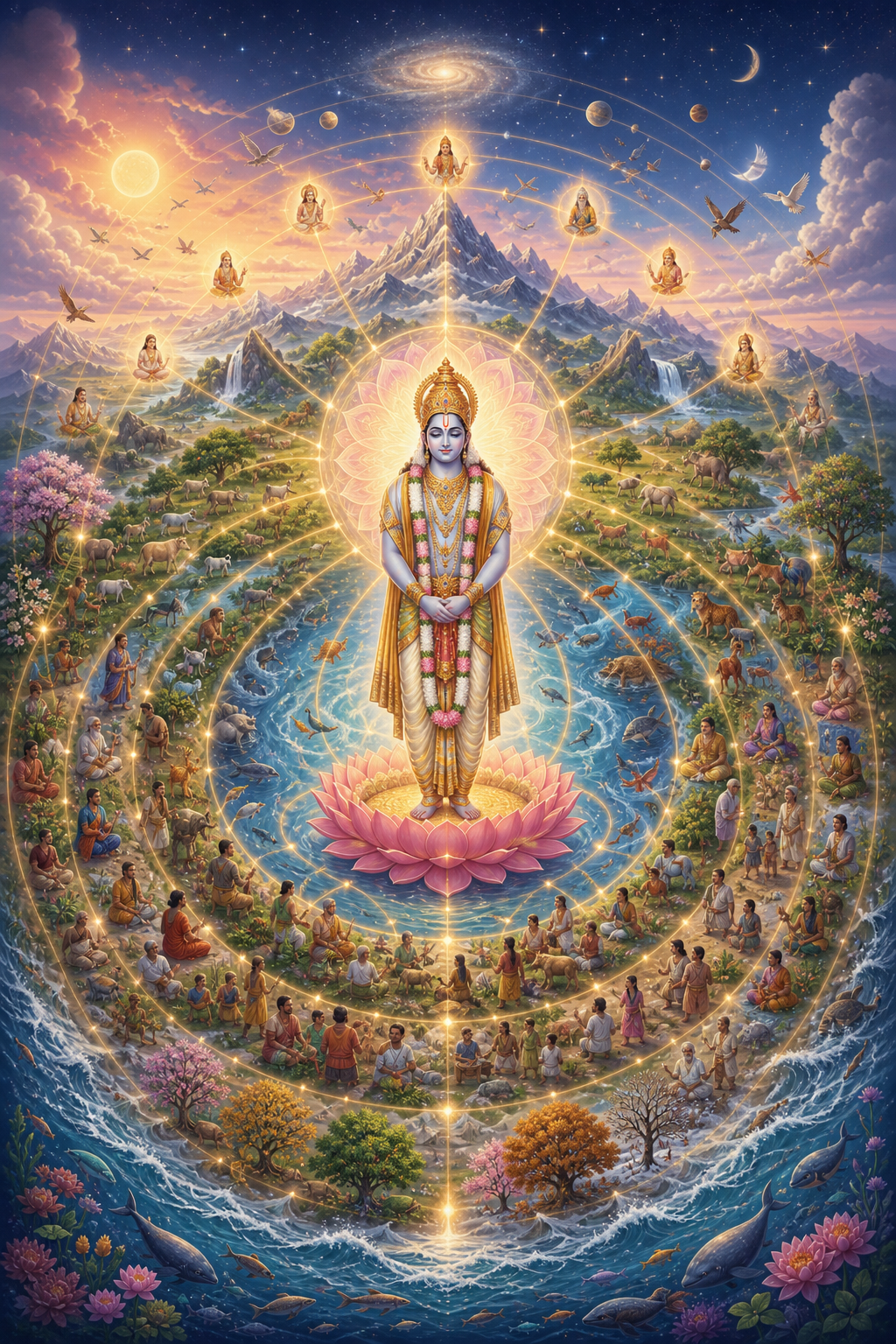
Hinduism presents a spacious, many-sided understanding of the Divine, where God may be personal and impersonal, with form and beyond form. Anchored in the Upanishads and the Bhagavad Gita, it honors multiple authentic paths through the concept of Ishta in Hinduism. Philosophical streams—Advaita, Viśiṣṭādvaita, and Dvaita—map different facets of one spiritual landscape without contradiction. This…
-
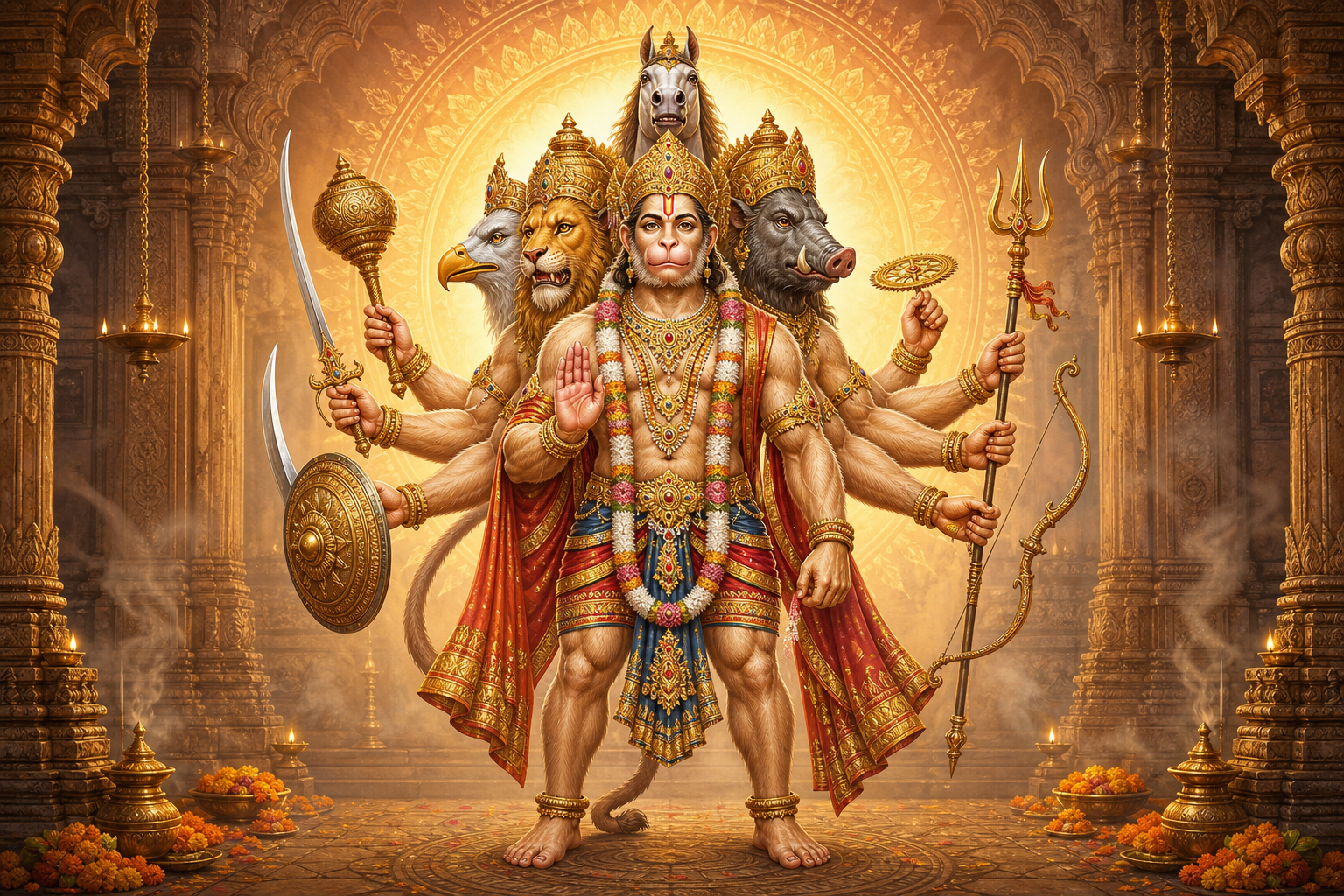
Panchmukhi Hanuman Unveiled: Powerful Symbolism of Five Divine Directions and Protection

Panchmukhi Hanuman, the five-faced form of Hanuman, symbolizes protection and guidance across the five directions while uniting devotion, courage, vigilance, stability, and knowledge. Each face—Hanuman, Narasimha, Garuda, Varaha, and Hayagriva—embodies a distinct spiritual energy that supports daily practice and contemplative focus. The form resonates with core Indic ideas such as the five elements, five vital…
-
December 7, 2025 Panchang: Krishna Paksha Tritiya, Shubh Muhurat, Nakshatra & Rashi Auspicious Guide

December 7, 2025 features Krishna Paksha Dwitiya until 12:51 AM, then shifts to Krishna Paksha Tritiya for the remainder of the day. The date favors calm, reflective practices across dharmic traditions, including puja, japa, and seva. Shubh Muhurat, Nakshatra, and Rashi are best taken from locally computed Panchang values due to regional variations. Morning (pratah…
-
Deathbed Visions or Hallucinations? A Compassionate Dharmic Guide to the Final Journey

This article clarifies the difference between deathbed visitations and hallucinations through a Hindu and broader Dharmic lens, combining scriptural insights with contemporary hospice observations. It outlines clear phenomenological markers—such as serenity, coherence, and value alignment—that can help families distinguish spiritually meaningful visions from delirium. The discussion highlights convergences across Hinduism, Buddhism, Jainism, and Sikhism, fostering…