
-
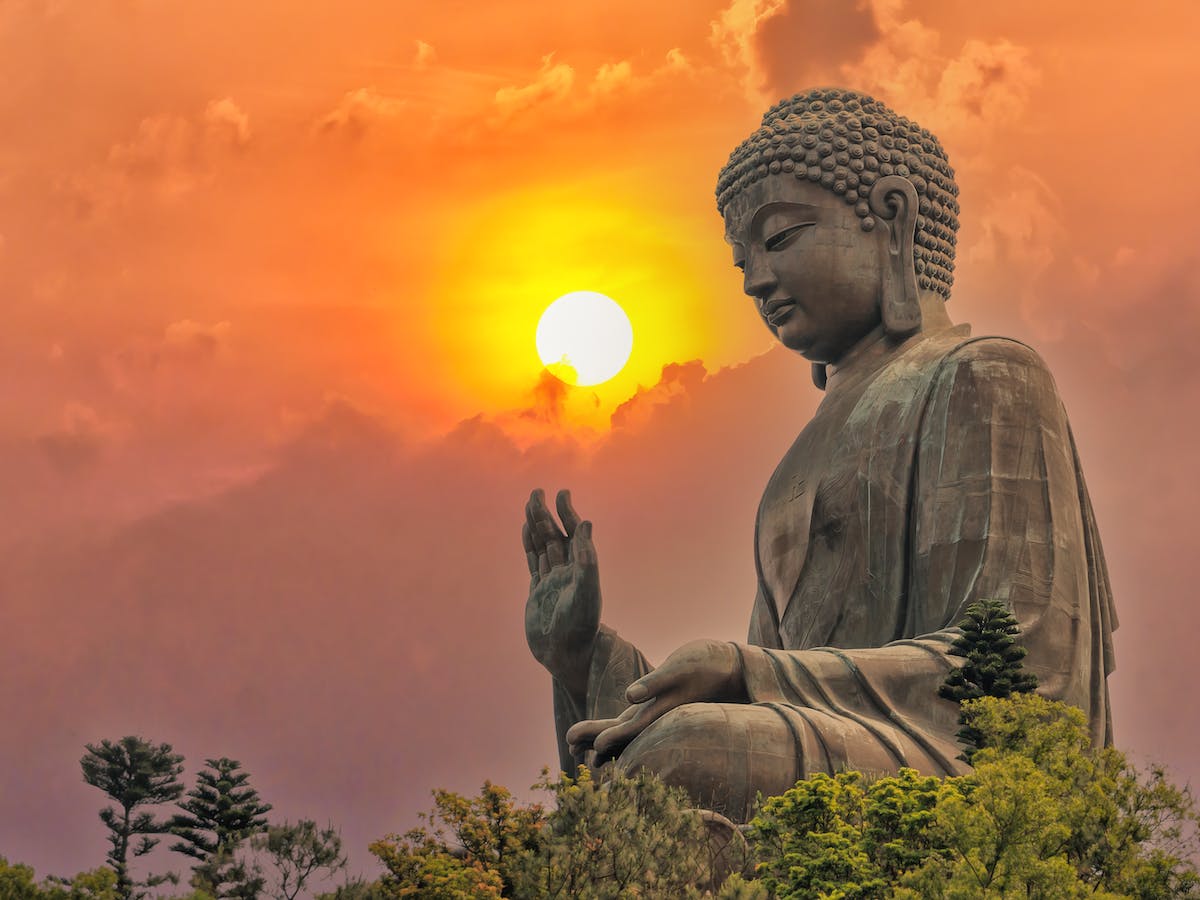
Buddha Purnima: Celebrating the Life and Teachings of the Buddha
Read more: Buddha Purnima: Celebrating the Life and Teachings of the BuddhaBuddha Purnima, also known as Vesak or Buddha Jayanti, is one of the most important festivals in the Buddhist calendar. It commemorates the birth, enlightenment, and death of the Buddha, Siddhartha Gautama, who lived in ancient India over 2500 years ago. Buddha Purnima is celebrated in many countries around the world, including Nepal, India, Sri…
-
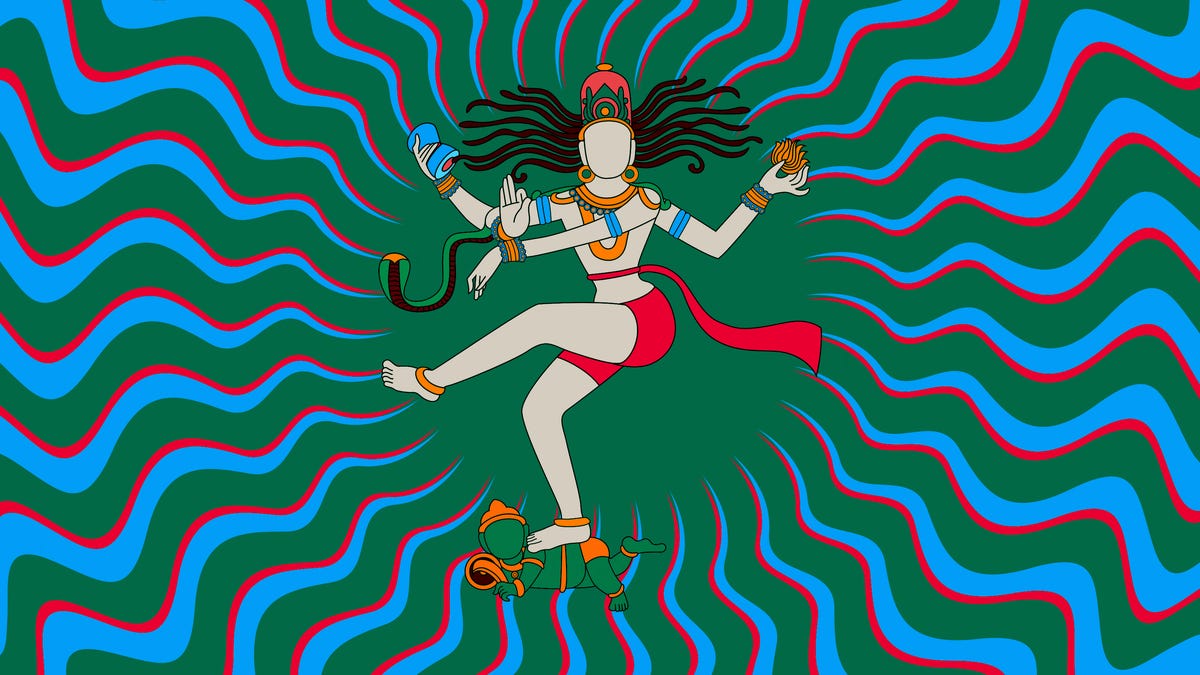
What Bharat offers to the world on International Dance Day
Read more: What Bharat offers to the world on International Dance DayBharat is a land of diverse cultures and traditions, each with its own unique dance form. From the energetic Bhangra of Punjab to the graceful Mohiniyattam of Kerala, the colorful Garba of Gujarat to the soulful Sattriya of Assam, every dance form reflects the rich heritage and history of its respective region. However, amidst this…
-
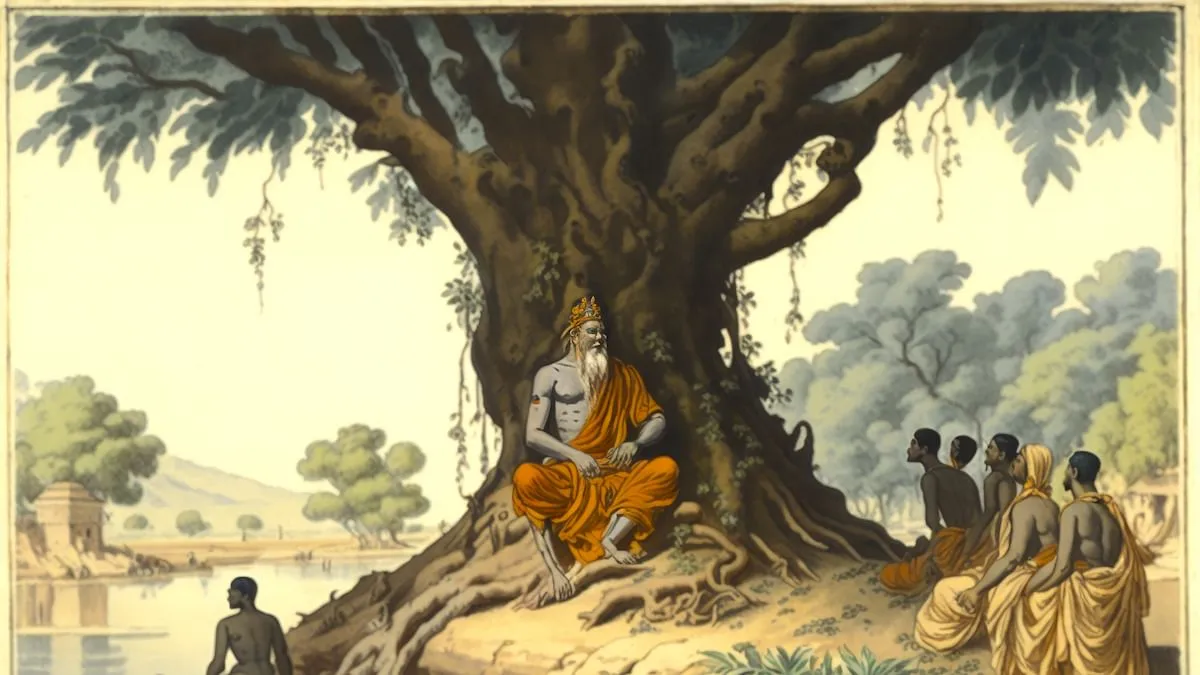
Dharmic Education is Realisation and not mere Learning
Read more: Dharmic Education is Realisation and not mere LearningIn the Sanatana theory and practice, education was not merely learning but realisation. Literacy was merely one subset of it. One of the fundamental questions that our Dharmasastras pose and answer is this: who knows the secret of Dharma and its most accurate application in life? The answer: that illiterate old woman in the village.…
-

Shree Sita Navami
Read more: Shree Sita NavamiSita Navami is an important Hindu festival that celebrates the birth anniversary of Goddess Sita. It is celebrated on the Navami Tithi (ninth day) of the Shukla Paksha (waxing phase of the moon) in the month of Vaishaka (April-May). Goddess Sita is considered to be the incarnation of Goddess Lakshmi and the wife of Lord…
-
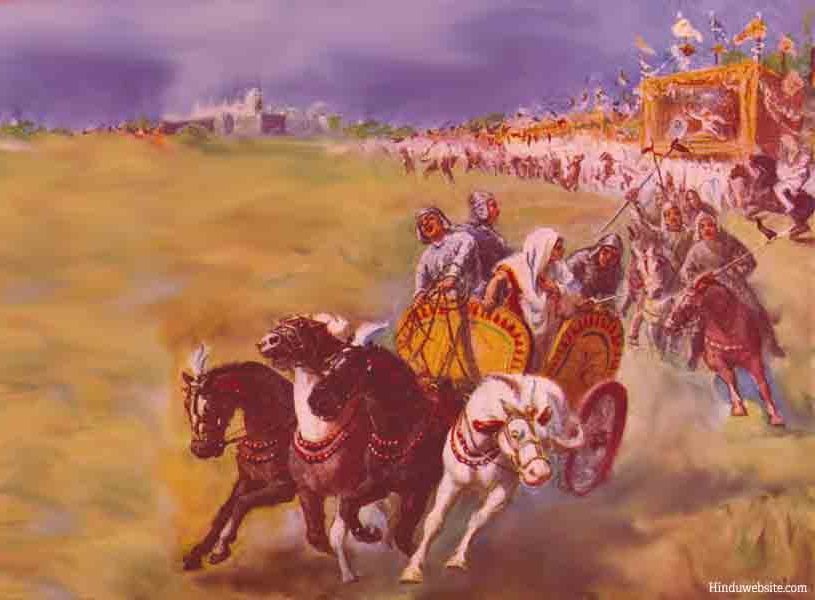
Aryan Invasion Theory (AIT), Indo-Aryan Migration Theory (IAMT) and the Indigenous Aryan Theory (IAT): What we know so far
Read more: Aryan Invasion Theory (AIT), Indo-Aryan Migration Theory (IAMT) and the Indigenous Aryan Theory (IAT): What we know so farThe origins of the Indo-European languages, which include many of the world’s major language families, have been the subject of much debate and speculation among scholars for over a century. Three theories have emerged to explain the origins of the Indo-European languages in the context of India: the Aryan Invasion Theory, the Indo-Aryan Migration Theory,…
-
Martial Arts in Sanatana Dharma: A Comprehensive Guide
Read more: Martial Arts in Sanatana Dharma: A Comprehensive GuideSanatana Dharma is a term used to describe the ancient Indian tradition that encompasses Hinduism, Jainism, Buddhism, and Sikhism. These religions share many fundamental principles and values, including the importance of physical and mental discipline, self-defense, and protection of one’s community. Martial arts have played a significant role in the culture and history of Sanatana…
-

Why a Dharmic Education for Hindu Children in an Woke Pandemic Era is Urgent
Read more: Why a Dharmic Education for Hindu Children in an Woke Pandemic Era is UrgentRediscovering the ideal and roots of our Dharmic education is an urgent imperative to prevent Hindu children from getting sucked into the Woke blackhole. In the context of this essay, one of the central goals of our ancient ideal of education was to create a Praja, or a citizen in the truest sense of the…
-
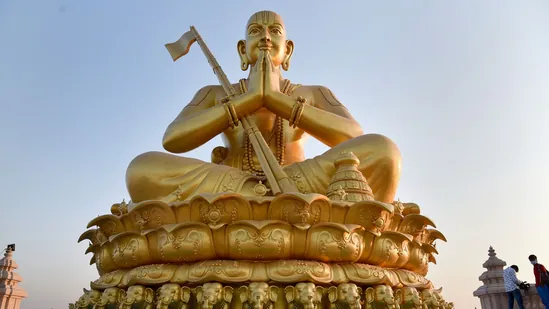
Ramanujacharya Jayanti: Celebrating the Life and Teachings of a Great Saint
Read more: Ramanujacharya Jayanti: Celebrating the Life and Teachings of a Great SaintIndia is a land of festivals, and each festival has a unique significance and story behind it. Ramanujacharya Jayanti is one such festival that celebrates the birth anniversary of Ramanujacharya, one of the most prominent saints in Hinduism. This festival is celebrated with great enthusiasm and devotion in various parts of India, especially in the…
-
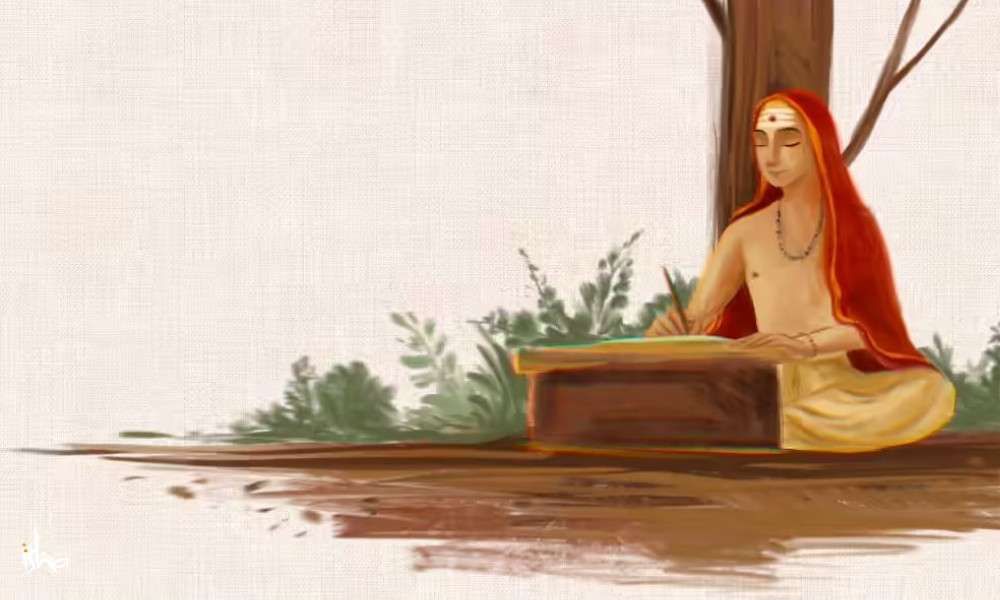
Shankaracharya Jayanti: Celebrating the Life and Teachings of a Great Sage
Read more: Shankaracharya Jayanti: Celebrating the Life and Teachings of a Great SageShankaracharya Jayanti is an important Hindu festival that celebrates the birth anniversary of Adi Shankaracharya, a great saint and philosopher who lived in Bharat more than a thousand years ago. Shankaracharya is widely regarded as one of the most influential figures in the history of Hinduism, and his teachings continue to inspire and guide spiritual…
-
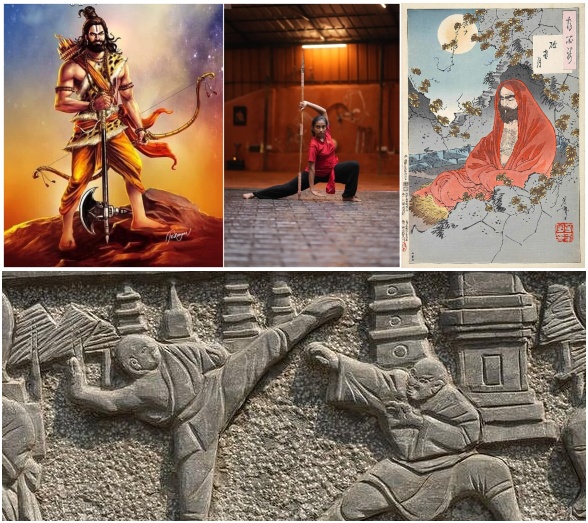
Lord Parashuram, Kalaripayattu, Bodhidharma and Kung-Fu
Read more: Lord Parashuram, Kalaripayattu, Bodhidharma and Kung-FuKalaripayattu is an ancient martial art that originated in the southern Indian state of Kerala, and it is widely regarded as one of the oldest martial arts in the world. The art has been practiced and developed for over 3000 years, and its techniques have been used in warfare, self-defense, and physical fitness. Kalaripayattu is…
-
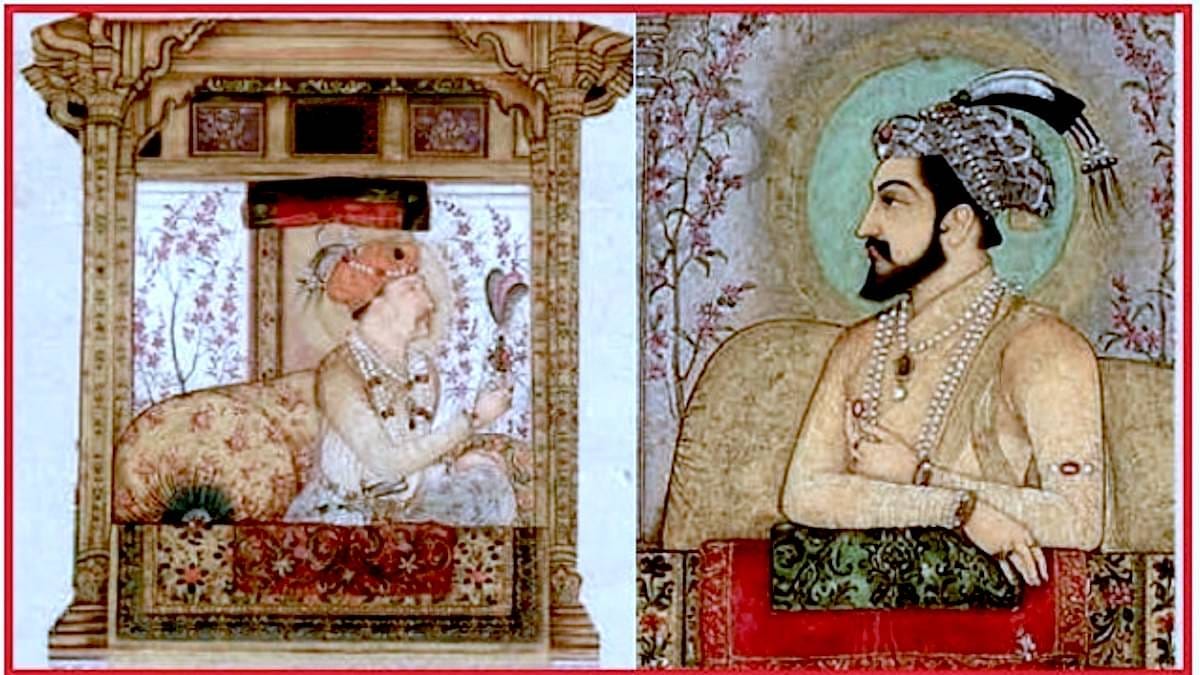
The Rot is Deeper than Including or Dropping Lessons on the Mughals in History Textbooks
Read more: The Rot is Deeper than Including or Dropping Lessons on the Mughals in History TextbooksCommentary on the recent controversy over dropping the chapters on Mughal history from NCERT textbooks. It is the mudslinging season again over history lessons, for a fundamental reason. History was one of the most powerful weapons that the Congress-Left combine had used in order to maintain its hegemony over political power for more than half…
-
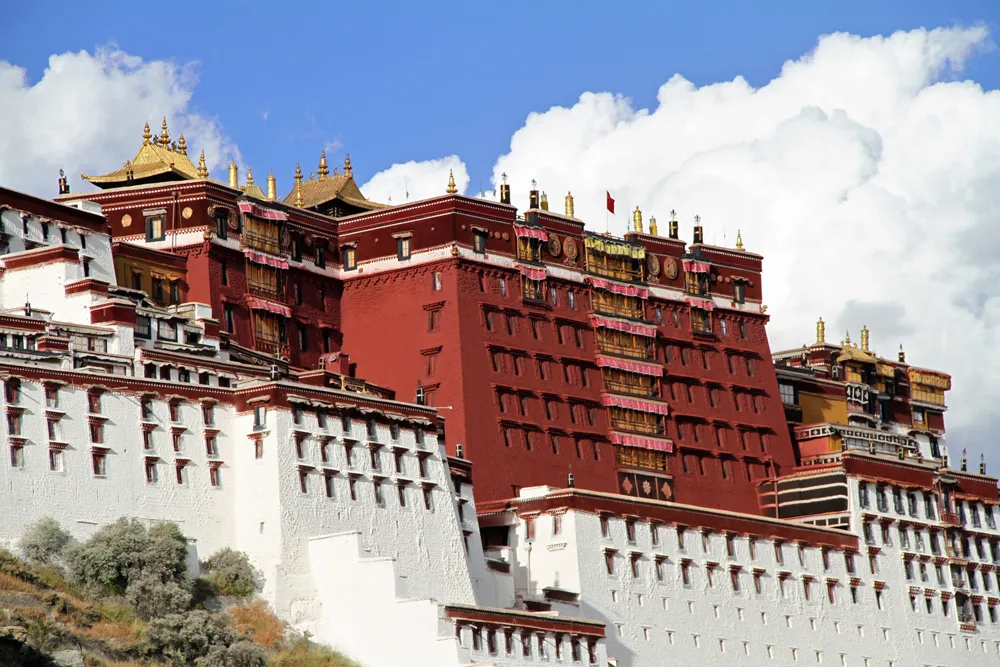
Nehru’s Tibetan Blunder
Read more: Nehru’s Tibetan BlunderJawaharlal Nehru had the power to oppose the Chinese invasion of Tibet, instead he turned a blind eye and became a Chamberlain. On August 20, 1950 Chou En-Lai was of the opinion that the liberation of Tibet was a sacred Chinese duty, but that would be done only via negotiations. On October 7, 1950, the…
-
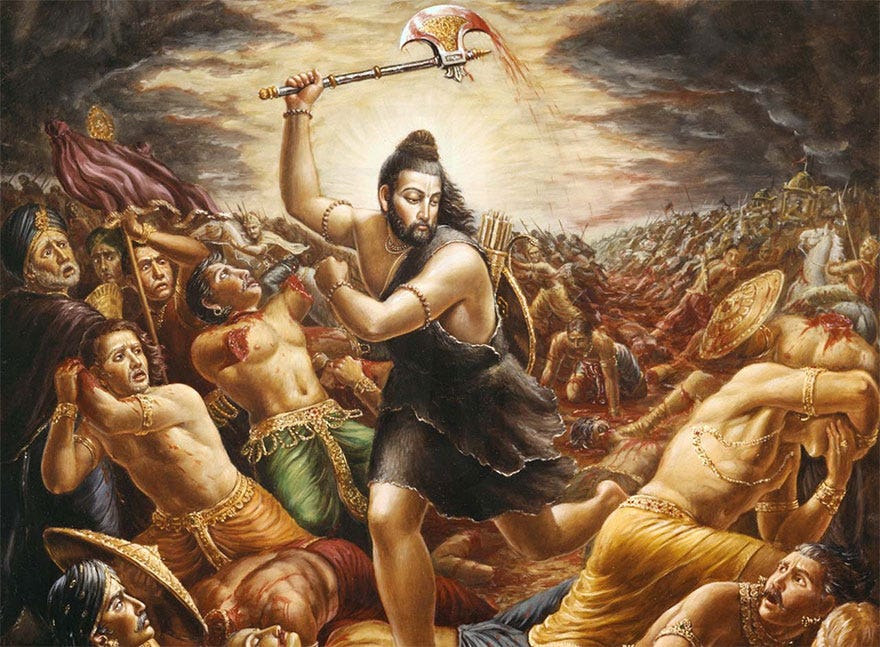
Parashuram Jayanthi – Tribute to the warrior god that fought for the common good
Read more: Parashuram Jayanthi – Tribute to the warrior god that fought for the common goodParashuram Jayanthi is celebrated on the third day of the Hindu month of Vaishaka, which usually falls in late April or early May. This day is dedicated to Lord Parashuram, who is considered the sixth avatar of Lord Vishnu in Hinduism. Lord Parashuram is revered as a warrior god who fought for the common good…
-
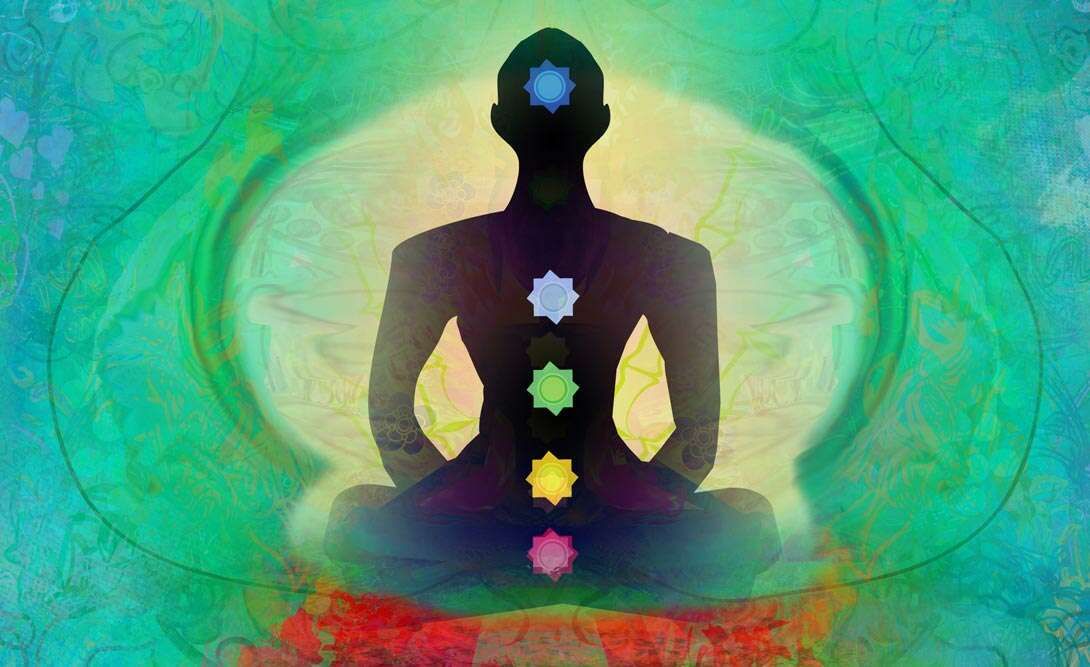
The Role of Meditation in Sanatan Dharma
Read more: The Role of Meditation in Sanatan DharmaSanatana Dharma – Hinduism & its various sects, Buddhism, Jainism, and Sikhism; is a vast and ancient spiritual tradition that has its roots in the Indian subcontinent. Despite their differences in rituals, practices, and beliefs, all of these religions share some commonalities, one of which is the emphasis on meditation and self-realization. In this blog…
-
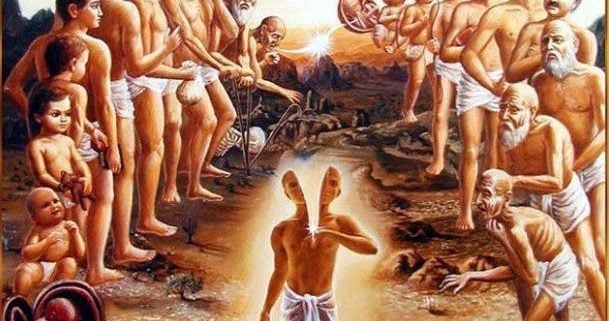
Karma-Siddhanta and its Significance in Sanatana Dharma
Read more: Karma-Siddhanta and its Significance in Sanatana DharmaThe concept of karma is a fundamental aspect of Sanatana Dharma, which includes Hinduism, Buddhism, Jainism, and Sikhism. Each of these religions has its own unique perspective on karma, but they all share some commonalities. In this blog post, we will explore the concept of karma in each of these religions, its significance, and its…
-
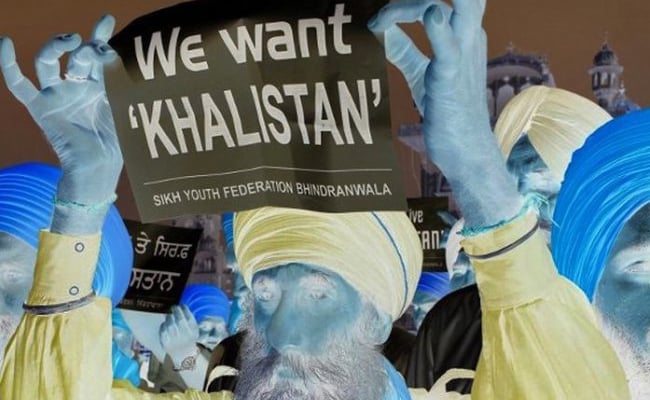
K2 Project and the Pakistani Senate
Read more: K2 Project and the Pakistani SenateThe K2 project, also known as the Kashmir-Khalistan conspiracy, has been the subject of much debate and speculation in recent years. Pakistan’s intelligence agency, Inter-Services Intelligence (ISI), is supporting separatist movements in the Indian regions of Jammu and Kashmir and Punjab. Government of Pakistan is sponsoring terrorism and destabilizing the region which has led to…
-
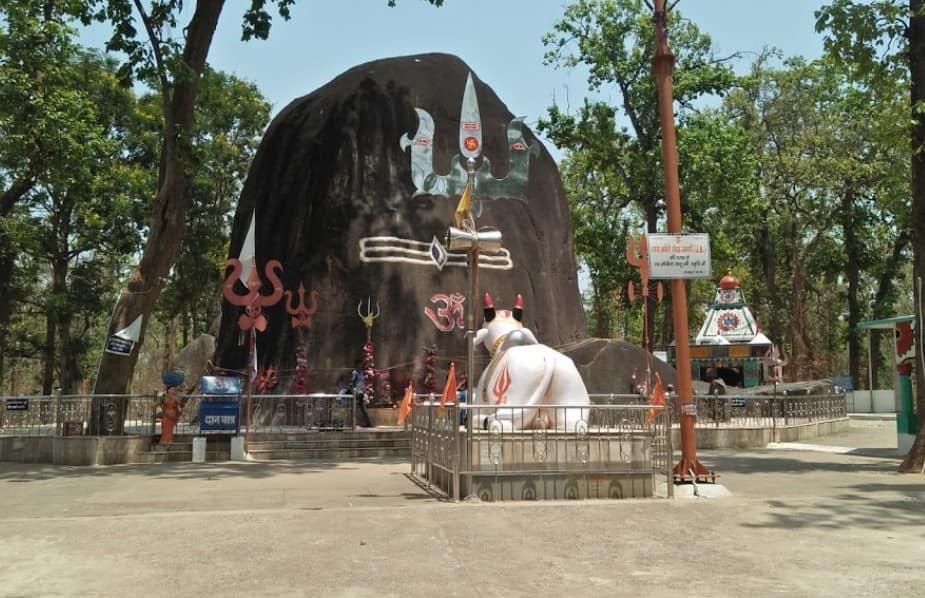
The Worship of Shiva Linga in Sanatan Dharma
Read more: The Worship of Shiva Linga in Sanatan DharmaShiva Linga worship is a practice that has been a part of Hinduism for centuries, and yet it remains a controversial and often misunderstood aspect of the religion. At the heart of this controversy is the idea that the Shiva Linga, a symbol of Lord Shiva, represents the male reproductive organ, and that its worship…
-
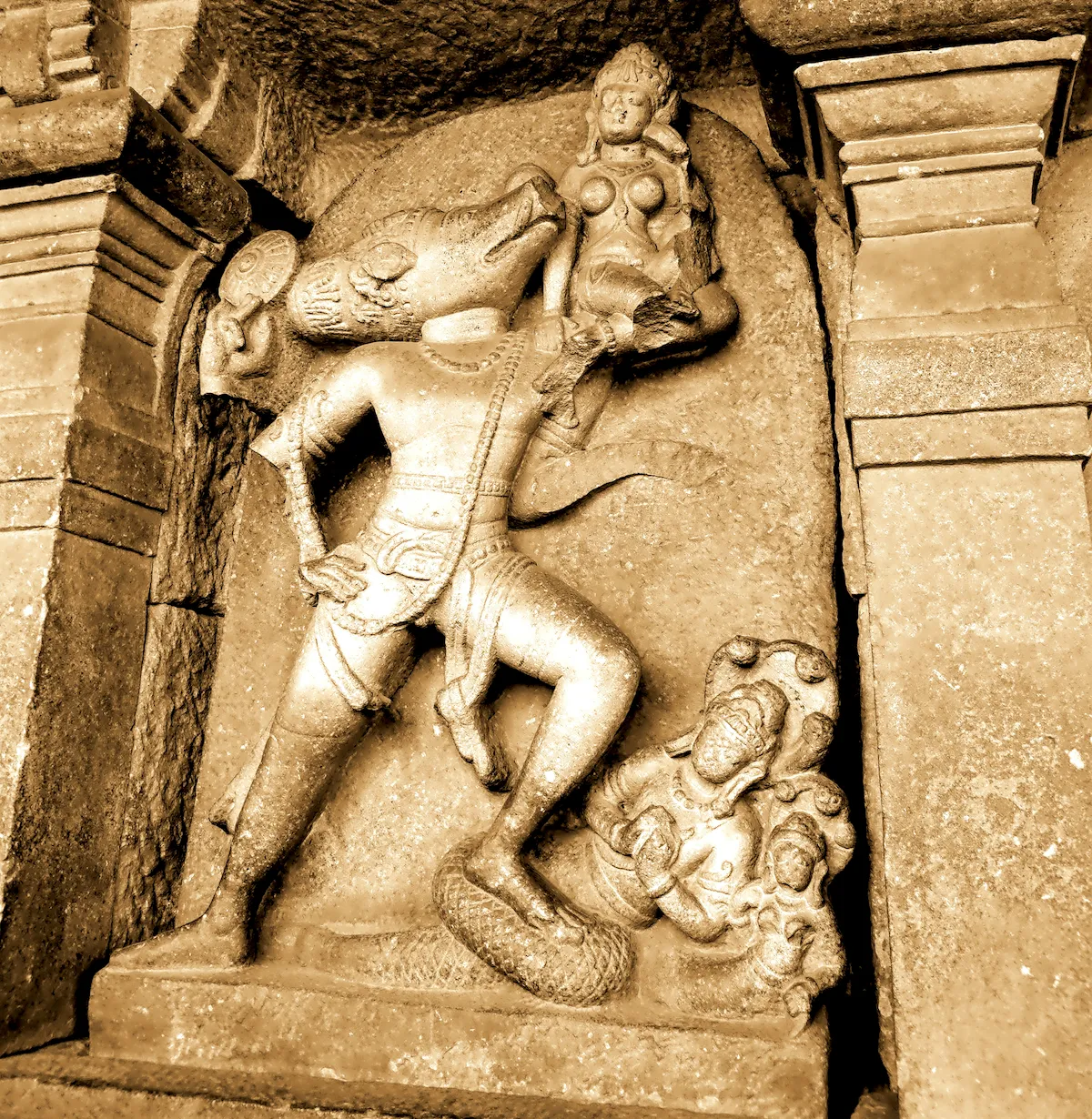
What happens if you loot a Sanatan temple?
Read more: What happens if you loot a Sanatan temple?One of the distinctive features of the protracted Muslim rule in medieval India was the heartless manner in which it comprehensively impoverished Sanatan —physically, spiritually, morally, culturally, and economically. This impoverishment was by design, and it was largely faithful to the tenets of Islamic statecraft and polity, which mandated zimmi (or dhimmi) status to non-Muslims…
-
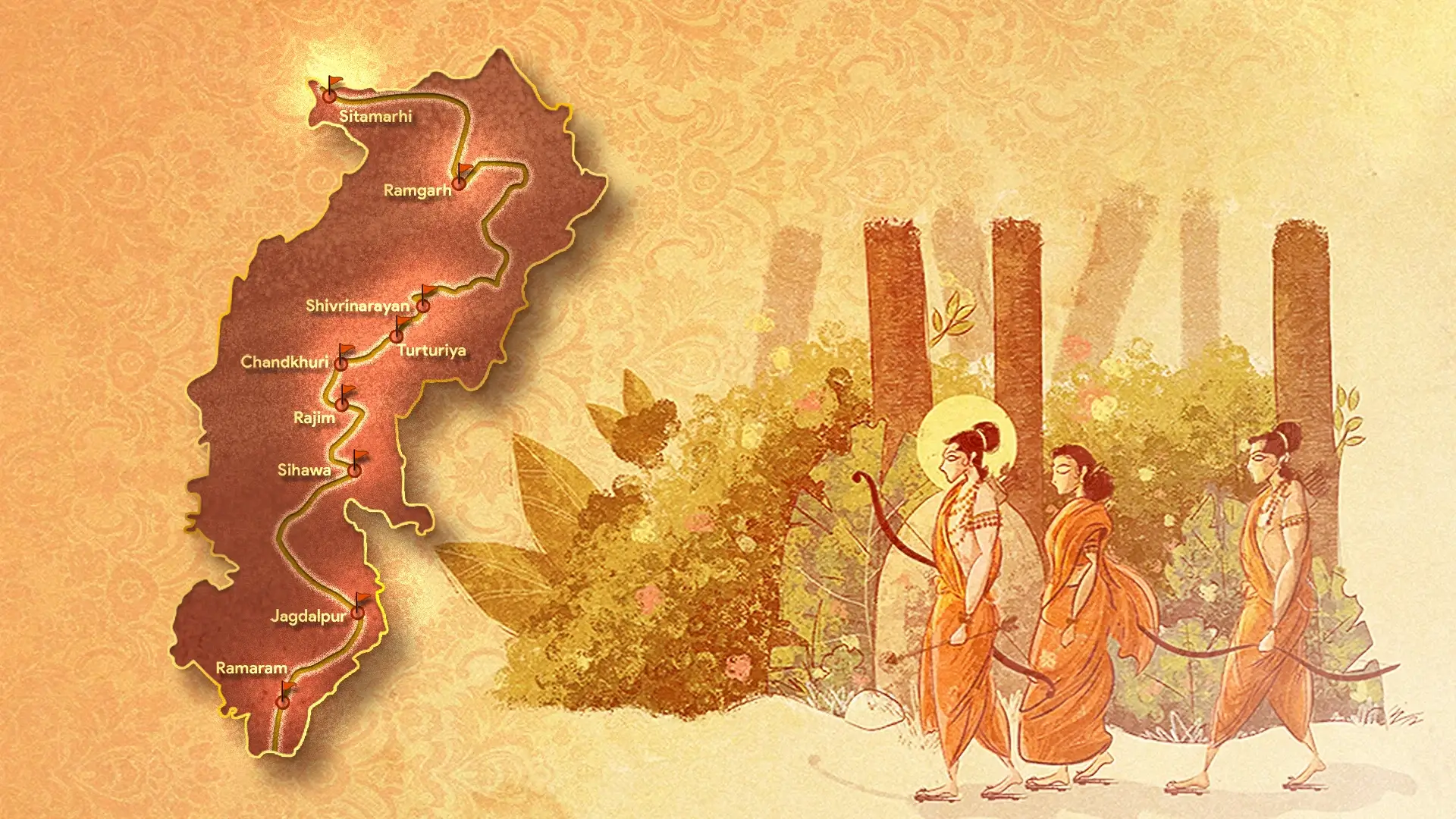
Tracing the Route of Lord Shri Ram’s Vanvaas
Read more: Tracing the Route of Lord Shri Ram’s VanvaasIn Sanatan Itihaas – Ramayana, Lord Shri Ram is considered one of the most revered and worshipped deities. He is known as the seventh avatar of Lord Vishnu and is believed to have taken birth on Earth to restore Dharma or righteousness. Lord Shri Ram’s life is an inspiring tale of courage, sacrifice, and devotion,…
-

Atman in Karmic Religions
Read more: Atman in Karmic Religionsatman, (Sanskrit: “self,” “breath”) one of the most basic concepts in Sanatan, the universal self, identical with the eternal core of the personality that after death either transmigrates to a new life or attains release (moksha) from the bonds of existence. As Karmic religions like Hinduism (and its various sects), Jainism, Buddhism & Sikhism arose…
-
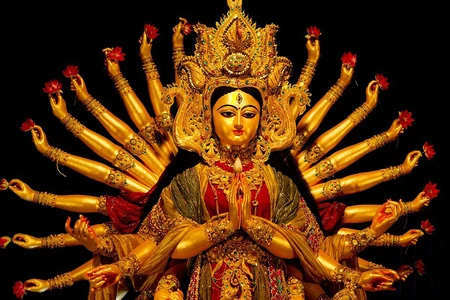
Navaratri and it’s broad spectrum dharmic influence
Read more: Navaratri and it’s broad spectrum dharmic influenceAccording to our ancient Sanatani scriptures which are the Saptasudhi, the theory of the Navratri festival has been described. We are normally aware of two types of Navratri that are Chaitra Navratri and Shardiya Navratri. But, you will be amazed to hear that Navratri falls four times in a year.
-

Gau Raksha and Indic Unity
Read more: Gau Raksha and Indic UnityCows are considered sacred in Sanatan dharmas because they are believed to embody and represent various virtues and qualities that are valued in Sanatan culture. In Hinduism, the cow is revered as a symbol of wealth, strength, and motherly affection. The Vedas, the oldest Hindu scriptures, refer to the cow as “aghnya,” meaning one that…
-
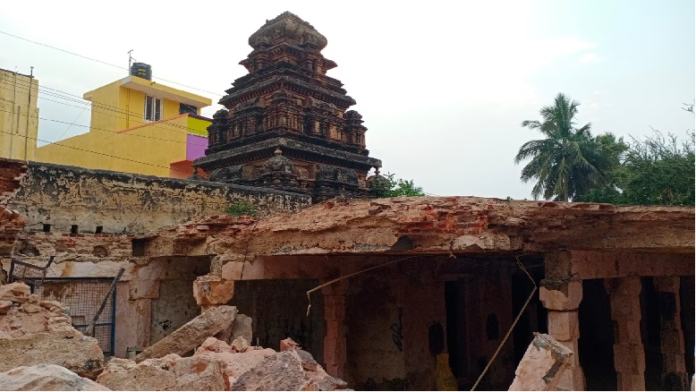
TN: 400-year-old math demolished on the pretext of removing encroachment
Read more: TN: 400-year-old math demolished on the pretext of removing encroachmentCross-posted from: https://hindupost.in/dharma-religion/tn-400-year-old-math-demolished-on-the-pretext-of-removing-encroachment/ The DMK government has demolished a centuries-old matha on the pretext of removing encroachment. Hindu activists recovered the structure and its property after a long legal battle. It is alleged that a DMK minister had his eye on the property for a long time and tried to grab it when DMK was…
-

Rebuilding Maa Sharda Temple : A civilizational milestone
Read more: Rebuilding Maa Sharda Temple : A civilizational milestoneOn March 23, 2023 honorable home minister Amit Shah Ji inaugurated the Maa Sharda temple through video conferencing and assured to work for the opening of pilgrimage to Sharda Peeth in PoK on the pattern of Kartarpur Corridor in Punjab.
Categories
- Agriculture (20)
- Akhand Bharat (30)
- Aryan Migration -vs- Out of India (8)
- Ayurveda (20)
- Celebrations (882)
- Community (150)
- Community Events (228)
- Cross Posted (105)
- Cultural Advocacy (33)
- Cultural Commentary (61)
- Cultural Heritage (555)
- Cultural Insights (142)
- Cultural Issues (29)
- Cultural Traditions (757)
- Culture (33)
- Economics (22)
- Education (151)
- Geo-Politics (60)
- History (377)
- Indian Authors (6)
- International Trade (8)
- Labor Market (8)
- Literature (97)
- News (618)
- Opinion Pieces (143)
- Personal Reflections (161)
- Personalities (186)
- Philosophy (1,036)
- Politics (208)
- Scripts (3)
- Scriptures (973)
- Spiritual Insight (3,204)
- Spirituality (750)
- Temples (729)
- Tribute (65)
- Uncategorized (6)
- Yoga (103)
Archive