

Shankaracharya Jayanti is an important Hindu festival that celebrates the birth anniversary of Adi Shankaracharya, a great saint and philosopher who lived in Bharat more than a thousand years ago. Shankaracharya is widely regarded as one of the most influential figures in the history of Hinduism, and his teachings continue to inspire and guide spiritual seekers around the world.
In this blog post, we will explore the significance of Shankaracharya Jayanti, the celebration of the festival, and the life and teachings of Shankaracharya. We will also draw lessons from his philosophy that can help us lead more meaningful and fulfilling lives.
Significance of Shankaracharya Jayanti

Shankaracharya Jayanti is an important festival for Hindus, particularly those who follow the Advaita Vedanta school of philosophy that Shankaracharya founded. The festival is celebrated on the fifth day of the bright half of the Vaisakha month (April-May) according to the Hindu lunar calendar.
This year the 1235th Birth Anniversary of Adi Shankaracharya (Shankaracharya Jayanti) falls on Monday, April 24, 2023
Panchami Tithi Begins – 10:54 PM EST on Apr 23, 2023
Panchami Tithi Ends – 12:09 AM EST on Apr 25, 2023
The significance of Shankaracharya Jayanti lies in its celebration of Shankaracharya’s life and teachings, which emphasize the non-dual nature of the self and the ultimate reality of Brahman. Shankaracharya’s philosophy has had a profound impact on Hinduism and has inspired countless seekers to pursue the path of self-realization.
Celebration of Shankaracharya Jayanti

Shankaracharya Jayanti is celebrated in different parts of India and the world with great reverence and joy. The festival is marked by various rituals and traditions, including puja (worship), satsang (spiritual discourse), and charity.
During the puja, devotees offer flowers, fruits, and sweets to Shankaracharya’s image or statue and recite hymns and mantras in his honor. Satsangs are held where spiritual teachers or scholars discuss Shankaracharya’s philosophy and its practical applications in daily life. Charity is also an important aspect of the festival, and devotees donate food, clothes, and money to the needy.
Life and Teachings of Shankaracharya

Shankaracharya was born in Kaladi, Kerala, in the 8th century CE. He is credited with reviving the Vedic tradition in India and founding the Advaita Vedanta school of philosophy, which emphasizes the non-dual nature of the self and the ultimate reality of Brahman.
Shankaracharya’s philosophy is based on the teachings of the Upanishads, the Bhagavad Gita, and other sacred texts of Hinduism. He wrote commentaries on these texts that are considered masterpieces of Sanskrit literature and have influenced generations of scholars and spiritual seekers.
One of the central themes of Shankaracharya’s philosophy is the concept of Advaita, which means non-dual or non-duality. According to Advaita, the ultimate reality is Brahman, a formless, infinite, and eternal consciousness that pervades everything in the universe. The individual self, or atman, is not separate from Brahman but is identical with it. Shankaracharya taught that by realizing the non-dual nature of the self, one can attain liberation from the cycle of birth and death and achieve eternal bliss.
Lessons from Shankaracharya’s Life and Teachings

The teachings of Shankaracharya offer valuable insights into the nature of the self, the universe, and the ultimate reality. Some of the key lessons that can be gleaned from his philosophy include:
- The non-dual nature of the self: According to Shankaracharya, the individual self is not separate from the ultimate reality but is identical with it. This means that we are not just our physical bodies or our thoughts and emotions, but we are also the infinite consciousness that pervades everything in the universe. By realizing our true nature as the self, we can transcend our limited identity and experience boundless joy and peace.
- The importance of spiritual inquiry: Shankaracharya emphasized the need for spiritual seekers to inquire into the nature of the self and the ultimate reality. He taught that only through self-inquiry and contemplation can one realize the non-dual nature of the self and attain liberation from suffering. Spiritual inquiry involves questioning our beliefs, examining our experiences, and seeking the guidance of a qualified teacher.
- The role of karma and dharma: Shankaracharya recognized the importance of karma (action) and dharma (righteousness) in spiritual practice. He taught that our actions have consequences and that we should strive to live in accordance with dharma, or the universal moral order. By performing selfless actions and fulfilling our duties without attachment to the results, we can purify our minds and prepare ourselves for the realization of the self.
- The value of service: Shankaracharya also emphasized the importance of serving others as a means of spiritual practice. He taught that selfless service, or seva, is a way of expressing our devotion to the ultimate reality and serving the needs of all beings. By serving others with love and compassion, we can purify our hearts and cultivate the qualities of humility and kindness.
Conclusion
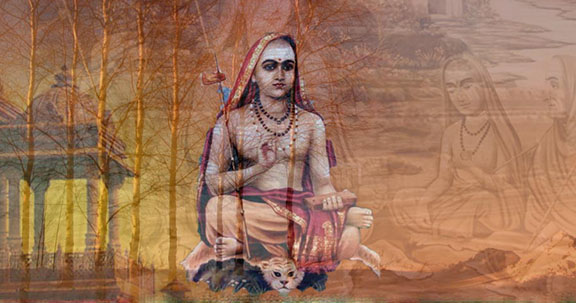
Shankaracharya Jayanti is a celebration of the life and teachings of a great sage whose philosophy has had a profound impact on Hinduism and the world at large. His emphasis on the non-dual nature of the self, the importance of spiritual inquiry, the role of karma and dharma, and the value of service offer valuable lessons for all seekers on the path of self-realization.
As we celebrate Shankaracharya Jayanti, let us reflect on his teachings and strive to apply them in our lives. By cultivating a spirit of inquiry, serving others with love and compassion, and realizing our true nature as the self, we can experience boundless joy and peace and contribute to the well-being of all beings.