
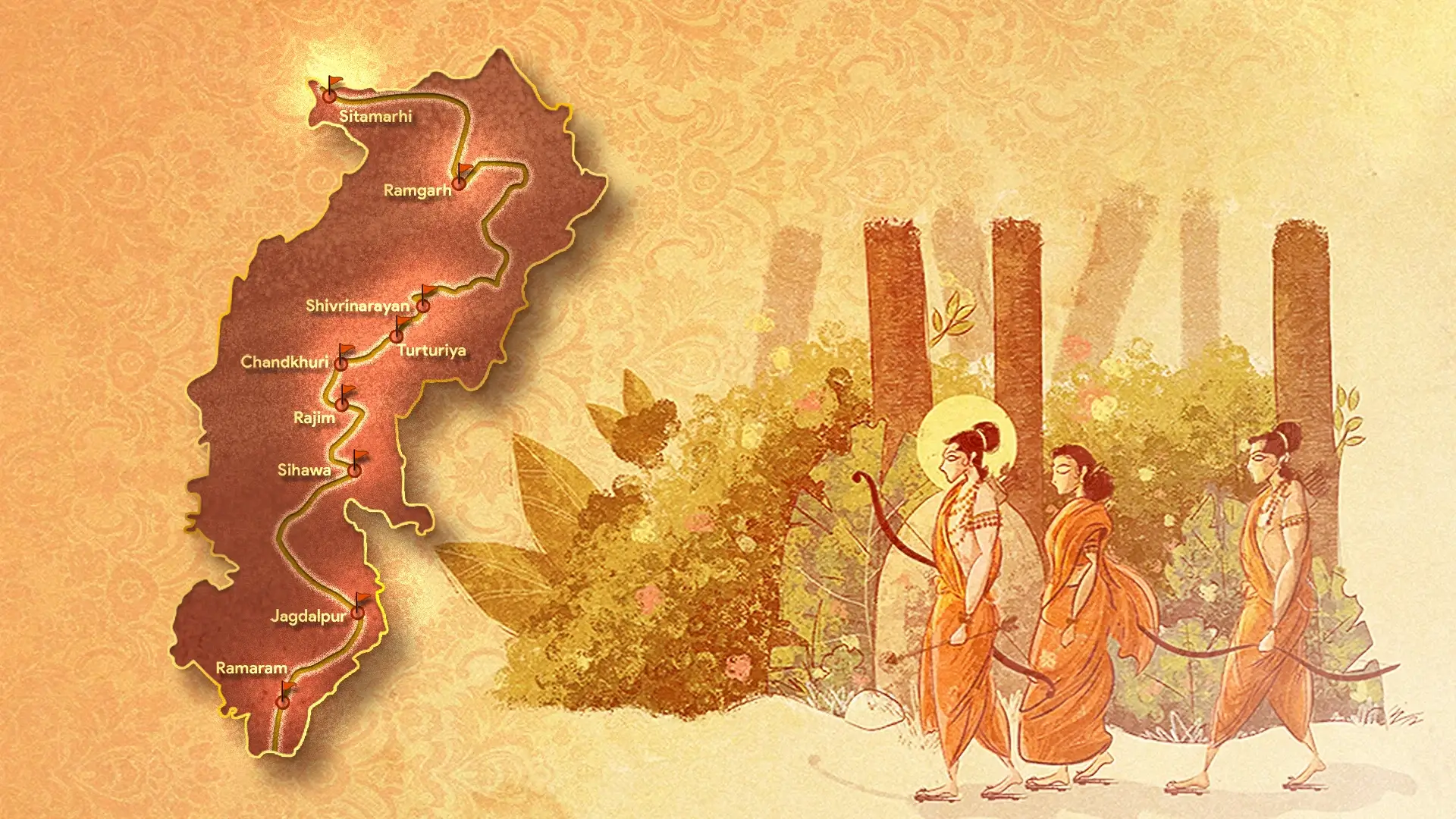
In Sanatan Itihaas – Ramayana, Lord Shri Ram is considered one of the most revered and worshipped deities. He is known as the seventh avatar of Lord Vishnu and is believed to have taken birth on Earth to restore Dharma or righteousness. Lord Shri Ram’s life is an inspiring tale of courage, sacrifice, and devotion, and his journey during vanvaas holds significant spiritual and cultural significance.
In this blog post, we will trace the route that Lord Shri Ram took during his vanvaas and explore the spiritual and cultural significance of his journey.
Introduction
Lord Shri Ram’s vanvaas is a significant event in the Sanatan Itihaas Ramayana. Lord Shri Ram was exiled to the forest for fourteen years to fulfill a promise made to his father, King Dasharatha. During this period, Lord Shri Ram had to face several challenges and obstacles but emerged victorious with the help of his devoted brother Lakshman, wise mentor sage Valmiki, his bhakt Hanuman, and loyal allies like Sugreeva, and Jatayu. Lord Shri Ram’s vanvaas teaches us valuable life lessons such as the importance of duty, loyalty, courage, and devotion to God.
Lord Ram is often referred to as “Maryada Purushottam” because he is the perfect embodiment of virtue and righteousness. The term “Maryada” means “code of conduct” or “rules and regulations,” while “Purushottam” means “supreme person” or “best among men.”
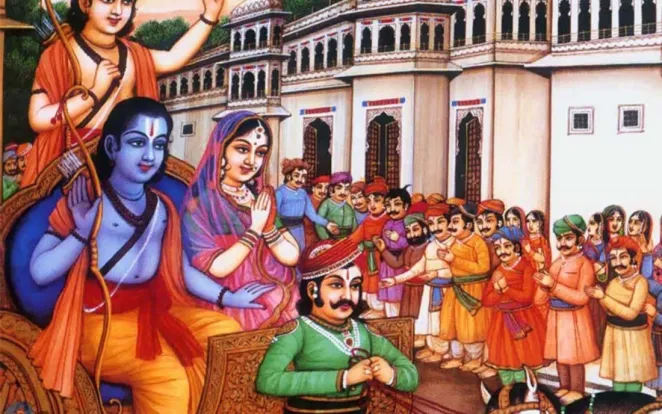
Lord Ram’s life is considered an ideal example of how one should conduct oneself in society. He was a dutiful son, a devoted husband, a responsible king, and a compassionate ruler. He always followed the path of righteousness, even when faced with difficult challenges. Lord Ram is a symbol of morality, ethics, and discipline. He always adhered to the principles of dharma (righteousness) and set an example for future generations to follow.
Historical Route During Vanvaas
As per Sanatan scriptures, Lord Shri Ram’s vanvaas journey began when he left Ayodhya with his wife Sita and brother Lakshman. Let’s trace his journey in detail:
Meeting with Sage Bharadwaj

Lord Shri Ram, Maa Sita & Lord Lakshman met Sage Bharadwaj at the banks of the river Tamasa. Sage Bharadwaj was a revered sage and a friend of King Dasharatha. He advised Lord Shri Ram to live a life of simplicity and detachment during his vanvaas and promised to help him whenever he needed guidance.
Arrival at Sage Valmiki’s Ashram

After leaving Sage Bharadwaj’s ashram, Lord Shri Ram, Sita, and Lakshman arrived at the hermitage of sage Valmiki. Sage Valmiki was a great sage (and the author of Ramayana in original Sanskrit form). He welcomed Lord Shri Ram and his companions and gave them shelter in his ashram. Lord Shri Ram spent a few years at the ashram, and it was during this period that he met Hanuman for the first time.
Stay in Chitrakoot
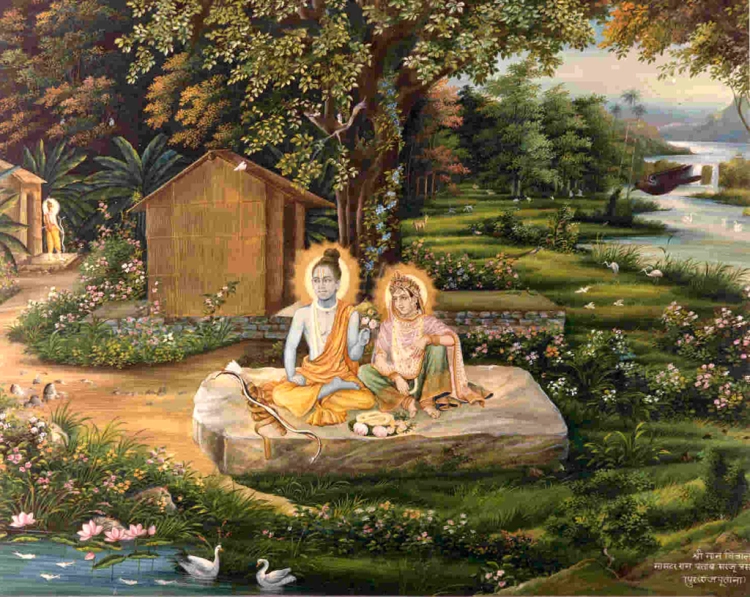
Lord Shri Ram, Sita, and Lakshman left Sage Valmiki’s ashram and arrived at Chitrakoot. Chitrakoot is a scenic town situated on the banks of the river Mandakini, and it was here that Lord Shri Ram and his companions lived for a few years. Lord Shri Ram spent his time in Chitrakoot meditating and spreading knowledge among the local people.
Stay in Panchavati
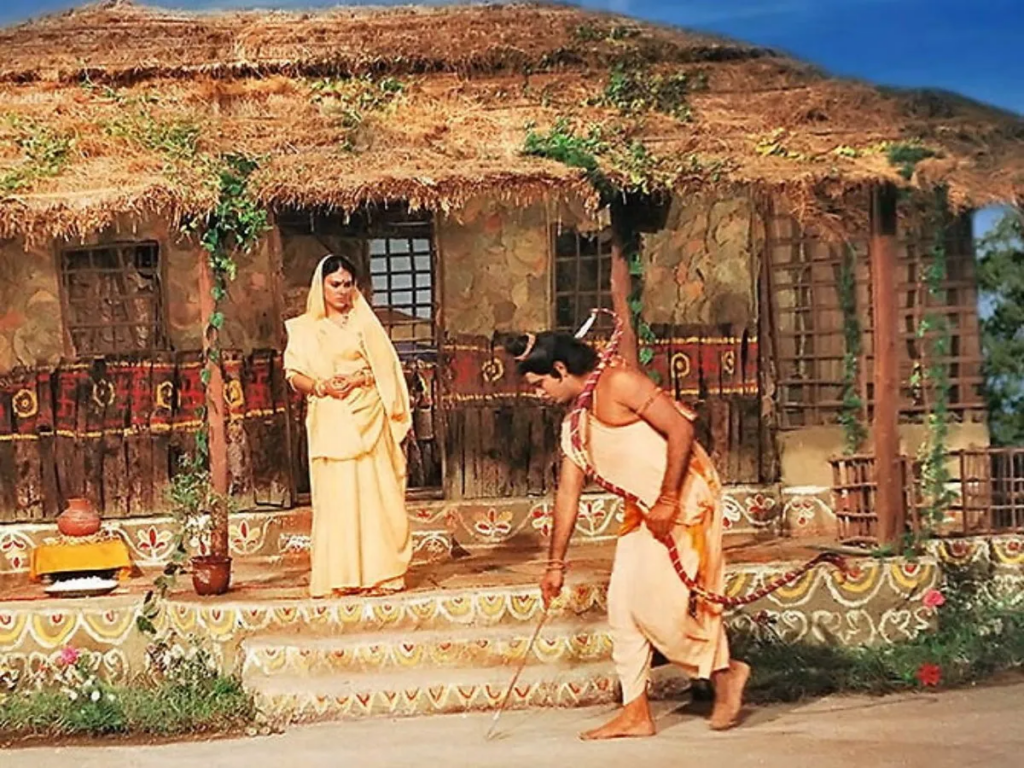
After leaving Chitrakoot, Lord Shri Ram, Sita, and Lakshman arrived at Panchavati, situated on the banks of the river Godavari. Panchavati was a dense forest and the perfect place for Lord Shri Ram to spend his vanvaas. However, their peaceful life was disrupted when Ravana, the king of Lanka, abducted Sita. Lord Shri Ram and Lakshman went on a mission to rescue Sita and were aided by the monkey king Sugreeva and his army of vanars.
Journey to the Southern Tip of India
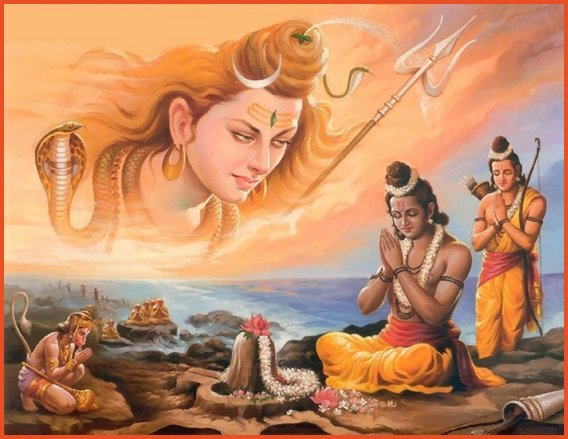
Lord Shri Ram and Lakshman continued their journey towards the southern tip of India to rescue Maa Sita. They crossed several forests and rivers, including the Vindhya mountain range and the Godavari river, before reaching the southern coast. Lord Shri Ram wanted to perform a yagna (sacred fire ceremony) to seek their blessings for the future.
Construction of Ram Setu
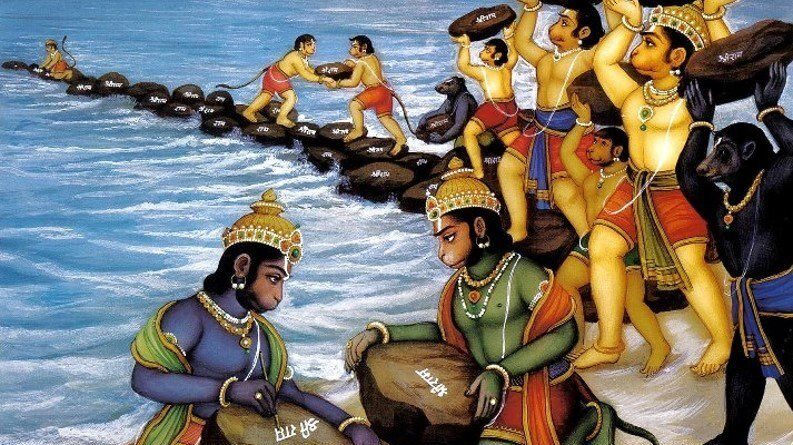
Lord Shri Ram had to cross the ocean to reach the island of Lanka. He enlisted the help of the Vanara army, led by Hanuman, to construct a bridge across the ocean. This bridge was known as Ram Setu and was made of rocks and stones that floated on water. With the help of the Vanara army, Lord Shri Ram and his companions crossed the ocean and reached Lanka.
Battle with Ravana
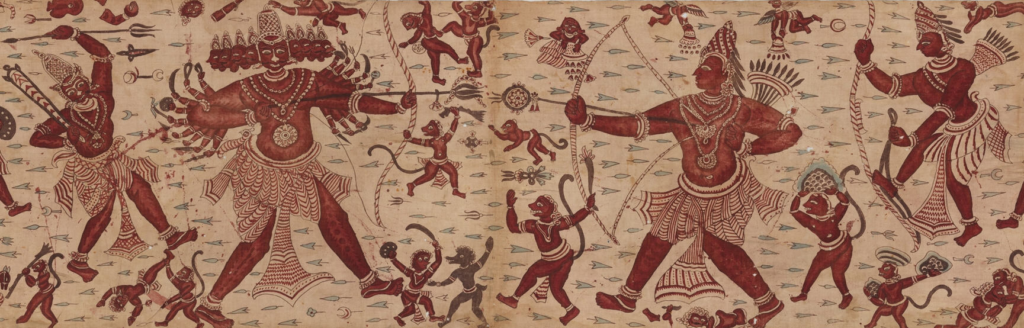
After reaching Lanka, Lord Shri Ram and his allies waged a fierce battle against Ravana and his army. The battle was intense, and Lord Shri Ram had to use his divine powers and weapons to defeat Ravana. In the end, Lord Shri Ram emerged victorious, and Ravana was killed. With the victory over Ravana, Lord Shri Ram fulfilled his duty to restore Dharma and returned to Ayodhya with Sita and Lakshman.
Route of Vanvasa in the present day
Ayodhya
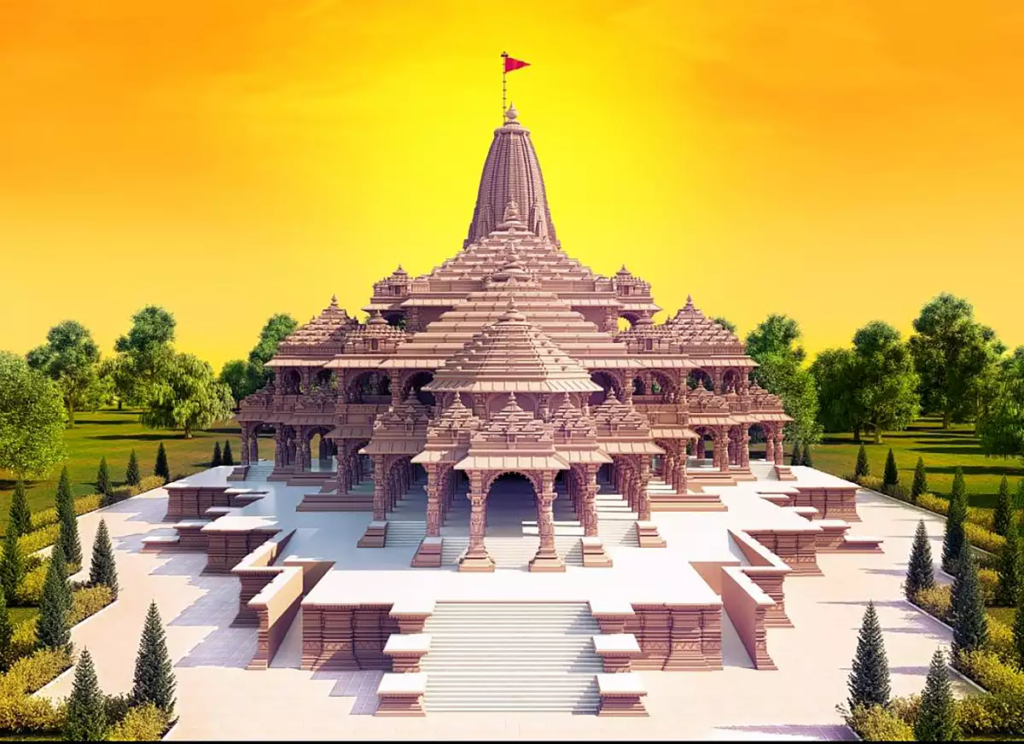
Ayodhya, the ancient capital of both Lord Ram and the Ikshvaku dynasty, boasts numerous temples dedicated to the four brothers, Lord Hanuman, and Maa Sita. The city is located on the banks of the Saryu River and features many ghats. An unforgettable experience is the evening aarti held on the banks of the Sarayu River.
According to legend, Ayodhya was founded by Lord Manu. Today, it is primarily known for its connection to the birthplace of Lord Ram, and visitors can see the Hanuman Garhi temple, Nageshwarnath Temple, and Kanak Bhawan.
Prayagraj
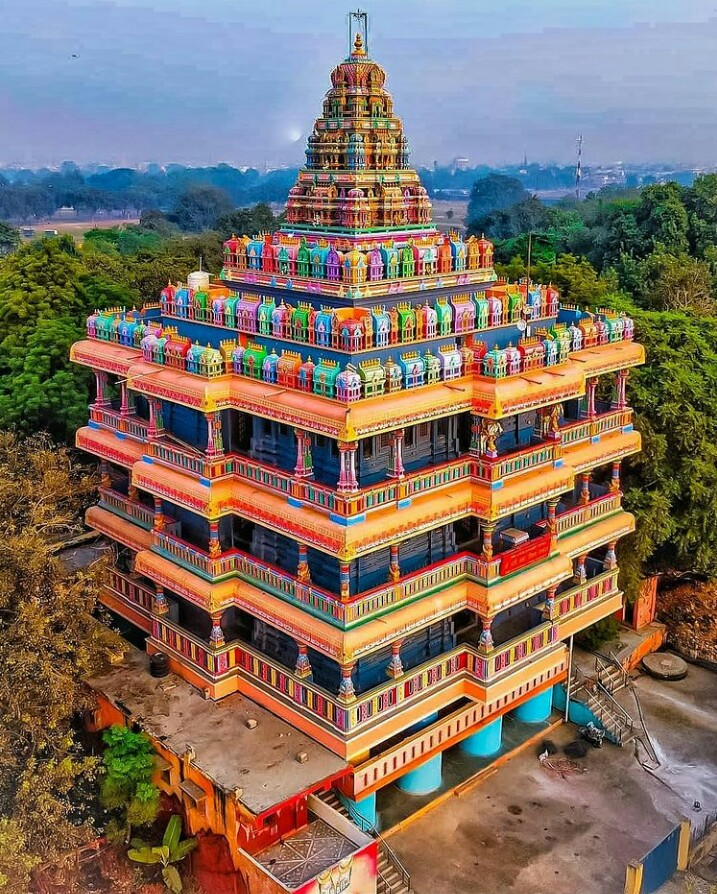
Prayagraj is referred to in many ancient texts because it is where the Ganga, Yamuna, and Saraswati rivers meet. Shringaverpur, which is approximately 45 km away, is where Lord Ram crossed the Ganges while in exile with Sita and Lakshman. Nishadraj, the ruler of the ancient kingdom, washed Lord Ram’s feet before he crossed the holy river Ganga.
Chitrakoot
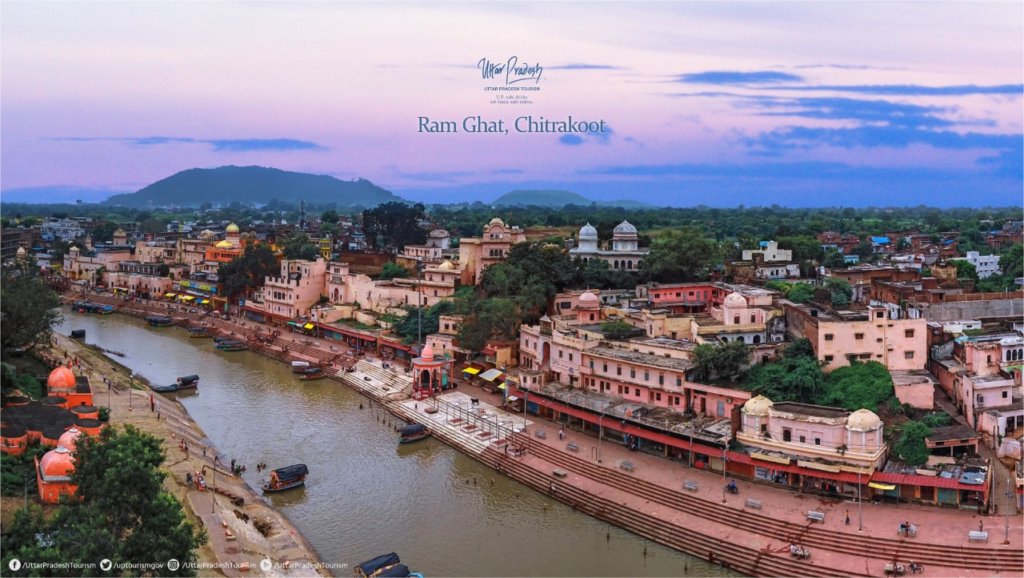
Chitrakoot is a holy place that is revered for its natural beauty as well as its religious significance. It is one of the most important places associated with Ramayana in modern-day India, where Ram, Sita, and Lakshman spent their exile years. Chitrakoot is also connected to significant events in Ram and Sita’s lives.
Bharat Milap, the sequence in Ramayana where Bharat came to inform Lord Ram about the death of his father King Dasharath and requested him to return to Ayodhya, occurred in Chitrakoot. It is also believed that all the Gods and Goddesses assembled here when Lord Ram performed the Shuddhi ritual in honour of his father. Chitrakoot is situated between the Indian states of Uttar Pradesh and Madhya Pradesh.
Dandkaranya Forests
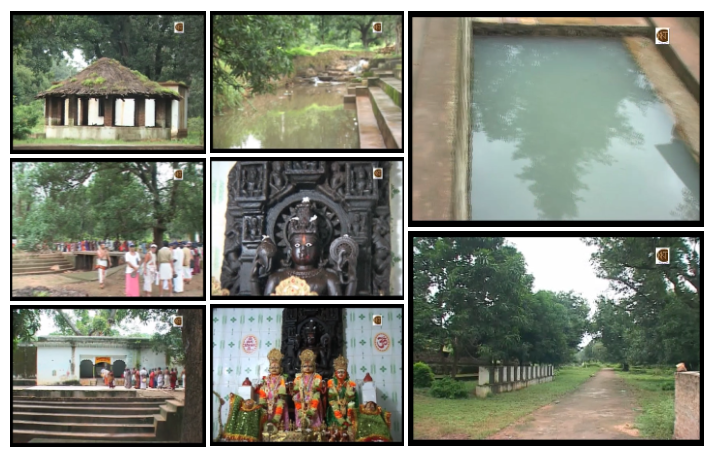
Full coverage of Lord Ram, Laksham & Maa Sita’s visits to various ashrams in Dandakaranya forests
~ https://shanthiraju.wordpress.com/2020/07/06/ramayatra67/
The Dandakaranya forests are a large forested region spanning across Chattisgarh, Orissa, Andhra Pradesh, and Telangana. During the time of the Ramayana, it also extended to parts of Madhya Pradesh and Maharashtra. This is the part of the forest that Lord Ram, Ma Sita, and Lakshman crossed on their way to Panchvati. The name “Dandakaranya” comes from the words “Dandak” and “Aranya,” which mean “The Jungle of Punishment.” It was once a stronghold of the Rakshas clan and part of Ravan’s Lanka kingdom.
Today, the Dandakaranya forests are primarily located in the Bastar district of Chattisgarh and have undergone significant development. The area is home to several beautiful waterfalls, including the famous horse-shoe shaped Chitrakoot falls. Many ancient caves can also be found throughout the region, such as Kutumsar and Kailash caves, which have natural shivalinga formations. Other noteworthy caves include Dandak Cave, Karpan Cave, Kanger Cave, and Devgiri Cave.
Nashik
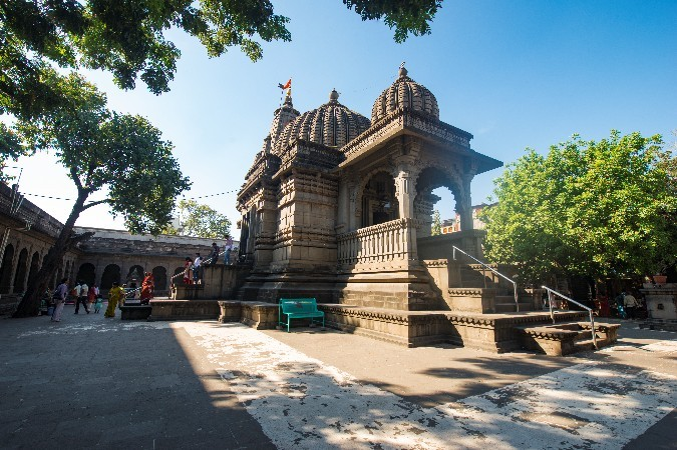
Panchavati, an ancient location that is now known as Nashik, holds significant importance in the epic tale of Ramayana. During his exile, Lord Ram spent a major portion of his time here. It was at this place that Lakshman had cut off the nose of Surpanakha and where Ravan had abducted Ma Sita. The Aranya Kanda of the Ramayana is entirely set in Panchavati, which was a part of the Danakarayana Forests at that time.
Lepakshi
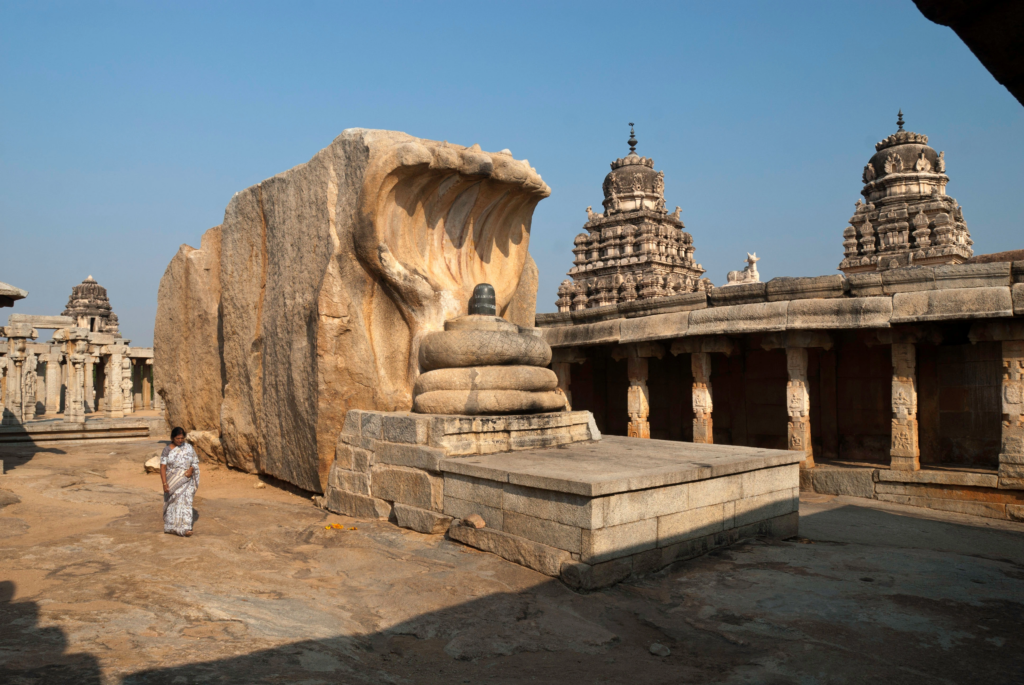
Do you recall the brave fight put up by Jatayu against Ravana when he tried to escape with Sita in the sky after abducting her? During the encounter, Ravana attacked Jatayu and caused him to fall to the ground by clipping his wings. This incident happened at Lepakshi, which is located in Andhra Pradesh. As per the Valmiki Ramayana, this is also where Ram met the dying Jatayu and helped him attain salvation.
Lepakshi is a place steeped in mythical grandeur and is famous for its ancient temples. The most notable attraction here is the Veerabhadra Temple, which stands as a splendid testimony to the cultural and architectural heritage of the Vijayanagara Empire. Additionally, it is recommended to visit the temples of Papanatheswara, Raghunatha, Srirama, and Durga, located on the nearby Kurma Saila hill, which is shaped like a tortoise.
Kishkindha
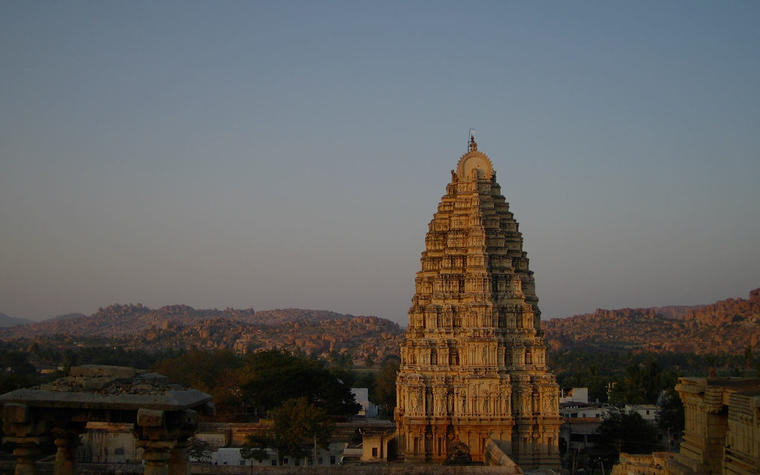
Hampi, also known as Kishkindha in the Ramayana, is a UNESCO World Heritage Site and one of the most well-known sites associated with the epic. It is an architectural marvel renowned for its temples and monuments. It was in Hampi that Ram and Lakshman met an elderly ascetic woman named Shabari, who lived in the Ashram of her guru, Matanga Parvat. When Lord Ram and Lakshman visited her during their journey to Lanka, she offered them food and advised them to seek help from Hanuman and Sugriva of the monkey kingdom, who resided further south near Pampa Lake. Lord Ram then took a holy dip in Matanga Lake, also called Pampa Sarovara.
The kingdom of Kishkindha, once ruled by Bali and Sugriva, is where Ram met Hanuman and organized the Vanarsena, his army, with the help of Sugriva. Today, the region around the Tungabhadra river near Hampi defines this kingdom. Hampi’s attractions include the Shri Virupaksha Temple, Lotus Mahal, Elephant Stables, Hazara Rama Temple Complex, Zenana Complex, King’s Court, and the underground Shivalaya.
Trichy
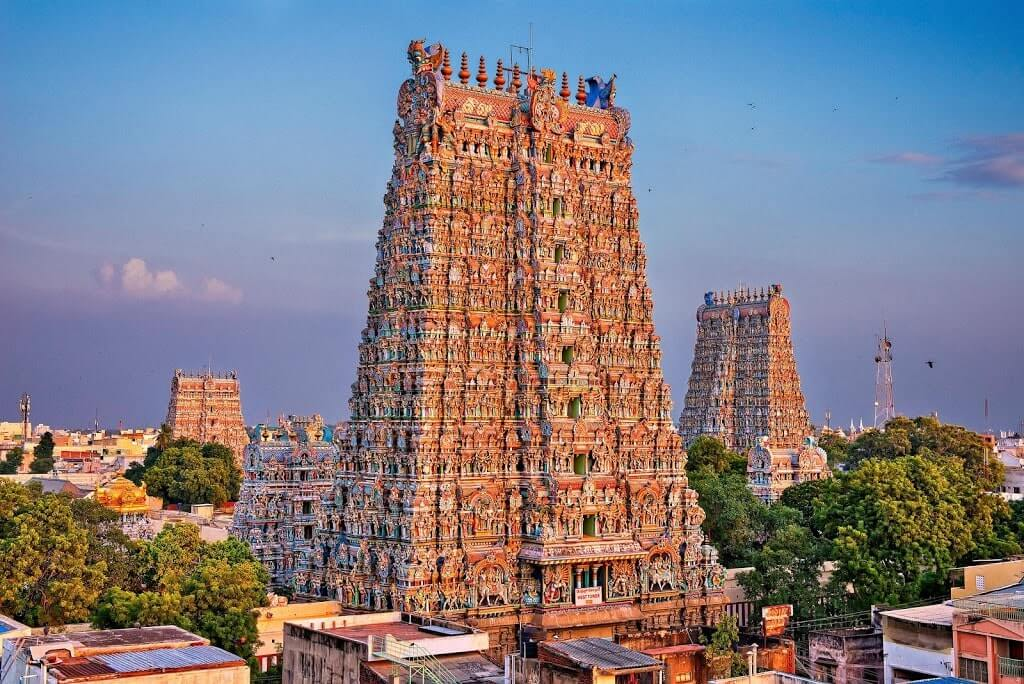
Trichy, formerly known as Tricullapalli or Trishirapalli, was once the kingdom of Trishira, Ravana’s brother. Situated on the banks of the Kaveri River, it boasts a beautiful Shiva Temple that is believed to absolve sins committed in the past. As per popular legend, Lord Rama sought Lord Shiva’s blessings at this temple to atone for the sin of killing Khar and Dooshan.
Kodiyakarai
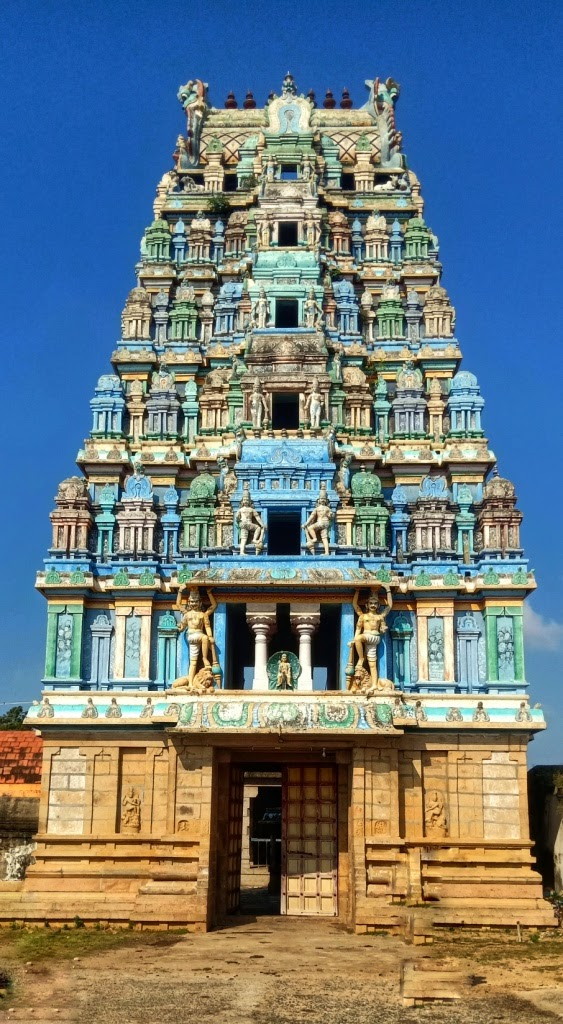
Kodiakkarai has been recognised as a Ramsar site. This location is also associated with the mythological Hindu epic, The Ramayana. The highest point of the cape, standing at an altitude of 4 metres (13 ft), is known as Ramarpatham in Tamil, meaning “Rama’s feet.” A stone slab on the cape bears the imprints of two feet and is believed to be the place where Lord Rama stood and surveyed Ravana’s kingdom in Sri Lanka, which is situated 48 kilometres (30 mi) to the south of Point Calimere. Furthermore, Kalki references this site in his historical novel Ponniyin Selvan.
Rameshwaram
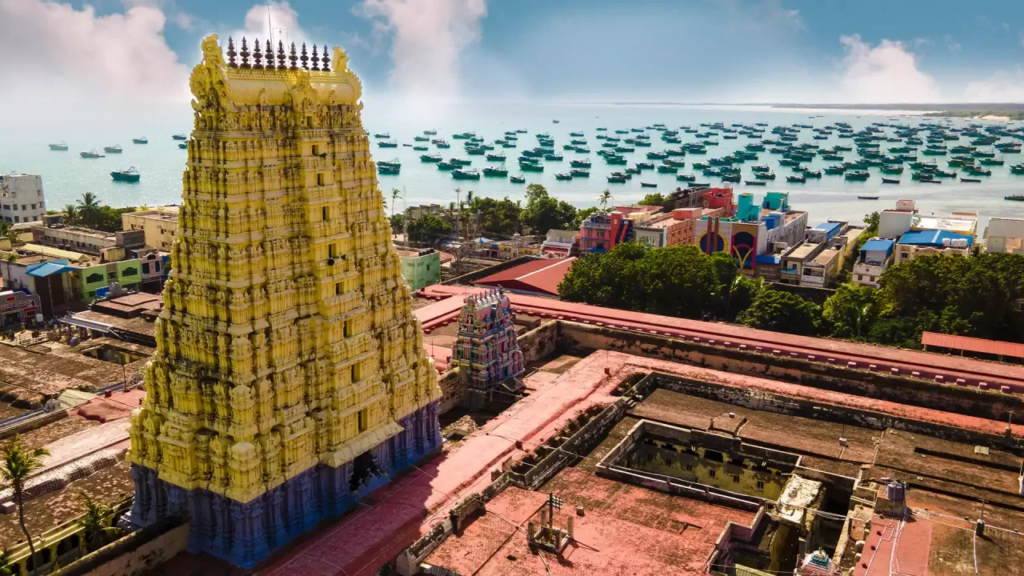
Located at the southernmost tip of Pamban Island in Rameswaram, the abandoned town of Dhanushkodi holds significant mythological importance. It was here that Lord Ram ordered the construction of a bridge to Lanka by the Vanarsena, which is now known as the Ram Setu. This bridge was built in the strait that separates modern-day India from Sri Lanka. Pilgrims typically bathe in the ocean here before completing their pilgrimage to Rameshwaram. According to legend, Lord Ram stopped here on his journey back home after defeating Ravana to worship Shiva and ask for forgiveness for killing Ravana, who was an ardent Shiva devotee.
Dhanushkodi, along with Rameshwaram, which is the southernmost tip of India, is not only hauntingly picturesque but also carries with it one of the most speculated mysteries of the Ramayana – the secret behind Ram Setu or Adam’s bridge. Dhanushkodi, being the starting point of this “setu,” is an important place for those interested in the history and mythology of the Ramayana.
Talaimannar
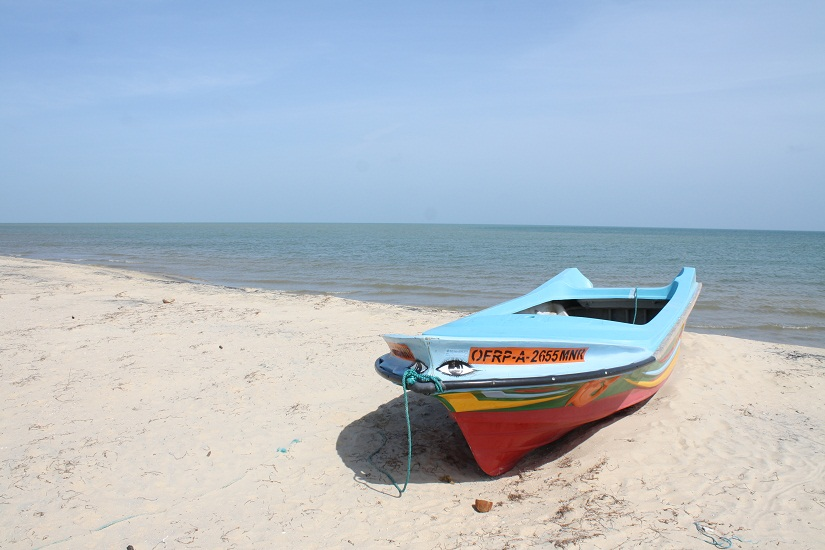
This is the location where the Ram Setu connected to the kingdom of Lanka, and where Lord Ram and his Vanar Sena first entered Lanka during the historic battle with Ravana. Talaimannar, now a Sri Lankan beach town, provides stunning views of the bridge and a lighthouse. It can be accessed via a causeway from Mannar, which connects the island to the rest of the country.
Ussangoda
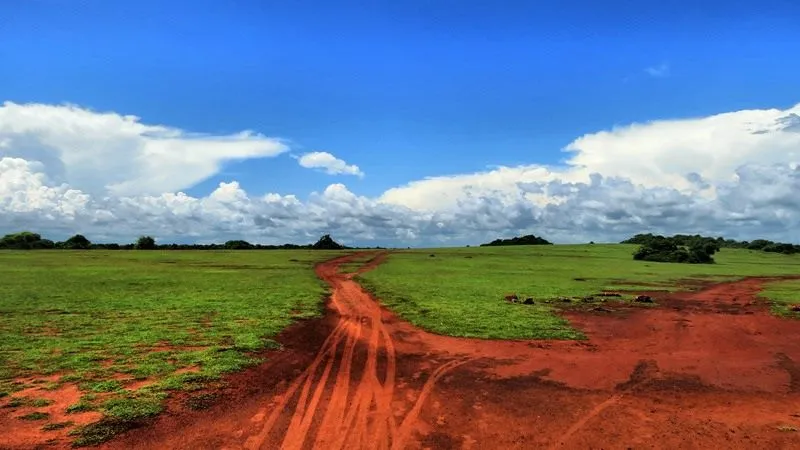
According to belief, during the time of Ramayana, King Ravana utilized the flat, firm land of Ussangoda for traveling on his Pushpak Vimana and also as a parking spot for the vehicle. The sand in this area is red and some of the stones are black. Legend has it that Hanuman arrived and set fire to the land, which turned it red in color. As a result, Ussangoda is a peculiar coastal region that is well-known as one of the Sri Lankan Ramayana locations, characterized by a lack of trees and dark-colored soil.
Hakgala Botanical Garden (Ashok Vatika)

It is believed that the Hakgala Botanical Gardens may be the location of the ancient Ashok Vatika site. The gardens derive their name from the plentiful Ashok trees that still flourish there. According to legend, it was in this location that Ma Sita was held captive by Ravan. In the time of the Ramayan, this area was said to have had an extensive collection of fruit trees, which were consumed and destroyed by Lord Hanuman during his visit to Lanka as a messenger of Lord Ram.
Conclusion
Lord Shri Ram’s journey during vanvaas holds significant spiritual and cultural significance. Let’s explore some of the key lessons that we can learn from his journey:
The Importance of Duty
Lord Shri Ram’s vanvaas journey teaches us the importance of duty. Despite being a prince, Lord Shri Ram willingly accepted the exile to fulfill his father’s promise. He knew that his duty as a son was to obey his father’s wishes, even if it meant sacrificing his comforts and privileges. Lord Shri Ram’s journey teaches us that duty is more important than personal desires and comforts.
The Power of Devotion
Lord Shri Ram’s vanvaas journey also teaches us the power of devotion. Lord Shri Ram’s companions, including Hanuman, Sugreeva, and Jatayu, were all devoted to him and were ready to do anything for him. Their devotion and loyalty helped Lord Shri Ram overcome several obstacles during his journey. Lord Shri Ram’s journey teaches us that devotion to God can give us strength and help us overcome any challenge.
The Importance of Forgiveness
Lord Shri Ram’s victory over Ravana was not just a military triumph but also a triumph of forgiveness. Lord Shri Ram forgave Ravana for his past mistakes and offered him a chance to surrender and seek redemption. Ravana refused the offer and chose to fight, but Lord Shri Ram’s gesture of forgiveness showed that forgiveness is a powerful virtue that can heal even the most bitter of wounds.
Lord Shri Ram’s vanvaas journey is a remarkable tale of sacrifice, courage, and devotion. His journey teaches us valuable life lessons such as the importance of duty, devotion, and forgiveness. Tracing Lord Shri Ram’s journey during vanvaas is not just a spiritual pilgrimage but also a cultural and historical experience. Visiting the places associated with Lord Shri Ram’s journey can deepen our understanding and appreciation of Hindu mythology and culture. Lord Shri Ram’s journey will continue to inspire and guide us for generations to come.