
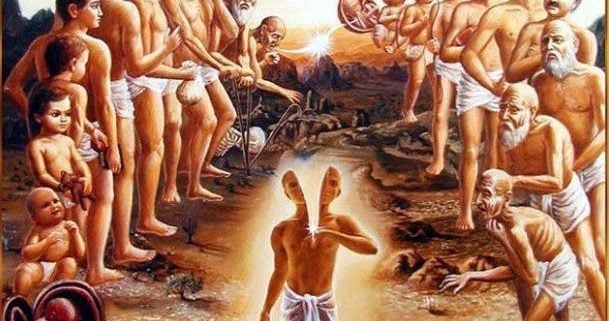
The concept of karma is a fundamental aspect of Sanatana Dharma, which includes Hinduism, Buddhism, Jainism, and Sikhism. Each of these religions has its own unique perspective on karma, but they all share some commonalities. In this blog post, we will explore the concept of karma in each of these religions, its significance, and its role in shaping our lives.
What is Karma?

यत्कृतं तत्कृतं भवति।
Yat krtam tat krtam bhavati |
Every action, every deed, done in the world, has its corresponding reflection and reaction in the cosmos.
Karma is a Sanskrit word that means “action” or “deed.” It refers to the law of cause and effect. Every action we perform, every word we speak, and every thought we have creates an impression or energy that leaves an imprint on our soul. These impressions, or karmic imprints, accumulate over time and influence our future experiences and circumstances.
Karma is not just limited to our actions in this lifetime, but it is also believed to carry over from past lives. In Sanatana Dharma, it is believed that we are all born with a karmic debt from our past lives, which we must repay in this lifetime.
Karma in Sanatana tradition (Karmic Religions)

न हि कल्याणकृत्कश्चिद् दुर्गतिं तात गच्छति।
Na hi kalyanakrt kascid durgatim taat gacchati |
No one who does good work will ever come to a bad end, either here or in the world to come.
Karma is a central concept in Sanatana Dharma, and it holds significant importance in shaping our lives. The concept of karma helps us understand that we are the creators of our own destiny. It is through our actions that we create our future, and we have the power to change our destiny by changing our actions.
Karma also emphasizes the importance of living a moral and ethical life. The law of karma ensures that every action we perform has consequences, and we must take responsibility for our actions. Therefore, it is essential to perform actions that are positive and constructive and avoid actions that are negative and harmful.
Hinduism and it’s various sects

मात्रास्पर्शास्तु कौन्तेय शीतोष्णसुखदुःखदाः।
आगमापायिनोऽनित्यास्तांस्तितिक्षस्व भारत।।Matra-sparsas tu kaunteya sitosna-sukha-duhkha-dah |
Agamapayino ‘nityas tams titiksasva bharata ||The wise man does not get elated or depressed by the pairs of opposites, knowing them to be transitory.
In Hinduism, the concept of karma is closely linked to the concept of dharma, which refers to one’s duty or righteousness. It is believed that every person is born with a specific dharma, which they must fulfill in this lifetime. Failure to fulfill one’s dharma can result in negative karma.
Hinduism also recognizes the concept of samsara, which refers to the cycle of birth and death. It is believed that our actions in this lifetime determine our future birth and circumstances in the next life. The ultimate goal of Hinduism is to break free from the cycle of birth and death and attain moksha, or liberation.
Buddhism

सब्बे सङ्खारा अनिच्चा, सब्बे सङ्खारा दुःखा, सब्बे धम्मा अनत्ता |
Sabbe sankhara anicca, sabbe sankhara dukkha, sabbe dhamma anatta |
All conditioned things are impermanent, all conditioned things are suffering, all phenomena are not self.
In Buddhism, the concept of karma is closely linked to the concept of dependent origination, which refers to the interdependent nature of all things. It is believed that every action we perform has a ripple effect, which affects not only ourselves but also those around us. Therefore, it is essential to perform actions that are positive and beneficial to others.
Buddhism also recognizes the concept of rebirth, but unlike Hinduism, it does not believe in a soul or a permanent self. Instead, it is believed that our actions and experiences create an ongoing stream of consciousness that continues after death. The ultimate goal of Buddhism is to attain enlightenment and break free from the cycle of rebirth.
Jainism

उवसग्गहरम अप्पमत्तस्स पदम |
Uvasaggaharama appamattassa padam |
The steady way of a person who is vigilant is the path to liberation.
~ Uttaradhyayana Sutra
In Jainism, the concept of karma is closely linked to the concept of ahimsa, which refers to non-violence and compassion. It is believed that every action we perform has an impact on other living beings, and we must avoid actions that cause harm to others.
Jainism also recognizes the concept of rebirth, but unlike Hinduism and Buddhism, it emphasizes the importance of eliminating all karma and achieving ultimate liberation, known as moksha. The path to moksha involves living a life of strict asceticism and self-discipline.
Sikhism
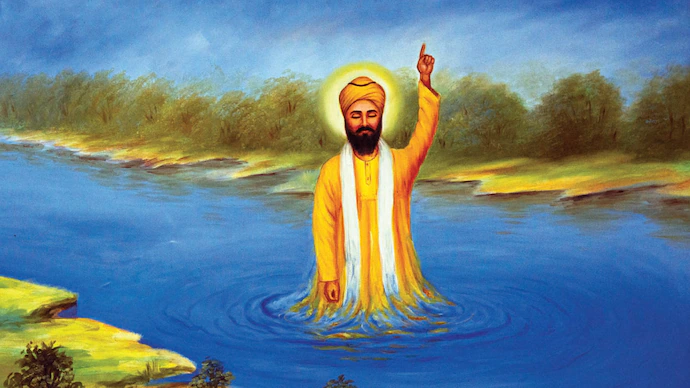
ਜੋ ਜੋ ਕਰਮ ਕਮਾਵੈ ਤਿਸ ਕਾ ਫਲ ਠੀਕ ਠੀਕ ਪਾਵੈ ॥
Jo jo karam kamaavai tis kaa phal theek theek paavai ||
As one sows, so shall one reap.
~ Guru Granth Sahib Ji
In Sikhism, the concept of karma is closely linked to the concept of Hukam, which refers to the divine order or will of the universe. It is believed that every action we perform is in accordance with Hukam and that we must accept and surrender to this divine will.
Sikhism also emphasizes the importance of selfless service and performing actions that benefit others. It is believed that the ultimate goal of life is to merge with the divine and attain liberation.
Conclusion

In conclusion, the concept of karma is a fundamental aspect of Sanatana Dharma, which includes Hinduism, Buddhism, Jainism, and Sikhism. Although each religion has its unique perspective on karma, they all share some commonalities.
The concept of karma emphasizes the importance of taking responsibility for our actions, living a moral and ethical life, and performing actions that are positive and beneficial to others. It also emphasizes the importance of breaking free from the cycle of birth and death and attaining ultimate liberation.
By understanding the concept of karma and its significance in Sanatana Dharma, we can learn to live a life of purpose, compassion, and self-discipline. We can also understand that we are the creators of our own destiny and that we have the power to shape our lives through our actions.
तद्यथा कामः तद्यथा संकल्पः तद्यथा क्रिया तद्यथा फलम्।
Tadyatha kamah tadyatha sankalpah tadyatha kriya tadyatha phalam |
You are what your deep, driving desire is. As your desire is, so is your will. As your will is, so is your deed. As your deed is, so is your destiny.
~ Bhishma Pitamaha in Mahabharat