

atman, (Sanskrit: “self,” “breath”) one of the most basic concepts in Sanatan, the universal self, identical with the eternal core of the personality that after death either transmigrates to a new life or attains release (moksha) from the bonds of existence.
As Karmic religions like Hinduism (and its various sects), Jainism, Buddhism & Sikhism arose from the Sanatani umbrella, Gurus in various schools of though presented slight variations in their understanding of self.
This is an attempt to investigate primary sources from all branches of Sanatan and understand the subtle nuances in our understanding of atman.
Bhagvad Geeta
In Shrimad Bhagvad Geeta elaborate discussions happen between Shri Krishna and Arjuna reflecting upon the nature of soul and it’s transition during the death of the human body.
A few such shlokas are selected below.

अन्तवन्त इमे देहा नित्यस्योक्ता: शरीरिण: |
अनाशिनोऽप्रमेयस्य तस्माद्युध्यस्व भारत ||antavanta ime dehā nityasyoktāḥ śharīriṇaḥ
anāśhino ’prameyasya tasmād yudhyasva bhārataOnly the material body is perishable; the embodied soul within is indestructible, immeasurable, and eternal. Therefore, fight, O descendent of Bharat.
~ Bhagavad Gita: Chapter 2, Verse 18 (Source)
य एनं वेत्ति हन्तारं यश्चैनं मन्यते हतम् |
उभौ तौ न विजानीतो नायं हन्ति न हन्यते ||ya enaṁ vetti hantāraṁ yaśh chainaṁ manyate hatam
ubhau tau na vijānīto nāyaṁ hanti na hanyateNeither of them is in knowledgethe one who thinks the soul can slay and the one who thinks the soul can be slain. For truly, the soul neither kills nor can it be killed.
~ Bhagavad Gita: Chapter 2, Verse 19 (Source)
न जायते म्रियते वा कदाचि नायं भूत्वा भविता वा न भूय: |
अजो नित्य: शाश्वतोऽयं पुराणो न हन्यते हन्यमाने शरीरे ||na jāyate mriyate vā kadāchin nāyaṁ bhūtvā bhavitā vā na bhūyaḥ
ajo nityaḥ śhāśhvato ’yaṁ purāṇo na hanyate hanyamāne śharīreThe soul is neither born, nor does it ever die; nor having once existed, does it ever cease to be. The soul is without birth, eternal, immortal, and ageless. It is not destroyed when the body is destroyed.
~ Bhagavad Gita: Chapter 2, Verse 20 (Source)
वासांसि जीर्णानि यथा विहाय नवानि गृह्णाति नरोऽपराणि |
तथा शरीराणि विहाय जीर्णा न्यन्यानि संयाति नवानि देही ||vāsānsi jīrṇāni yathā vihāya navāni gṛihṇāti naro ’parāṇi
tathā śharīrāṇi vihāya jīrṇānya nyāni sanyāti navāni dehīAs a person sheds worn-out garments and wears new ones, likewise, at the time of death, the soul casts off its worn-out body and enters a new one.
~ Bhagavad Gita: Chapter 2, Verse 22 (Source)
नैनं छिन्दन्ति शस्त्राणि नैनं दहति पावक: |
न चैनं क्लेदयन्त्यापो न शोषयति मारुत: ||nainaṁ chhindanti śhastrāṇi nainaṁ dahati pāvakaḥ
na chainaṁ kledayantyāpo na śhoṣhayati mārutaḥWeapons cannot shred the soul, nor can fire burn it. Water cannot wet it, nor can the wind dry it.
~ Bhagavad Gita: Chapter 2, Verse 23 (Source)
अच्छेद्योऽयमदाह्योऽयमक्लेद्योऽशोष्य एव च |
नित्य: सर्वगत: स्थाणुरचलोऽयं सनातन: ||achchhedyo ’yam adāhyo ’yam akledyo ’śhoṣhya eva cha
nityaḥ sarva-gataḥ sthāṇur achalo ’yaṁ sanātanaḥThe soul is unbreakable and incombustible; it can neither be dampened nor dried. It is everlasting, in all places, unalterable, immutable, and primordial.
~ Bhagavad Gita: Chapter 2, Verse 24 (Source)
अव्यक्तोऽयमचिन्त्योऽयमविकार्योऽयमुच्यते |
तस्मादेवं विदित्वैनं नानुशोचितुमर्हसि ||avyakto ’yam achintyo ’yam avikāryo ’yam uchyate
tasmādevaṁ viditvainaṁ nānuśhochitum arhasiThe soul is spoken of as invisible, inconceivable, and unchangeable. Knowing this, you should not grieve for the body.
~ Bhagavad Gita: Chapter 2, Verse 25 (Source)
In Vedas
While Shrimad Bhagvad Gita discusses atman in great detail, it isn’t the first sanatani scripture to do so.
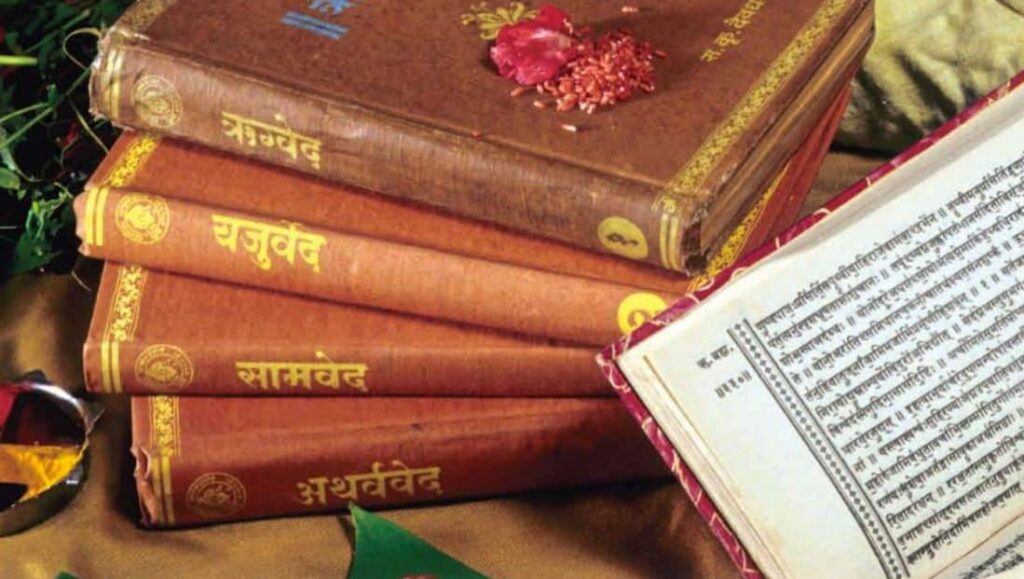
There are many references to atman and brahman found in all four vedas. The following mahavakyas capture their essence beautifully.
अयम् आत्मा ब्रह्म |
Ayam Atma Brahma
This Self (Atman) is Brahman
~ Mandukya Upanishad 1.2 of the Atharva Veda
प्रज्ञानं ब्रह्म |
Prajnanam Brahma
Prajñāna (consciousness, wisdom) is Brahman
~ Aitareya Upanishad 3.3 of the Rig Veda
तत् त्वम् असि |
Tat Tvam Asi
That Thou Art [That you are]
~ Chandogya Upanishad 6.8.7 of the Sama Veda
Atman in Buddhism
Buddhism denies both Brahman and Atman concepts and posits Śūnyatā (emptiness, voidness) and Anatta (non-Self, no soul) concept instead.

The topic of atman vs anatman (anatta) is gravely misunderstood, especially by western scholars, who look at Sanatan & Buddhism are two separate religions instead of sister branches arising out of sanatan.
And the Blessed One thus spoke to the five Bhikkhus: ‘The Body (Rupa), O Bhikkhus, is not the Self. If the body, O Bhikkhus, were the Self, the body would not be subject to disease, and we should be able to say: ” Let my body be such and such a one, let my body not be such and such a one.” But since the body, ‑ O Bhikkhus, is not the Self, therefore the body is subject to disease, and we are not able to say: “Let my body be such and such a one, let my body not be such and such a one.”
‘Therefore, O Bhikkhus, whatever body has been, will be, and is now, belonging or not belonging to sentient beings, gross or subtle, inferior or superior, distant or near, all that body is not mine, is not me, is not my Self: thus it should be considered by right knowledge according to the truth.
~ Annattalakhana Sutta Mahavagga 1, 6, 38
Atman in Jainism
The Jain word that comes closest to soul is jiva, which means a conscious, living being. For Jains body and soul are different things: the body is just an inanimate container – the conscious being is the jiva.
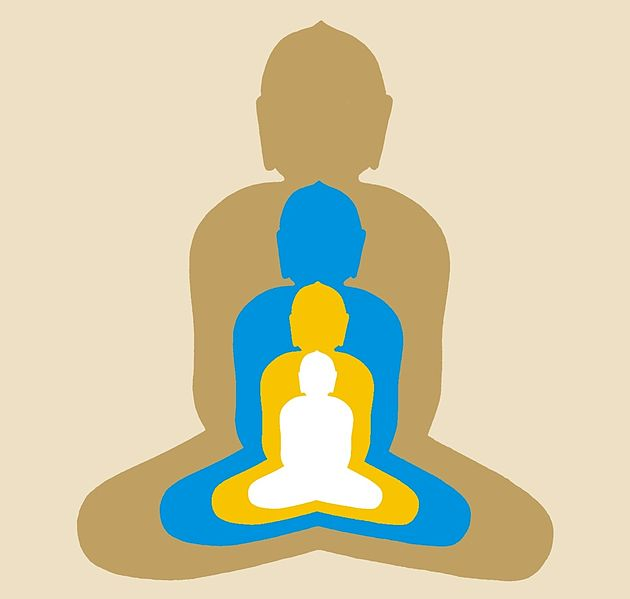
The Jain school of thought, like ancient Ajivika, but unlike Hindu and Buddhist beliefs, asserts that each jiva passes through 8,400,000 birth-situations, as they circle through Saṃsāra. As the soul cycles Jainism traditions believe that it goes through five types of bodies: earth bodies, water bodies, fire bodies, air bodies and vegetable lives. With all human and non-human activities, such as rainfall, agriculture, eating and even breathing, minuscule living beings are taking birth or dying, their souls are believed to be constantly changing bodies.
Atman in Sikhi
The Sikh concept of atman is nearest to the Upanisadic Advaitic viewpoint. In Sikh philosophy, atman is considered to be of the nature of pure resplendent consciousness.
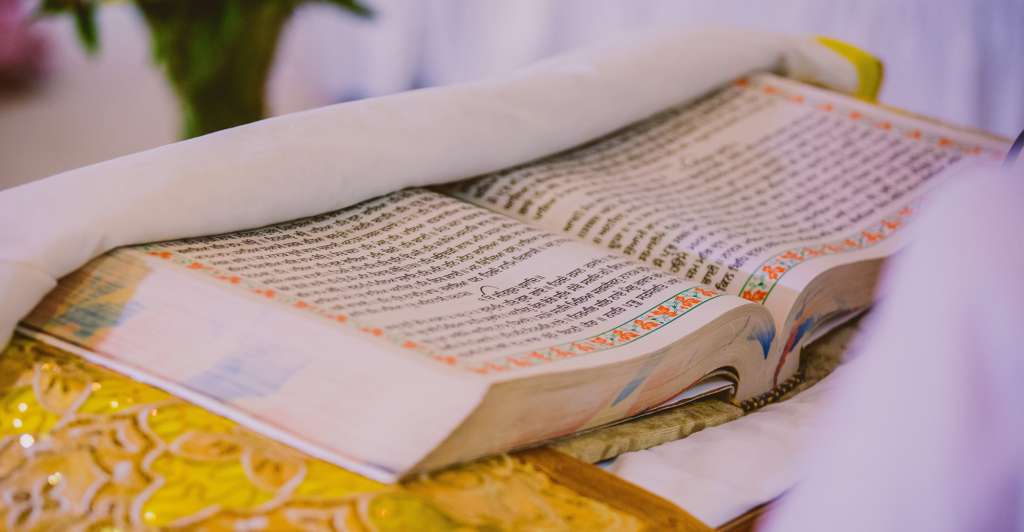
ਆਤਮਾ ਦੇਉ ਪੂਜੀਐ ਗੁਰ ਕੈ ਸਹਜਿ ਸੁਭਾਇ ॥
aatamaa dheau poojeeaai gur kai sahaj subhai ||
Worship the Divine, Supreme Soul, with the intuitive peace and poise of the Guru.ਆਤਮੇ ਨੋ ਆਤਮੇ ਦੀ ਪ੍ਰਤੀਤਿ ਹੋਇ ਤਾ ਘਰ ਹੀ ਪਰਚਾ ਪਾਇ ॥
aatame no aatame dhee prateet hoi taa ghar hee parachaa pai ||
If the individual soul has faith in the Supreme Soul, then it shall obtain realization within its own home.ਆਤਮਾ ਅਡੋਲੁ ਨ ਡੋਲਈ ਗੁਰ ਕੈ ਭਾਇ ਸੁਭਾਇ ॥
~ Guru Granth Sahib Ji Ang 87
aatamaa addol na ddoliee gur kai bhai subhai ||
The soul becomes steady, and does not waver, by the natural inclination of the Guru’s Loving Will.
ਨਦਰਿ ਕਰੇ ਤਾ ਸਿਮਰਿਆ ਜਾਇ ॥
nadhar kare taa simariaa jai ||
If the Lord bestows His Glance of Grace, then one remembers Him in meditation.ਆਤਮਾ ਦ੍ਰਵੈ ਰਹੈ ਲਿਵ ਲਾਇ ॥
aatamaa dhravai rahai liv lai ||
The soul is softened, and he remains absorbed in the Lord’s Love.ਆਤਮਾ ਪਰਾਤਮਾ ਏਕੋ ਕਰੈ ॥
~ Guru Granth Sahib Ji Ang 661
aatamaa paraatamaa eko karai ||
His soul and the Supreme Soul become one.
Unifying Ideas
The concept of atman (soul), punarjanma (re-birth) and karma is a unifying string across different schools of thought in Santana. Many scholars, especially western scholars, have argued the difference of Buddhist vs Sanatan understanding of atman however, it must be noted that Gautam Buddha did not deny the principle of rebirth or karma but provided an alternative understanding of our existence that deviated from the Vedic understanding of atman.
Further Reading
- https://www.hinduwebsite.com/soul.asp
Great summary of how Bhagavadgita describes atman and it’s nature. - https://en.wikipedia.org/wiki/%C4%80tman_(Hinduism)
Generally we balanced article but towards the end they try to link it to Greek philosophy and Indo-Aryan Migration Theory as a consequence. - https://www.thesikhencyclopedia.com/philosophy-spirituality-and-ethics/metaphysics/atma/
Discussed the shared origins of atman from vedas, upnishads to Guru Granth Sahib Ji