

Cows are considered sacred in Sanatan dharmas (all four Karmic religions and their various sects) because they are believed to embody and represent various virtues and qualities that are valued in Sanatan culture. In Sanatan, the cow is revered as a symbol of wealth, strength, and motherly affection. The Vedas, the oldest Sanatan scriptures, refer to the cow as “aghnya,” meaning one that should not be killed. The Bhagavad Gita also describes the cow as a symbol of the most perfect and purest living being.
Additionally, cows are considered a source of sustenance for humanity. They provide milk, which is a vital source of nutrition and sustenance, especially in a vegetarian society. Oxen are also used for plowing fields, transportation, and their dung is used as fuel and fertilizer.
In Hinduism, the cow is also associated with various deities, particularly Lord Krishna, who is often depicted as a cowherd. Thus, the cow is seen as a divine and sacred animal, deserving of reverence and protection.
Furthermore, the practice of non-violence, or ahimsa, is a fundamental tenet of Sanatan. Hindus believe in the interconnectedness of all living beings and that harming any living creature, including cows, is a violation of this principle. Hence, protecting cows is seen as an expression of this principle of non-violence and compassion.
Overall, cows are considered sacred in Hinduism due to their symbolic and practical significance, as well as their association with divine beings and the principle of non-violence.
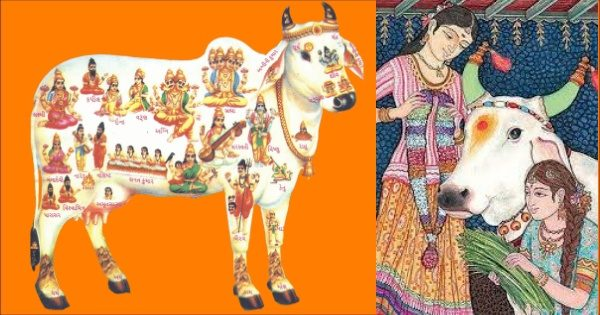
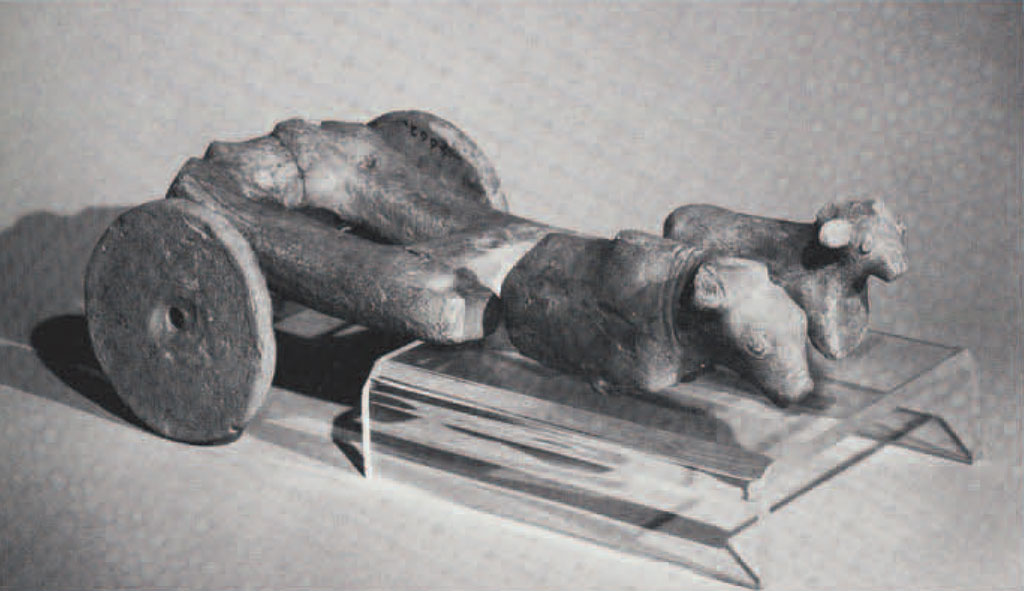
Origins in the Indus Valley Civilization
Domesticated Indian zebu cattle were present on the western margins of the South Asian subcontinent as early as 6000 B.C. Cattle were important in the agricultural economy of the Harappan civilization of the Indus Valley.
Lodrick, D.O. Symbol and Sustenance: Cattle in South Asian Culture. Dialect Anthropol 29, 61–84 (2005). https://doi.org/10.1007/s10624-005-5809-8
The Sanatani understanding of our relationship with cattle is fundamentally different from the west which is highlighted very well in the following
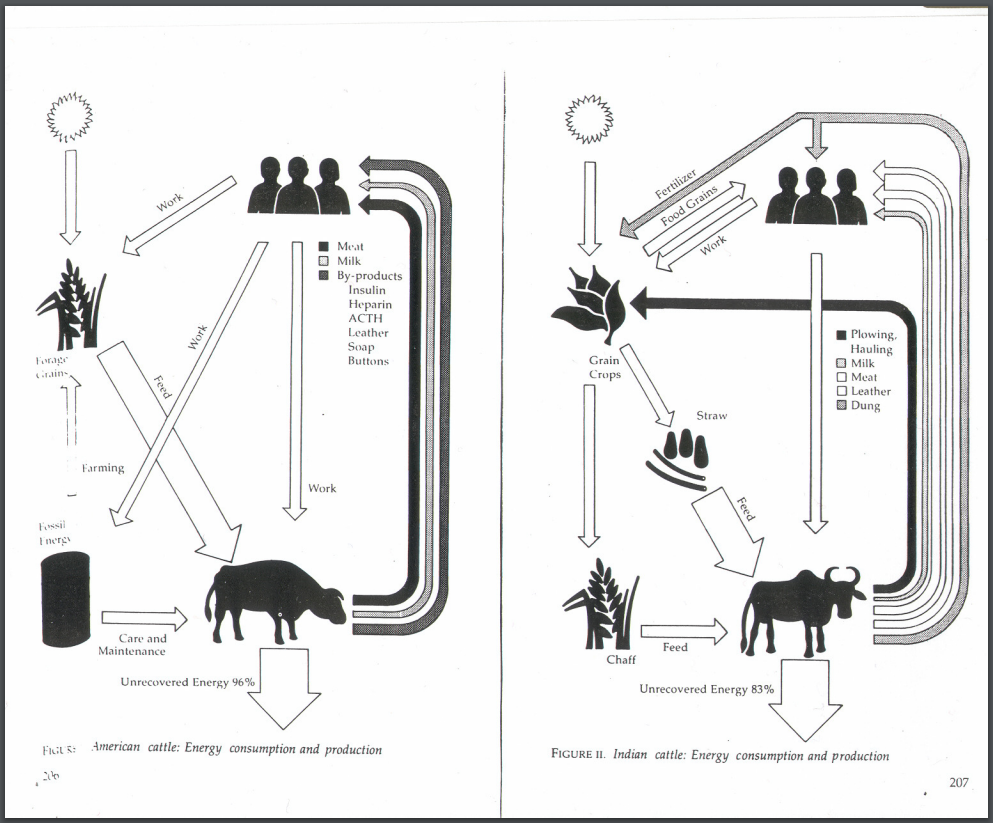
In fact, Karmic religions, specifically consider the zebu (Bos indicus) to be sacred.
Gau Raksha in Hinduism
त्वं माता सर्वदेवानां त्वं च यज्ञस्य कारणम्।
त्वं तीर्थं सर्वतीर्थानां नमस्तेऽस्तु सदानघे।।Twam maata sarwadevana twam cha yagyasya
Twam tirth sarvteerthanaam namastestusadanagheHey! The destroyer of sins, you are the mother of all gods. You are the reason for yajna. Among all the ‘pilgrimages’, you are the most holy. I bow down to you.
~ Skandapurana
As per the Atharva Veda, 33 koti Deities reside inside the cow. While describing the Divine form of cow, Bhagawan Shree Krishna said, ‘धनूनामस्मम कामधुक’, meaning: ‘I am whatever Kamdhenu is, for all the usual milk giving or in the normal sense’.
In the ancient Rishikuls, serving cow was compulsory along with serving Gurus (teachers).
As per the Vedas, cow is considered as a Universal symbol and termed as Aditi, Dhenu, Aghanya, etc. Cow is referred in the Rig Veda 723 times, in Yajur Veda 87 times, in Sama Veda 170 times, in Atharva Veda 331 times, i.e. a total of 1331 times.
Similarly, the term ‘Aghanya’ is used 20 times in Rig Veda, 5 times in Yajur Veda, 2 times in Sama Veda and 33 times in Atharva Veda. ‘Dhenu’ is used 76 times in Rig Veda, 22 times in Yajur Veda, 25 times in Sama Veda, 43 times in Atharva Veda. The meaning of Dhenu is the one which gives satisfaction.
A few excerpts:
- Rig Veda 8-101: Cow is like a mother for all those who are bachelors till the age of 25 years, a daughter for those who are 26 years old and a sister for those who are 48 years old.
- Atharva Veda 4-21-5: Cow brings well-being and purity in the house. She is a source of wealth and prosperity.
- Manu Samhita, Chapter 4, Verse 162: A guru, a teacher, a father, a mother, a brahmana, a cow and a yogi all should never be killed.
- Manusmriti (5-51): Those who permit slaying of animals; those who bring animals for slaughter; those who slaughter; those who sell meat; those who purchase meat; those who prepare dish out of it; those who serve that meat and those who eat are all murderers. According to Manusmriti, the fruit of not eating meat is told like hundred Ashwamedha yagya.
In Dwapar Yuga, Lord Krishna and Balram spearheaded the “Cow worship and preservation” culture. Many Rishis from ancient time have expressed this unique sanctity in their work.
Festivals related to cow are Bachvaras (Vasubaras), Dhanteras, Balipratipada or Padwa. During these festivals, cows are ceremoniously worshipped. Not only cows, but bulls are also worshipped in festivals like Pola.
Gau Raksha in Sikhi
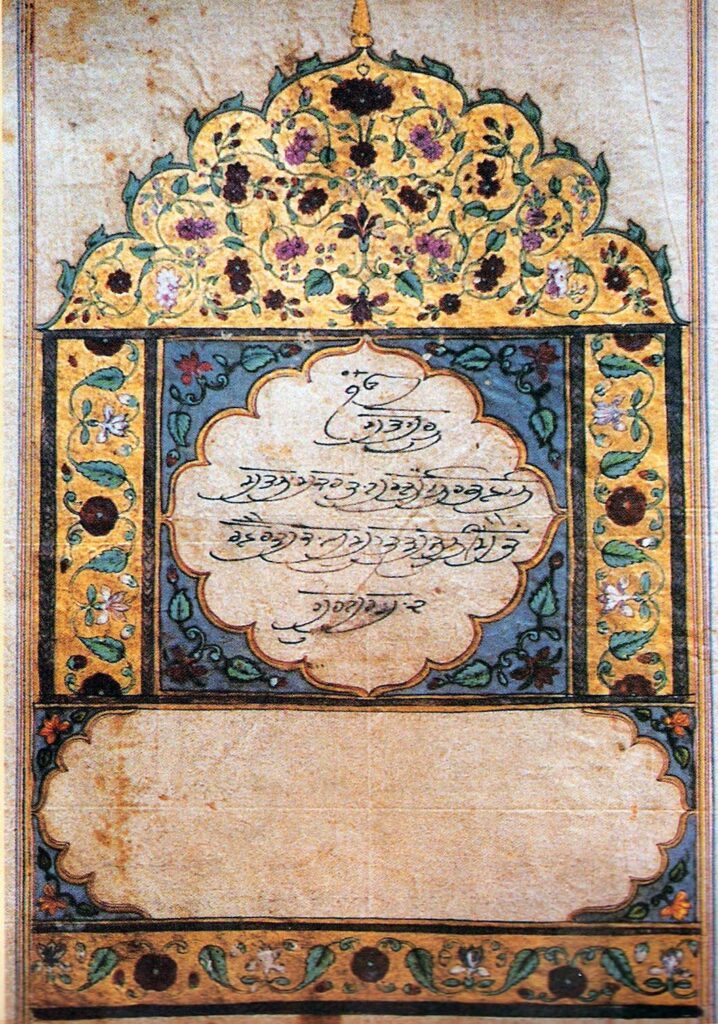
Sikhi refers the holiness of cows at many places across the sikh literature and in the Gurubani. A few examples are shared here.
ਕਾਮਧੇਨ ਹਰਿ ਹਰਿ ਗੁਣ ਗਾਮ ॥
kaamadhen har har gun gaam ||The Khaamadhayn, the cow of miraculous powers, is the singing of the Glory of the Lord’s Name, Har, Har.
~ Shri Guru Granth Sahib Ji, Ang 265
ਬਿੰਦ੍ਰਾਬਨ ਮਨ ਹਰਨ ਮਨੋਹਰ ਕ੍ਰਿਸਨ ਚਰਾਵਤ ਗਾਊ ਰੇ ॥
Bindhraaban Man Haran Manohar Kirasan Charaavath Gaaoo Rae ||In Brindaaban, where Krishna grazes his cows, he entices and fascinates my mind.
~ Shri Guru Granth Sahib Ji, Ang 338
ਗਊ ਬਿਰਾਹਮਣ ਕਉ ਕਰੁ ਲਾਵਹੁ ਗੋਬਰਿ ਤਰਣੁ ਨ ਜਾਈ ॥
Goo Biraahaman Ko Kar Laavahu Gobar Tharan N Jaaee ||They tax the cows and the Brahmins, but the cow-dung they apply to their kitchen will not save them.
ਧੋਤੀ ਟਿਕਾ ਤੈ ਜਪਮਾਲੀ ਧਾਨੁ ਮਲੇਛਾਂ ਖਾਈ ॥
Dhhothee Ttikaa Thai Japamaalee Dhhaan Malaeshhaan Khaaee ||They wear their loin cloths, apply ritual frontal marks to their foreheads, and carry their rosaries, but they eat food with the Muslims.
ਅੰਤਰਿ ਪੂਜਾ ਪੜਹਿ ਕਤੇਬਾ ਸੰਜਮੁ ਤੁਰਕਾ ਭਾਈ ॥
Anthar Poojaa Parrehi Kathaebaa Sanjam Thurakaa Bhaaee ||O Siblings of Destiny, you perform devotional worship indoors, but read the Islamic sacred texts, and adopt the Muslim way of life.
~ Shri Guru Granth Sahib Ji, Ang 471
In the sloka above Guru Granth Sahib Ji discourages the conversion of Sanatanis to islam and uses cows in that context.
ਬ੍ਰਹਮਣ ਕੈਲੀ ਘਾਤੁ ਕੰਞਕਾ ਅਣਚਾਰੀ ਕਾ ਧਾਨੁ ॥
Brehaman Kailee Ghaath Kannjakaa Anachaaree Kaa Dhhaan ||If a Brahmin kills a cow or a female infant, and accepts the offerings of an evil person,
ਫਿਟਕ ਫਿਟਕਾ ਕੋੜੁ ਬਦੀਆ ਸਦਾ ਸਦਾ ਅਭਿਮਾਨੁ ॥
Fittak Fittakaa Korr Badheeaa Sadhaa Sadhaa Abhimaan ||He is cursed with the leprosy of curses and criticism; he is forever and ever filled with egotistical pride.
~ Shri Guru Granth Sahib Ji, Ang 1413
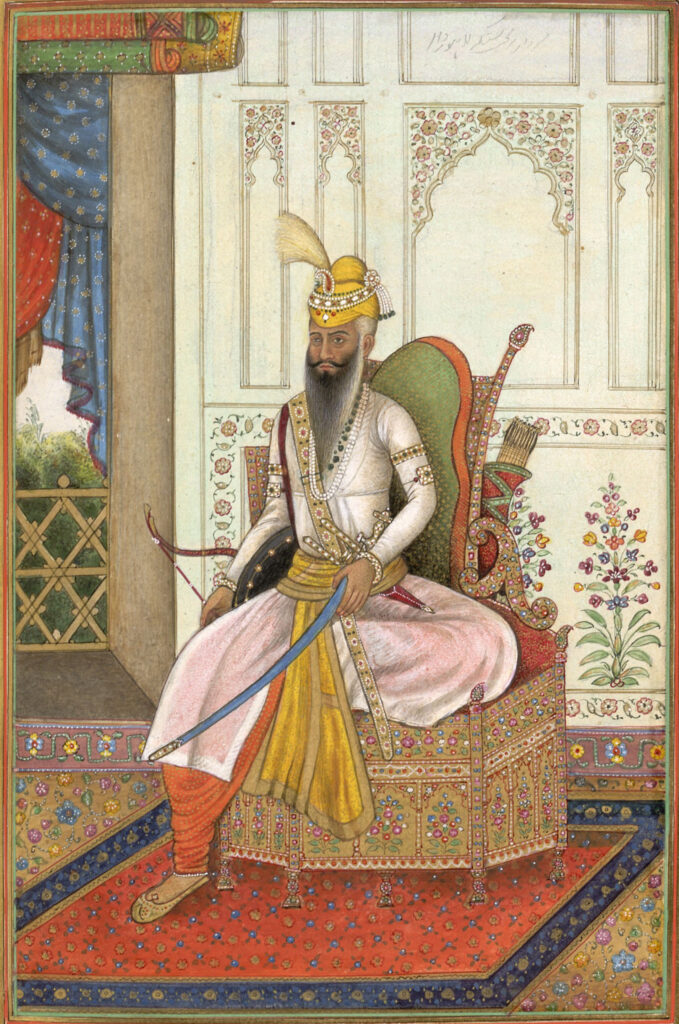
Maharaja Ranjit Singh Ji brought on a complete ban on cow slaughter in the areas ruled by him despite needing to engage with the mughals. When the british colonized Bharat, Punjab was one of the first regions where revolts started because of cow slaughter.
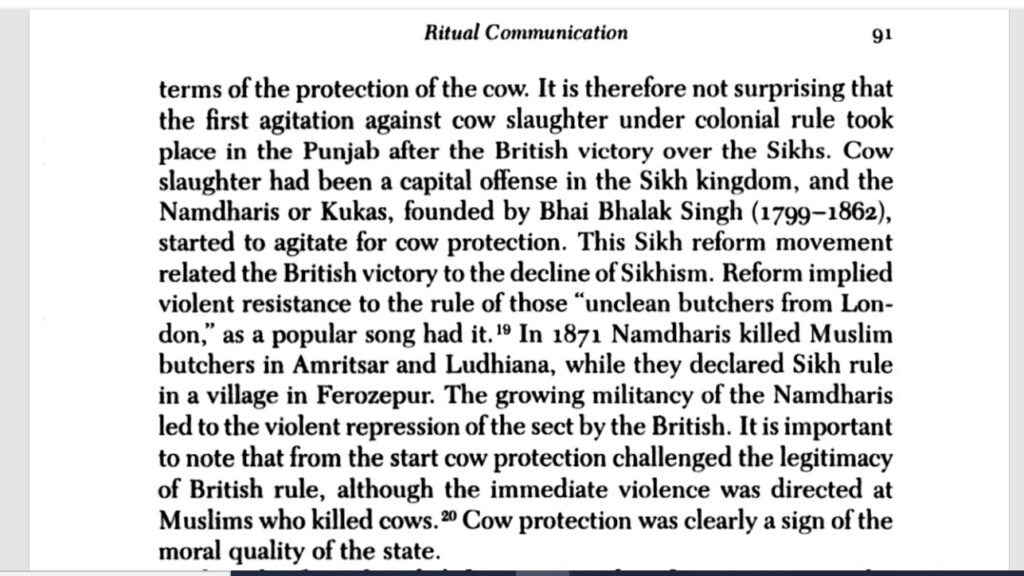
Maharaja Ranjit Singh had brought complete ban on Cow-Slaughter too.
Aabhas Maldahiyar 🇮🇳 (@Aabhas24) August 10, 2021
Source of snippet: Religious Nationalism: Hindus and Muslims in India by Peter van der Veer
There are many other books too that show about Cow-Slaughter ban under Ranjit Singh. pic.twitter.com/Nx0zakep8G
Beef eating among Sanatanis was introduced by the British raj and it’s origins can be traced to Hindu College, Calcutta which was the first premier english education institution.

Beef eating among Hindus entered with the arrival of the British & through Bengal.
Aabhas Maldahiyar 🇮🇳 (@Aabhas24) August 10, 2021
1830s, Bengalis (The Young Bengal Group) of Hindu College began the “Whiskey & Beef” trend under the leadership of Derozio.
Source: A Concise History of Modern India by Metcalf & Metcalf pic.twitter.com/bfuqZZoXi4
Gau Raksha in Buddhism

यथा माता सिता भ्राता अज्ञे वापि च ज्ञातका । गावो मे परमा मित्ता यातु जजायंति औषधा ॥ अन्नदा बलदा चेता वण्णदा सुखदा तथा । एतवत्थवसं ज्ञत्वा नास्सुगावो हनिं सुते ॥
Like parents, siblings, members of family and community, cow is dear to us. It is very helpful. We prepare medicine from its milk. Cow gives food, strength, beauty, and pleasure. Similarly ox supports family men. We should treat the ox and cow like our parents.
~ Gautam Buddha
गोहाणि सख्य गिहीनं पोसका भोगरायका । तस्मा हि माता पिता व मानये सक्करेय्य च् ॥ १४ ॥ ये च् खादंति गोमांसं मातुमासं व खादये ॥ १५ ॥
Cows and oxen provide necessary and appropriate products to all households. Therefore we should treat them with care and respect like we treat our parents. Eating cow’s meat is like eating one’s own mother’s flesh.
~ Lokaneeti 7
Loosely based on https://www.iskconmangalore.in/cowsinbuddhism

In 1767, the Burmese camped out at Seekuk in Bang Ban district which is only 2 kilometers away from Wat Bang Nom Kho. Burmese troops captured villagers for labour force and stole their cattle for vehicles or food supply. The number of cattle started to reduce until there was scarcely any cow left, so the area near Wat bang Nom Kho became known as “Lang Nom Kho” (meaning: the elimination of cows). Lather the area was called “Bang Nom Kho” (meaning: the community of milk cows) because cattle especially milk cows outnumbered other kind of farm animals. Therefore, this is how the temple got its name “Wat Bang Nom Kho”
~ Amazing Thiland
Gau Raksha in Jainism

The cow was accorded top priority in Jain sect and in fact, the cow was the symbol of the first Jain Teerthankar Adinathji Maharaj.
In the life of a Jain saint the cow bore immense respect and significance.
सभी प्राणियों के दर्द से नफरत है, इसलिए उन्हें मार नहीं चाहिए ! इस ज्ञान का सारतत्व है: किसी भी प्राणी, जीव कि हत्या मत करो |
~ Sutrakritanga
In Rajasthan, Gujarat, Maharashtra etc. hundreds of cow shelters are working to stop violence against cows. Pawapuri Jain temple at Sirohi district in Rajasthan is unique example of cow shelter. This temple holds almost ten thousand non-milkable cows and provide the best possible world class facilities for their existence. These cows are the ones which are caught during their illegal trafficking to slaughter houses.
https://www.jainsamaj.org/content.php?url=Jainism_Status_of_Cows

Cow protection and cow worship is one of the common threads that holds Sanatan and its various sects together. All Karmic religions have a special place for the divinity of cows. And this is why cow protection is central to the indic civilizational identity and value system.