

Sita Navami is an important Hindu festival that celebrates the birth anniversary of Goddess Sita. It is celebrated on the Navami Tithi (ninth day) of the Shukla Paksha (waxing phase of the moon) in the month of Vaishaka (April-May).
This year it falls on 28th April 2023.
Navami Tithi Begins – 06:31 AM EST on Apr 28, 2023
Navami Tithi Ends – 08:52 AM EST on Apr 29, 2023
Goddess Sita is considered to be the incarnation of Goddess Lakshmi and the wife of Lord Rama, the seventh avatar of Lord Vishnu. She is revered for her virtues of devotion, purity, and loyalty. She is also known for her courage and steadfastness in the face of adversity.

The festival of Sita Navami is celebrated with great enthusiasm and devotion across India. Devotees perform special prayers and rituals in honor of Goddess Sita. The day begins with a bath or a dip in a holy river, followed by the recitation of the Ramayana, the epic story of Lord Rama and Goddess Sita.
Homes and temples are decorated with flowers and rangolis, and offerings of fruits, sweets, and other delicacies are made to the goddess. Devotees also observe fasts and make charitable donations on this auspicious day.
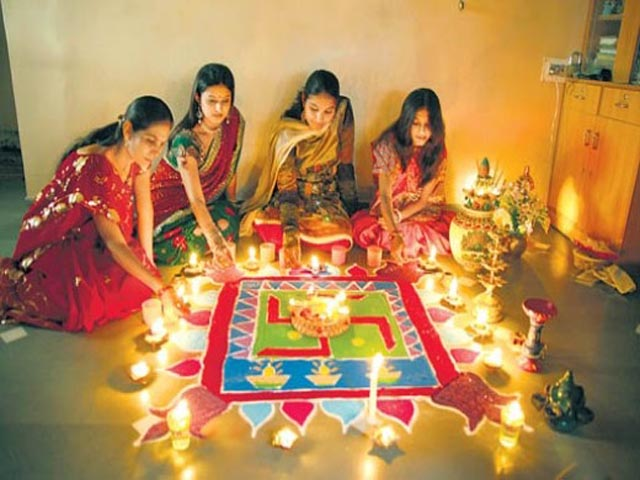
Sita Navami is not just a celebration of the birth of Goddess Sita, but also a reminder of the importance of upholding the values she embodied. Her devotion, purity, and loyalty are qualities that are revered and respected by people of all faiths.
Devi Sita is one of the most revered goddesses in Sanatana Dharma. She is known for her devotion, purity, loyalty, and courage. Her character is often considered as an ideal for women, and her life serves as an inspiration to all.

Here are some qualities of Devi Sita that we can embody:
- Devotion (Bhakti): Devi Sita is known for her unwavering devotion to her husband Lord Rama. She followed him into exile without complaint and remained loyal to him even in the most challenging circumstances. She is an embodiment of bhakti or devotion, which is a fundamental tenet of Sanatana. One of the most famous hymns dedicated to Devi Sita is the “Sita Ashtottara Shatanamavali,” which lists 108 names of the goddess. The first name is “Sita,” which means “furrow” in Sanskrit, referring to her being found in a furrow in the ground by King Janaka.
- Purity (Shuddhata): Devi Sita is also known for her purity of character. She is believed to have been born directly from the earth, and her name “Sita” means “pure” in Sanskrit. Her purity of character is evident in her steadfast devotion to her husband and her refusal to betray him, even when she was held captive by Ravana, the demon king of Lanka. In the Ramayana, she is often referred to as “Janaki,” which means “daughter of King Janaka,” her father.
- Loyalty (Satya-Nishtha): Devi Sita’s loyalty to Lord Rama is legendary. She is often considered the embodiment of the ideal wife, who is devoted to her husband and stands by him through thick and thin. Her loyalty to Lord Rama is highlighted in the Ramayana when she accompanies him into exile in the forest, and later, when she is abducted by Ravana. Despite being held captive, she remains steadfast in her loyalty to Lord Rama and refuses to give in to Ravana’s advances.
- Courage (Shourya): Devi Sita’s courage is also legendary. She is believed to have withstood the most challenging circumstances and emerged victorious. She faced many trials during her life, from being born from the earth to being abducted by Ravana. But through it all, she remained steadfast in her faith and her devotion to Lord Rama. Her courage is evident in her unwavering loyalty to her husband and her willingness to face any obstacle to be with him.

In conclusion, Sita Navami is a festival that celebrates the birth anniversary of the revered Goddess Sita. It is a day of prayer, fasting, and offerings, and a reminder of the importance of upholding the values she embodied. It is a celebration of devotion, purity, and loyalty, and an inspiration to people of all faiths..
Devi Sita is a goddess who embodies the qualities of devotion, purity, loyalty, and courage. Her life serves as an inspiration to all, and her character is often considered as an ideal for women. By embodying these qualities, we can strive to lead a more fulfilling and meaningful life. As the Ramayana states, “Sita Ram, Sita Ram, Jai Jai Ram,” which means “Hail Lord Rama and Sita, the embodiment of all virtues.”