
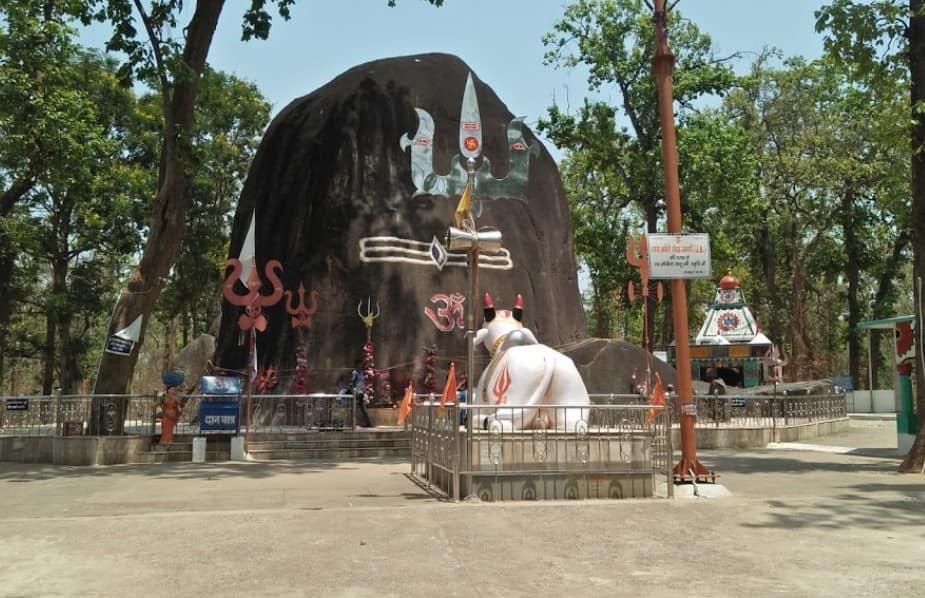
The worship of Shiva Linga is an important and deeply spiritual practice within Sanatan Dharma – primarily in Hinduism, it’s various sects and Buddhism; not so much in Jainism & Sikhism. Despite being misunderstood and misrepresented by many, the practice of Shiva Linga worship is rooted in the rich symbolism of Sanatan Dharma and is supported by a wealth of textual and historical evidence.
Shiva Linga worship is a practice that has been a part of Hinduism for centuries, and yet it remains a controversial and often misunderstood aspect of the religion. At the heart of this controversy is the idea that the Shiva Linga, a symbol of Lord Shiva, represents the male reproductive organ, and that its worship is tantamount to worshipping the penis.
As a Sanatani, I have encountered this accusation many times, and I have often found it difficult to respond to. However, I believe that it is important to address this issue head-on, and to provide a comprehensive context to Shiva Linga worship that is unapologetic, yet grounded in scholarship and evidence.
In this blog post, I will provide an overview of the symbolic significance of the Shiva Linga, its association with the Raudra Roop of Lord Shiva, and the evidence that supports the practice of Shiva Linga worship. I will also explore the concept of reproductive organ worship in other cultures and religions, and show that it is not unique to Hinduism.
The Symbolism of Shiva Linga

The Shiva Linga is a representation of Lord Shiva, one of the major deities in the Sanatan pantheon. It is typically depicted as a cylindrical or oval-shaped stone or metal object with a rounded top, often mounted on a pedestal or base. The term “linga” is derived from the Sanskrit word “liṅga”, which means “mark” or “sign”.
The Shiva Linga is considered to be a symbol of the creative energy and divine power of Lord Shiva. It is associated with the concept of cosmic creation and regeneration, and is said to represent the cosmic pillar of fire that emerged from the ground to mark the center of the universe. The Linga is also considered to be a symbol of the unmanifest and manifest aspects of the divine, and the union of the male and female energies.
The association of the Shiva Linga with the male reproductive organ is a common misunderstanding that arises from a lack of understanding of Hindu symbolism and mythology. While the Shiva Linga is a phallic symbol, it is not meant to be a literal representation of the male genitalia. Instead, it is a symbolic representation of the creative power of Lord Shiva, which is present in all aspects of creation, including human sexuality.
The Linga represents the energy that flows through the universe and is the source of all creation. The Linga is often worshipped along with the Yoni, which represents the feminine energy that complements the masculine energy of the Linga. Together, the Linga and Yoni represent the balance and harmony that exists within the universe.
The Raudra Roop of Lord Shiva
Lord Shiva is a complex and multifaceted deity, with many different forms and manifestations. One of the most important of these forms is the Raudra Roop, which refers to the fierce and destructive aspect of Lord Shiva.
The Raudra Roop of Lord Shiva is associated with the idea of destruction and regeneration, and is often depicted in Hindu art and literature as a powerful and awe-inspiring figure. The worship of the Shiva Linga is often associated with the Raudra Roop of Lord Shiva, as it is believed to represent the destructive and regenerative power of the deity.
The practice of Shiva Linga worship is an important aspect of Sanatana devotion, and is often accompanied by the chanting of prayers and mantras. Hindus believe that the worship of the Shiva Linga can help to bring about spiritual growth and enlightenment, and can help to connect them with the divine power of Lord Shiva.
Sanatan Dharma and Reproductive Organ Worship

The worship of reproductive organs is not unique to Sanatan Dharma, but can be found in many different cultures and religions around the world. Despite the controversy surrounding Shiva Linga worship, Sanatanis continue to practice this deeply spiritual and personal practice. The worship of Shiva Linga is mentioned in many ancient Hindu texts, including the Rig Veda, the Mahabharata, and the Puranas. In addition, there are many temples and shrines throughout India and Nepal that are dedicated to the worship of the Shiva Linga, such as the Pashupatinath Temple in Nepal.
It is important to understand the symbolic significance of these practices and to view them in their proper context, rather than reducing them to crude and simplistic interpretations.
The Pashupatinath Temple in Nepal
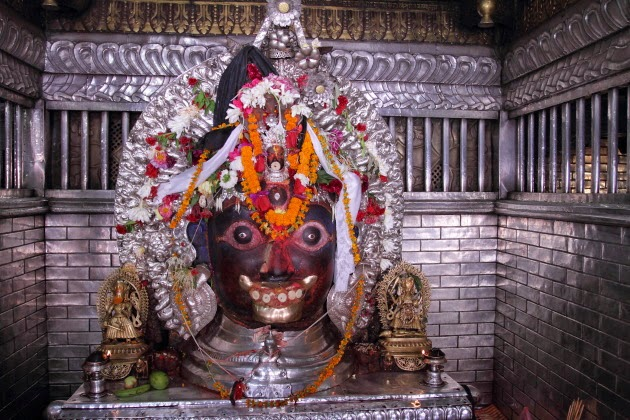
The Pashupatinath Temple is one of the most important and revered temples dedicated to Lord Shiva in the world. Located on the banks of the Bagmati River in Kathmandu, Nepal, the temple is a UNESCO World Heritage Site and attracts thousands of devotees every year. The temple complex includes many shrines and temples dedicated to different forms of Lord Shiva, including the famous Shiva Linga in it’s bhairava roop.
Penis Structures in Bhutan

Bhutan is home to many penis structures that are revered as symbols of fertility and protection. These structures, known as phallus paintings or “phaallusongs”, can be found painted on walls, carved into wooden doorways, and displayed on rooftops. The structures are believed to ward off evil spirits and bring good luck and prosperity to the community.
Reproductive Organ Worship in Other Cultures

The concept of reproductive organ worship is not unique to Sanatana, and can be found in many different cultures and religions around the world. For example, in ancient Greek and Roman mythology, the god Priapus was worshipped as the god of fertility and sexual potency, and was often depicted with an oversized phallus. In ancient Egypt, the god Min was associated with fertility and was also depicted with an erect phallus.
Similarly, in certain Native American and African cultures, phallic and yonic symbols were used in religious ceremonies to represent the creative power of the universe. In some cultures, these symbols were used to represent male and female deities, while in others, they were simply seen as symbols of life and fertility.
In Japan, there is the Kanamara Matsuri festival, also known as the “Festival of the Steel Phallus,” which takes place every year at the Kanayama Shrine in Kawasaki. The festival celebrates the phallus and is believed to have originated as a way to pray for good fortune in business, marriage, and childbirth.
In Bali, Indonesia, there is the Tirta Empul temple, which has a sacred spring that is believed to have healing powers. The spring is said to have been created when the god Indra pierced the earth with his phallus to create a source of clean water. The temple is still a popular destination for Balinese Hindus who come to bathe in the spring and seek its healing powers.
In Mexico, there is the Chichen Itza archaeological site, which includes the famous Temple of the Warriors. The temple has several stone columns with carvings of warriors holding phallic symbols. These symbols are believed to represent fertility and the power of creation.
It is important to note that the worship of reproductive organs in these cultures was not meant to be taken literally, but was instead a symbolic representation of the creative power of the universe. Similarly, the Shiva Linga in Hinduism is not meant to be taken as a literal representation of the male genitalia, but is instead a symbolic representation of the creative power of Lord Shiva.
Yes, I worship the Linga, deal with it.
Evidence Supporting Shiva Linga Worship

Despite the controversy surrounding Shiva Linga worship, there is actually a great deal of evidence to support the practice. For example, the worship of the Shiva Linga is mentioned in many ancient Hindu texts, including the Rig Veda, the Mahabharata, and the Puranas.
In addition, there are many temples and shrines throughout India that are dedicated to the worship of the Shiva Linga, and many Hindu devotees continue to practice Shiva Linga worship to this day. The practice is also supported by many Hindu scholars and spiritual leaders, who view it as an important aspect of Hindu devotion and spirituality.
प्रधानं प्रकृतिर यदाहुर्लिगंउत्तम ।
गंध-वर्ण-रसहिंनं शब्द-स्पर्शादिवर्जितं ॥The foremost Lingam which is devoid of colour, taste, hearing, touch etc is spoken of as Prakriti or nature.
आकाशं लिंगमित्याहु: पृथ्वी तस्य पीठिका।
आलय: सर्व देवानां लयनार्लिंगमुच्यते ॥
(स्कन्द पुराण)The endless sky (that great void which contains the entire universe) is the Linga, the Earth is its base. At the end of time the entire universe and all the Gods finally emerge in the Linga itself.
Exhaustive article on literary references to Shiva Linga – https://shaivam.org/scripture/English-Articles/1790/the-inner-meaning-of-shiva-linga/
Conclusion
In conclusion, the practice of Shiva Linga worship is an important aspect of Sanatana that has been misunderstood and misrepresented by many. While the Shiva Linga is a phallic symbol, it is not meant to be a literal representation of the male genitalia, but is instead a symbolic representation of the creative power of Lord Shiva.
Furthermore, the worship of reproductive organs is not unique to Hinduism, but can be found in many different cultures and religions around the world. It is important to understand the symbolic significance of these practices and to view them in their proper context, rather than reducing them to crude and simplistic interpretations.
Ultimately, the practice of Shiva Linga worship is a deeply personal and spiritual practice that is grounded in the rich symbolism and mythology of Hinduism. As Hindus, we should be unapologetic in our devotion to Lord Shiva and the practices that connect us with the divine power of the universe.