
This is a very long (exhaustive) post. Please take pauses and read. 🙂
Dance has been an integral part of Bharatiya culture for thousands of years, with various forms of dance evolving and thriving across different regions and communities. On International Dance Day, we celebrate the diversity and richness of dance in the Indian subcontinent, from ancient classical dance forms to vibrant folk dances.
In this post, we explore an exhaustive (at least an attempt) list of dance forms that originated in the Indian subcontinent, highlighting the unique features and cultural significance of each. Join us on a journey through the colorful and captivating world of Indian dance, and discover what Bharat has to offer to the world on this special occasion.
1. Bharatnatyam
Origin:
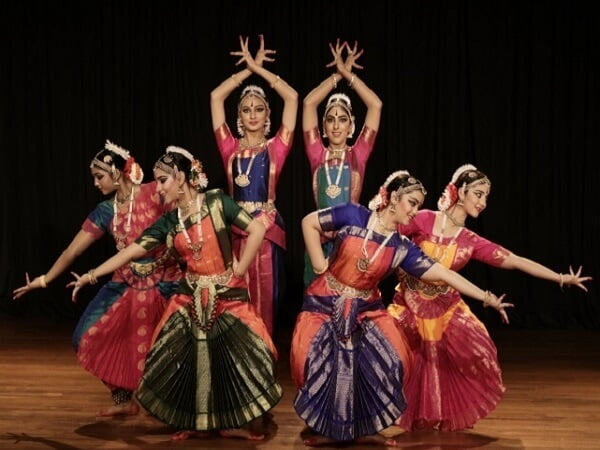
Bharatanatyam is a classical dance form that originated in the southern Indian state of Tamil Nadu. It is one of the oldest and most popular classical dance forms in India, with a history dating back over 2,000 years.
Technique:
The technique of Bharatanatyam is based on a series of complex hand gestures, facial expressions, and intricate footwork, which are used to tell stories and convey emotions. The dance is usually performed by women, although men may also perform Bharatanatyam.
One of the unique features of Bharatanatyam is its emphasis on the concept of “abhinaya,” or expression. Performers use their facial expressions and body movements to convey a range of emotions and tell stories. The dance is also known for its graceful, fluid movements and intricate rhythmic patterns.
Cultural Significance:
Bharatanatyam is deeply rooted in Hindu mythology and religious traditions, and many of its themes and stories are drawn from ancient Hindu texts such as the Ramayana and the Mahabharata. The dance form has evolved over time and has been influenced by various other art forms, including music, poetry, and theater.
Sources:
“Bharatanatyam.” Encyclopædia Britannica. https://www.britannica.com/art/Bharata-natyam.
“Bharatanatyam.” Ministry of Culture, Government of India. https://www.indiaculture.nic.in/dance-forms/bharatanatyam.
“Bharatanatyam – Dance of the Gods.” IndiaNetzone. http://www.indianetzone.com/8/bharatanatyam.htm.
2. Kathak
Origin:
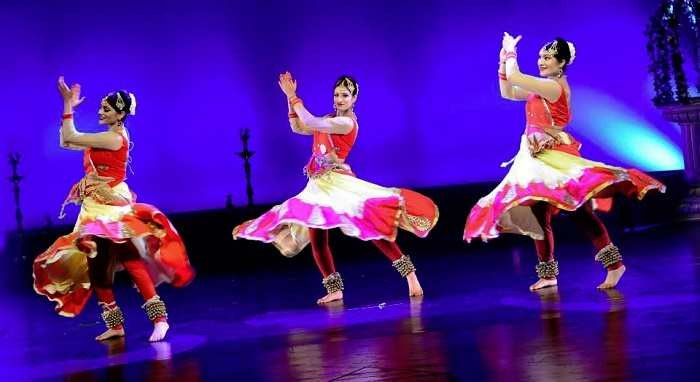
Kathak is a classical dance form that originated in the northern Indian states of Uttar Pradesh and Rajasthan. The dance is believed to have originated as a form of storytelling in ancient India, and it has evolved over time to become one of the most popular classical dance forms in the country.
Technique:
The technique of Kathak involves a series of intricate footwork, fast spins, and graceful hand gestures, which are used to create a rhythmic and dynamic performance. The dance is usually performed by women, although men may also perform Kathak.
One of the key features of Kathak is its emphasis on improvisation and the ability of the dancer to express emotions and tell stories through their movements. The dance form is deeply rooted in Indian mythology and religious traditions, and many of its themes and stories are drawn from ancient Hindu texts such as the Mahabharata and the Ramayana.
Cultural Significance:
Kathak is also known for its use of percussion instruments, such as the tabla and the pakhawaj, which are used to create a rhythmic beat that the dancer can synchronize their movements to. The dance form has evolved over time and has been influenced by various other art forms, including music, poetry, and theater.
Sources:
“Kathak.” Encyclopædia Britannica. https://www.britannica.com/art/Kathak.
“Kathak.” Ministry of Culture, Government of India. https://www.indiaculture.nic.in/dance-forms/kathak.
“Kathak – The Classical Dance Form of Northern India.” IndiaNetzone. http://www.indianetzone.com/13/kathak.htm.
3. Kathakali
Origin:
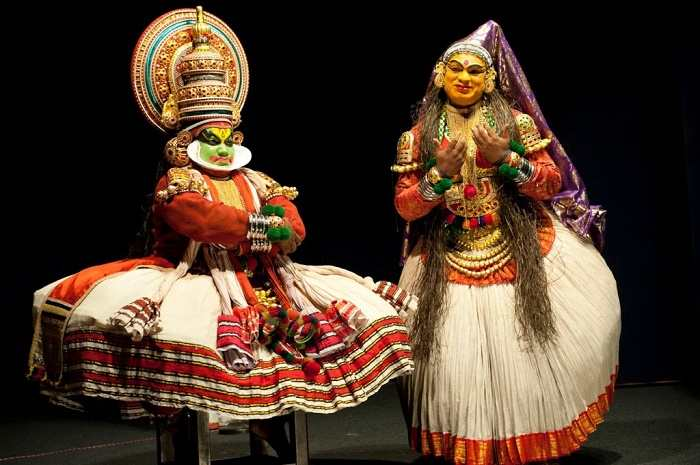
Kathakali is a classical dance-drama form that originated in the southern Indian state of Kerala. The dance form combines elements of dance, music, and acting to tell stories from Hindu mythology. The origins of Kathakali can be traced back to the 17th century, when it evolved from earlier forms of classical dance and theater in the region.
Technique:
The technique of Kathakali involves a series of intricate hand gestures, facial expressions, and body movements, which are used to convey emotions and tell stories. The dance form is known for its elaborate costumes and makeup, which can take several hours to apply. The costumes and makeup are used to represent different characters and emotions, and are an important part of the performance.
Kathakali is also characterized by its use of percussion instruments such as the chenda, maddalam, and cymbals, which are used to create a rhythmic beat that the dancers can synchronize their movements to. The dance form is deeply rooted in Indian mythology and religious traditions, and many of its stories and themes are drawn from ancient Hindu texts such as the Mahabharata and the Ramayana.
Cultural Significance:
One of the unique features of Kathakali is its emphasis on facial expressions, which are used to convey the emotions and moods of the characters. The performers use a complex system of hand gestures and facial expressions known as mudras and rasas to convey a wide range of emotions and feelings.
Sources:
“Kathakali.” Encyclopædia Britannica. https://www.britannica.com/art/Kathakali.
“Kathakali – The Classical Dance Form of Kerala.” IndiaNetzone. http://www.indianetzone.com/12/kathakali.htm.
“Kathakali.” Ministry of Culture, Government of India. https://www.indiaculture.nic.in/dance-forms/kathakali.
4. Kuchipudi
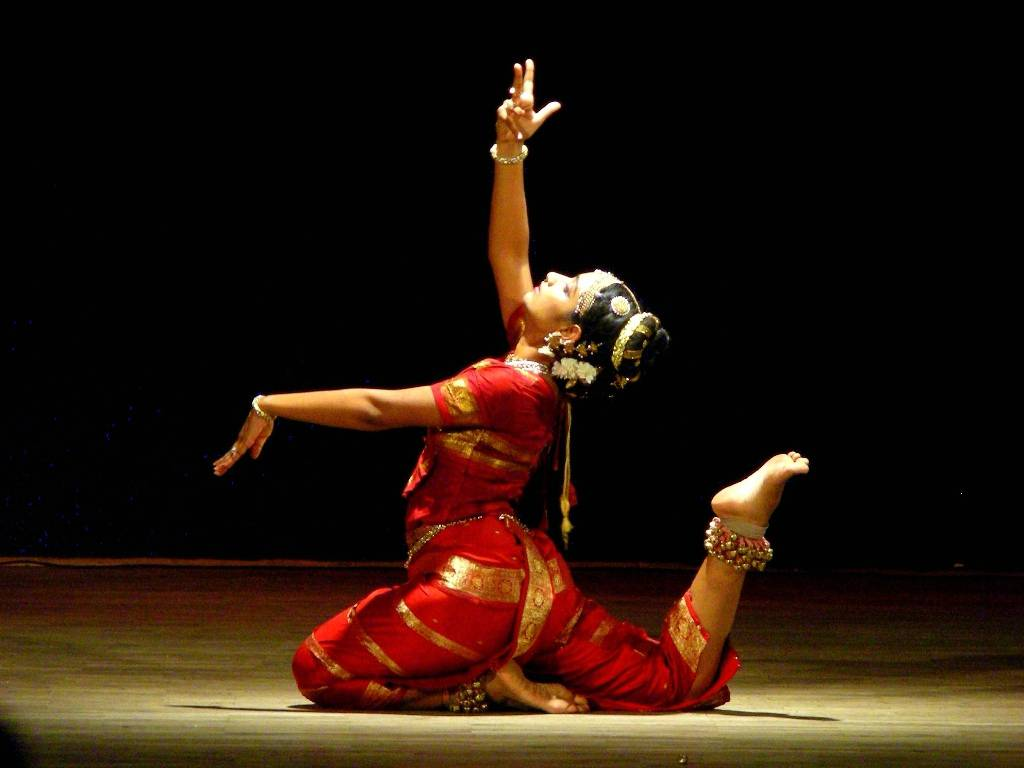
Origin:
Kuchipudi has its roots in the village of Kuchipudi in Andhra Pradesh, where it was originally performed as a dance-drama by a group of Brahmin men. Over time, the dance form evolved to include both male and female performers, and its popularity spread beyond Andhra Pradesh to other parts of India and the world.
Technique:
Kuchipudi is characterized by its fast footwork, intricate hand gestures, and fluid movements. The dance form incorporates elements of mime, drama, and music, and is known for its graceful and fluid movements. The technique of Kuchipudi involves a series of rhythmic footwork patterns, known as tattu, which are used to create a complex rhythm that the dancer can synchronize their movements to. The dance form also involves the use of hand gestures, known as mudras, which are used to convey emotions and tell stories.
Cultural Significance:
Kuchipudi is deeply rooted in Indian mythology and religious traditions, and many of its stories and themes are drawn from ancient Hindu texts such as the Mahabharata and the Ramayana. The dance form is also an important part of Andhra Pradesh’s cultural heritage, and is often performed during festivals and other cultural events in the region.
Sources:
“Kuchipudi – Classical Dance Form of Andhra Pradesh.” Cultural India. https://www.culturalindia.net/indian-dance/classical/kuchipudi.html.
“Kuchipudi.” Encyclopædia Britannica. https://www.britannica.com/art/Kuchipudi.
“Kuchipudi – Origin, History, Costumes, Dance Steps, and Music.” Maps of India. https://www.mapsofindia.com/culture/indian-dance/kuchipudi.html.
5. Manipuri

Manipuri is a classical dance form that originated in the northeastern state of Manipur in India. Here is some information about its origin, technique, and cultural significance:
Origin:
Manipuri dance has its roots in the ancient Manipuri culture and traditions. It is believed to have originated in the 18th century, during the reign of King Bhagyachandra of Manipur. The dance form was originally performed as part of religious rituals and festivals in the region.
Technique:
Manipuri is characterized by its gentle and graceful movements, and its use of circular and flowing patterns. The dance form incorporates both Hindu and indigenous religious themes, and often tells stories from the life of Lord Krishna. Manipuri dancers use their entire body to express emotions and convey stories, and the dance form also involves the use of hand gestures and facial expressions.
Cultural Significance:
Manipuri is an important part of Manipur’s cultural heritage, and is often performed during festivals and other cultural events in the region. The dance form has also gained recognition on the national and international stage, and has been performed in countries around the world. Manipuri is known for its emphasis on spirituality, and for its use of dance as a means of connecting with the divine.
Sources:
“Manipuri Dance – Artistic Excellence and Spiritualism.” India Net Zone. https://www.indianetzone.com/18/manipuri_dance.htm.
“Manipuri – Classical Dance Form of Manipur.” Cultural India. https://www.culturalindia.net/indian-dance/classical/manipuri.html.
“Manipuri Dance.” Encyclopædia Britannica. https://www.britannica.com/art/Manipuri-dance.
6. Mohiniyattam

Mohiniyattam is a classical dance form from the southern Indian state of Kerala. Here is some information about its origin, technique, and cultural significance:
Origin:
Mohiniyattam has its roots in the devadasi tradition of Kerala, where women would perform dance as part of religious rituals in Hindu temples. The dance form is believed to have originated in the 16th century, and was originally performed by women in the royal courts of Kerala. Mohiniyattam was later revived in the early 20th century by dancer and poet Vallathol Narayana Menon.
Technique:
Mohiniyattam is characterized by its flowing, graceful movements and its emphasis on facial expressions and eye movements. The dance form incorporates both Hindu and Muslim themes, and often tells stories from Indian mythology and folklore. Mohiniyattam also uses a lot of circular and semi-circular patterns, and the dancers wear long, flowing skirts that accentuate their movements.
Cultural Significance:
Mohiniyattam is an important part of Kerala’s cultural heritage, and is often performed during festivals and other cultural events in the region. The dance form has also gained recognition on the national and international stage, and has been performed in countries around the world. Mohiniyattam is known for its delicate, feminine movements, and for its emphasis on storytelling and emotional expression.
Sources:
“Mohiniyattam – Kerala’s Classical Dance Form.” Kerala Tourism. https://www.keralatourism.org/kerala-article/2019/mohiniyattam-dance/34.
“Mohiniyattam.” IndiaNetZone. https://www.indianetzone.com/13/mohiniyattam.htm.
“Mohiniyattam – A Beautiful Dance Form of Kerala.” Cultural India. https://www.culturalindia.net/indian-dance/classical/mohiniyattam.html.
7. Odissi
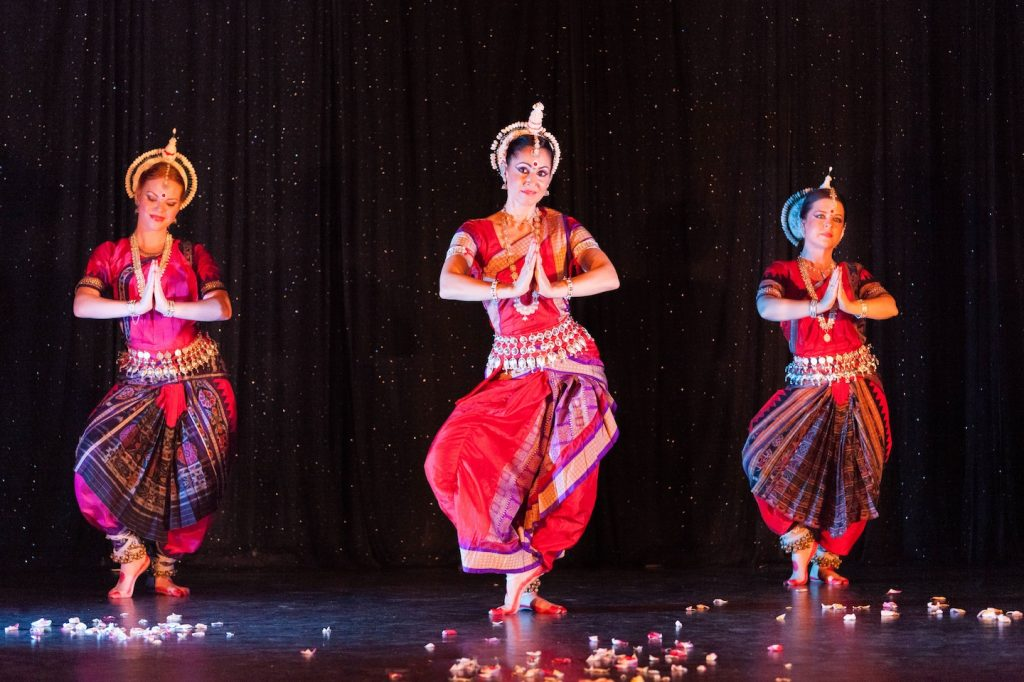
Odissi is a classical dance form from the eastern Indian state of Odisha. Here is some information about its origin, technique, and cultural significance:
Origin:
Odissi has its roots in the temple dances of Odisha, where women would perform dance as part of religious rituals in Hindu temples. The dance form is believed to have originated in the 2nd century BCE, and was later codified and refined in the 20th century by Guru Kelucharan Mohapatra and other Odissi exponents.
Technique:
Odissi is characterized by its fluid, graceful movements and its use of sculpturesque poses and facial expressions. The dance form incorporates both Hindu and Buddhist themes, and often tells stories from Indian mythology and folklore. Odissi also uses a lot of footwork and hand gestures, and the dancers wear vibrant, intricately-designed costumes.
Cultural Significance:
Odissi is an important part of Odisha’s cultural heritage, and is often performed during festivals and other cultural events in the region. The dance form has also gained recognition on the national and international stage, and has been performed in countries around the world. Odissi is known for its intricate footwork, graceful movements, and for its emphasis on storytelling and emotional expression.
Sources:
“Odissi – A Dance of Poetry and Sculpture.” Indian Holiday. https://www.indianholiday.com/culture-of-india/odissi-dance.html.
“Odissi Dance.” Odisha Tourism. http://www.odishatourism.gov.in/odisha/odishatourism/dance/odissi.jsp.
“Odissi.” IndiaNetZone. https://www.indianetzone.com/7/odissi.htm.
8. Sattriya

Sattriya is a classical dance form from the northeastern Indian state of Assam. Here is some information about its origin, technique, and cultural significance:
Origin:
Sattriya has its roots in the Vaishnavite monasteries or “sattras” of Assam, where it was performed as a form of religious worship. The dance form was developed in the 15th century by the saint and cultural reformer Srimanta Sankardev, who used it to spread his teachings of love and devotion.
Technique:
Sattriya is characterized by its fluid, graceful movements and use of intricate footwork and hand gestures. The dance form incorporates both Hindu and Buddhist themes, and often tells stories from Indian mythology and the life of Lord Krishna. Sattriya also incorporates elements of theater, including mime and drama, and the dancers wear colorful, traditional costumes.
Cultural Significance:
Sattriya is an important part of Assamese culture and is often performed during religious festivals and other cultural events in the region. The dance form was nearly lost during the colonial period, but was revived in the 20th century by a group of Assamese artists. Today, Sattriya is recognized as one of the eight classical dance forms of India and has gained recognition on the national and international stage.
Sources:
“Sattriya Dance.” Incredible India. https://www.incredibleindia.org/content/incredible-india-v2/en/destinations/guwahati/sattriya-dance.html.
“Sattriya Dance.” IndiaNetZone. https://www.indianetzone.com/45/sattriya_dance.htm.
“Sattriya Dance – An Assamese Cultural Heritage.” IndiaCulture.NIC. https://www.indiaculture.nic.in/sattriya-dance-assamese-cultural-heritage.
9. Yakshagana
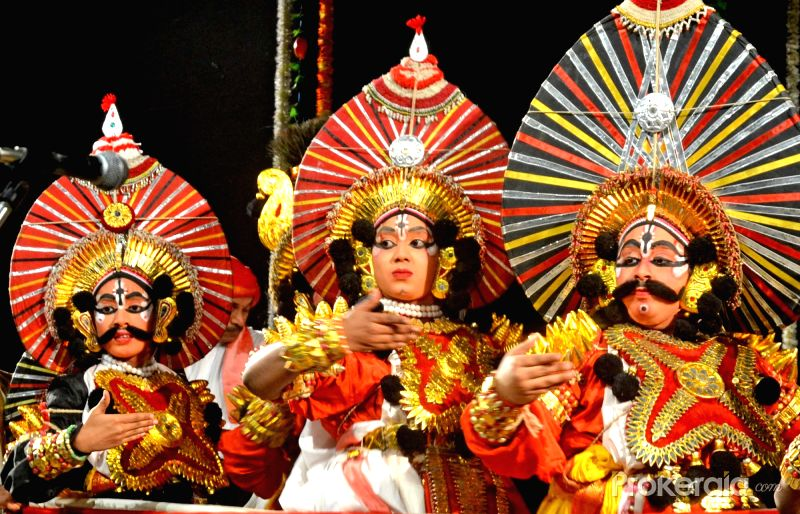
Yakshagana is a traditional dance-drama form from the southwestern Indian state of Karnataka. Here is some information about its origin, technique, and cultural significance:
Origin:
Yakshagana originated in the coastal regions of Karnataka in the 16th century, and is believed to have been influenced by a variety of local and regional performance traditions. The dance-drama form was developed as a means of storytelling and entertainment, and often incorporates themes from Indian mythology and history.
Technique:
Yakshagana is characterized by its colorful costumes, elaborate makeup, and energetic dance movements. The dance-drama is typically performed by a group of actors who sing, dance, and act out the story on an outdoor stage. The performers wear elaborate headdresses and makeup, which is applied using natural pigments and often takes several hours to complete. Yakshagana also features a unique style of music, which is played on a variety of traditional instruments.
Cultural Significance:
Yakshagana is an important part of the cultural heritage of Karnataka and is often performed during religious festivals and other cultural events in the region. The dance-drama form has gained popularity beyond Karnataka and is now performed in other parts of India and even internationally. In recent years, efforts have been made to preserve and promote Yakshagana as a form of cultural heritage.
Sources:
“Yakshagana: The Traditional Dance Drama of Karnataka.” Karnataka.com. https://www.karnataka.com/yakshagana/.
“Yakshagana.” Incredible India. https://www.incredibleindia.org/content/incredible-india-v2/en/destinations/udupi/yakshagana.html.
“Yakshagana: A Traditional Dance Drama of Karnataka.” IndiaNetZone. https://www.indianetzone.com/37/yakshagana.htm.
10. Garba

Garba is a popular folk dance form that originated in the western Indian state of Gujarat. Here is some information about its origin, technique, and cultural significance:
Origin:
Garba is believed to have originated as a form of worship of the goddess Amba (an incarnation of Durga) during the Navaratri festival, which celebrates the victory of good over evil. Over time, the dance form evolved to include both religious and secular themes, and is now performed on a variety of occasions.
Technique:
Garba is characterized by its circular movements and rhythmic clapping, and is often performed by groups of men and women who dance around an image of the goddess Amba. The dance is typically accompanied by live music played on traditional instruments like the dhol, the tabla, and the harmonium. Garba costumes are typically bright and colorful, with women wearing long, flowing skirts and cholis (blouses), and men wearing kurtas (tunics) and pajamas.
Cultural Significance:
Garba is an important part of the cultural heritage of Gujarat and is performed during a variety of religious and cultural events in the state. The dance form has gained popularity beyond Gujarat and is now performed in other parts of India and even internationally. In recent years, efforts have been made to promote Garba as a form of cultural tourism, with festivals like the Navaratri Garba Festival in Ahmedabad attracting large numbers of visitors from around the world.
Sources:
“Garba: The Folk Dance of Gujarat.” Gujarat Tourism. https://www.gujarattourism.com/culture/folk-dance-garba.
“Garba: The Circle of Life and Dance.” India Today. https://www.indiatoday.in/education-today/gk-current-affairs/story/garba-the-circle-of-life-and-dance-236766-2015-10-21.
“The Vibrant and Graceful Dance of Garba.” Culture Trip. https://theculturetrip.com/asia/india/articles/the-vibrant-and-graceful-dance-of-garba/.
11. Dandiya Raas

Dandiya Raas is a traditional folk dance form that originated in the western Indian state of Gujarat. Here is some information about its origin, technique, and cultural significance:
Origin:
Dandiya Raas is believed to have originated as a form of worship of the Hindu goddess Durga during the Navaratri festival, which celebrates the victory of good over evil. The dance form evolved over time to include secular themes and is now performed on a variety of occasions.
Technique:
Dandiya Raas is a dance form that is typically performed in pairs, with dancers holding sticks called dandiyas. The dance is characterized by fast-paced movements and rhythmic tapping of the dandiyas. Dandiya Raas is usually performed to music played on traditional instruments like the dhol, the tabla, and the shehnai. Dancers typically wear brightly colored costumes, with women wearing chaniya cholis (long skirts and blouses) and men wearing kurtas (tunics) and pajamas.
Cultural Significance:
Dandiya Raas is an important part of the cultural heritage of Gujarat and is performed during the Navaratri festival and other cultural events. The dance form has gained popularity beyond Gujarat and is now performed in other parts of India and even internationally. Dandiya Raas is a symbol of unity and celebration, bringing people together to enjoy music, dance, and festivity.
Sources:
“Dandiya Raas: A Traditional Gujarati Dance Form.” Gujarat Tourism. https://www.gujarattourism.com/culture/folk-dance-dandiya.
“Dandiya Raas: The Dance of Festivity.” India Today. https://www.indiatoday.in/education-today/gk-current-affairs/story/dandiya-raas-the-dance-of-festivity-236611-2015-10-20.
“Dandiya Dance.” Cultural India. https://www.culturalindia.net/indian-dance/dandiya.html.
12. Bhangra

Bhangra is a lively and energetic dance form that originated in the Punjab region of northern India and Pakistan. Here is some information about its origin, technique, and cultural significance:
Origin:
Bhangra has its roots in the traditional folk music of the Punjab region, which is characterized by the use of instruments such as the dhol (a double-headed drum), tumbi (a one-stringed instrument), and algoza (a double flute). Over time, the dance form evolved to incorporate movements that reflect the agricultural and cultural practices of the region.
Technique:
Bhangra is typically performed in groups and is characterized by energetic movements that reflect the joy and enthusiasm of the dancers. The dance typically begins with a slow and rhythmic beat that gradually increases in tempo as the dancers move in circles around a drummer. The dance is accompanied by the lively and upbeat music of the dhol and other instruments. Dancers often wear colorful outfits and traditional Punjabi turbans.
Cultural Significance:
Bhangra is an important part of the cultural heritage of the Punjab region and is performed at weddings, festivals, and other celebrations. The dance form has gained popularity beyond the region and is now performed around the world. Bhangra is a symbol of Punjabi pride and identity, and is often used to express cultural values and social issues.
Sources:
“Bhangra – A Punjabi Folk Dance.” Cultural India. https://www.culturalindia.net/indian-dance/folk/bhangra.html.
“Bhangra: History, Culture, and Dance.” Learn Religions. https://www.learnreligions.com/bhangra-history-culture-and-dance-1770094.
“Bhangra Dance.” IndiaNetzone. http://www.indianetzone.com/6/bhangra_dance.htm.
13. Giddha

Giddha is a traditional folk dance of the Punjab region of India and Pakistan that is predominantly performed by women. Here is some information about its origin, technique, and cultural significance:
Origin:
Giddha originated in the villages of the Punjab region and was traditionally performed by women during weddings and other festive occasions. The dance is believed to have evolved from the agricultural practices of the region, with movements inspired by the activities of women working in the fields.
Technique:
Giddha is typically performed in a circle, with dancers moving in a clockwise direction. The dance is accompanied by lively music that is typically provided by a group of men playing the dhol (a double-headed drum) and other instruments. Dancers wear colorful outfits and traditional Punjabi jewelry.
The dance involves a series of fast-paced movements, including foot-stomping, clapping, and spinning. Dancers also engage in mock battles, with two dancers taking turns to act out the roles of a wife and a husband in a playful manner.
Cultural Significance:
Giddha is an important part of the cultural heritage of the Punjab region and is often performed at weddings, festivals, and other celebrations. The dance form is a symbol of Punjabi identity and is used to express cultural values and social issues. Giddha is also an important form of social bonding among women in the region.
Sources:
“Giddha – The Traditional Folk Dance of Punjab.” Cultural India. https://www.culturalindia.net/indian-dance/folk/giddha.html.
“Giddha: The Folk Dance of Punjab.” Indian Mirror. https://www.indianmirror.com/culture/indian-dances/Giddha.html.
“Giddha Dance.” IndiaNetzone. http://www.indianetzone.com/39/giddha_dance.htm.
14. Jhumar

Jhumar is a folk dance form that originated in the Indian state of Punjab and is now popular in both India and Pakistan. Here is some information about its origin, technique, and cultural significance:
Origin:
Jhumar is believed to have originated in the Sandal Bar region of Punjab, which is now in present-day Pakistan. The dance is said to have evolved from the agricultural practices of the region, with movements inspired by the activities of farmers.
Technique:
Jhumar is typically performed by men and women in a circle formation, with dancers holding hands and moving in a clockwise direction. The dance is accompanied by lively music that is typically provided by a group of musicians playing the dhol (a double-headed drum), algoza (a wind instrument), and other instruments.
The dance involves a series of energetic and rhythmic movements, including foot-stomping and clapping. The dancers also engage in playful gestures and movements that reflect the themes of love, happiness, and celebration.
Cultural Significance:
Jhumar is an important part of the cultural heritage of Punjab and is often performed at weddings, festivals, and other celebrations. The dance form is a symbol of Punjabi identity and is used to express cultural values and social issues. Jhumar is also an important form of social bonding among people in the region.
Sources:
“Jhumar Dance of Punjab.” Cultural India. https://www.culturalindia.net/indian-dance/folk/jhumar.html.
“Jhumar Dance.” IndiaNetzone. http://www.indianetzone.com/36/jhumar_dance.htm.
“Jhumar Dance of Punjab.” Indianetzone. http://www.indianetzone.com/39/jhumar_dance.htm.
15. Rouff

Rouff, also known as Rouf, is a traditional folk dance from the Kashmir Valley in northern India. It is performed primarily by women and is considered to be one of the most ancient and authentic forms of Kashmiri dance.
Origin:
The origins of Rouff are unclear, but it is believed to have been performed for centuries in the rural areas of the Kashmir Valley. Some historians suggest that the dance may have originated from the worship of the goddess Sharika Devi, who is considered to be the protector of the Kashmiri people.
Technique:
Rouff is characterized by the use of intricate footwork and graceful hand gestures. The dancers typically wear colorful costumes, which include phirans (long gowns), head scarves, and traditional jewelry. The dance is accompanied by the sounds of the duff, a drum-like instrument, and the santoor, a stringed instrument.
Cultural Significance:
Rouff is an important part of Kashmiri culture and is performed at a variety of occasions, including weddings, festivals, and other celebrations. The dance is often performed in groups and is considered to be a symbol of community spirit and harmony. Rouff is also seen as a way to preserve and promote Kashmiri culture and traditions.
Sources:
“Rouf Dance: A Blissful Art of Kashmir Valley.” Cultural India. www.culturalindia.net/indian-dance/folk/rouf-dance.html.
“Rouff – A Traditional Dance of Kashmir.” IndiaNetzone. www.indianetzone.com/18/rouff_traditional_dance_kashmir.htm.
16. Chhau

Chhau is a traditional dance form that originated in the eastern part of India, primarily in the states of Jharkhand, Odisha, and West Bengal. The word “Chhau” is derived from the Sanskrit word “Chhaya,” which means “shadow” or “mask.” It is a highly energetic and vibrant dance form that is performed during religious festivals and cultural events.
Chhau dance is characterized by its use of colorful masks, intricate footwork, and acrobatic movements. The dancers wear elaborate costumes and use props such as swords and shields to depict stories from Hindu mythology and folklore. The dance is accompanied by traditional music, including drums, cymbals, and flutes.
There are three different styles of Chhau dance: Seraikella Chhau, Purulia Chhau, and Mayurbhanj Chhau. Seraikella Chhau is the oldest and most traditional form, while Purulia Chhau is known for its acrobatic movements and Mayurbhanj Chhau for its fluidity and grace.
Chhau is not only a form of entertainment but also a way of preserving cultural heritage and passing it on to future generations. In 2010, UNESCO recognized Chhau as one of the intangible cultural heritages of humanity.
Sources:
https://www.culturalindia.net/indian-dance/classical/chhau.html
https://www.indianetzone.com/6/chhau.htm
https://www.unesco.org/culture/ich/en/RL/chhau-dance-00126
17. Ghumura

Ghumura is a traditional folk dance form that originated in the Kalahandi district of Odisha, India. It is primarily performed by the tribal community of Ghumura. The dance is characterized by the use of large drums and is often performed during social and religious festivals. Here is some more information about Ghumura:
Origin:
Ghumura is said to have originated from the mythological story of Lord Krishna and his consort Radha. It is believed that the dance was created by the tribal people of Kalahandi to depict the love story of Lord Krishna and Radha. The dance form has been performed for centuries and is an integral part of the tribal culture of Odisha.
Technique:
Ghumura is performed by a group of men who dance in a circle, playing large drums and cymbals. The dance begins with slow movements and gradually increases in tempo. The dancers use a variety of hand gestures, footwork, and body movements to create a rhythmic and lively performance. The dancers wear colorful costumes, which often include a headgear made of peacock feathers, and ankle bells.
Cultural Significance:
Ghumura is an important part of the tribal culture of Odisha and is often performed during social and religious festivals. The dance form is believed to bring good luck and prosperity to the community. It is also considered a way to preserve the cultural heritage of the tribal people of Odisha.
Sources:
“Ghumura Dance of Odisha.” Cultural India. https://www.culturalindia.net/indian-dance/folk/ghumura-dance.html
“Ghumura: A Dance of the Tribals.” The Pioneer. https://www.dailypioneer.com/2017/sunday-edition/ghumura–a-dance-of-the-tribals.html
18. Bihu
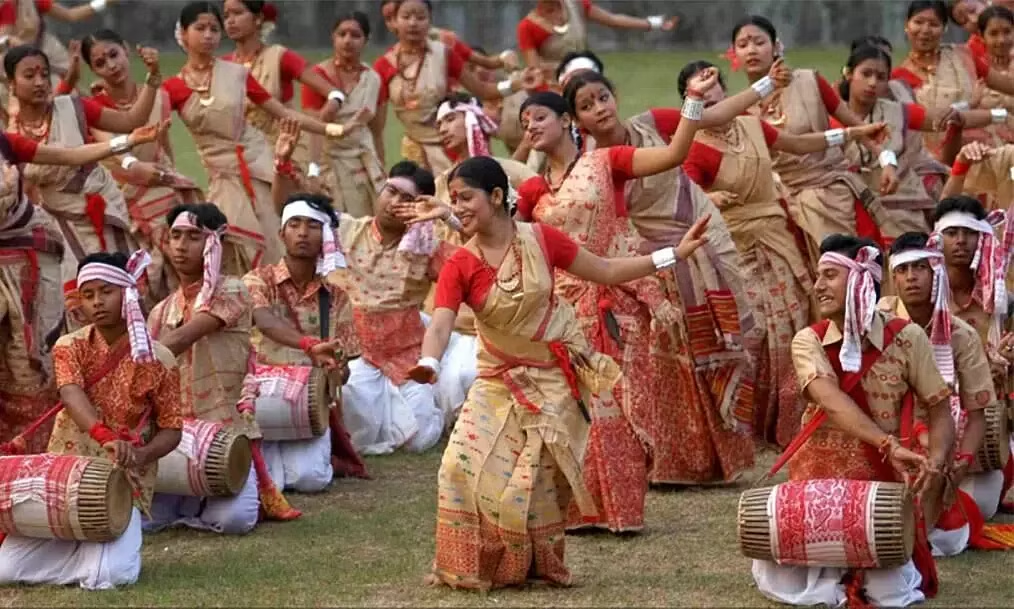
Origin:
Bihu is a set of three different festivals that are celebrated in the Indian state of Assam. These three festivals are called Rongali or Bohag Bihu, Kongali or Kati Bihu, and Bhogali or Magh Bihu. Bihu is an ancient festival that has its roots in the agrarian culture of Assam and is celebrated to mark the changing of seasons.
Technique:
The Bihu dance is an energetic and lively dance form that is performed by men and women. The dance is characterized by rapid movements of the hips, arms, and legs, and is accompanied by the beats of the dhol, taal, and pepa, which are traditional Assamese musical instruments.
Cultural Information:
Bihu is an important festival in Assam, and is celebrated by people of all ages and communities. The festival is associated with the harvest season, and is a time of feasting, music, and dance. During the festival, people dress up in traditional Assamese clothes, exchange gifts and greetings, and participate in cultural programs.
Sources:
“Bihu Dance of Assam: A Celebration of Life, Love, and the Changing Seasons” by Sunita Bhuyan, The Better India, April 2021
“Bihu Festival: A Celebration of Assam’s Vibrant Culture and Heritage” by Madhumita Talukdar, India Today, January 2022
19. Lavani
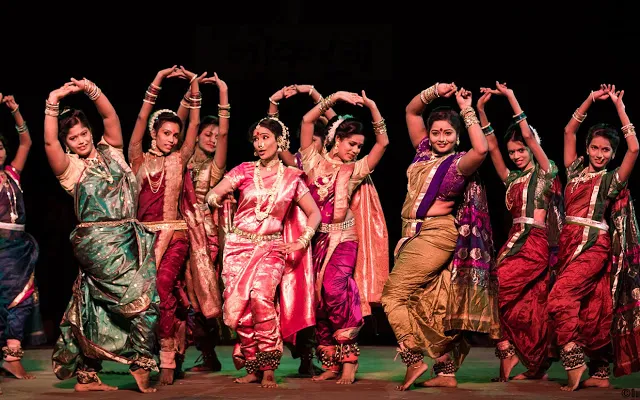
Origin:
Lavani is a traditional dance form that originated in the Indian state of Maharashtra. It has its roots in the 18th century theatre form called Tamasha, which was a popular form of entertainment in Maharashtra. Lavani emerged as a part of this theatre form and was performed by women to entertain the male audience.
Technique:
Lavani is a combination of dance and music and is performed by women. It involves a lot of quick movements of the feet, hips, and hands. The dancers wear traditional Maharashtrian sarees and jewellery and use various props such as small cymbals, sticks, and handkerchiefs during the performance.
Cultural significance:
Lavani is known for its bold and suggestive lyrics and movements, and was often performed in the red light districts of Maharashtra. However, it has evolved into a more mainstream dance form that is now performed at cultural events, festivals, and weddings. It is a celebration of the vibrant and colourful culture of Maharashtra.
Sources:
https://www.culturalindia.net/indian-dance/classical/lavani.html
https://www.indiaheritagedesk.com/lavani/
https://www.indianmirror.com/dance/lavani.html
20. Gaur Maria Dance

“Gaur Maria” dance is a folk dance form that originated in the tribal communities of the central Indian state of Madhya Pradesh. It is performed by the Gond, Baiga, and other tribal communities during the spring festival of Holi, which is also known as “Phagun”.
The dance is performed in a circle, with both men and women participating. The dancers move around in a circular pattern while holding hands, and they also make use of sticks and handkerchiefs in their movements. The dance is accompanied by music from traditional instruments like the dholak, manjira, and the flute.
The Gaur Maria dance is believed to have originated as a way for the tribal communities to celebrate the arrival of spring and the new crop season. It is also performed to seek blessings from the deities for a bountiful harvest.
Sources:
“Gaur Maria Dance of Madhya Pradesh.” Cultural India. https://www.culturalindia.net/indian-dance/folk/gaur-maria-dance.html
“Gaur Maria Dance.” Indianmirror. https://www.indianmirror.com/dance/gaur-maria.html
21. Gotipua
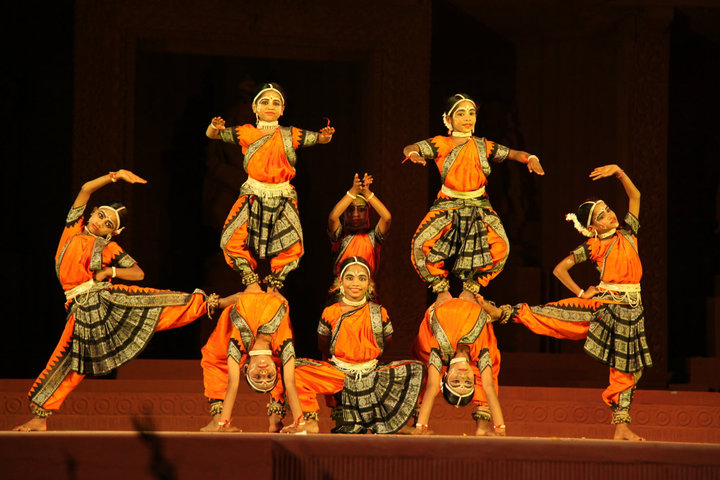
Origin:
Gotipua is a traditional dance form that originated in the state of Odisha in eastern India. The word ‘Gotipua’ means “single boy” in the Odia language, and the dance was originally performed by young boys who dressed up as girls to perform religious themes and stories from the Hindu epics. The dance form dates back to the 16th century, and is considered a precursor to the classical Odissi dance form.
Technique:
Gotipua dance involves acrobatic movements, complex footwork, and graceful hand gestures. The dancers wear brightly colored traditional costumes and headgear, and use makeup to highlight their facial features. The dance is accompanied by live music, with a group of musicians playing instruments such as the mardala, cymbals, and flute.
Cultural Significance:
Gotipua dance is a unique art form that reflects the rich cultural heritage of Odisha. It was traditionally performed in the temples and royal courts of the state, and played an important role in the religious and cultural life of the people. Today, Gotipua dance is performed at cultural events, festivals, and competitions, and has gained recognition as an important dance form in India.
Sources:
“Gotipua dance”, Odisha Tourism, https://odishatourism.gov.in/gotipua-dance
“Gotipua Dance of Odisha”, Indianetzone, https://www.indianetzone.com/56/gotipua_dance.htm
“Gotipua Dance – The Forerunner of Odissi”, Native Planet, https://www.nativeplanet.com/travel-guide/gotipua-dance-the-forerunner-of-odissi-004914.html
22. Chhapeli

Chhapeli is a traditional folk dance form that originated in the Kumaon region of Uttarakhand, India. It is usually performed by women during religious and cultural festivals like Holi and Diwali.
The dance is characterized by its graceful and synchronized movements, accompanied by the melodious music of the dholak, harmonium, and manjira (cymbals). The dancers wear colorful traditional attire and adorn themselves with jewelry and accessories.
The origin of Chhapeli dance is said to be rooted in the local mythology of the Kumaon region. According to legend, Goddess Nanda Devi, the patron deity of the Kumaon region, is said to have performed the Chhapeli dance with her companions.
Chhapeli dance is an important part of the cultural heritage of Uttarakhand and is recognized as an Intangible Cultural Heritage of India by the Government of India.
Sources:
https://www.culturalindia.net/indian-dance/folk/chhapeli-dance.html
https://www.euttaranchal.com/culture/chhapeli-dance.php
23. Sambalpuri
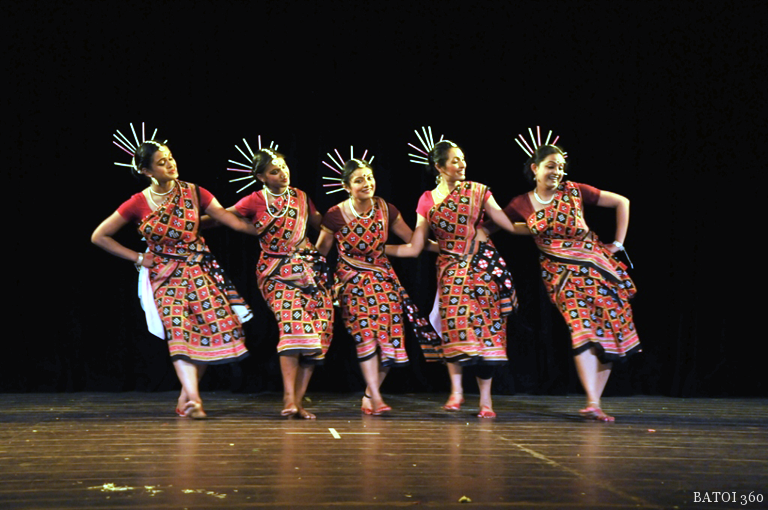
Origin: Sambalpuri dance is a folk dance from the state of Odisha in eastern India. It is named after the region of Sambalpur where it originated.
Technique: Sambalpuri dance is characterized by a lot of movement in the upper body, including the shoulders and head, while the feet remain stationary. The dancers wear colorful traditional costumes and perform to the beats of various percussion instruments such as dhol, nisan, tamka, tasa, and jhanj.
Cultural information: Sambalpuri dance is an important part of the cultural heritage of the Sambalpur region of Odisha. It is usually performed during festivals and other cultural celebrations, and is also popular at weddings and other social gatherings.
Sources:
https://www.culturalindia.net/indian-dance/folk/sambalpuri-dance.html
https://www.odishatourism.gov.in/odisha/destination/what-to-see/dance/sambalpuri-folk-dance
24. Thang-ta

Thang-ta is a martial art form that originated in Manipur, India. However, it is often performed as a dance form as well, incorporating artistic and aesthetic elements into the martial art movements.
Origin:
Thang-ta is a traditional martial art form of Manipur, a northeastern state in India. It is believed to have originated in the 17th century, during the reign of King Khagemba, who patronized the art form and integrated it into the Manipuri culture. Thang-ta is a combination of two words, “thang” meaning sword and “ta” meaning spear, hence it is also known as Huyen Lallong, which means the art of the sword and spear.
Technique:
Thang-ta is a martial art form that involves the use of various weapons such as sword, spear, shield, and axe, as well as empty-handed combat. It is known for its acrobatic movements, fast footwork, and intricate weapon handling techniques. The art form is based on the principles of Yin and Yang, which represent the balance between the soft and hard techniques. Thang-ta also incorporates various elements of dance and music, making it a unique blend of martial arts and performing arts.
Cultural significance:
Thang-ta is an integral part of the Manipuri culture and has been passed down through generations as a way to preserve the martial heritage of the state. It is not just a form of combat but is also considered a way of life and a means of spiritual development. Thang-ta is performed during festivals and celebrations, and also as a form of entertainment. It is a symbol of the rich cultural heritage of Manipur and a source of pride for its people.
Sources:
https://www.culturalindia.net/indian-dance/classical/thang-ta.html
https://www.india.com/travel/articles/thang-ta-dance-manipurs-martial-art-form-is-a-unique-blend-of-combat-music-and-dance-3231782/
https://www.sentinelassam.com/north-east-india-news/manipur-news/thang-ta-an-art-of-dance-and-martial-arts-of-manipur-523452
25. Thirayattam

Thirayattam is a ritualistic dance-drama form performed in the southern Indian state of Kerala. It is a traditional art form that has been practiced for centuries and is deeply rooted in the region’s culture and mythology.
Origin:
Thirayattam originated in the Kottayam district of Kerala and is believed to date back to the 7th century. It was traditionally performed in temples during the annual festivals and was also used as a means of communication between the gods and the people. Over time, Thirayattam evolved into a more secular form and is now performed on various occasions, including weddings, funerals, and other social events.
Technique:
Thirayattam is characterized by its use of elaborate costumes, masks, and makeup. The performers, who are usually men, wear colorful costumes made of natural materials such as palm leaves and grass. They also wear elaborate headgear and masks that represent various characters from Hindu mythology. The dance is accompanied by music played on traditional instruments such as the chenda, maddalam, and ilathalam.
Cultural Significance:
Thirayattam is an important cultural tradition in Kerala and is considered to be a form of spiritual expression. The dance-drama often depicts stories from Hindu mythology, and the performers use their movements and gestures to convey deep emotions and ideas. The dance form also has social and political significance, as it has been used in the past to convey messages of protest and resistance against colonialism and social injustices.
Sources:
“Thirayattam: A Ritualistic Dance Form of Kerala” by Sushama Hari in Culture Trip (https://theculturetrip.com/asia/india/articles/thirayattam-a-ritualistic-dance-form-of-kerala/)
“Thirayattam: The Ritualistic Dance of Kerala” by Manoj Kumar KV in Indian Eagle (https://indianeagle.com/travelbeats/thirayattam-the-ritualistic-dance-of-kerala/)
26. Kummi

Kummi is a folk dance form that originated in Tamil Nadu, a state located in the southern part of India. It is a popular form of dance among the women in the rural areas of Tamil Nadu and is often performed during special occasions such as weddings, festivals, and other social gatherings.
Origin:
The origins of Kummi can be traced back to the ancient Tamil Nadu. The dance form was initially performed as a part of the harvest festival and was performed in the fields to celebrate the abundance of the harvest.
Technique:
Kummi is a group dance performed by women, typically in a circular or semicircular formation. The dancers form a circle holding each other’s hands, and they clap their hands in unison to the rhythm of the music. The steps are simple and involve clapping, stepping, and swaying to the music. The songs that accompany Kummi are typically sung in the Tamil language and are often about nature, love, or the daily life of the people.
Cultural Significance:
Kummi is an essential part of the Tamil culture and has been performed for centuries. It is a celebration of life, love, and nature, and is often performed during the Pongal festival, a festival that marks the beginning of the harvest season in Tamil Nadu. The dance form is also used as a means of social and political expression and has been used to raise awareness about social issues such as gender equality and environmental conservation.
Sources:
“Kummi.” Tamil Nadu Tourism. https://www.tamilnadutourism.com/culture/kummi.html
“Kummi Dance.” IndiaNetzone. http://www.indianetzone.com/6/kummi_dance.htm
“Kummi.” Art India. http://www.artindia.net/kummi.html
27. Karakattam

Karakattam is a traditional folk dance form that originates from the state of Tamil Nadu, India. It is performed by women balancing a pot on their head, while dancing to the rhythm of the music. The word Karakattam means “pot dance,” where kara means “pot” and kattam means “dance.” This dance is mainly performed in temples during festivals and weddings.
Origin:
The origin of Karakattam can be traced back to ancient Tamil Nadu, where it was believed to have been performed in praise of the rain goddess Mariamman. The dance was performed by farmers to thank the goddess for a bountiful harvest. Over time, Karakattam became a popular folk dance form that was performed during religious festivals and other important cultural events.
Technique:
The dance form involves balancing a pot filled with water or rice on the head, while performing various dance steps. The dancers wear colorful sarees and jewelry and are accompanied by a group of musicians who play the thavil, nadaswaram, and other traditional instruments. The dance movements include intricate footwork, graceful hand gestures, and acrobatic movements such as balancing on the rim of the pot.
Cultural significance:
Karakattam is an important part of the cultural heritage of Tamil Nadu. It is performed during festivals and other cultural events as a form of entertainment and also as a way of expressing gratitude to the gods and goddesses. The dance form is also known for its therapeutic value, as the balancing of the pot is believed to improve the dancer’s focus, balance, and concentration.
Sources:
https://www.culturalindia.net/indian-dance/folk/karakattam.html
https://en.wikipedia.org/wiki/Karakattam
28. Kolattam
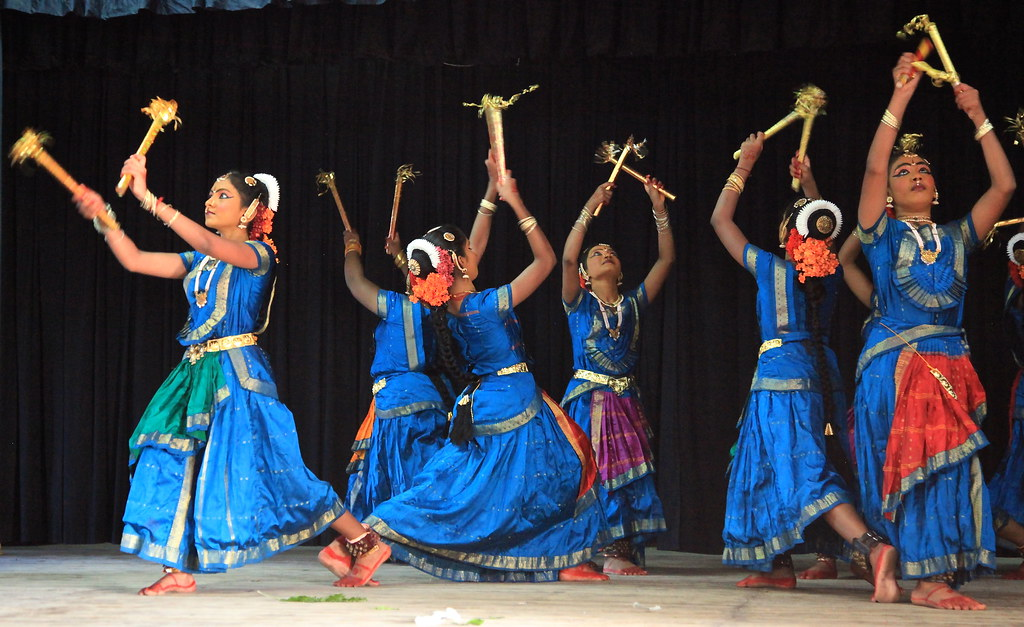
Kolattam, also known as Kolannalu or Kolkolannalu, is a folk dance form from the southern Indian state of Tamil Nadu. It is a group dance that is performed by both men and women, often in a circular or semicircular formation, with the dancers holding small sticks or decorated wooden rods called kolattam or dandiyas.
Origin and history:
Kolattam has its roots in ancient Tamil Nadu and is believed to have been performed for thousands of years. The dance form has evolved over time and has been influenced by various cultural, social, and religious practices of the region. It was traditionally performed during the harvest season as a way to celebrate and express gratitude for a bountiful crop.
Technique:
The dancers of Kolattam dance form perform intricate footwork, hand movements, and synchronized patterns. They hold the sticks in their hands and strike them against each other or on the ground, creating a rhythmic sound that accompanies the dance. The movements are often quick and energetic, and the dancers perform with a lot of enthusiasm and spirit.
Cultural significance:
Kolattam is a dance form that is deeply rooted in the culture and traditions of Tamil Nadu. It is performed on various occasions such as weddings, religious festivals, and other social events. The dance is not just a form of entertainment but is also seen as a way to preserve and promote the rich cultural heritage of the region.
Sources:
Tamil Nadu Tourism Development Corporation. (n.d.). Kolattam. Retrieved from https://www.tamilnadutourism.com/culture/culture_folk_dance/kolattam.php
Indian Folklife. (2021). Kolattam: A popular Tamil Nadu folk dance. Retrieved from https://indianfolklife.com/kolattam-a-popular-tamil-nadu-folk-dance/
29. Kavadi

Kavadi dance is a folk dance that originated in the southern Indian state of Tamil Nadu. It is performed during the annual Thaipusam festival, which is dedicated to the Hindu deity Lord Murugan. The dance is a form of devotional worship and is performed by devotees carrying Kavadis (ornate, wooden or metal frames) on their shoulders.
The dance is believed to have originated from the practice of carrying Kavadis on pilgrimage to the temple of Lord Murugan. The Kavadi represents a symbolic burden that is carried by the devotees to demonstrate their devotion and penance.
The technique of the Kavadi dance involves a series of movements and poses that are performed in rhythm to the beat of drums and music. The dance is accompanied by songs and prayers that are sung by the dancers and the audience.
The cultural significance of the Kavadi dance is deeply rooted in Hindu mythology and religious traditions. It is believed to be a form of penance and an offering to Lord Murugan. The dance is also a symbol of unity and devotion among the Tamil community.
Sources:
“Kavadi Attam”, Tamilnadu Tourism, Government of Tamil Nadu, http://www.tamilnadutourism.org/festival/kavadi-attam/
“Kavadi Attam – A Dance of Devotion”, Cultural India, https://www.culturalindia.net/indian-dance/folk/kavadi-attam.html
30. Poikaal Kudhirai Aattam

Poikaal Kudhirai Aattam, also known as the Dummy Horse Dance, is a folk dance that originated in the state of Tamil Nadu in southern India.
Origin:
The dance is believed to have originated from the ancient martial arts form of Silambam, where the warriors used to practice on wooden horses. Later on, this form evolved into a dance form and became popular among the people of the region.
Technique:
The dance is performed with a dummy horse, which is made of bamboo and covered with a decorated cloth. The dancer holds the horse on his/her waist and dances to the beats of the music. The movements of the dance depict the movements of a horse and are performed with grace and agility.
Cultural Significance:
Poikaal Kudhirai Aattam is usually performed during festivals and special occasions, especially during the Pongal festival. It is a popular form of entertainment in the rural areas of Tamil Nadu and is believed to bring good luck and prosperity.
Sources:
Tamil Nadu Tourism: https://www.tamilnadutourism.com/culture/culture_festivals_poikkal_kudhirai_aattam.php
Indian Folk Dances: https://www.indianfolk.com/poikkal-kudhirai-aattam/
31. Mayil Attam
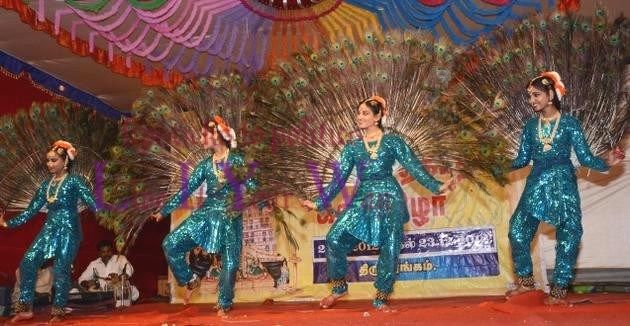
Mayil Attam, also known as “Peacock Dance,” is a folk dance originating from Tamil Nadu, a state in southern India. It is a traditional dance performed by women and is known for its graceful and lively movements imitating the steps of a peacock.
Origin:
The origin of the Mayil Attam dance can be traced back to ancient times when peacocks were considered sacred birds and were associated with the Hindu deity Lord Murugan. The dance is believed to have originated in the temples of Tamil Nadu, where it was performed as part of religious ceremonies.
Technique:
Mayil Attam is performed by women wearing a colorful peacock costume with a headgear that imitates the peacock’s crown. The dancers hold colorful fans that represent the peacock’s feathers and move their hands and feet gracefully in a way that imitates the peacock’s movements. The dancers also sway their hips and perform intricate footwork while keeping in sync with the rhythm of the music.
Cultural Significance:
Mayil Attam is an integral part of Tamil culture and is performed on various occasions such as weddings, festivals, and temple celebrations. The dance symbolizes the beauty and grace of the peacock, which is considered a symbol of love, prosperity, and spirituality in Hindu mythology. Mayil Attam is also seen as a form of worship, and dancers often perform the dance in front of the statue of Lord Murugan in temples.
Sources:
“Mayil Attam – The Peacock Dance of Tamil Nadu” by Anjana, Cultural India: https://www.culturalindia.net/indian-dance/folk/mayil-attam.html
“Mayil Attam – The Dance of the Peacock” by Priya, I Love India: https://www.iloveindia.com/indian-dances/mayil-attam.html
32. Oyil Attam

Oyil Attam is a traditional dance form that originated in the southern Indian state of Tamil Nadu. The term “oyil” means beauty or elegance in Tamil, and “attam” refers to a dance or a performance. It is a solo dance form performed by women, and the dance involves intricate footwork and graceful hand gestures.
Oyil Attam is usually performed during special occasions and festivals, such as Pongal and Navratri. The dance is accompanied by the melodious tunes of classical Tamil music, and the dancer wears traditional attire, which includes a colorful saree and jewelry.
The dance form is believed to have originated during the reign of the Chola dynasty in Tamil Nadu. It was traditionally performed by temple dancers called “devadasis” and was considered a sacred art form. Today, Oyil Attam is performed by trained dancers who have undergone years of rigorous training under gurus.
Sources:
https://www.culturalindia.net/indian-dance/classical/oyil-attam.html
https://www.indianetzone.com/38/oyil_attam.htm
33. Karagaattam

Karagattam is a folk dance form that originated in the Tamil Nadu state of India. The word “Kara” means pot or jug, while “gattam” means tied. The dance is performed by balancing a pot or jug on the head, while the dancer performs intricate steps and movements to the beat of traditional music.
The origins of Karagattam can be traced back to ancient Tamil Nadu, where it was performed as a religious ritual in temples. Over time, it evolved into a form of entertainment that is performed at cultural festivals and events.
The technique of Karagattam involves balancing a pot or jug on the head, often decorated with flowers and topped with a lighted lamp. The dancer then performs a series of steps and movements, including twists, turns, and jumps, while keeping the pot balanced. The movements are accompanied by traditional music, usually played on instruments like the nadaswaram, thavil, and mridangam.
Karagattam is also known for its colorful costumes, which feature vibrant colors and intricate designs. The women’s costumes usually consist of a colorful saree and matching jewelry, while the men wear traditional dhoti and angavastram.
The cultural significance of Karagattam lies in its roots as a religious ritual, and it is still performed at many temples in Tamil Nadu. It is also a popular form of entertainment at cultural festivals, weddings, and other celebrations.
Sources:
“Karagattam – An Art That Demands Balance and Skill.” Cultural India. https://www.culturalindia.net/indian-dance/folk/karagattam.html
“Karagattam.” Tamil Nadu Tourism. https://www.tamilnadutourism.com/karagattam/
34. Kaliyattam
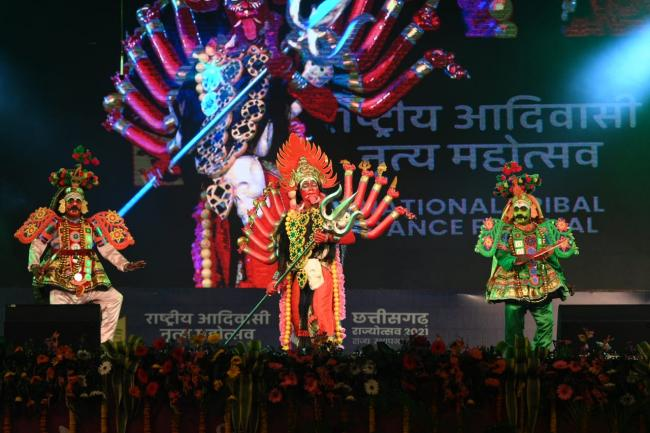
Kaliyattam is a traditional dance form that originated in the southern state of Kerala in India. It is a ritualistic dance-drama performed in temples and is dedicated to the Hindu goddess Bhadrakali. The dance is performed by men who dress up in elaborate costumes and paint their faces to resemble demons and other mythical characters. The dancers use swords and other weapons as props, and the dance is accompanied by music and vocal recitation.
Origin:
Kaliyattam is believed to have originated in the 16th century, during the reign of the Zamorin dynasty in Kerala. It is said to have evolved from the earlier ritualistic dances performed in temples to appease the gods and goddesses. Over time, Kaliyattam became an important part of the cultural and religious life of the people of Kerala, and it is still performed in many temples across the state.
Technique:
Kaliyattam is a highly stylized dance form that requires extensive training and practice. The dancers use a variety of movements and gestures to convey the emotions and actions of the characters they are portraying. The dance is characterized by its fast pace, intricate footwork, and use of weapons such as swords and shields. The dancers also use a variety of facial expressions and vocalizations to enhance the drama of the performance.
Cultural Significance:
Kaliyattam is an important part of the cultural and religious heritage of Kerala. The dance is performed during temple festivals and other auspicious occasions, and is believed to bring blessings and prosperity to the community. It is also considered to be a form of spiritual worship, as the dancers are believed to be possessed by the spirit of the goddess Bhadrakali during the performance.
Sources:
“Kaliyattam – The Traditional Dance of Kerala.” Kerala Tourism Official Website, 15 Nov. 2016, https://www.keralatourism.org/kerala-article/2016/kaliyattam-the-traditional-dance-of-kerala/610.
“Kaliyattam – A Blend of Dance and Theatre.” Cultural India, https://www.culturalindia.net/indian-dance/classical/kaliyattam.html.
“Kaliyattam – The Traditional Art Form of Kerala.” India Net Zone, https://www.indianetzone.com/17/kaliyattam.htm.
35. Chakyar Koothu

Chakyar Koothu is a traditional dance-drama form that originated in Kerala, India. It is a solo performance that combines dance, music, and theatre and is performed by male artists known as Chakyars. The performance is typically accompanied by the traditional percussion instrument called Mizhavu.
Origin: The origins of Chakyar Koothu can be traced back to the 9th century CE. It is believed to have been created by Chakyars, who were a community of Sanskrit scholars and performers. They used to perform in the temples of Kerala as part of the ritualistic worship of the deity. Over time, Chakyar Koothu evolved into a performance art that combined storytelling, dance, and music.
Technique: Chakyar Koothu is a highly stylized and formalized performance that requires years of training to master. The performance is characterized by the use of hand gestures, facial expressions, and body movements to convey emotions and tell stories. The performer wears a unique costume, which includes a headdress and a long white cloth draped around the body.
Cultural Significance: Chakyar Koothu is an integral part of the cultural heritage of Kerala. It is traditionally performed in Hindu temples and is considered to be a form of worship. The stories told in Chakyar Koothu are usually based on mythology and religious texts, and are intended to convey moral and ethical values to the audience.
Sources:
https://www.indianetzone.com/13/chakyar_koothu.htm
https://www.keralatourism.org/kerala-article/chakyar-koothu/277
36. Ottamthullal
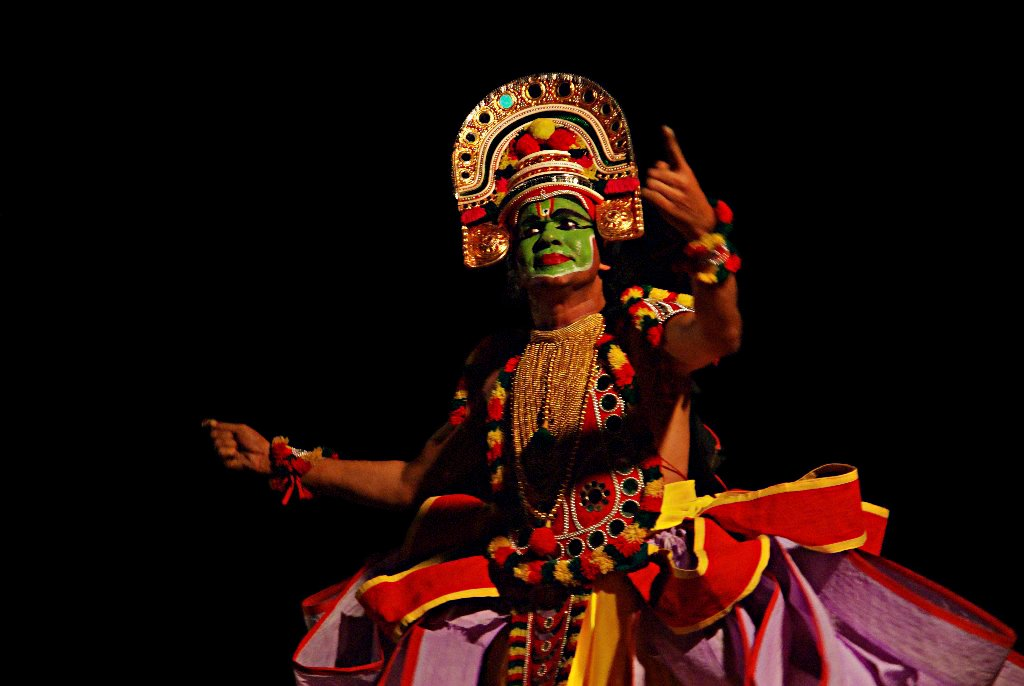
Ottamthullal is a traditional dance form that originated in the South Indian state of Kerala. It is a solo performance that combines dance, music, and theatrical elements. The dance form was created by a great Malayalam poet, Kunchan Nambiar, in the 18th century. It was initially performed as a satire on social issues and the corrupt practices of the ruling class. The word “Ottam” means “single” and “Thullal” means “dance” or “performance” in Malayalam.
Technique:
Ottamthullal is performed by a single performer who wears a traditional Malayali costume, which includes a mundu (a garment that wraps around the waist and extends to the feet), a shawl, and a turban. The performer uses hand gestures, facial expressions, and body movements to convey the story or message of the performance. The performer sings and recites poetry in the Malayalam language, accompanied by a percussion instrument called maddalam.
Cultural significance:
Ottamthullal is an important part of the cultural heritage of Kerala. It is performed during religious festivals, weddings, and other cultural events. It was originally used as a tool for social commentary and criticism, but it has evolved into a more entertainment-based form of performance. The dance form has contributed to the development of Malayalam language and literature, as many poets have used Ottamthullal as a medium to express their ideas.
Sources:
“Ottamthullal.” Kerala Tourism. https://www.keralatourism.org/traditional-art-forms/ottamthullal/6
“Ottamthullal.” IndiaNetzone. http://www.indianetzone.com/6/ottamthullal.htm
37. Tappeta Gullu

Tappeta Gullu, also known as Tapeta Gullu, is a traditional dance form performed by the people of Telangana, a state in South India. The name “Tappeta Gullu” is derived from two words, “Tappeta,” which means a small drum, and “Gullu,” which means “beating.” This dance form is primarily performed during the annual festival of Bonalu and other religious festivals.
Origin:
Tappeta Gullu dance form originated in the Telangana region and has been passed down from generation to generation. It is believed that the dance form was originally performed to worship the goddess of power and fertility, Mahankali.
Technique:
The Tappeta Gullu dance is performed by a group of men who dance rhythmically to the beat of the drum, known as the Tappeta. The dancers wear colorful attire, which includes dhotis and shirts with a brightly-colored dupatta or scarf tied around their waist. The dancers also wear traditional jewelry, such as necklaces and bangles.
The dancers move in a circle, clapping their hands, and tapping their feet to the rhythm of the Tappeta drum. The movements are typically simple, but the dance is highly energetic and exuberant. The dancers sometimes use sticks in their hands and perform intricate patterns with them.
Cultural Significance:
Tappeta Gullu is a significant cultural tradition in Telangana, and it is performed during various religious festivals and events. The dance form is believed to have originated as a form of worship, and it is still performed today to honor the goddess Mahankali.
Sources:
https://www.culturalindia.net/indian-dance/classical/tappeta-gullu-dance.html
https://www.thehindu.com/news/cities/Hyderabad/Colourful-tappeta-gullu-procession-marks-the-end-of-bonalu-festival/article28494370.ece
38. Yakshagana Bayalata
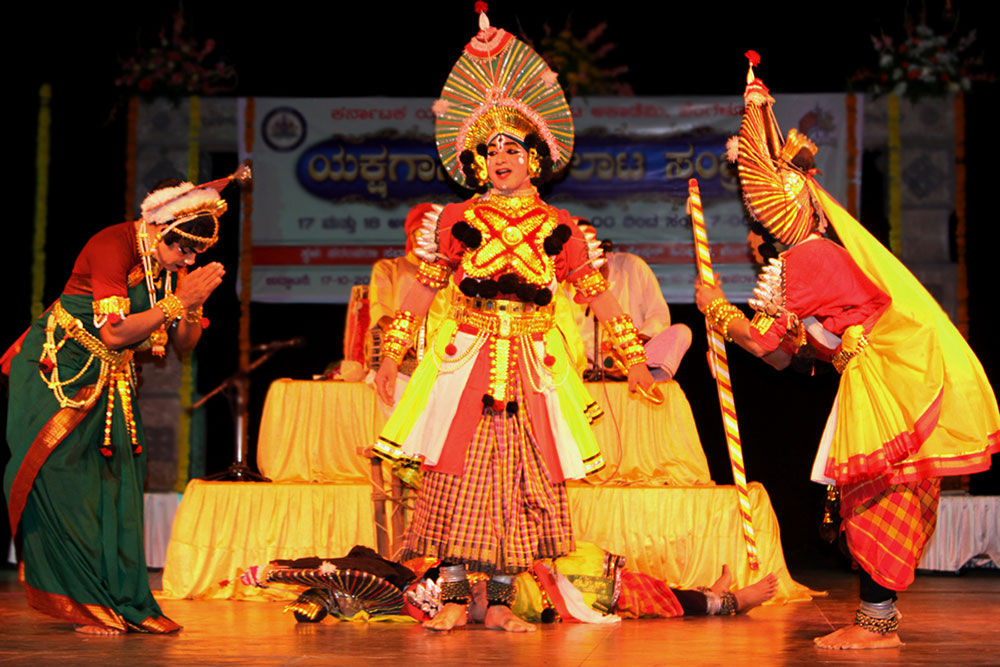
Yakshagana Bayalata is a traditional dance form that originated in the coastal regions of Karnataka, India. It is a blend of music, dance, and drama and is performed mainly in open spaces like fields and temple premises. Yakshagana Bayalata is a popular form of Yakshagana, which is a traditional theatre art form of coastal Karnataka.
Origin: Yakshagana Bayalata has its origins in the medieval period when it was performed in the open fields by the farmers as a way to entertain themselves during the monsoons. Over time, it evolved into a more structured and refined art form, and today it is performed by professional troupes.
Technique: Yakshagana Bayalata is known for its elaborate costumes and makeup. The performers wear brightly colored costumes and heavy makeup, which includes a headgear called ‘mukut’. The music is provided by traditional instruments such as ‘chande’, ‘maddale’, ‘shri’, and ‘tala’. The performance is a combination of dance, music, and dialogue, with the performers enacting stories from mythology and folklore.
Cultural Significance: Yakshagana Bayalata is an important part of the cultural heritage of Karnataka. It is performed during religious and cultural festivals and is an important form of entertainment for the people of the region. The dance form has been recognized by UNESCO as a ‘Masterpiece of the Oral and Intangible Heritage of Humanity’.
Sources:
https://www.culturalindia.net/indian-dance/classical/yakshagana.html
https://www.culturalindia.net/indian-dance/folk/yakshagana-bayalata.html
https://www.karnataka.com/arts-culture/yakshagana-bayalata/
39. Bagurumba

Bagurumba is a folk dance form that originated in the state of Assam, India. It is performed by the Bodo community, an indigenous ethnic group of Assam. The dance is mainly performed by women and is a celebration of their culture, traditions, and way of life.
Bagurumba is a group dance, where the dancers form a circle and move in a synchronized manner to the beats of the dhol, a traditional drum, and the bamboo flute. The dancers wear traditional Bodo costumes, which include a colorful skirt, blouse, and scarf. They also adorn themselves with jewelry and flowers.
The dance is believed to have originated from the legend of a princess named Bagurumba, who was known for her beauty and grace. The dance is said to have been performed in her honor and later became a part of Bodo culture.
Bagurumba is an important part of Bodo festivals and celebrations, especially during the Bwisagu festival, which marks the beginning of the agricultural season. The dance is also performed during weddings, cultural events, and other occasions.
Sources:
“Bagurumba Dance: A popular folk dance of Assam.” India Today, 23 March 2021, www.indiatoday.in/information/story/bagurumba-dance-a-popular-folk-dance-of-assam-1774096-2021-03-23.
“Bagurumba – Folk Dance of Assam.” Indian Mirror, www.indianmirror.com/culture/indian-dances/bagurumba.html.
40. Bhortal Nritya

Bhortal Nritya is a traditional dance form from the Indian state of Assam. The word “Bhortal” comes from the Assamese language, meaning “drumming.” Bhortal Nritya is performed with the accompaniment of the bhortal, a type of drum. It is also known as “Bhortal Dance” or “Bhortal Nritya Dance.”
Origin:
Bhortal Nritya is said to have originated from the satras (monasteries) of Assam. It is believed to have been created by the great Assamese saint, reformer, and cultural icon Srimanta Sankardeva in the 15th century. It was originally performed as part of the satras’ religious rituals and festivals.
Technique:
Bhortal Nritya is typically performed by a group of male dancers. The dancers form a circle and dance around the bhortal player. The movements are energetic and fast-paced, and the dancers use their hands, feet, and entire bodies to create rhythmic patterns. The dance is characterized by the use of jumps, spins, and other acrobatic movements.
Cultural significance:
Bhortal Nritya is an integral part of Assamese culture and is performed on various occasions, including weddings, festivals, and cultural events. It is a celebration of Assamese tradition and heritage and is known for its vibrant and energetic performances.
Sources:
“Bhortal Dance: A Traditional Dance Form of Assam,” IndiaNetzone, https://www.indianetzone.com/41/bhortal_dance.htm
“Bhortal Nritya Dance,” India Video, https://www.indiavideo.org/assam/arts/bhortal-nritya-dance-3157.php
41. Sattriya Nritya

Sattriya Nritya is a classical dance form of India that originated in the state of Assam. It is one of the eight classical dance forms of India and is known for its unique combination of music, dance, and theater. The dance form is closely associated with the Vaishnavite tradition of Assam and is performed in the monasteries (Sattras) of the state.
History and Origin:
Sattriya Nritya has its roots in the Bhakti movement of medieval Assam, which was initiated by the great saint Srimanta Sankardeva. Sankardeva was a multifaceted personality who revolutionized the Assamese society through his teachings, literature, music, and dance. He created the Sattras, which were centers of learning, worship, and culture. Sattriya Nritya was originally performed by the Bhokots (male monks) of the Sattras during the worship of Lord Krishna. Over time, it became a popular art form and was performed by both male and female artists.
Technique:
Sattriya Nritya is characterized by graceful movements, intricate footwork, and expressive hand gestures. The dance form is performed to the accompaniment of traditional Assamese music, which includes a variety of percussion and wind instruments. The dance style is divided into three parts – Nritta, Nritya, and Natya. Nritta refers to pure dance movements, Nritya includes expressive gestures and facial expressions, and Natya involves a combination of dance and theater.
Cultural Significance:
Sattriya Nritya has deep cultural and religious significance in Assam. It is performed during various festivals and occasions, including Bihu, Durga Puja, and Janmastami. The dance form is a way to express devotion to Lord Krishna and to showcase the rich cultural heritage of Assam. In 2000, Sattriya Nritya was recognized as a classical dance form of India by the Sangeet Natak Akademi, the national academy of music, dance, and theater in India.
Sources:
“Sattriya Dance”. UNESCO. Retrieved 30 April 2023, from https://ich.unesco.org/en/RL/sattriya-dance-00020
“Sattriya Nritya”. India Heritage Hub. Retrieved 30 April 2023, from https://www.indiaheritagehub.org/sattriya-nritya/
42. Chakma Dance
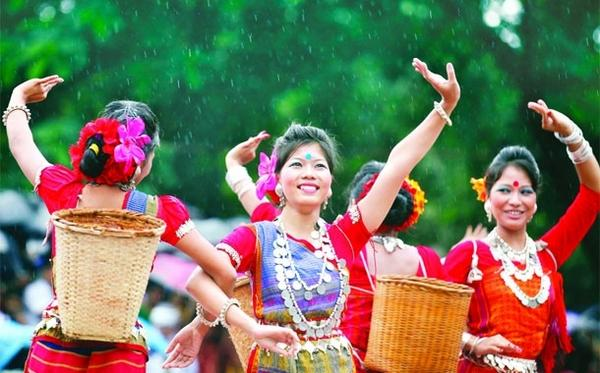
Chakma Dance is a traditional folk dance of the Chakma community, who primarily inhabit the Chittagong Hill Tracts region of Bangladesh and parts of Northeast India. It is an essential part of their culture and is performed on various occasions, including weddings, festivals, and other social events.
Origin:
The Chakma Dance has a long history and is said to have originated in the Chittagong Hill Tracts region of Bangladesh. It was initially performed by the Chakma community during the reign of the Chakma Kings. Over time, the dance has evolved to become an essential part of the Chakma culture.
Technique:
The Chakma Dance is a group dance, usually performed by women in colorful attire. The dancers form a circle and perform a series of coordinated steps and movements, accompanied by the beats of traditional musical instruments like the dhol, mandar, and sarinda. The dance movements are usually slow and graceful, with occasional energetic bursts of footwork and jumps.
Cultural Significance:
The Chakma Dance is an integral part of the Chakma culture and is performed on various occasions, including weddings, festivals, and other social events. It is a symbol of unity, community, and celebration. The dance also plays a significant role in preserving the traditional art and culture of the Chakma community.
Sources:
https://www.discoverybangladesh.com/chakma-dance-of-bangladesh/
https://www.tourmyindia.com/states/tripura/chakma-dance.html
43. Pandavani

Origin:
Pandavani is a traditional narrative folk art form from Chhattisgarh, India, that originated in the 12th century. It is a form of storytelling in which the artists narrate the story of the Pandavas, the heroes of the Indian epic Mahabharata, through songs and dialogue.
Technique:
The performance of Pandavani involves a single performer, called a “Pandavani artist”, who sits on the stage and narrates the story of the Pandavas in a loud and clear voice, accompanied by musical instruments such as the dholak, harmonium, and manjira. The artist uses various expressions, gestures, and body movements to bring the story to life, and also involves the audience in the performance by encouraging them to respond to certain cues in the story.
Cultural Information:
Pandavani is a highly respected and popular art form in Chhattisgarh and is performed in various festivals and cultural events in the region. It is also recognized as an important cultural heritage of India and has been promoted by the Sangeet Natak Akademi, the National Academy of Music, Dance, and Drama in India. Pandavani has also gained international recognition and has been performed at various festivals and events in different parts of the world.
Sources:
“Pandavani: An Art of Chhattisgarh.” Incredible India, Ministry of Tourism, Government of India, www.incredibleindia.org/content/incredibleindia/en/destinations/raipur/pandavani–an-art-of-chhattisgarh.html.
“Pandavani.” Sangeet Natak Akademi, National Academy of Music, Dance and Drama, Government of India, www.sangeetnatak.gov.in/sna/forms/folkdance.aspx.
44. Koli Dance
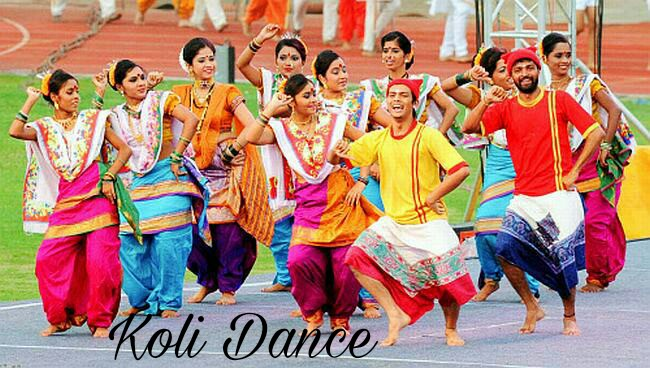
Koli dance is a traditional folk dance performed by the Koli community, who are primarily fisherfolk and farmers living along the coastal regions of Maharashtra, Goa, and parts of Gujarat. The dance form is an integral part of their cultural heritage and is performed during various festivals, weddings, and other occasions.
Origin:
The Koli dance has its roots in the ancient history of the Koli community. It is said that the dance form was initially performed by the Koli fisherfolk to thank the sea for providing them with a bountiful catch. The dance later evolved and became an integral part of their culture, reflecting the community’s way of life.
Technique:
The Koli dance is a high-energy dance form that is usually performed by a group of men and women. The dance movements are simple and involve a lot of foot-tapping and hand clapping. The dancers wear colorful traditional attire and jewelry, and the men typically carry a small drum called a dholki, while the women carry pots on their head as a part of the performance.
Cultural significance:
The Koli dance reflects the Koli community’s way of life, traditions, and cultural beliefs. It is performed during various festivals and occasions, such as Navratri, Holi, and Diwali. The dance form is an expression of joy, gratitude, and celebration and is often performed to the beat of traditional folk music.
Sources:
https://www.culturalindia.net/indian-dance/folk/koli-dance.html
https://www.travelspeak.in/2019/09/koli-dance-the-folk-dance-of-maharashtra.html
45. Kalbelia

Kalbelia is a traditional folk dance form of Rajasthan, India, which is performed by the Kalbelia tribe, also known as “snake charmers”. The dance form is recognized by UNESCO as an intangible cultural heritage of humanity.
Origin: The Kalbelia tribe is believed to have originated from the Thar Desert of Rajasthan, and their dance form is said to have originated as a way of celebrating joyous occasions such as weddings and festivals. The dance form also has roots in the nomadic lifestyle of the Kalbelia community.
Technique: The Kalbelia dance is a highly energetic and rhythmic dance form that involves intricate footwork, twirling movements, and snake-like hand movements. The dancers wear traditional colorful attire and jewelry, and the men play the pungi, a wind instrument, while the women dance and sing songs about nature, love, and spirituality.
Cultural significance: The Kalbelia dance is an important part of the Kalbelia tribe’s cultural identity and has been passed down through generations. It is also a popular tourist attraction and is performed at various cultural events and festivals in Rajasthan.
Sources:
UNESCO: https://ich.unesco.org/en/RL/kalbelia-folk-songs-and-dances-of-rajasthan-00363
India Tourism: https://www.incredibleindia.org/content/incredibleindia/en/destinations/jaisalmer/kalbelia-dance.html
46. Changu Dance
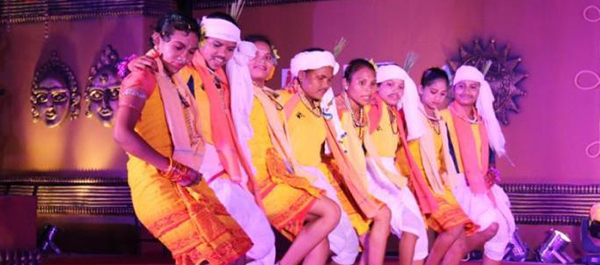
Changu dance, also known as Changu Natakam, is a traditional folk dance form of Andhra Pradesh, India. It is performed mainly by the Chenchu tribe who inhabit the Nallamala hills in the state.
Origin:
Changu dance is believed to have originated as a form of storytelling and was performed during village festivals, weddings, and other celebrations. The dance tells stories of the tribe’s history and mythology, depicting the daily lives of the people, their hunting and fishing practices, and their relationship with nature.
Technique:
Changu dance is performed by a group of male performers who wear traditional Chenchu clothing, which includes a dhoti, a waistcoat, and a turban. The performers carry a drum called a Changu and dance to the beats of the drum. The dance movements involve quick steps, twists, and turns, and are synchronized with the rhythm of the drum. The dancers also use sticks, which they strike against each other to create a rhythmic beat.
Cultural Significance:
Changu dance is an important part of the Chenchu tribe’s culture and identity. It is believed to bring good luck and prosperity to the community and is performed during important occasions such as weddings, festivals, and other celebrations. The dance form has also been recognized by the Andhra Pradesh government and has been promoted as a tourist attraction to showcase the state’s rich cultural heritage.
Sources:
“Changu Dance.” Andhra Pradesh Tourism, http://www.aptdc.gov.in/showpage.aspx?contentid=81.
“Changu Natakam – Dance of the Chenchus.” The Better India, 26 Nov. 2018, https://www.thebetterindia.com/167322/changu-natakam-folk-dance-andhra-pradesh-india/.
“Changu Dance of Andhra Pradesh.” Indianetzone, https://www.indianetzone.com/48/changu_dance_andhra_pradesh.htm.
47. Dalkhai

Dalkhai is a traditional folk dance form originating from the state of Odisha in India. It is mainly performed by the women of the rural areas during festivals and celebrations.
Origin:
The origin of Dalkhai dance is believed to be from the Sambalpur and Balangir districts of Odisha. The dance form has evolved over the years and is now performed in various parts of the state.
Technique:
Dalkhai dance is performed by a group of women who form a circle or semi-circle. They dance to the beat of Dhol (a cylindrical shaped drum) and sing traditional songs. The dance steps are simple and rhythmic, with the dancers moving in a synchronized manner. The dancers wear colorful traditional dresses, and the dance is characterized by the use of hand and body movements.
Cultural significance:
Dalkhai dance is an important part of the cultural heritage of Odisha. It is performed during various festivals such as Durga Puja, Diwali, and Navratri. The dance is believed to be a form of worship, and is performed to seek the blessings of the goddess. The songs sung during the dance usually depict the local folklore and stories of the region.
Sources:
“Dalkhai – A traditional folk dance of Odisha” by Swati Mishra, IndiaFacts, 22 October 2020.
“Dalkhai Dance: A Mesmerising Folk Dance Form of Odisha” by Prerna Mohapatra, Odisha Tourism, 15 October 2020.
“Folk Dances of Odisha: Dalkhai” by Sushree Souravi Patra, MyGov.in, 4 August 2021.
48. Theyyam
Not to be confused with Kaliyattam (#34 on this list). You may remember this dance form from the movie Kantara. 🙂
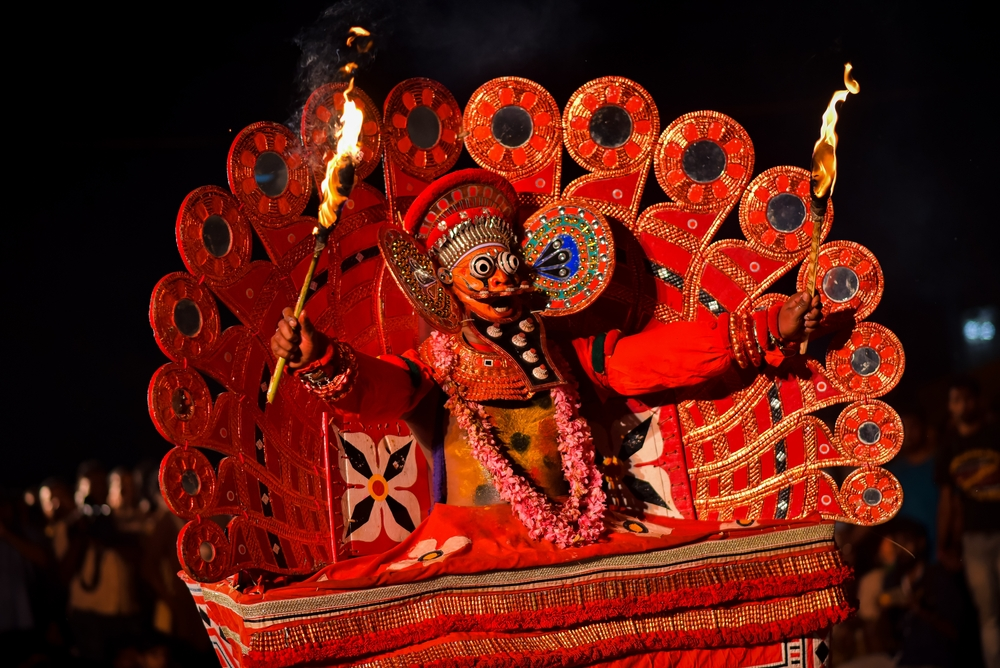
Theyyam is a ritualistic dance form that originated in the northern part of Kerala, India. It is a popular form of worship that combines elements of dance, music, and theater. Theyyam is performed in front of village shrines and is believed to be a way to connect with the divine.
Origin:
The exact origin of Theyyam is unknown, but it is believed to have originated more than a thousand years ago. It is said to have evolved from the ancient Dravidian culture of South India, which worshipped spirits and ancestors. Theyyam is mainly performed in the Malabar region of Kerala, which includes the districts of Kannur, Kasargod, and Kozhikode.
Technique:
Theyyam is characterized by elaborate costumes and makeup, which transform the performers into divine beings or heroes. The performers, known as Theyyam artists or “Kolam,” undergo a rigorous training process and are considered to be sacred. The dance is accompanied by traditional music and percussion instruments, such as the chenda, thakil, and elathalam.
Cultural Significance:
Theyyam is an integral part of the cultural and religious identity of the people of Kerala. It is believed to bring blessings and prosperity to the community and is performed during major festivals and events. The performers are considered to be messengers of the gods and are highly respected in the community.
Sources:
“Theyyam: The Living Legends of Kerala” by Manoj Karingamadathil and Vipin Das
“Theyyam: A Unique Dance Form of Kerala” by K. M. Balasubramanian
“Theyyam: A Living Art Form of Kerala” by P. K. Rajasekharan
49. Ghoomar

Origin: Ghoomar is a traditional folk dance form of Rajasthan, India. It was originally performed by women on special occasions like weddings and festivals, but it has now gained popularity across the country and the world.
Technique: The dance is performed by a group of women in colourful attire, who move in a circular motion while clapping their hands and singing songs. The dancers spin gracefully in circles, bending and moving their bodies in sync with the rhythm of the music. The dance movements are slow and graceful, with a lot of emphasis on hand and footwork.
Cultural significance: Ghoomar is considered a symbol of femininity, grace, and hospitality in Rajasthan. It is also believed to be a form of worship to the goddess Saraswati, who is the goddess of knowledge, music, and the arts. The dance is usually performed during festivals like Teej, Gangaur, and Navratri. It has gained global recognition after being featured in the Bollywood movie Padmaavat.
Sources:
“Ghoomar – Folk Dance of Rajasthan,” IndiaNetzone, https://www.indianetzone.com/50/ghoomar.htm
“Ghoomar: The traditional dance of Rajasthani women,” India Today, https://www.indiatoday.in/lifestyle/culture/story/ghoomar-the-traditional-dance-of-rajasthani-women-1078390-2017-11-08
“Ghoomar Dance – Tradition, Steps & Costumes,” Cultural India, https://www.culturalindia.net/indian-dance/classical/ghoomar.html
Conclusion
In conclusion, Bharat is a land of diverse cultures and traditions, each with its own unique dance form. From the energetic Bhangra of Punjab to the graceful Mohiniyattam of Kerala, the colorful Garba of Gujarat to the soulful Sattriya of Assam, every dance form reflects the rich heritage and history of its respective region. However, amidst this diversity, there is a unifying thread of tradition, spirituality, and community that binds them all together. This unity in diversity is what makes Bharat a truly special and unique country, and it is something that we should celebrate and cherish. By learning about and appreciating the different dance forms of Bharat, we can gain a deeper understanding and appreciation of the rich cultural tapestry that makes our country so special.