-
Pakistan’s Harappan Awakening: A Powerful Test of History, Identity, and Truth

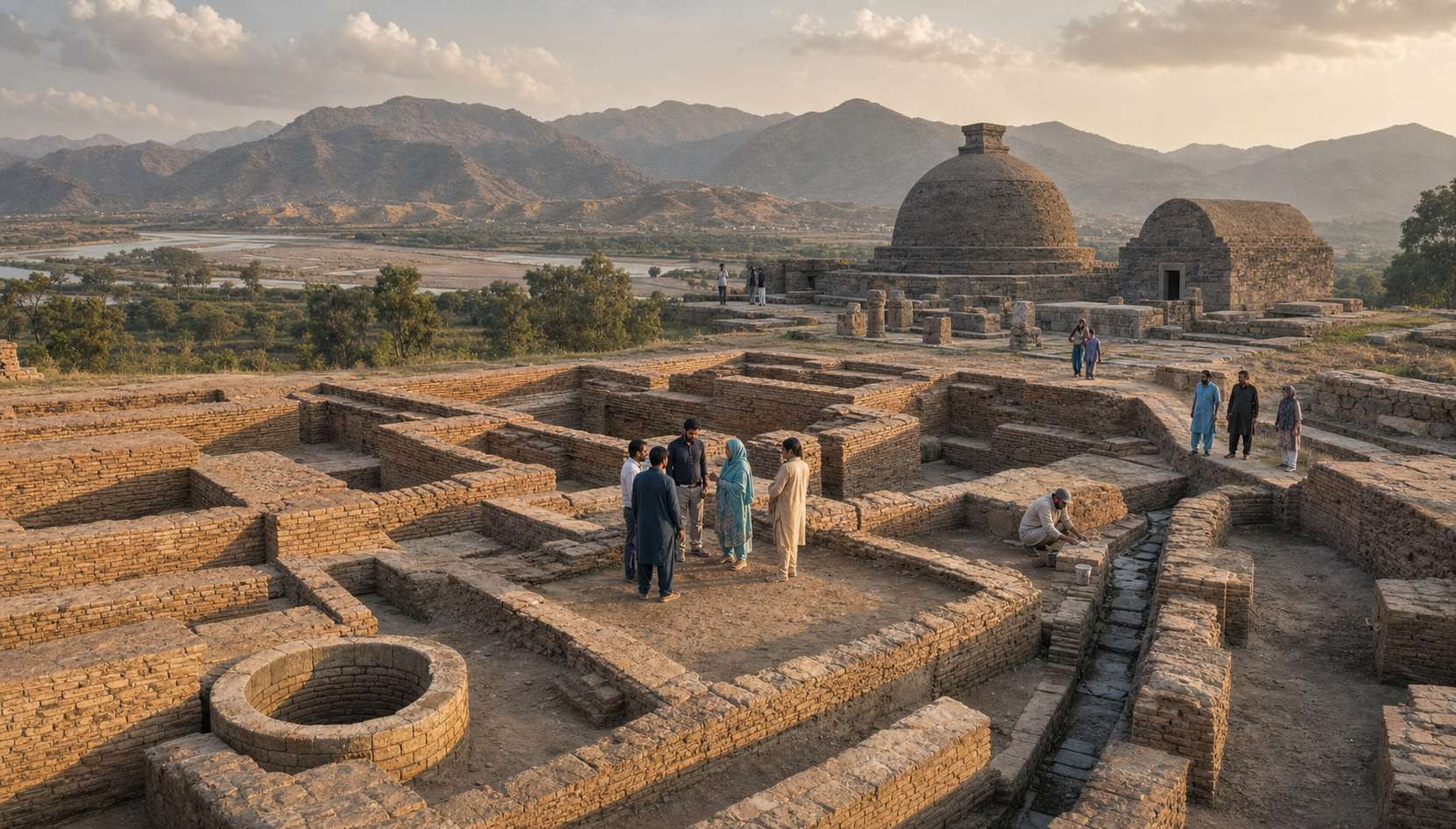
Pakistan’s renewed interest in Harappa, Mohenjo-daro, Taxila, Gandhara, Panini, Porus, and Chanakya raises a serious question about history and national identity. The land now called Pakistan contains some of the most important archaeological and civilisational sites of ancient South Asia, but territorial possession alone does not create civilisational continuity. This essay examines the tension between…
-
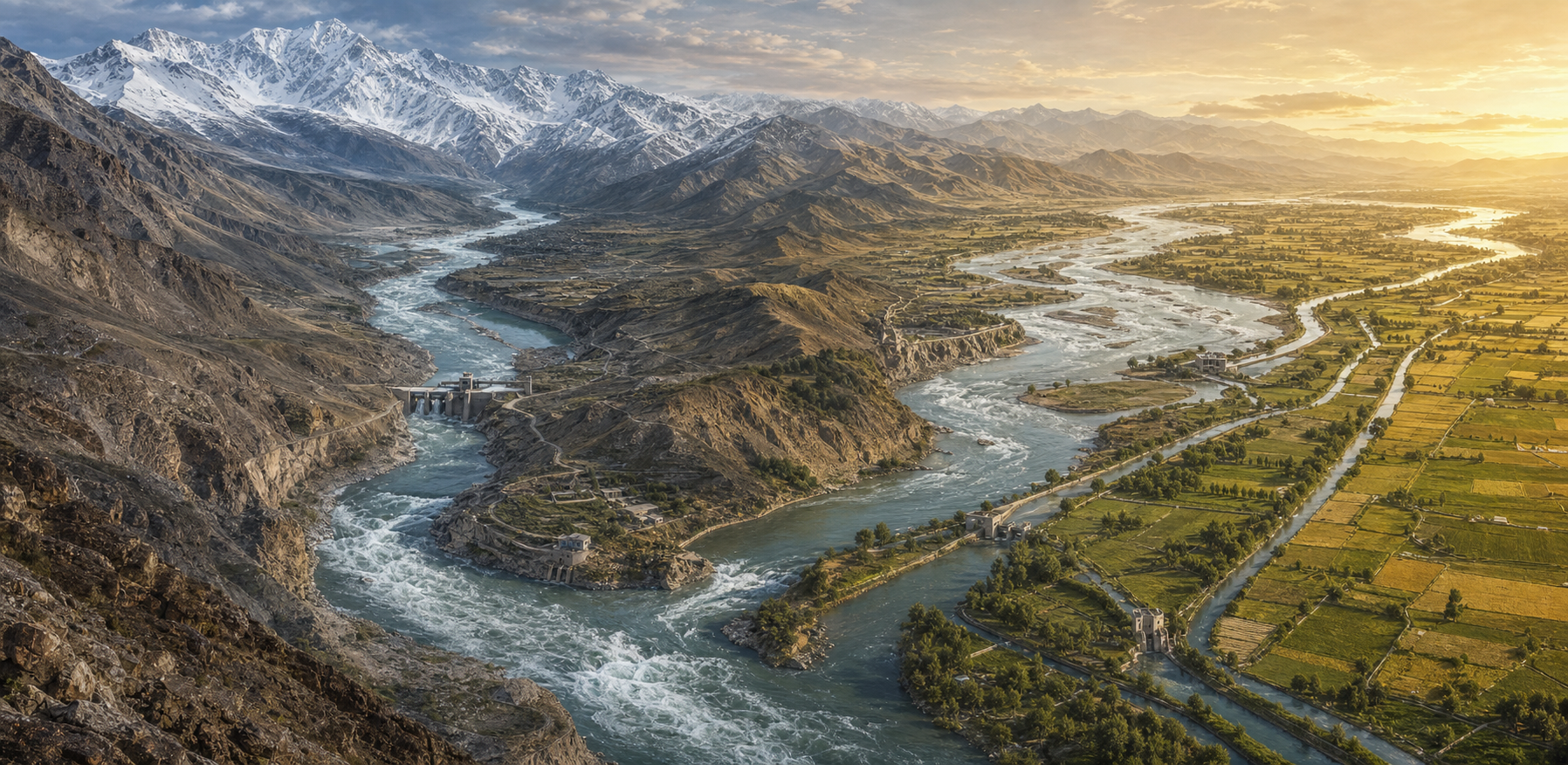
Indus Waters Treaty Exposed: How Legal Warfare Became a Powerful Weapon Against India

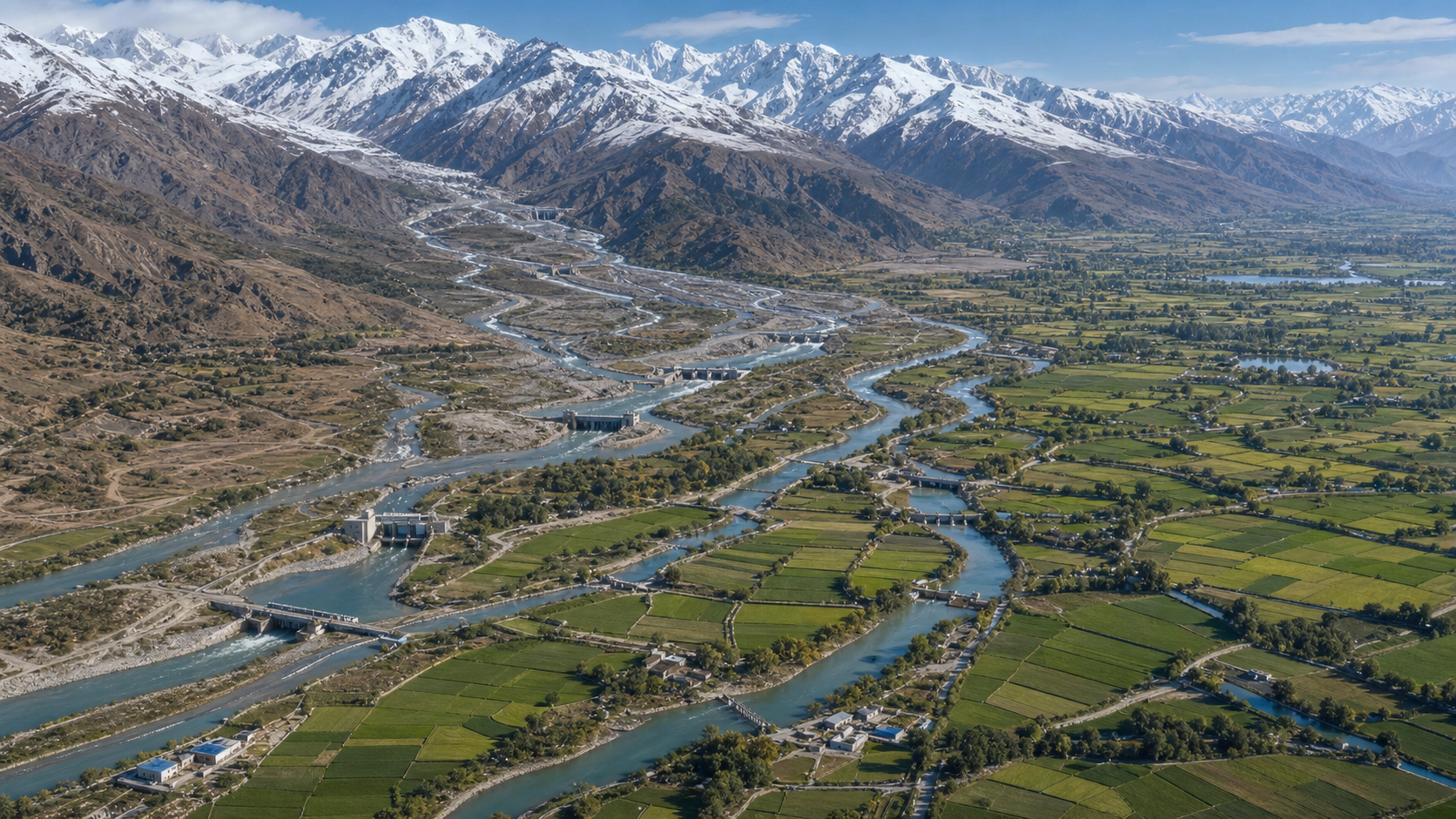
This analysis explains how the Indus Waters Treaty evolved from a water-sharing settlement into a contested instrument of legal and strategic pressure. It examines how Pakistan’s recurring objections to Indian hydropower projects on the western rivers have often imposed delay even when India’s core technical position survived scrutiny. The Baglihar, Kishanganga, and Ratle disputes show…
-
Indus Waters Treaty: The Fragile Pact That Survived Wars But Faces a Hard Reckoning

The Indus Waters Treaty is often celebrated as a rare India-Pakistan agreement that survived wars, terrorism crises, and decades of diplomatic hostility. This analysis explains why survival alone is not the same as success. It examines the treaty’s 1960 structure, the division of eastern and western rivers, the role of the Permanent Indus Commission, and…
-
Why Bharat’s PL-15 Shock Demands More Than a Powerful Long-Range Missile

Bharat’s reported interest in the Russian R-37M missile is best understood as an interim response to Pakistan’s J-10C and PL-15 combination, not as a complete solution. The PL-15 challenge is rooted in networked air warfare, where sensors, datalinks, AEW&C aircraft, electronic warfare, and pilot training matter as much as missile range. The R-37M can threaten…
-
India’s Alarm Over Razed Sikh Shrine in Pakistan: A Powerful Call for Justice

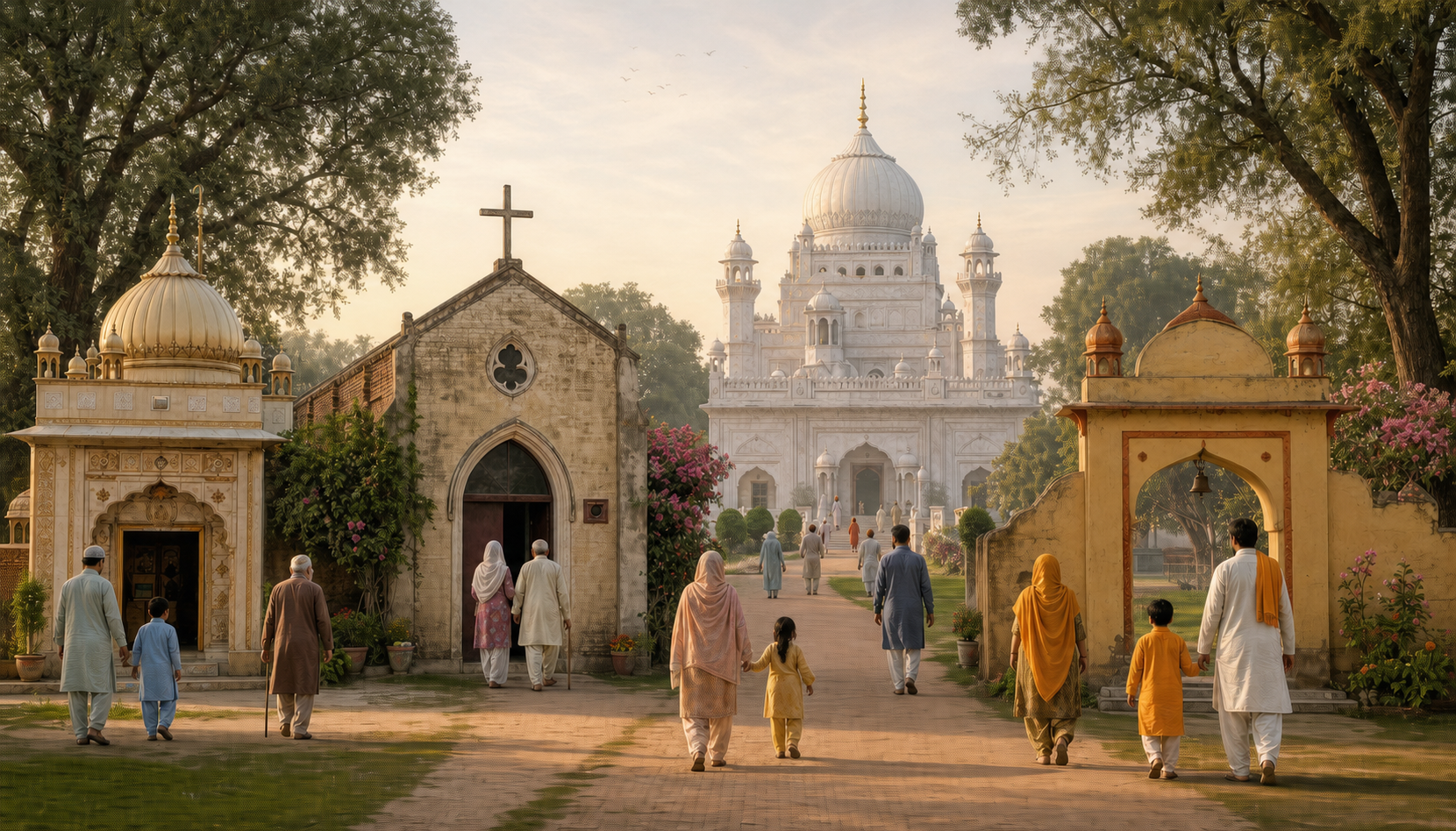
The reported demolition of the 125-year-old Gurdwara Sri Guru Singh Sabha Sahib in Farooqabad, Pakistan, has raised serious concerns over minority rights, religious freedom, and heritage protection. India’s Ministry of External Affairs condemned the incident as a targeted act of vandalism and demanded investigation, accountability, and early reconstruction. The gurdwara’s reported connection with the Singh…
-
Gwadar’s High-Stakes Gamble: Why Russia’s CPEC Option Alarms Bharat

Russia’s possible use of Gwadar Port is a high-stakes geopolitical issue because Gwadar is tied to CPEC, China’s Belt and Road Initiative, and Pakistan-occupied territory claimed by Bharat. The proposal offers Moscow a potential non-Western trade route at a time of sanctions pressure, while giving Pakistan diplomatic validation for its corridor strategy. However, the risks…
-
Meri Janambhumi (Pakistan) Dian Yatravan: Mapping Sacred Punjab and Shared Dharmic Memory

Meri Janambhumi (Pakistan) Dian Yatravan reads Pakistan’s sacred landscape as a living archive of Sikh, Hindu, Buddhist, and Jain memory. Framing “janambhumi” as homeland and “yatravan” as disciplined pilgrimage, it maps gurdwaras, mandirs, stupas, and Jain temples with ethnographic sensitivity and historical care. The narrative highlights well-known sites such as Nankana Sahib, Panja Sahib, Kartarpur,…
-
Sindh’s Hindu textbooks in Pakistan: a pivotal test for minority rights and pluralism

Sindh, Pakistan, is reportedly moving to introduce dedicated Hindu religious textbooks for Hindu students, sparking debate on minority rights and education reform. Grounded in Articles 20 and 22 of Pakistan’s Constitution, the initiative can align classrooms with protections for freedom of belief if executed with parity and quality. A rigorous blueprint calls for representative governance,…
-
Trailblazing Women of Pakistani Punjab: Five Brilliant Academics Transforming South Asian Scholarship

Pakistani Punjab’s universities and research centers have nurtured a generation of women scholars whose work reshaped debates in history, education, languages, religion, and civil–military relations. This article profiles five eminent academicsAyesha Jalal, Rubina Saigol, Arfa Sayeda Zehra, Riffat Hassan, and Ayesha Siddiqaemphasizing their methodological rigor, curricular influence, and public engagement. Readers gain a panoramic view…
-
UN warns of rampant forced conversions in Pakistan: 14–18-year-old girls targeted, 75% Hindu
United Nations human rights experts have repeatedly warned about coerced religious conversions and child marriages targeting minority girls in Pakistan, especially those aged 14–18. Documented patterns show rapid abduction, conversion affidavits, and marriage certificates used to override families’ pleas, amid disputed age claims. Rights monitors report that Hindu girls in Sindh constitute a large share…
-
Outrage in Sindh: Hindu Farmer’s Killing Fuels Protests and India’s Rebuke on Minority Safety

The killing of Hindu farmer Kailash Kolhi in Sindh has triggered statewide protests in Pakistan and renewed scrutiny of minority protections. Demonstrators demand arrests, independent investigation, and credible safeguards against impunity. India has publicly challenged Pakistan’s stance on minority rights, situating the incident within broader regional concerns about communal violence. The case underscores daily insecurities…
-
Karachi Abduction of Hindu Mother and Child Raises Alarms over Forced Conversion

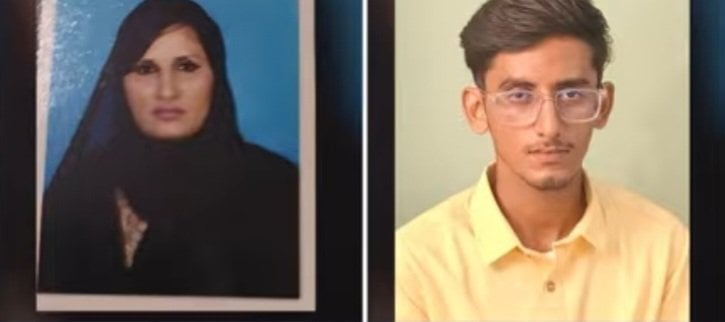
A reported abduction in Karachiof a Hindu mother, Rani, and her minor daughterhas raised urgent concerns about forced conversion and the safety of religious minorities in Sindh. Civil rights advocate Shiva Kaachi has urged prompt and transparent action from authorities. The case highlights core issues of child protection, due process, and the enforcement of legal…
-
Rajnath Singh’s Sindh Remark Sparks Diplomatic Firestorm as Pakistan Revives ‘Expansionist’ Charge

Pakistan’s Ministry of Foreign Affairs condemned remarks attributed to India’s Defence Minister Rajnath Singh referencing Sindh, calling them evidence of a ‘Hindutva mindset’ and reviving the ‘expansionist’ charge. The controversy highlights how rhetoric can escalate Indo-Pak Relations and complicate confidence-building measures. Situating the issue within South Asian Geopolitics, the analysis emphasizes the need to distinguish…
-
Diwali Diplomacy in Pakistan: Proven Ways to Transform Greetings into Minority Safeguards

Shehbaz Sharif’s Diwali message sparked a broader debate about symbolism versus safeguards for Pakistan’s Hindu community and other minorities. This analysis places the greeting in context, emphasizing transparent data, equal citizenship, and rule-of-law reforms as the foundation for trust. It outlines proven, practical stepsfrom fast-tracking hate-crime prosecutions to protecting temples and strengthening an independent minorities…
-
Complete, Lawful Playbook for India–Pakistan Stability: Proven Strategies to Transform Security

This analysis offers a complete, lawful playbook to transform India–Pakistan security dynamics without courting uncontrolled escalation. It explains how precision deterrence, cyber resilience, and financial countermeasures can degrade terror ecosystems while safeguarding civilians. Readers will discover proven options that align with international law, from targeted sanctions and FATF processes to intelligence-led interdictions and legal accountability…
-
The Complete Strategy Blueprint: India’s Proven, Calibrated Path to an Indo-Pak Stability Breakthrough

Public impatience over India-Pakistan tensions is understandable, but durable peace requires a calibrated sequence of actions rather than quick escalation. Recent policy movestightened visas, treaty posture recalibrations, and legal enforcementsignal a shift toward structured, long-horizon statecraft. Strategic patience imposes sustained costs on violent networks, preserves initiative, and mitigates external coordination risks. Balakot established deterrence; the…
-
Discover the Unraveling of Pakistan’s Jihadi Legacy

-
Lessons from the Tragic History of the Prahladpuri Temple

In the blog post a narrative unfolds the sorrowful tale of the Prahladapuri Temple in Multan, Pakistan, offering a glimpse into the shared fate of Hindu temples in the region. Beginning with Multan’s rich Sufi shrine heritage and its ancient names, it highlights the early desecration of the Aditya temple by Muhammad bin Qasim. The…