
-

Colors of Hindu Mantras: Mapping Sacred Sound to Chakras, Deities, and Transformative Energy
Read more: Colors of Hindu Mantras: Mapping Sacred Sound to Chakras, Deities, and Transformative EnergyHindu traditions present mantras as living vibrations that can also be contemplated as subtle color and light, a synthesis that steadies attention and enriches meditation. This long-form exploration explains how color associations arise from chakras, tattvas, iconography, and Jyotisha while acknowledging legitimate variations across lineages. It clarifies widely used mappings, such as lam with red…
-
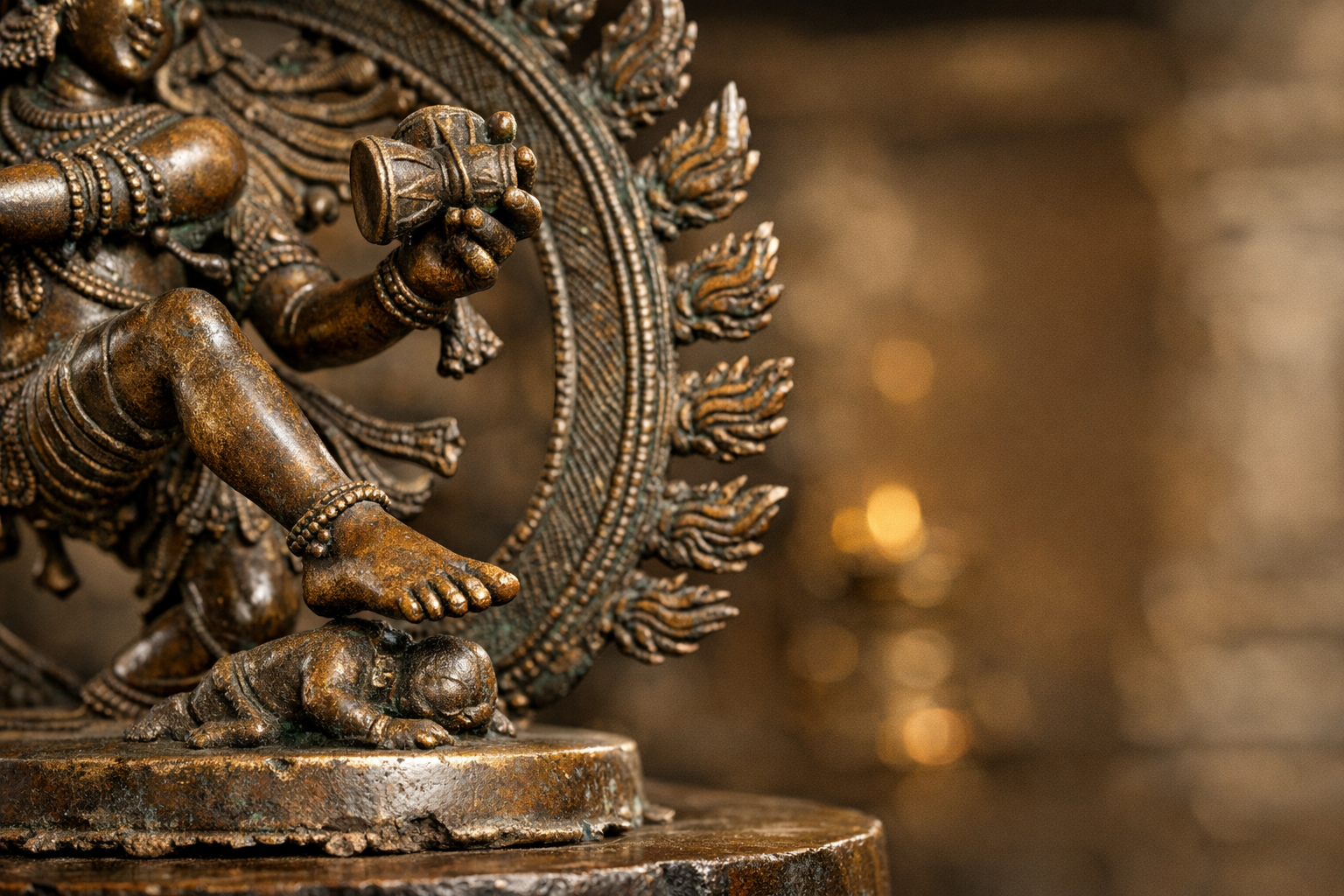
Revealing the Sacred Beauty of Imperfection: Why Authentic Hindu Bronzes Aren’t Flawless
Read more: Revealing the Sacred Beauty of Imperfection: Why Authentic Hindu Bronzes Aren’t FlawlessAuthentic Hindu bronze sculptures are often misjudged by a modern expectation of machine-like perfection. This essay explains, in academic yet accessible terms, how lost-wax casting and panchaloha metallurgy naturally produce subtle surface variations that signal authenticity. It decodes sprue scars, chasing marks, porosity pinholes, and asymmetry as the normal fingerprints of traditional workmanship rather than…
-

Srimad Bhagavatam Distribution Guide: Ethical, Scalable, Data-Driven Outreach to 100,008 Homes
Read more: Srimad Bhagavatam Distribution Guide: Ethical, Scalable, Data-Driven Outreach to 100,008 HomesThis guide presents an ethical, inclusive, and data-driven framework for distributing Srimad Bhagavatam at scale, aligning cultural heritage stewardship with modern outreach practices. It situates the Bhagavata Purana within the wider corpus of Hindu scriptures and emphasizes unity among Hinduism, Buddhism, Jainism, and Sikhism through non-coercive, consent-based engagement. The roadmap covers volunteer training, legal compliance,…
-
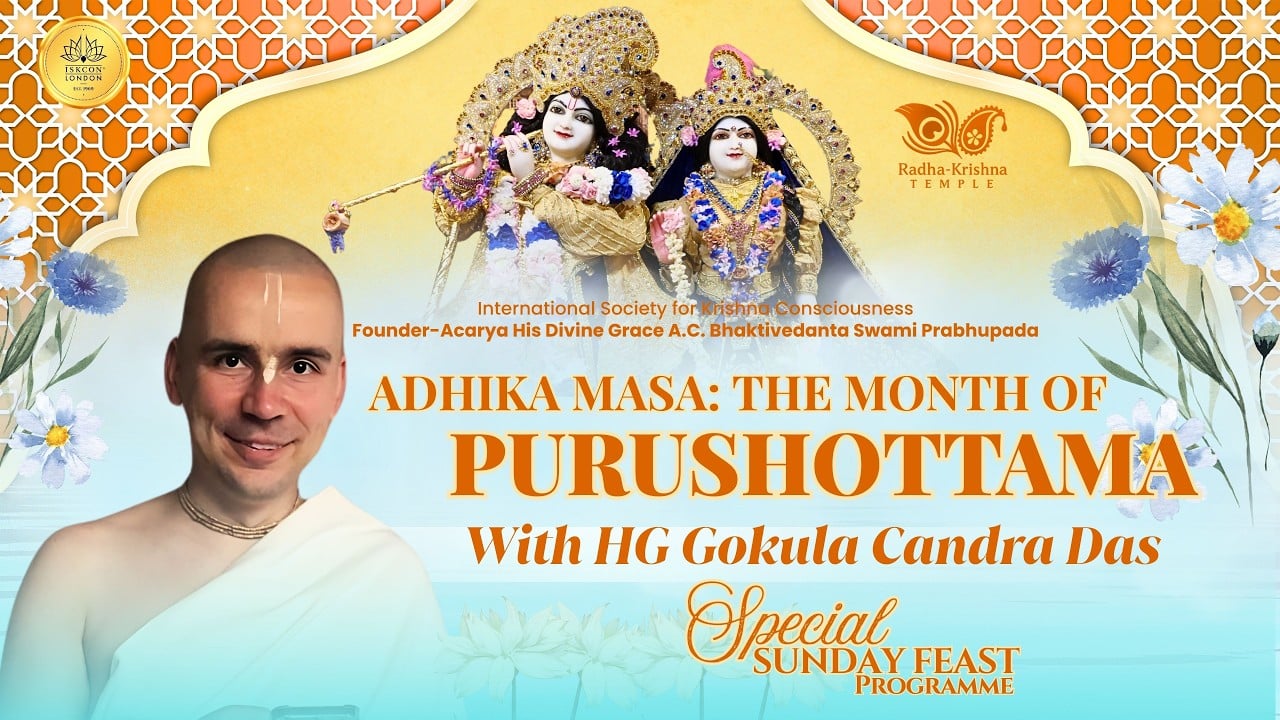
Adhika Masa (Purushottama) 2026: A Deep Guide to Calendar Science, Bhakti Sadhana, and Unity
Read more: Adhika Masa (Purushottama) 2026: A Deep Guide to Calendar Science, Bhakti Sadhana, and UnityThis long-form guide situates Adhika Masa (Purushottama Masa) within precise Hindu calendar science while presenting a practical, compassionate framework for intensified bhakti in 2026. It explains how the intercalary month is determined by the absence of a solar saṅkrānti within a lunar month and why many panchangs identify the 2026 occurrence as Adhik Jyeṣṭha. Drawing…
-
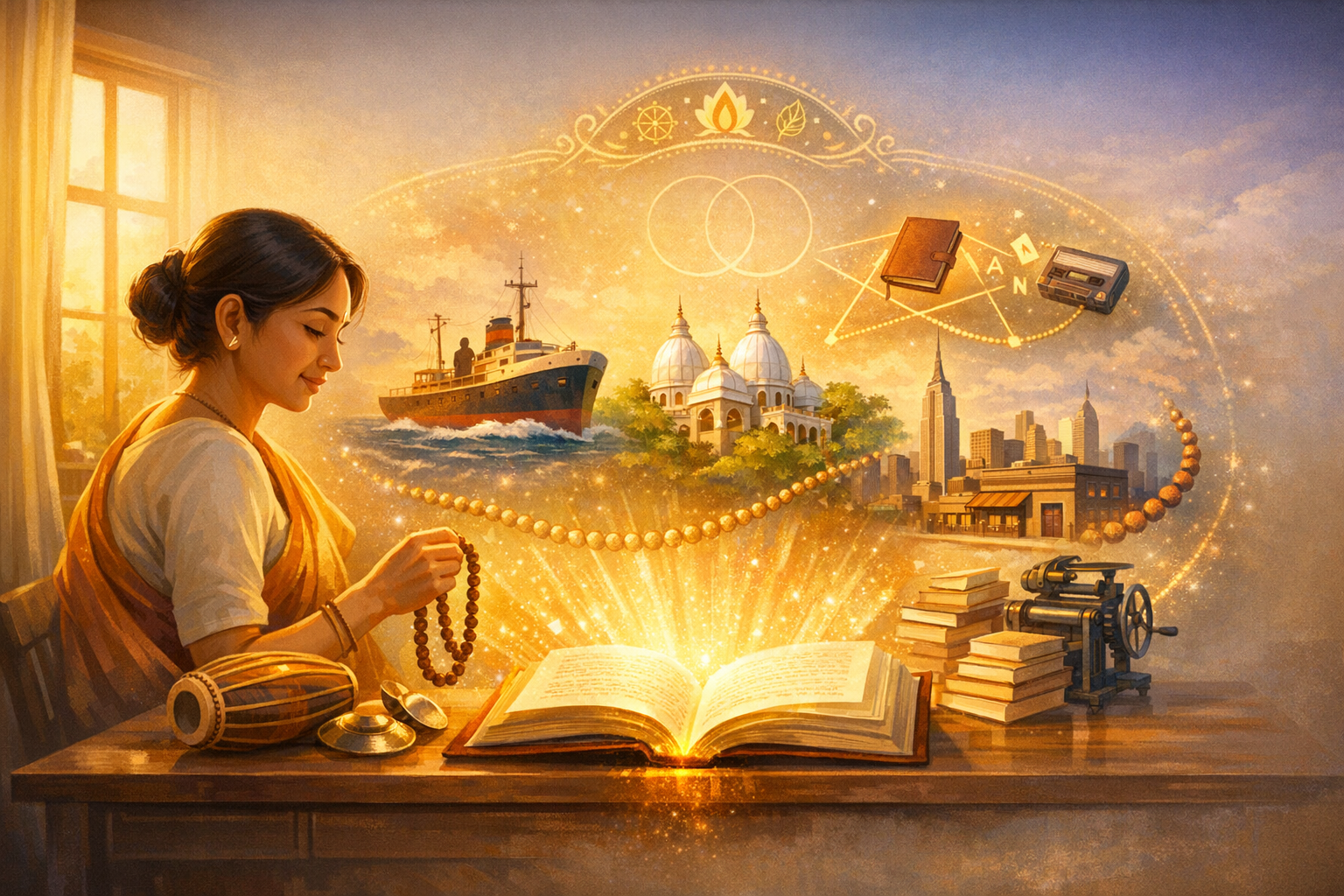
HG Daivi Shakti Mataji illuminates Srila Prabhupada Lilamrita: Rigorous Insights and Living Bhakti
Read more: HG Daivi Shakti Mataji illuminates Srila Prabhupada Lilamrita: Rigorous Insights and Living BhaktiThis in-depth exploration of HG Daivi Shakti Mataji || Srila Prabhupada Lilamrita || 17-05-2026 presents Srila Prabhupada-lilamrta as both an authorized biography and a living guide to bhakti-yoga. It explains the work’s sources, method, and theological framing in Gaudiya Vaishnavism, while translating those insights into practical, measurable disciplines. Readers gain a clear view of how…
-
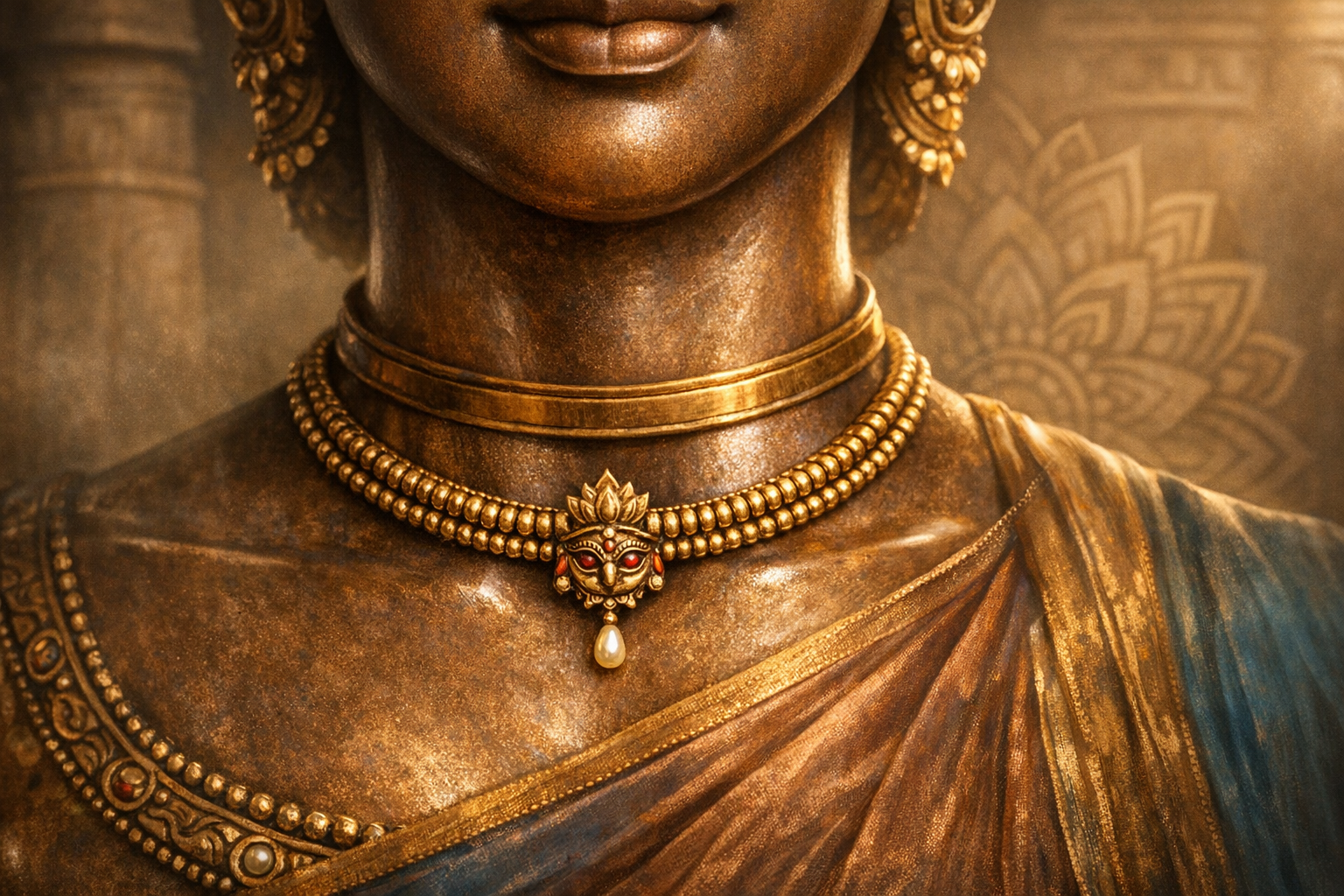
Dama in Hindu Iconography: Unveiling the Sacred Neck Chain of Restraint, Grace, and Power
Read more: Dama in Hindu Iconography: Unveiling the Sacred Neck Chain of Restraint, Grace, and PowerThis article decodes the dama—the sacred neck chain—in Hindu iconography as a short, structured collar that balances longer necklaces while signaling restraint, protection, and grace. It clearly distinguishes dama/graiveyaka from kanthika (choker), muktavali (pearl strings), and hara (long necklace) using the taxonomy preserved in Shilpa Shastras. Readers learn how major treatises (Vishnudharmottara Purana, Shilparatna, Manasara,…
-
Choose Mental Fuel, Not Noise: Dharmic Wisdom to Protect Self‑Respect and Clarity
Read more: Choose Mental Fuel, Not Noise: Dharmic Wisdom to Protect Self‑Respect and ClarityThis essay presents a rigorous, dharmic framework for curating a nourishing “mental diet” that protects clarity and self‑respect in an age of digital distraction. Drawing on the Upanishads, the Bhagavad Gita, and Yoga Sutra, it explains how sattva, abhyasa–vairagya, and pratyahara translate into concrete media habits. Buddhist thought contributes the four nutriments and wise attention;…
-

Anityam Asukham Lokam (Gita 9.33): A Powerful Guide to Inner Freedom in Change
Read more: Anityam Asukham Lokam (Gita 9.33): A Powerful Guide to Inner Freedom in ChangeBhagavad Gita 9.33 encapsulates a clear diagnosis of worldly life—impermanent and unreliable—and couples it with a precise remedy: orient devotion, action, and insight toward the Ultimate. The phrase “Anityam Asukham Idam,” read with its fuller context, explains why outcomes alone cannot secure lasting peace. Rather than pessimism, the verse offers a liberating realism that frees…
-

Matak Hulāre Unveiled (Part 2): Swaying Rhythms, Folk Aesthetics, and Punjabi Dance Science
Read more: Matak Hulāre Unveiled (Part 2): Swaying Rhythms, Folk Aesthetics, and Punjabi Dance ScienceMatak Hulāre captures the essence of Punjabi folk movement as a disciplined sway animated by joy, community, and musical pulse. This in-depth second installment analyzes its cultural history across Giddha and Bhangra, explains rhythmic foundations such as keherva cycles, and details the roles of dhol, algoza, chimta, and tumbi. It explores boliyan as living oral…
-
The War They Could Not Win: Dharmic Unity vs. Empire’s Cultural Offensive (Part 1)
Read more: The War They Could Not Win: Dharmic Unity vs. Empire’s Cultural Offensive (Part 1)This long-form analysis reframes the nineteenth century as a hybrid struggle—military, legal, economic, educational, and narrative—between an expanding empire and a resilient, plural civilization. It situates the 1857 War of Independence within deeper structural transformations led by the British East India Company and subsequent Crown rule. The discussion explains how revenue settlements, legal codification, and…
-
The War They Could Not Win, Part 2: Strategy, Memory, and Dharmic Civilizational Resilience
Read more: The War They Could Not Win, Part 2: Strategy, Memory, and Dharmic Civilizational ResilienceThis long-form analysis explains why certain campaigns in Indian history became unwinnable at the level of legitimacy, memory, and cultural continuity. Drawing on Clausewitz and Kautilya, it shows how consent—not mere control—determines durable victory. The piece outlines how dharmic traditions—Hinduism, Buddhism, Jainism, and Sikhism—created resilient social architectures through values like dharma, ahimsa, seva, and anekantavada.…
-
The War They Could Not Win, Part 3: How Dharmic Pluralism Defied Empire and Ideology
Read more: The War They Could Not Win, Part 3: How Dharmic Pluralism Defied Empire and IdeologyThis installment analyzes why attempts to homogenize the subcontinent’s diverse religious and cultural life repeatedly failed. It shows how dharmic pluralism—Ishta in Hindu Dharma, Anekantavada in Jainism, upāya in Buddhism, and seva in Sikhism—functioned as a civilizational architecture of resilience. The discussion traces colonial knowledge projects, legal codification, and endowment management, and explains how communities…
-
The War They Could Not Win: How Dharmic Resilience Defied Empire and Erasure
Read more: The War They Could Not Win: How Dharmic Resilience Defied Empire and ErasureThis long-form analysis explains why attempts to subdue India’s civilizational core repeatedly failed. It argues that dharmic polycentricity—rooted in Hindu, Buddhist, Jain, and Sikh traditions—produced resilient networks of ethics, learning, and care beyond the reach of central control. Drawing on the Revolt of 1857, British Colonial Rule, and the intellectual countercurrents of Vivekananda and Aurobindo,…
-
‘Gems of Sikhism’ Review: Timeless Teachings, Khalsa Ethos, and Dharmic Unity Today
Read more: ‘Gems of Sikhism’ Review: Timeless Teachings, Khalsa Ethos, and Dharmic Unity TodayThis academically grounded review of ‘Gems of Sikhism’ distills the core teachings of Sikhism—Ik Onkar, Naam, Seva, Kirat Karni, Vand Chakna, Sarbat da bhala, and the Khalsa ethos—into a coherent, accessible framework. It explains how Sikh practices like Langar and Seva institutionalize equality and compassion, while Miri–Piri and the Sant–Sipahi ideal provide a disciplined theory…
-
Honoring Dr. I. J. Singh: Enduring Legacy of Sikh Scholarship, Dharmic Unity, and Seva
Read more: Honoring Dr. I. J. Singh: Enduring Legacy of Sikh Scholarship, Dharmic Unity, and SevaThis tribute reflects on Dr. I. J. Singh’s enduring legacy as a scholar of Sikhism whose life integrated faith, rigorous reasoning, and seva into a coherent method. It outlines how careful definitions, hermeneutic humility, and evidence-based argument advanced both public understanding and institutional ethics in the Sikh Community. It highlights miri-piri as a practical design…
-
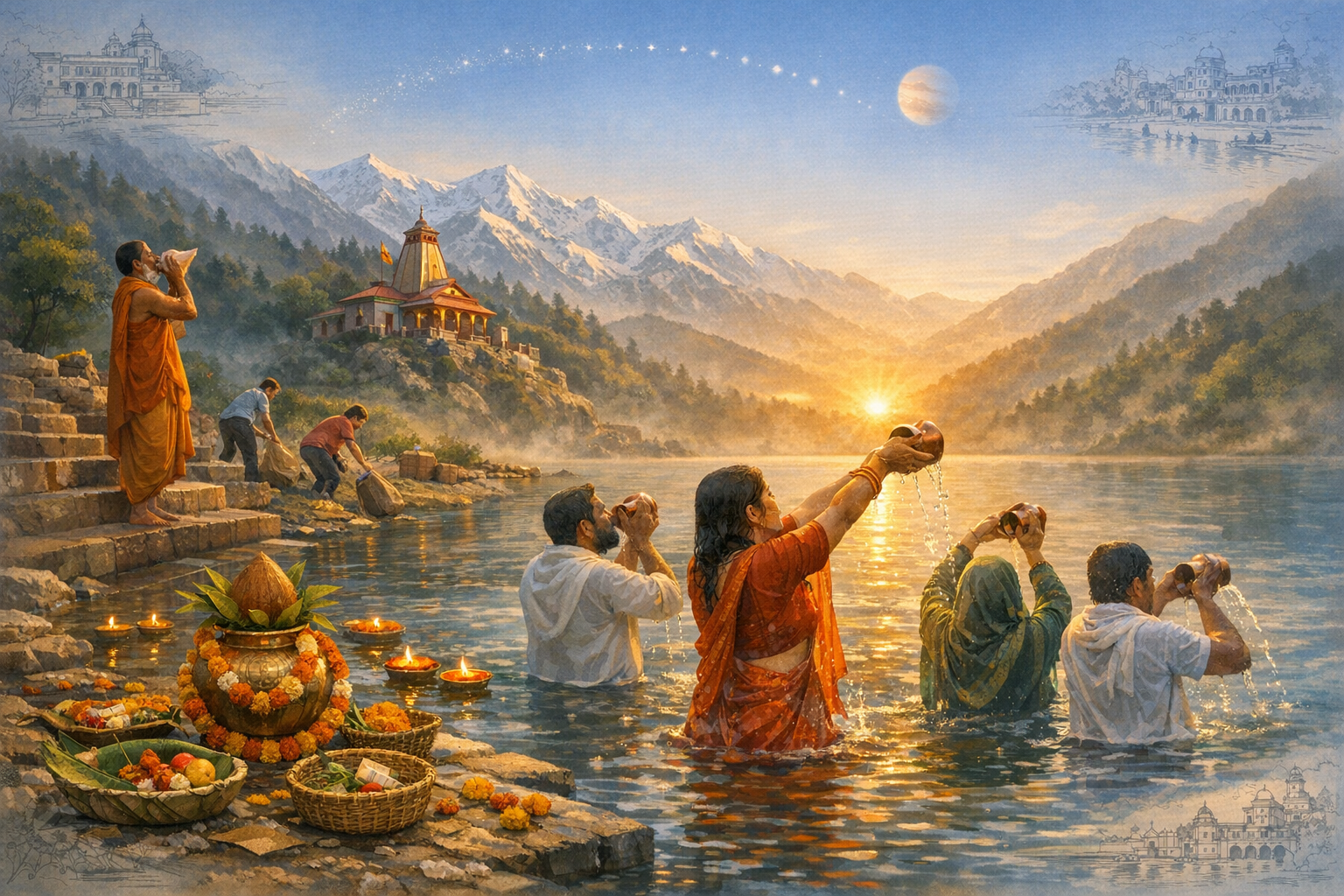
Yamuna Pushkaraalu 2026: Definitive Guide to Sacred Bathing Dates, Rituals, and Key Ghats
Read more: Yamuna Pushkaraalu 2026: Definitive Guide to Sacred Bathing Dates, Rituals, and Key GhatsYamuna Pushkaraalu 2026 will be observed from 2–13 June, offering twelve sacred days for parva snana aligned with Hindu calendar and Panchang calculations. The inaugural 2 June and Guru Nakshatram – Purvabhadra on 9 June are particularly auspicious for bathing. This comprehensive guide explains the Pushkaram’s astronomical basis, core rituals, key ghats from Yamunotri to…
-
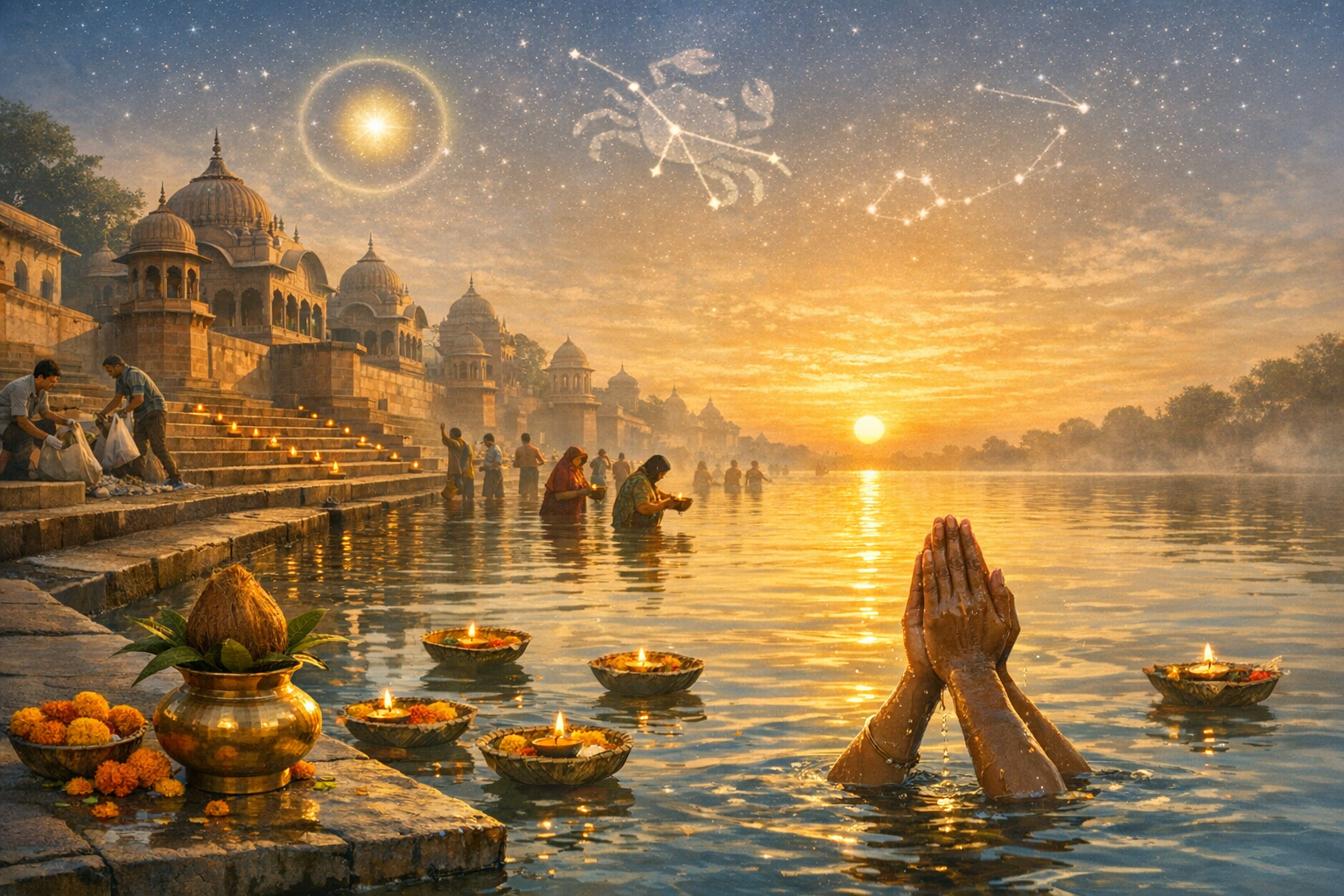
Yamuna Pushkarams 2026: Auspicious Dates, Sacred Rituals, and Jupiter in Karkataka Rashi
Read more: Yamuna Pushkarams 2026: Auspicious Dates, Sacred Rituals, and Jupiter in Karkataka RashiYamuna Pushkarams (River Yamuna Pushkaraalu) will be celebrated from 2–13 June 2026, beginning when Guru (Brihaspati – Jupiter) enters Karkataka Rashi in Punarvasu Nakshatra (4th quarter). This cycle places Jupiter in exaltation, lending the festival exceptional spiritual resonance and encouraging pilgrimage, scriptural practice, and seva. Key tirthas include Yamunotri, Mathura–Vrindavan’s ghats, Prayagraj’s Triveni Sangam, and…
-

Religious Significance of the Yamuna River: Mythology, Pilgrimage, and Dharmic Ecology
Read more: Religious Significance of the Yamuna River: Mythology, Pilgrimage, and Dharmic EcologyThis in-depth overview explains why the Yamuna River—reverentially known as Yamunaji and Kalindi—holds enduring religious significance in Hindu Dharma and stands as a unifying symbol across the dharmic traditions of Hinduism, Buddhism, Jainism, and Sikhism. Readers will discover the river’s Vedic and Puranic foundations, her identity as Yami (sister of Yama and daughter of Surya),…
-

Yamuna Pushkaralu 2026: Definitive Pilgrim’s Guide to Sacred Ghats, Temples, and Cities
Read more: Yamuna Pushkaralu 2026: Definitive Pilgrim’s Guide to Sacred Ghats, Temples, and CitiesYamuna Pushkaralu 2026 aligns with Jupiter’s transit through Mithuna (Gemini), culminating in an especially auspicious Antya Pushkaram window in late May–early June 2026. This guide traces the river from its Himalayan source at Yamunotri to the Triveni Sangam at Prayagraj, detailing prominent ghats and temples across Uttarakhand, Himachal–Haryana, Delhi, Braj (Mathura–Vrindavan–Gokul), Agra–Bateshwar, Etawah–Pachnada, Kalpi, Hamirpur,…
-
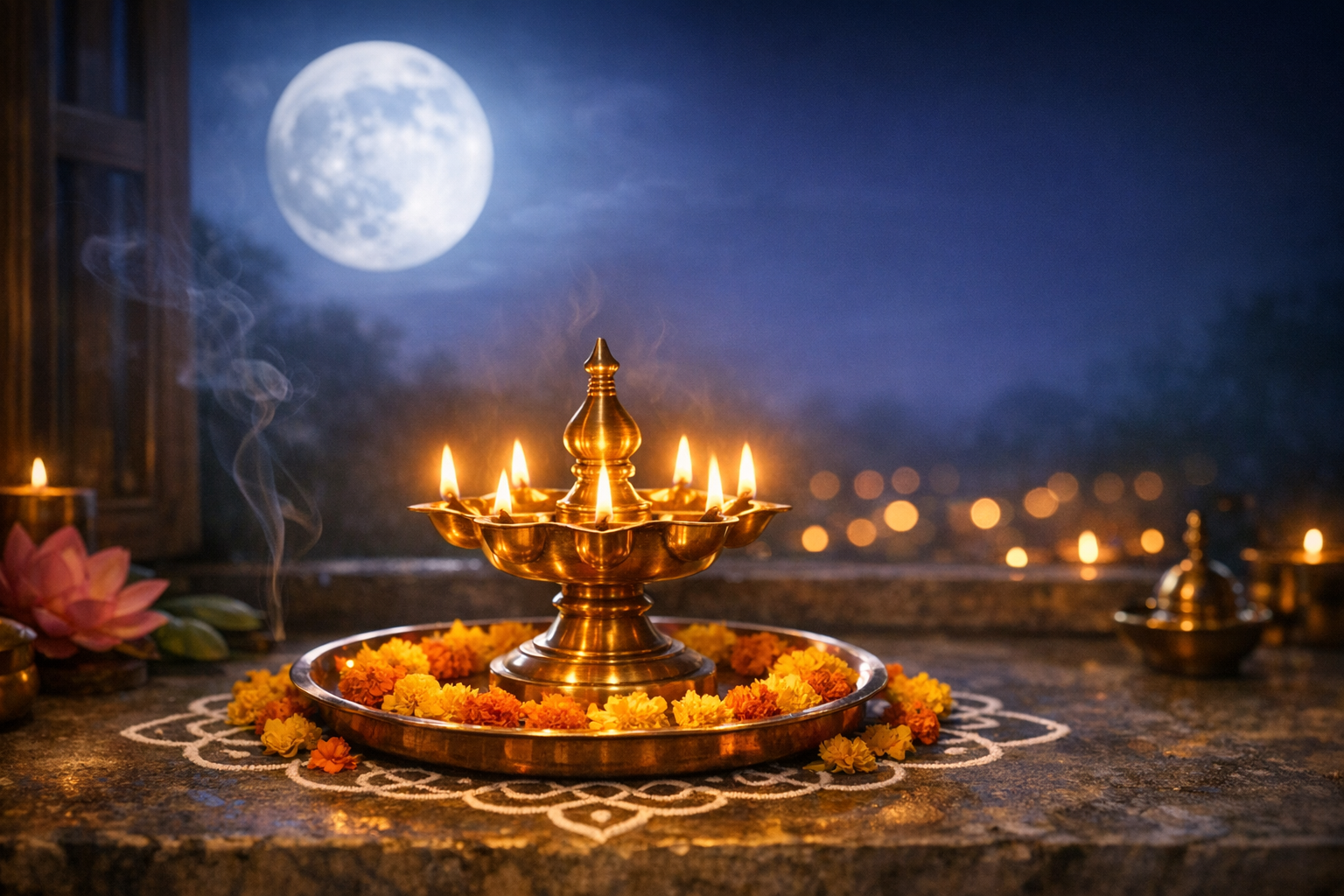
Pournami Deepa Puja Explained: Sacred Science and Spiritual Power of Full-Moon Lamps
Read more: Pournami Deepa Puja Explained: Sacred Science and Spiritual Power of Full-Moon LampsPournami Deepa Puja (Deepa Pooja on the Full Moon) brings together ritual precision, contemplative focus, and communal warmth through the shared act of lighting lamps. Rooted in Vedic invocations to Agni and elaborated in Puranic-Agamic practice, the rite uses a living flame to link outer worship with inner steadiness. Aligning with the Full Moon’s clarity,…
-
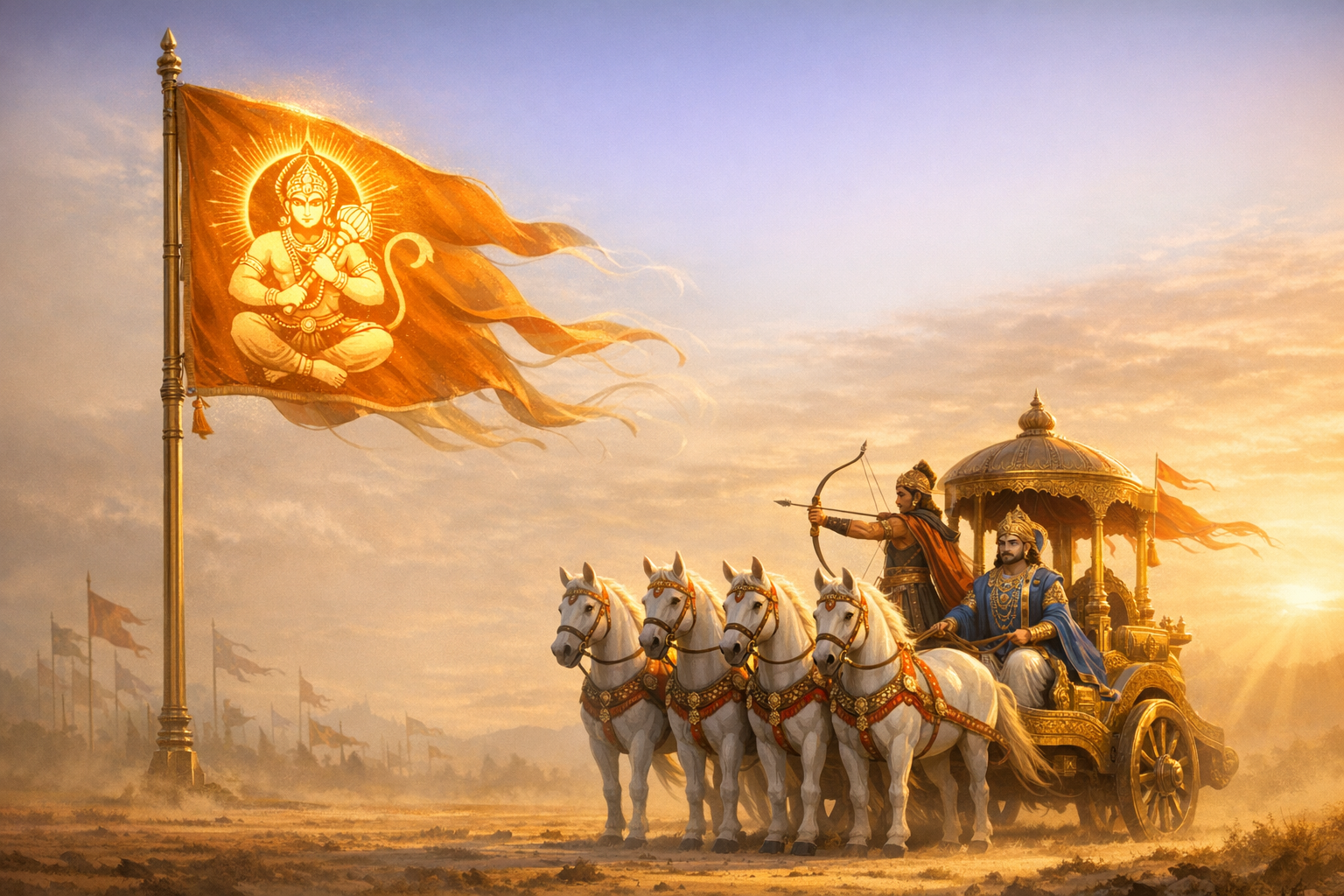
Kapi Dhvaja Unveiled: How Hanuman on Arjuna’s Banner Powered Dharma at Kurukshetra
Read more: Kapi Dhvaja Unveiled: How Hanuman on Arjuna’s Banner Powered Dharma at KurukshetraArjuna’s Kapi Dhvaja—the “ape-banner” of Hanuman—anchors the Bhagavad Gita’s battlefield in a powerful blend of scripture, strategy, and spirituality. The term kapidhvajaḥ in Gita 1.20 is not decorative; it signals divine sanction, morale-building semiotics, and an ethic of service above strength. Traditional lore explains Hanuman’s presence as a boon following Arjuna’s humility before Krishna, binding…
-
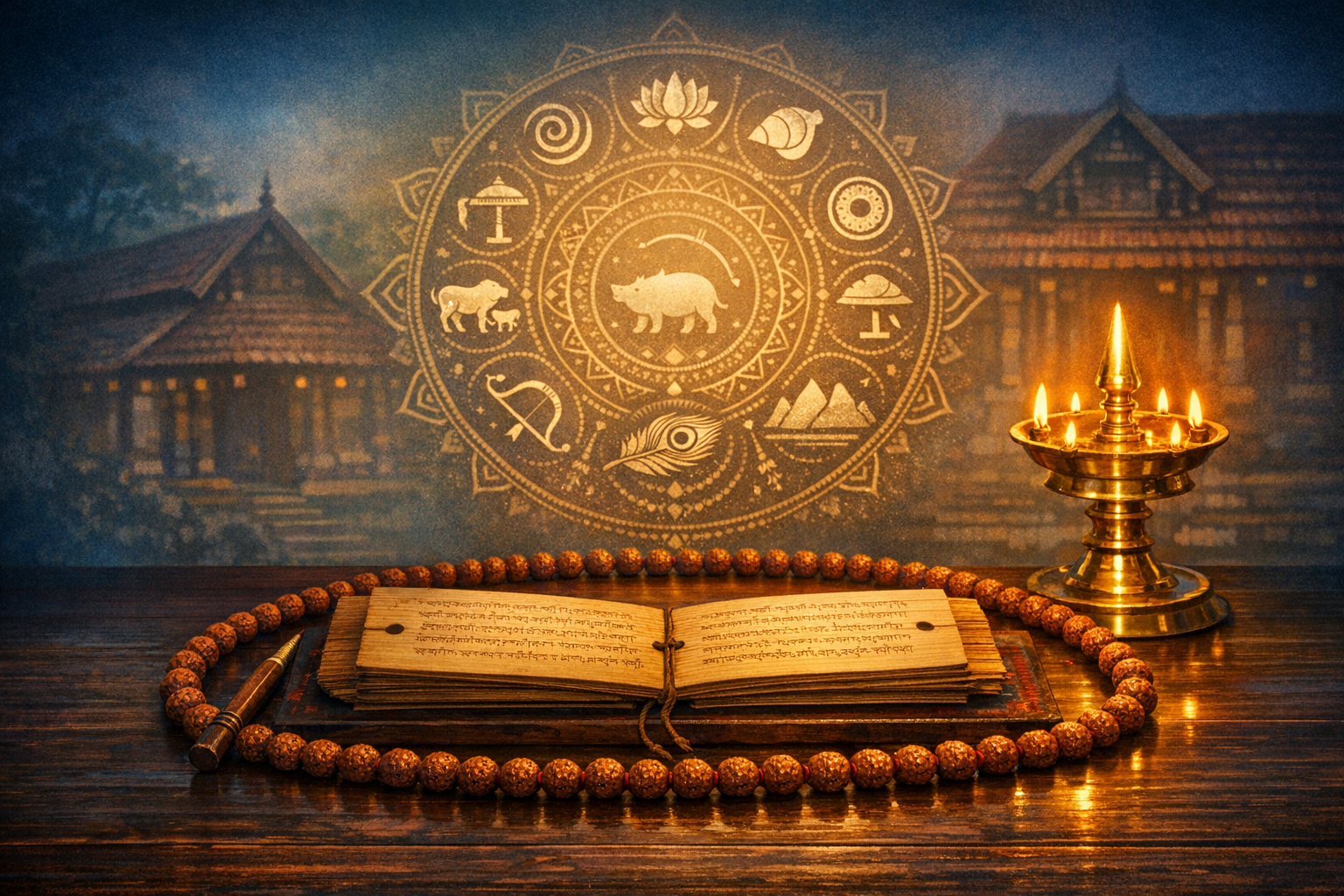
Narayaneeyam: A Soul-Stirring, Scholarly Guide to the Bhagavata Purana in 100 Dasakas
Read more: Narayaneeyam: A Soul-Stirring, Scholarly Guide to the Bhagavata Purana in 100 DasakasNārāyaṇīyam (Narayaneeyam) condenses the Srimad Bhagavatham into 100 daśakas and just over a thousand ślokas, uniting poetry, philosophy, and devotion. Composed in 16th‑century Kerala by Melpathur Nārāyaṇa Bhaṭṭathiri at Guruvayur, it offers a structured path from cosmology and avatāras to Krishna’s intimate līlās and a culminating meditative vision. This guide clarifies its history, architecture, meters,…
-
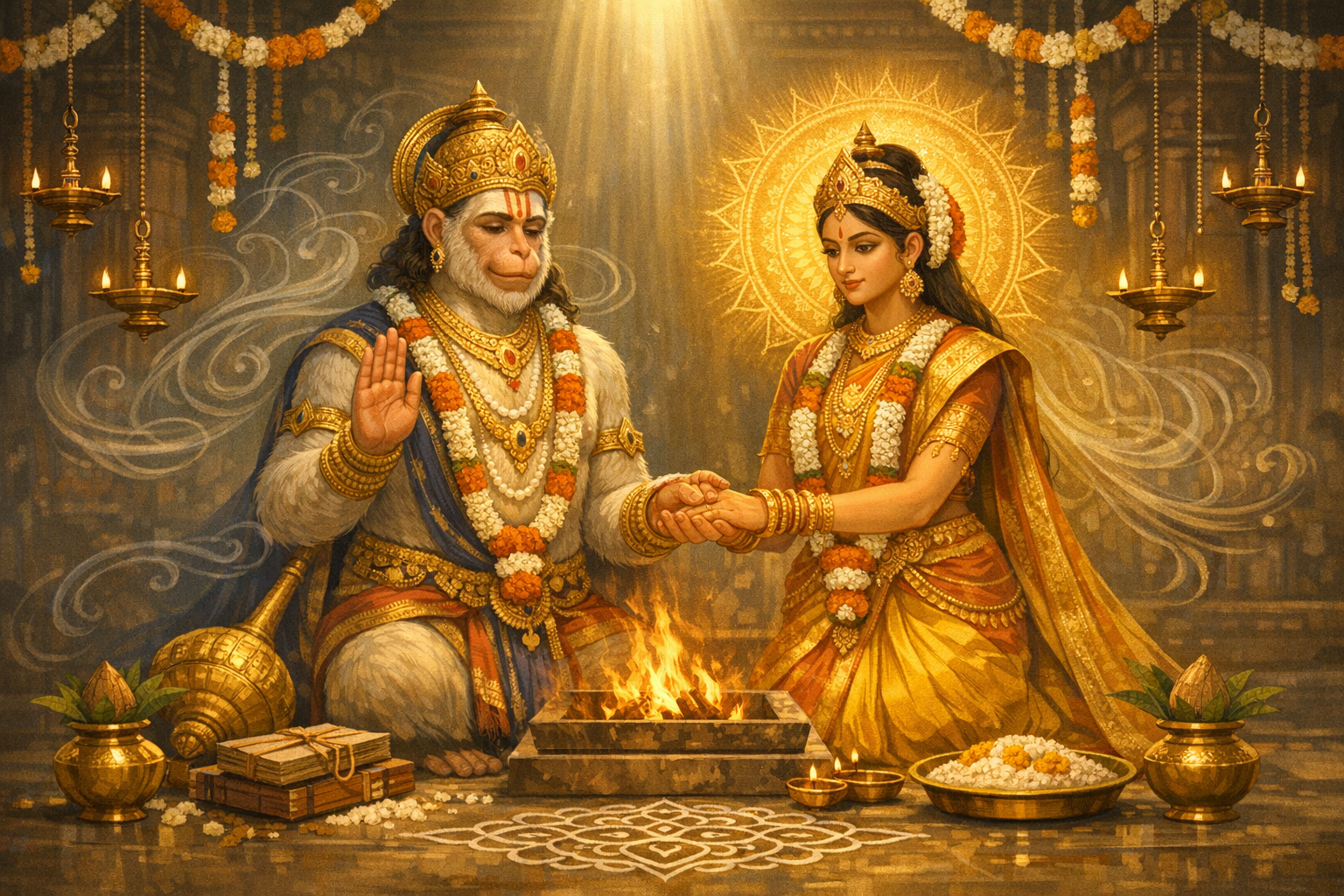
Hanumath Kalyanam Explained: Why Hanuman Weds Suvarchala—Texts, Symbolism, Ritual Life
Read more: Hanumath Kalyanam Explained: Why Hanuman Weds Suvarchala—Texts, Symbolism, Ritual LifeHanumath Kalyanam asks a striking question: why would a nitya-brahmachari like Hanuman marry? This exploration traces the South Indian legend in which Suvarchala—born of Surya Bhagavan’s Varchas—weds Hanuman, while his vow of brahmacharya remains intact. It clarifies that the Valmiki Ramayana is silent on this motif, which emerges richly in regional sthala-puranas and temple kathas.…
-
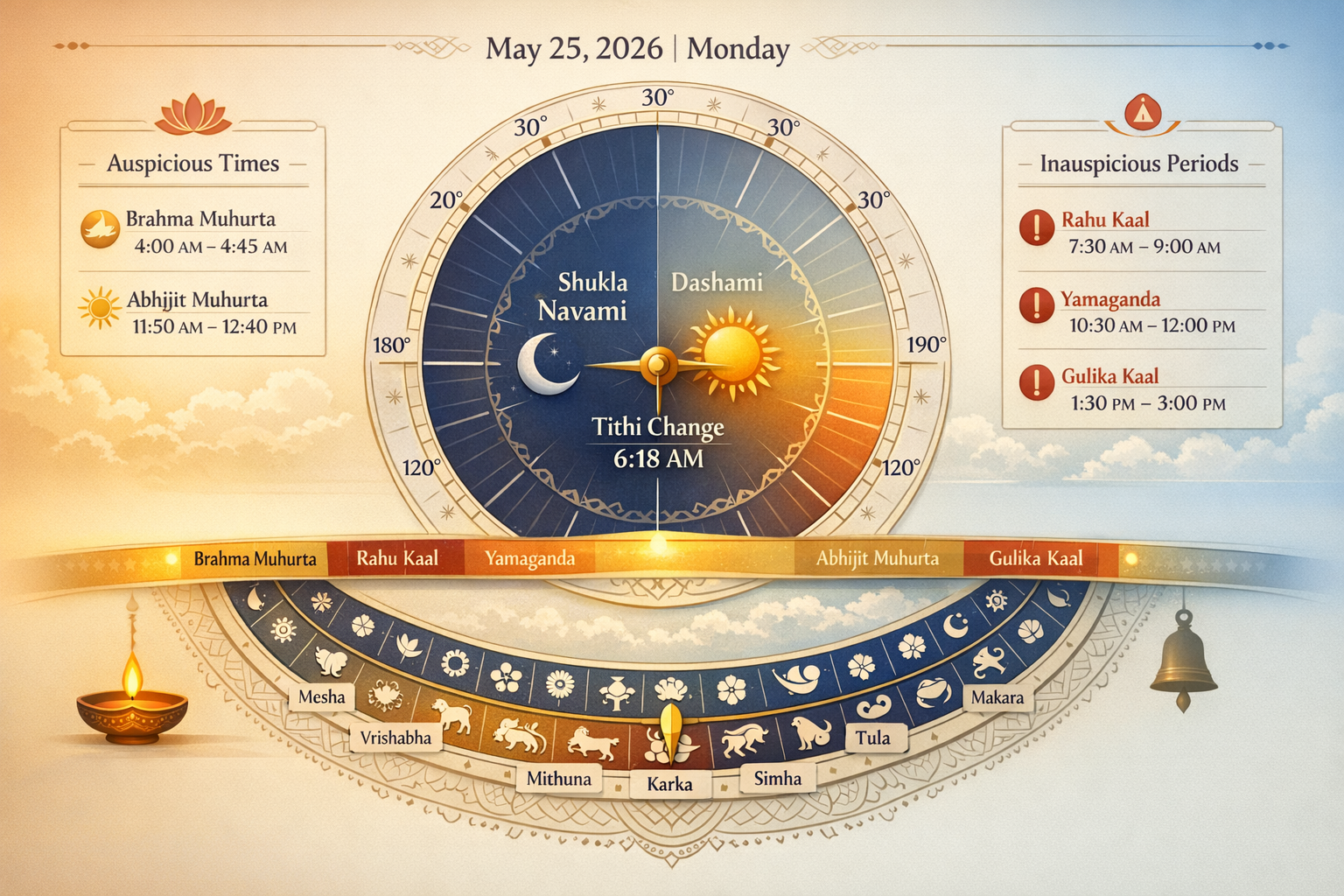
May 25, 2026 Panchang: Shukla Paksha Navami to Dashami, Auspicious Timings, Nakshatra & Rashi Guide
Read more: May 25, 2026 Panchang: Shukla Paksha Navami to Dashami, Auspicious Timings, Nakshatra & Rashi GuideMay 25, 2026 begins with Shukla Paksha Navami until 08:01 IST, then transitions to Shukla Paksha Dashami for the rest of the day. The guide explains how tithis are astronomically defined, why Navami counts at sunrise for many observances, and how to choose auspicious timings using Abhijit muhurta and the post-sunrise Navami window. It also…
Categories
- Agriculture (20)
- Akhand Bharat (30)
- Aryan Migration -vs- Out of India (8)
- Ayurveda (20)
- Celebrations (882)
- Community (150)
- Community Events (231)
- Cross Posted (105)
- Cultural Advocacy (33)
- Cultural Commentary (61)
- Cultural Heritage (556)
- Cultural Insights (142)
- Cultural Issues (29)
- Cultural Traditions (757)
- Culture (33)
- Economics (22)
- Education (152)
- Geo-Politics (60)
- History (377)
- Indian Authors (6)
- International Trade (8)
- Labor Market (8)
- Literature (97)
- News (619)
- Opinion Pieces (143)
- Personal Reflections (161)
- Personalities (186)
- Philosophy (1,036)
- Politics (208)
- Scripts (3)
- Scriptures (975)
- Spiritual Insight (3,207)
- Spirituality (750)
- Temples (731)
- Tribute (65)
- Uncategorized (6)
- Yoga (103)
Archive