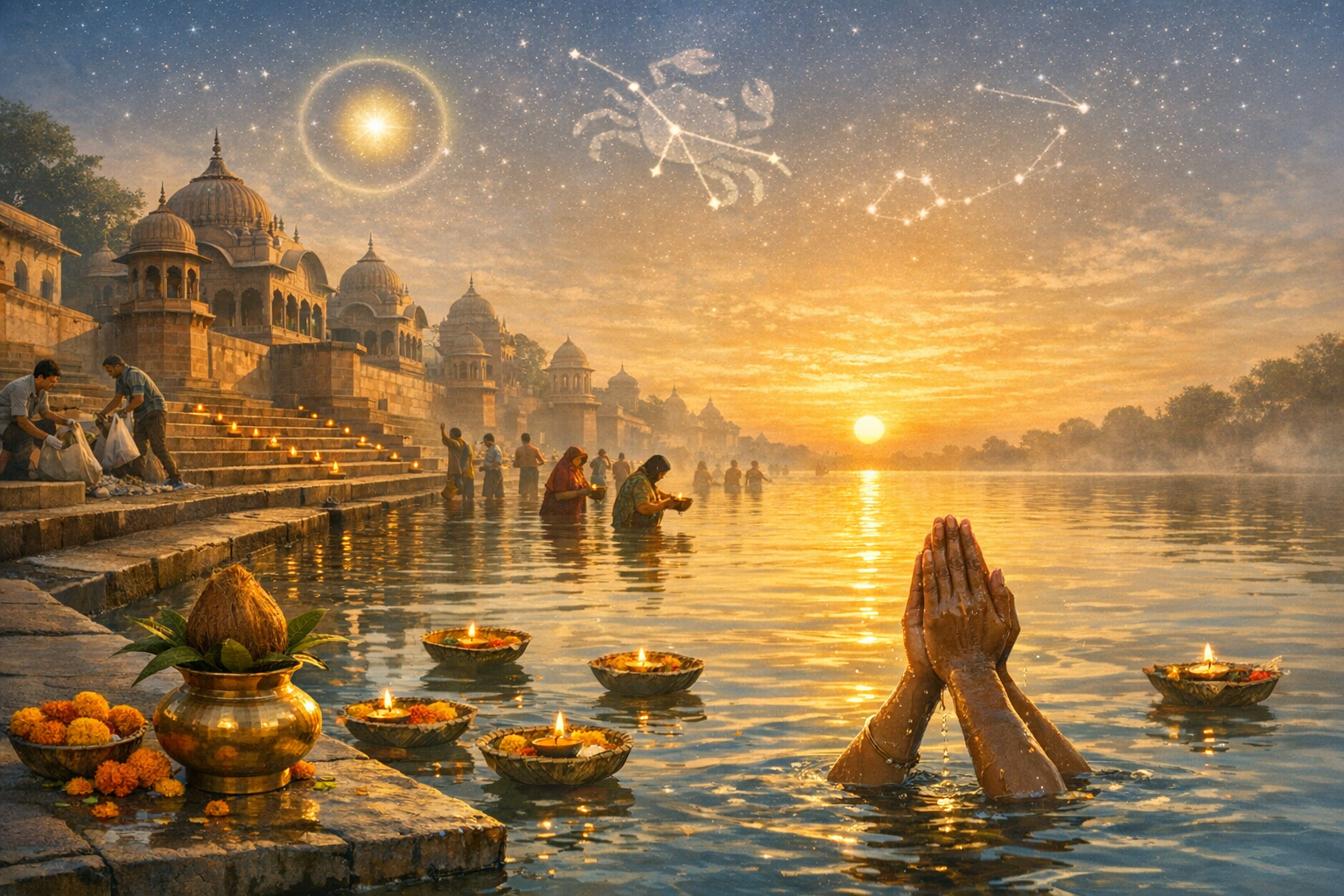
Yamuna Pushkarams (River Yamuna Pushkaraalu) will be observed from 2 June 2026 to 13 June 2026, a 12-day sacred window traditionally regarded as the most auspicious period for Pushkara snana, japa, and dana along the banks of the Yamuna. The festival commences the moment Guru (Brihaspati – Jupiter) enters Karkataka Rashi in Punarvasu Nakshatra (4th quarter), activating the Pushkara tattva for the river associated with that sign.
Pushkarams are cyclical river festivals anchored to Jupiter’s 12-year sidereal transit through the zodiac, with each sign corresponding to a specific sacred river. When Jupiter enters the sign associated with a river, spiritual merit is believed to flow especially strongly through that river, and pilgrims undertake tirtha-yatra and snana as acts of purification, devotion, and service (seva). For the Yamuna, the Pushkaram occurs when Jupiter enters Karkataka Rashi, aligning 2026 with this venerable tradition.
The 2026 observance is astrologically notable because Jupiter attains exaltation (uccha) in Karkataka Rashi, thereby strengthening sattvic, protective, and life-nourishing significations associated with water, caregiving, and spiritual renewal. The ingress takes place in Punarvasu Nakshatra’s 4th pada, a lunar mansion ruled by Jupiter itself and associated with Aditi, renewal, and the return of light, lending the festival a clear symbolic arc of restoration, compassion, and auspicious beginnings.
Within the Jyotisha framework, Jupiter’s movement sets a dharmic context for pilgrimage and vows. In mid-2026, Saturn is expected to be in Meena (Pisces), receiving Jupiter’s 9th aspect from Karkataka and forming a water-trikona connection. Many traditional astrologers interpret this as favorable for contemplative practices, scriptural study, and community service initiatives linked to sacred waters and ecological stewardship.
The core Pushkaram window in 2026 spans 12 days from the instant of Jupiter’s entry, with these days often referred to as Adi Pushkaram. Some regions also keep memory of culminating observances near Jupiter’s exit from the sign a year later, yet the principal throng and ritual intensity belong to the first 12 days, which in 2026 fall between 2 June and 13 June (IST). Local panchangam details should be consulted for exact ingress times and sunrise-based snana muhurta at each pilgrimage site.
The Yamuna’s sacred geography offers multiple tirthas suited to different ages and capacities. Yamunotri, the river’s source in the Garhwal Himalaya, draws pilgrims seeking the primal spring; access typically involves reaching Janki Chatti and undertaking a moderate trek, weather permitting. Along the plains, Mathura and Vrindavan host famed ghats such as Vishram Ghat and Keshi Ghat, where devotional singing and parikrama are common. Prayagraj’s Triveni Sangam, where the Yamuna meets the Ganga and the mystical Saraswati, is a traditional locus for snana and tarpana. Paonta Sahib on the Yamuna is a revered Sikh tirtha that underscores the river’s cross-traditional significance. Additional accessible points include Bateshwar, Agra’s riverfront stretches, and regulated ghats in Delhi and Yamuna Nagar.
Pushkarams are distinct from the Kumbh Mela cycle, though both celebrate the sanctity of rivers and the regeneration of spiritual life. Pushkarams are defined by Jupiter’s entry into a specific sidereal sign and are anchored to the river paired with that sign; Kumbh, by contrast, follows a different, well-known astronomical logic and historical itinerary.
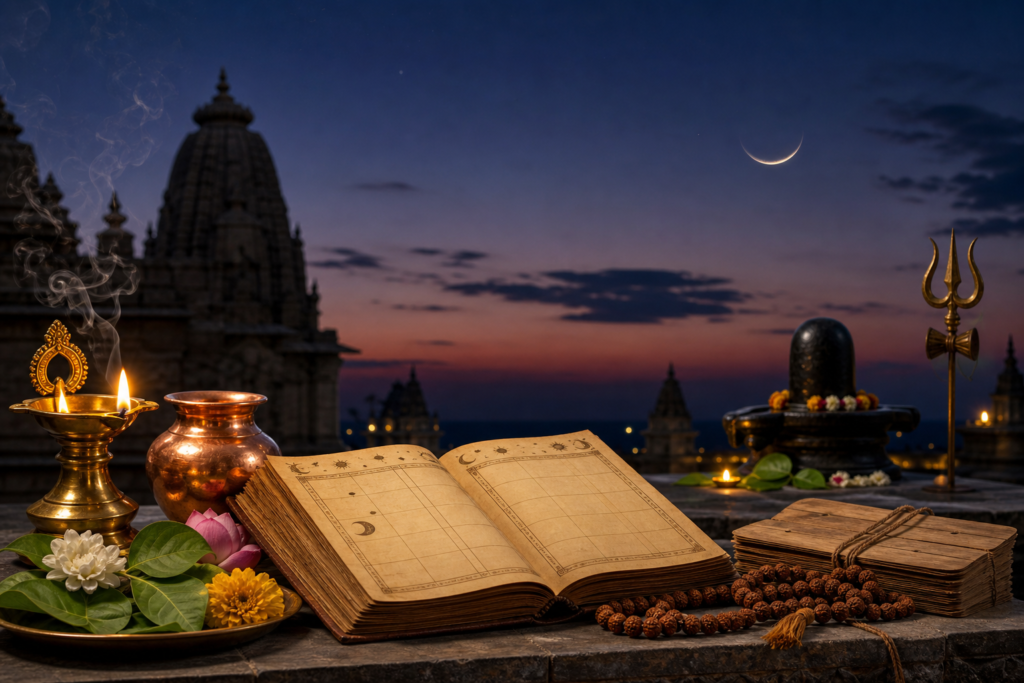
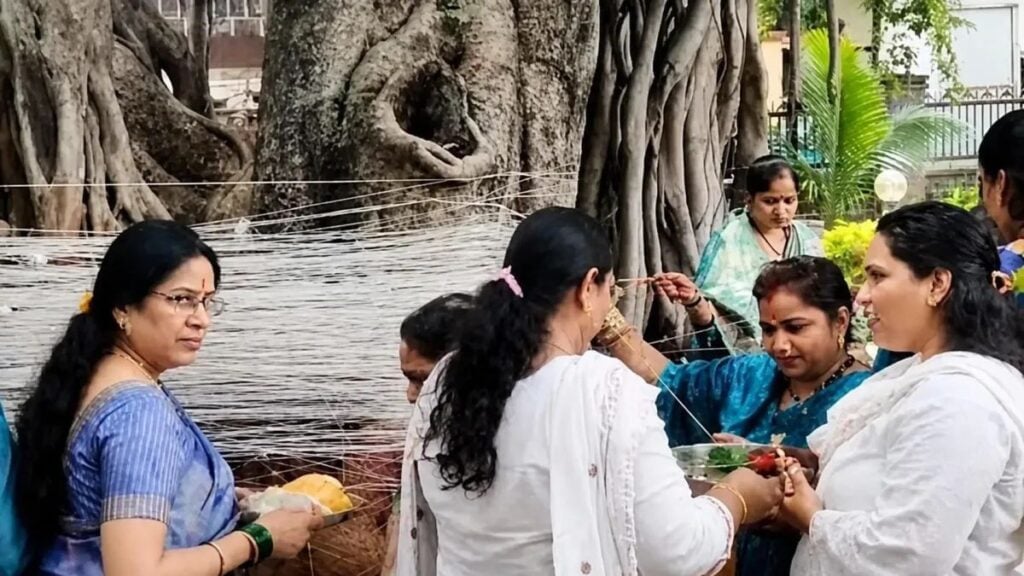
For Hindu practitioners, a simple yet traditional Yamuna Pushkaram observance may include an early morning snana timed to sunrise, preceded by achamana and a sankalpa that clearly names the time, place, river, and intention. After snana, offerings can include arghya to Surya, Yamuna-dhyana, and recitation of hymns such as Sri Yamunashtakam, followed by japa, archana, and scriptural parayana (for example, Bhagavad Gita, Srimad Bhagavatam, or Vishnu Sahasranama) in accordance with one’s sampradaya. Acts of danaanna-dana, vastra-dana, and support for temple or river-cleaning initiativesare recommended, with humility and compassion held as the inner core of the rite.
In keeping with a spirit of unity among dharmic traditions, the Pushkaram season naturally invites shared values of contemplation, compassion, and environmental responsibility. While the theologies and ritual forms of Hinduism, Buddhism, Jainism, and Sikhism differ, the river pilgrimage context can be a common ground for reverence, reflection, and service without diluting the integrity of any path.
Buddhist practitioners may prefer mindfulness of breathing by the river, metta-bhavana directed to all beings, and sutra recitation appropriate to lineage. The Yamuna’s gentle flow in selected stretches can be a skillful setting for silent sitting and reflective walking, always with respect for local customs.
Jain practitioners can emphasize samayik and pratikraman, jiva-daya, and anukampa (compassion) in the form of non-harmful seva and support for cleanliness drives. Quiet reflection on ahimsa and aparigraha by the riverbank resonates deeply with the Pushkaram’s ethic of restraint and care.
Sikh practitioners may approach the occasion through ishnaan as disciplined cleanliness, Gurbani paath such as Japji Sahib, and seva or langar in local sangat, including helping travelers, ensuring cleanliness, and providing warm food or first-aid. Paonta Sahib’s location on the Yamuna offers a meaningful place for remembrance and seva while honoring the distinctive principles of Sikhi.
For those unable to travel, traditional guidance holds that bhava (sincere inner disposition) is central. A simple at-home observance may involve a kalasha snana at sunrise with a clear sankalpa to Sri Yamuna Devi, recitation of Sri Yamunashtakam or other stotras, nama-japa, lighting a lamp, and making mindful donations to verified, transparent projects working on river rejuvenation and community welfare. Many families also set aside time for satsang or collective reading during the 12 days.
Regarding muhurta, local sunrise remains the most recommended time for Pushkara snana across the 12 days, with Arunodaya and Brahma Muhurta preferred for quiet preparatory practices. If the Jupiter ingress occurs during the day, that remainder is also considered meritorious for snana. Since precise timings vary by geography and panchangam, consulting a reliable local almanac or trusted temple advisory is prudent. When major crowds form, safety and orderly movement take precedence over any elective muhurta.
The astrological backdrop in 2026Jupiter exalted in Karkataka Rashi and Saturn in Meenasuggests a year that favors water-linked dharma: healing, nourishment, learning, and service. Jupiter’s aspects from Cancer fortify devotional practice, while its trinal connection to Saturn in Pisces is read by many as a call to integrate wisdom with compassionate discipline, particularly in environmental and community-facing commitments.
Environmental stewardship is integral to Pushkaram dharma. Pilgrims are encouraged to avoid plastics, use biodegradable puja materials, and participate in clean-up activities before and after snana. Immersion of non-biodegradable items, synthetic colors, or oil-rich residues should be avoided to protect aquatic life. Aligning ritual with responsible action ensures that devotion and ecology remain inseparable.
Those proceeding to Yamunotri should plan for mountain conditions and mandatory registrations that typically accompany the broader Chardham Yatra framework. Weather in early June can shift quickly; appropriate footwear, layered clothing, rain protection, and attention to official advisories are essential. The Janki Chatti–Yamunotri segment generally involves a trek of several kilometers with altitude considerations; pony or palanquin services may be available for elders and those with health constraints.
For pilgrims favoring the plains, Vrindavan’s Keshi Ghat and Mathura’s Vishram Ghat offer devotional ambience with comparatively easier access. Prayagraj’s regulated arrangements at the Sangam can also be suitable for families and seniors. In all locations, coordinating with local authorities, using designated entry and exit paths, and maintaining crowd etiquette preserve safety and sanctity.
Many pilgrims emphasize the lived experience of Pushkarams: the stillness before sunrise, the quiet rhythm of japa, the heart-opening sight of families serving tea or distributing prasad, and the palpable sense of shared purpose across diverse communities. Such recollections consistently point to a union of inner calm and outer service, a hallmark of sacred river festivals at their best.
Yamuna Pushkarams 2026 thus invites reflection, learning, and unity across dharmic traditions, anchored in an astronomically defined window of merit and a timeless ethic of compassion. The 12-day festival is an opportunity to honor Sri Yamuna Devi through snana, prayer, study, and seva, while strengthening a culture of care for sacred waters and for one another.
Inspired by this post on Hindu Pad.