The proposition that Shiva’s justice moves invisibly through the cosmos is a recurring insight in Hindu scriptures, with the Skanda Purana offering suggestive hints rather than sensational prophecies. In this vision, destruction is not an abrupt cataclysm of fire and brimstone but a sophisticated process of dissolution and transformation. It aligns with the Purāṇic rhythm of creation, sustenance, and dissolution (sṛṣṭi–sthiti–laya), where Shiva presides over laya as an expression of restorative balance, not punitive rage.
Purāṇic literature, including the Skanda Purana, situates Shiva’s role within the fivefold cosmic functions often summarized as Pañcakṛtya: creation, preservation, dissolution, concealing grace, and revealing grace (sṛṣṭi, sthiti, saṁhāra, tirobhāva, anugraha). Read this way, “divine destruction” is better understood as an intelligent reconfiguration of reality. It clears accumulated adharma, releases exhausted forms, and makes space for renewal, all without theatrical spectacle.
Shiva’s justice is inseparable from kāla (time) and karma (moral causality). The Skanda Purana’s narrative cadence often points to these subtle agencies of change: outcomes ripen through adṛṣṭaunseen causesuntil structures that no longer serve dharma quietly unwind. Societies witness such dissolution as the fading of unjust systems, the loss of exploitative privileges, or the end of cycles sustained by ignorance; individuals experience it as the dissolution of destructive habits, identities, and attachments.
In this frame, the “end of the world” is rarely a single event; it is a sequence of endings distributed across layers of lifecultural, ecological, psychological, and spiritual. The Purāṇic imagination speaks of varying scales of pralaya, reminding that the cosmos is renewed through many subtle thresholds long before any grand consummation. Seen through Shiva, dissolution is simultaneously an ethical correction and a metaphysical return to equilibrium.
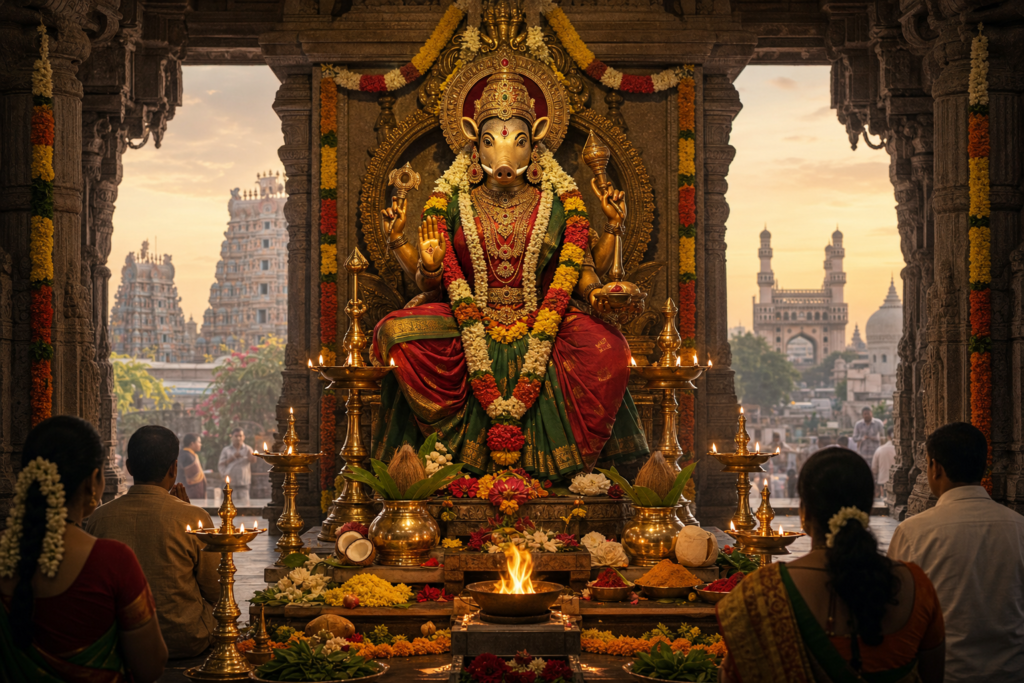
Images of Rudra and the Tāṇḍava, often perceived as tokens of ferocity, encode the rhythm of change in nature and within consciousness. Seasons cycle, civilizations rise and recede, and inner dispositions transformeach movement bearing the stamp of laya. The outward iconography thus mirrors an inward pedagogy: where rigidity dissolves, wisdom can emerge; where clinging ends, clarity arrives.
Microcosm mirrors macrocosm. When anger, pride, or fear recede in the inner field, an ethical spaciousness takes root. This personal “dissolution” does not annihilate the person; rather, it loosens constrictions so compassion, responsibility, and steadiness can flourish. Such inner laya aligns conduct with dharma and, by extension, harmonizes with the larger, unseen currents through which Shiva’s justice unfolds.
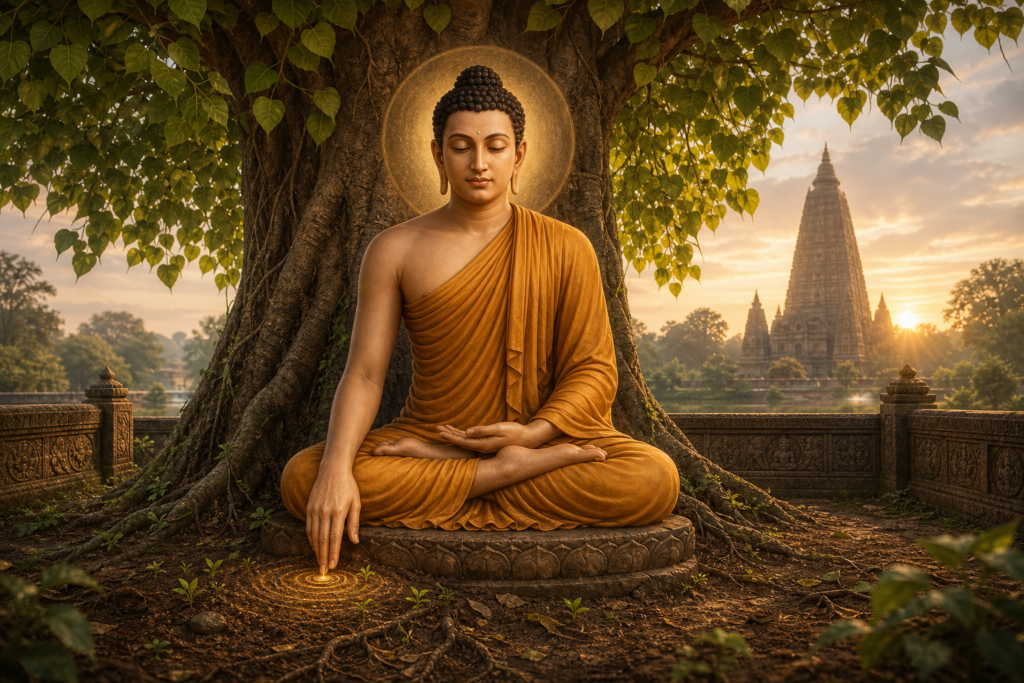
This vision resonates across dharmic traditions. Buddhism emphasizes anicca (impermanence) and the compassionate release of clinging; Jain philosophy, through aparigraha and anekāntavāda, nurtures non-attachment and many-sided understanding; Sikh teachings on hukam affirm that the universe moves by a moral order that invites humility and seva. These streams converge on a shared insight: endings are not inherently violent; they are often compassionate recalibrations that restore balance and invite growth.
Ethically, Shiva’s invisible justice may be read as restorative rather than retributive. When dissolution comes through time, insight, and responsibility, minimal external force is required. In personal life, this appears as course-correction through reflection and disciplined practice; in society, as institutional reform, truthful scholarship, and the repair of injustice. The dharmic task is to participate consciously in this renewal, not to resist it out of fear.
Readers may recognize the quiet reality of such endings: relationships that fade without rancor, habits that dissolve after a moment of clear seeing, or unjust arrangements that gradually lose legitimacy. These experiences feel less like explosions and more like the turning of a pagethe felt sense of a chapter closing so that another may begin. The Purāṇic frame gives these moments language and purpose.
Practically, engaging Shiva’s principle of laya involves contemplative and ethical disciplines that harmonize with the unseen order: meditation and japa to steady awareness, prāṇāyāma to refine inner rhythm, study of Puranas and Upanishads to deepen understanding, and seva to align personal intention with collective well-being. Such practices allow dissolution to be guided by wisdom rather than compelled by crisis.
Understood through the Skanda Purana’s hints and the broader Hindu scriptures, the “end” Shiva brings is a doorway, not a wall. It is the cosmos returning to poise so that new forms of life, meaning, and responsibility can arise. Held in unity with Buddhist, Jain, and Sikh insights, this vision invites a shared ethic: accept impermanence, reduce harm, serve truth, and trust the invisible justice that quietly restores balance.
Inspired by this post on Hindu Blog.