Tag: Sanatan Dharma

  • Temple Lands at Risk? Why Maharashtra’s 2026 Devasthan Inams Draft Act Alarms Dharmic Bodies

    Temple Lands at Risk? Why Maharashtra’s 2026 Devasthan Inams Draft Act Alarms Dharmic Bodies

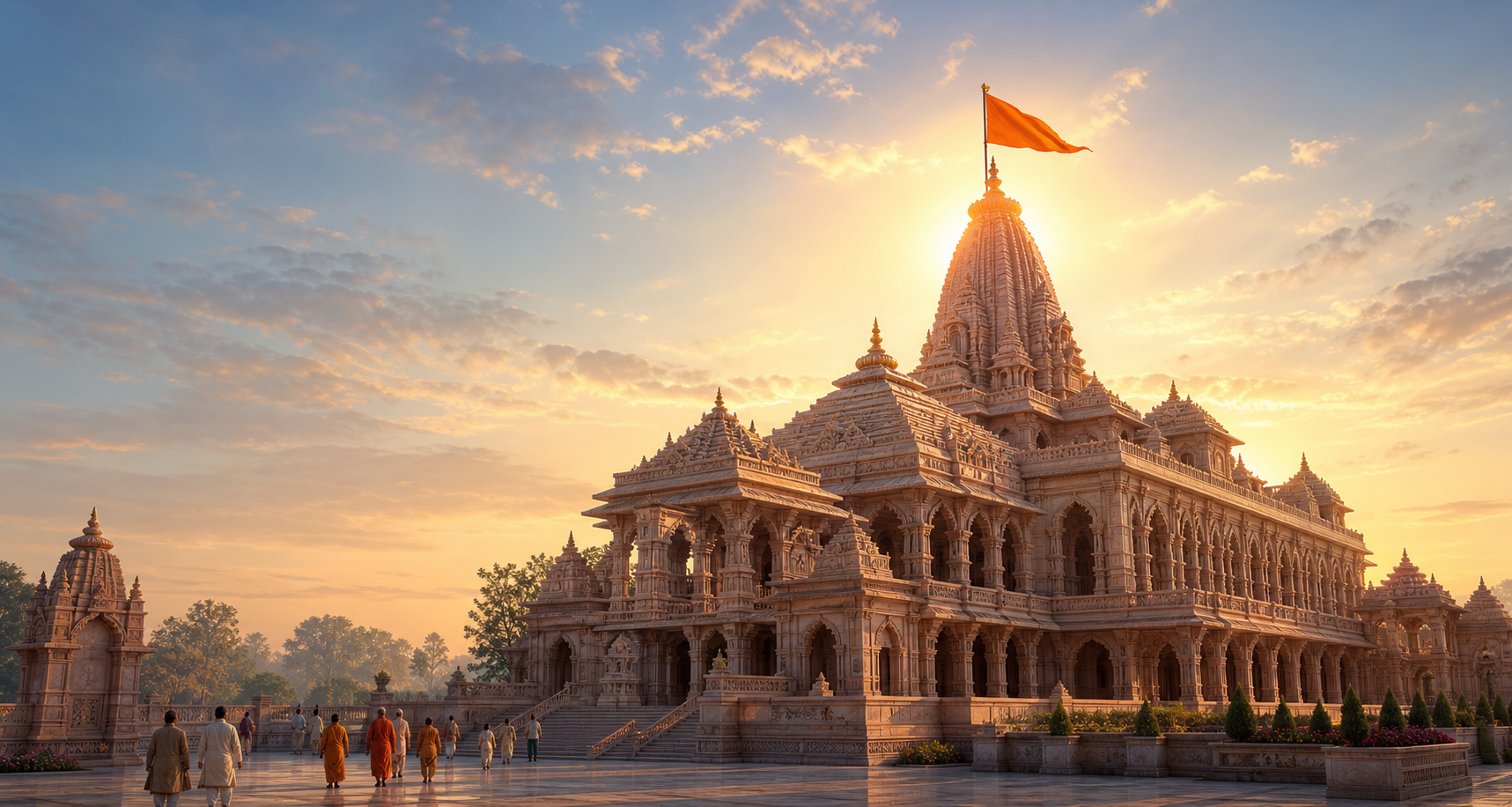
    Maharashtra’s proposed Devasthan Inams Abolition Draft Act, 2026 has raised alarms among temple trusts and dharmic institutions that rely on endowment-backed revenues for worship, welfare, and heritage conservation. This analysis clarifies what devasthan inams are, why they matter to community life across Hindu, Buddhist, Jain, and Sikh traditions, and how constitutional safeguards under Articles 25,…

  • Bantwal Adhiveshan ignites Dharmic unity and values-driven vision for Constitutional Hindu Rashtra

    Bantwal Adhiveshan ignites Dharmic unity and values-driven vision for Constitutional Hindu Rashtra

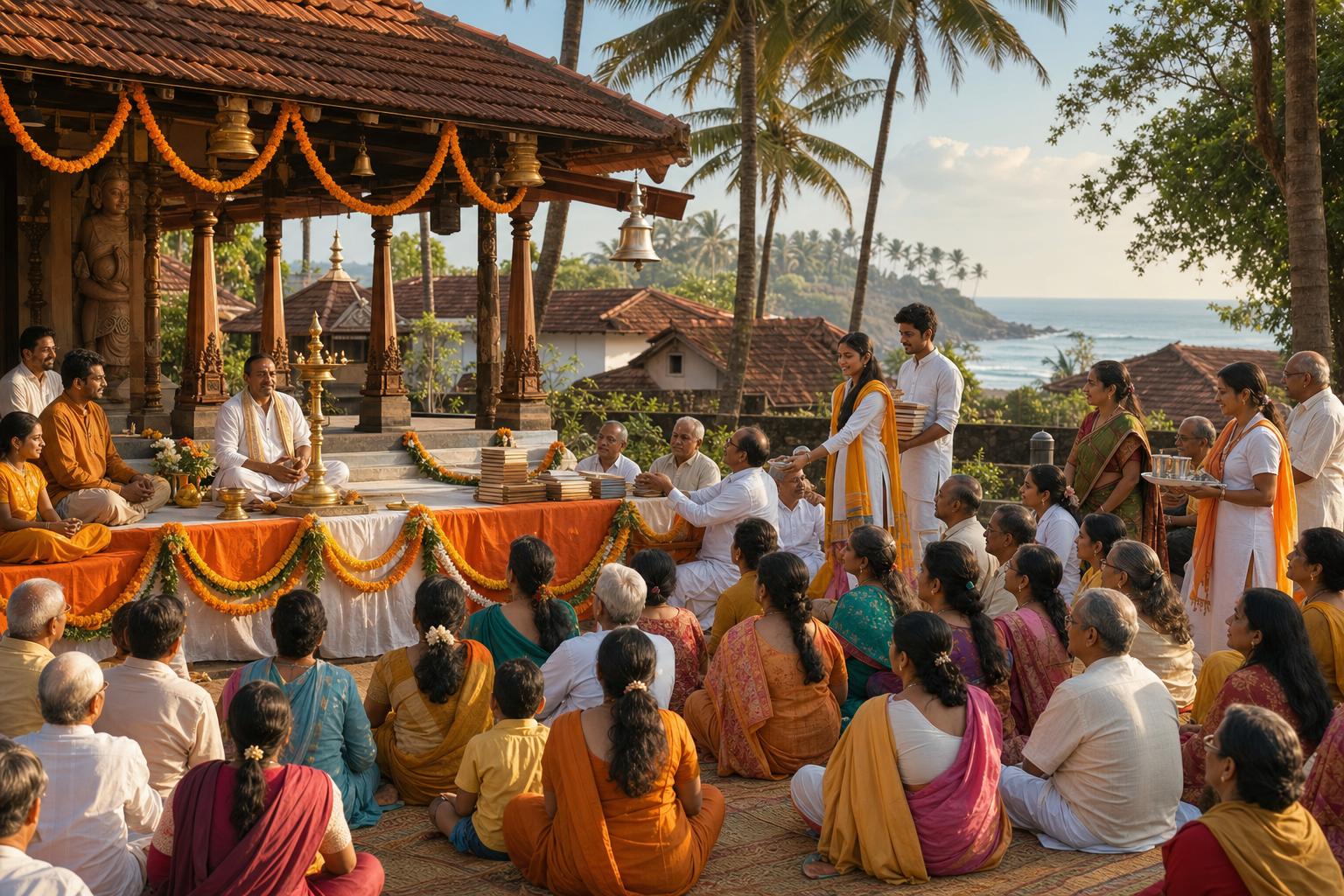
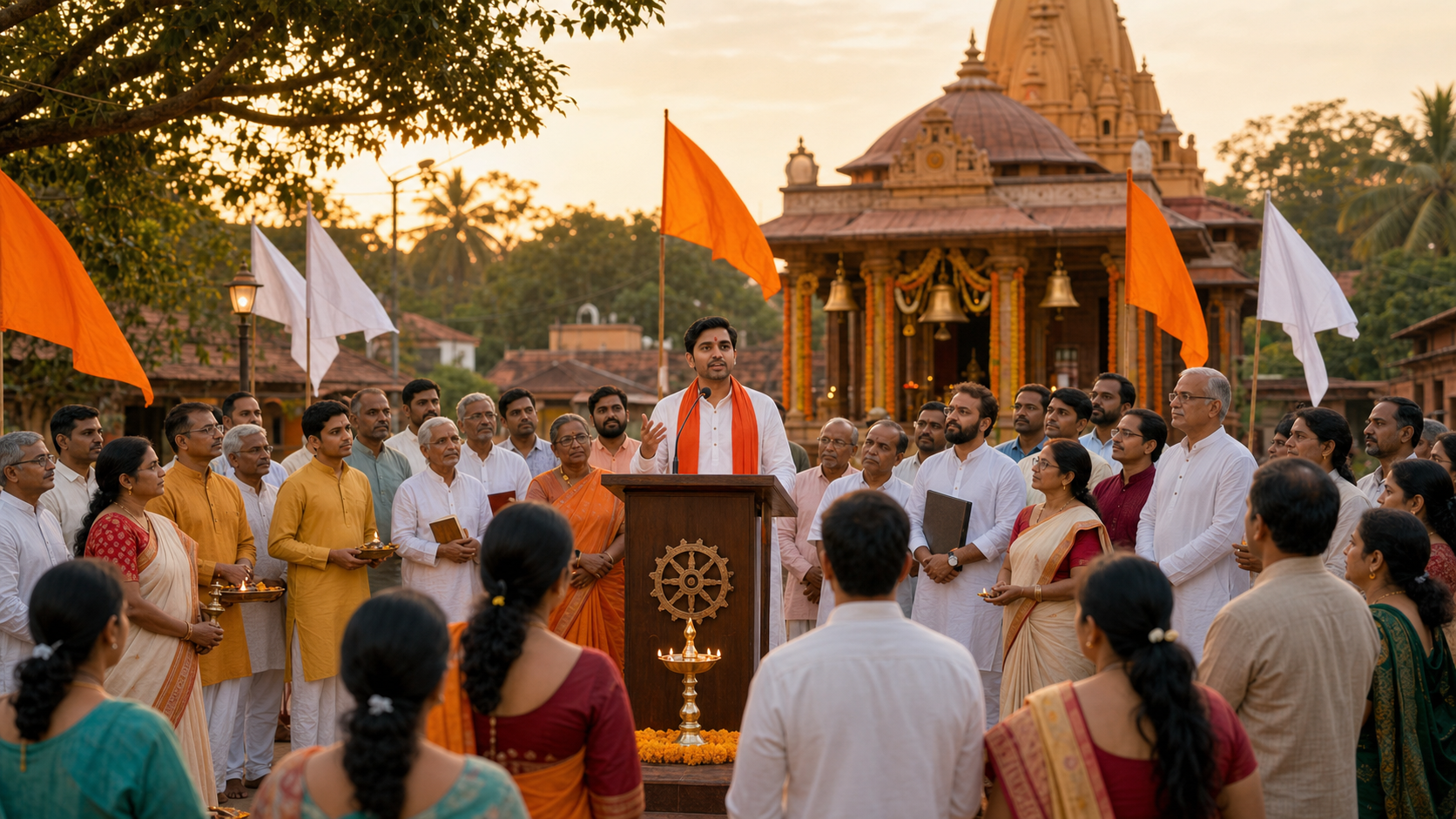
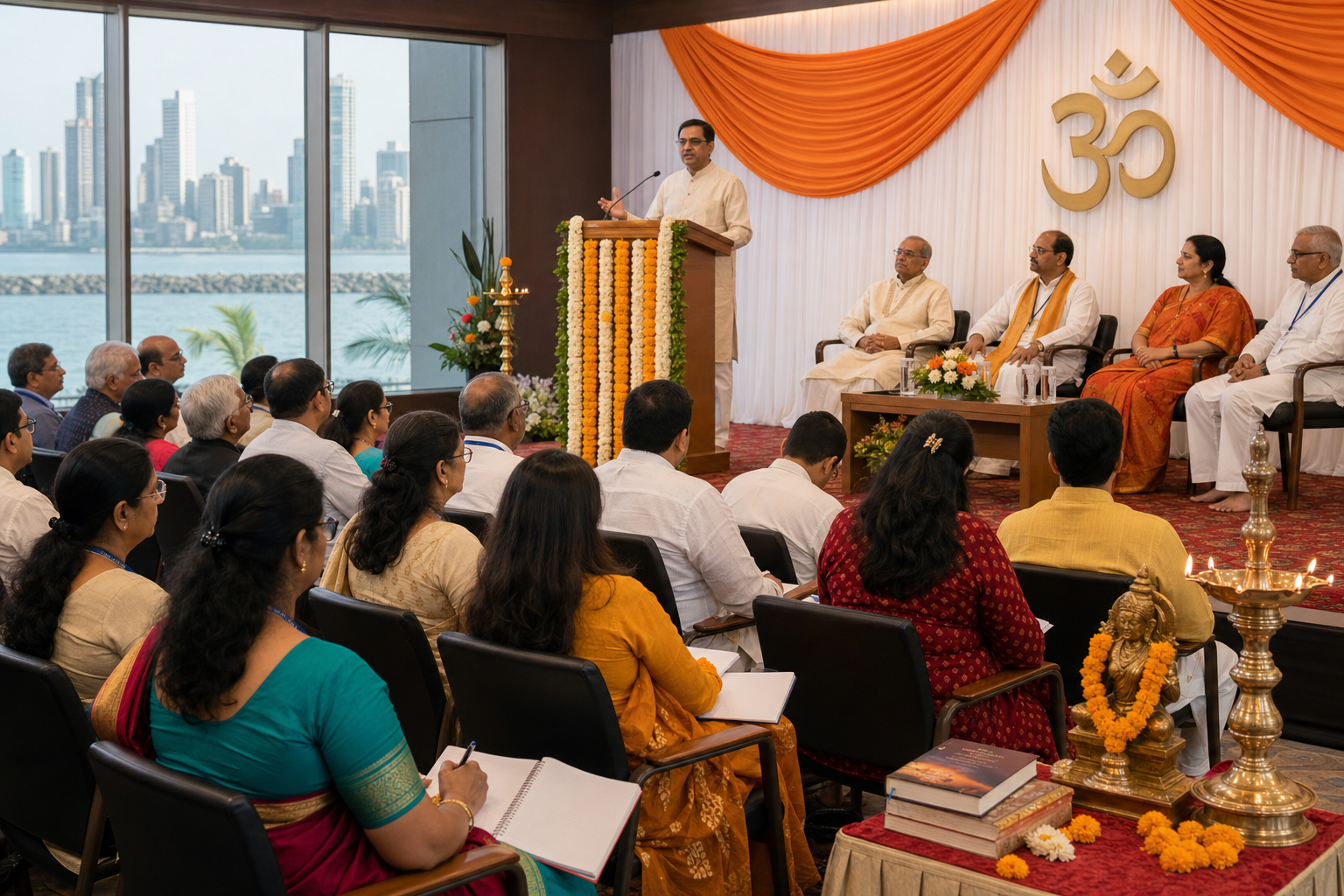
    The Bantwal district-level Hindu Rashtra Adhiveshan, organized by Hindu Janajagruti Samiti (HJS), concluded with a values-driven call to strengthen Hindu unity, safeguard Sanatan Dharma, and cultivate value-based families. Discussions framed a Constitutional Hindu Rashtra as a pluralistic, dharma-anchored civic vision aligned with Articles 25–28 of the Indian Constitution and the spirit of fundamental duties. On…

  • Cannes 2026: Aarti Khetarpal’s Vedic Couture and Bhagavad Gita Redefine Red-Carpet Diplomacy

    Cannes 2026: Aarti Khetarpal’s Vedic Couture and Bhagavad Gita Redefine Red-Carpet Diplomacy

    At the 79th Cannes Film Festival in May 2026, Aarti Khetarpal reframed the red carpet as a platform for cultural diplomacy by carrying a miniature Shrimad Bhagavad Gita from Gita Press and a red Gomukhi chanting bag. Her Vrindavan-inspired golden-yellow lehenga by Sulakshana Monga featured hand-painted motifs of sacred trees, the Yamuna, and dancing gopis,…

  • Mahaperiyava’s Living Grace: Academic Portrait of the Sage of Kanchi’s Path to Unity

    Mahaperiyava’s Living Grace: Academic Portrait of the Sage of Kanchi’s Path to Unity

    Shri Chandrashekarendra Saraswati Swamigal (Mahaperiyava), the 68th Jagadguru of Kanchi Kamakoti Peetam, exemplified Advaita Vedanta through disciplined practice, inclusive compassion, and service. This academic portrait situates his life within the Shankaracharya Parampara, outlining how padayatra, temple revitalization, and Vedic learning strengthened communities. It clarifies core methods—sadhana-chatuṣṭaya and śravaṇa–manana–nididhyāsana—while showing how bhakti and karma integrate with…

  • To Know Sanatana Dharma, Become It: Transform Study into Embodied, Breath-by-Breath Wisdom

    To Know Sanatana Dharma, Become It: Transform Study into Embodied, Breath-by-Breath Wisdom

    Studying Sanatana Dharma offers orientation; living it confers transformation. This essay explains how knowledge becomes embodied through śravaṇa–manana–nididhyāsana, prāṇāyāma, meditation, and ethical discipline, aligning ancient insights with contemporary understanding of attention, stress, and habit-formation. It shows how Hinduism, Buddhism, Jainism, and Sikhism converge on shared methods—breath, mindfulness, vows, and seva—while honoring pluralism via Ishta and…

  • Tamil Nadu’s Hindutva–Sanatan Dharma Flashpoint: Context, Constitutional Law, and a Dharmic Unity Roadmap

    Tamil Nadu’s Hindutva–Sanatan Dharma Flashpoint: Context, Constitutional Law, and a Dharmic Unity Roadmap

    A minister’s statement—“We Are Not Against Hindus, But Hindutva”—and subsequent responses by BJP leader K. Annamalai spotlight a delicate but crucial distinction between Sanatan Dharma as a living religious tradition and Hindutva as a modern sociopolitical ideology. This analysis explains why that distinction matters in Tamil Nadu’s political culture, where Dravidian rationalism and temple heritage…

  • Udhayanidhi Stalin’s anti-‘Sanatan’ remarks: outrage, constitutional limits, and a call to unity

    Udhayanidhi Stalin’s anti-‘Sanatan’ remarks: outrage, constitutional limits, and a call to unity

    Udhayanidhi Stalin’s renewed anti-‘Sanatan’ remarks in the Tamil Nadu Assembly have reignited a national discussion on religious freedom, constitutional limits, and the ethics of political speech. This analysis clarifies what Sanatan Dharma signifies within the broader Dharmic family, separating critique of social evils from denigration of faith. It maps the constitutional terrain—Articles 19 and 25–28,…

  • Festival of Chariots 2026, ISKCON Brisbane: A Timeless Ratha Yatra Uniting Dharmic Communities

    Festival of Chariots 2026, ISKCON Brisbane: A Timeless Ratha Yatra Uniting Dharmic Communities

    Ratha Yatra—the Festival of Chariots—returns to Brisbane in 2026 for its eleventh year, bringing a millennia-old tradition into a modern, multicultural city. Rooted in the Jagannath heritage of Odisha, the festival blends kirtan, chariot-pulling, arati, and the sharing of prasadam into an inclusive public celebration. Organized by ISKCON Brisbane, the event exemplifies safe, well-managed use…

  • Time, Intention, and Destiny: Deep Insights on S.B. 3.14.40 at ISKCON Chowpatty (10 May 2026)

    Time, Intention, and Destiny: Deep Insights on S.B. 3.14.40 at ISKCON Chowpatty (10 May 2026)

    On 10 May 2026 at ISKCON Chowpatty, Mumbai, H.G. Gauranga Prabhu examined Srimad-Bhagavatam 3.14.40, highlighting how time (kāla), intention (saṅkalpa), and ethical regulation (vrata-niyama) shape outcomes. The discourse situated Diti and Kaśyapa’s dusk encounter within a theology of guṇas and auspicious timing, while showing how divine grace through Lord Vishnu restores balance. Practical guidance emphasized…

  • Kamsa Syndrome: How Fear Breeds Tyranny and How Dharmic Wisdom Defuses It

    Kamsa Syndrome: How Fear Breeds Tyranny and How Dharmic Wisdom Defuses It

    The Bhagavata Purana’s portrait of Kamsa presents a precise psychology of tyranny: fear, mishandled as policy, becomes a self-fulfilling catastrophe. This article defines the “Kamsa syndrome” and analyzes how a single prophecy, filtered through insecurity, produced surveillance, purges, and escalating violence in Mathura. It reads the narrative alongside the Bhagavad Gita’s ethics of abhaya and…

  • Sanatan Sanstha files complaint over false programme attribution, pledges harmony and transparency

    Sanatan Sanstha files complaint over false programme attribution, pledges harmony and transparency

    Sanatan Sanstha clarified it did not organise Gautam Khattar’s programme and has filed a complaint over alleged defamation, highlighting the need for precise event attribution and responsible communication. The analysis explains how Indian law treats defamation, including the shift from IPC to the BNS 2023, and outlines common civil and criminal remedies. It translates legal…

  • Hinduism’s ‘330 Million Gods’ Demystified: Unity, Ishta, and the Logic of Many Paths

    Hinduism’s ‘330 Million Gods’ Demystified: Unity, Ishta, and the Logic of Many Paths

    Why Hindus follow many gods is not a contradiction but a cornerstone of Sanatan Dharma. This essay clarifies the famous “330 million gods” as a later linguistic and devotional interpretation of the Vedic 33 categories (koti) of deities, grounding the discussion in the Vedas, Upanishads, and the Bhagavad Gita. It explains Ishta-devata as a rigorous,…

  • Who Is the Real Father? Dharmic Wisdom on Body, Soul, Karma, and the Supreme Source

    Who Is the Real Father? Dharmic Wisdom on Body, Soul, Karma, and the Supreme Source

    What distinguishes a living person from a lifeless body points directly to the dharmic insight at the heart of the Hare Krishna Movement: the living self (atman) is distinct from matter, and its ultimate source is the Supreme. This article presents a rigorous, compassionate exploration of “Who is the real father?” across ISKCON’s Gaudiya Vaishnava…

  • Chhattisgarh Mandir Mahasangh: A Bold Plan to Protect Temples and Renew Dharmic Heritage

    Chhattisgarh Mandir Mahasangh: A Bold Plan to Protect Temples and Renew Dharmic Heritage

    Temple trustees and priests in Chhattisgarh have resolved to establish a Mandir Mahasangh to professionalize temple management, protect temple lands from encroachment, and renew Dharmic heritage. The proposed federation emphasizes legal compliance, financial transparency, and standard operating procedures while respecting local traditions. It recommends GIS-based land protection, conservation-grade heritage care, and robust safety and crowd…

  • Beyond the Bodily Concept: SB 10.4.20 on ātmā, family ties, and fearless devotion

    Beyond the Bodily Concept: SB 10.4.20 on ātmā, family ties, and fearless devotion

    This analysis of Śrīmad-Bhāgavatam 10.4.20, as presented in a morning class by HG Bhurijana Prabhu, explains how mistaking the body for the ātmā intensifies attachment and vulnerability to the pains of union and separation within family, society, and nation. It offers a precise Vedic framework (tri-śarīra and pañca-kośa) to clarify identity and reduce suffering. Practical…

  • Rama Rajya, Then and Now: A Timeless Blueprint for Justice, Welfare, and Unity

    Rama Rajya, Then and Now: A Timeless Blueprint for Justice, Welfare, and Unity

    Rama Rajya—also known as Rama Rajyam—presents a rigorous, non-sectarian blueprint for ethical governance rooted in the Ramayana and allied texts. Its core—Rajadharma—balances rule of law, welfare with dignity, ecological stewardship, and accountable leadership. The tradition’s portrait of Ayodhya under Sri Rama, supported by Lakshmana, Bharata, Shatrughna, Hanuman, and a wise council, functions as a normative…

  • Rama Rajyam Reimagined: Timeless Dharmic Statecraft for Just, Compassionate Governance

    Rama Rajyam Reimagined: Timeless Dharmic Statecraft for Just, Compassionate Governance

    Rama Rajyam—Rama Rajya—offers a rigorous, values-based model of good governance that unites Dharma with modern constitutional practice. This long-form analysis clarifies its textual roots, unpacks its ethical and administrative pillars, and demonstrates how justice, welfare, decentralization, and environmental stewardship align with contemporary policy design. It synthesizes kindred ideals from Buddhism, Jainism, and Sikhism—Dasa Raja Dharma,…

  • Varanasi’s Shri Ram Navami Procession Pledges Ram Rajya, Seva, and Dharmic Unity

    Varanasi’s Shri Ram Navami Procession Pledges Ram Rajya, Seva, and Dharmic Unity

    In Varanasi, hundreds of devotees marked Shri Ram Navami with a serene, well-organized procession and a collective pledge to work for Ramrajya and broad-based dharmic unity. The event framed Hindu unity as a bridge to wider solidarity with Buddhism, Jainism, and Sikhism, emphasizing shared values such as seva, nyaya, ahimsa, and sarbat da bhala. Rather…

  • From Faith to Fellowship: A Family’s Peaceful Embrace of Sanatan Dharma at Bageshwar Dham

    From Faith to Fellowship: A Family’s Peaceful Embrace of Sanatan Dharma at Bageshwar Dham

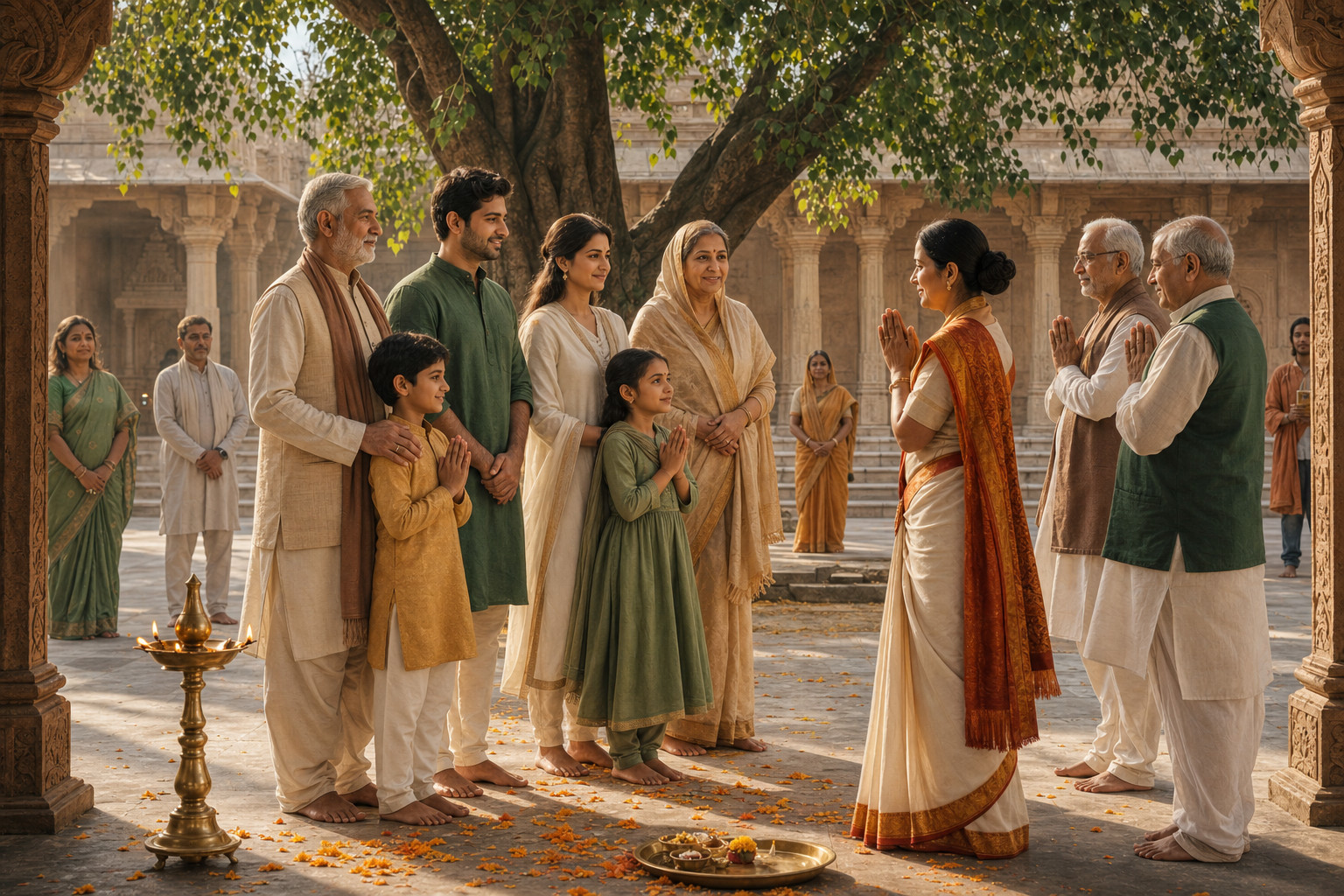
    A family publicly embraced Sanatan Dharma at Bageshwar Dham in Chhatarpur, Madhya Pradesh, on April 1, 2026, with reported name changes to Arjun Singh and Priya Singh. This analysis situates the event within India’s constitutional protections for freedom of conscience while emphasizing state-level compliance requirements that guard against force, fraud, or inducement. It explains the…

  • Bhopal Turns Saffron: Bhagwa Shaurya Padyatra Unites Thousands on Hindu New Year

    Bhopal Turns Saffron: Bhagwa Shaurya Padyatra Unites Thousands on Hindu New Year

    Bhopal’s Bhagwa Shaurya Padyatra gathered thousands of Dharmarakshaks on Chaitra Shukla Pratipada, aligning the city’s celebrations with Hindu New Year and the opening of Chaitra Navratri. Organized by the Dharmarakshak Sanghatana, the procession emphasized Sanatan values—seva, discipline, and harmony—through dignified conduct and well-planned civic management. The prominent Bhagwa Dhwaj and saffron aesthetics were interpreted through…