Panchapreta, often translated as the Five Corpses, stands as a striking symbol in Hindu Tantra. Tantric literature uses this paradoxical image to communicate a subtle philosophical truth: all divine functions are inert without the animating presence of Shakti. By invoking the language of "preta" (corpse), the tradition highlights that cosmic roles and formshowever exaltedbecome mere structures unless suffused with Consciousness-Power (Chit-Shakti). This Tantric symbolism, encountered across commentarial traditions, invites a deepened understanding of Hinduism beyond surface ritual into shared metaphysical insight.
The term "preta" does not indicate morbid fascination; it indicates inertness. In this view, the divine functions associated with the Pancha BrahmaBrahma (srishti, creation), Vishnu (sthiti, preservation), Rudra (samhara, dissolution), Ishvara (tirodhana, concealment), and Sadashiva (anugraha, grace)are called "preta" to the extent that they lack independent agency. Without Shakti, they remain like a body without life. The aphorism "Shiva without Shakti is shava" captures this core intuition and anchors the Panchapreta teaching in a language both memorable and philosophically precise.
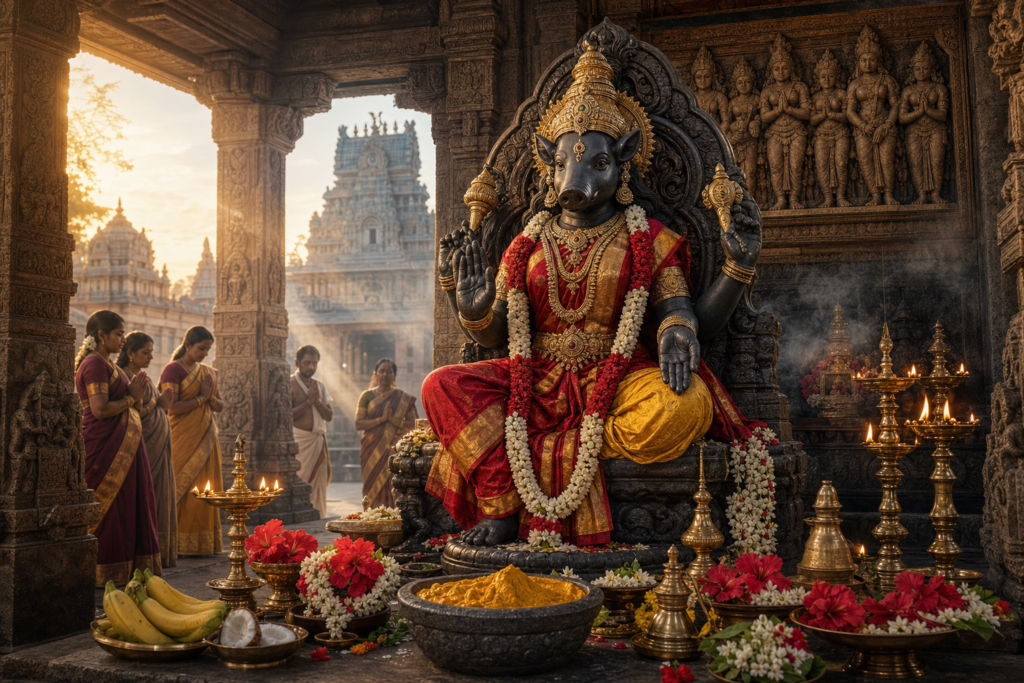
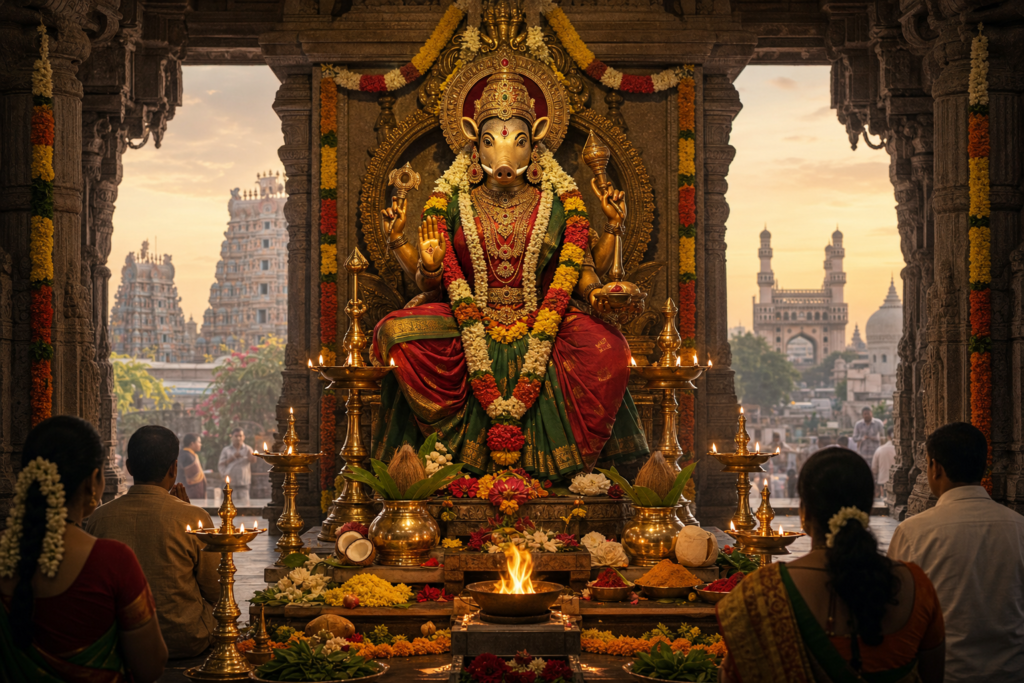
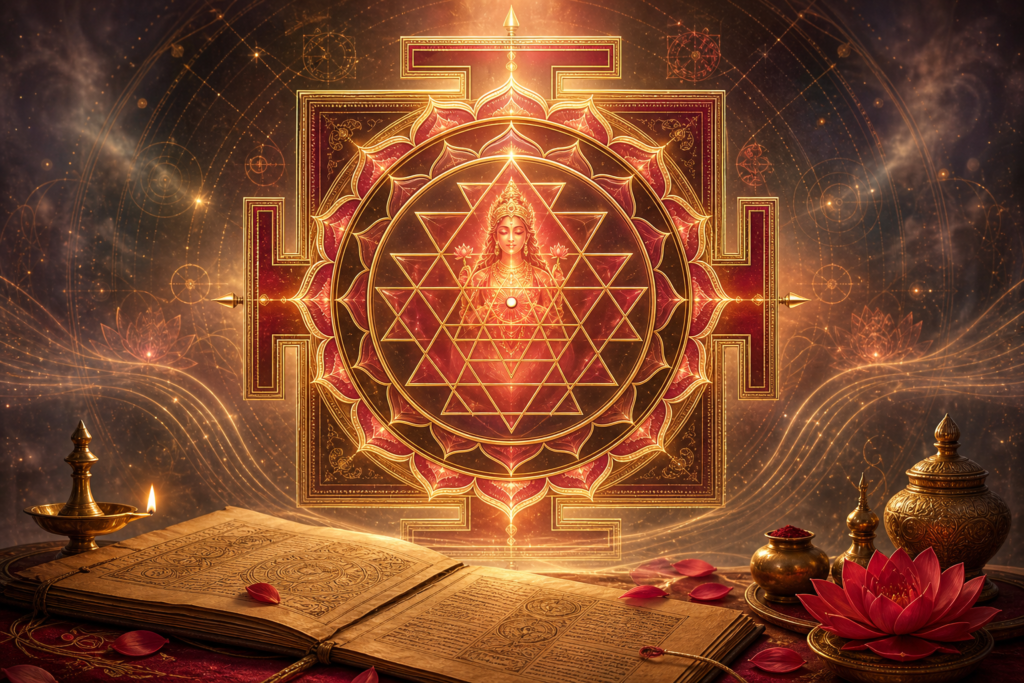
In the Sri Vidya stream, iconography sometimes portrays the Goddess Lalita Tripura Sundari enthroned upon the Panchapreta. The image is not a statement of hierarchy among deities; it is a contemplative diagram. The "throne" of five indicates that creation, preservation, dissolution, concealment, and grace achieve fullness only as expressions of Devi Shakti. Thus, the Goddess is not a separate or rival power but the immanent dynamism through which the One manifests, sustains, withdraws, veils, and blesses.
Philosophically, Panchapreta illuminates a non-dual insight familiar to Advaita Vedanta: form and function do not possess independent reality apart from Consciousness. Tantra adds a vital inflection by emphasizing Power (Shakti) as inseparable from Being-Consciousness (Shiva). In other words, the Absolute is not a static witness; it is intrinsically dynamic. Panchapreta, then, becomes a reminder that divinity is not merely an idea to be affirmed but a living energy to be realized.
Within meditative and ritual practice, this teaching fosters reverence, clarity, and responsibility. Practitioners who visualize the Goddess seated upon the five functions report a palpable shiftfrom clinging to forms to honoring the luminous Presence that animates them. Such contemplation encourages humility (recognizing the limits of role and form), devotion (honoring the source of all agency), and integration (seeing the sacred continuity from temple to daily life). The ethical implication is simple yet profound: align intention with that living Power so that actions serve creation, preservation, and compassionate grace.
The Panchapreta motif resonates with the wider dharmic family. In Buddhism, the inseparability of prajna (wisdom) and upaya (skillful means) parallels the indivisibility of Shiva and Shakti. Jainism’s Anekantavada, with its emphasis on complementary standpoints, echoes the insight that no single function or viewpoint contains the whole. Sikhism’s affirmation of Ik Onkar and the living Shabad as transformative presence harmonizes with the idea that divine energy animates all names and forms. Read together, these traditions encourage unity without uniformity, honoring diverse paths while recognizing a shared metaphysical ground.
Texts and commentaries in the Tantric and Agamic corpus present the Panchapreta in varying detail, often as a contemplative schema rather than a historical episode. While specifics may differ across schools, the interpretive consensus is clear: the image educates attention. It redirects devotion from fixation on outer form to awareness of the living principle within form. In this way, Tantric symbolism complements scriptural study, temple worship, and yogic practice, forming a holistic pathway in Hindu spirituality.
In contemporary contexts, Panchapreta offers a healing lens for navigating plurality. By showing that divine names indicate coordinated functions of a single Consciousness-Power, it undermines sectarian rivalry and fosters harmony among bhaktas of Shiva, Vishnu, Devi, and other deities. Extending this spirit across dharmic traditionsHinduism, Buddhism, Jainism, and Sikhismencourages a culture of respect, dialogue, and shared ethical purpose.
Common misunderstandings deserve clarification. Panchapreta does not demean any deity; nor does it celebrate death. The "corpse" metaphor simply insists that without Shakti the most sublime function remains conceptually hollow, just as a lamp without oil and flame gives no light. The teaching invites aspirants to honor the union of Consciousness and Power, Wisdom and Compassion, Insight and Action.
Ultimately, the Panchapreta teaching is contemplative guidance rendered as bold imagery. It affirms that the universe is sustained by an indivisible Radiancenamed as Shiva and experienced as Shakti. Approached in this way, Tantric symbolism ceases to be obscure and becomes a practical map: perceive the One in the many, revere the Power within every form, and allow grace (anugraha) to inform thought, word, and deed.
Inspired by this post on Hindu Blog.