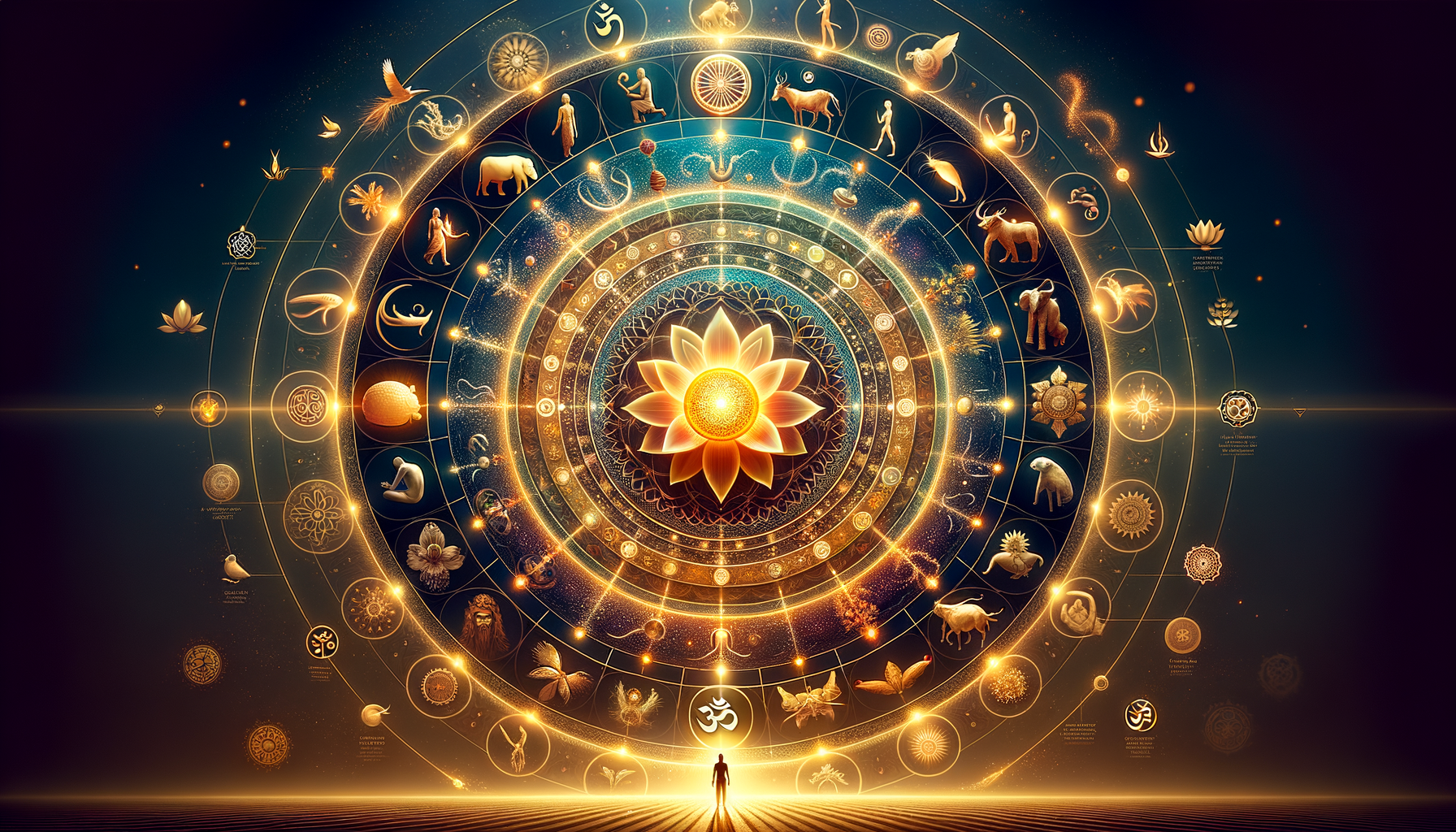
The teaching that “there is no life that is inferior or superior” occupies a central place in Hindu philosophy, articulating a vision of sacred equality grounded in the presence of Atman within all beings and the ultimate unity of existence in Brahman. This metaphysical insight affirms that all creation emerges from the same universal source and therefore participates in the same intrinsic worth. It is a perspective that not only shapes ethical life but also resonates across the broader dharmic traditions, encouraging unity, compassion, and mutual respect.
Philosophically, this view is anchored in the Upanishadic intuition of oneness—“īśāvāsyam idam sarvam”—which holds that the Divine permeates all that exists. Advaita Vedānta expresses this recognition as non-duality, while the Bhagavad Gita underscores the ethical vision of sameness through the ideal of sama-darśana. The well-known verse, “vidyā-vinaya-sampanne brāhmaṇe gavi hastini śuni caiva śva-pāke ca paṇḍitāḥ sama-darśinaḥ,” encapsulates the idea that the wise perceive the same essence in all, regardless of outward form or status. Such affirmation makes equality not merely a social aspiration but an ontological fact.
From this foundation flows a comprehensive ethic. Ahimsa becomes more than non-violence; it is a positive commitment to protect, nurture, and honor life wherever it appears. Dharma, in this light, is the practice of aligning conduct with the recognition of shared sacredness—expressed in everyday choices, in social relations, and in care for the natural world. Compassion is not sentimentalism but an informed, responsible response to the recognition that self and other are deeply interconnected.
This principle also reveals a profound convergence across dharmic traditions. In Jainism, Ahimsa and Anekantavada cultivate humility and reverence for multiple perspectives. In Buddhism, karuṇā and the insight of pratītyasamutpāda affirm interdependence, dissolving rigid hierarchies between beings. In Sikhism, the ethic of sarbat da bhala extends goodwill to all, emphasizing universal welfare. Together, these traditions affirm unity in spiritual plurality and demonstrate that diversity of practice can coexist with shared ethical ground.
In lived experience, this teaching becomes tangible in simple, attentive acts: stepping carefully to avoid harming an insect, watering a plant as a mindful ritual, offering patience in conversation, or choosing consumption patterns that reduce harm. Individuals often report that such practices deepen inner calm and widen empathy. These ordinary gestures translate a universal principle into daily discipline, fostering a culture where dignity is extended to every form of life.
Contemporary society stands to benefit from this vision. It supports biodiversity conservation, non-violent communication, and social policies that prioritize inclusion and care. It encourages religious pluralism in India and beyond by framing difference not as threat but as a rich manifestation of one truth approached in many ways. Such an outlook strengthens community bonds, reduces conflict, and provides an ethical compass for public life.
Ultimately, the assertion that no life is lesser or greater is both intellectually rigorous and emotionally resonant. It invites sama-darśana—equanimity of vision—alongside courageous compassion in action. By honoring this teaching, communities can cultivate unity without uniformity: embracing Hinduism’s philosophical depth while celebrating complementary insights from Buddhism, Jainism, and Sikhism. The result is a dharmic public ethic that elevates dignity, nurtures harmony, and guides purposeful, compassionate living.
Inspired by this post on Hindu Blog.