-
Impartial Justice for Faith: Karnataka Appeal on Denigration of Hindu Deities

The Hindu Rashtra Samanvaya Samiti has asked Karnataka’s DGP to ensure equal and impartial legal action in complaints involving alleged denigration of Hindu Deities. The memorandum raises an important constitutional question about whether comparable religious-sentiment cases receive comparable treatment. This analysis explains how equality before law, freedom of expression and freedom of religion must be…
-
The Varna Debate Reconsidered: What the Vedas and Bhagavad Gita Actually Teach

This article distinguishes the scriptural concept of Varna from jāti and the broader historical institution commonly called caste. It closely examines Yajurveda 31.11 and explains why its cosmic-body imagery should be separated from later functional interpretations. It shows that Bhagavad Gita 4.13 and 18.41–44 explicitly connect social responsibility with guṇa, karma, svabhāva, qualities, and conduct.…
-
Guru Amar Das Ji: Seva, Radical Equality, and the Institutions that Shaped Sikhism

Guru Amar Das Ji, the third Sikh Guru, transformed spiritual principles into living institutions that still guide Sikhism worldwide. This article traces his late-life spiritual turn, the creation of the Manji–Piri leadership network, and the expansion of langar as a disciplined practice of equality. It examines Goindwal Sahib’s Baoli as sacred-public infrastructure and analyzes his…
-
Thomas Jefferson’s Paradox: Equality, Slavery, and the Moral Limits of a Revolutionary

Thomas Jefferson’s legacy embodies a profound paradox: the champion of equality who expanded a slave society. This analysis clarifies how Scottish moral-sense philosophy informed his universal claims while his racist pseudoscientific beliefs narrowed their application. Readers gain a concise, evidence-based overview of Jefferson’s thought, key quotations from Notes on the State of Virginia, and the…
-
No Life Is Lesser or Greater: A Transformative Dharmic Insight on Sacred Equality

This article explores the Hindu philosophical teaching that no life is inferior or superior, grounding sacred equality in Atman and the unity of all existence in Brahman. It clarifies how this insight becomes an ethical imperative through Ahimsa and Dharma, encouraging compassionate, responsible action. Readers gain a clear understanding of sama-darśana in the Bhagavad Gita…
-
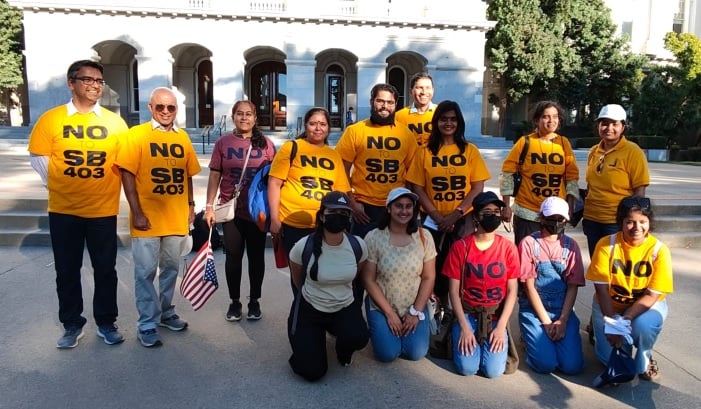
CoHNA Welcomes the Veto of SB403 as a Victory for Justice and Equality before Law

Discover the recent victory for justice and equality as the Coalition of Hindus of North America (CoHNA) celebrates California Governor Gavin Newsom’s veto of SB403. Governor Newsom’s decision to label the bill “unnecessary” aligns with CoHNA’s stance that existing laws effectively address discrimination in all forms. The bill, which stirred controversy, was seen by the…