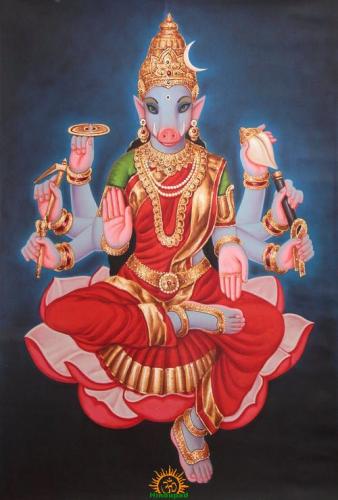
Within the luminous tapestry of Hindu spirituality, sacred energy flows through subtle channels like rivers of light. In this living tradition, Kankali Kali is honored as a fierce and compassionate facet of the Divine Motheran emblem of transformative power that cuts through fear, stagnation, and confusion. Devotees frequently describe a felt sense of protection and clarity when contemplating Kankali Kali, as if an inner flame steadies the mind and strengthens resolve.
The sacred energy centerscommonly known as chakrascompose a nuanced map of embodied consciousness in the sūkṣma śarīra (subtle body). These centers coordinate prāṇa across the nadis (ida, piṅgalā, and suṣumṇā), supporting physical vitality, emotional balance, and spiritual insight. Rather than rigid dogma, the chakra model functions as an experiential framework: a way to observe how breath, attention, and intention harmonize inner life with outer conduct.
In this context, Kankali Kali symbolizes catalytic transformation. Her presence is invoked to confront inertia, release fear, and convert scattered impulses into directed energy. The iconographyfierce yet compassionateteaches discernment: sever what no longer serves dharma, preserve what nourishes courage, and illuminate the path of awakening from the root of being to the crown of awareness.
Classical yoga emphasizes ethical foundations (yama and niyama) as the stabilizing ground for any inner ascent. This ethical clarity resonates across dharmic traditions: ahiṁsā in Jainism, śīla in Buddhism, and sevā in Sikh practice all cultivate integrity, compassion, and responsibility. Grounded virtue steadies prāṇa, supports clear attention, and allows the energy centers to harmonize without strain.
Mulādhāra (root) anchors safety, stability, and trust in life. Grounding practices, steady breath awareness, and dependable daily rhythms promote resilience at this center. In lived devotion, Kankali Kali’s protective force is felt as the courage to face survival fears with steadiness, transforming anxiety into presence and commitment to righteous action.
Svādhiṣṭhāna (sacral) governs healthy desire, creativity, and relational flow. Gentle movement, mindful enjoyment, and honest emotional reflection support balance here. Kankali Kali’s clarity helps distinguish nourishing desire from compulsion, encouraging boundaries that protect creativity while honoring sacred interdependence.
Maṇipūra (navel/solar plexus) embodies will, agency, and the “digestive fire” that assimilates experience. Disciplined breathwork, tapas (constructive effort), and aligned goals strengthen this center. Through Kankali Kali’s transformative lens, reactive anger is refined into purposeful courage, aligning personal power with compassionate responsibility.
Anāhata (heart) radiates love, empathy, and expansive connection. Bhakti, gratitude practices, and service nurture this field of unconditional goodwill. The fierce compassion of Kankali Kali protects the heart’s openness, helping practitioners act with both tenderness and bravery amid life’s complexities.
Viśuddha/visuddha (throat) expresses truth, listening, and sacred speech. Mantra recitation, contemplative silence (mauna), and careful communication refine this center. Kankali Kali’s sword is a metaphor for cutting through self-deception, allowing speech to align with reality, responsibility, and reverence.
Ājñā (brow) illuminates discernment (viveka), intuition, and insight. Focused meditation (dhyāna), steady dr̥ṣṭi, and reflective study sharpen inner vision. Here, Kankali Kali is experienced as lucid awarenessfirm yet compassionaterevealing the patterns of mind and guiding decisions anchored in wisdom rather than impulse.
Sahasrāra (crown) signifies contemplative stillness and the recognition of unitive consciousness. Surrender, humility, and effortless presence characterize this culmination. In many Shakta contemplations, Kankali Kali is honored as the formless pulse of Śakti, the radiant substratum that flowers as insight, peace, and inner freedom.
Across dharmic lineages, complementary insights deepen this journey. Buddhist meditative disciplines emphasize mindful awareness and compassionate conduct; Jain practice upholds rigorous ethics and inner purification; Sikh teachings celebrate nām-simran, sevā, and the experience of inner stillness often described in relation to the dasam duar (tenth gate). While terminologies vary, each path affirms inner refinement, moral clarity, and devotion as the heart of spiritual maturation.
Practical integration benefits from gradual progression and qualified guidance: balanced prāṇāyāma, mantra-japa, meditative stillness, and everyday acts of sevā. Many practitioners report tangible shiftsgreater stability, clearer boundaries, deepened empathy, and more purposeful actionas the energy centers harmonize. In this way, the subtle body model becomes a living pedagogy rather than an abstract map.
Ultimately, Kankali Kali stands as a luminous reminder that inner strength and tenderness belong together. By honoring the chakras as sacred energy centers and cultivating ethical clarity, one walks a path where fear yields to courage, confusion to insight, and isolation to compassionate belonging. The result is unity of head, heart, and handsan integration celebrated across Hinduism, Buddhism, Jainism, and Sikhism as a shared commitment to wisdom, compassion, and the welfare of all beings.
Inspired by this post on Hindu Blog.