-
Unlock the Paths of Yoga: A Comprehensive Guide to Hatha, Kundalini, Ashtanga, Kriya, Jivamukti

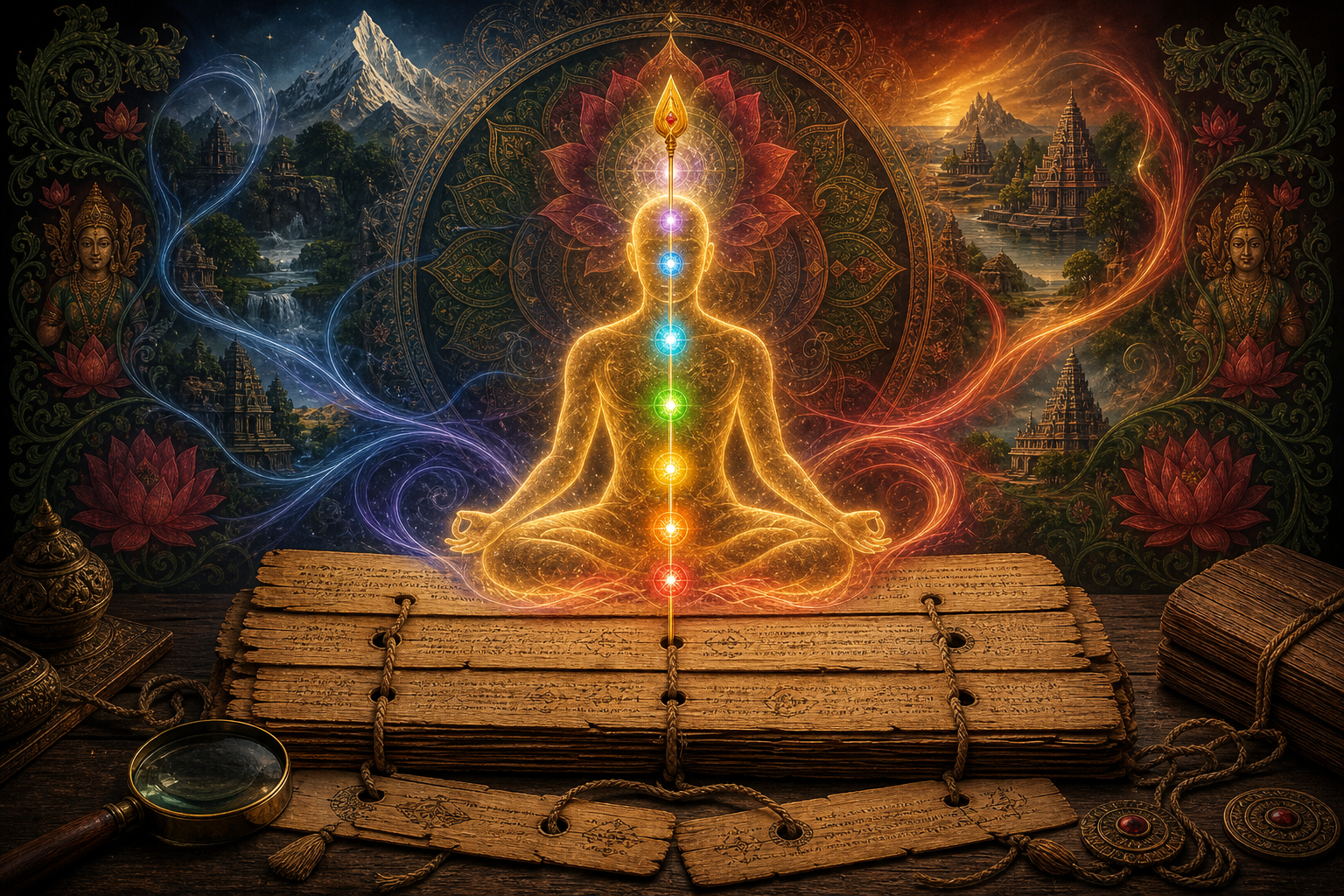
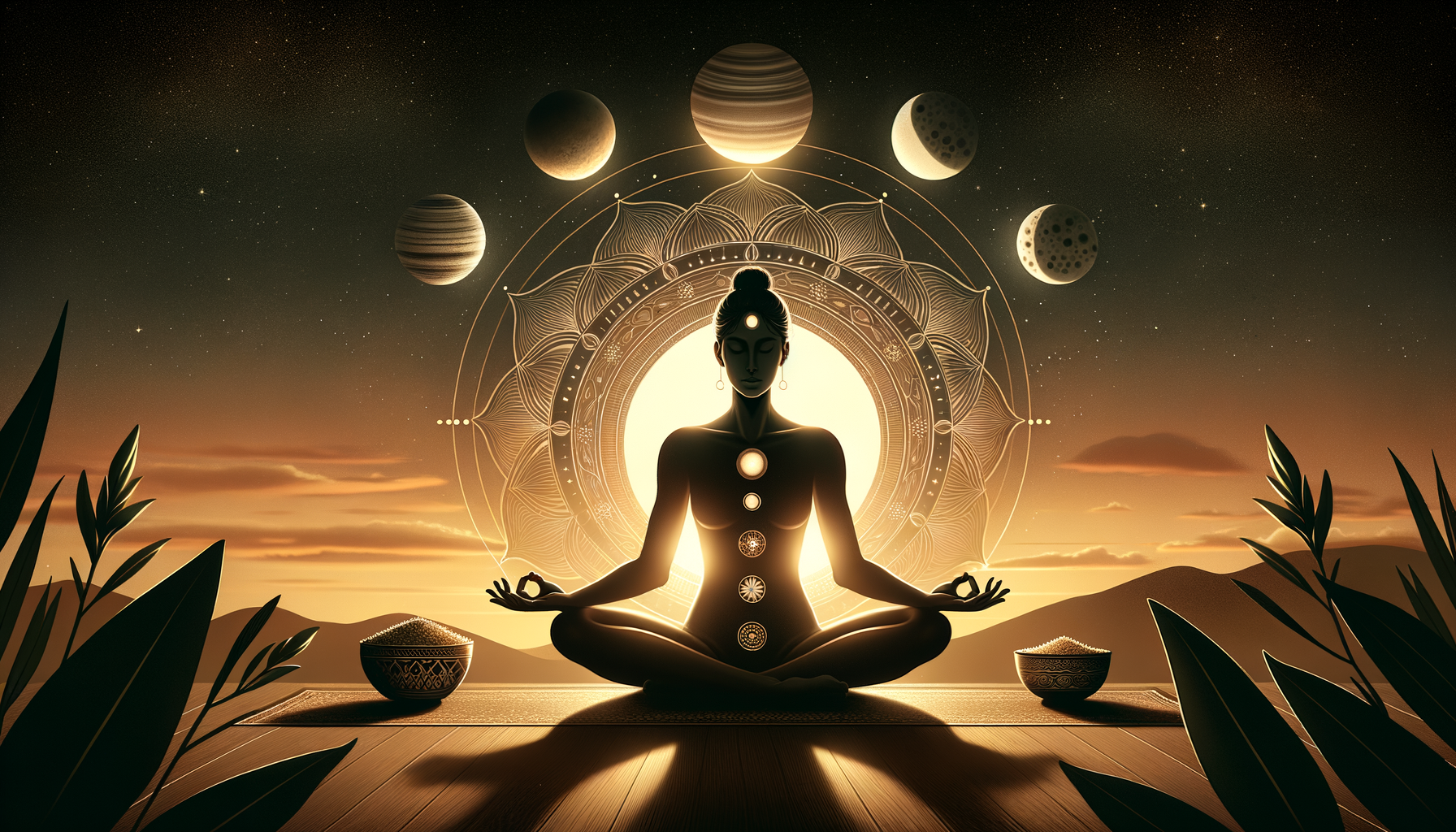
This comprehensive guide clarifies five major paths—Hatha, Kundalini, Ashtanga, Kriya, and Jivamukti—showing how each unites body, breath, and mind while honoring shared dharmic ethics across Hinduism, Buddhism, Jainism, and Sikhism. Readers discover the philosophical foundations, core methods (asana, pranayama, bandhas, mudras, meditation), and practical safety cues that make practice sustainable. The article demystifies yogic anatomy…
-
Unlock the Power of Yoga: Hatha, Kundalini, Ashtanga, Kriya, Jivamukti—Comprehensive Guide

This comprehensive guide clarifies the major types of Yoga—Hatha, Kundalini, Ashtanga, Kriya, and Jivamukti—through the classical eight-limbed framework. Readers learn how each style emphasizes distinct methods while sharing the same goal: a steady, compassionate, and lucid mind. Practical guidance covers pranayama, dhyana, sequencing, and the role of yama and niyama in everyday life. Evidence-informed notes…
-
From Restless Mind to Inner Clarity: How Yoga Rewires the Brain, Body, and Behavior

Yoga reframes a “restless” mind as a dynamic wave and offers precise methods to organize that energy into clarity, steadiness, and purpose. Patanjali’s ashtanga integrates ethics, postures, breath, and meditation, while parallel practices in Buddhism, Jainism, and Sikhism affirm unity in spiritual diversity. Evidence links yoga to better autonomic balance, reduced stress reactivity, improved mood,…
-
Manomayakosha Decoded: The Mind’s Sheath in Hindu Philosophy and Modern Life

Manomayakosha—the mind-sheath of Vedanta—explains how sensations, emotions, and thoughts organize experience between breath (prana) and discernment (buddhi). Rooted in the Taittiriya Upanishad’s Panchakosha model, it clarifies why attention, ethics, and breath regulate mental clarity. The piece distinguishes Manomayakosha from vijnanamaya-kosha and shows how the gunas (sattva, rajas, tamas) color mental states. It highlights dharmic consonance…
-
Serpents, Secrets, and Shakti: Decoding the Hidden Power of Goddess Guhya Kali

This in-depth exploration decodes the symbolism of serpents alongside the esoteric presence of Goddess Guhya Kali in Shakta Tantra. It clarifies the meaning of guhya (secret) as ethical, paced revelation and shows how Kali, as Shakti, cuts through inner knots that obscure clarity. Readers gain a technical overview of kundalini, the nadis (ida, pingala, sushumna),…
-
Kundalini Tantra Unveiled: A Scientific, Dharmic Guide to Awakening the Serpent Power

This comprehensive guide presents Kundalini Tantra as a precise, ethical, and integrative science shared across dharmic traditions. It clarifies yogic anatomy (nadis, chakras, sushumna nadi) and explains how breathwork, bandhas, mudras, mantra, and meditation organize subtle energy safely. A stepwise 12-week framework details how to build foundations with yama-niyama, asana, and pranayama before progressing to…
-
Lauliki (Nauli) in Hatha Yoga: The Fourth Shatkarma to Ignite Digestion, Detoxify, and Focus

Lauliki (Nauli), classically presented as the fourth Shatkarma in several Hatha Yoga lineages, is an advanced abdominal kriyā that refines digestion, steadies the autonomic nervous system, and prepares the mind for deeper practices. Rooted in the Haṭha Yoga Pradīpikā and Gheraṇḍa Saṁhitā, the method isolates and gently churns the abdominal wall on an exhaled retention…
-
Healthy Jiva Seminar Insights: Harnessing Vedic Wisdom for Body–Mind–Atma Harmony and Resilience

The “Healthy Jiva” seminar by HH Bhanu Swami (Fri 06 Mar 2026) distilled a Vedic, evidence-aligned model of health that integrates the gross body, the subtle body, and the atma. It explained how imbalances propagate across layers, clarifying why mind-body practices such as asana, pranayama, meditation, and bhakti stabilize well-being. Drawing on tri-sharira, pancha-kosha, and…
-
How a Daily Yoga Routine Rewires the Brain, Calms the Nervous System, and Lifts Mood

Embedding yoga into a daily routine produces measurable benefits for mental health. Regular asana, pranayama, and dhyana raise endorphins and GABA, boost BDNF, and rebalance serotonin and dopamine. Consistent practice calms the HPA axis, lowers cortisol, improves vagal tone and HRV, and reduces inflammatory markers linked to low mood. Imaging studies show stronger prefrontal–amygdala control…
-
Shakini Yogini Unveiled: Lion-Headed Shakti, Bhairava’s Wrath, and Deep Tantric Symbolism

Shakini Yogini, often depicted with a lion face, crystallizes Tantric teachings about fearless clarity, ethical speech, and disciplined power. Emerging mythically from Bhairava Samvarta as mahauraudra, she embodies purgative intensity in service of transformation, not harm. Many traditions map her to the Vishuddha chakra, where the seed sound HAM refines voice and intention into vāk-siddhi—truthful…
-
Unveiling Dharma Sastha: Profound Yogic Symbolism in Ayyappa’s Idol for Deep Meditation

Dharma Sastha, the yogic manifestation of Ayyappa, functions as a complete visual pedagogy of dharma and meditation. The yogapatta—binding the knees in yogapattasana—symbolizes ethical restraint and embodied stability, enabling pratyahara, dharana, and dhyana. Mudras such as jnana-mudra and varada-mudra communicate the union of self with the Absolute and the compassionate bestowal of knowledge. Read through…
-
Ashtanga vs Panchanga Namaskara: Decode the Sacred Bows for Devotion, Alignment, and Safety

This in-depth guide distinguishes Ashtanga Namaskara (eight-limbed) from Panchanga Namaskara (five-limbed) with precise technique, symbolism, and practical guidance for temple and home worship. Readers learn safe alignment grounded in yogic anatomy, step-by-step instructions, and breath cues that integrate devotion with mindful movement. The article clarifies regional variations and etiquette, including when temples prefer Panchanga for…
-
Unlocking Kayavyūhajñāna: Patañjali’s Nabhi Chakra Insight into Yogic Inner Anatomy

Kayavyūhajñāna in the Yoga Sūtras points to a precise, embodied insight: by samyama on the nābhi-cakra, practitioners gain reliable knowledge of the body’s inner organization. This long-form guide situates the sūtra within Patañjali’s Vibhūti Pāda, unpacks the commentarial tradition, and outlines a practical, ethical method grounded in yama–niyama, breath awareness, and non-reactive attention. Drawing bridges…
-
Karmendriyas and Tanmatras Explained: How Action Organs Align with the Five Elements

This article clarifies how the five karmendriyas—speech, hands, feet, procreation, and elimination—relate to the tanmatras and the five elements in Hindu philosophy. It outlines the classical evolution from subtle tanmatras to pancha mahabhutas and shows how action organs are energized by rajas and prana. Readers gain a clear, text-sensitive view of commonly taught correspondences—such as…
-
Radiant Kankali Kali and the Chakras: A Transformative Guide to Sacred Energy Centers

This article explores Kankali Kali as a radiant symbol of transformative strength within Hindu spirituality, illuminating how her fierce compassion supports the harmonization of the chakras. It outlines each sacred energy center—from mulādhāra to sahasrāra—and explains how ethical clarity, steady breath, and mindful practice guide balanced awakening. Readers gain a practical, non-dogmatic framework for working…
-
Embodied Sri Chakra: A Profound Map of Shakti–Shiva Unity and the Five Elements Within

This article explores how the human body can be contemplated as Sri Chakra, an advanced symbol of Shakti–Shiva unity and an experiential map of yogic anatomy. It explains the five elements (pancha bhutas) as Shakti’s dynamic creativity and shows how this view grounds the senses, prana, and bodily tissues. Readers learn the core geometry of…
-
Planets and Health Decoded: Ayurvedic, Dharmic Insights for Body–Mind Balance and Healing

This article explores how planetary correspondences—grains, colors, shapes, birds, animals, and even the fingers—serve as a contemplative map for holistic health within Ayurveda and related dharmic traditions. It explains the macrocosm–microcosm idea in an academic yet accessible manner, showing how symbolic associations can guide gentle, personalized routines. Readers gain practical suggestions—mindful breathing, light exposure, simple…
-
Ghata (Ghatavastha) in Hatha Yoga: Unlocking Breath, Balance, and the Jiva–Paramatman Union

Ghata or ghatavastha is a pivotal Hatha Yoga stage where breath, mind, and subtle energy stabilize, aligning the jiva with Paramatman. Drawing on the Hatha Yoga Pradipika and Gheranda Samhita, it highlights pranayama as both physiological refinement and spiritual integration. Practitioners experience steadier kumbhaka, balanced prana and apana, and a calm, clear mind. Benefits include…
-
Discover the Sacred Map of the Body: How Each Limb Aligns with Devas in Vedic Practice

This article explains how Vedic practice maps specific Devas to the body’s limbs through mantras like ‘Prajanane Brahma tishtatu’, ‘Padayo Vishnu tishtatu’, and ‘Hastayo Hara tishtatu’. It clarifies the symbolism—creation, preservation, and transformation—and shows how this enhances the body-mind connection in Hindu spirituality. Readers learn how simple, daily contemplations support ethical action, emotional balance, and…
-
Discover the Vishuddha (Throat) Chakra: The Complete Guide to Pure Speech and Truth

The Vishuddha (Throat) Chakra is the fifth energy center associated with communication, self-expression, and truth. Rooted in the Sanskrit idea of “purification,” it refines thought into sound and cultivates ethical speech across dharmic traditions. Symbolized by a sixteen-petaled lotus and attuned through the mantra “ham,” it integrates heart insight with mental clarity. Balanced expression emerges…