Tag: Prana

  • Arghya to the Sun: Vedic Symbolism, Subtle Physiology, and Daily Surya Worship Benefits

    Arghya to the Sun: Vedic Symbolism, Subtle Physiology, and Daily Surya Worship Benefits

    Arghya—offering water to the rising Sun—unites Vedic symbolism, yogic subtle physiology, and modern circadian insights in a simple, potent daily rite. Rooted in sandhyā-vandana and popularized in contemporary teachings as “water is love,” arghya blends mantra, breath, and gratitude to steady attention and uplift mood. Yogic traditions describe a gentle activation of the solar current…

  • Pranavopasana: Mastering Om for Self‑Realization, Inner Calm, and Dharmic Unity

    Pranavopasana: Mastering Om for Self‑Realization, Inner Calm, and Dharmic Unity

    Pranavopasana—meditation on the Pranava (ॐ)—is a disciplined path in Hinduism and Advaita Vedanta that moves attention from sound to silence and from symbol to the Ultimate Reality. Drawing on the Upanishads, Bhagavad Gita, and Patanjali, it unites devotion, meditation, and inquiry into a coherent practice for Self-realization. The article explains the A–U–M arc, the turiya…

  • Decoding Krikala in Advaita Vedanta: Harness the Throat’s Subtle Prana for Clarity and Calm

    Decoding Krikala in Advaita Vedanta: Harness the Throat’s Subtle Prana for Clarity and Calm

    Advaita Vedanta locates Krikala (Krikara) in the throat as a minor prana governing hunger, thirst, and protective reflexes that make clear speech and comfortable swallowing possible. By placing Krikala within the five primary and five subsidiary pranas, the tradition shows how subtle energy integrates physiology, psychology, and practice. Gentle methods such as light ujjayi and…

  • Protecting Energy Without Guilt: Science-Backed Boundaries for Dharmic Compassion

    Protecting Energy Without Guilt: Science-Backed Boundaries for Dharmic Compassion

    Protecting energy is not selfish; it is a compassionate response to finite human capacity. Drawing on burnout science, allostatic load, and polyvagal-informed insights, this article explains why social withdrawal often reflects physiological triage rather than indifference. It reframes boundaries as conditions for sustainable compassion, aligning evidence with dharmic principles such as prana, ahimsa, metta, aparigraha,…

  • Prana Prathistha Unveiled: Sacred Energy, Living Idols, and Dharmic Unity in Temples

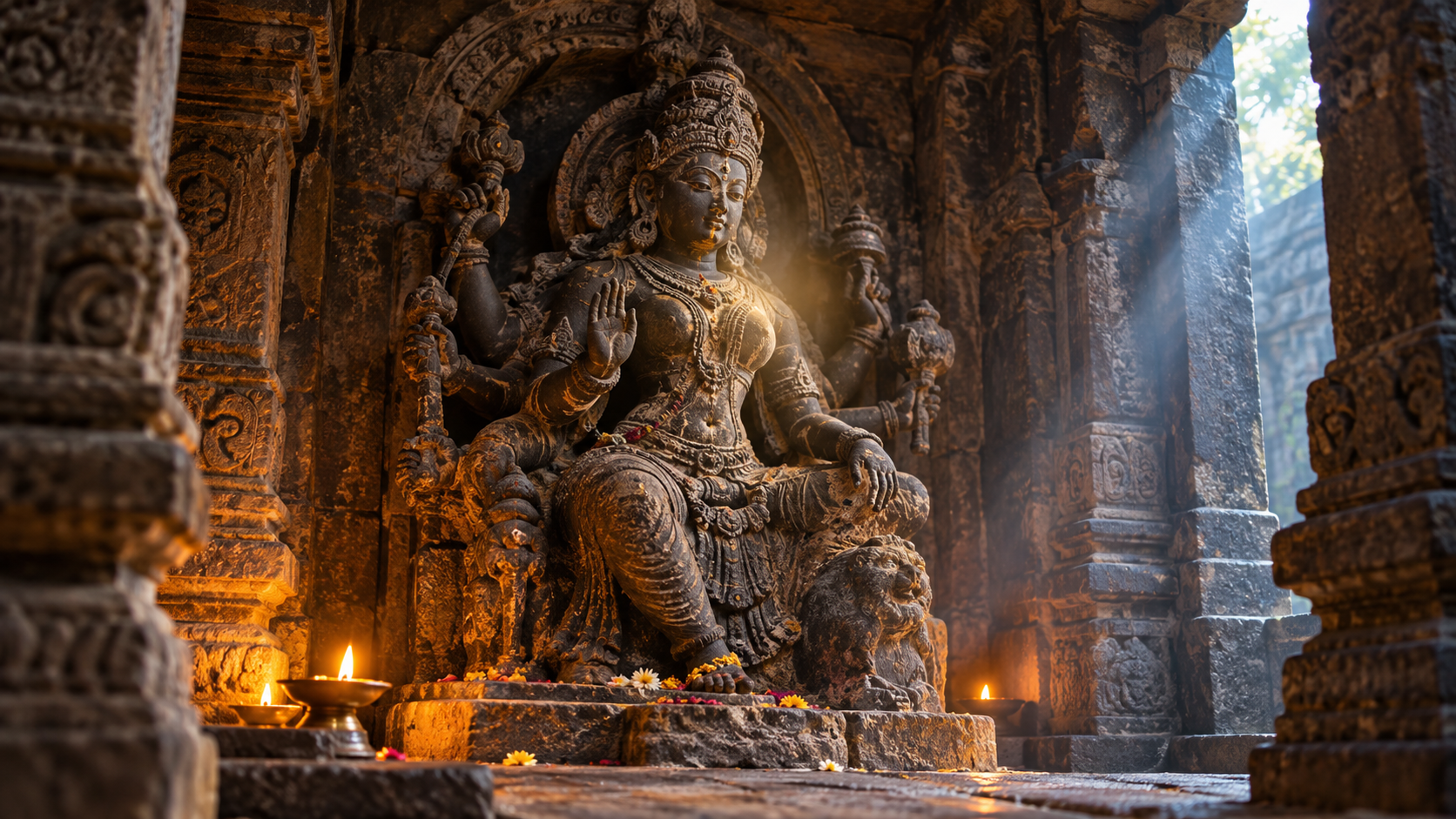
    Prana Prathistha is the consecration rite through which prana (vital energy) is ritually invited into a murti, transforming an image into a living focus of worship. The aagama literature and Vedic procedures detail purification, mantra nyasa, homa, and kumbhabhisheka, explaining why the sanctum’s deity becomes the heart of temple worship. Many visitors describe a distinct…

  • Unveiling the Real Source of Energy: Matter, Consciousness, and the Dharmic View

    Unveiling the Real Source of Energy: Matter, Consciousness, and the Dharmic View

    This essay explores the real source of energy through a dharmic lens, clarifying why matter alone lacks creative power without the organizing presence of consciousness and prana. It synthesizes insights from Hinduism, Buddhism, Jainism, and Sikhism to show a shared recognition of an enlivening principle beyond mere material aggregation. Practical analogies—like electricity requiring both a…

  • Radiant Kankali Kali and the Chakras: A Transformative Guide to Sacred Energy Centers

    Radiant Kankali Kali and the Chakras: A Transformative Guide to Sacred Energy Centers

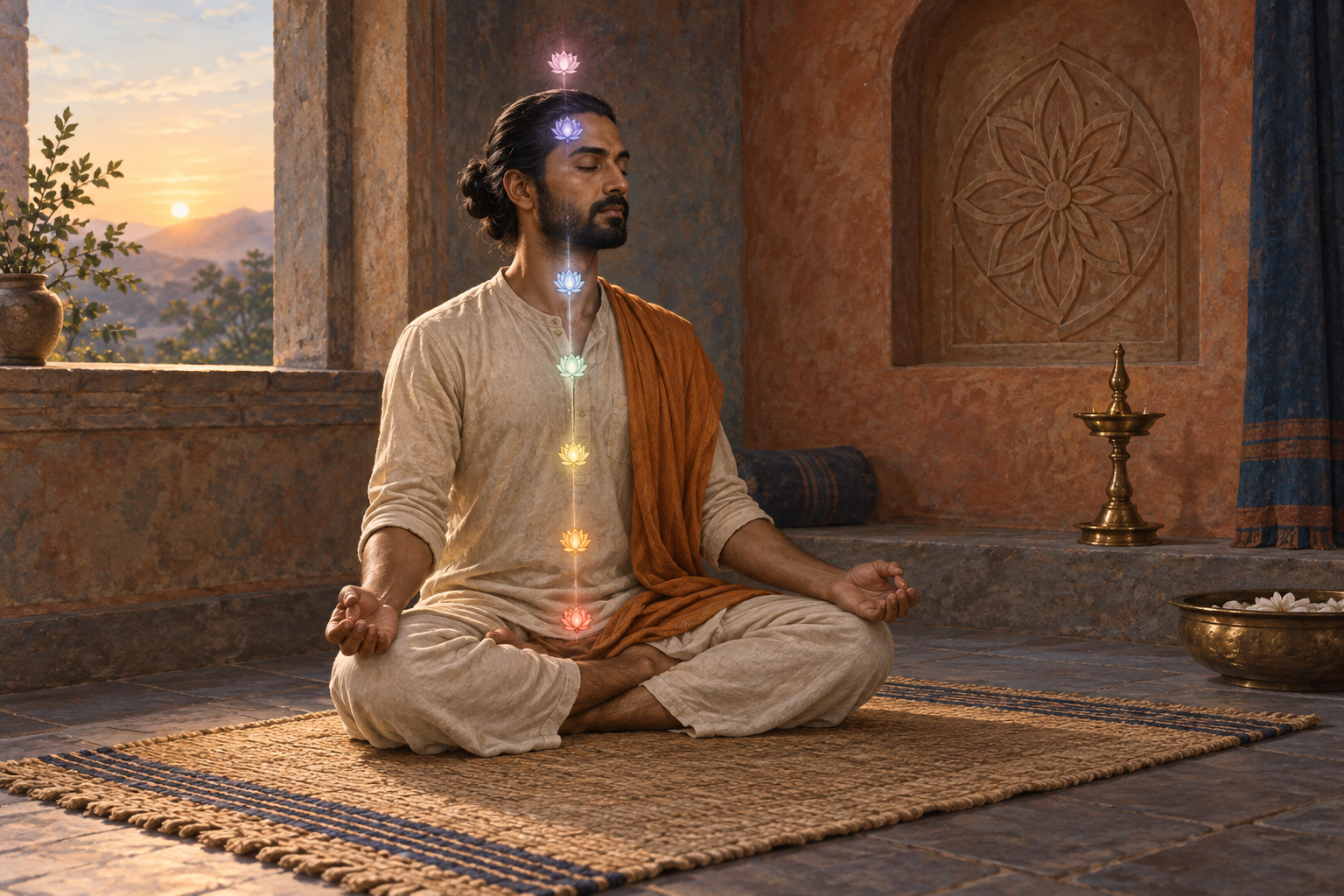
    This article explores Kankali Kali as a radiant symbol of transformative strength within Hindu spirituality, illuminating how her fierce compassion supports the harmonization of the chakras. It outlines each sacred energy center—from mulādhāra to sahasrāra—and explains how ethical clarity, steady breath, and mindful practice guide balanced awakening. Readers gain a practical, non-dogmatic framework for working…

  • Vayudeva Mahatmyam: Exploring the Wind God’s Power, Prana, and Dharma Across Traditions

    Vayudeva Mahatmyam: Exploring the Wind God’s Power, Prana, and Dharma Across Traditions

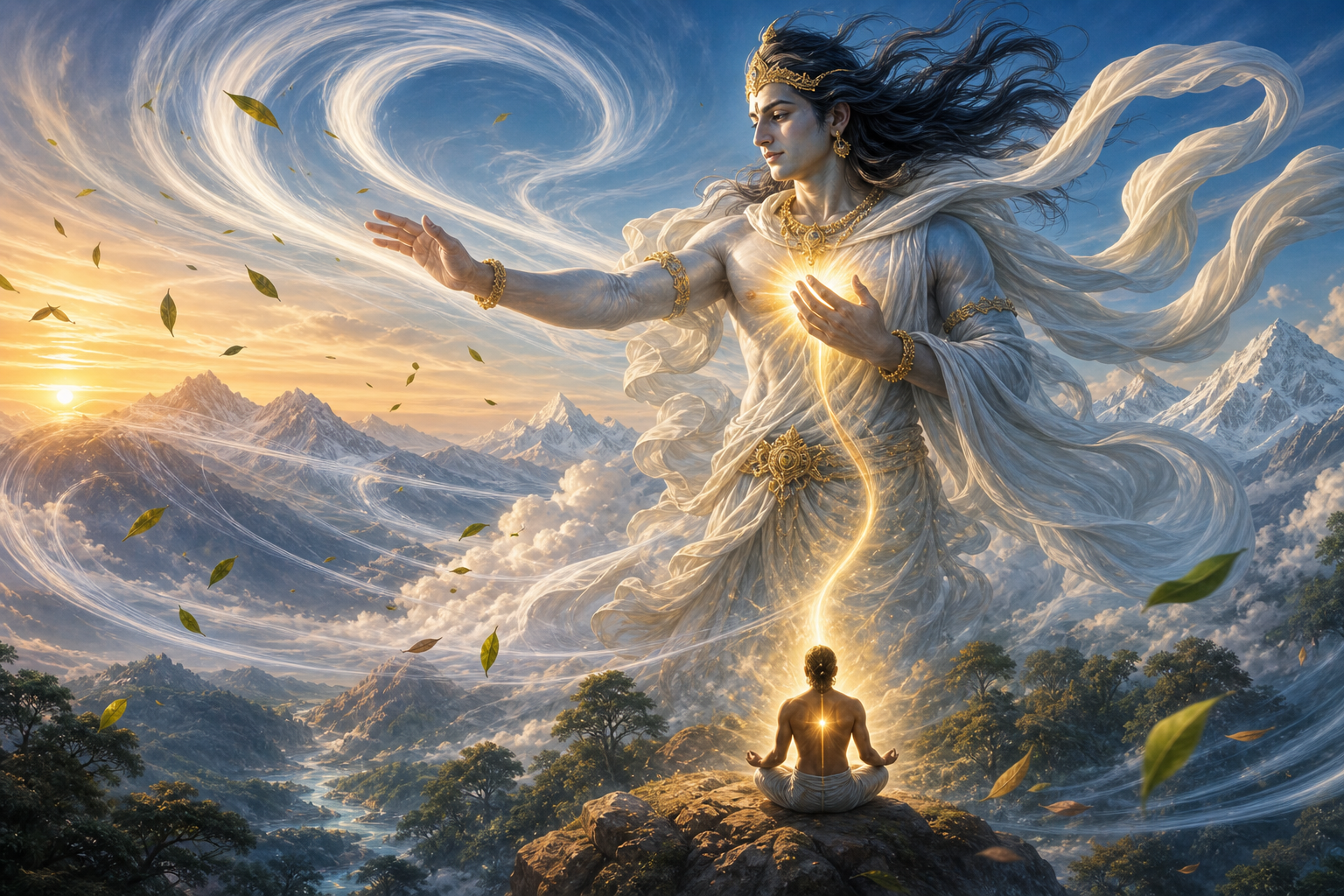
    Vayu Bhagavan, the wind god of Hindu tradition, is revered as the sustaining force behind prana, movement, and life. Classical narratives honor him as the divine father of Hanuman and Bhima, whose devotion to Lord Rama and loyalty to Lord Krishna exemplify courage and service. Philosophically, Vayu’s essence is experienced through pranayama and mindful breathing,…

  • Protect Your Sacred Energy: Hindu Wisdom to Resist Attention Hijacking in the Digital Age

    Ancient Hindu concepts such as prāṇa, indriya-nigraha, pratyāhāra, and dhyāna provide a clear framework to understand how the attention economy drains energy and clarity. Read with Buddhist sati, Jain samayik, and Sikh simran, these ideas form a unifying dharmic ethic that protects attention as sacred. The article outlines practical, low-friction habits—breath-before-click, notification pruning, device-free zones,…

  • Unlocking Kundalini: The Mad Sadhu on Purusha–Prakriti, Nirvikalpa, and Praṇava

    Unlocking Kundalini: The Mad Sadhu on Purusha–Prakriti, Nirvikalpa, and Praṇava

    This rigorous retelling of Babaji’s discourse on Kundalini Yoga clarifies how the mind’s restraint (nirodha) opens into laya and nirvikalpa samādhi, where stillness reflects Purusha and activity reflects Prakriti. It explains how icchā-śakti awakens near nirvikalpa, refining desire into a unitive will aligned with pure consciousness. The analysis of bhāva-ākāśa shows how feeling unfolds as…

  • Why pranayama can control the mind

    Why pranayama can control the mind

    Exploring the intricate dance between breath and the intricate workings of the inner world, this piece unveils the profound connection between pranayama and the mind’s elusive control. In a wilderness tale of wit and deception, a poodle’s survival instincts, as it masters the art of camouflage, parallel the human mind’s ceaseless strategizing. By observing the…