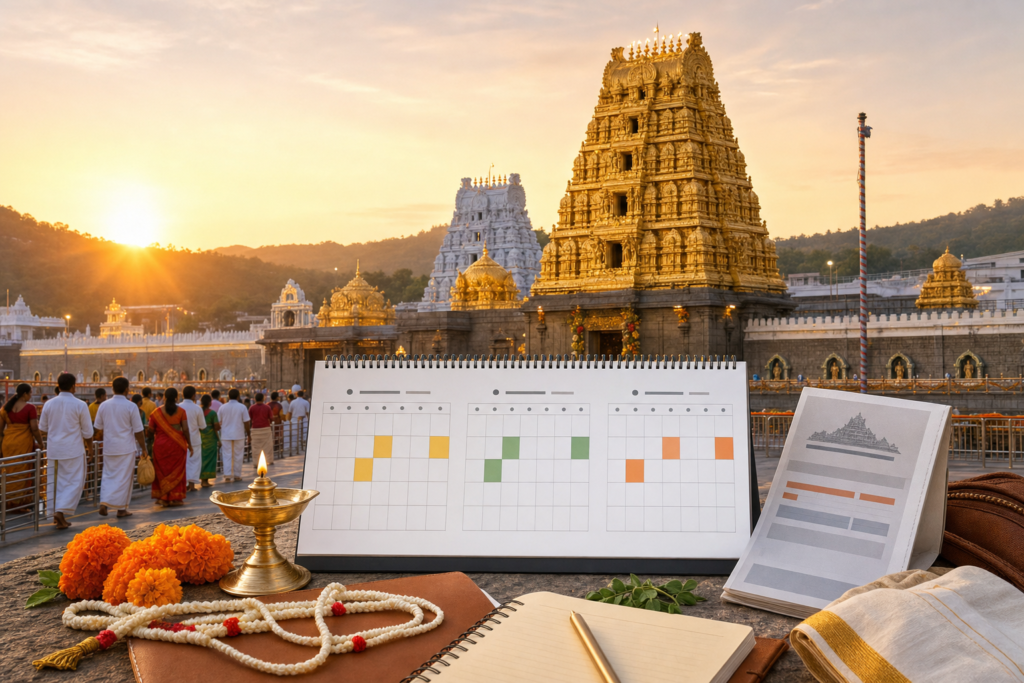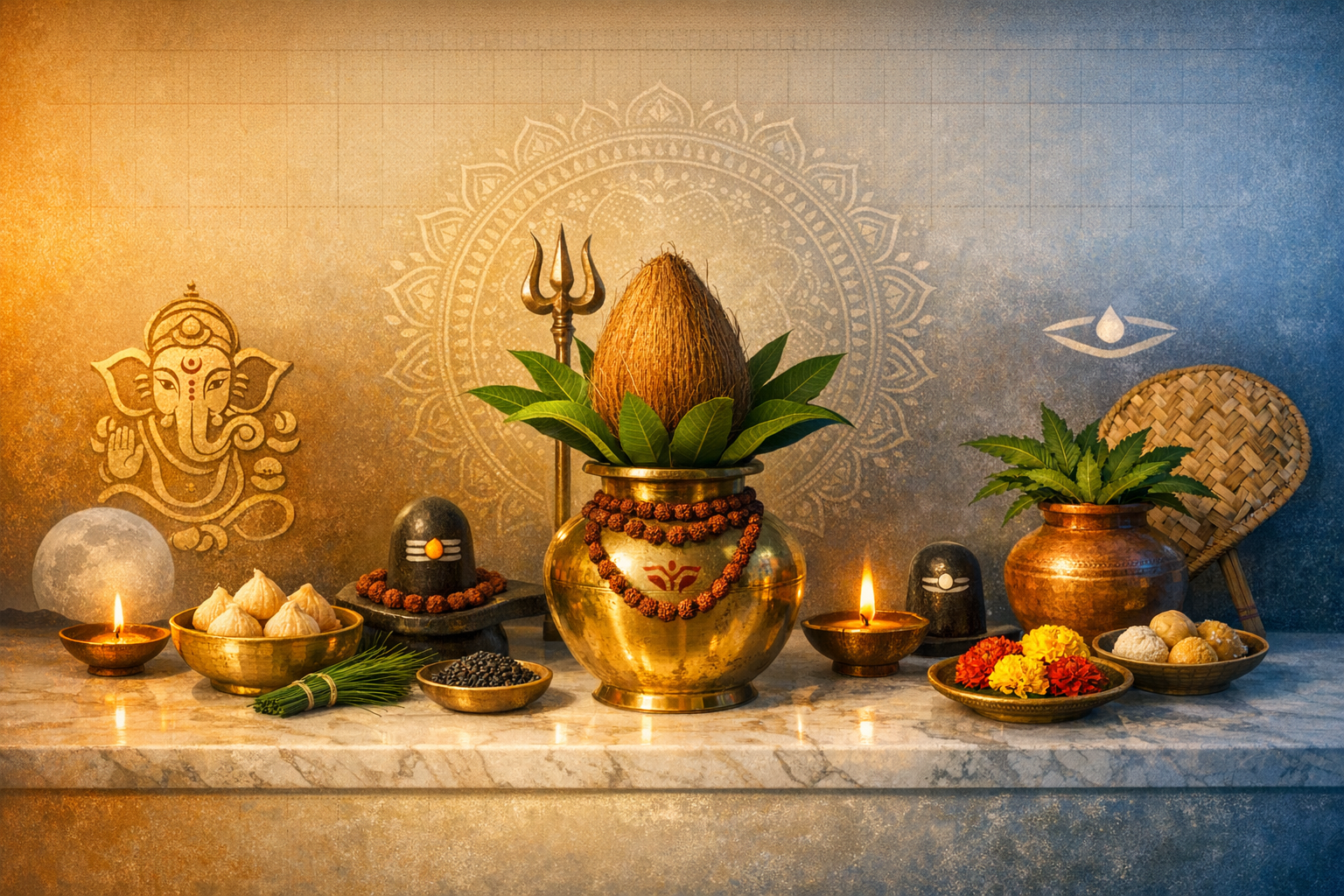
This July 2026 overview presents the key Hindu festivals and fasting (vrat) dates according to the major Hindu calendars and Panchang in India, with all timings referenced to Indian Standard Time (IST). It is designed to offer clear, practical guidance so households can plan vrat (fasting), puja, and temple visits with confidence. Many families find that a precise Hindu calendar for July 2026 reduces uncertainty and deepens calm as observances are integrated into daily life.
Calendar method and context: Panchang calculations rest on the lunar tithi (the 12° elongation step between the Sun and Moon), nakshatra, yoga, and karana, layered over sunrise–sunset rules that can differ by region and tradition. Variations may arise from Amanta (month ending at Amavasya, common in much of southern India) versus Purnimanta (month ending at Purnima, common in northern India) conventions, and from the use of Drik Ganita (observational/astronomical) versus Surya Siddhanta (classical) computational approaches. In July 2026, these observances generally fall in the Ashadha Krishna Paksha for most regional almanacs.
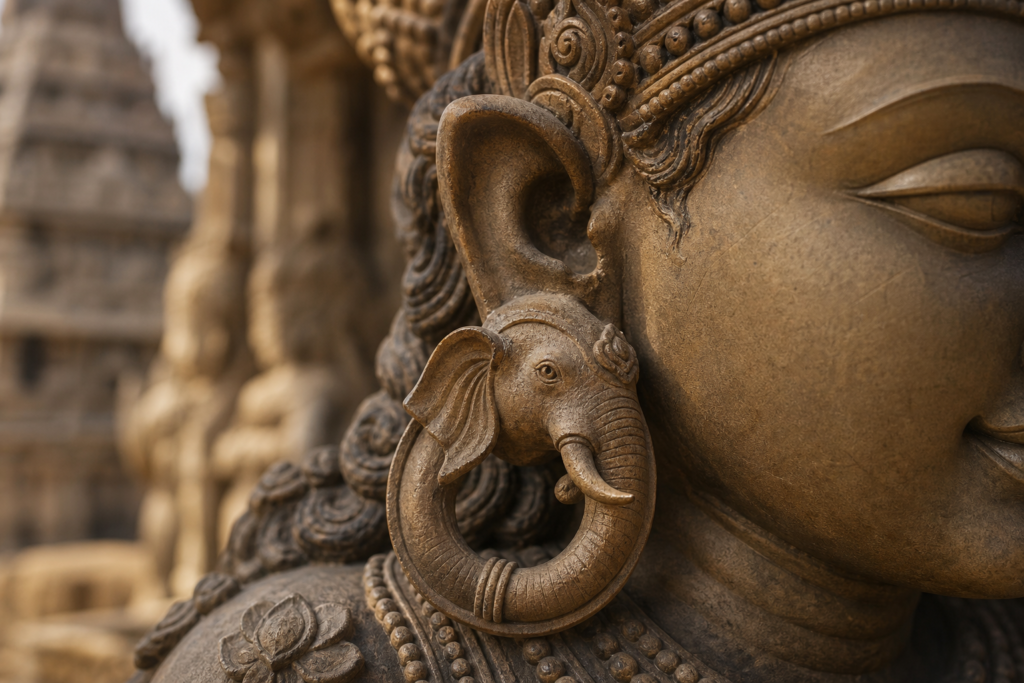
July 3, 2026 (IST) – Ganesh Sankashti Chaturthi Vrat (Krishna Paksha Chaturthi). Moonrise is at 9:49 PM. This vrata is observed to remove obstacles (sankata) and cultivate steadiness in action. Devotees traditionally fast until moonrise, worship Sri Ganesha, and then offer arghya to the Moon before breaking the fast. Across peninsular India, the same observance is often referred to as Sankatahara Chaturthi; the core discipline remains identical.
Sankashti fasting and puja guidelines (vidhi): Healthy practitioners may keep a nirjala or phalahar fast while many households opt for a light sattvic regimen. Puja commonly includes durva grass, red or yellow flowers, modak/laddu, akshata, and a deepa. Recitations such as Ganesha Ashtottara and Sankashti Vrat Katha are customary, alongside mantras including “Om Gam Ganapataye Namah” and “Vakratunda Mahakaya.” The fast is traditionally broken at Chandrodaya (moonrise); for the all-India reference, this is 9:49 PM IST on July 3, 2026, though city-level Panchang listings may differ by a few minutes.
Technical note on Chandrodaya: For Sankashti, the vrata-parana depends on actual local moonrise rather than a fixed clock time. The 9:49 PM IST value reflects standard Panchang computation for the India-wide reference. Moonrise varies slightly with longitude and latitude; hence, devotees are advised to consult a reliable, city-specific Panchang for precision. Observers outside India should convert IST to their local time and still privilege their local Chandrodaya for parana.
July 7, 2026 (IST) – Kalashtami (Krishna Paksha Ashtami). This monthly observance honors Shri Kala Bhairava, a fierce and protective form of Shiva associated with time (kala), ethical discipline, and guardianship of sacred spaces. Devotees often keep a fast until evening or across the night, visit Shiva or Bhairava temples, and seek protection, courage, and freedom from fear.
Kalashtami practice and mantra focus: Simple offerings such as black sesame, oil lamps, and modest naivedya are common. Recitation of “Om Kalabhairavaya Namah” and hymns to Bhairava support a contemplative mood that values vigilance and restraint. Some families include a brief night vigil and circumambulation of a temple or household shrine. When health considerations arise, a sattvic one-meal fast coupled with mindful speech and conduct preserves the spirit of the vrata.
July 8, 2026 (IST) – Region-specific Ashtami observances. Several regional Panchang traditions place Sheetala Ashtami, Indrani Puja (Aindri Pujan), and Trilochan Ashtami Puja on this date. The placement reflects local visibility of Ashtami tithi that begins on July 7 and continues into July 8 for certain time blocks; communities generally follow their established parampara and local temple guidance.
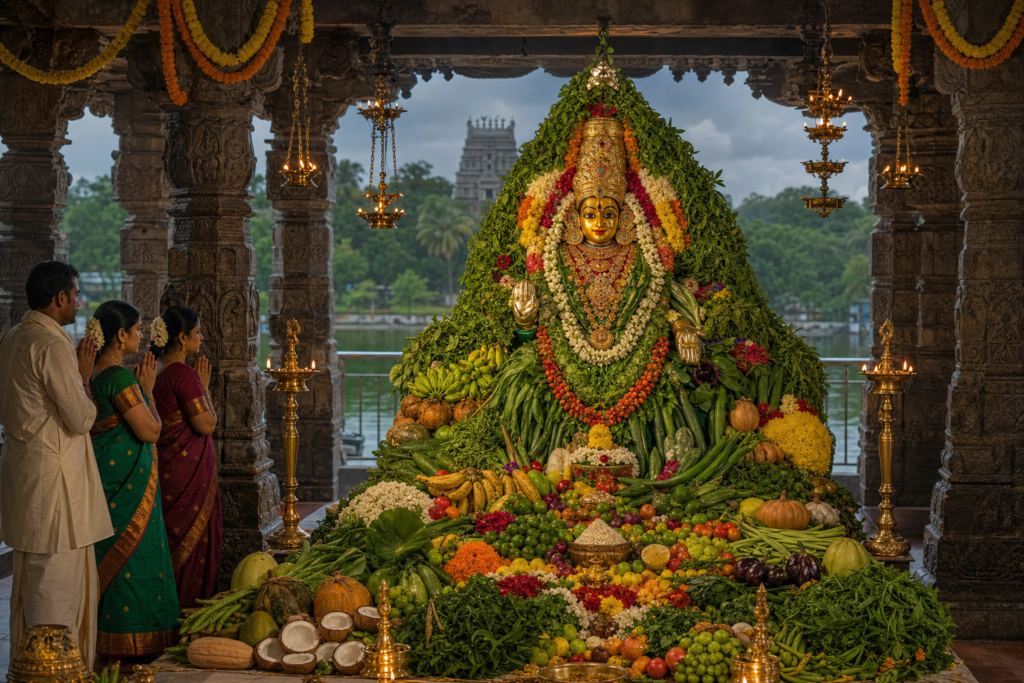
Sheetala Ashtami significance: Sheetala (Śītalā) Devi personifies cooling grace, hygiene, and protection from heat-borne and communicable ailments. Households emphasize cleanliness of kitchens, water sources, and cooking vessels; in many regions, freshly cooked food is traditionally avoided for a day (the “basoda” custom), balanced with modern food safety practices. Offerings often include cooling foods, neem leaves, and lamps, reinforcing a dharmic ethic of preventive care grounded in compassion and cleanliness.
Indrani Puja (Aindri), among the Saptamatrikas: This worship invokes the shakti associated with Indra, seeking courage, clarity, and communal harmony. Devotees offer yellow or red flowers, light lamps, and chant “Om Aindryai Namah.” Where Aindri Puja is a family tradition, priestly guidance maintains lineage-specific procedures while aligning with the local Panchang.
Trilochan Ashtami Puja: Dedicated to Shiva as “Trilocana” (the three-eyed), the rite emphasizes inner vision and tapas. Common practices include abhisheka with water, milk, or panchamrita; recitation from the Rudra-adhyaya (where feasible); and “Om Namah Shivaya” japa. Together with Kalashtami, this observance transforms awe for time (kala) into reflective insight (jnana), steadying conduct and intention.
Shared dharmic resonance: Although these dates are Hindu observances, the core disciplinesahimsa, self-restraint, hygiene, dana, and sevaresonate across Buddhism, Jainism, and Sikhism. Many households extend the vrata’s spirit through support for community kitchens, mindful speech, and compassion for all beings, thereby nurturing unity across dharmic traditions without erasing the unique character of each path.
Practical planning for July 2026 (IST): Mark the three focal dates, organize sattvic menus and hydration for those fasting, and confirm local moonrise for Sankashti. Coordinate temple visits or home pujas with elders and priests; those with medical needs may adopt moderated fasts after seeking appropriate guidance. Recording daily japa counts and short reflections supports discipline throughout the Ashadha Krishna Paksha sequence.
Concise date and time recap (IST): July 3, 2026 – Ganesh Sankashti Chaturthi Vrat (Krishna Paksha Chaturthi), moonrise 9:49 PM; July 7, 2026 – Kalashtami (Krishna Paksha Ashtami); July 8, 2026 – Sheetala Ashtami (in some regions), Indrani Puja, Trilochan Ashtami Puja. All listings are based on Indian Standard Time and major Hindu Panchang traditions; regional almanacs may note minor shifts according to local rules.
Methodological clarity: These listings follow tithi-based reckoning in widely used Indian Panchangs. Differences between Amanta and Purnimanta month-names, as well as computational approaches (Drik Ganita versus Surya Siddhanta), can produce regional variation. In practice, households are encouraged to prioritize community parampara and local temple advisories while keeping the IST reference as a stable planning aid.
Conclusion: July 2026 offers a compact, spiritually rich cycleremoving obstacles with Sri Ganesha, cultivating discipline with Kala Bhairava, and receiving the cooling grace of Sheetala Devi, alongside honor for Aindri and Shiva as Trilocana. Approached with humility, health awareness, and community-minded seva, these vrats transform dates on a Hindu calendar into steps toward inner steadiness and shared well-being.
Inspired by this post on Hindu Blog.