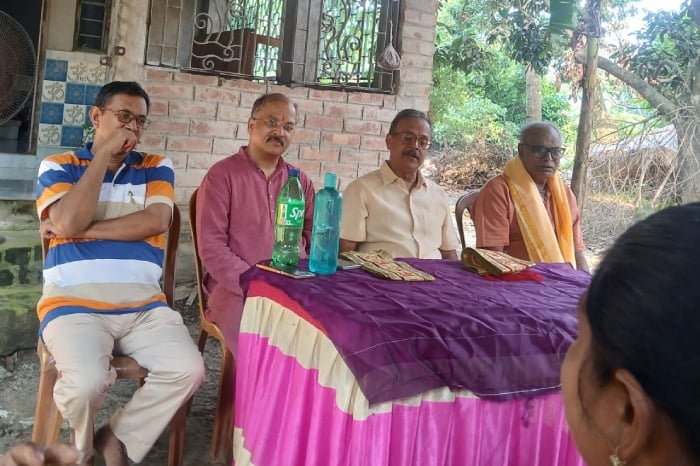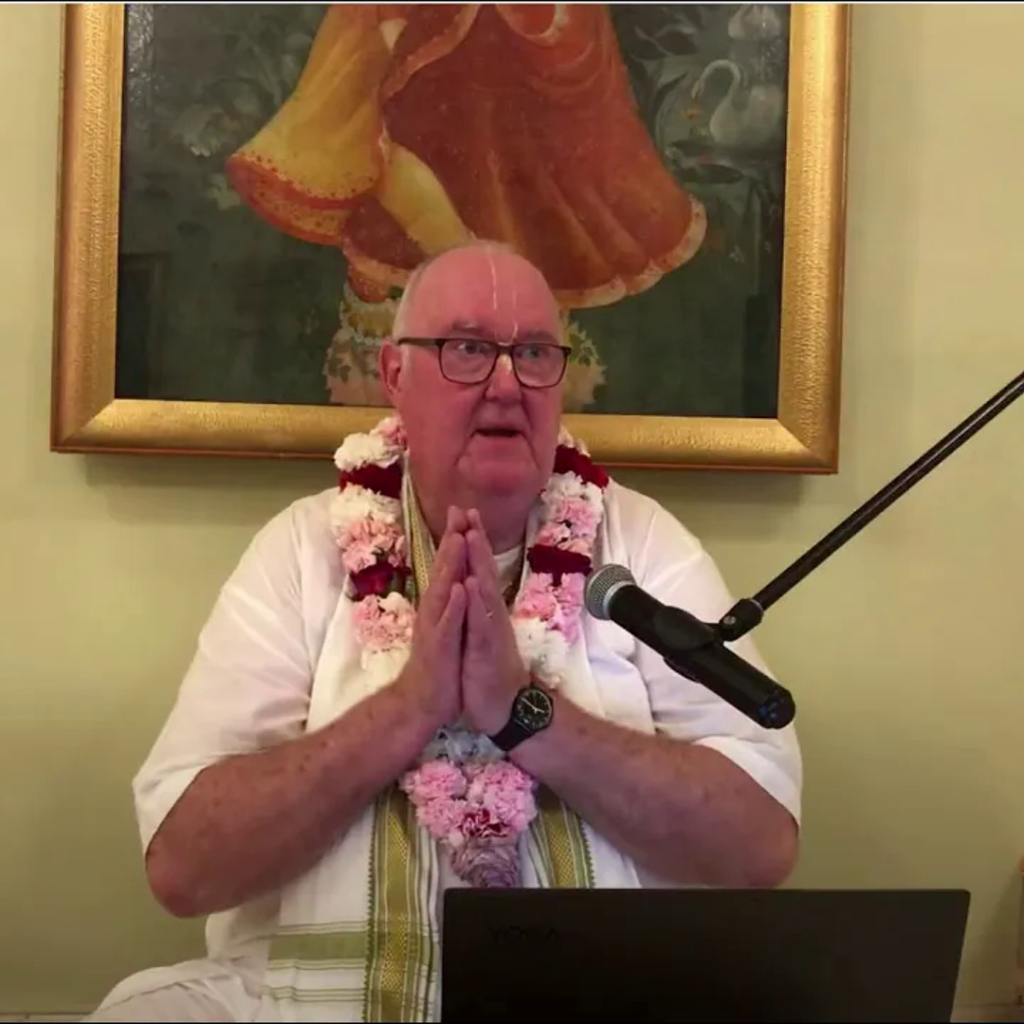
The district-level Hindu Rashtra Adhiveshan in Bantwal concluded with a clear, values-oriented message: strengthen Hindu unity, protect Sanatan Dharma as a civilizational and ethical framework, and nurture value-based families as the bedrock of a harmonious society. Organized by Hindu Janajagruti Samiti (HJS), the conclave functioned as a civic forum in Karnataka where community leaders, scholars, and citizens examined constructive ways to align social cohesion with India’s constitutional guarantees of religious freedom and dignity for all.
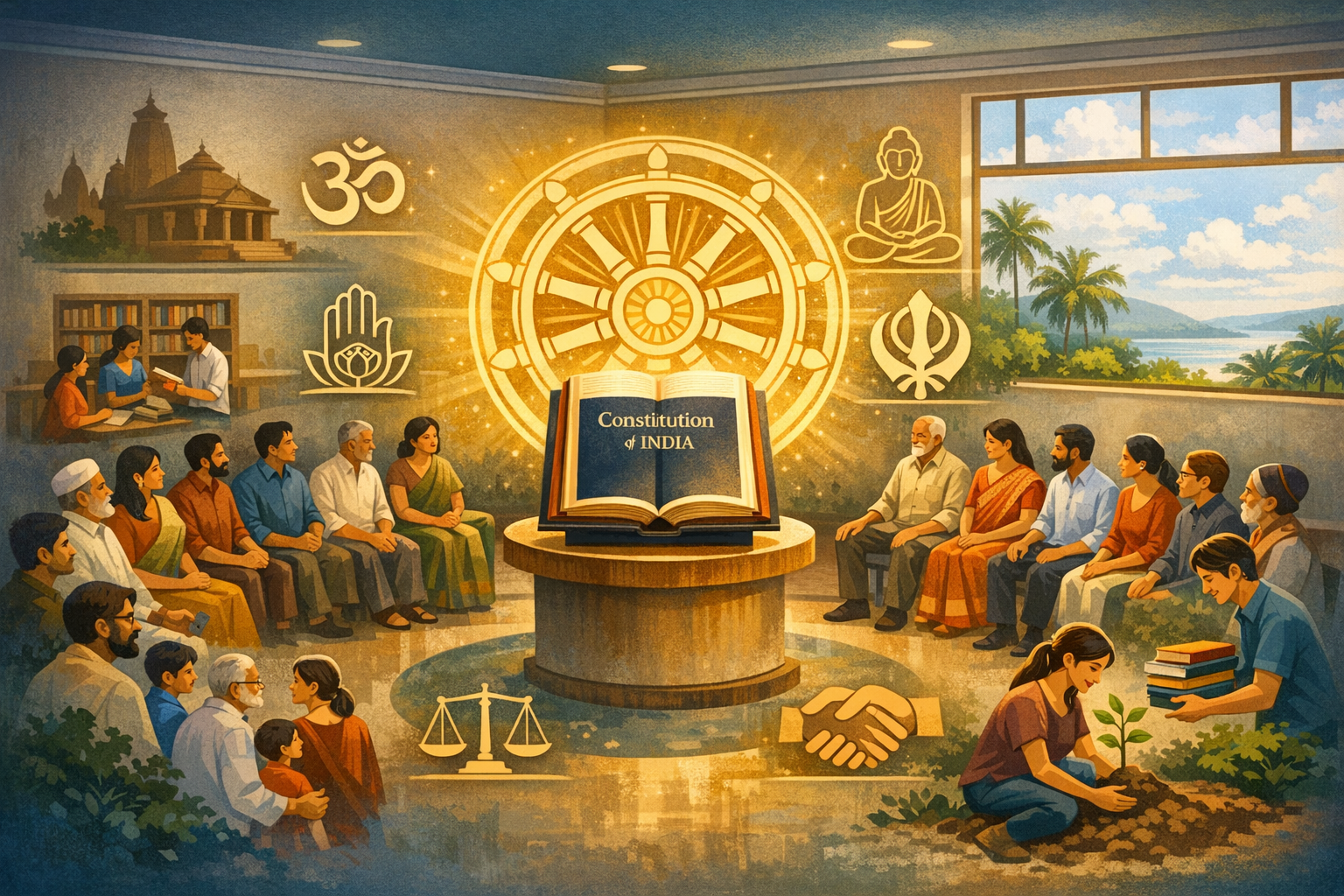
Central to the discussions was the articulation of a Constitutional Hindu Rashtra, not as a theocratic project, but as a normative vision grounded in dharmatruth (satya), non-violence (ahimsa), compassion (karuna), justice (nyaya), service (seva), and responsibility (kartavya). Such a framework, as deliberated at the Adhiveshan, affirms the rights enshrined in Articles 25–28 of the Indian Constitution, while fostering a culture of duties (for example, those captured in Article 51A) that bind citizens to shared civic ethics. The emphasis remained explicitly pluralistic, highlighting the shared dharmic heritage of Hinduism, Buddhism, Jainism, and Sikhism.
In this pluralistic frame, Sanatan Dharma was presented as an evolving civilizational matrix of knowledge, ethics, and practice rather than a narrow sectarian identity. Speakers underscored that protecting Sanatan Dharma means preserving living traditionsrituals, arts, languages, sacred geographies, and community institutionsthrough educational reform, heritage stewardship, and ethical public life. This approach embraces unity in spiritual diversity and supports intercultural, inter-sect, and inter-language bridges across the Indian social fabric.
Hindu unity, as discussed in Bantwal, was situated in the language of social cohesion: building trust across regions and communities, reducing intra-community polarizations, and reinforcing ethical leadership in public discourse. Participants framed unity as a means to elevate civic virtue and reduce vulnerabilities to divisive narratives. The event thus emphasized networks of service, community education, and legal literacy as practical instruments to translate ideals into outcomes.
On the sensitive issue often described in public discourse as Love Jihad, the conclave’s interventions pivoted toward rights, consent, and due process. The focus remained on preventing coercion, fraud, and trafficking, while upholding the legitimacy of interfaith relationships and marriages that are grounded in informed consent, transparency, and legal safeguards. This position complements interfaith dialogue, urging collaboration with community leaders from all traditions to ensure young adultsacross Hindu, Buddhist, Jain, and Sikh communitiesare well informed, protected by the law, and free to choose their paths without fear or pressure.
Family strengthening emerged as a core priority. The Adhiveshan highlighted the family’s role in transmitting dharmic ethicstruthfulness, mutual respect, discipline, and compassionacross generations. Value-based families were discussed in practical terms: age-appropriate digital literacy for children, ethical media consumption, equitable household responsibilities, care for elders, and inclusion of women’s leadership in community decision-making. The Grihastha ashrama ideal was invoked as a stable social unit that balances artha and kama under the guidance of dharma, ultimately orienting life toward inner growth and social responsibility.
Education was identified as a strategic lever to safeguard Sanatan Dharma and foster Hindu unity. Recommendations included curriculum elements that introduce comparative dharmic ethics from Hindu, Buddhist, Jain, and Sikh sources; pedagogy that cultivates critical thinking and respectful dialogue; and community libraries or study circles that encourage lifelong learning. These initiatives aim to turn heritage awareness into civic competence, equipping youth to navigate pluralistic spaces with confidence and empathy.
Legal literacy and institutional trust were recurrent themes. Participants advocated neutral, even-handed enforcement of existing laws related to marriage registration, fraud prevention, and personal liberty. They also emphasized transparent grievance redressal mechanisms and community legal clinics to ensure access to rights without discrimination. Such measures build social resilience and reduce opportunities for polarization.
Interfaith dialogue was discussed as an indispensable complement to legal safeguards. Trust-building forums, joint service projects, and shared cultural events were recommended to normalize cooperation across religious communities. The Bantwal gathering reiterated that the ethical aspirations of a Constitutional Hindu Rashtra must be intelligible and welcoming to all, particularly to fellow dharmic traditions, and must never undermine the dignity of any individual or community.
Temple and cultural institutions in Karnatakaincluding those in and around Bantwalwere recognized as anchors of social capital. Better governance, heritage documentation, community outreach, and inclusive programming can make these institutions hubs of ethical education and social service. The conclave suggested integrating cultural forms such as classical and folk arts, devotional music, and storytelling to engage youth and strengthen identity without exclusion.
Data and research were highlighted to move beyond rhetoric. Baseline surveys on family well-being, educational outcomes, women’s safety, and youth engagement can provide actionable insights for civil society and local administrations. Periodic public reporting fosters accountability, enabling communities to iterate strategies and scale what works.
In the regional context, Bantwal’s location in coastal Karnatakaan area with vibrant trade histories, temples, and cultural performancesoffers a strong platform for community-led initiatives. By leveraging local strengths and fostering partnerships among schools, temples, civic groups, and media, stakeholders can model a replicable template for other districts, demonstrating how ethical traditions and constitutionalism can reinforce, rather than oppose, each other.
In conclusion, the Hindu Rashtra Adhiveshan at Bantwal consolidated three interlinked priorities: nurturing value-based families, advancing a Constitutional Hindu Rashtra rooted in pluralistic dharma, and promoting Hindu unity that actively includes fellow dharmic traditions. By centering rights, duties, and dialogue, the deliberations reframed cultural preservation as a future-facing projectone that aligns Sanatan Dharma with constitutional morality, strengthens community resilience, and invites every citizen into a shared endeavor of service and ethical nation-building.
Inspired by this post on Hindu Jagruti Samiti.