Panchadasi’s concluding chapter, Vishayananda, articulates how the bliss of Brahman can subtly reveal itself within ordinary sensory experience. Composed in the Advaita Vedanta tradition attributed to Sage Vidyaranya, this teaching clarifies that what appears as worldly pleasure is, in truth, a fleeting reflection of the same ananda that shines as the essence of consciousness. This perspective does not glorify indulgence; instead, it provides a precise framework for understanding the mechanics of enjoyment and its relationship to spiritual realization.
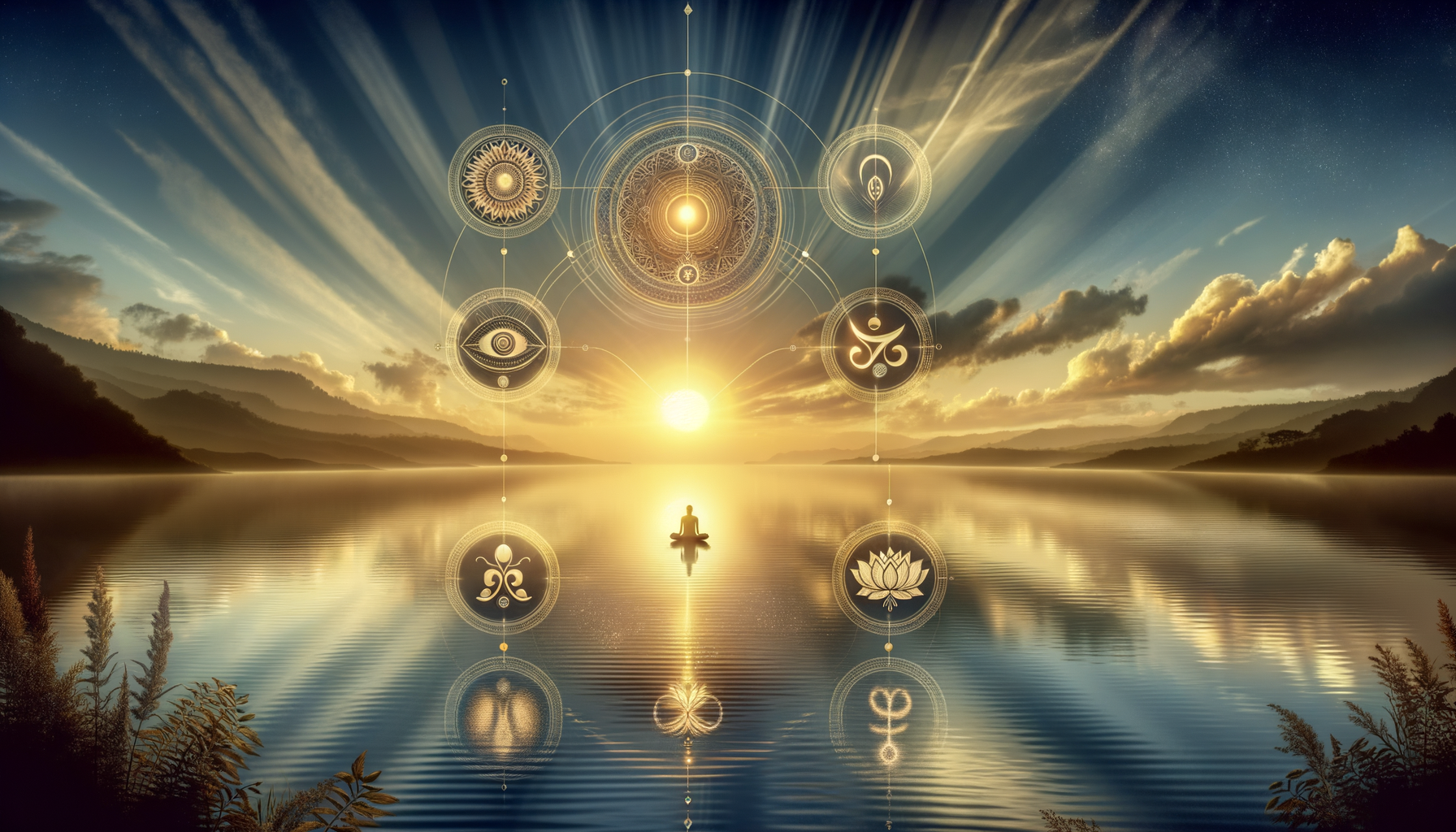
Vishayananda is defined as the bliss experienced through contact with sense-objects when the mind momentarily rests from agitation. In Advaita terms, the indriyas (senses) and manas (mind) align briefly, and the veil of mental disturbance thins; in that pause, Brahman’s light reflects as pleasure. The enjoyment is not self-sufficient; it borrows radiance from the ever-present Brahman, just as a still lake reflects the sun. The clarity of this analysis helps readers avoid confusing borrowed delight with the limitless Brahmananda.
The chapter’s argument is experiential and testable. A melody that stills thought, a panorama that arrests speech, or the first taste of seasonal fruit—each can produce a subtle quieting. When craving fades for an instant and cognition is single-pointed, ananda rises. The event is not produced by the object; rather, the mind’s composure enables the underlying bliss to shine through. This insight allows discernment between the transient conditions enabling joy and the ever-available source of joy.
Vishayananda thereby functions as a bridge between lived life and liberation-oriented practice. It neither condemns the senses nor enthrones them; it instructs on wise engagement. With viveka (discrimination) and vairagya (dispassion), one recognizes that sensory pleasure is contingent and finite, while Brahman is unconditional and infinite. The recognition transforms daily encounters into contemplative opportunities rather than chains of compulsion.
This teaching resonates with the Upanishadic inquiry into ananda and echoes the Taittiriya Upanishad’s graded analysis of bliss. Panchadasi’s culminating focus shows how vishaya-pleasure hints at brahma-bliss, while also cautioning that mistaking a hint for the whole sustains bondage. The thesis remains rigorously Advaitic: objects do not carry intrinsic happiness; happiness belongs to the Self (Atman), and the quiet mind reflects it.
Readers often find a renewed relationship with everyday life through this lens. Savoring a cup of tea, listening to rain, or watching dawn light a familiar street can become occasions for refined attention rather than grasping. Many report a felt shift from acquisition to appreciation, from restlessness to receptivity. Emotional warmth naturally emerges when experience is understood as a doorway to interior stillness rather than an arena for endless accumulation.
Practical application follows a clear sequence. Cultivate mindfulness of the indriyas to notice the instant when desire subsides and composure appears. Support this with pratyahara (gentle withdrawal), dhyana (steady contemplation), and a sattvic lifestyle that stabilizes attention. When pleasure arises, acknowledge it as a reflection of Brahman, and allow the mind to rest in that recognition. Over time, reliance on objects lessens, while intimacy with Atman deepens.
This understanding harmonizes with insights cherished across dharmic traditions. Buddhism emphasizes how the calming of craving reveals a luminous ease; Jainism’s Samayik trains equanimity that discloses a quiet joy; Sikh tradition celebrates Anand through remembrance (Naam Simran) as the heart’s abiding bliss. Seen together, these paths affirm a shared intuition: when the mind is stilled and purified, the same fundamental ananda is glimpsed—nurturing unity in spiritual diversity without erasing distinctive practices.
Vishayananda also addresses common concerns about hedonism and renunciation. It advocates neither denial nor excess, but a measured discipline akin to the Gita’s counsel of yukta-āhāra-vihāra—balanced living. By tracing pleasure to its source, attachment loosens naturally; by honoring the senses as instruments rather than masters, freedom grows without inner conflict. Ethical clarity and contemplative steadiness thus reinforce each other.
As the closing movement of Panchadasi, this chapter integrates prior analyses of consciousness, appearance, and reality. It demonstrates that spiritual realization does not require fleeing the world; rather, it requires seeing the world accurately. When attention matures, every encounter—sound, touch, taste, sight, or scent—can serve as a quiet reminder of Brahman’s presence. In that light, worldly life becomes a classroom for Advaita Vedanta, not a distraction from it.
The lasting contribution of Vishayananda lies in its accessible yet profound method: begin where life is vivid, and follow ananda back to its ground. Approached with sincerity and insight, this teaching converts momentary pleasure into a pointer to the permanent. The senses cease to compete with spirituality; they become transparent to it. Such integration supports personal transformation and fosters respectful harmony among Hinduism, Buddhism, Jainism, and Sikhism—each honoring the same truth of bliss realized in awareness.
Inspired by this post on Hindu Blog.