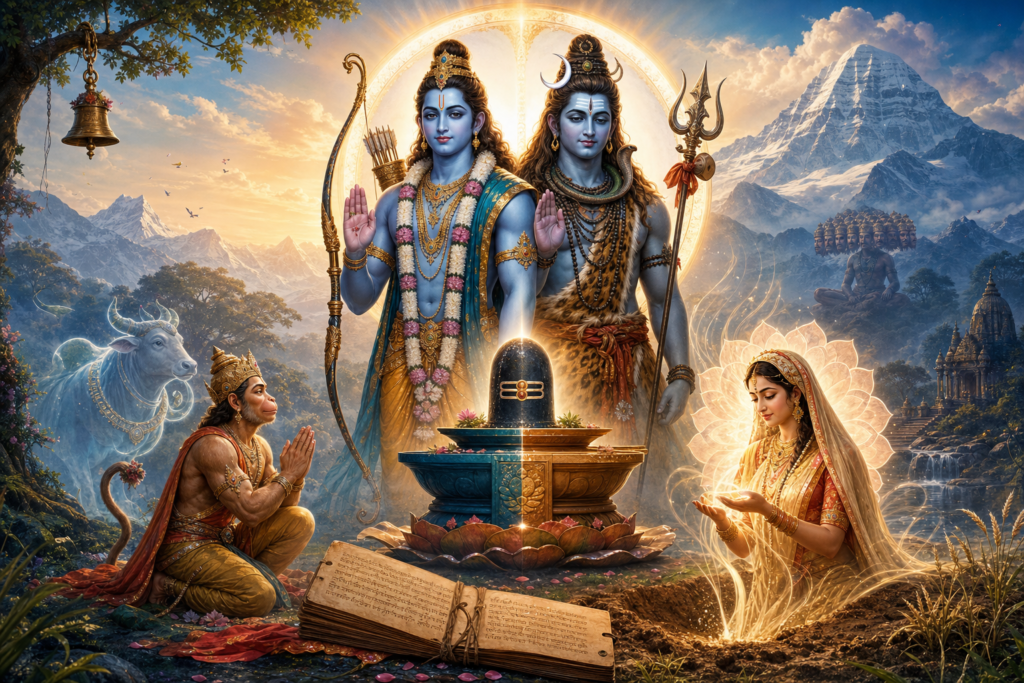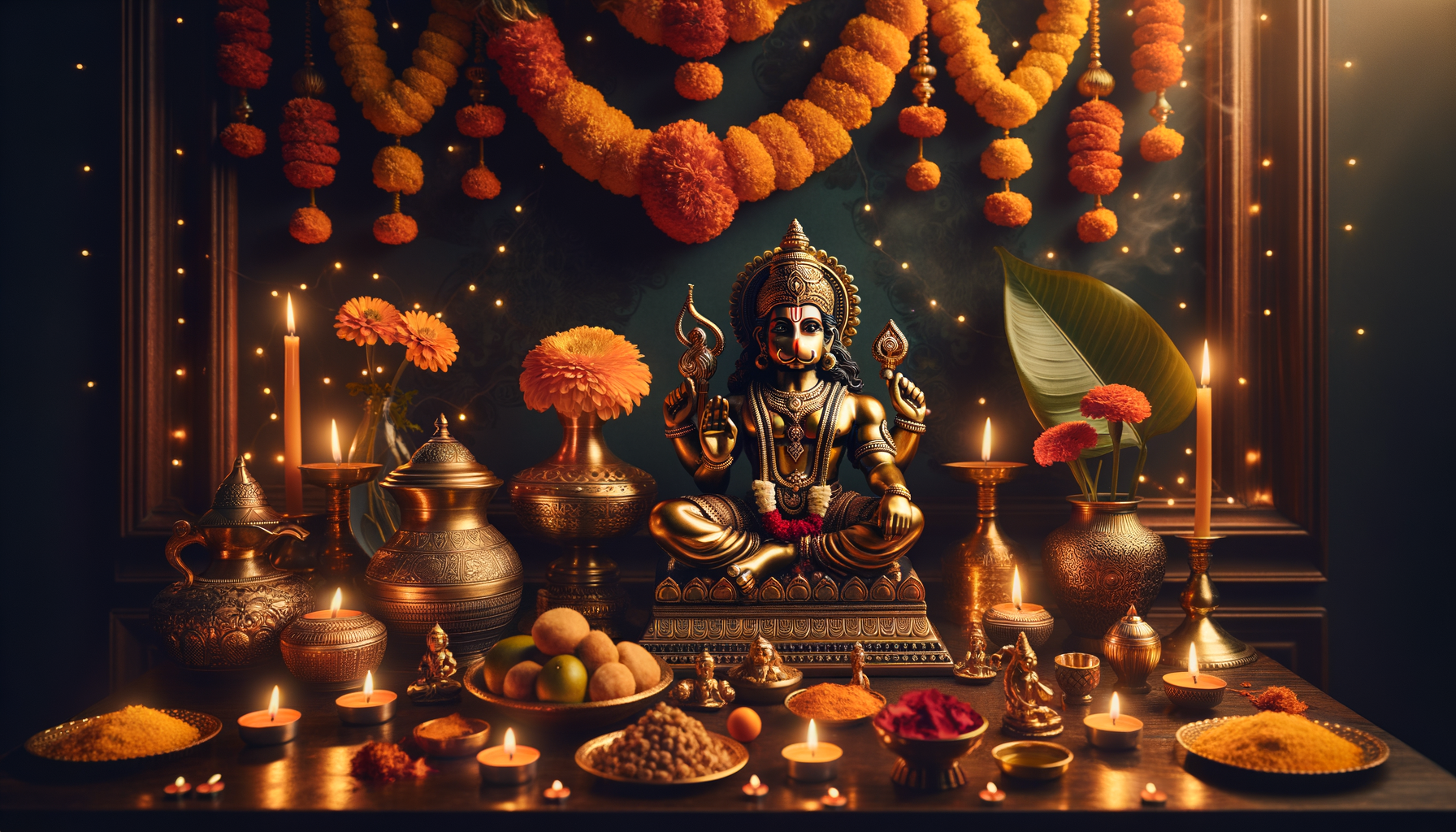
Special prayers and pujas dedicated to Lord Hanuman are traditionally observed a day before Diwali in North India and Gujarat. In 2025, Hanuman Puja during Diwali falls on October 19. The day is widely known as Narak Chaturdashi, and in many regions it is also called Kali Chaudas and Roop Chaturdashi (or Roop Chaudas). In several communities, the day before Diwali is further regarded as the birthday of Bajrang Bali Hanuman, aligning the observance with themes of courage, protection, and the removal of obstacles.
Within the broader Deepavali cycle that celebrates the triumph of light over darkness, Hanuman Puja on Narak Chaturdashi emphasizes inner strength, vigilance, and service. Households in North India and Gujarat often perform Hanuman worship on this day to seek protection from negativity and to cultivate steadfastness on the eve of Diwali (also called Chhoti Diwali in many places). The observance complements the illumination of homes and neighborhoods, underscoring the ethical dimension of Deepavali through devotion and community well-being.
Ritual practices vary by locality and lineage, yet certain elements are common. Many households prepare a clean shrine area, offer red or orange flowers, sindoor, and oil (often chameli or mustard) to Hanuman, and present simple sweets such as boondi or laddu as prasad. Recitation of Hanuman Chalisa, reading from Sundara Kanda, and lighting earthen lamps (diyas) at dusk are widely followed. Some families integrate pre-dawn abhyanga snan (oil bath) associated with Narak Chaturdashi, while others focus on an evening Sandhya or Pradosh puja. Charity and seva-oriented activitiesfood distribution, supporting community needs, and compassionate actsare also emphasized to align devotion with social harmony.
Regional nuances add depth to the observance. In Gujarat, Kali Chaudas carries a strong emphasis on dispersion of negativity and protection, for which Hanumanrevered as a guardian and bhakta of Sri Ramais propitiated. In many parts of North India, this day is often called Chhoti Diwali and can include both Hanuman Puja and the preparatory rituals of Deepavali. Maharashtra and some other regions highlight abhyanga snan at dawn, while Vaishnava households commonly honor Hanuman for steadfast devotion (bhakti), strength (bala), and service (seva). These variations demonstrate the rich cultural fabric of Diwali traditions across the Indian subcontinent.
Associations with mythic narratives further contextualize the day. Narak Chaturdashi is linked to the legend of Sri Krishna and Satyabhama vanquishing Narakasura, symbolizing the dissolution of ignorance and suffering. Parallel to this, many communities regard the day as especially auspicious for venerating Bajrang Bali Hanuman, whose presence signifies fearlessness, devotion, and resolute dharma. The intertwined narratives and practices reflect a shared aspiration: to enter Diwali with clarity, strength, and auspiciousness.
From a calendrical perspective, Narak Chaturdashi occurs on the fourteenth tithi (Chaturdashi) of Krishna Paksha in the lunar month associated with Deepavali (observed as Ashwin or Kartik depending on regional traditions). In 2025, this corresponds to October 19. Families often consult a local panchang to align home worship with preferred muhurtacommonly the pre-dawn period for abhyanga snan and the early evening Pradosh Kaal for lighting lamps and performing Hanuman Puja. Such timing enhances the contemplative rhythm of the festival and supports a mindful transition into Diwali night.
The ethical and spiritual values embodied in Hanuman Puja resonate across dharmic traditions. Courage with compassion, disciplined practice, and selfless service are honored within Hinduism, Buddhism, Jainism, and Sikhism. Households frequently express this unity by combining devotional worship with acts of kindness, environmental care (such as using eco-friendly diyas), and community support. These practices nurture interfaith respect within the broader dharmic family and strengthen the shared cultural heritage of Deepavali.
For practical observance at home, many families adopt a simple sequence: prepare a clean altar, offer flowers, sindoor, and prasad to Hanuman, recite Hanuman Chalisa or verses from Sundara Kanda, light lamps at dusk, and conclude with silent reflection for peace and well-being. While customs differ across regions and lineages, the unifying intent remains constantinvoking Bajrang Bali Hanuman’s blessings for protection, courage, and a luminous Diwali that uplifts both household and community.
Inspired by this post on Hindu Blog.