Sanatana Dharma is often described as Hinduism, yet it resists narrow classification as a religion in the conventional sense. Rather than demanding uniform belief or exclusive allegiance, it operates as a living wisdom tradition that prioritizes spiritual growth, ethical living, and experiential understanding. In this view, spirituality transcends rigid labels, affirming that the search for truth is broader than any single institutional framework.
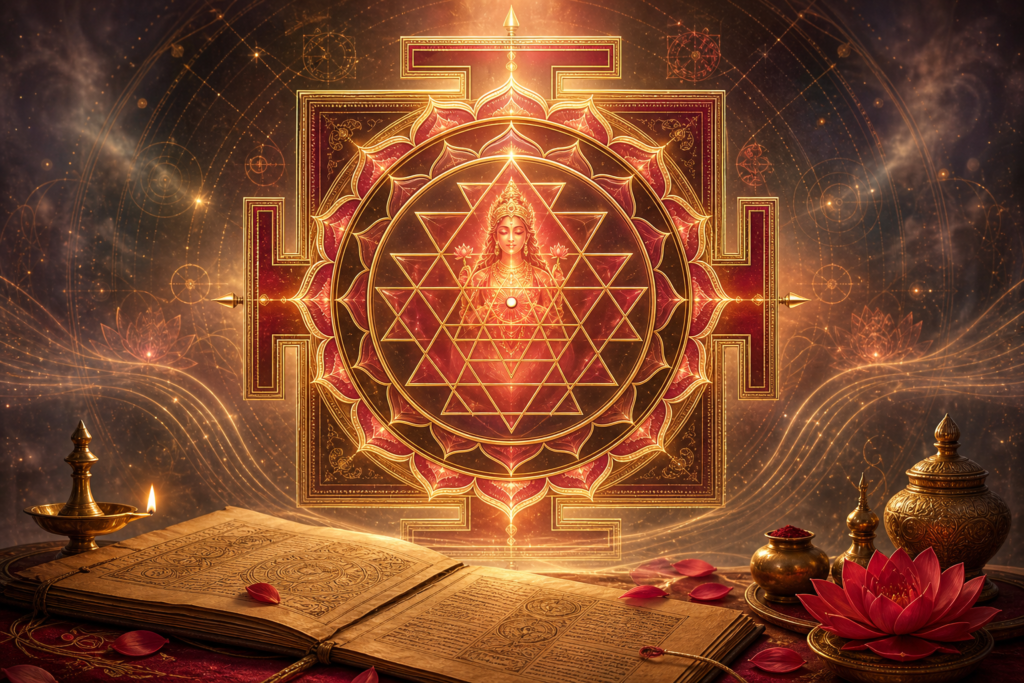
Seen through this lens, the paradox of religious identity becomes clear: one may participate in rituals and honor sacred texts while recognizing that Sanatana Dharma points beyond religion toward dharmaan enduring moral and cosmic order. Practices such as Karma Yoga, Bhakti, Jnana, and Raja Yoga serve different temperaments and stages of life, offering seekers a plural, integrated pathway to self-realization (moksha) and compassionate service (seva).
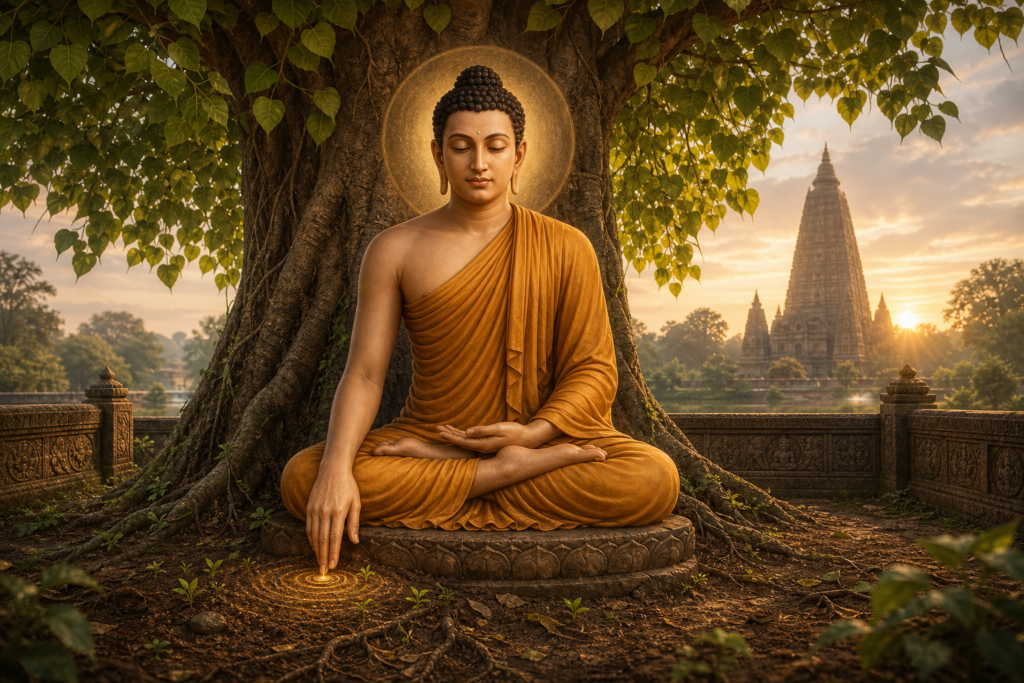
A defining contribution of this tradition is the principle of Ishta, the recognition that each person may approach the Divine according to individual nature and capacity. Ishta validates diverse forms of worship and meditation without competition or hierarchy, fostering unity in spiritual diversity. The spirit of Ishta resonates across dharmic traditions: in Buddhism’s upaya (skillful means), Jainism’s Anekantavada (many-sided truth), and Sikhism’s emphasis on Nam-simran and seva. Across these paths, pluralism is not merely toleratedit is foundational.
This inclusive architecture of Sanatana Dharma has contemporary relevance. In a rapidly globalizing world where identities often harden, its commitment to religious pluralism and interfaith dialogue offers an antidote to polarization. The tradition encourages seekers to honor their chosen path while affirming the dignity of other paths, strengthening social harmony and cultural cohesion.
Accounts from practitioners frequently converge on a shared experience: spiritual maturity begins when external labels yield to inner transformation. Many report that rituals become meaningful when anchored in dhyana (meditation), svadhyaya (self-study), and ethical disciplines such as ahimsa (non-harm) and satya (truthfulness). In community life, this ethos appears in festivals that welcome people of many backgrounds, in satsanga that emphasizes shared inquiry over dogma, and in service projects that prioritize human dignity over sectarian difference.
Within this horizon, rituals are understood as skillful supports rather than ends in themselves. Scriptures are approached as guides for contemplative inquiry, not instruments for exclusion. The outcome is a holistic spirituality that aligns personal growth with social responsibility: cultivating inner peace, practicing compassion, and contributing to collective well-being.
Historical voices within the dharmic world underscore this vision. Swami Vivekananda articulated it succinctly: “As many faiths, so many paths.” Such insight affirms that truth can be realized through manifold approaches, and that spiritual integrity is measured not by uniformity, but by sincerity, depth of practice, and ethical conduct. This perspective strengthens bonds among Hinduism, Buddhism, Jainism, and Sikhism by emphasizing their shared commitmentsnon-violence, contemplative practice, service, and reverence for life.
Practical guidance follows naturally from these principles. Seekers can cultivate steadiness through daily meditation, svadhyaya of texts such as the Upanishads and the Bhagavad Gita, and regular seva that embodies compassion. Communities can advance interfaith dialogue by creating spaces where different traditions are studied side by side, where questions are welcomed, and where lived wisdom takes precedence over polemics. Honoring Ishta in one’s own life while recognizing upaya and Anekantavada in neighboring traditions nurtures trust and deepens understanding.
“Truly spiritual people have no religion” need not be read as a rejection of tradition; it may be understood as an affirmation that the heart of Sanatana Dharma is larger than any label. It invites a shift from identity to integrity, from conformity to realization, and from separation to solidarity. In this way, Sanatana Dharma champions spiritual freedom while strengthening unity among the dharmic traditions of Hinduism, Buddhism, Jainism, and Sikhism. The result is a robust model of unity in diversityacademic in clarity, compassionate in spirit, and practical in application.
Inspired by this post on Hindu Blog.