Anatmabuddhi, a pivotal idea in Hindu philosophy, names the subtle but pervasive mistake at the heart of human suffering: the intellect (buddhi) misidentifies what is anatma (not-self) as the true Self. This veil of ignorance refracts experience, leading to confusion, attachment, and distress. By studying how this misidentification arises and learning methods to correct it, the path to Self-Realization becomes both intelligible and practicable.
Etymologically, anatma denotes all that is not the Selfbody, senses, emotions, thoughts, roles, and possessionswhile the Self (atman) is the unchanging witness. When buddhi conflates these domains, identity is outsourced to transient phenomena. The Upanishadic method of neti, neti (not this, not this) counters this error by clarifying that the Self is not any object of experience, however refined.
Philosophically, the error of anatmabuddhi emerges from avidya (ignorance) and is reinforced by ahaṅkāra (ego), which asserts doer-ship and ownership. In practical terms, this shows up as persistent comparison, craving and aversion, anxiety about image, and a compulsion to control outcomes. Such patterns bind experience to samsarathe cycle of becomingirrespective of external success or failure.
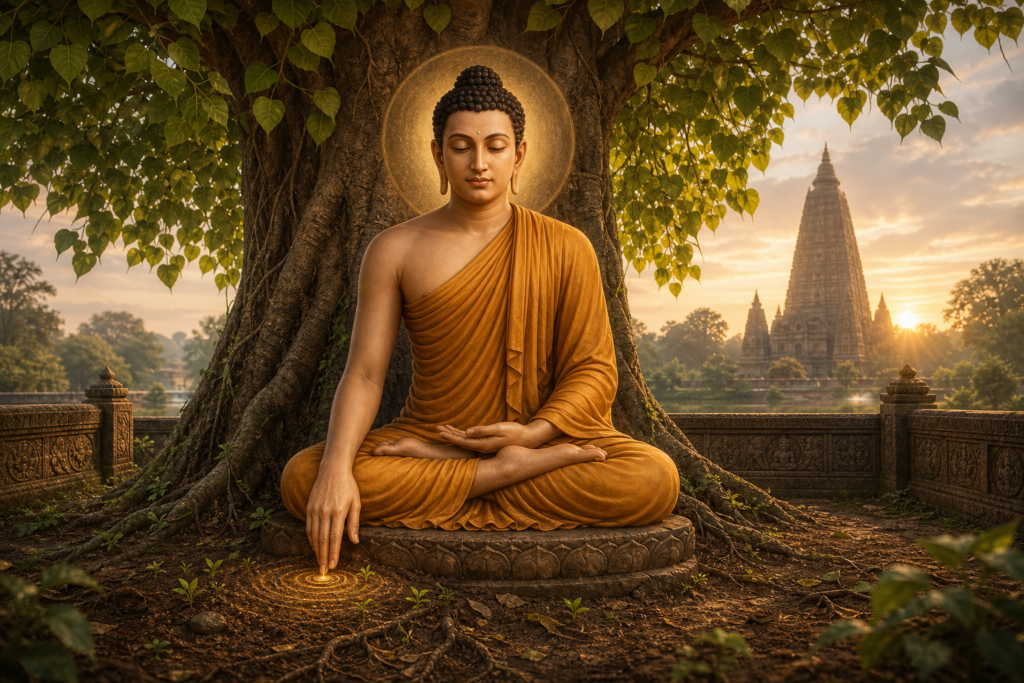
Across dharmic traditions, there is a shared sensitivity to this misidentification. Buddhism articulates anatta (not-self), inviting insight into the impermanence and non-ownership of aggregates. Jainism elevates anekantavada, the doctrine of many-sidedness, reminding seekers that any single viewpoint is partial. Sikh thought cautions against haumai (egoic self-absorption) and emphasizes remembrance of the One. These perspectives are not contradictory; they harmonize around a common intent: loosening false identification to reveal freedom and compassion.
Within Hindu darshanas, Advaita Vedanta analyzes anatmabuddhi as superimposition (adhyasa) and prescribes viveka (discrimination) to distinguish atman from anatma. Vishishtadvaita and Dvaita, while differing metaphysically, also warn against mistaking the ephemeral for the essential and highlight disciplined devotion, ethical living, and contemplative steadiness. The convergences are ethically significant, even when doctrinal nuances diverge.
Diagnostic markers of anatmabuddhi in daily life are easily recognized. There is a quickness to take offense, a compulsion to defend a curated identity, and a feeling of being diminished by others’ success. The phrase “mine-ness” extends to opinions and status, making disagreement feel like threat. Noticing these reactions without judgment is the first correction; it restores the intellect to its role as discernment rather than defender of a narrative.
The classical remedy begins with viveka and vairagya (dispassion), supported by the sixfold disciplines of śama (mind quietude), dama (sense restraint), uparati (withdrawal), titiksha (forbearance), śraddha (trust in the teachings), and samadhana (one-pointedness). In Vedanta, the triad of śravaṇa (systematic study), manana (reasoned reflection), and nididhyāsana (stable contemplation) clears the mind’s distortions. These are not abstract; they translate into steady habits repeated daily.
Contemplative practice, whether as dhyana, mindfulness, or japa, stabilizes attention and exposes identification in real time. As breath settles and attention steadies, thoughts, roles, and sensations are seen as objects within awareness, not the Self. This experiential clarity aligns with teachings from the Upanishads, Bhagavad Gita, and allied yoga literature, making insight a lived competency rather than a mere concept.
An ethical framework secures these insights. Yama-niyama in Yoga, ahimsa and satya in Jainism, sila in Buddhism, and seva and simran in Sikh practice converge on the same principle: when conduct is purified, perception becomes clear. Ethics reduces agitation; reduced agitation makes discrimination precise; precise discrimination dissolves anatmabuddhi. This virtuous cycle fosters inner freedom and outer harmony.
The guiding relationship of Guru and shishya is traditionally valued for safeguarding method and meaning. Scriptural study offers a reliable map, while lived guidance calibrates practice to temperament and circumstance. While many proceed through texts alone, communities of practicesatsang, sangha, sangatoffer collective steadiness, a resource honored across dharmic lineages.
A simple daily protocol operationalizes these teachings: begin with five minutes of diaphragmatic breathing, proceed to ten minutes of dhyana or japa, then close with a two-minute inquiry: “What did the mind identify with today?” Note one instance of “I am this role/thought/emotion,” apply neti, neti, and re-center in the witnessing presence. Over weeks, the intellect learns to pause before identifying, transforming reactivity into response.
As anatmabuddhi recedes, clarity, resilience, and compassion increase. Relationships feel less transactional and more spacious; disagreements become opportunities for understanding rather than grounds for estrangement. This maturation naturally supports unity among Hinduism, Buddhism, Jainism, and Sikhism by emphasizing their shared commitment to freedom from egoic fixation and to the dignity of all paths grounded in ethics and insight.
Ultimately, unmasking anatmabuddhi is not a flight from the world but a return to it with steadiness and care. By recognizing what is anatma and abiding as atman, the seeker discovers that Self-Realization and service are not opposed. The same wisdom that clarifies identity also deepens empathy, weaving personal freedom with collective harmony.
Inspired by this post on Hindu Blog.