
Introduction
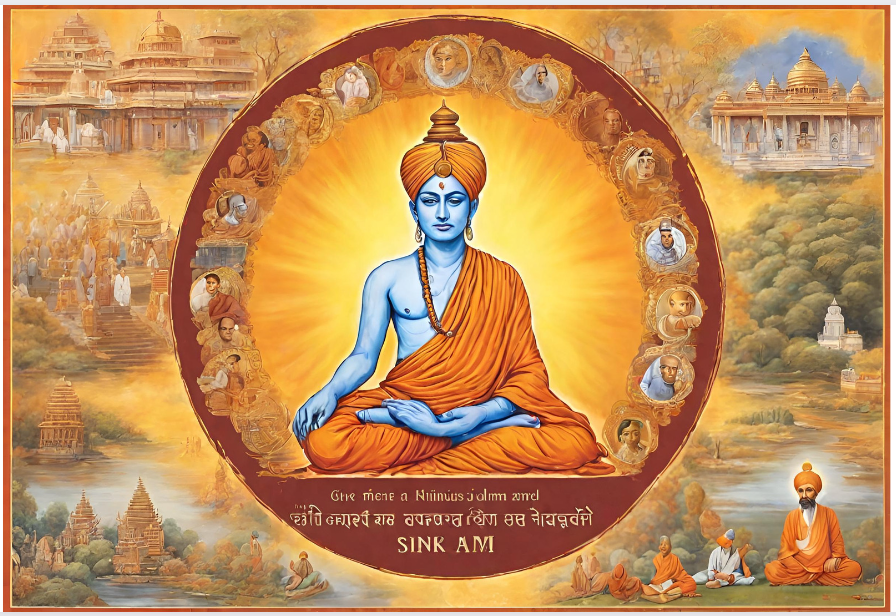
In a world marked by diversity and rapid change, the timeless wisdom of Dharmic religions continues to stand as a beacon of light. These ancient traditions, including Sanatana Dharma (Hinduism), Sikhism, Jainism, and Buddhism, are not merely relics of the past but vibrant, living philosophies that offer profound guidance for navigating the complexities of modern life.
Amid the hustle and bustle of contemporary existence, it’s easy to overlook the common threads that run through these distinct Dharmic traditions. Yet, these shared principles, values, and practices serve as bridges connecting individuals across cultural, geographical, and temporal boundaries. They are a testament to the enduring relevance of Dharmic values in our rapidly evolving world.
In this exploration of the Unifying Threads in Dharmic Religions, we will journey through these ancient paths, discovering the common principles that continue to inspire and guide followers in their quest for ethical living, personal growth, and spiritual awakening. From the timeless concept of “dharma” to the practice of non-violence (ahimsa), meditation, and compassion, we’ll delve into the heart of these traditions to uncover the shared foundations upon which they stand.
We will also examine how these religions adapt to the challenges and opportunities of contemporary society, embracing change without compromising their core values. Whether it’s in the realm of social justice, environmental stewardship, or interfaith dialogue, Dharmic traditions offer invaluable insights into building a more compassionate and harmonious world.
As we embark on this journey, we invite you to join us in exploring the unifying threads that weave together these ancient wisdoms and discover how they can illuminate our paths in the present day. Welcome to the world of Dharmic religions in the 21st century, where the past meets the future in the quest for enduring values and timeless wisdom.
The Concept of Dharma

At the heart of Dharmic religions lies a fundamental concept, a guiding principle that serves as the moral compass for individuals and societies alike – “dharma.” In the context of these traditions, “dharma” goes far beyond a simple translation as “duty” or “righteousness.” It encompasses a multifaceted worldview that extends into every aspect of life and society.
Dharma as Duty and Righteousness
In its simplest form, “dharma” refers to one’s duty or the righteous path in life. It’s the recognition that every individual has a unique role and set of responsibilities to fulfill. For Hindus, this may involve adherence to their varna duties, while for Buddhists, it might entail following the Eightfold Path. For Sikhs and Jains, it means striving to live in alignment with their principles of service and non-violence.
Dharma as Moral Responsibility
Dharma is also deeply intertwined with the concept of moral responsibility. It’s the obligation to act ethically, to make choices that are in harmony with the greater good, and to uphold truth and justice. In the Dharmic traditions, individuals are encouraged to live by the principles of dharma in their daily lives, seeking to do what is right rather than what is merely convenient.
The Role of Dharma in Contemporary Life
In the hustle and bustle of modern life, where choices are abundant, and ethical dilemmas are complex, the concept of dharma retains its relevance. People from Dharmic backgrounds often find themselves navigating a delicate balance between their individual duties and the greater responsibility to society.
Dharma helps individuals make ethical decisions, consider the consequences of their actions on themselves and others, and strive to live with integrity. It encourages a sense of purpose, reminding us that life is not just a sequence of events but a series of opportunities to fulfill our duties and moral obligations.
In a world characterized by change and uncertainty, the concept of dharma provides a steady moral compass. It reminds us to be mindful of our actions and choices, to consider their impact on the world, and to pursue righteousness in an ever-evolving society.
As we continue our exploration of the unifying threads in Dharmic religions, we move from the foundational concept of dharma to other common principles that shape the lives and beliefs of followers of these ancient traditions. Next, we’ll delve into the principle of “Ahimsa” – non-violence – and its significance in the contemporary context.
Ahimsa (Non-Violence)

One of the most profound and unifying principles across Dharmic religions is “ahimsa” the practice of non-violence. Ahimsa is not merely the absence of physical violence but a holistic approach to living peacefully and causing no harm, whether physical, mental, or emotional.
Ahimsa as the Cornerstone of Compassion
In the teachings of Sanatana Dharma, Sikhism, Jainism, and Buddhism, ahimsa is revered as a foundational value. It underscores the interconnectedness of all living beings and the importance of treating each other with kindness and respect. It challenges individuals to seek peaceful solutions to conflicts and cultivate empathy and compassion for all creatures.
Practicing Ahimsa in Contemporary Life
In the contemporary world, the relevance of ahimsa has only grown. In a global society marked by social and political strife, environmental challenges, and ethical dilemmas, the principle of non-violence provides a guiding light. It encourages individuals to stand up against discrimination, intolerance, and injustice, while also advocating for the well-being of the planet.
Ahimsa in Action
Across Dharmic traditions, we witness inspiring examples of how individuals and organizations practice ahimsa in their daily lives. In Sikh gurdwaras, for instance, the langar serves not only as a meal but also as a symbol of selfless service and hospitality, embodying the essence of ahimsa. In Jainism, adherents follow strict vegetarian diets and practice non-violence towards all living creatures.
The Global Impact of Ahimsa
The teachings of ahimsa have far-reaching global implications. Mahatma Gandhi, a proponent of non-violence, led India to independence through peaceful means, inspiring civil rights movements worldwide. Today, environmentalists and activists champion non-violence by advocating for sustainable living and protecting the planet.
Ahimsa and Personal Growth
In addition to its societal impact, ahimsa also plays a pivotal role in personal growth and mental well-being. Mindfulness practices rooted in non-violence, such as meditation, are increasingly embraced in contemporary society to promote emotional balance and inner peace.
As we embrace the concept of ahimsa, we take a significant step towards fostering a more harmonious world, where individuals and societies recognize the intrinsic value of non-violence in shaping a compassionate and just future.
In the next section of our exploration, we will delve into the importance of meditation and mindfulness, practices that bridge Dharmic religions and provide valuable tools for modern individuals seeking emotional balance and spiritual growth.
Meditation and Mindfulness

Meditation and mindfulness, deeply rooted in Dharmic religions, have transcended their origins and become a global phenomenon in the contemporary world. These practices are cherished for their transformative power, offering individuals tools for emotional balance, spiritual growth, and inner peace.
The Universality of Meditation
Meditation, an ancient practice prevalent in Sanatana Dharma, Sikhism, Jainism, and Buddhism, has transcended its religious boundaries to become a universal tool for personal development. Meditation encourages individuals to turn their attention inward, fostering self-awareness, emotional regulation, and mental clarity.
Contemporary Relevance
In a world characterized by stress, anxiety, and the constant rush of modern life, meditation and mindfulness offer much-needed respite. These practices have found their way into contemporary workplaces, schools, and healthcare settings, providing individuals with essential tools to navigate the challenges of the digital age.
Mindfulness and Emotional Well-being
The practice of mindfulness, a close relative of meditation, has been embraced as a means to enhance emotional well-being. It encourages individuals to live in the present moment, let go of stress, and cultivate a sense of contentment. In a time when mental health issues are on the rise, mindfulness offers a powerful antidote.
Meditation as a Bridge
Meditation and mindfulness serve as a bridge connecting the teachings of Dharmic religions with a broader audience. People from all walks of life are discovering the benefits of these practices, whether they seek spiritual growth, stress relief, or a deeper understanding of themselves.
The Role of Dharmic Religions
Sanatana Dharma, Sikhism, Jainism, and Buddhism continue to inspire and guide individuals on their meditation and mindfulness journeys. These traditions provide a rich tapestry of meditation techniques and philosophical insights that have been adapted and incorporated into contemporary meditation practices.
Mindfulness in Daily Life
Mindfulness isn’t confined to meditation sessions alone. It extends to everyday life, encouraging individuals to approach their routines, relationships, and challenges with a heightened sense of awareness and presence. By doing so, people can lead more meaningful and purposeful lives.
As we navigate the complexities of modern existence, meditation and mindfulness offer a means of returning to ourselves, finding calm in the chaos, and discovering a deeper understanding of our inner world. They are tools that bridge the timeless wisdom of Dharmic religions with the demands of contemporary life, enabling us to thrive in both.
In our next section, we will explore the principle of compassion and service as yet another unifying thread that runs through these traditions, impacting how individuals and organizations contribute to the betterment of society.
Compassion and Service

Compassion and selfless service are virtues deeply embedded in the fabric of Dharmic religions. These principles are at the heart of Sanatana Dharma, Sikhism, Jainism, and Buddhism, and they continue to inspire individuals and organizations to make a positive impact in the contemporary world.
Compassion as a Universal Virtue
Compassion, or “karuna” in Sanskrit, transcends the boundaries of religion and culture. It is the recognition of the suffering and needs of others, coupled with the desire to alleviate that suffering. In the teachings of these Dharmic traditions, compassion is revered as a supreme virtue and an essential component of moral and ethical conduct.
Service as a Way of Life
Selfless service, or “seva” in Sikhism, is the practice of dedicating one’s time, resources, and efforts to the welfare of others. It goes beyond charity; it is a way of life that reflects a commitment to improving the human condition. Service encompasses a wide range of activities, from feeding the hungry to providing healthcare and education.
Contemporary Examples of Compassion and Service
Across the globe, individuals and organizations rooted in Dharmic values actively engage in compassionate service. For instance, Sikh gurdwaras offer langar, free community meals, to people of all backgrounds, promoting inclusivity and unity. Jain charitable organizations focus on providing humanitarian aid and promoting non-violence, while Buddhist monastic communities are often involved in education and relief work.
The Global Impact of Compassion
The principles of compassion and service have a profound impact on contemporary society. They inspire philanthropy, social activism, and volunteerism, fostering a sense of responsibility towards the well-being of others and the planet. In a world marked by social and environmental challenges, these values encourage a sense of hope and shared responsibility.
Compassion and Personal Transformation
Compassion and service are not only about benefiting others but also about personal transformation. Engaging in acts of kindness and service fosters empathy and a sense of interconnectedness. It offers a path to spiritual growth and inner fulfillment in a time when people seek meaning and purpose in their lives.
In a world where self-interest and materialism often dominate, the principles of compassion and selfless service provide a counterbalance. They remind us of the significance of reaching out to others, of acknowledging their suffering, and of taking action to make a positive difference. These principles are unifying threads that bind Dharmic religions and offer hope for a more compassionate and inclusive world.
In our next section, we’ll explore the theme of interfaith dialogue and tolerance, highlighting how these Dharmic religions promote understanding and harmony among diverse belief systems in the modern age.
Interfaith Dialogue and Tolerance

In an increasingly interconnected world, where diverse belief systems coexist, the Dharmic religions of Sanatana Dharma, Sikhism, Jainism, and Buddhism advocate for interfaith dialogue and tolerance as pathways to understanding and harmony.
Interfaith Dialogue as a Bridge
Interfaith dialogue serves as a bridge connecting individuals from different religious backgrounds. The Dharmic traditions, with their deep-rooted values of inclusivity and respect for diverse paths to the divine, champion the idea that meaningful conversations can occur between adherents of various faiths.
Religious Pluralism
In the contemporary landscape, religious pluralism is a fundamental principle of Dharmic religions. It acknowledges the coexistence of diverse religious perspectives and advocates for mutual respect. This concept offers a framework for harmonious interactions among different faiths, emphasizing shared values and common goals.
The Relevance of Tolerance
In a world where religious tensions and conflicts can be divisive, the promotion of tolerance is of utmost importance. The Dharmic traditions, with their long history of coexistence, provide a model of how diverse religious communities can live side by side with mutual respect.
Interfaith Initiatives
Across the globe, interfaith initiatives inspired by Dharmic values work to build bridges and promote understanding. Whether through dialogue, educational programs, or humanitarian projects, these efforts exemplify the potential for cooperation among different religious communities.
A Call for Harmony
Sanatana Dharma, Sikhism, Jainism, and Buddhism all call for harmony among people of different faiths. Their teachings underscore the need to transcend religious boundaries and embrace a shared sense of humanity. In a world characterized by religious diversity, these principles are more relevant than ever.
The Global Impact of Interfaith Dialogue
Interfaith dialogue and tolerance are not confined to a single region or community. They have global implications, fostering understanding and cooperation among diverse cultures and belief systems. In a time when the world is increasingly interconnected, these principles provide a blueprint for peaceful coexistence.
Personal and Societal Transformation
Interfaith dialogue and tolerance have the potential to transform individuals and societies alike. They promote openness, empathy, and a broader perspective, encouraging people to view the world through a lens of shared values rather than differences.
In an age of increasing diversity and globalization, Dharmic religions serve as a source of inspiration for how different faiths can coexist and collaborate. They encourage individuals to transcend their religious identities and embrace a shared humanity. This shared commitment to understanding and tolerance offers a path to a more peaceful and inclusive world.
In our next section, we will explore the Dharmic religions’ dedication to environmental stewardship and sustainability, highlighting how these traditions offer solutions to contemporary ecological challenges.
Environmental Stewardship

Amidst growing environmental challenges and ecological concerns, the Dharmic religions of Sanatana Dharma, Sikhism, Jainism, and Buddhism advocate for environmental stewardship as a moral and ethical imperative.
The Connection Between Spirituality and Nature
For followers of these traditions, spirituality is deeply intertwined with the natural world. They recognize that nature is not separate from divinity but a manifestation of it. This perspective instills a sense of reverence for all living beings and the environment.
Principles of Eco-Friendliness
The teachings of Dharmic religions emphasize eco-friendliness and sustainable living. Whether it’s the Hindu reverence for the sacredness of rivers, the Sikh commitment to protecting the environment (sarbatt da bhala), the Jain practice of non-violence towards all creatures (ahimsa), or the Buddhist focus on interconnectedness, these principles guide environmentally responsible actions.
Contemporary Application
In the contemporary world, these traditions advocate for practices that reduce environmental harm. This includes vegetarianism, veganism, reducing waste, and adopting eco-friendly lifestyles. Many Dharmic followers are at the forefront of the sustainability movement, promoting responsible consumption and ecological preservation.
Ahimsa Towards Nature
The practice of ahimsa extends not only to human beings but also to the natural world. Reducing harm to the environment and respecting the balance of ecosystems is an act of non-violence, in line with Dharmic values.
Global Environmental Impact
Environmental stewardship is not limited to individual actions; it has a global impact. From efforts to protect sacred rivers like the Ganges to advocating for sustainable agriculture and clean energy, the influence of Dharmic religions in the realm of environmental conservation is substantial.
Preserving Biodiversity
The Dharmic religions emphasize the importance of preserving biodiversity. Many followers are engaged in projects aimed at wildlife protection, afforestation, and maintaining the ecological balance.
The Intersection of Spirituality and Sustainability
The convergence of spirituality and sustainability offers a powerful approach to addressing contemporary environmental issues. It encourages individuals to view the planet with reverence and take personal and collective responsibility for its well-being.
In a world grappling with climate change, deforestation, and pollution, the Dharmic religions offer insights into the interconnectedness of all life and the importance of protecting our shared home. These traditions inspire a sense of duty and responsibility towards the environment, fostering a commitment to sustainable living and a greener future.
In the next section, we will delve into the role of Dharmic religions in promoting social justice and equality, highlighting how their principles inform modern activism and humanitarian efforts.
Social Justice and Equality

At the core of Sanatana Dharma, Sikhism, Jainism, and Buddhism are values that promote social justice, inclusivity, and equality. These principles are not confined to religious rituals but extend to shaping a more just and equitable society.
Dharmic religions advocate for the equality of all human beings. In Sikhism, the belief in “sarbat da bhala,” meaning the well-being of all, underpins social justice efforts. Jainism’s principles of non-violence and truth extend to treating all individuals with dignity. Buddhism’s core teachings of compassion and interconnectedness emphasize social equality.
Sanatana Dharma, Sikhism, Jainism, and Buddhism all inspire individuals to engage in interfaith dialogue and promote tolerance. They encourage followers to look beyond religious differences and work together to address social issues such as poverty, discrimination, and violence.
Sikhism’s Commitment to Equality
Sikhism stands out with its clear commitment to equality. The Golden Temple in Amritsar, for example, offers free food (langar) to everyone, regardless of their background, promoting the idea that all are equal in the eyes of the divine.
Jainism’s Compassionate Approach
Jainism’s emphasis on non-violence extends to advocacy for animal rights and a vegetarian lifestyle. Jains are often at the forefront of humanitarian and non-violence movements.
Buddhism’s Call for Compassion
Buddhism’s emphasis on compassion and the alleviation of suffering has inspired followers to engage in humanitarian work and promote social equality. The concept of the “Bodhisattva,” someone dedicated to the welfare of all beings, is central to this commitment.
Contemporary Social Activism
In the modern age, followers of Dharmic religions are actively engaged in social justice and humanitarian efforts. They participate in movements advocating for racial equality, environmental justice, gender equality, and poverty alleviation.
Gender Equality
Sanatana Dharma, Sikhism, Jainism, and Buddhism all address gender equality. Sikhs reject the caste system and promote gender equality, while Buddhism challenges traditional gender roles. Jainism’s principle of non-violence extends to the treatment of women as well.
The Global Impact of Social Justice
The principles of social justice and equality offer a model for addressing contemporary issues, from global poverty to discrimination and environmental injustice. These values inspire activism and service to create a more equitable world.
In a world where inequality persists and social justice issues continue to challenge communities, the teachings of Dharmic religions provide a roadmap to address these challenges. The commitment to social justice, equality, and humanitarian work stands as a testament to the enduring relevance of these traditions in the modern age.
In the next section, we will explore how Dharmic religions embrace change and modernity without compromising their core values, highlighting their adaptability in a rapidly evolving world.
Globalization and Dharmic Values

In an era of rapid globalization, the principles and values of Sanatana Dharma, Sikhism, Jainism, and Buddhism have not only survived but thrived, providing profound insights and guidance to individuals and communities worldwide.
Dharmic religions, born in the Indian subcontinent, have spread across the globe. From temples, gurdwaras, and monasteries in distant lands to yoga studios and meditation centers in metropolitan cities, these traditions have found a home in diverse cultures and societies.
Yoga and Meditation
Yoga and meditation, rooted in these traditions, have become global phenomena, offering physical and mental well-being to millions. These practices transcend borders, cultures, and belief systems, providing tools for individuals to find balance in their busy lives.
Cultural and Philosophical Influence
Dharmic values have left a lasting imprint on literature, art, and philosophy worldwide. Authors, artists, and thinkers from diverse backgrounds draw inspiration from these ancient traditions, enriching global culture.
Adaptability and Resilience
Dharmic religions demonstrate adaptability to the challenges of the modern world. Followers of these traditions integrate their values into contemporary life, whether it’s through ethical business practices, sustainable living, or humanitarian work.
The Role of Technology
Advancements in technology have also played a role in the globalization of Dharmic values. The internet, for example, has facilitated the spread of spiritual teachings, making them accessible to a global audience.
Cultural Exchange
In a world marked by cultural exchange, Dharmic values have enriched global discussions on ethics, spirituality, and personal growth. They serve as a source of wisdom for those seeking meaning in an increasingly interconnected world.
Interfaith and Multicultural Society
In multicultural societies, Dharmic values promote interfaith dialogue and tolerance, fostering understanding among diverse belief systems. These values are not confined to a single tradition but offer universal insights into the human experience.
The Global Impact of Dharmic Values
The principles of Sanatana Dharma, Sikhism, Jainism, and Buddhism offer valuable perspectives on navigating the complexities of modern life. They inspire individuals to find balance, live with integrity, and contribute to the well-being of the planet and its people.
In an age of globalization and cultural exchange, Dharmic values continue to be a source of inspiration and guidance for individuals from all walks of life. They remind us that the pursuit of wisdom, compassion, and self-awareness is a universal journey that transcends borders and backgrounds.
As we near the end of our exploration, we will conclude by reflecting on the role of the Dharma Renaissance and how these ancient values contribute to the well-being of individuals and society in the 21st century.
Embracing Change and Modernity

One of the remarkable aspects of Sanatana Dharma, Sikhism, Jainism, and Buddhism is their ability to adapt and embrace change without compromising their core values. In a rapidly evolving world, these traditions offer insights into navigating the tension between tradition and modernity.
Dharmic religions have evolved over the centuries while retaining their fundamental principles. This adaptability has allowed these traditions to remain relevant in an ever-changing world.
Traditional Wisdom Meets Modern Challenges
In the contemporary context, the principles of these religions continue to address pressing global challenges. Their teachings on compassion, non-violence, and environmental stewardship offer valuable solutions to issues such as climate change, inequality, and social justice.
Globalization and Cultural Integration
As Dharmic values spread worldwide, they interact with diverse cultures and belief systems. This interplay enriches the traditions, adding new dimensions and perspectives.
Yoga and meditation, central to these traditions, have transcended their origins and become global phenomena. They provide individuals with tools for mental and physical well-being in the face of modern stressors.
Ethical Living in Modern Society
The moral and ethical principles of Dharmic religions, such as the pursuit of dharma, ahimsa, and seva, guide followers in making ethical decisions and promoting societal well-being, even in complex, modern contexts.
Technology and the Spreading of Wisdom
Advancements in technology, including the internet, have facilitated the dissemination of spiritual teachings and practices to a global audience. Online resources and communities connect seekers with ancient wisdom.
The Dharmic religions are experiencing a “Dharma Renaissance” in the modern world, where they engage with contemporary issues and contribute to a more compassionate and harmonious society. This renaissance is marked by a revival of traditional practices and a renewed interest in the timeless wisdom of these traditions.
The Intersection of Tradition and Modernity
As Dharmic religions navigate the intersection of tradition and modernity, they remind us that embracing change need not mean forsaking the past. Instead, it involves finding innovative ways to apply age-old wisdom to address the complexities of the present.
In a world marked by rapid change, the Dharmic religions offer a blueprint for balancing tradition with the demands of the modern age. They invite us to reflect on how these ancient values and principles can guide us toward a more harmonious and compassionate future.
As we conclude our exploration of the unifying threads in Dharmic religions, we’ll summarize the key takeaways and highlight the role of these traditions in shaping a more enlightened and compassionate world.
Conclusion
In a world marked by diversity, change, and interconnectedness, the Dharmic religions of Sanatana Dharma, Sikhism, Jainism, and Buddhism offer timeless wisdom that transcends the boundaries of tradition and resonates with the challenges and opportunities of the modern age. As we’ve explored the unifying threads that weave through these ancient traditions, it becomes evident that their values and principles are not relics of the past but guiding lights that illuminate our paths in the present.
From the concept of “dharma” and the practice of non-violence (ahimsa) to the transformative power of meditation and mindfulness, Dharmic religions provide individuals with profound insights into ethical living, spiritual growth, and personal well-being. Their commitment to compassion and selfless service (seva) inspires acts of kindness that ripple across the globe, shaping a more compassionate and just world.
The Dharmic traditions also promote interfaith dialogue and tolerance, encouraging individuals to look beyond religious boundaries and find common ground in their shared humanity. Their commitment to environmental stewardship and sustainability is a call to action in an era marked by ecological challenges. Dharmic values inform social justice movements, emphasizing equality and inclusivity in diverse societies.
As these traditions adapt to the demands of globalization, technology, and cultural exchange, they inspire individuals to embrace change without forsaking their core values. The “Dharma Renaissance” underway in the modern world serves as a testament to the enduring relevance of these traditions.
In the midst of rapid change and complex challenges, the Dharmic religions serve as a source of inspiration and guidance, offering individuals a roadmap to ethical living, spiritual growth, and a more compassionate and harmonious world. Their wisdom encourages us to bridge tradition and modernity, to transcend boundaries and embrace shared values, and to strive for a better future.
As we conclude our exploration of the unifying threads in Dharmic religions, we invite you to reflect on how these principles can illuminate your own path in the 21st century. By embracing these shared values, we can contribute to the ongoing Dharma Renaissance, shaping a world that honors the timeless wisdom of these ancient traditions while meeting the challenges of the contemporary age.