-
ISKCON GBC approves Vaisnavi Diksa Guru framework: historic, unifying step for inclusive bhakti

At the GBC AGM 2026, ISKCON’s Governing Body Commission approved a GBC – ISKCON Bureau (IB) Committee proposal on Vaisnavi Diksa Guru (VDG), marking a significant step in clarifying how qualified Vaisnavis can serve as initiating spiritual masters. The decision emphasizes guru-tattva principles—realized knowledge, strict sadhana, and spotless conduct—over incidental characteristics such as gender. It…
-
When Dhotis Met Saris: Inclusive Devotion in 1970s ISKCON and the Power of Unity

This reflection on the early 1970s Hare Krishna Movement (ISKCON) in North America documents how inclusive devotional design fostered unity and growth. The temple room’s divided yet equal arrangement gave both genders dignified space without compromising parity. Traditional attire—dhotis and saris—symbolized Cultural Heritage while reinforcing mutual respect and focus in worship. By centering service (seva)…
-
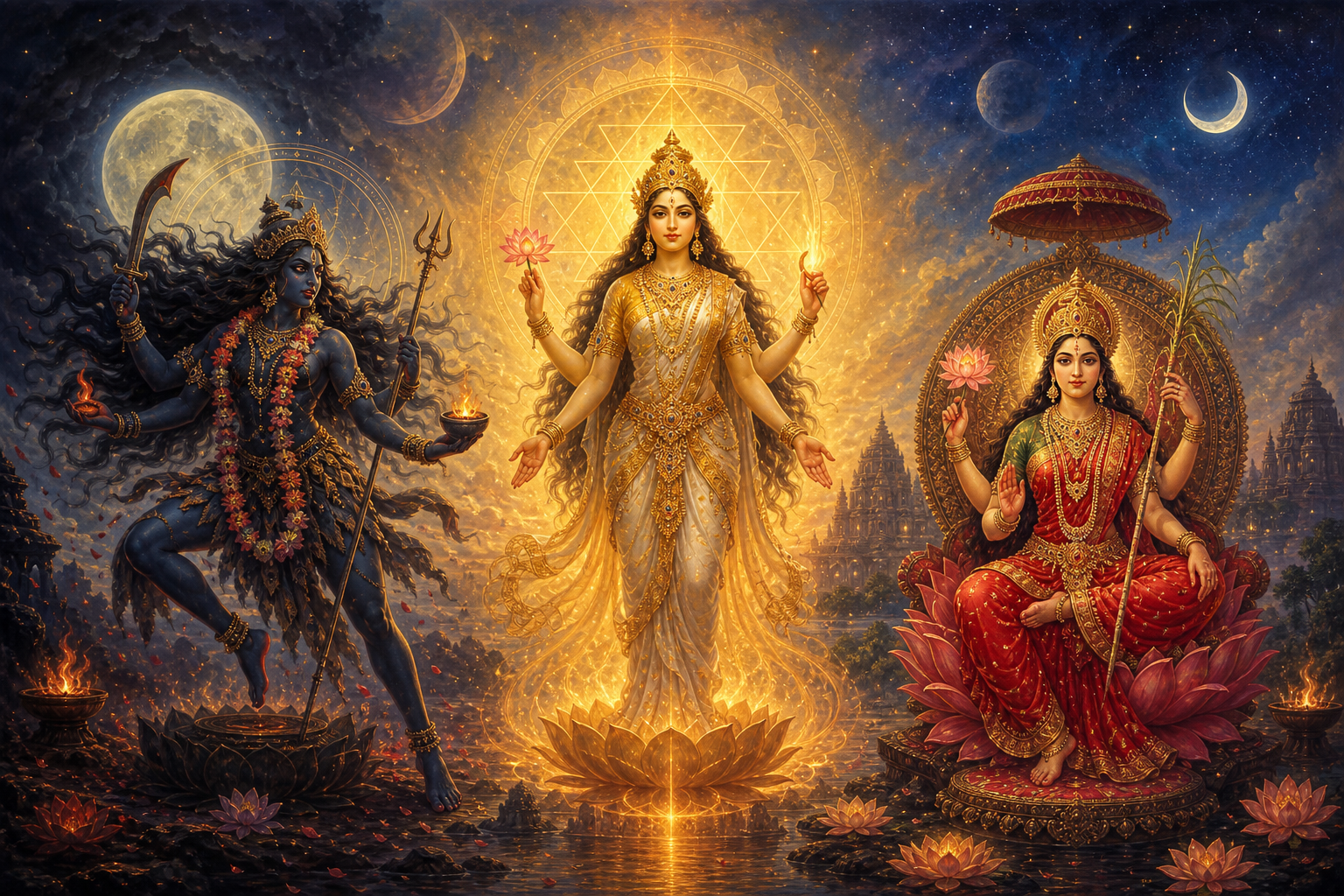
Shakti and Sacred Balance: What Hindu Scriptures Teach About True Gender Equality

Hindu scriptures present gender equality as a sacred metaphysical truth grounded in the unity of Shiva and Shakti, not as a modern concession. Vedic and Puranic sources—from the Devi Sukta to the image of Ardhanarishvara—affirm complementarity rather than hierarchy. Everyday practices like Navaratri and Saraswati puja translate these ideals into lived culture that honors women’s…
-
Jainism’s Proven Insights on Gender Equality: Discover an Anekantavada-Inspired Path to Liberation

This analysis examines the Jain view on gender-based inequality through the lenses of Ahimsa, Anekantavada, and the Chaturvidh Sangh, showing that spiritual equality is central to Jain ethics. It explains historical sectarian positions—Śvetāmbara affirmation of women’s capacity for liberation and classical Digambara constraints—while emphasizing that all souls share the same ultimate potential for moksha. Readers…
-
Complete, Evidence-Based Guide: Menstruation, Rituals, and Temple Access in Dharmic Traditions

This article offers a complete, evidence-based exploration of menstruation, religious rituals, and temple access across Hinduism, Buddhism, Jainism, and Sikhism. It clarifies the difference between historical ritual conditions and moral worth, showing that dharmic values do not stigmatize a natural biological process. Readers discover how inclusive, text-aware practices align with gender equality and spiritual dignity.…