
-
Havi das on Devotion Over Fame: Hare Krishna Bhakti vs. the Music Industry’s Allure

This interview presents how Havi das, a Hare Krishna (ISKCON) devotee, measures success by devotion rather than fame. He recounts washing Srila Prabhupada’s feet in Venezuela in 1975, a spiritual milestone that continues to guide ethical choices. From that foundation, he analyzes structural risks in the music industrymaster ownership, recoupment, cross-collateralization, 360 deals, and opaque…
-
Tata Ethical Fund Decoded: Sharia-compliant investing, facts vs myths, risks, and dharmic ethics

The ‘Tata Ethical Fund’ has invested for nearly three decades using a Sharia-compliant equity screen within India’s SEBI-regulated framework. This article explainsin clear, technical termswhat Sharia-compliant investing entails, how it differs from the colloquial idea of “halal certification,” and why such screens are neither extra-legal nor limited to any one community. It outlines the portfolio…
-
Nashik SIT Row over ‘Corporate Jihad’: Fact-Checking Claims, Protecting Women, and Fixing Compliance

The Nashik ‘Corporate Jihad’ row requires an evidence-led, survivor-centered response rather than rhetorical escalation. This long-form analysis separates allegations from legally cognizable offenses, explains how an SIT should proceed, and outlines the criminal and POSH frameworks that protect women at work. It details corporate duty of care across vendor ecosystems, from third-party risk management and…
-
Wealth as Sacred Trust: Dharmic Principles for Money, Integrity, and Inner Freedom

A dharmic view treats money as a sacred trust rather than a possession. Drawing on Hinduism, Buddhism, Jainism, and Sikhism, this analysis explains how wealth aligns with integrity through right livelihood, aparigraha, dāna, seva, and transparent stewardship. A practical framework translates principle into five arenasearning, spending, saving, investing, and givingeach tested by intent, impact, interdependence,…
-
Wealth, Karma, and Krishna: Evidence‑Based Dharmic Guidance to Earn, Spend, and Give with Peace

This long-form analysis explains how money reflects inner consciousness and how Krishna’s sanction, karma, and purushartha interact to shape financial outcomes. It integrates Hindu philosophy with Buddhist Right Livelihood, Jain aparigraha, and Sikh principles of kirat karo, vand chhako, and seva to offer a unified ethic. Drawing on Srila Prabhupada’s reminders about destiny and greed,…
-
Hidden Collagen in Costco Samples: An Urgent Call for Transparent, Faith-Respecting Practices
A December 2025 sampling incident at Costco in Lawrenceville, New Jersey, exposed a critical transparency gap: water samples containing bovine collagen were offered without clear ingredient disclosure. In sampling contextsunlike packaged purchasesshoppers cannot easily consult labels, heightening the risk of violating religious and ethical boundaries for Hindus, Jains, Buddhists, Sikhs, vegetarians, and vegans. This analysis…
-
Bhagavad Gita for Business and Startups: Dharma-Driven Strategies for Ethical, Resilient Growth

The Bhagavad Gita offers a rigorous, purpose-first framework for business development that integrates dharma, Karma Yoga, and Buddhi Yoga into daily leadership. It reframes performance as excellence in process rather than fixation on outcomes, strengthening clarity, resilience, and ethics. Decision-making improves through disciplined discernment, supported by mindfulness and reflective practice. Ethical businessrooted in ahimsabuilds trust,…
-
Unifying Threads in Dharmic Religions: A Contemporary Exploration
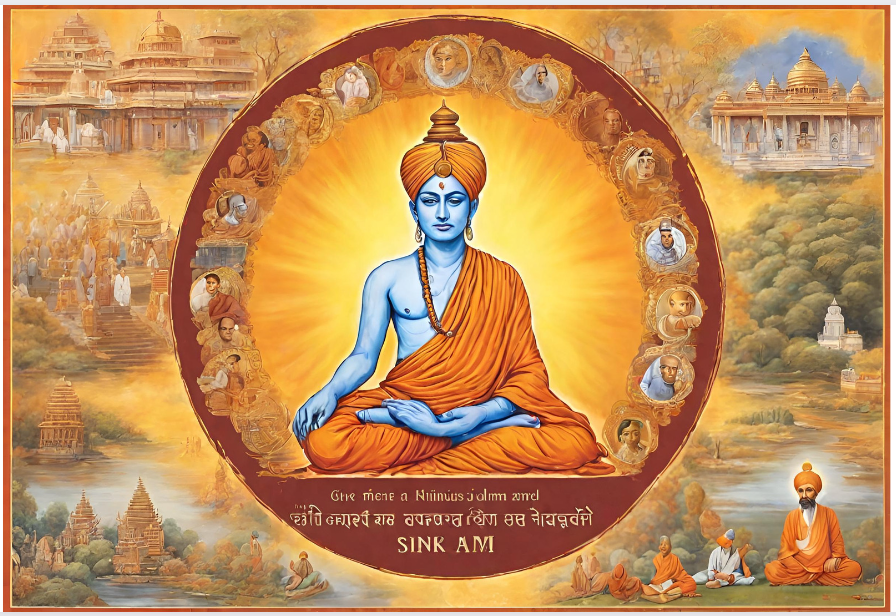
Explore the profound unifying threads that run through the Dharmic religions of Sanatana Dharma, Sikhism, Jainism, and Buddhism in this enlightening blog post. In a rapidly changing and interconnected world, these ancient traditions offer timeless wisdom and guiding principles that resonate with contemporary challenges and opportunities. From the central concept of “dharma” and the practice…