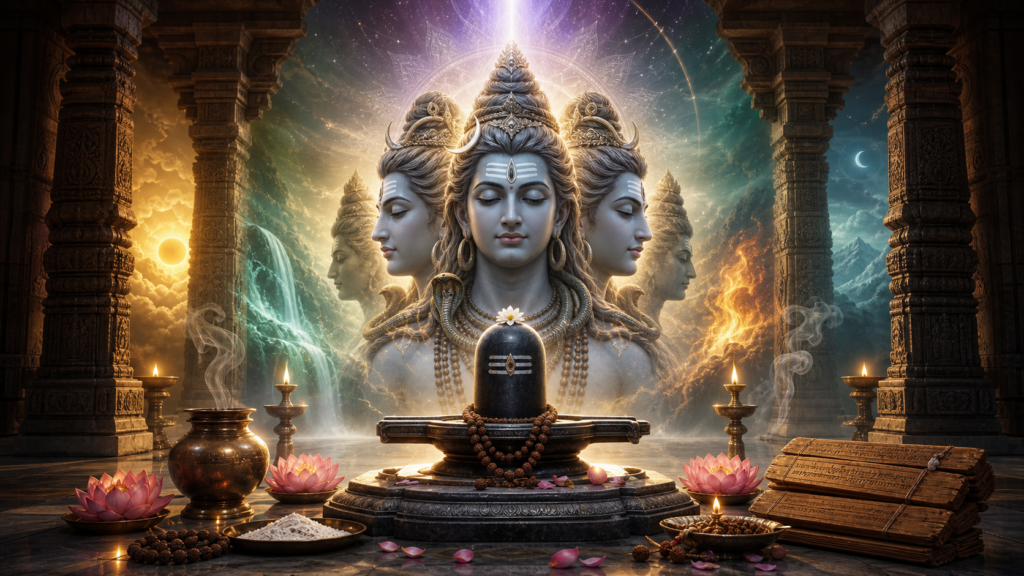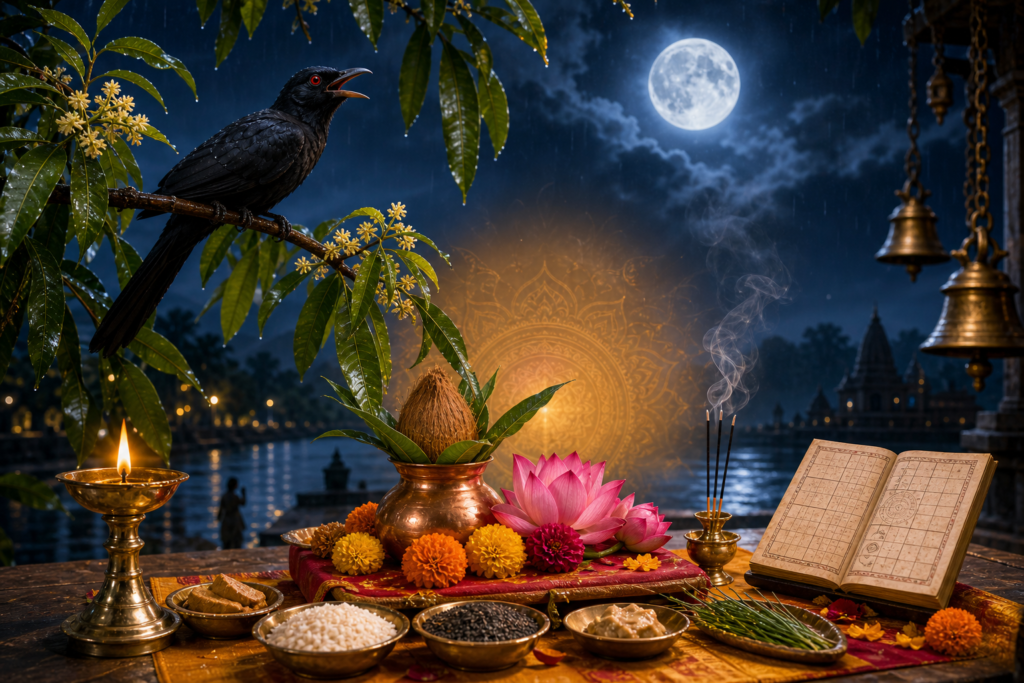
Shivashakti Raasa Leelaalso referred to as Sri ShivShakti Rasaliladesignates a devotional and philosophical motif in Shaiva and Shakta traditions that portrays the cosmic dance and embrace of Śiva and Śakti as an unceasing act of love, awareness, and creation. While Raasa Leela is popularly associated with Sri Krishna in the Vaishnava world, several temple narratives, performative lineages, and commentarial streams extend the aesthetic and theological language of rasa and līlā to the Śiva–Śakti dyad to highlight their inseparability and the experiential path of bhakti.
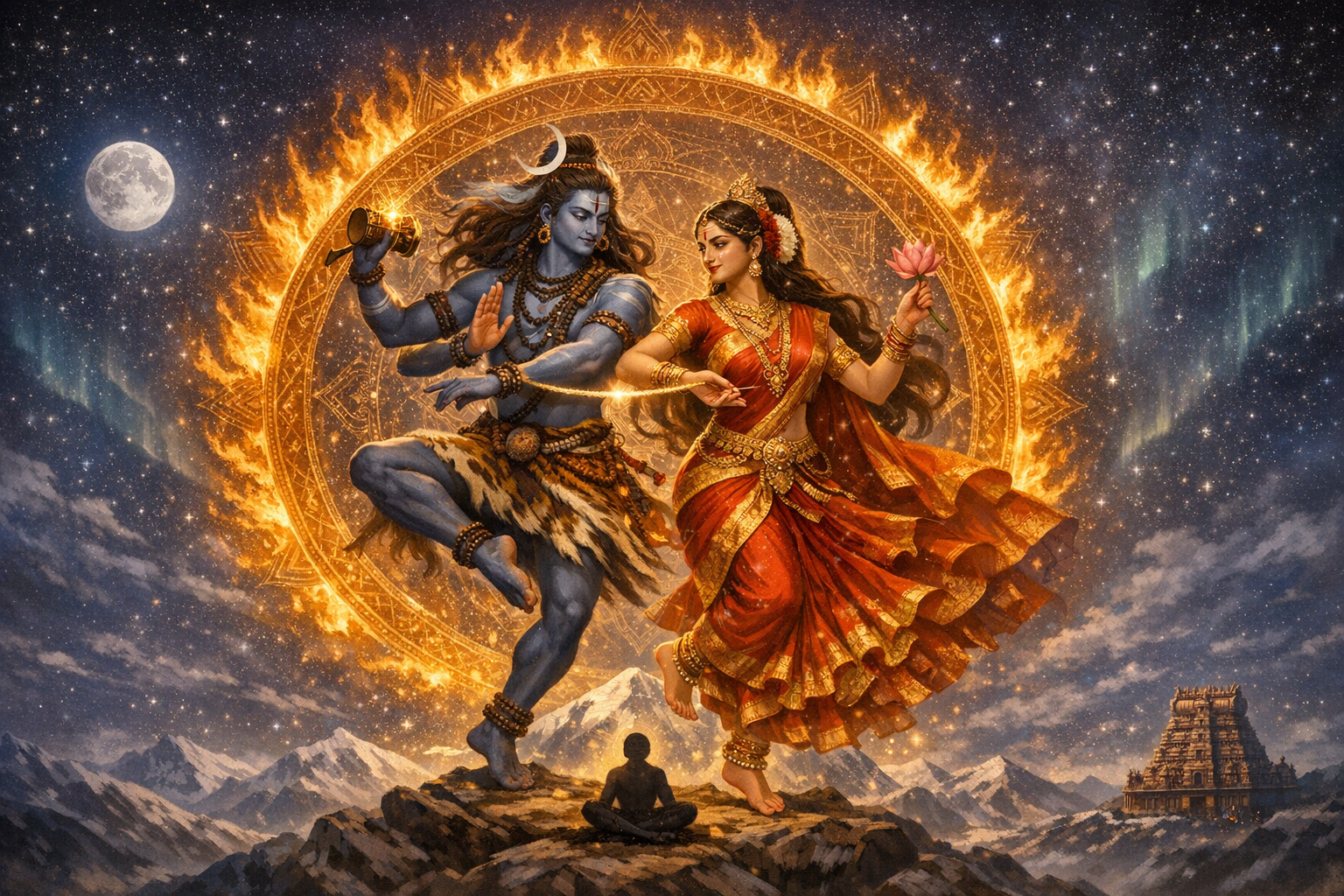
In these accounts, the divine performance unfolds daily upon Mount Kailāsa and within the sacred space of the devotee’s heart, where Śiva (pure consciousness, prakāśa) and Śakti (self-referential awareness, vimarśa) dance, embrace, and rest in mutual recognition. This dramaturgy renders metaphysics visible: the world is not a fall from divinity but a play (līlā) of consciousness pulsating as spanda (vibration). The language of Shivashakti Raasa Leela thus encodes a sophisticated non-dualism in vivid, embodied imagery.
Etymologically, rasa signifies aesthetic relish or distilled affect; līlā indicates effortless divine play. The Natyashastra, the Śaiva Āgamas, the Śiva Purāṇa, and medieval Tamil hymnody (Tēvāram, Tiruvācakam) furnish the vocabulary through which such performance is interpreted. Abhinavagupta’s Abhinavabhāratī and the aesthetics of Kashmir Shaivism connect rasa to camatkāra (wonder) and ānanda (bliss), suggesting that spiritual realization dawns as aesthetic savoring rather than as mere concept. In this hermeneutic, the devotee relishes consciousness relishing itselfrasa as direct, contemplative tasting.
Shaiva sources distinguish Tāṇḍavadynamic, rhythm-charged movementtraditionally associated with Śiva, and Lāsyagraceful, fluid expressionoften linked with Pārvatī. Schools enumerate multiple Tāṇḍavas, with Ānanda Tāṇḍava celebrated as the dance of joyous creation and liberation. In Shivashakti Raasa Leela, Tāṇḍava and Lāsya braid into a single cadence: vigor and tenderness, stillness and motion, transcendence and immanence, all co-arising without remainder.
Iconography encodes this synthesis. As Śiva Naṭarāja, the damaru beats cyclical time, the fire dissolves forms, one hand grants fearlessness, another indicates refuge at the raised foot, and Apasmaraignorancelies subdued beneath. The aureole of flames frames the cosmos in motion. The pañcakṛtyacreation, maintenance, dissolution, concealment, and graceunfold simultaneously in each measure of the dance; Śakti animates every act as the power of manifestation and return. In this view, the universe breathes to the damaru, and liberation ripens beneath the protective gesture of the dancing Lord.
Complementary images such as Somāskanda (Śiva, Umā, and Skanda) emphasize generative harmony, while Ardhanārīśvara fuses masculine and feminine halves into an indivisible body, teaching that ultimate reality is non-dual yet relational. Central to South Indian temple traditions, these iconographies inform choreographic vocabularies in Bharatanatyam and allied classical forms, where mudrā, abhinaya, and tāla translate metaphysics into movement.
Rasa theory situates devotional love (bhakti) within a rigorous affective science. Śṛṅgāra (relational love) sublimated into adhyātma becomes a vehicle toward advaya (non-dual) awareness; karuṇā (compassion), vīra (heroic resolve), and śānta (tranquil absorption) shape the pilgrim mind. In Shivashakti Raasa Leela, “rasa” is not mere sentiment; it names the relish of consciousness tasting itself as world and worshiper, a theme resonant with Vaishnava bhaktiincluding Vrindavan’s Raaswhile retaining a distinctly Shaiva metaphysics of spanda and prakāśa–vimarśa unity.
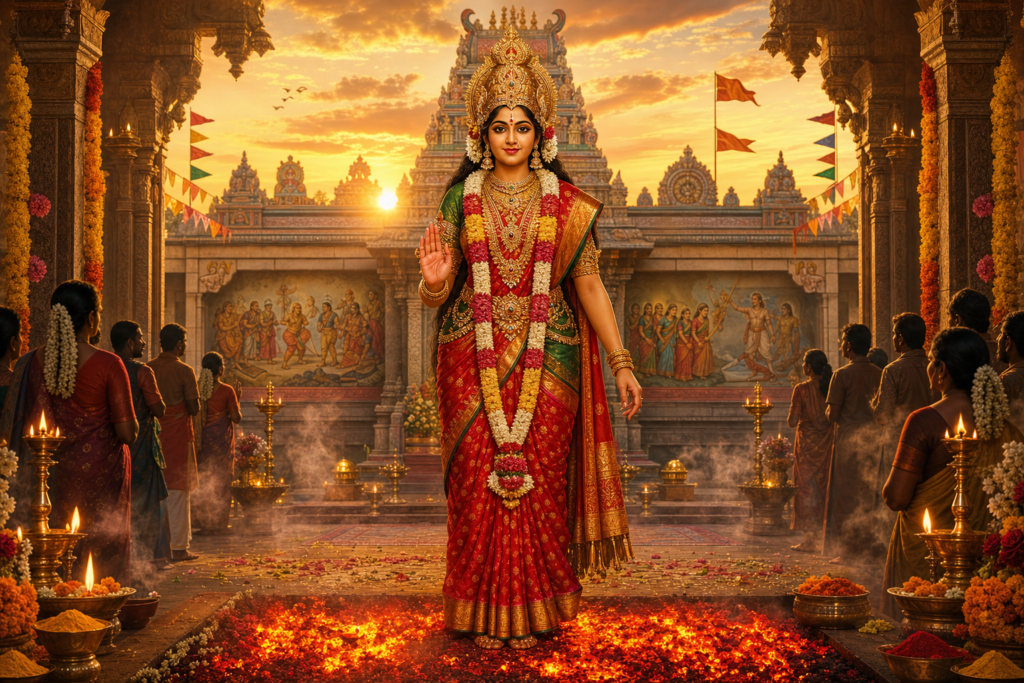
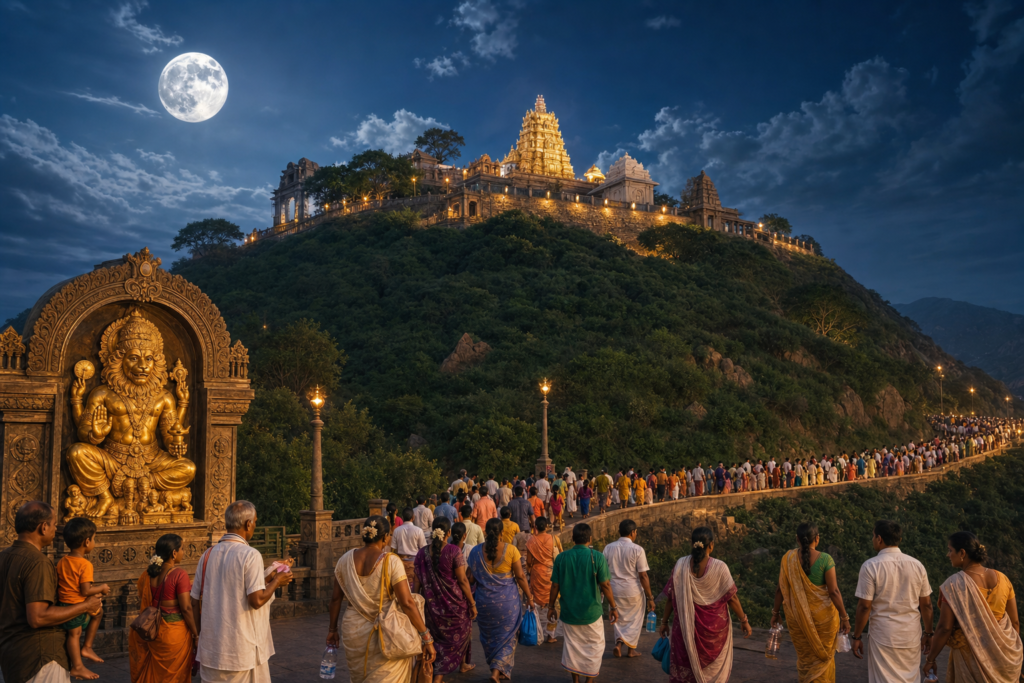
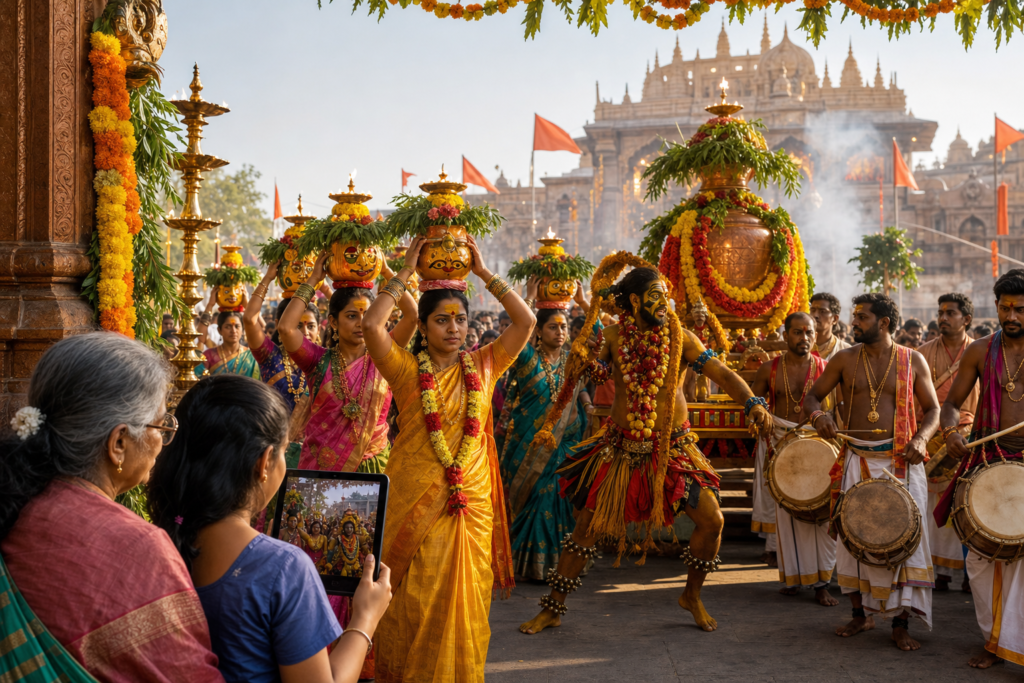
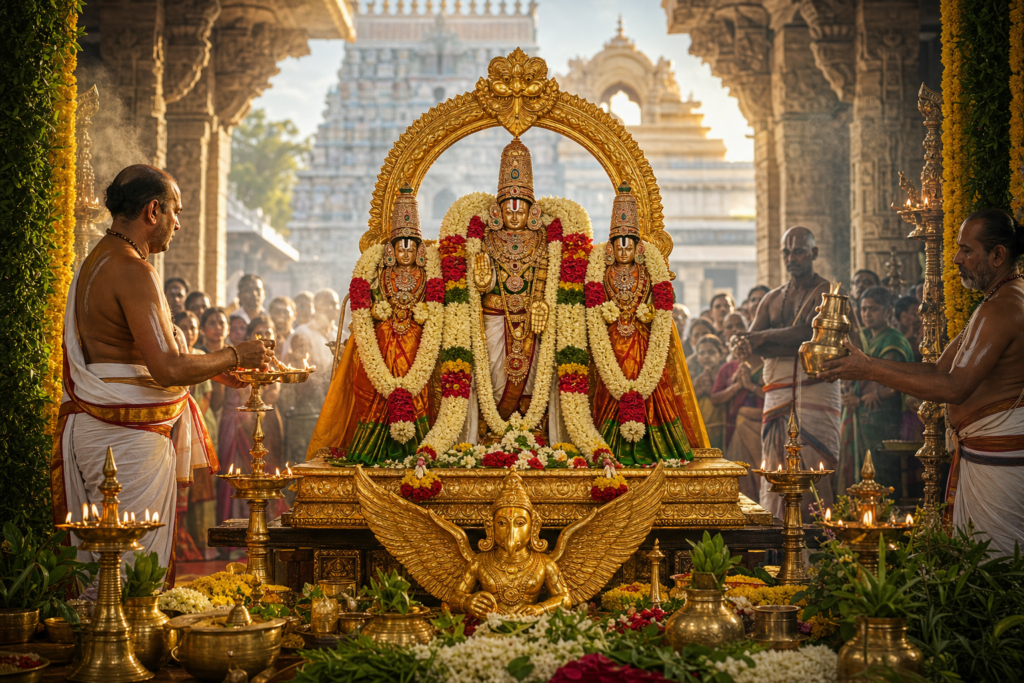
Sacred geography anchors the motif. Chidambaram venerates Naṭarāja and preserves the Chidambara Rahasyathe “mystery of the space within”while Himalayan lore locates the daily dance upon Mount Kailāsa. Observances such as Maha Shivaratri and Arudra Darsanam (also written Arudra Darśanam, Tiruvādirai) align communal worship with the revelation of the dance; abhiṣekam, deepa ārādhana, and processions frame the experience as shared rasa. Temple courtyards often become living classrooms where scripture, music, and movement merge into accessible, transformative pedagogy.
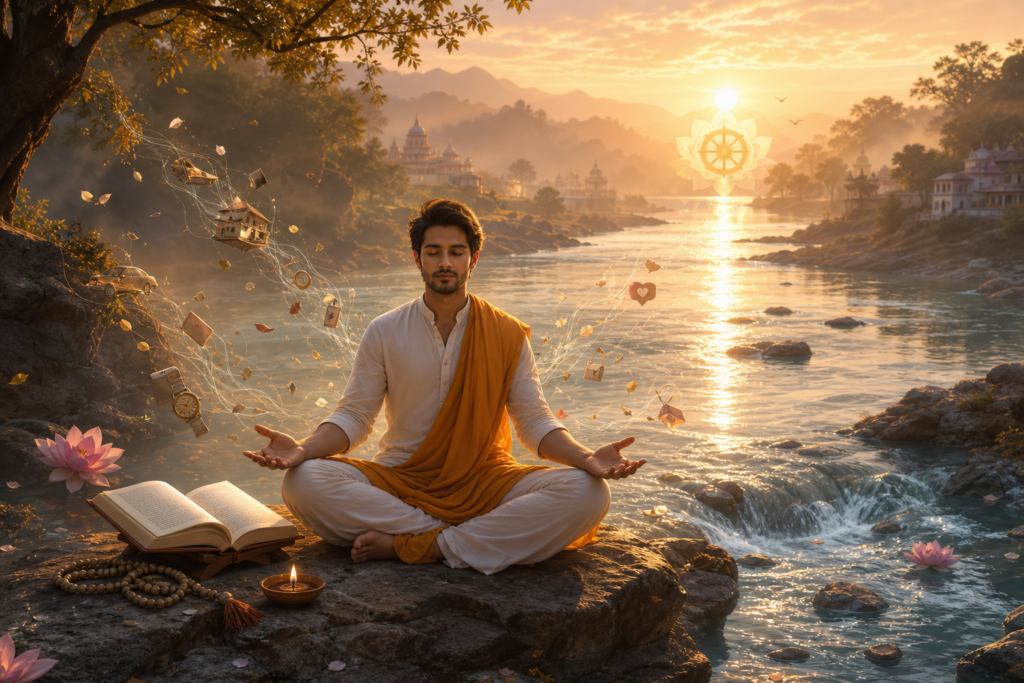
Yoga maps the same union onto the subtle body: Kuṇḍalinī-Śakti ascends through suṣumṇā, harmonizing iḍā and piṅgalā; at anāhata the devotee frequently first registers rasānanda as devotional tenderness, while at sahasrāra polarity relaxes into unitary awareness of Śiva. Breathwork (prāṇāyāma), mantra-japa, and meditative nāda attunement cultivate the inner stage on which dance and embrace are directly felt. In this experiential grammar, inner stillness and outer action cease to be opposites; both become choreography.
Performing arts translate doctrine into embodiment. Bharatanatyam, Kuchipudi, Odissi, Kathakali, and Chhau use tāla, rāga, and abhinaya to narrate Śiva–Śakti episodes; repertoire items (varṇams, padams) frequently draw upon Tāṇḍava–Lāsya interplay. Devotees and artists alike often note that even a mindful circumambulation synchronized with breath can awaken a gentle lāsya in the heart, making daily life a corridor for Shivashakti Raasa Leela.
Across dharmic traditions, the motif of complementary unities appears in diverse idioms. Vaishnava narratives of Sri Krishna’s Rāsa Līlā unfold bhakti-rasa in pastoral time; Vajrayāna Buddhism conveys the inseparability of compassion and wisdom through yab-yum symbolism and the doctrine of upāya–prajñā; Jain anekāntavāda cautions against one-sided views and invites many-angled understanding; Sikh teachings on Ik Onkar and the primacy of Śabad (sacred sound) affirm a vibrating unity at the heart of existence. These parallels do not erase doctrinal distinctiveness; they highlight a shared civilizational intuition of unity-in-diversity and encourage mutual reverence among Hindus, Buddhists, Jains, and Sikhs.
Historically, the expression “Raasa Leela” is most closely tied to Krishna bhakti. Applying the term to Śiva–Śakti operates as a hermeneutic bridge employed in certain temple discourses, regional storytelling, and modern pedagogy to communicate the aesthetic and devotional dimensions of Shaiva metaphysics. This usage is comparative and poetic rather than a claim of identical textual provenance, maintaining fidelity to each lineage while fostering inter-sect harmony.
Practically, three converging disciplines make the motif livable: śravaṇastudy of sources such as the Śiva Purāṇa, Tirumantiram, and select Śaiva Āgamas; kīrtana and nr̥tyasacralized music and movement that allow rasa to ripen; and nididhyāsanasilent contemplation where witness and witnessed reconcile. In this integrated path, the “daily dance at Kailāsa” becomes the daily steadiness of ethical action, compassion, and clarity. Community festivals and sabhā performances reinforce these practices, rooting high metaphysics in accessible, collective joy.
Read in this inclusive frame, Shivashakti Raasa Leela serves as a contemplative key for devotees, artists, and scholars alike: an ever-present choreography in which consciousness and energy meetsometimes as thunder, sometimes as lullabysustaining the cosmos and the human quest for mokṣa with equal grace. The result is a vision at once academically robust and pastorally nourishing, aligned with the dharmic commitment to unity in diversity.
Inspired by this post on Hindu Pad.