
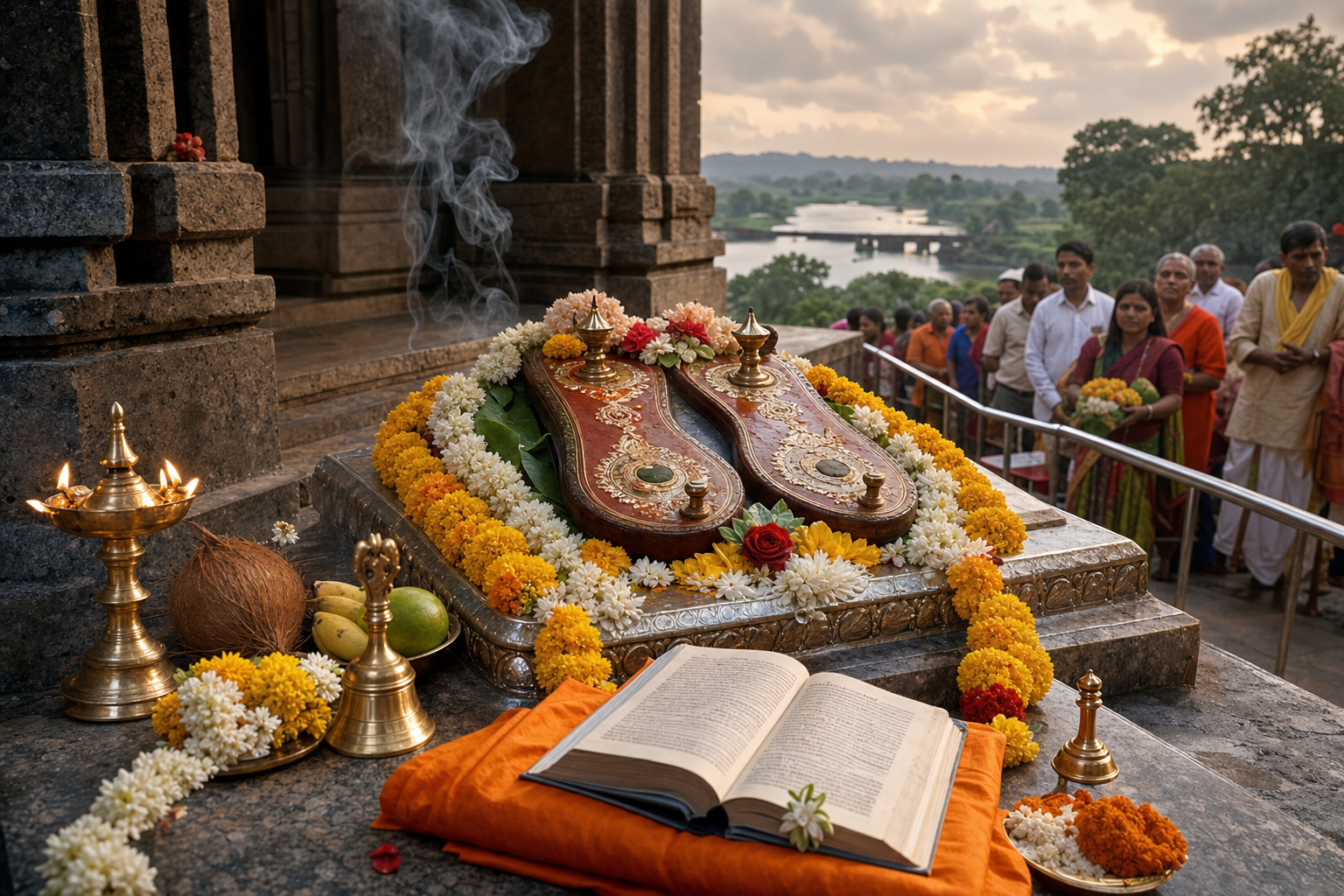
Guru Purnima 2026 at Gangapur Dattatreya Temple, also called Deval Gangapur or Devala Ganagapur, is observed as one of the most important annual occasions in the Datta Sampradaya. In 2026, Guru Purnima falls on Wednesday, July 29, on the full moon day of Ashada, also written as Ashadha. The day is traditionally known as Vyasa Purnima because it is associated with Maharishi Veda Vyasa, the great arranger of the Vedas and the revered composer connected with the Mahabharata and Puranic tradition.
At Gangapur, the festival is not treated only as a calendar observance. It becomes a concentrated expression of gratitude toward Guru, Guru Parampara, and the living discipline of spiritual learning. Devotees gather for Datta Paduka darshan, Guru Puja, parayana, bhajans, pradakshina, seva, and remembrance of Shri Narasimha Saraswati, whose presence gives the kshetra its distinctive authority in the Dattatreya tradition.
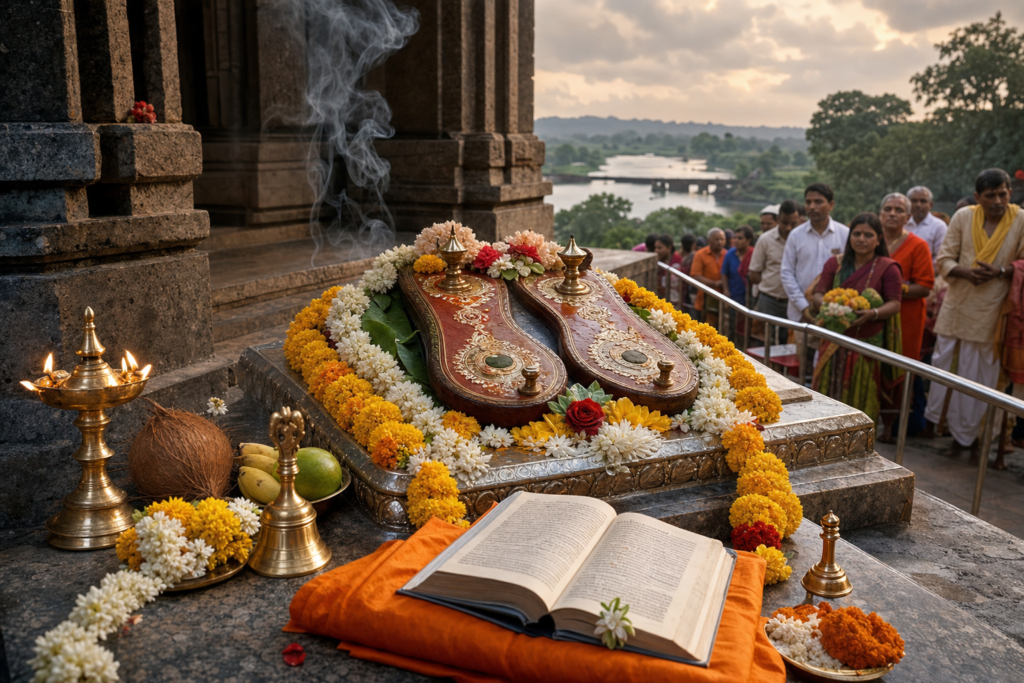
The temple town is located in Afzalpur taluk of Kalaburagi district in Karnataka, and it draws pilgrims from Karnataka, Maharashtra, Telangana, Andhra Pradesh, and many other regions. Its importance rests on the worship of the Nirguna Paduka, the sacred sandals associated with Shri Narasimha Saraswati. These Padukas are not merely ritual objects; they represent the Guru’s feet, the symbolic point where humility, surrender, knowledge, discipline, and grace meet.
In the Hindu understanding of Guru Purnima, the word Guru carries a technical and spiritual meaning. A Guru is not only an instructor who transfers information but a guide who removes ignorance, stabilizes conduct, and directs the disciple toward dharma and self-knowledge. This distinction is essential in the Gangapur context because the temple tradition emphasizes not spectacle but disciplined remembrance, Guru-bhakti, and the continuity of knowledge through Parampara.
The 2026 date has particular practical importance for pilgrims because the Purnima Tithi extends across July 28 and July 29 in Indian time reckoning, with the observance falling on July 29 by the usual sunrise-based festival rule. Since tithi calculations are location-sensitive and temple schedules can differ from printed panchang listings, devotees planning a journey to Gangapur should confirm the final timings of darshan, special puja, and queue arrangements with local temple sources before travel.
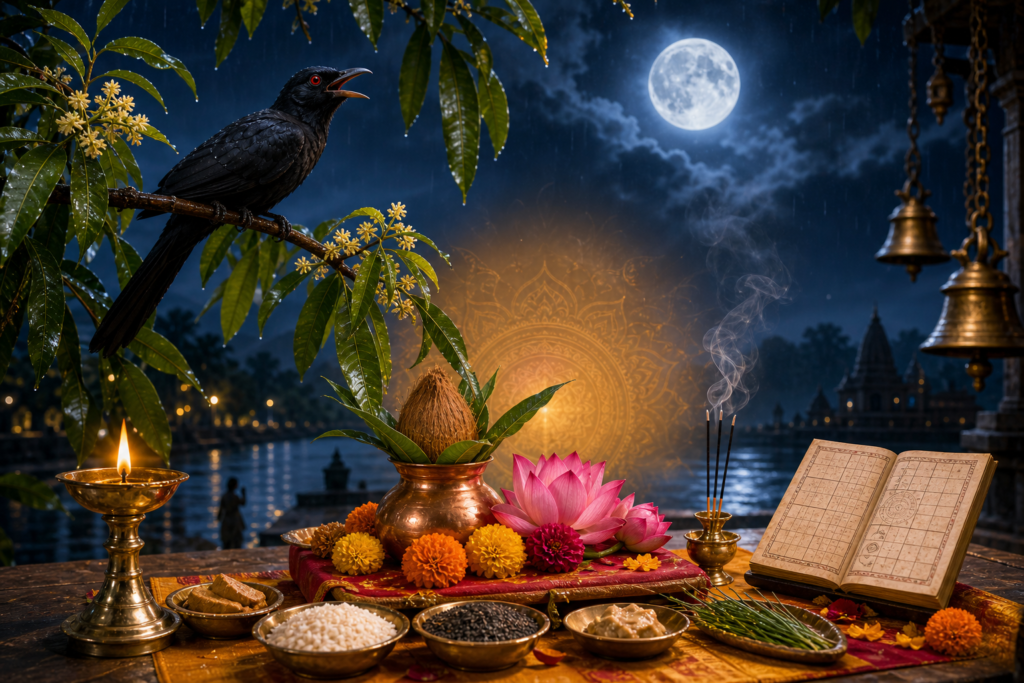
Ashada Purnima is an especially meaningful point in the Hindu lunar calendar. Ashada comes with the arrival of the monsoon mood, a period traditionally linked with inwardness, restraint, study, and renewed discipline. Chaturmasya, the four-month rainy-season period of spiritual observance for many ascetics and householders, begins around this sacred seasonal transition. Guru Purnima therefore functions as a threshold: the seeker remembers the Guru and then enters a period suited to steadier sadhana.
Gangapur’s sanctity is deeply connected with the life and memory of Shri Narasimha Saraswati, regarded in the Datta tradition as an incarnation of Lord Dattatreya. The Shri Guru Charitra, a central text for many Datta devotees, narrates the spiritual importance of the Guru principle through stories, teachings, miracles, and ethical instruction. Within this devotional universe, Gangapur is remembered as a primary abode where the Guru’s presence continues through Paduka worship and daily ritual life.
Lord Dattatreya himself occupies a unique place in Hindu spirituality. He is widely revered as a form that integrates the principles of Brahma, Vishnu, and Shiva, while also standing as the eternal Avadhuta Guru who learns from the whole universe. This makes Dattatreya worship especially suited to Guru Purnima, because the festival honors not only one historical teacher but the very principle by which wisdom appears in human life, scripture, nature, silence, and disciplined practice.
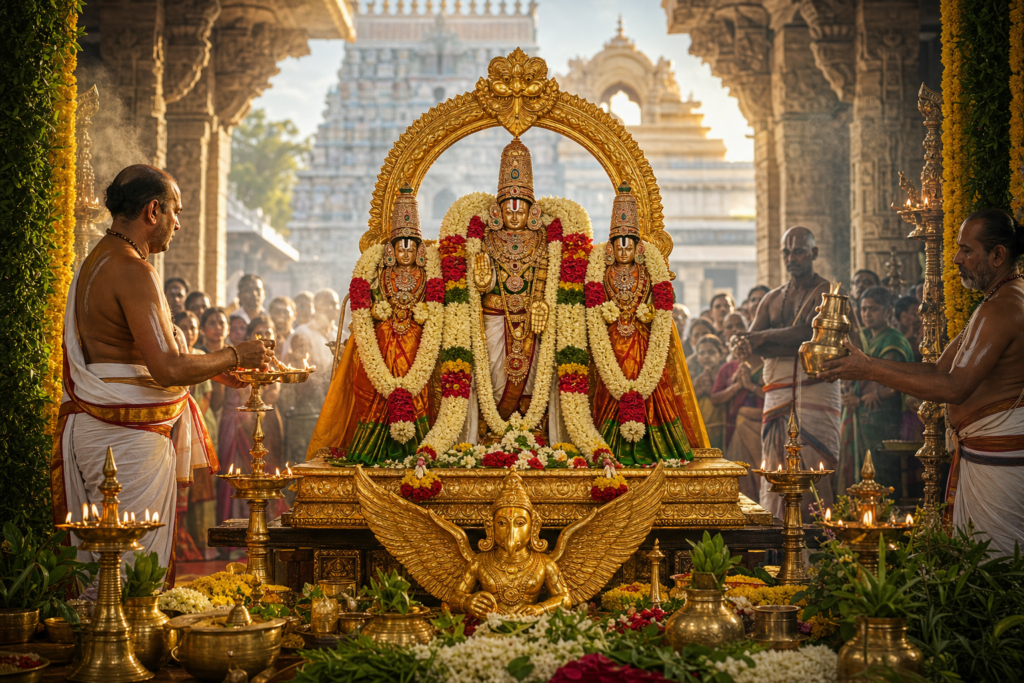
The main act of devotion at Gangapur is Datta Paduka darshan. Paduka worship has a refined theological meaning: the feet of the Guru symbolize the foundation on which the disciple stands. Bowing before the Padukas expresses the recognition that spiritual progress does not begin with pride or argument, but with receptivity. In that gesture, the pilgrim accepts that knowledge must be lived, not merely admired.
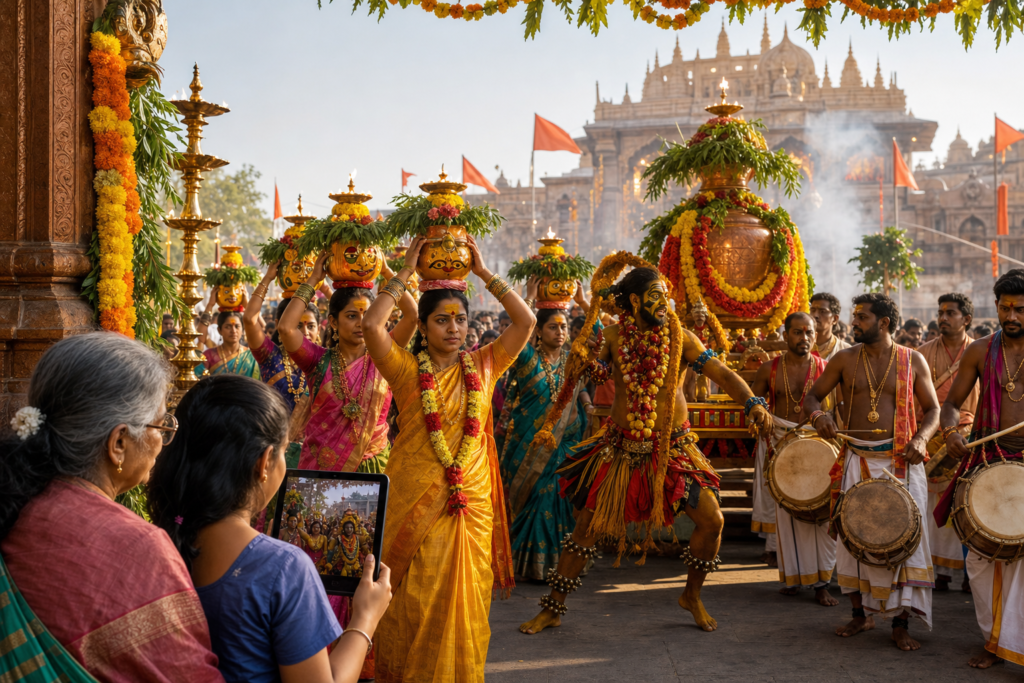
On Guru Purnima, devotees commonly perform or witness Guru Puja, offer flowers, coconut, fruits, vastra, dakshina, and other traditional items, and participate in collective chanting. Many devotees undertake Shri Guru Charitra parayana, recite Datta mantras, remember their own living or departed teachers, and offer prayers for clarity, humility, and righteous living. The festival has an emotional intensity because almost every family carries some memory of a teacher, parent, elder, saint, acharya, or guide who shaped its inner life.
The Bhima-Amarja Sangam is another central element of the Gangapur pilgrimage. Pilgrims traditionally visit the confluence for snana and prayer before or after temple darshan. The Sangam represents purification, convergence, and renewal. In a technical ritual sense, bathing at a tirtha marks a transition from ordinary mental agitation to sacred attention. In a cultural sense, it reminds the devotee that dharmic life flows through many streams while still seeking unity.
The wider pilgrimage circuit includes places such as the Audumber tree, Ashta Tirthas, Kalleshwar, and other local sacred points associated with the Gangapur tradition. These places should not be approached as isolated tourist stops. They form a sacred geography in which memory, text, oral tradition, ritual practice, and local community life are interwoven. The pilgrim who moves through them slowly often understands Gangapur better than one who rushes only for a brief darshan.
Guru Purnima also carries an important inter-dharmic dimension. Hindu traditions honor Veda Vyasa, the Guru Parampara, Shiva as Adi Guru in yogic lineages, and countless sampradaya acharyas. Buddhist communities connect the day with the Buddha’s first sermon at Sarnath and with the rainy-season discipline of Vassa. Jain traditions preserve profound reverence for Tirthankaras, acharyas, upadhyayas, and sadhus who transmit right knowledge and conduct. Sikh tradition gives the highest reverence to the Guru principle through the lineage of the Gurus and the Guru Granth Sahib. Seen through this broader lens, Guru Purnima strengthens unity among dharmic traditions by honoring wisdom, discipline, compassion, and transmission.
This inclusive understanding is especially important for contemporary readers. Guru Purnima should not be reduced to sectarian identity or competitive claims. The deeper lesson is that every dharmic tradition recognizes the need for guidance, self-correction, and disciplined learning. The Guru may be encountered as a person, scripture, lineage, awakened conscience, or sacred example, but the ethical demand remains the same: knowledge must make the seeker more truthful, compassionate, restrained, and useful to society.
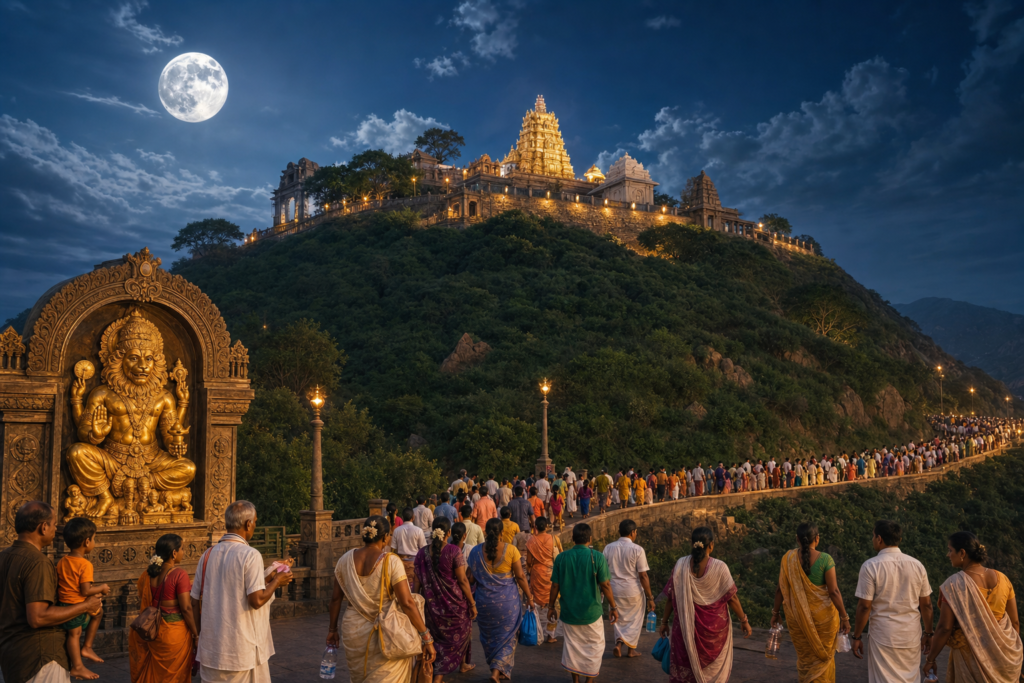
For pilgrims visiting Gangapur in 2026, preparation should be practical as well as devotional. Guru Purnima normally brings heavy crowds, long queues, pressure on transport, and limited accommodation. Elderly pilgrims, children, and those with health conditions should plan with care, carry water and necessary medicines, avoid unnecessary valuables, and allow extra time for darshan. Those traveling by train or road through Kalaburagi should book early and keep a flexible schedule.
Cleanliness is also part of pilgrimage dharma. A sacred town becomes truly sacred when devotees protect its rivers, streets, temple premises, and shared spaces. Pilgrims should avoid littering, discarding clothes at riverbanks, using plastic irresponsibly, or treating the Sangam as a dumping place. The offering most needed at many modern pilgrimage centers is not only flowers or money, but disciplined civic behavior that preserves the sanctity of the kshetra for future generations.
In the academic study of Hindu festivals, Guru Purnima is best understood as a festival of transmission. Unlike many observances centered primarily on prosperity, protection, or seasonal celebration, Guru Purnima is centered on knowledge and gratitude. It asks the disciple to remember the sources of learning and to renew personal commitment to practice. At Gangapur, that renewal takes the visible form of Paduka worship, Sangam snana, Guru Charitra recitation, and participation in the Datta Sampradaya’s living ritual culture.
The emotional force of the day lies in its simplicity. Almost every person has received guidance from someone: a parent who taught restraint, a teacher who opened a text, a saint who offered a mantra, a friend who corrected a mistake, or a tradition that gave language to suffering and hope. Guru Purnima gives that gratitude a sacred form. At Gangapur, this gratitude is intensified by the presence of the Nirguna Paduka, where the unseen Guru is approached through a visible symbol.
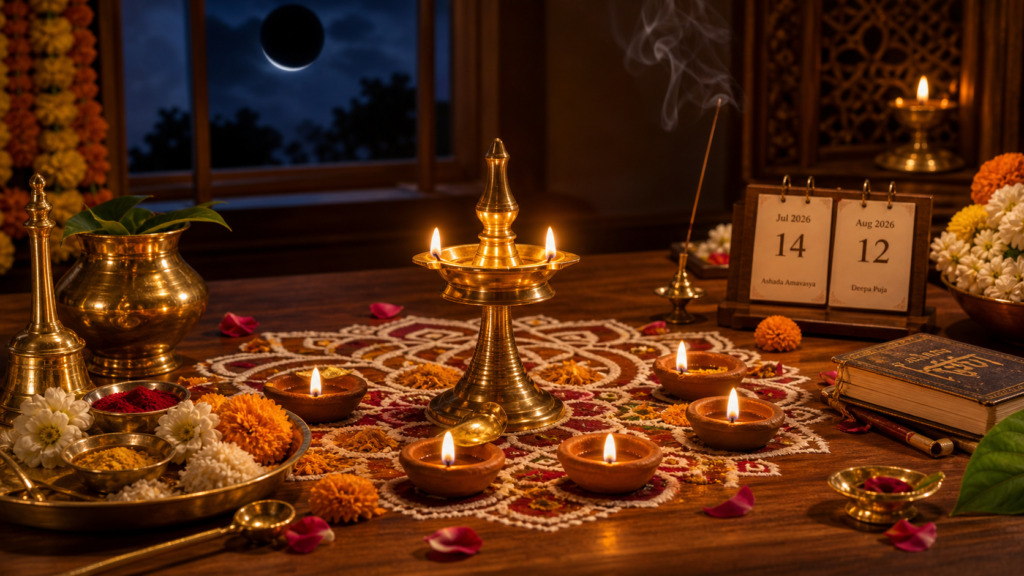
For householders, the day can be observed even without travel. A simple home observance may include cleaning the prayer space, lighting a lamp, remembering one’s Guru Parampara, reading a portion of Shri Guru Charitra or another revered text, offering food in gratitude, feeding others where possible, and resolving to correct one personal weakness. Such observance reflects the true meaning of the festival because Guru-bhakti is incomplete without ethical transformation.
For students and younger readers, Guru Purnima offers a corrective to a culture that often confuses information with wisdom. Digital access can provide facts, but a Guru teaches discrimination, discipline, and right application. The Guru-shishya tradition does not reject inquiry; it refines inquiry by adding humility, responsibility, and continuity. That is why Vyasa Purnima remains relevant in an age of rapid knowledge but fragile attention.
For the Datta devotee, Gangapur on Guru Purnima is a reminder that the Guru is both compassionate and demanding. The sacred Padukas invite surrender, but they also ask for steadiness in conduct. The Sangam invites purification, but it also asks the pilgrim not to pollute. The festival invites devotion, but it also asks for discipline. This balance of grace and responsibility is what gives the Gangapur Dattatreya Temple its enduring spiritual power.
Guru Purnima 2026 in Gangapur should therefore be approached as more than a festival date. It is an opportunity to honor Veda Vyasa, Lord Dattatreya, Shri Narasimha Saraswati, Guru Parampara, and all teachers who sustain dharmic civilization. Whether one stands in the temple queue, sits near the Bhima-Amarja Sangam, recites Shri Guru Charitra at home, or silently remembers a teacher who changed the course of life, the essence remains the same: gratitude becomes meaningful when it matures into wisdom, humility, and service.
Inspired by this post on Hindu Pad.


Leave a Reply
You must be logged in to post a comment.