
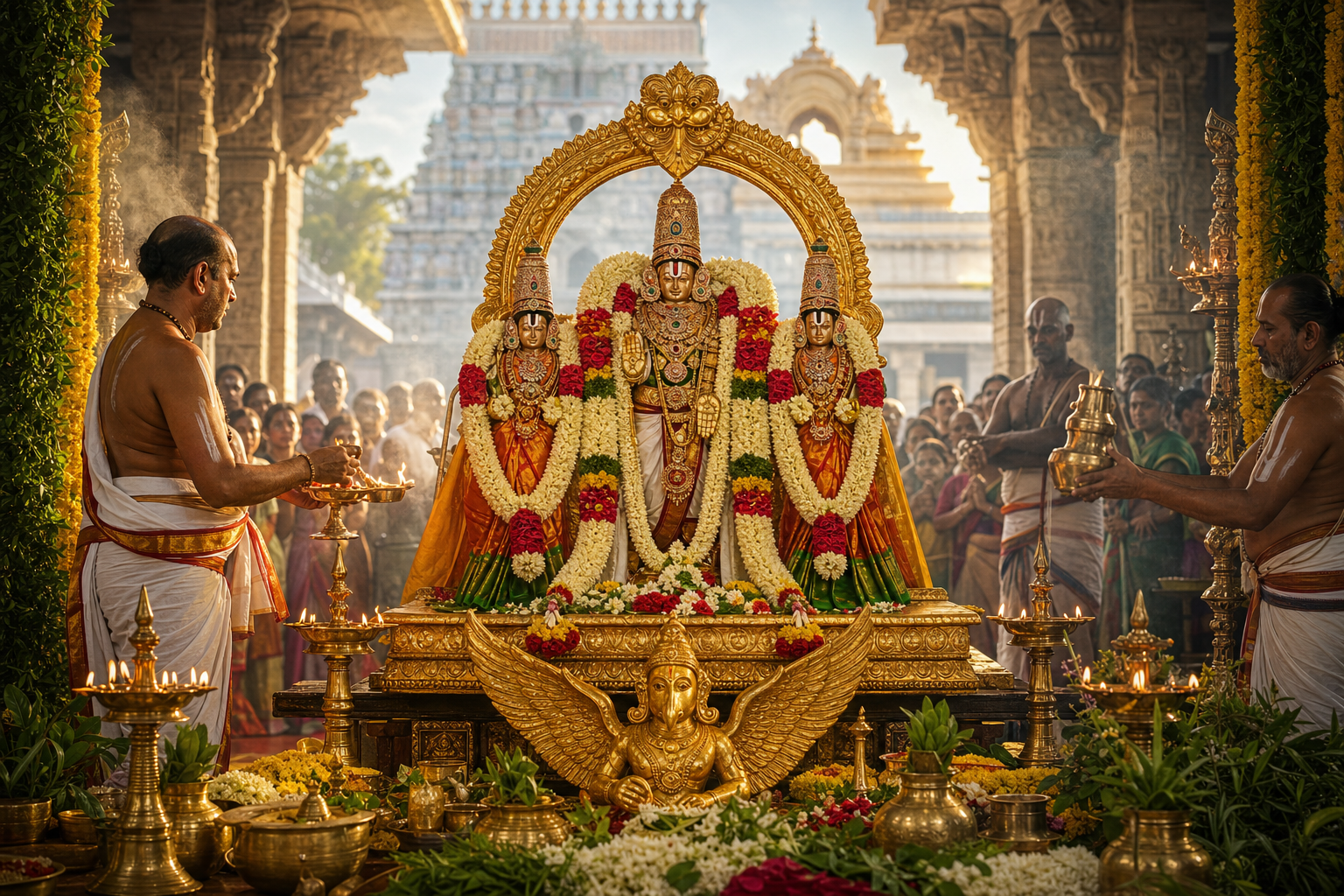
Sri Sundararaja Swamy Avatarotsavams at Tiruchanoor will be observed from July 5 to July 7, 2026, at the Sri Sundararaja Swamy Temple situated within the sacred complex of Sri Padmavathi Ammavari Temple. The festival is a three-day temple observance centered on Sri Sundararaja Swamy, a revered form associated with Lord Vishnu, and it brings together daily worship, ceremonial bathing, processional traditions, and the devotional rhythm that defines the temple culture of Tiruchanoor.
The available temple notice identifies the celebration as an annual Avatarotsavam, meaning a festival connected with the manifestation or sacred appearance of the deity. In Vaishnava temple tradition, such festivals are not merely commemorative events; they are ritual renewals through which the deity’s presence is honored in public, liturgical, and community-centered forms. For devotees, the three days become an opportunity to experience darshan, listen to sacred recitations, witness abhishekam, and participate in a shared atmosphere of bhakti.
Every morning during the Sundararaja Swamy Avatarotsavams, the temple schedule includes Suprabhatham, Sahasranamarchana, and Nityarchana. Suprabhatham is the devotional awakening of the deity and marks the beginning of the day’s worship with reverence and poetic praise. Sahasranamarchana, the offering of worship through a thousand names, reflects the theological depth of Hindu ritual practice, where each name becomes a meditation on divine qualities. Nityarchana, the daily worship, maintains continuity between the ordinary temple calendar and the intensified sacred time of the festival.
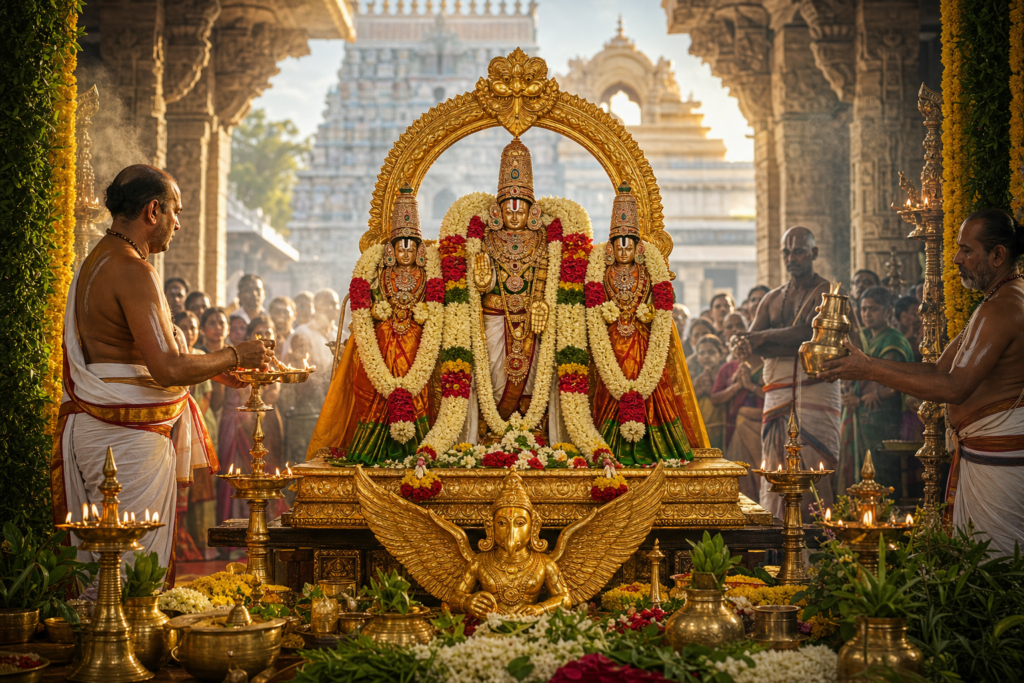
A central ritual of the festival is the abhishekam performed to the processional deities of Sri Sundararaja Swamy along with Sridevi and Bhudevi. In Vaishnava iconography, Sridevi and Bhudevi represent divine grace, abundance, compassion, and sustaining power. Their presence beside the Lord is not decorative; it expresses a deeply integrated theological vision in which preservation, prosperity, and the welfare of the world are understood as inseparable aspects of the divine order.
Abhishekam has both ritual and symbolic significance. The ceremonial bathing of the utsava murtis, or processional deities, uses sacred substances according to temple tradition and is accompanied by mantras, music, and priestly discipline. The act signifies purification, consecration, and loving service. Even for observers unfamiliar with the technical structure of Agamic worship, abhishekam often creates an immediate emotional connection because it presents devotion as care, attention, and hospitality offered to the divine.
The Tiruchanoor context makes the festival especially significant. Sri Padmavathi Ammavari Temple is one of the most important pilgrimage centers associated with Tirupati and the wider sacred geography of Tirumala Tirupati Devasthanam. Within this devotional landscape, the Sri Sundararaja Swamy shrine preserves a distinct Vaishnava presence while remaining closely connected with the worship of Goddess Padmavathi. This relationship reflects the broader Hindu temple tradition in which multiple shrines within a single sacred complex sustain a unified spiritual experience.
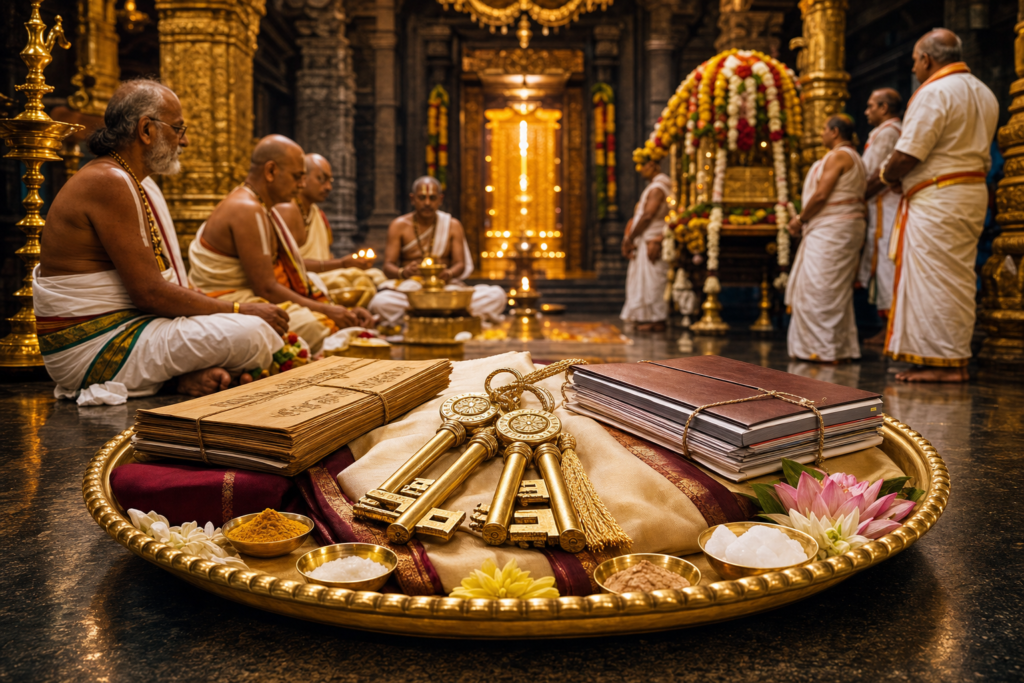
Earlier descriptions of the festival note that Sundararaja Swamy Avatarotsavams have long been associated with the Tiruchanoor temple tradition and are observed with special pujas, abhishekam, and processional worship. The festival has also been described as connected with the older ritual history of the shrine, including observances that developed during the period of Mahants. Such continuity is important because temple festivals often function as living archives, preserving memory through practice rather than through written record alone.
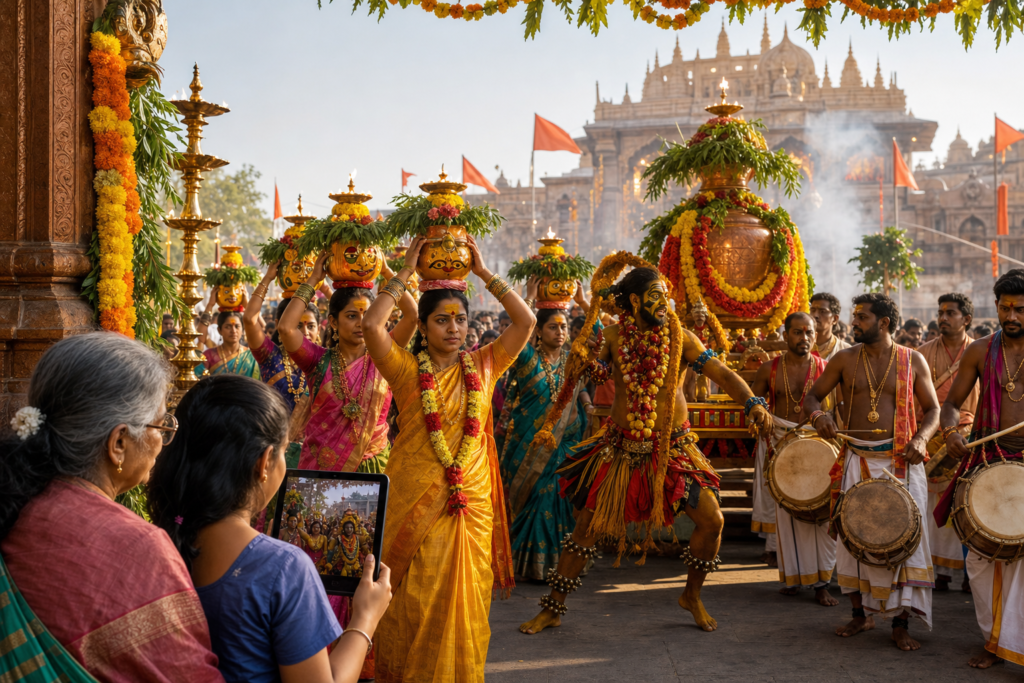
Processional worship is one of the most visible dimensions of South Indian temple culture. When the deity is brought out in procession, the sacred presence moves from the sanctum into the shared public space of the temple streets. This movement carries theological meaning: the divine is not confined to the inner shrine but is made accessible to the community. In earlier festival patterns at Tiruchanoor, vahana processions such as Peddasesha Vahanam, Hanumantha Vahanam, and Garuda Vahanam have been associated with the celebration, each vehicle carrying a symbolic meaning within Vaishnava devotion.
Garuda, the eagle mount of Lord Vishnu, represents alert devotion, strength, and the power of divine service. Hanumantha Vahanam evokes humility, courage, and unwavering dedication. Peddasesha Vahanam, associated with the great serpent, recalls the cosmic imagery of Adisesha and the eternal support of the divine. These ritual vehicles are not simply ceremonial platforms; they are theological symbols that allow devotees to contemplate different dimensions of divine protection, service, and cosmic order.
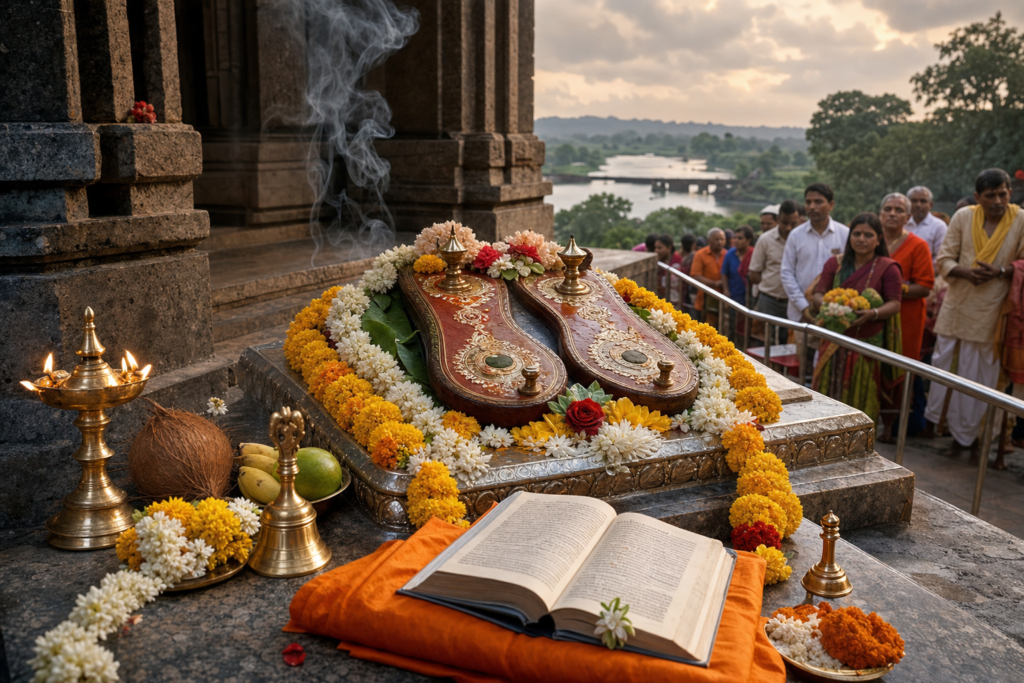
The festival also demonstrates the disciplined architecture of Hindu ritual time. The observance lasts for three days, but each day is structured through recurring acts of worship: awakening, naming, offering, bathing, decoration, darshan, and procession. This sequence gives devotees a rhythm through which devotion becomes embodied. One does not only think about faith during such a festival; one hears it in chanting, sees it in alankaram, smells it in flowers and incense, and experiences it through the collective movement of the temple community.
From an academic perspective, Sundararaja Swamy Avatarotsavams also reveal how temple festivals support cultural continuity. Priests preserve liturgical knowledge through practice, devotees transmit memory across generations, and local communities organize themselves around sacred calendars. Such festivals remain important not only as acts of worship but also as social institutions. They sustain music, Sanskrit and Telugu devotional vocabulary, ritual craftsmanship, temple administration, pilgrimage movement, and shared ethical life.
The emotional power of this festival lies in its balance of intimacy and grandeur. Morning rituals such as Suprabhatham and Nityarchana feel close and contemplative, while abhishekam and processional worship create a more public devotional atmosphere. Many devotees experience this combination as the essence of temple life: the deity is approached with personal reverence, yet worship is never only private. It is also communal, intergenerational, and rooted in dharmic continuity.
The presence of Sridevi and Bhudevi alongside Sri Sundararaja Swamy carries a message that is especially relevant to the wider dharmic vision of harmony. The divine is approached through relationship, complementarity, and balance. This framework naturally supports unity among Hindu traditions and also resonates with the broader dharmic respect for disciplined practice, compassion, truth, and liberation found across Hinduism, Buddhism, Jainism, and Sikhism. The festival can therefore be appreciated not only as a local Vaishnava celebration but also as part of India’s wider spiritual heritage.
For pilgrims planning to visit Tiruchanoor during July 5-7, 2026, the most important practical point is that the festival mornings are expected to carry the core liturgical observances. Visitors should plan for temple crowd movement, follow the instructions of temple authorities, and approach the rituals with patience and respect. Traditional temple etiquette, including modest dress, orderly darshan, and quiet participation during puja, helps preserve the sanctity of the event for everyone present.
Sri Sundararaja Swamy Avatarotsavams 2026 is therefore more than a date on the TTD festival calendar. It is a concentrated expression of Vaishnava devotion, Tiruchanoor’s temple heritage, and the enduring role of ritual in sustaining Hindu cultural memory. Through Suprabhatham, Sahasranamarchana, Nityarchana, abhishekam, and the worship of Sri Sundararaja Swamy with Sridevi and Bhudevi, the festival invites devotees to encounter sacred time with discipline, gratitude, and inner steadiness.
Inspired by this post on Hindu Pad.




Leave a Reply
You must be logged in to post a comment.