A special lecture organized by Naad Pargaas examined Shabad Kirtan through an integrated lens of tradition, contemporary practice, and future-oriented planning. Framed as a community event with scholarly depth, the session positioned Shabad Kirtan as living Cultural Heritage that nourishes the Sikh Community while resonating with the broader dharmic family of Hinduism, Buddhism, Jainism, and Sikhism. The conversation emphasized Religious Pluralism and Unity in spiritual diversity, demonstrating how devotional sound can cultivate cohesion across traditions without compromising doctrinal integrity.
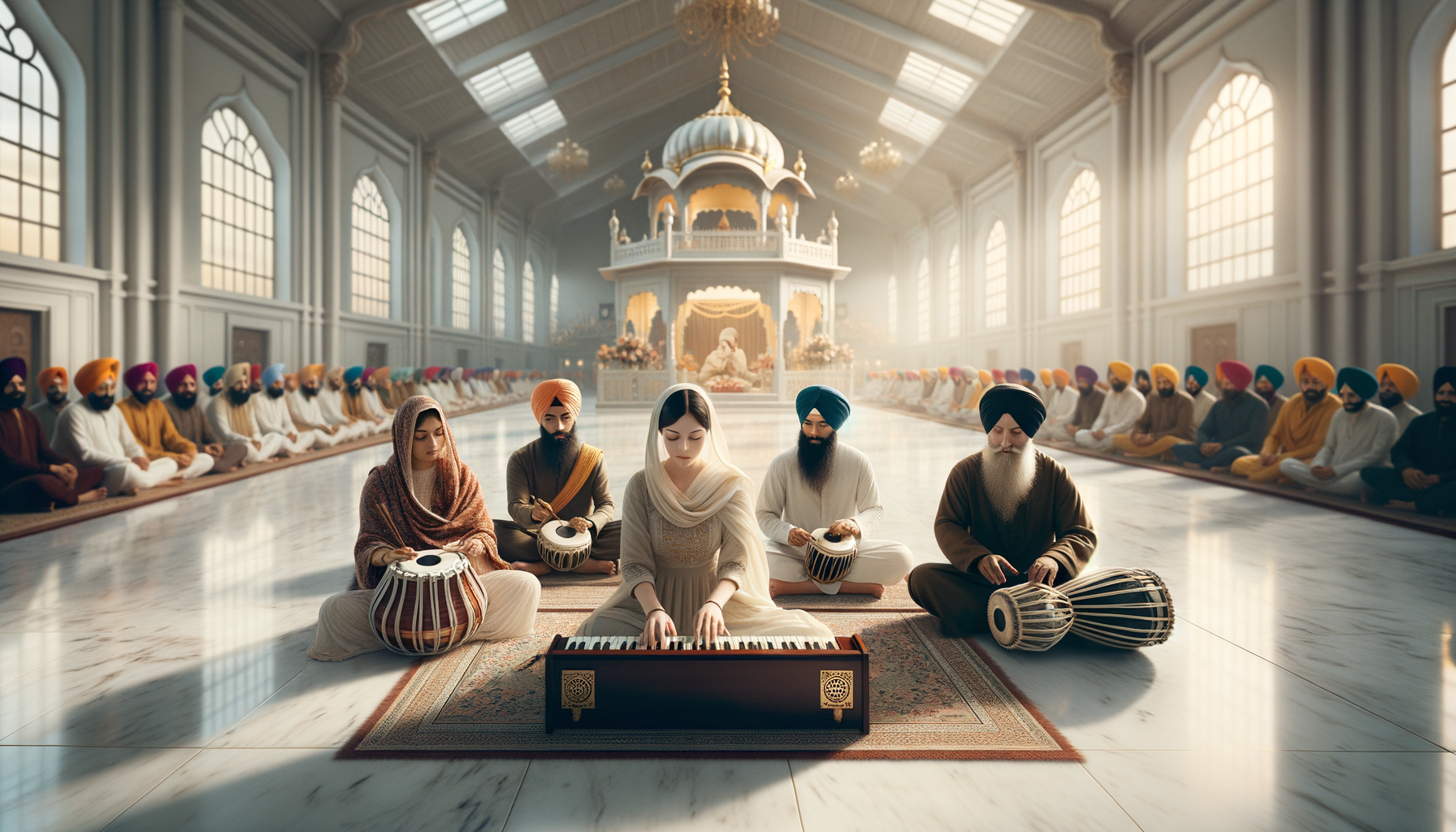
Historically, Shabad Kirtan is rooted in the scriptural authority of the Guru Granth Sahib and the disciplined aesthetics of Gurmat Sangeet. Raag-based composition, attention to sur and taal, and a lineage of performance practicebeginning with early string instruments such as the rabab and expanding to the harmonium and tablasignal a mature musical theology. The lecture highlighted how these practices intersect with the wider Bhakti Tradition and the subcontinent’s classical music grammar, while remaining anchored in Sikh sabad-centered devotion.
The session explored the aesthetic and spiritual dimensions of kirtan: shabad as revelatory sound, kirtan as contemplative immersion, and listening as a disciplined form of inner transformation. Attendees noted that the emotive force of sung scripture fosters ethical clarity, compassion, and shared purposeoutcomes also cherished in other dharmic paths through practices such as japa, dhyaan, and mindful recitation. In this way, the devotional voice becomes a medium for social harmony, nurturing mutual respect across communities.
Contemporary forms of Shabad Kirtan reflect dynamic adaptation. Diaspora congregations have widened participation through multilingual introductions, youth ensembles, and accessible pedagogy. Digital platformslivestreams, podcasts, and archival channelsextend reach, while innovative ensembles explore carefully framed collaborations. The lecture underscored that such experimentation benefits from clear guardrails: fidelity to raag structures, accurate pronunciation of Gurbani, and a transparent ethos that privileges devotion over performance.
Pedagogy emerged as a central pillar. Drawing on the Guru-Shishya Tradition, presenters mapped practical strategies: systematic raag training, notation literacy, and oral transmission reinforced by high-quality recordings and community mentorship. Participants shared how regular sadhana builds confidence in sangati (collective singing) and deepens scriptural understanding. Structured learning, it was argued, strengthens both musical excellence and spiritual intent.
Archives and technology featured as enablers rather than ends. Digitization of rare manuscripts, annotated recordings by senior exponents, and metadata-rich repositories can help scholars and practitioners trace stylistic lineages. Responsible use of emerging toolssuch as AI-assisted pitch or raag analysismay support pedagogy and preservation when guided by ethical oversight, community consultation, and transparent methods.
The lecture proposed a future roadmap grounded in community stewardship: invest in teacher training, create bursaries for young learners, document local kirtan styles, and encourage women and youth leadership in sangati. Inter-community dialoguesco-listening sessions with bhajans, Buddhist chanting, and Jain stavanswere recommended to illuminate convergences in devotion and discipline while honoring distinct theological frameworks. This approach advances Religious Pluralism and strengthens social cohesion through shared reverence for sacred sound.
Policy-level suggestions included establishing standards for transliteration and translation, supporting research on Gurmat Sangeet history, and forming peer-reviewed platforms for repertoire development. Community events can align with these goals by curating theme-based kirtan festivals, hosting lecture-demonstrations, and producing open-access learning modules that balance musical rigor with spiritual accessibility.
In conclusion, the Naad Pargaas lecture portrayed Shabad Kirtan as a disciplined art, a contemplative practice, and a bridge for unity. By weaving together tradition, contemporary innovation, and a responsible vision for the future, Shabad Kirtan continues to inspire the Sikh Community and contribute to a shared dharmic ethos. Sustained by sound pedagogy, ethical technology, and inclusive participation, it stands poised to deepen devotion, cultural continuity, and inter-community understanding.
Inspired by this post on SikhNet – News.