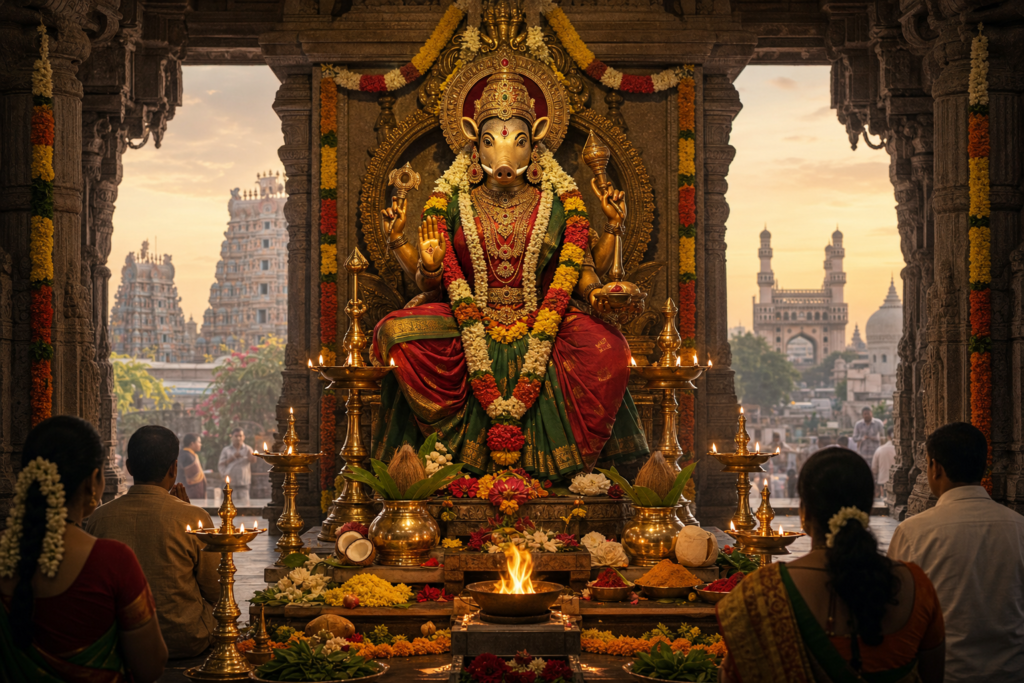
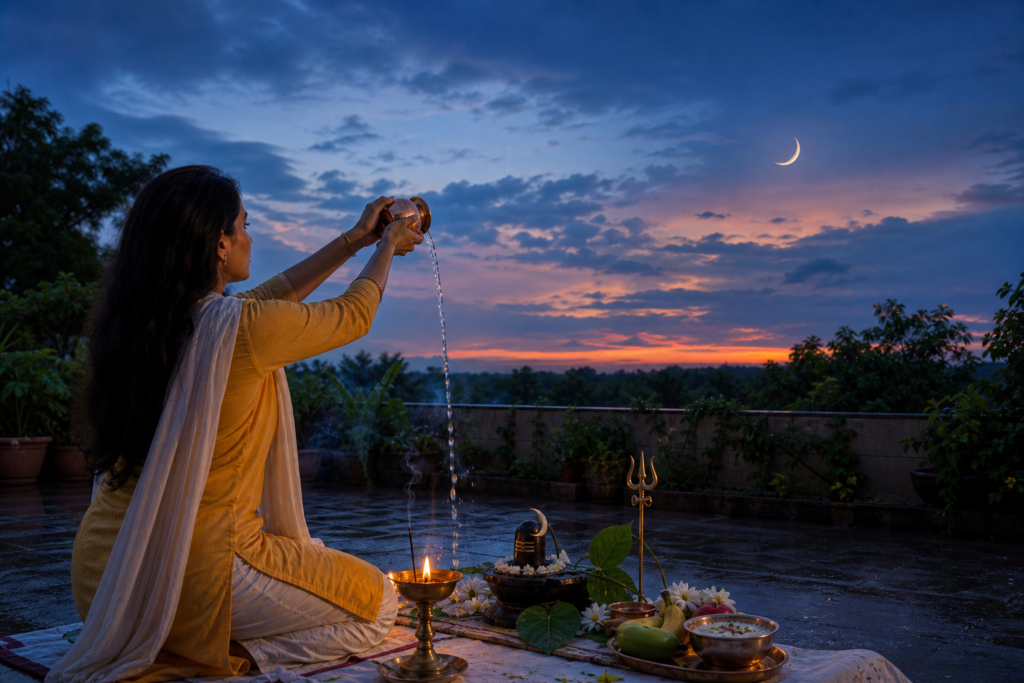
Across Durga Puja observances, particularly during Sandhi Puja, devotees offer 108 lotus flowers to Goddess Durga. Rooted in Bengali tradition yet resonant across dharmic cultures, this practice unites ritual precision with profound symbolism. The offering is associated with two influential narratives that illuminate the devotional heart of Navaratri and the cultural depth of Durga worship.
Sandhi Puja marks the liminal junction between Ashtami and Navami, a sacred forty-eight-minute window regarded as especially potent for invoking Durga’s shakti. In many homes and temples, priests and devotees arrange 108 lotus blossoms, prepare lamps, and recite mantras. The number and the flower together focus attention, discipline the mind, and cultivate reverencequalities cherished in Hindu practice and appreciated across the broader dharmic family.
One widely told account is the Tale of the 108 Wounds. During the fierce battle with asuras, it is said that 108 wounds appeared on the Goddess’s body. Offering 108 lotuses symbolically soothes and honors those wounds, expressing gratitude for her protection and acknowledging the struggle inherent in the triumph of dharma. In this reading, each lotus becomes a mindful act of remembrance, devotion, and healing.
Another celebrated legend recounts Śrī Rāma’s Akal Bodhanout-of-season worshipto seek Durga’s blessings. Rāma gathered 108 blue lotuses for the puja. To test his resolve, Shiva is said to have concealed one lotus. Rather than allow the worship to falter, Rāmawhose eyes are likened to lotusesresolved to offer his own eye as the 108th flower. Moved by such unwavering bhakti, Goddess Durga granted darśana and blessing. This narrative powerfully connects the number 108, the lotus, and the ideal of single-pointed devotion celebrated in Sandhi Puja.
Beyond story and sentiment, the symbolism of 108 carries a broader spiritual resonance. The number is traditionally recognized in Hindu practice and appears in malas used widely across Hinduism, Buddhism, Jainism, and, in many contexts, Sikh spiritual practice. In this shared language of devotion, 108 evokes wholeness, discipline, and contemplative depthvalues that foster unity among dharmic traditions while honoring their rich diversity of forms.
In ritual practice, the offering of 108 lotus flowers is often accompanied by recitations from the Devi Mahatmyam (Chandi Path) and the chanting of Durga’s names. Communities across Bengal and the global diaspora preserve these observances during Navaratri, integrating aesthetics, ethics, and devotion. The ceremony’s cadencepreparation, offering, and reflectiondeepens collective memory and strengthens communal bonds.
Viewed together, these two Bengali narratives complement rather than compete. Whether read as the healing of the Goddess’s 108 wounds or as the culmination of Rāma’s steadfast worship, the ritual centers on devotion (bhakti), courage, and remembrance. The lotuspure, resilient, and serenebecomes both symbol and practice, guiding devotees toward inner clarity and compassionate action.
Thus, the tradition of offering 108 lotus flowers to Goddess Durga during Sandhi Puja stands as a timeless confluence of story, symbol, and sādhanā. It communicates a message that resonates across dharmic paths: sincere intention, disciplined practice, and reverence for the Divine can harmonize communities and uplift the human spirit.
Inspired by this post on Hindu Blog.