Svadhisthana Chakra, widely known as the Sacral Chakra, is recognized in the yogic anatomy as the second energy center, situated about two inches below the navel in the lower abdomen. Etymologically, the Sanskrit terms ‘Sva’ (self) and ‘Adhisthana’ (dwelling place) frame Svadhisthana as the subtle seat where selfhood meets feeling, creativity, and relational warmth. In classical Yoga and allied contemplative traditions, this chakra is associated with the water element, fluidity, and the capacity to experience pleasure with discernment.
Functionally, Svadhisthana governs the intelligent flow of emotion, the spark of creativity, and balanced sexuality. When harmonized, individuals often report an easy relationship with joy, spontaneity in the arts, and emotional resilience. When challenged, patterns such as guilt, shame, emotional numbness, volatility, or overindulgence may emerge. Physically, this center correlates with the hips, pelvis, lower back, reproductive organs, and the kidneys, aligning with traditional observations across Yoga and Ayurveda.
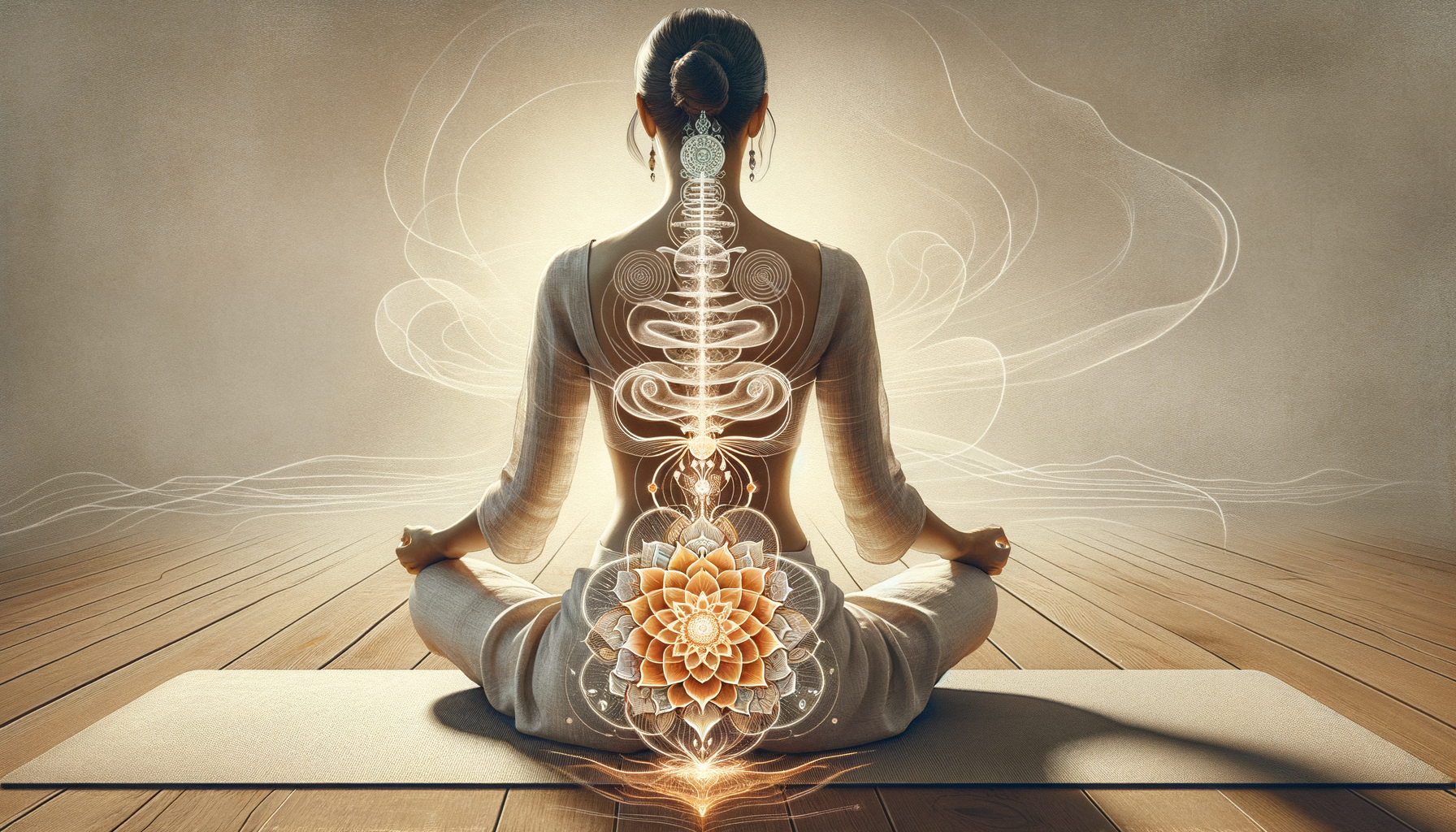
Symbolically, many lineages describe Svadhisthana through an orange hue, a six-petaled lotus, and the bija mantra vam used in certain meditation practices. While iconography varies, the shared emphasis remains clear: cultivate a fluid, ethically guided flow of life-force (prana) so creativity and relational energy nourish rather than deplete.
Clear indicators of balance include steady mood, healthy boundaries, playful creativity, and the ability to receive and give affection without compulsion. Indicators of imbalance may include creative block, avoidance of intimacy, impulsive gratification, or lingering guilt and shame. Observing these patterns with non-judgmental awareness often provides the first, evidence-informed step toward change.
Proven practices from Yoga and meditation may support Svadhisthana. Hip-opening asanas such as Baddha Konasana (Bound Angle Pose), Upavistha Konasana (Wide-Angle Seated Forward Bend), and Eka Pada Rajakapotasana (Pigeon Pose), alongside gentle spinal waves and Cat–Cow, help restore pelvic mobility and breath–movement synergy. For breathwork (Pranayama), Nadi Shodhana (Alternate Nostril Breathing) balances the nervous system, while lengthened exhalations and cooling pranayamas such as Sheetali or Sheetkari can soothe emotional reactivity.
Meditative approaches refined for this chakra include breath awareness in the pelvic bowl, visualizing a calm, clear body of water, and softly intoning the bija mantra vam. Loving-kindness (metta) can be integrated to bridge Svadhisthana with Anahata (heart center), supporting warmth, empathy, and relational ease. Short, consistent sessions often yield stronger results than occasional intensity.
Supportive daily choices further assist balance. Gentle abhyanga (oil massage) with warming sesame oil, adequate hydration, and mindful creative outlets (dance, music, writing, or painting) can encourage healthy expression. Ethical intimacy, consent-centered relationships, and clear boundaries help channel the chakra’s water-like power with dignity and respect. Reflective journaling on pleasure, emotions, and values invites clarity without self-judgment.
Trauma sensitivity is essential. If difficult memories or strong emotions arise, gentler pacing, rest, and, where needed, guidance from qualified teachers or clinicians can create a safer path. In this way, practices remain compassionate, steady, and attuned to individual history.
Integration across the chakra system enriches outcomes. Svadhisthana thrives when Muladhara (root) provides stability, Manipura (solar plexus) offers purposeful agency, and Anahata supplies kindness. Alignment along Sushumna Nadi is aided by an upright, relaxed posture, even breath, and a balanced approach to effort and ease. This integrative perspective is central to many Yoga traditions that understand Chakras as interdependent rather than isolated.
Across dharmic traditions, complementary insights promote unity in practice. Vajrayana Buddhism explores channels and winds that parallel subtle energy cultivation; Jain contemplative disciplines emphasize self-restraint and clarity that reduce emotional turbulence; Sikh simran and kirtan nurture inner harmony and devotional sweetness. While doctrinal frameworks differ, shared ethical living, mindful awareness, and compassionate conduct converge on balanced emotional life and responsible joy.
A concise, beginner-friendly routine may include: two minutes of seated centering; three to five minutes of hip-opening movement; three minutes of Nadi Shodhana; two minutes of breath-based visualization of clear water in the pelvic bowl; one minute of soft chanting of vam; and one minute of quiet rest. Practiced regularly, this sequence can foster steady change without strain.
Ultimately, Svadhisthana as the ‘dwelling place of the self’ points to a refined relationship with pleasure, creativity, and connection. Through Chakras-informed Yoga, meditation, and Pranayamagrounded in kindness and ethical claritycreative energy becomes a trustworthy ally. Balanced in this way, the Sacral Chakra supports artistry, intimate integrity, and a calm, resilient emotional life.
Inspired by this post on Hindu Pad.